Climate change is no longer a distant threat—it is a present and growing reality that affects every aspect of our lives, from agriculture and food security to water availability, public health, biodiversity, and global economies. The latest scientific assessments confirm that without urgent and collective action, the impacts of climate change will become increasingly severe and irreversible. As extreme weather events, rising sea levels, and shifting climate patterns intensify, the need for adaptive and resilient systems becomes more urgent than ever.
Governments play a central role in addressing the climate crisis. Through legislation, policy development, financing mechanisms, and international cooperation, they are responsible for setting the agenda and driving action at the national and local levels. However, the complexity and scale of climate change demand more than government intervention alone. The involvement of international organizations, non-governmental actors, and local communities is crucial to ensure inclusive, effective, and sustainable solutions.
The International Fund for Agricultural Development (IFAD), a specialized United Nations agency, has been at the forefront of tackling climate change—especially in rural and agricultural communities that are most vulnerable to its effects. IFAD focuses on empowering smallholder farmers, promoting sustainable agricultural practices, and enhancing the resilience of rural livelihoods. Its climate-related programs and investments provide vital support to developing countries as they confront environmental challenges and work toward sustainable development goals.
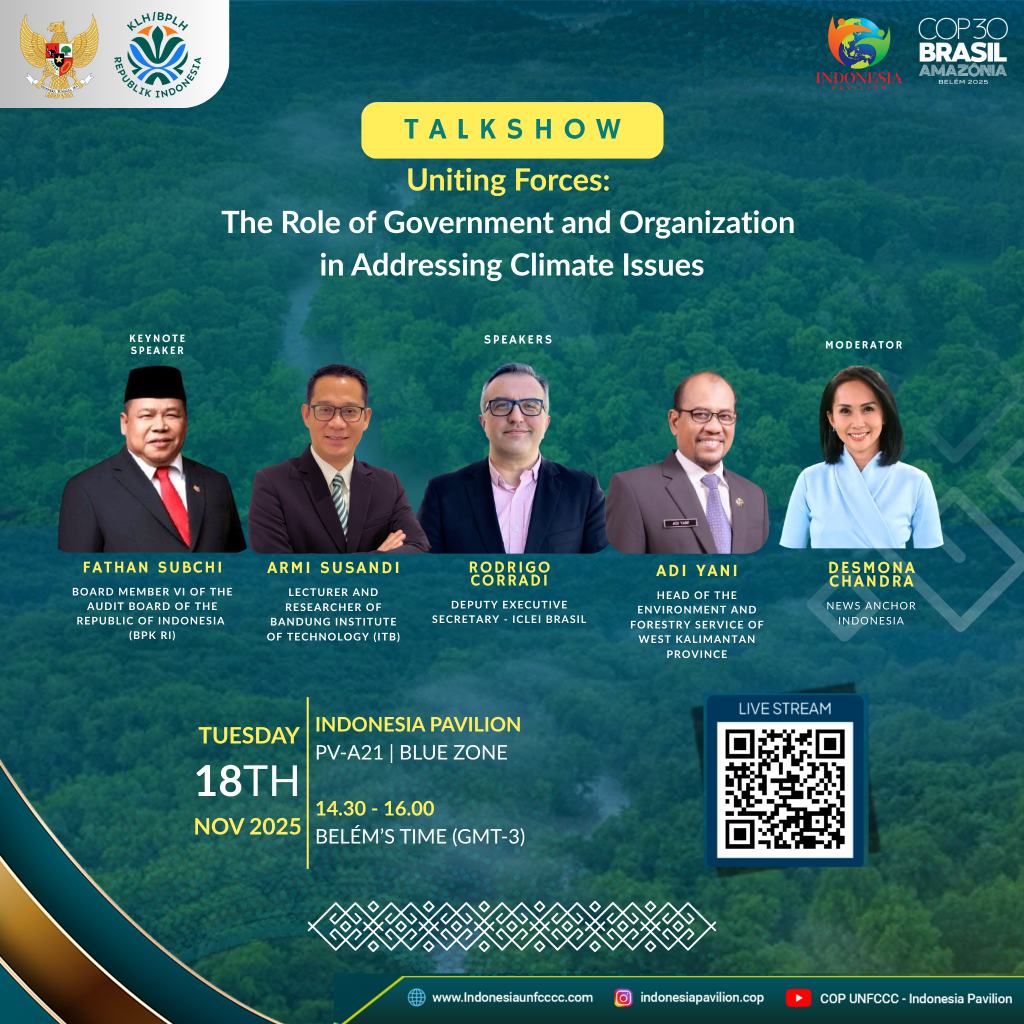
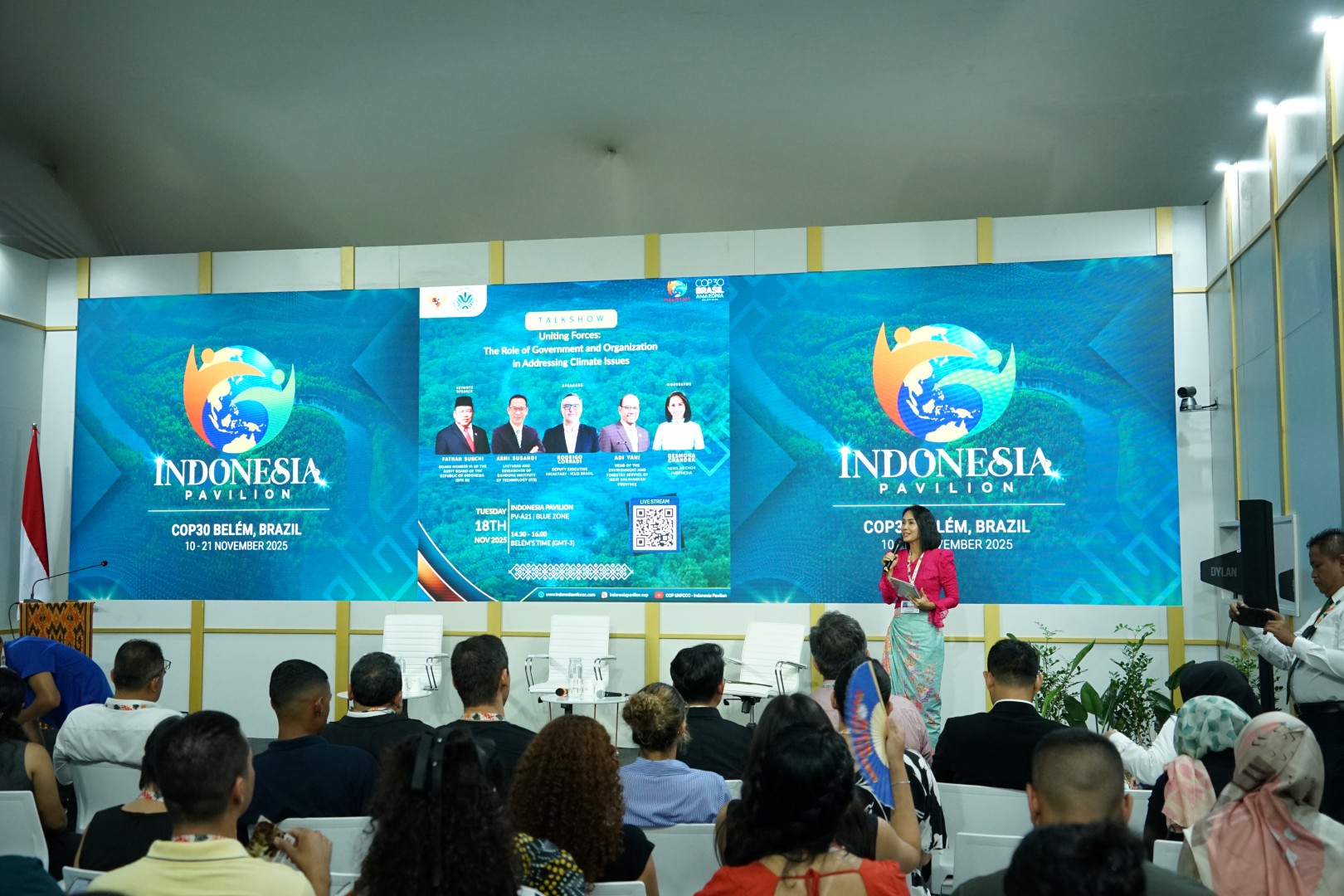
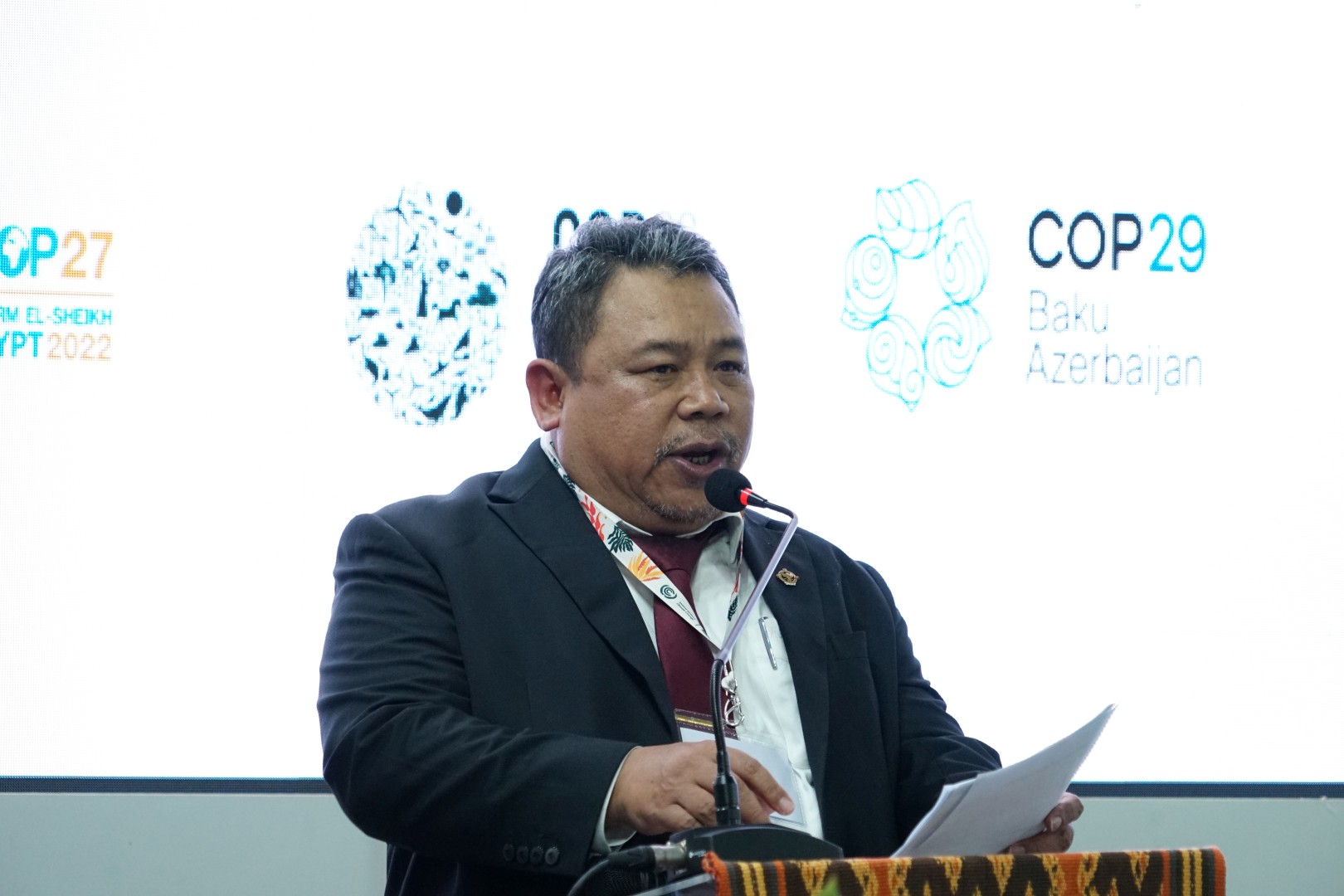
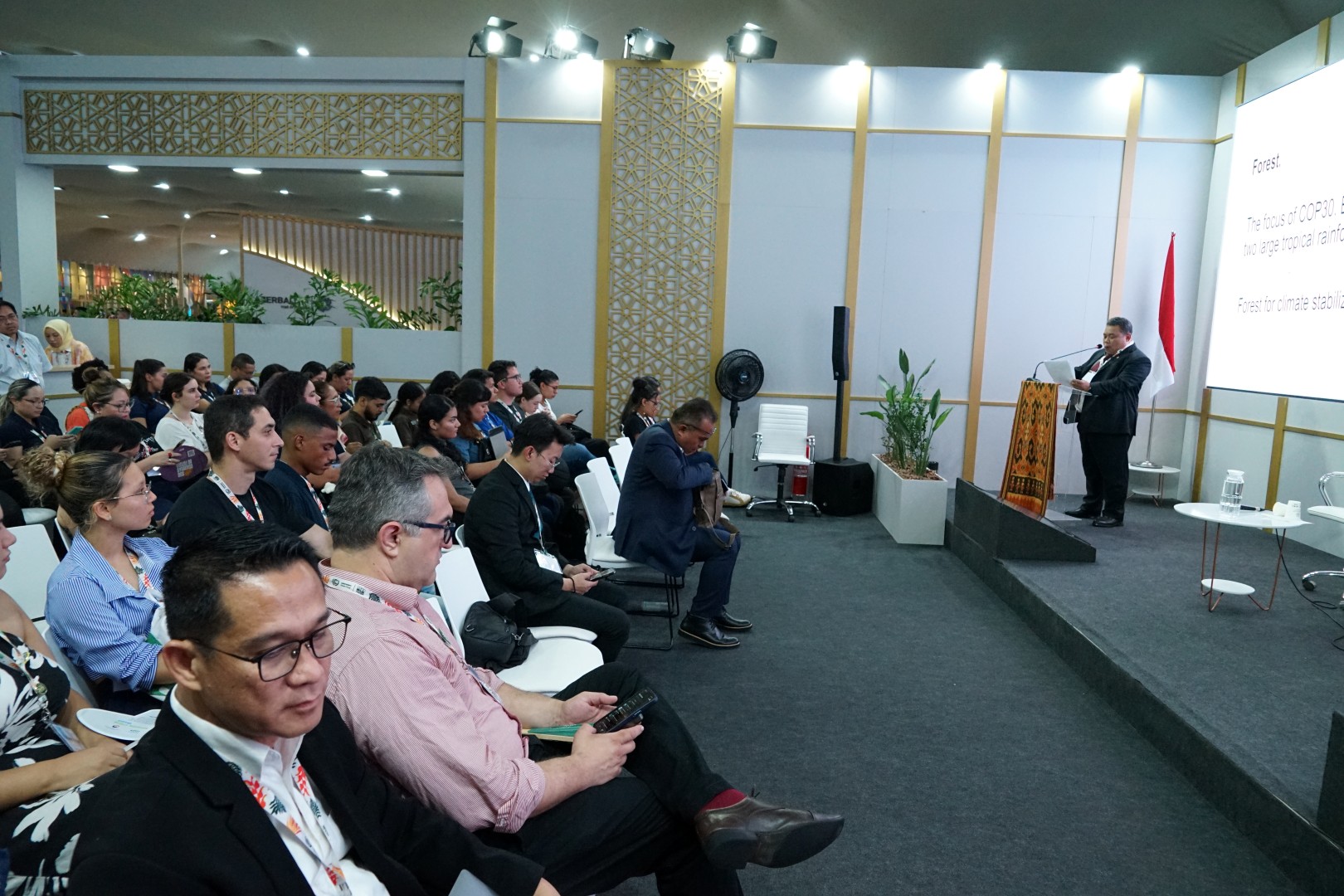
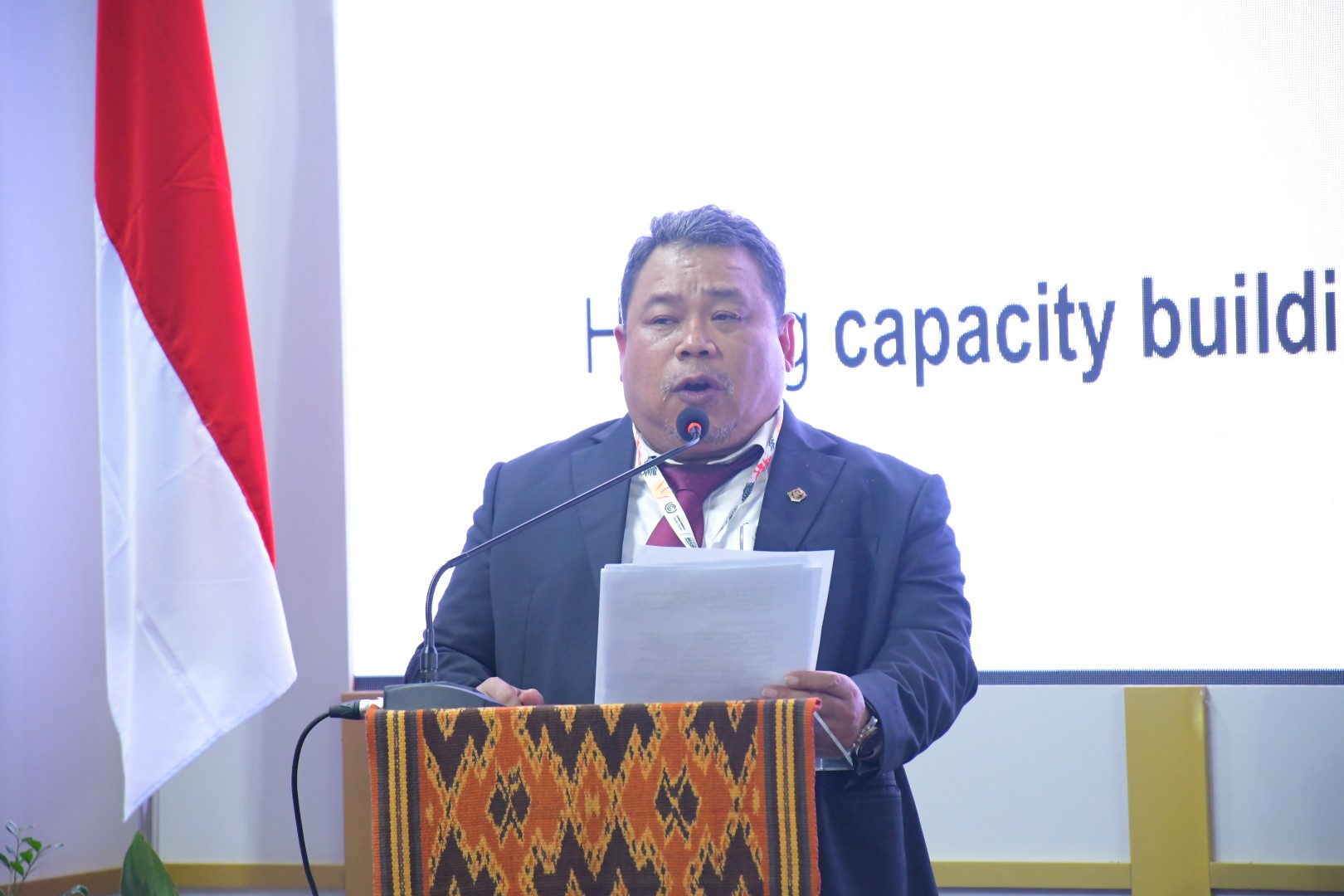
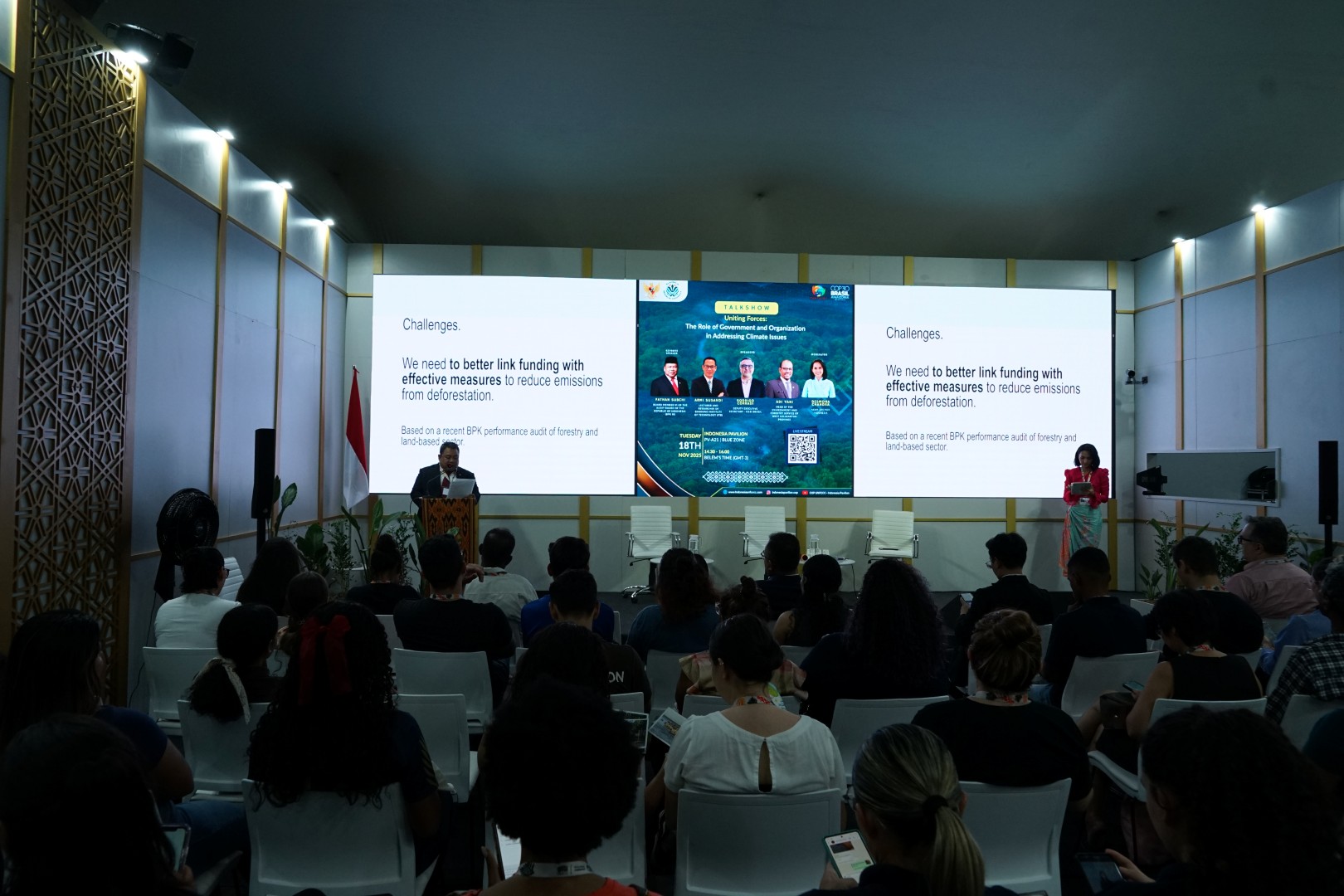
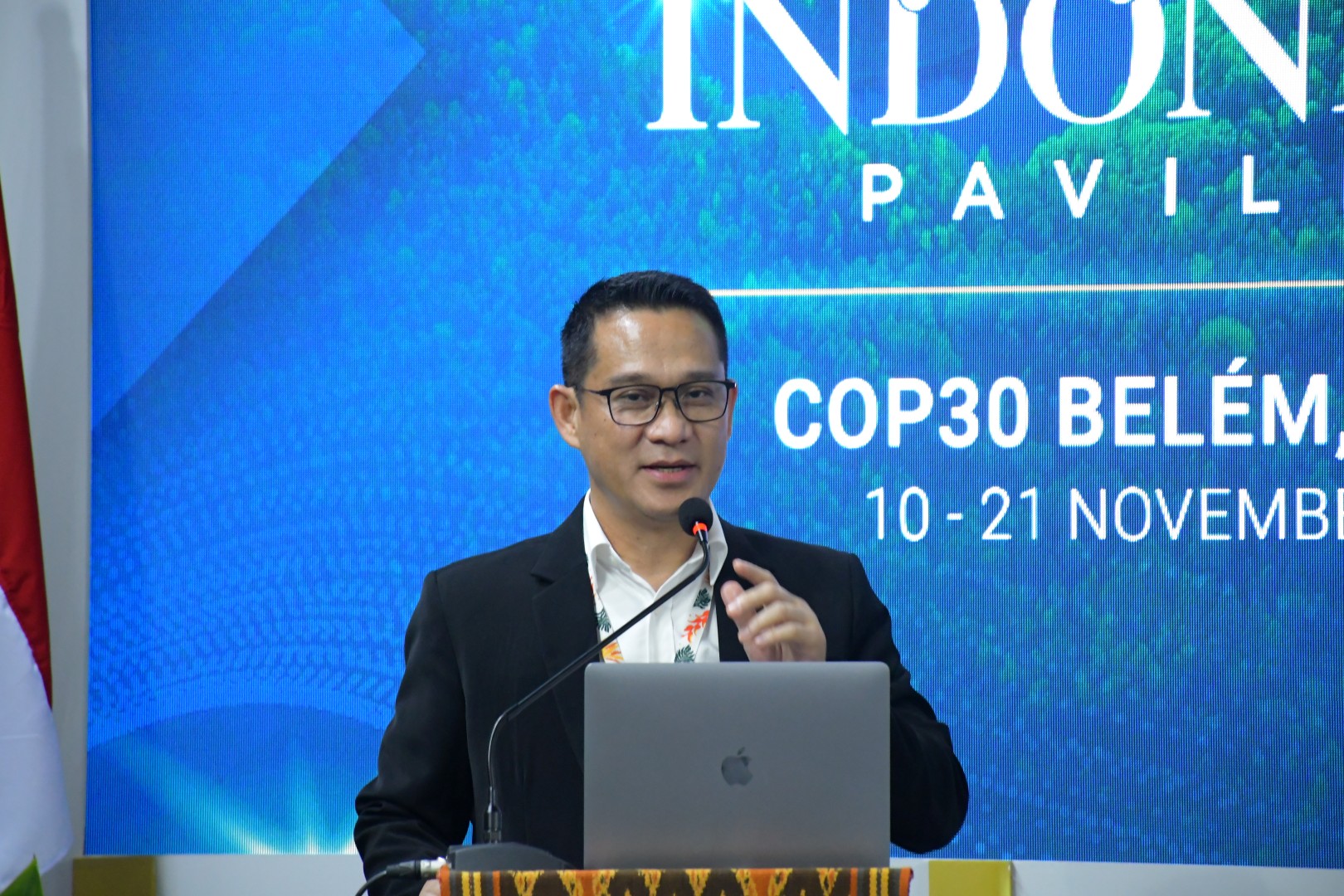
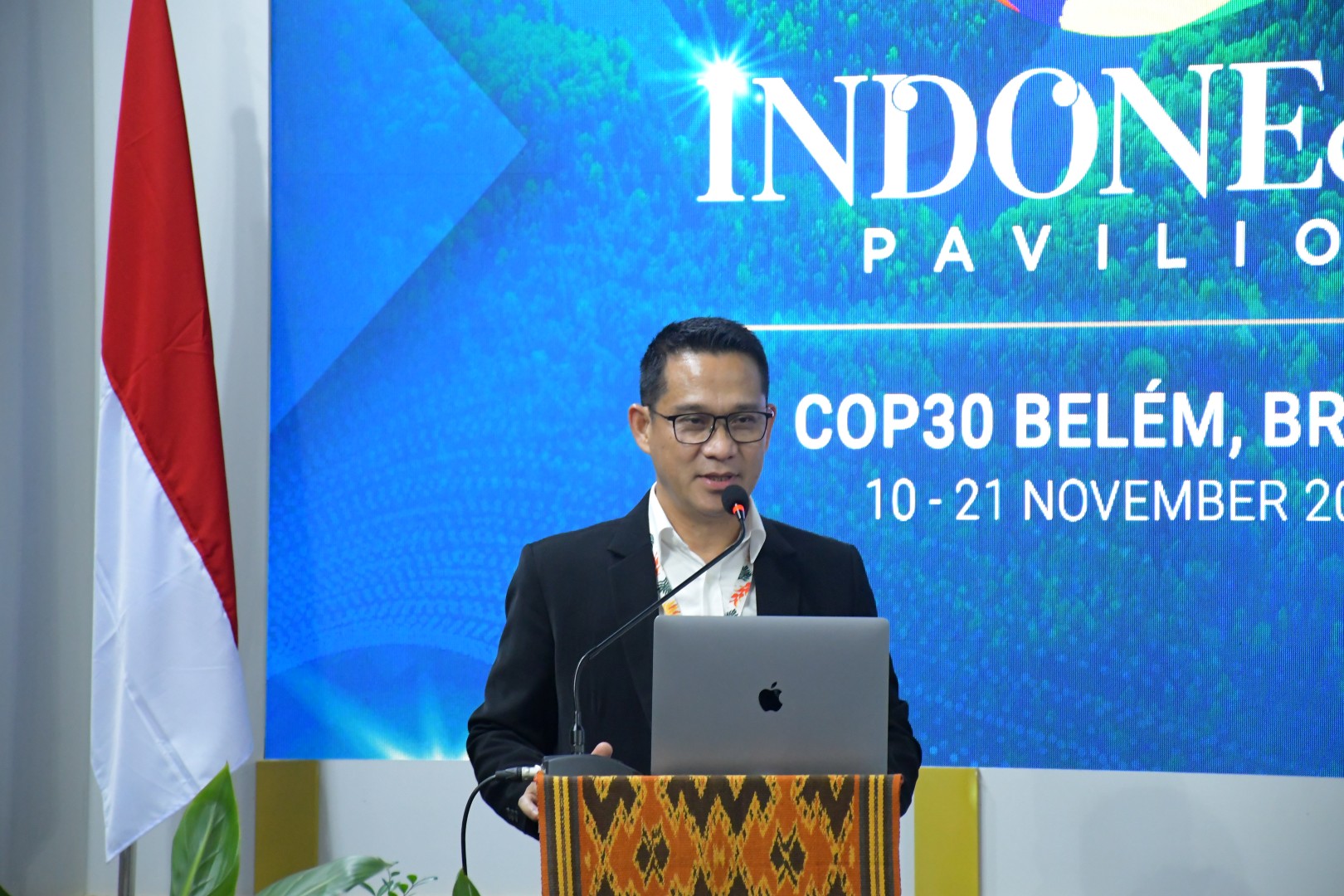
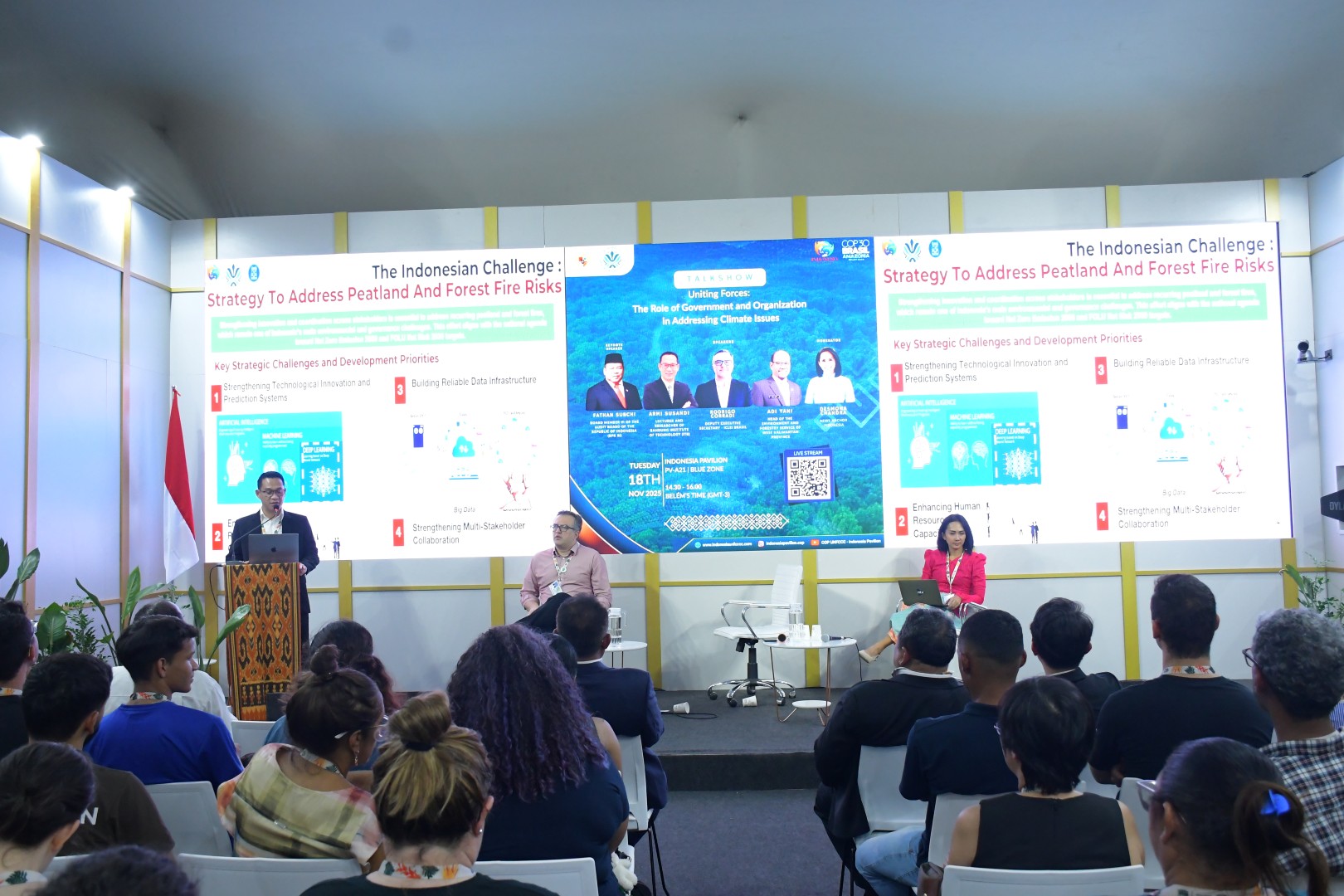
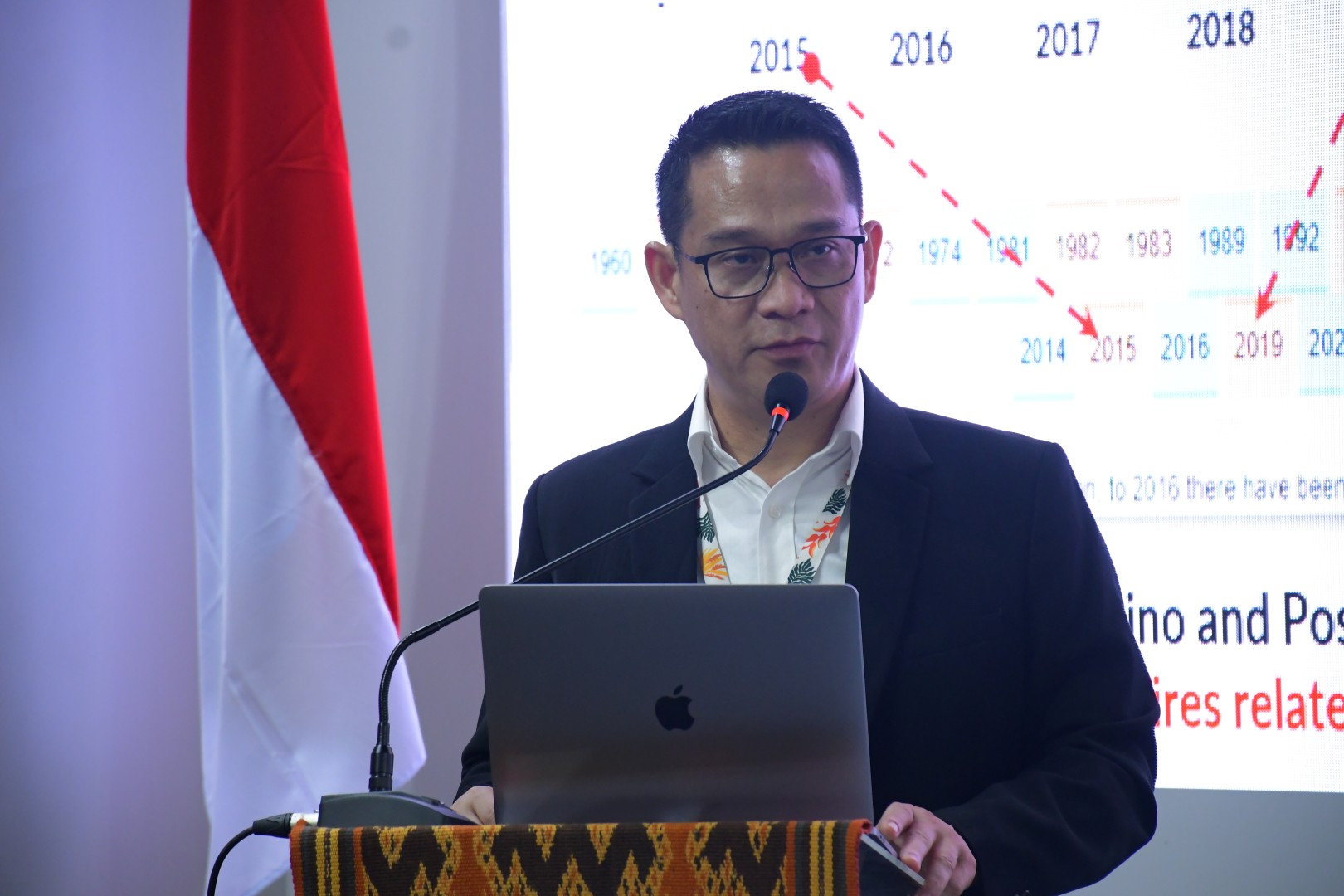
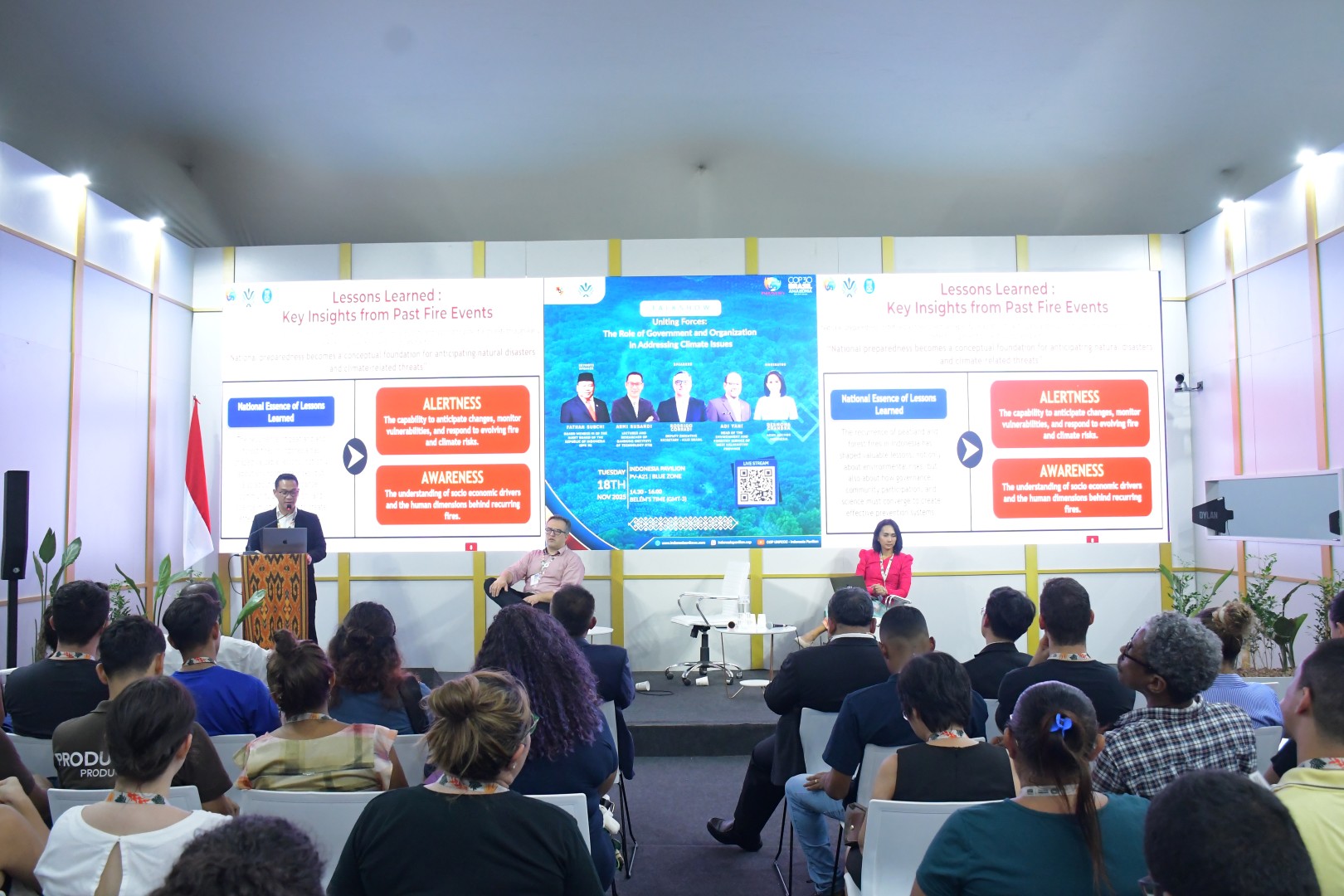
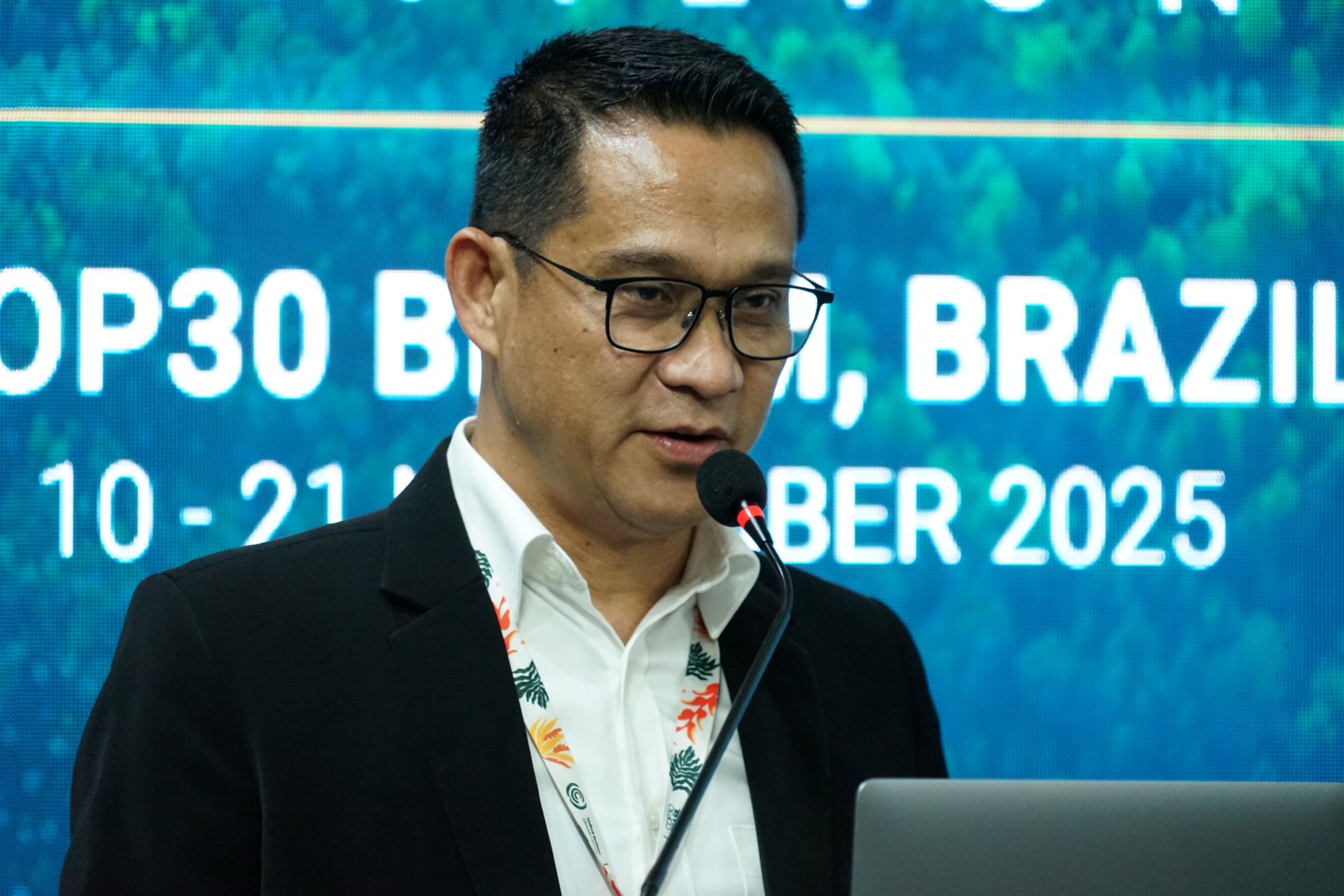
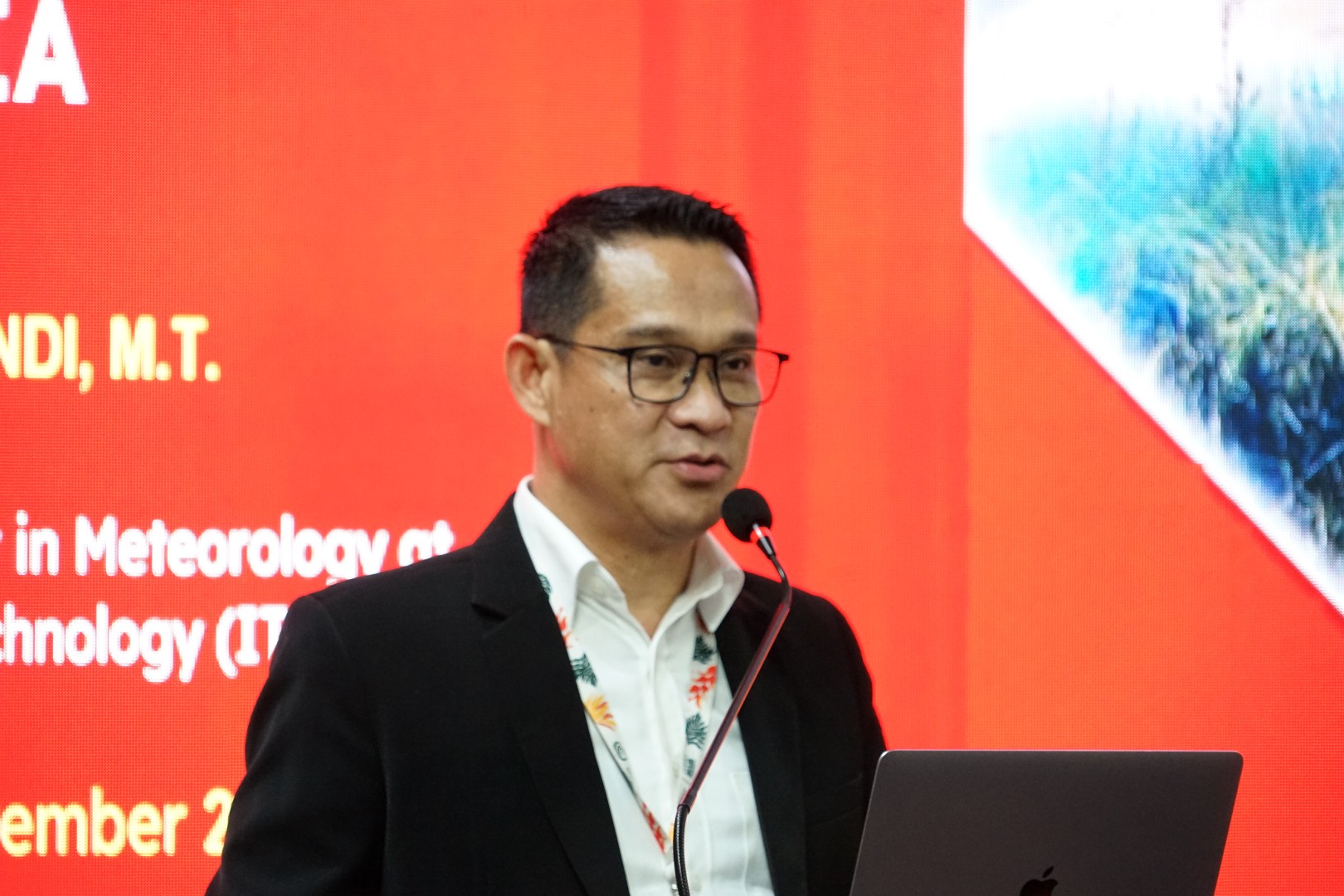
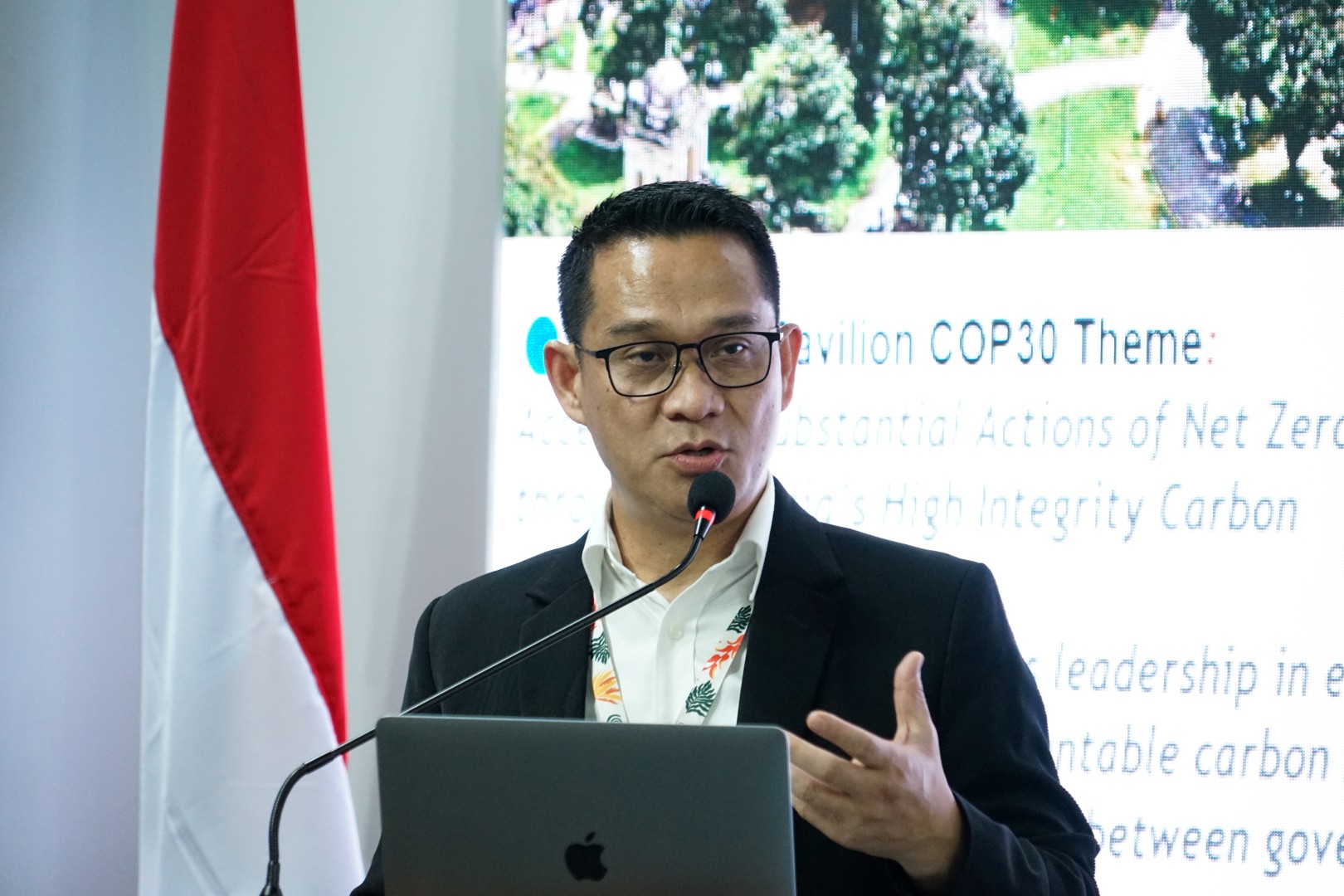
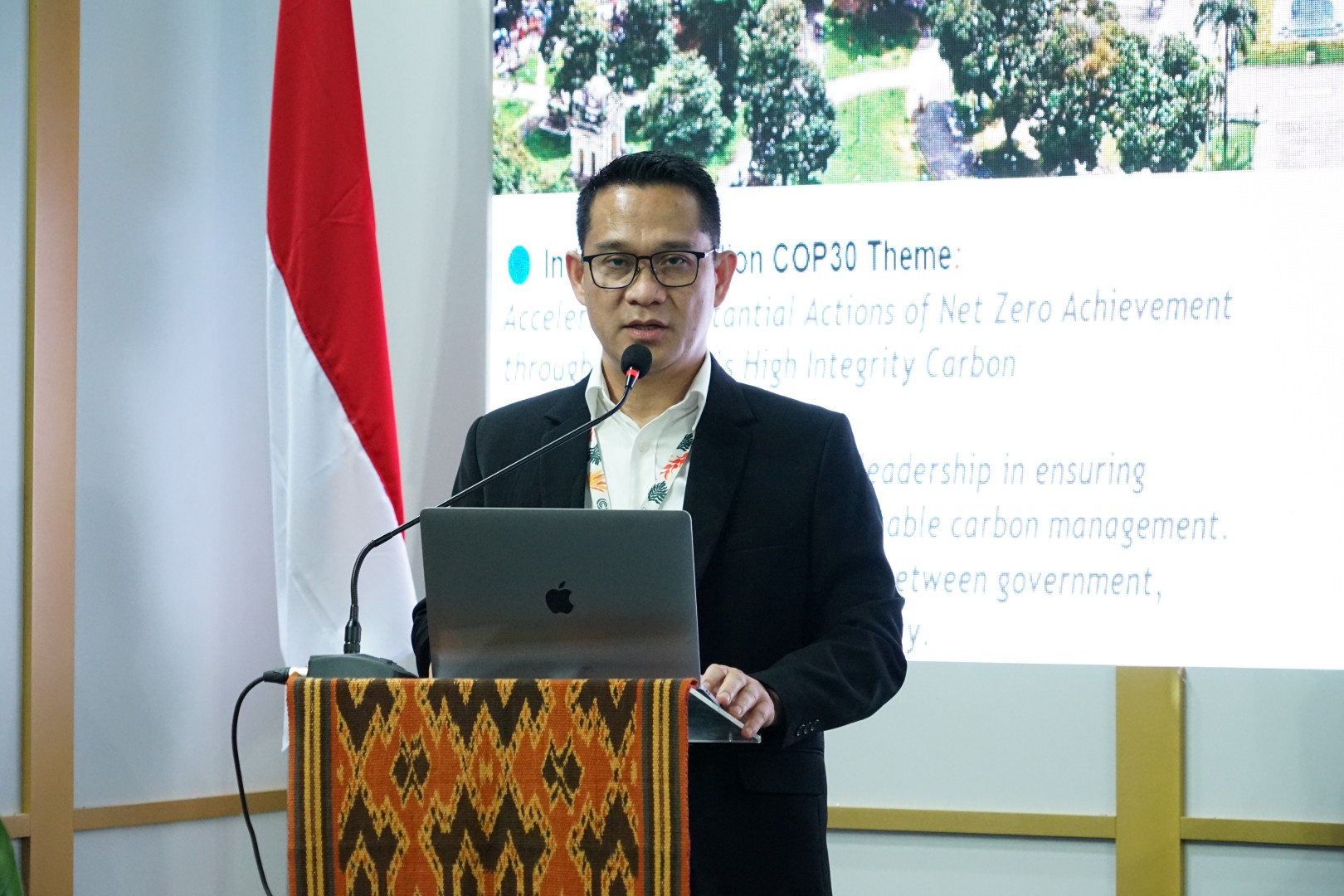
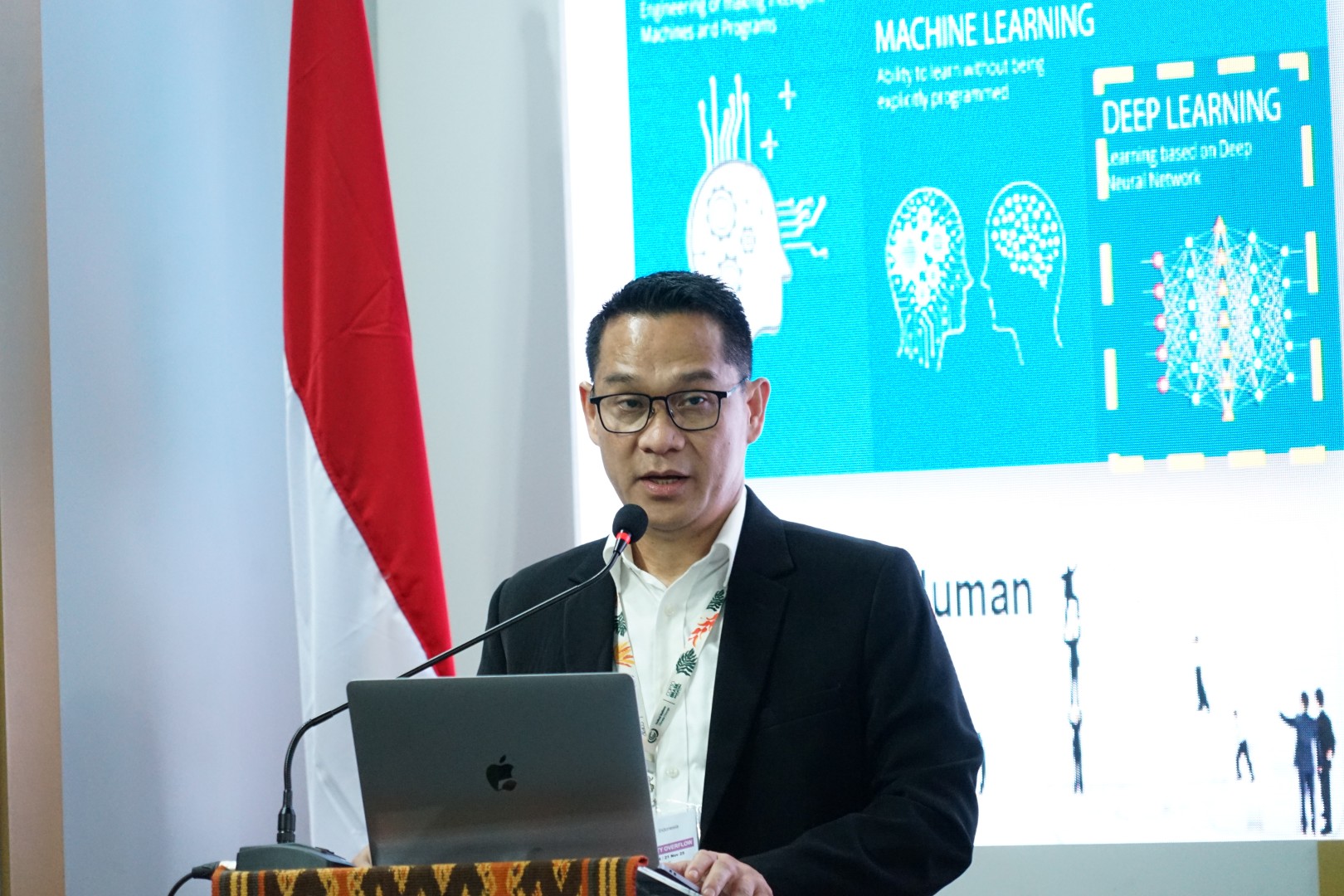
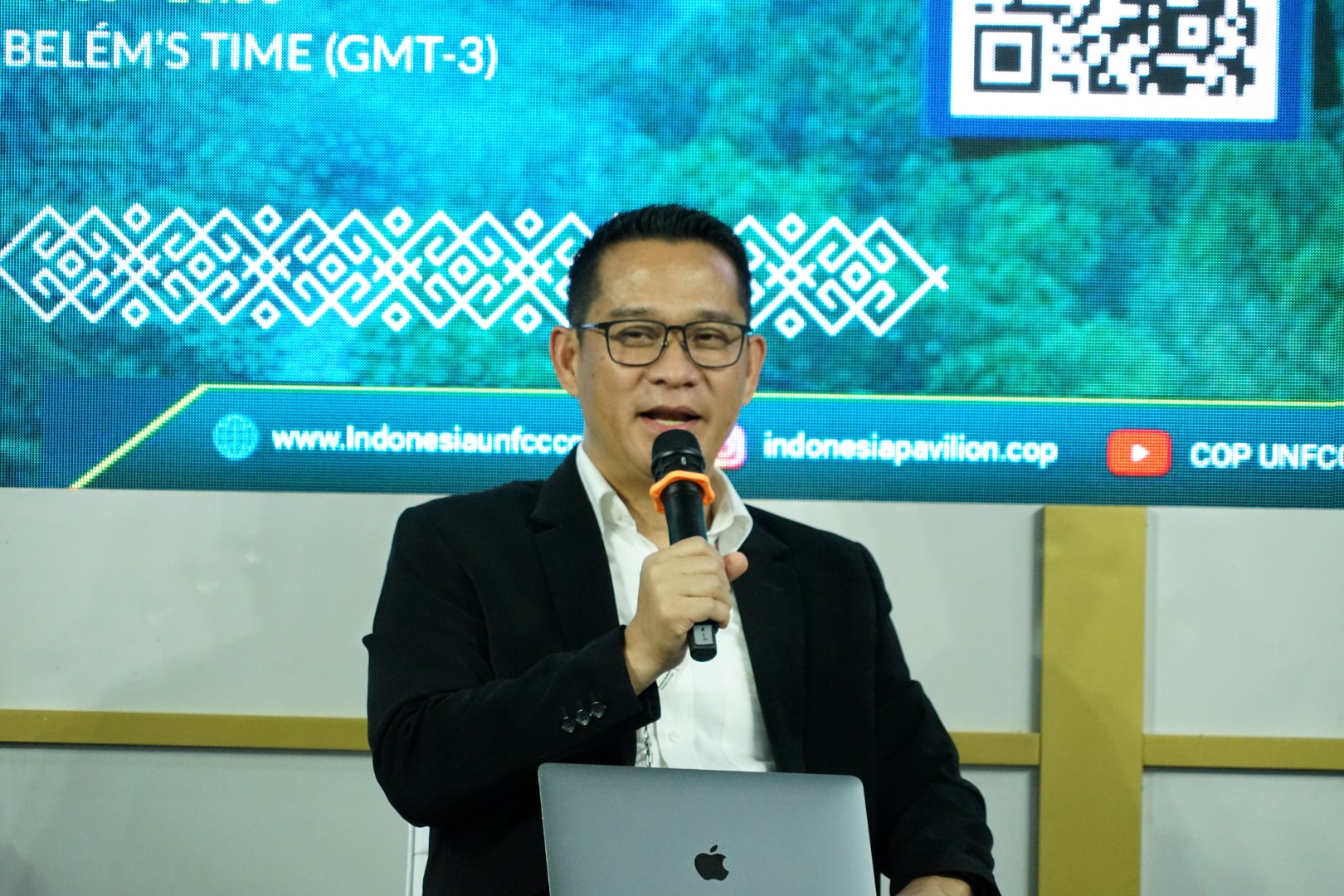
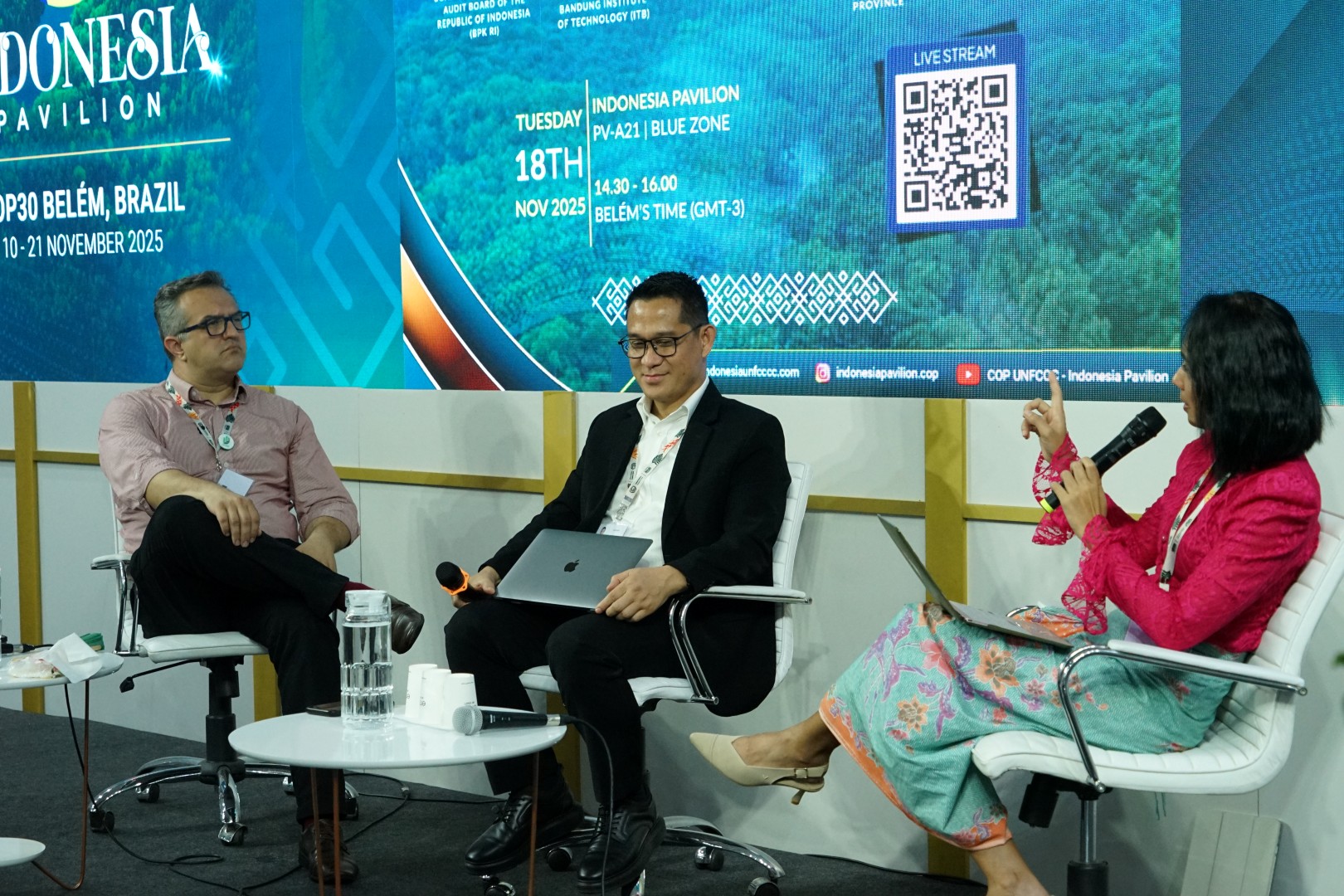
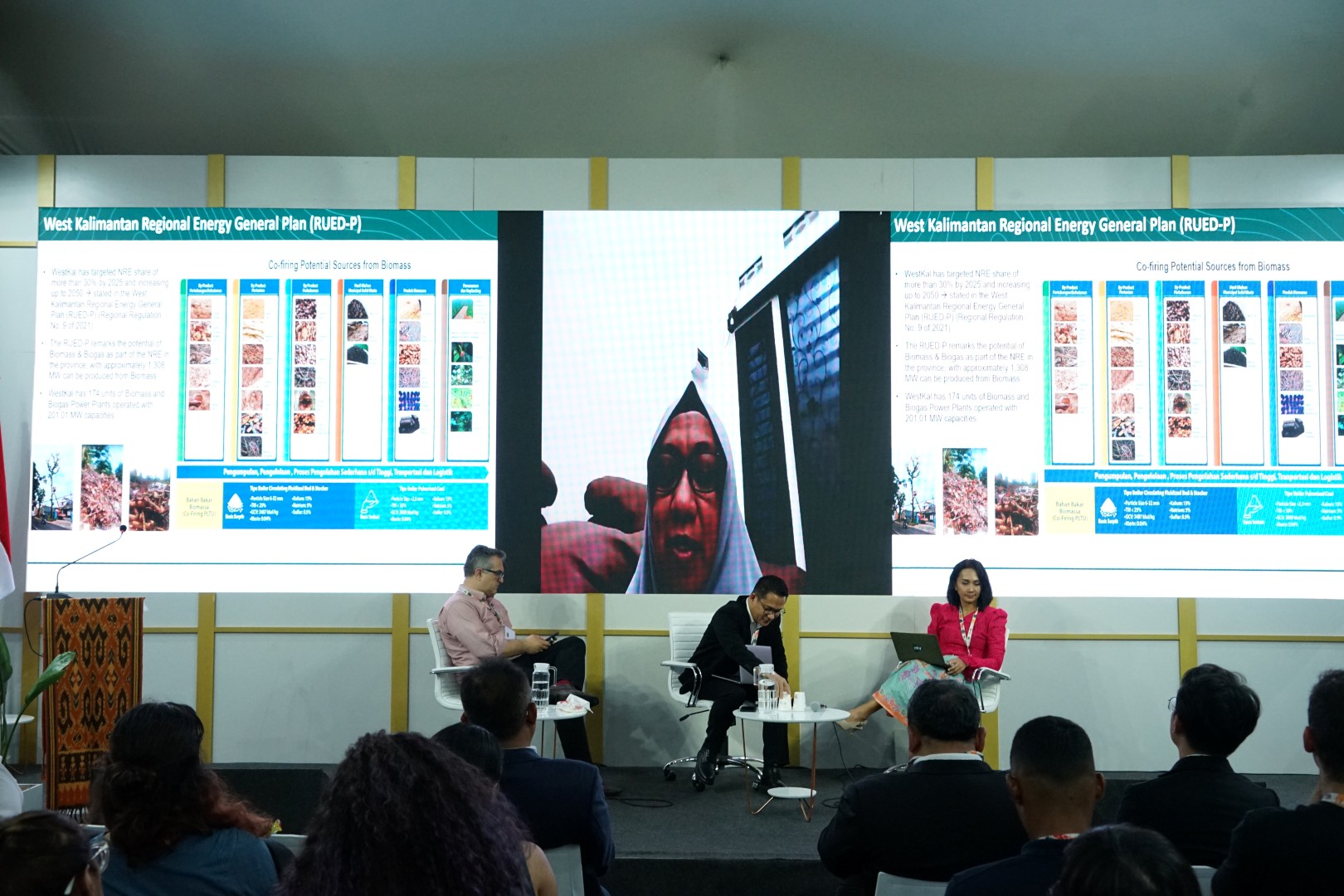
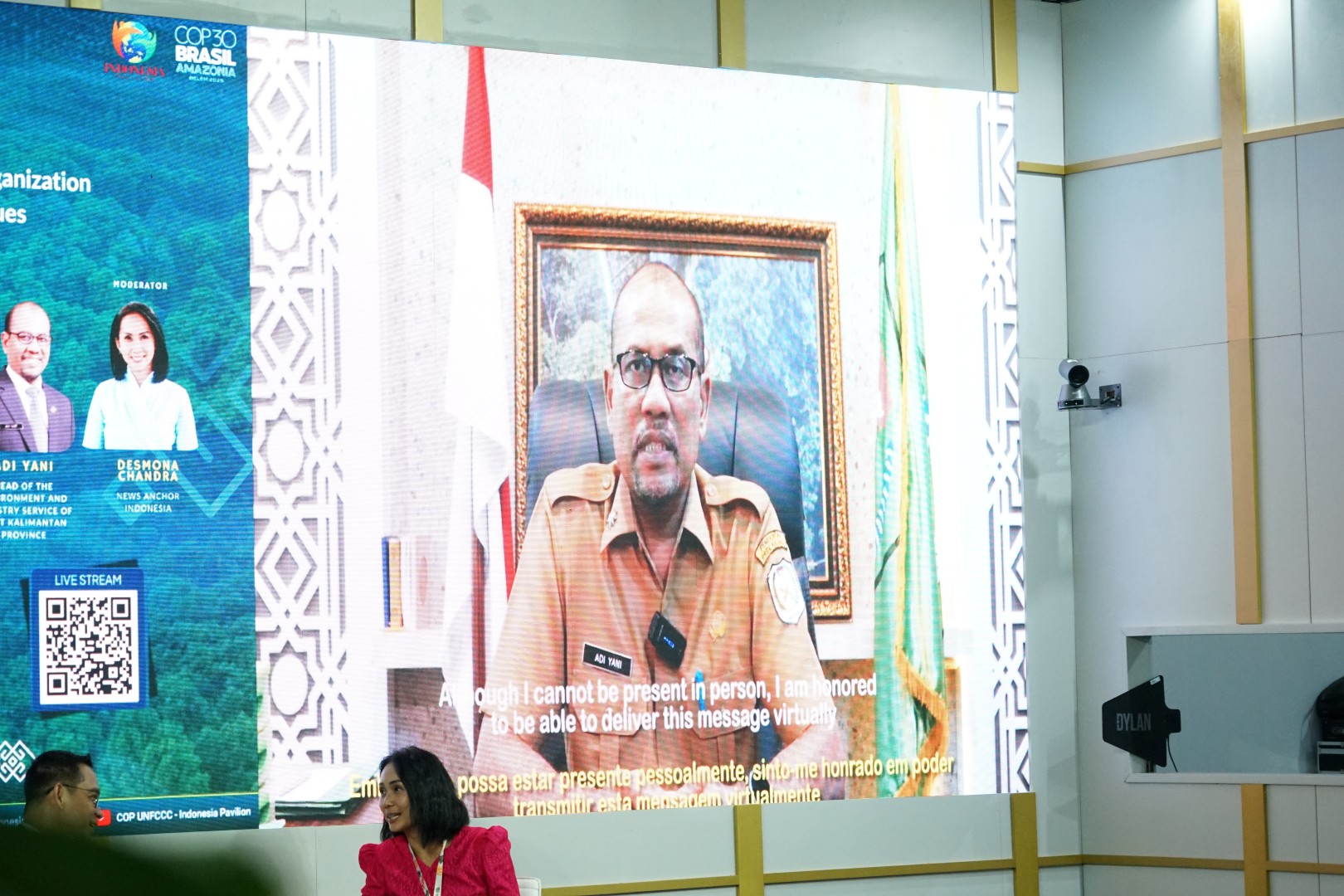
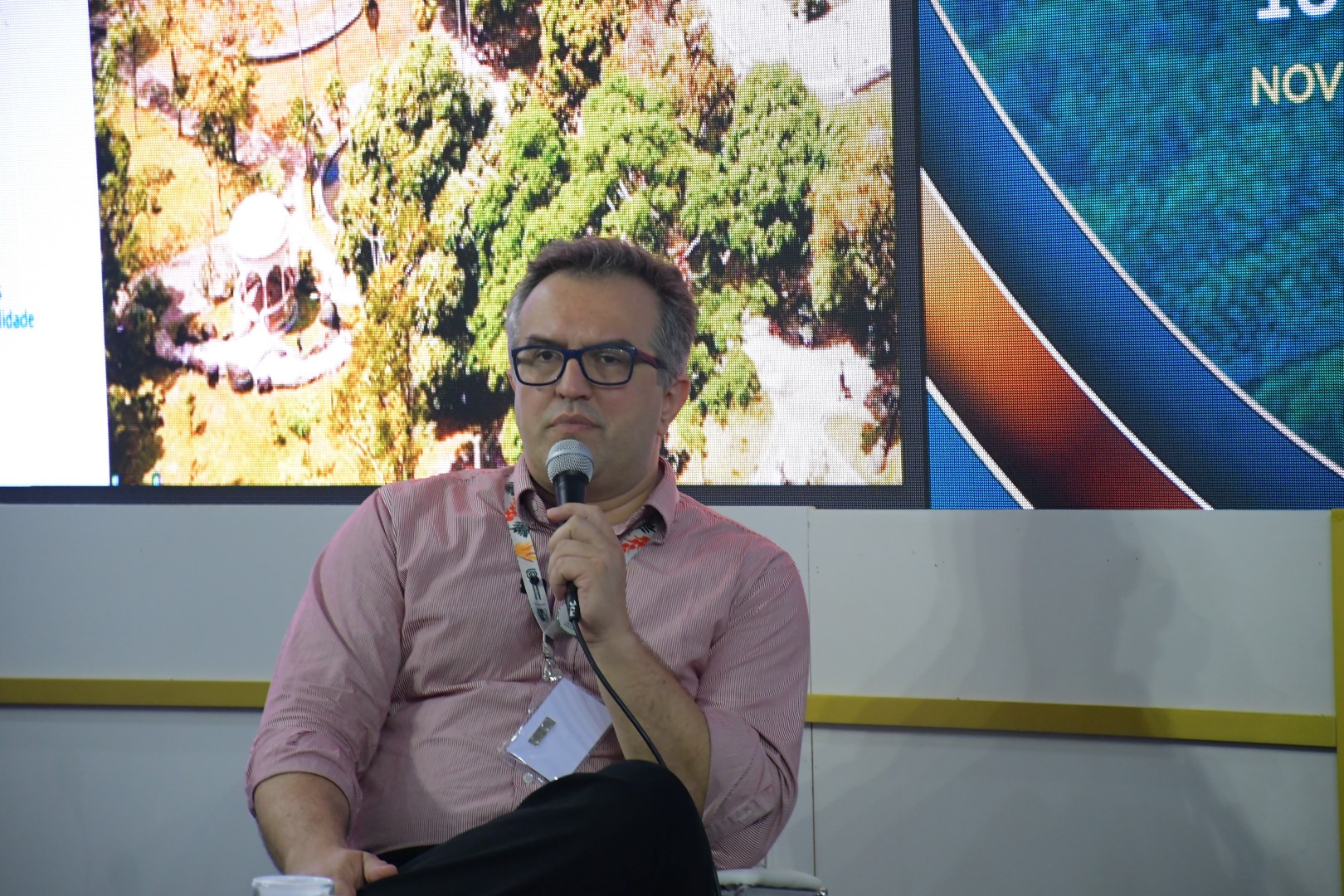
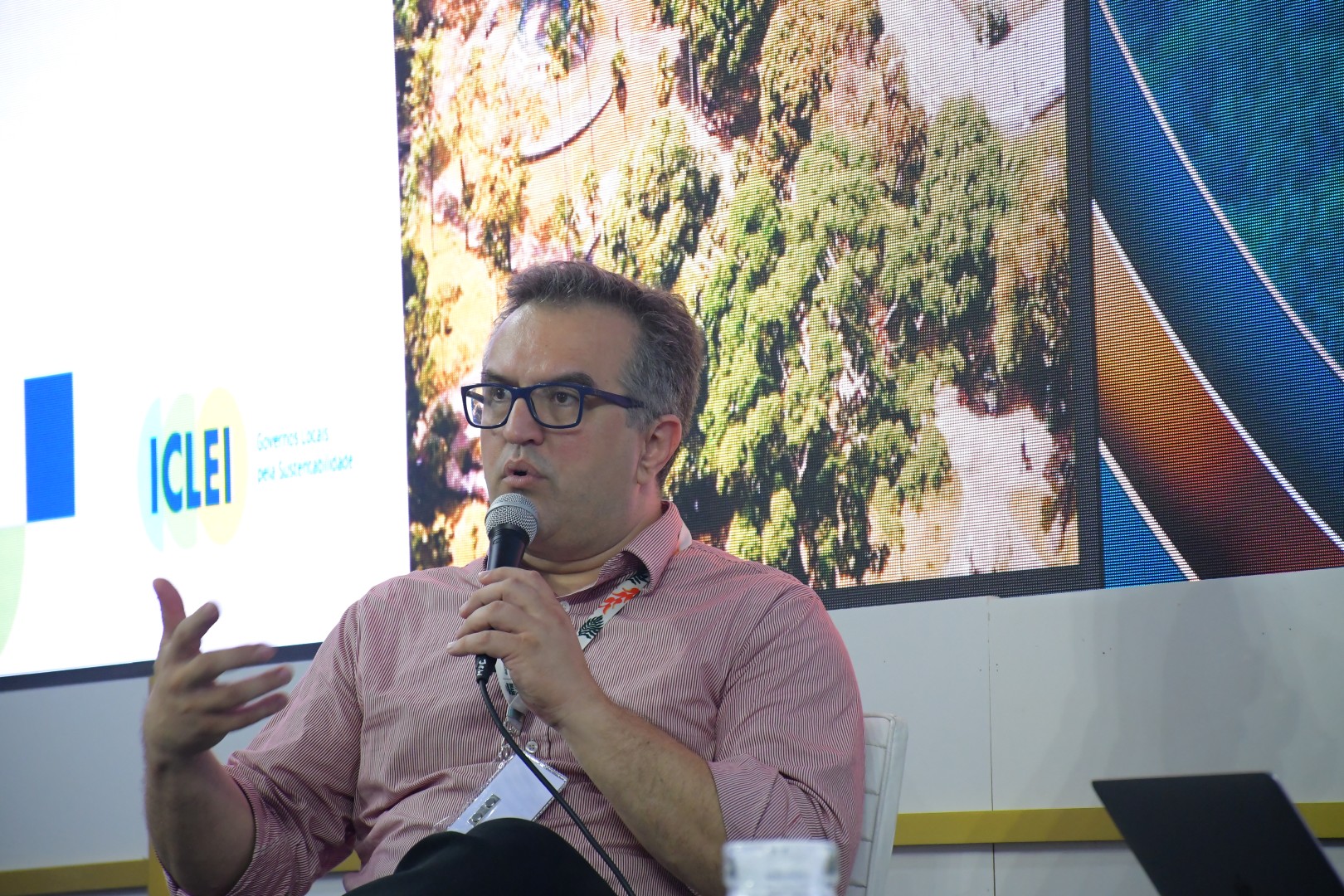
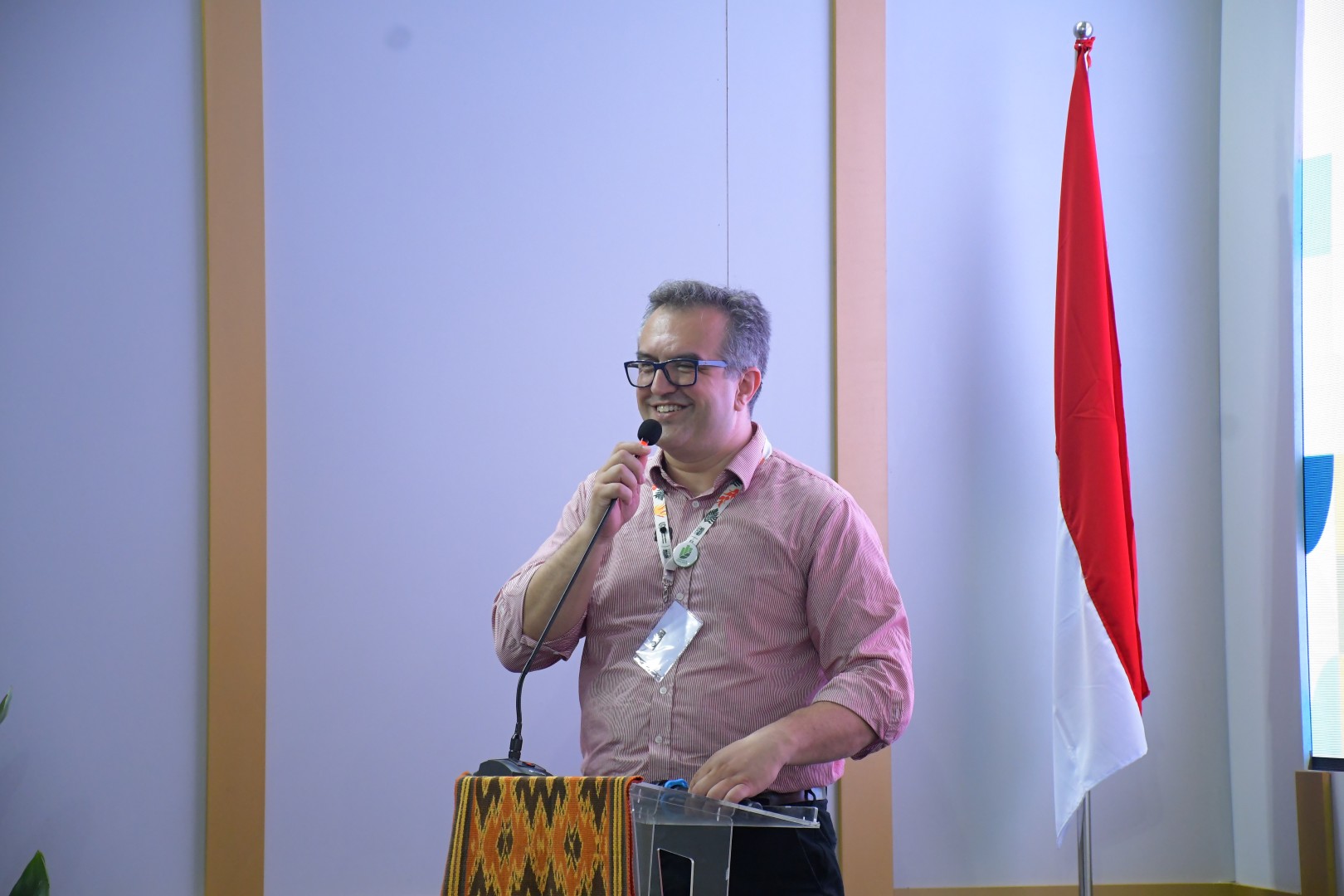
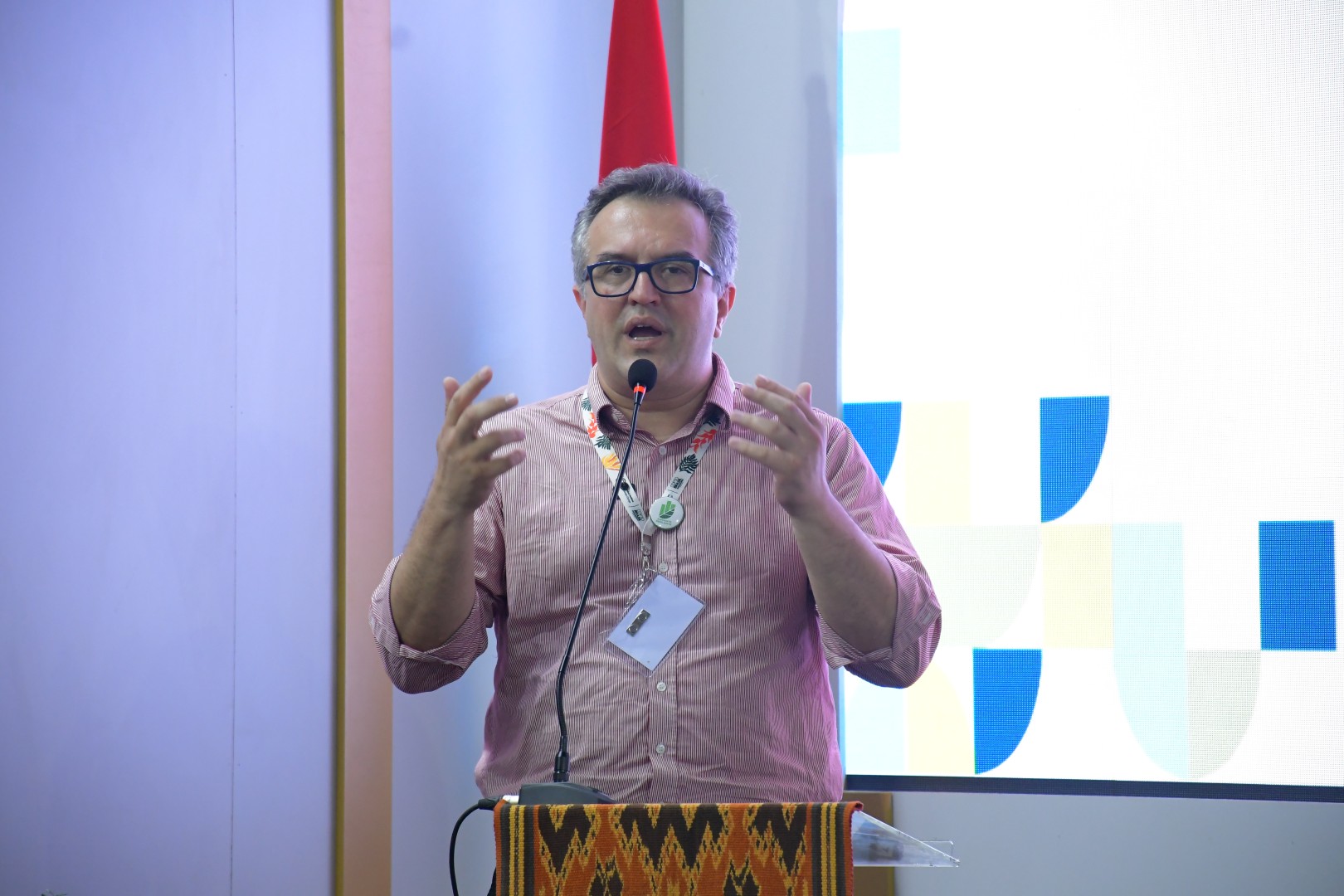
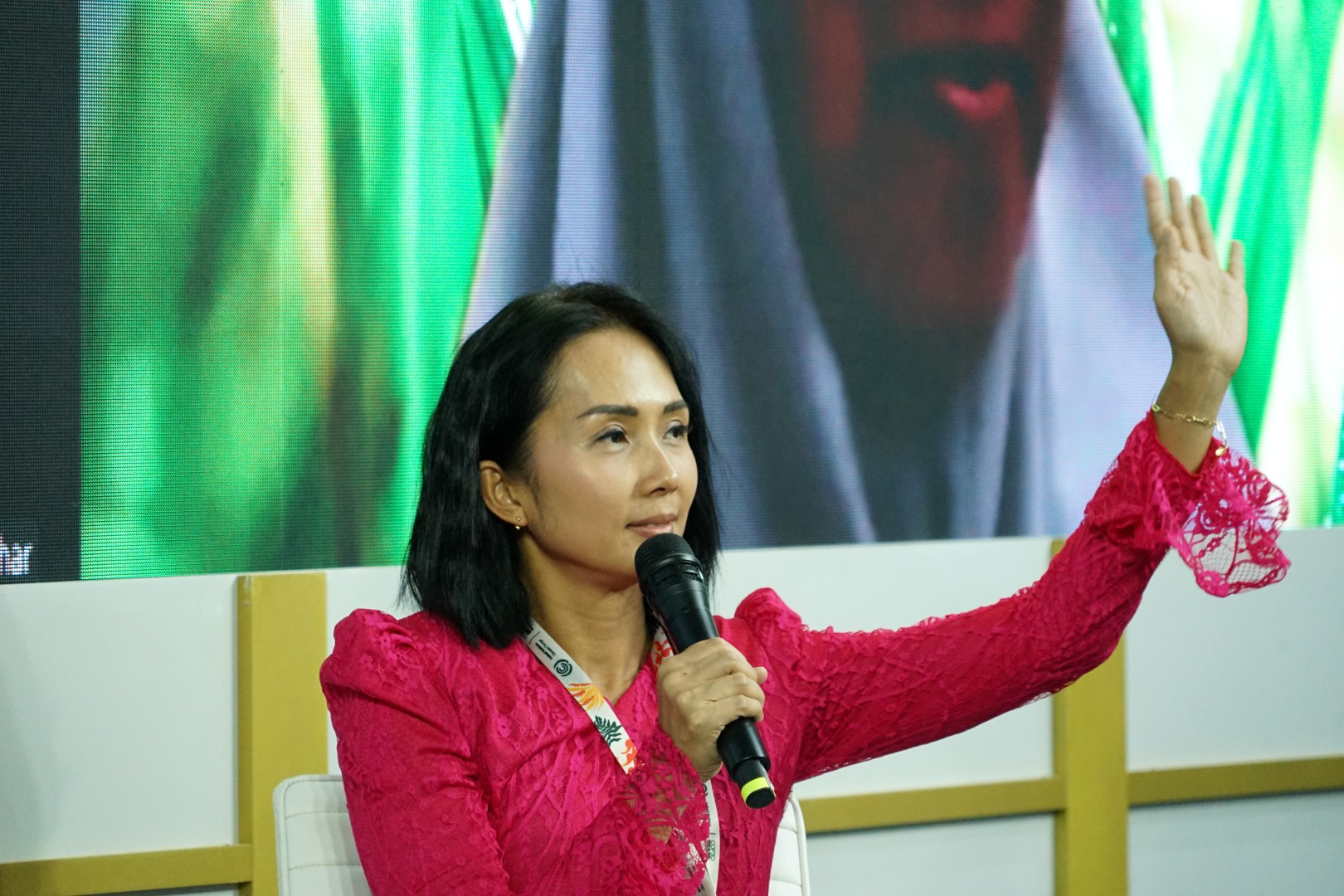
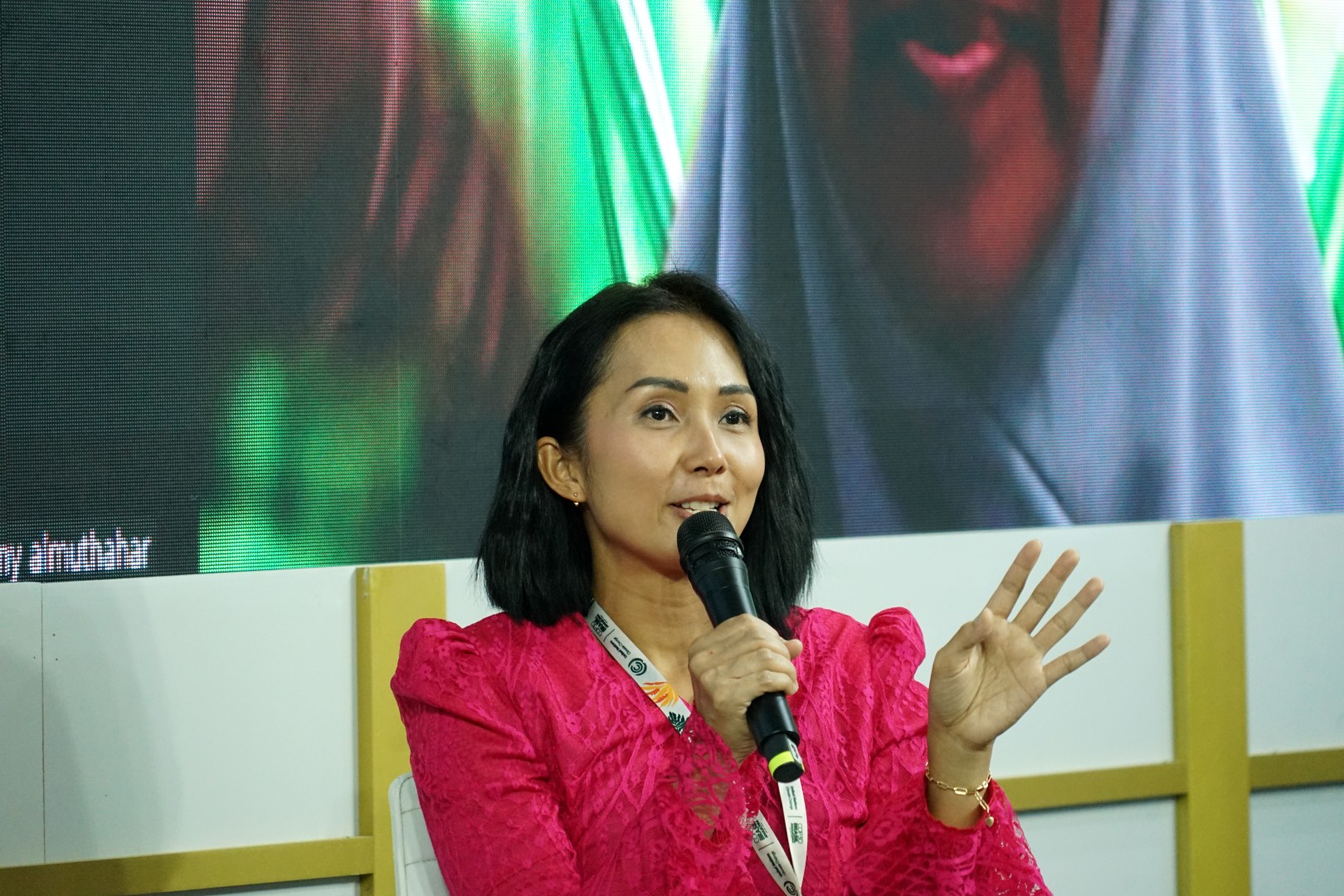
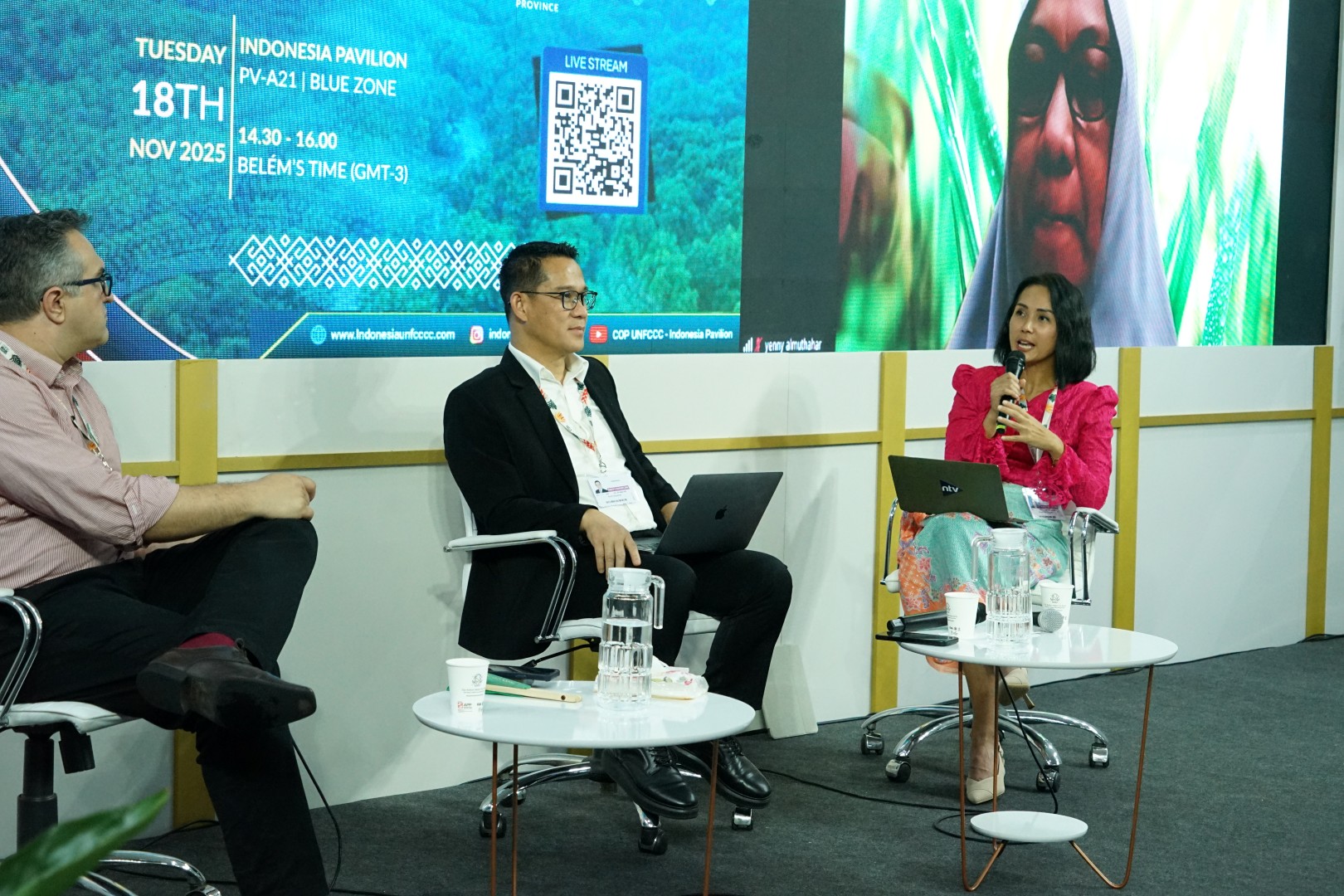
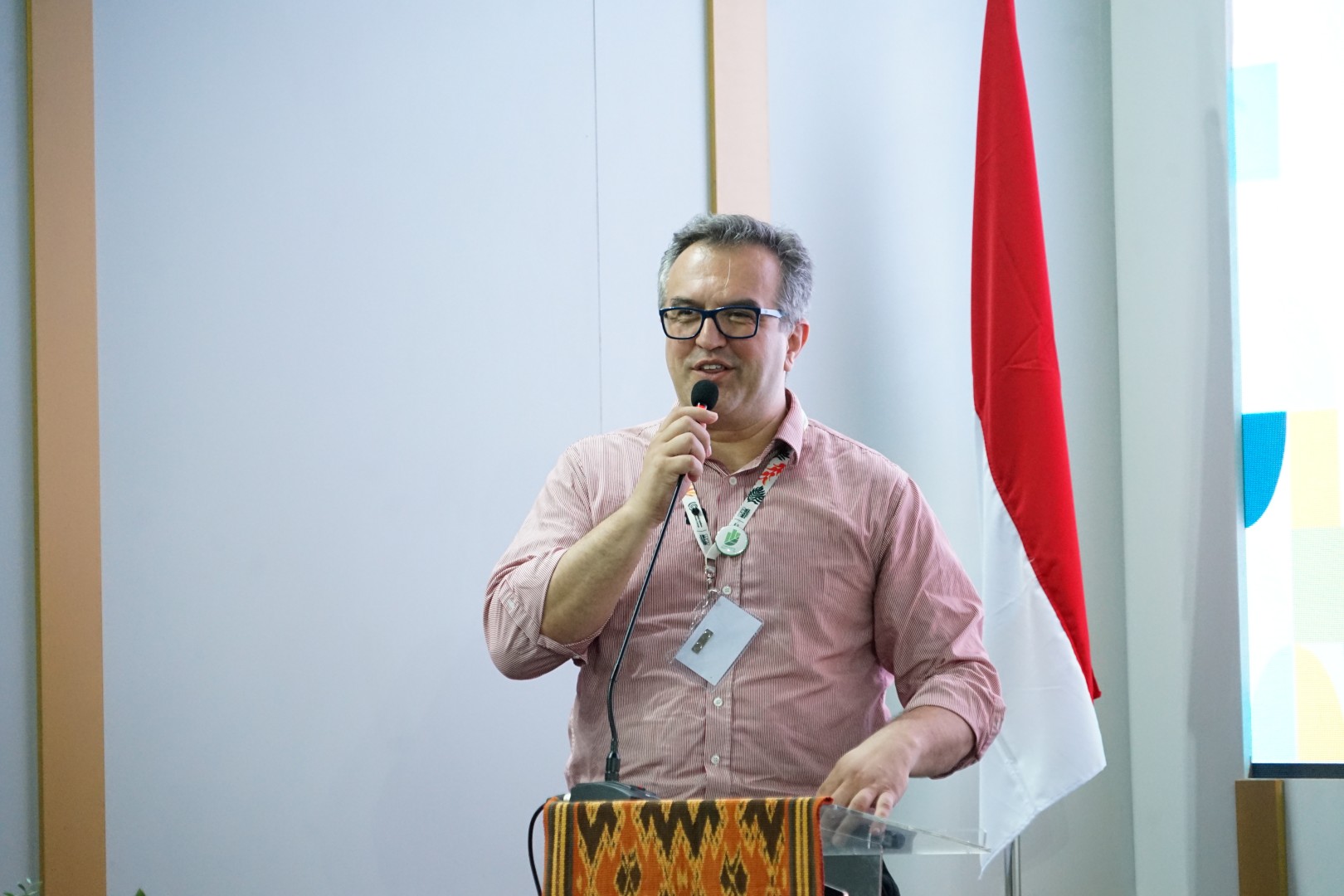
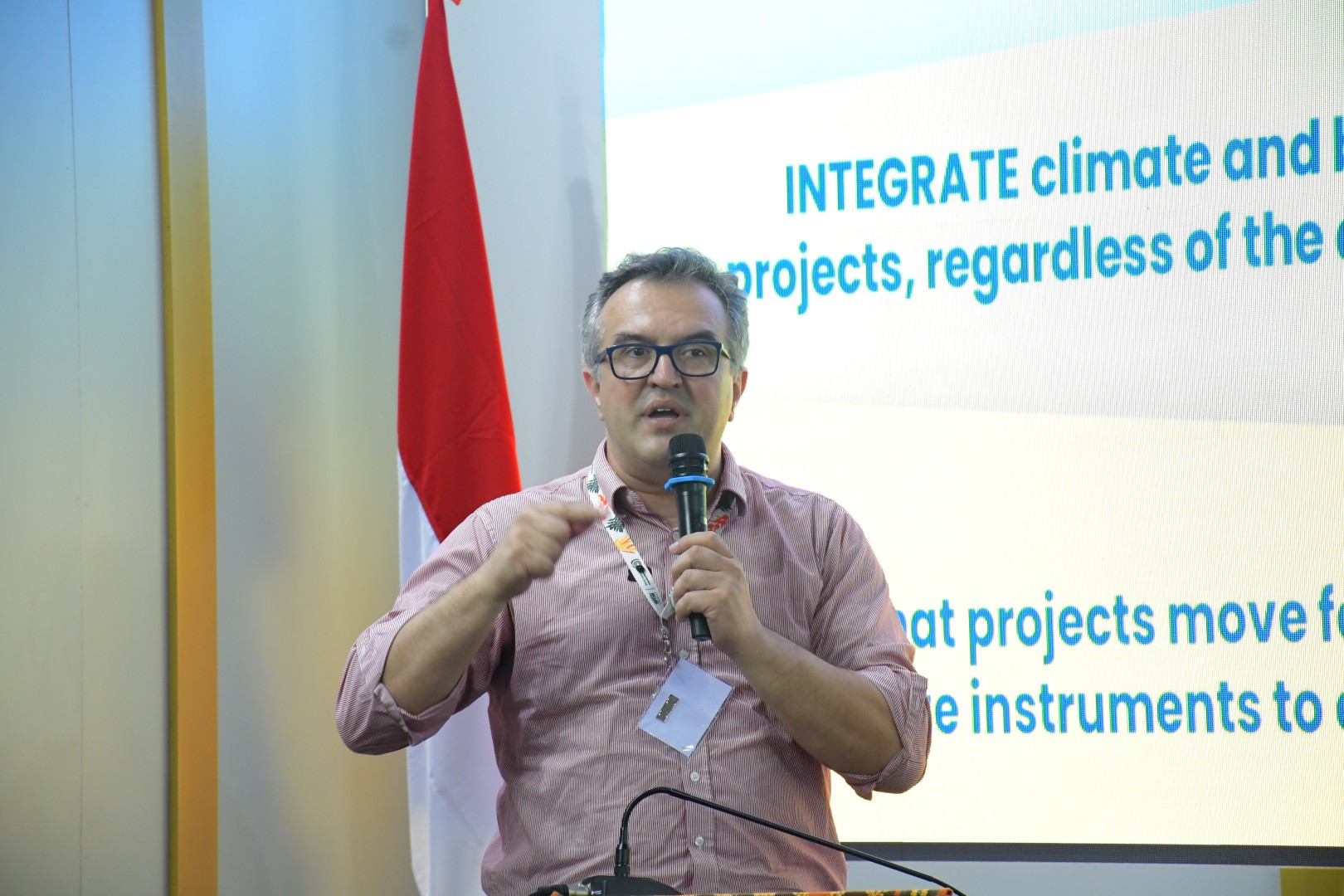
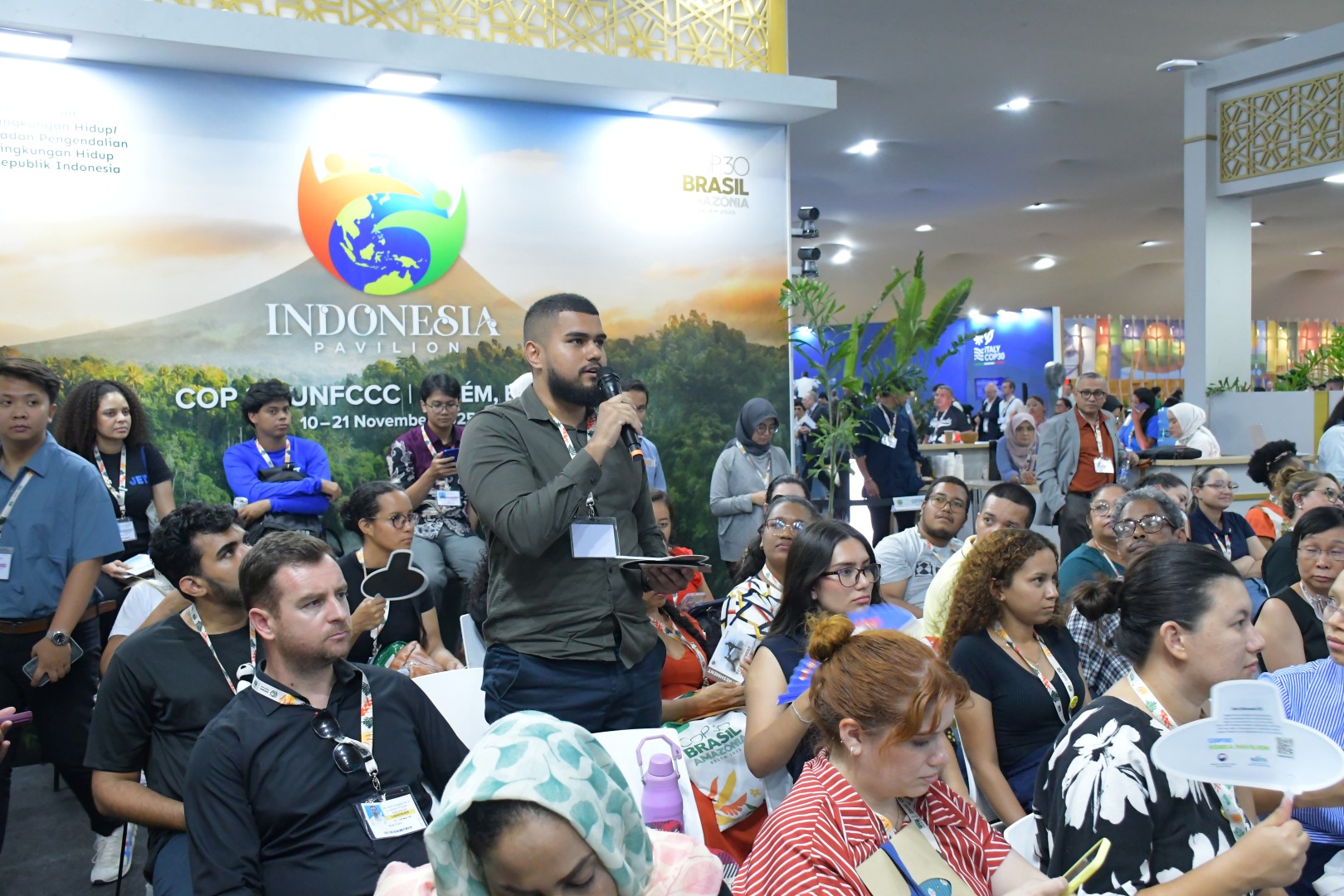
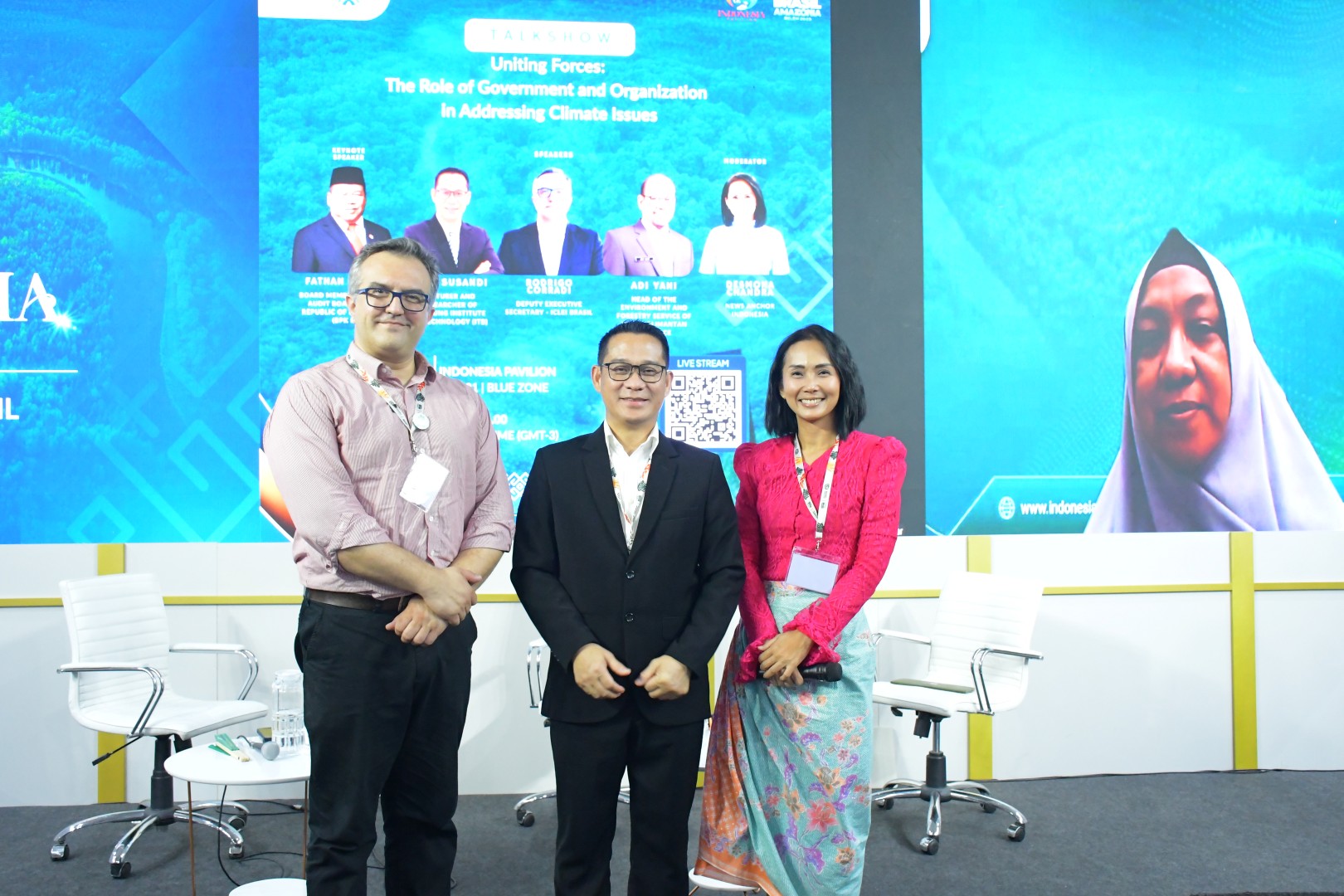
This event is designed to serve as a platform for dialogue and collaboration between government actors, international organizations like IFAD, civil society, and academic institutions. It seeks to explore how these entities can work together to implement comprehensive climate strategies that not only mitigate greenhouse gas emissions but also help communities adapt to the changing climate.
As we navigate the post-Paris Agreement era and move toward the targets set by the Sustainable Development Goals (SDGs), particularly SDG 13 (Climate Action), the need for strong partnerships and shared responsibilities becomes increasingly clear. Through this discussion, we aim to highlight examples of good practices, share knowledge, and identify actionable pathways for stronger cooperation between government bodies and organizations like IFAD in addressing one of the most pressing challenges of our time.