Overview
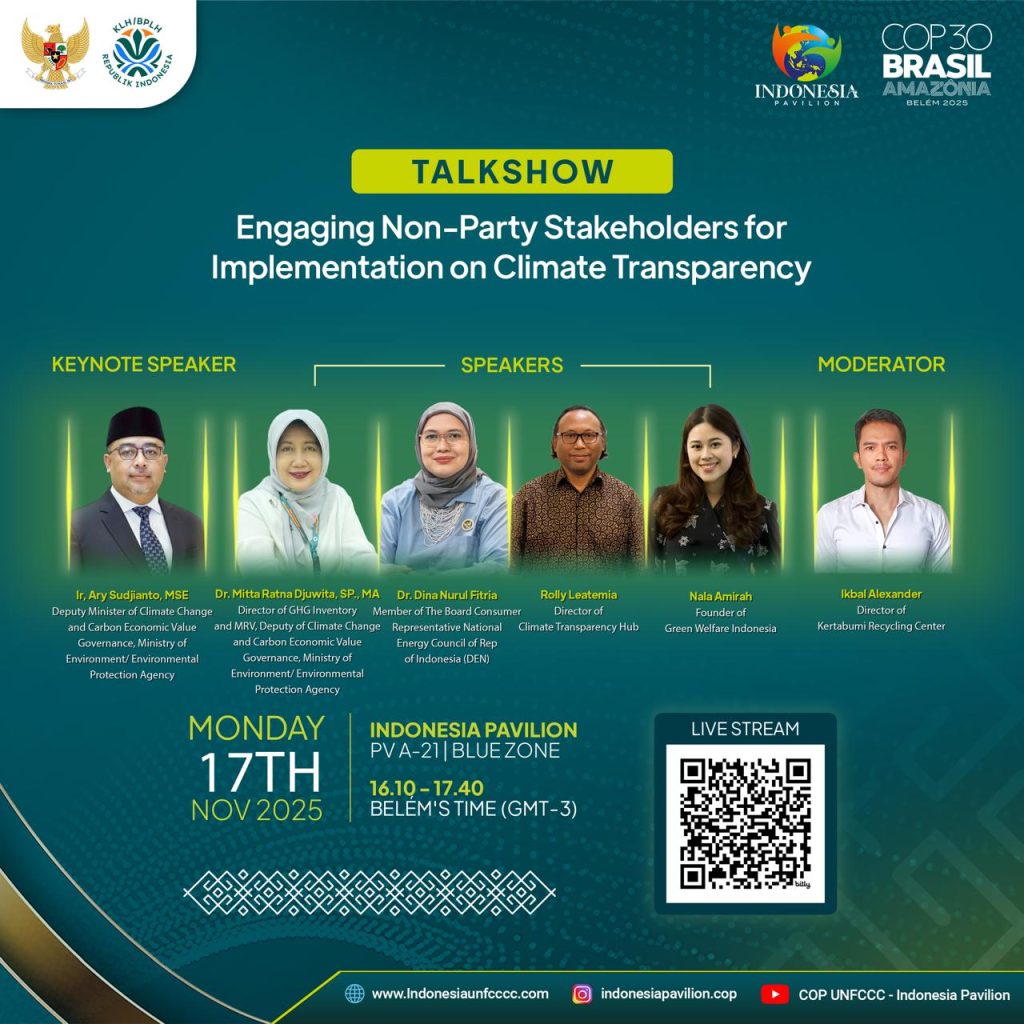
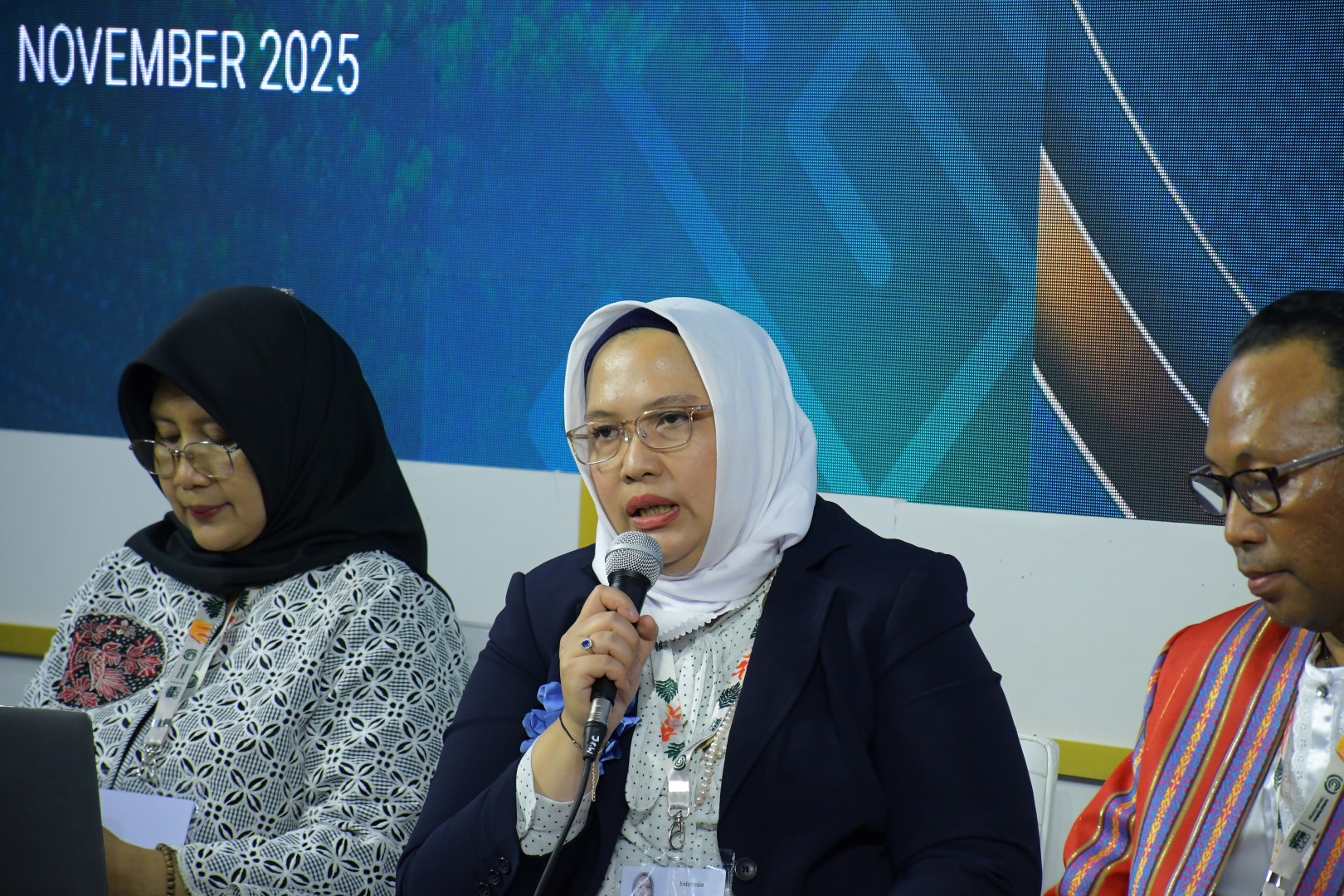
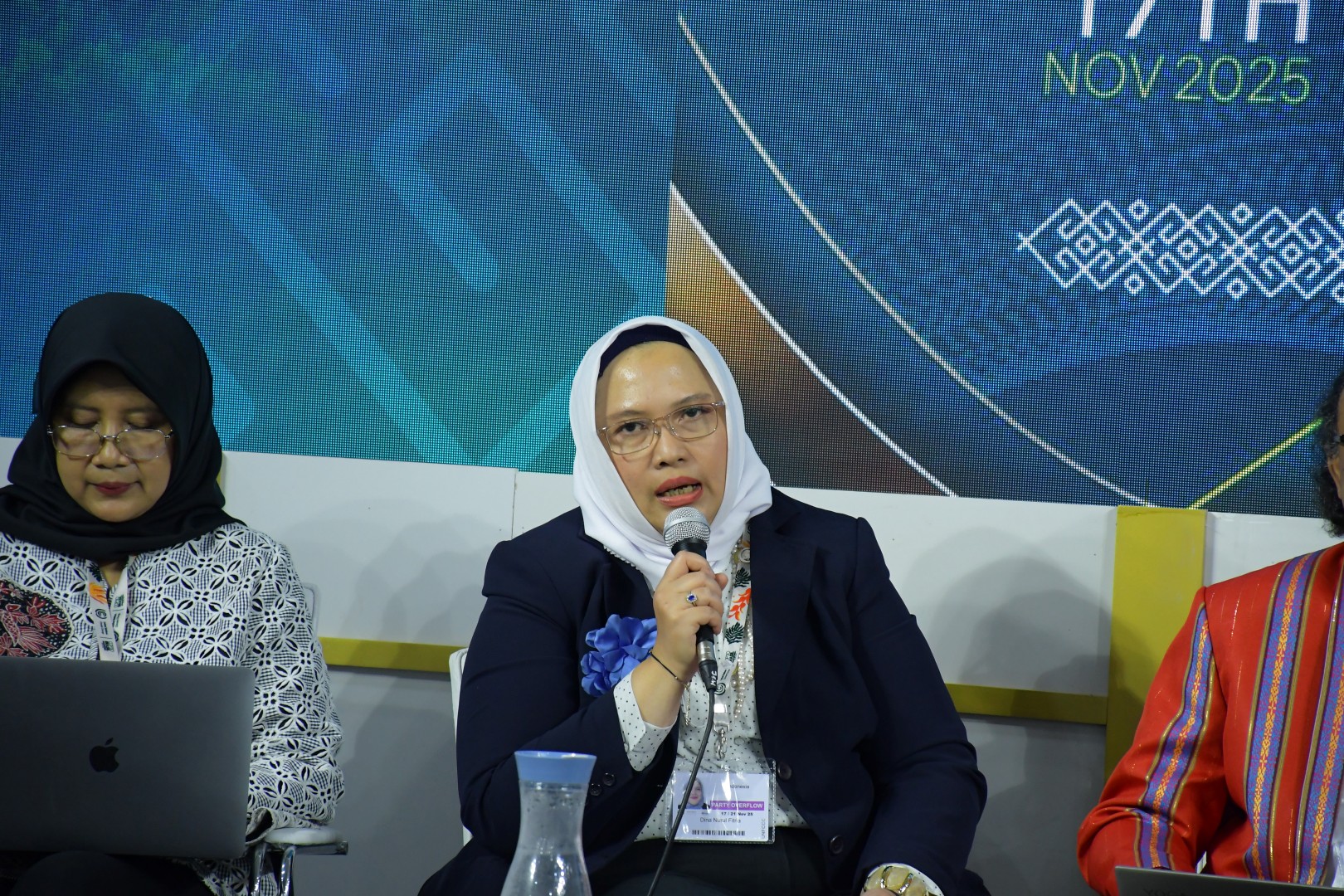
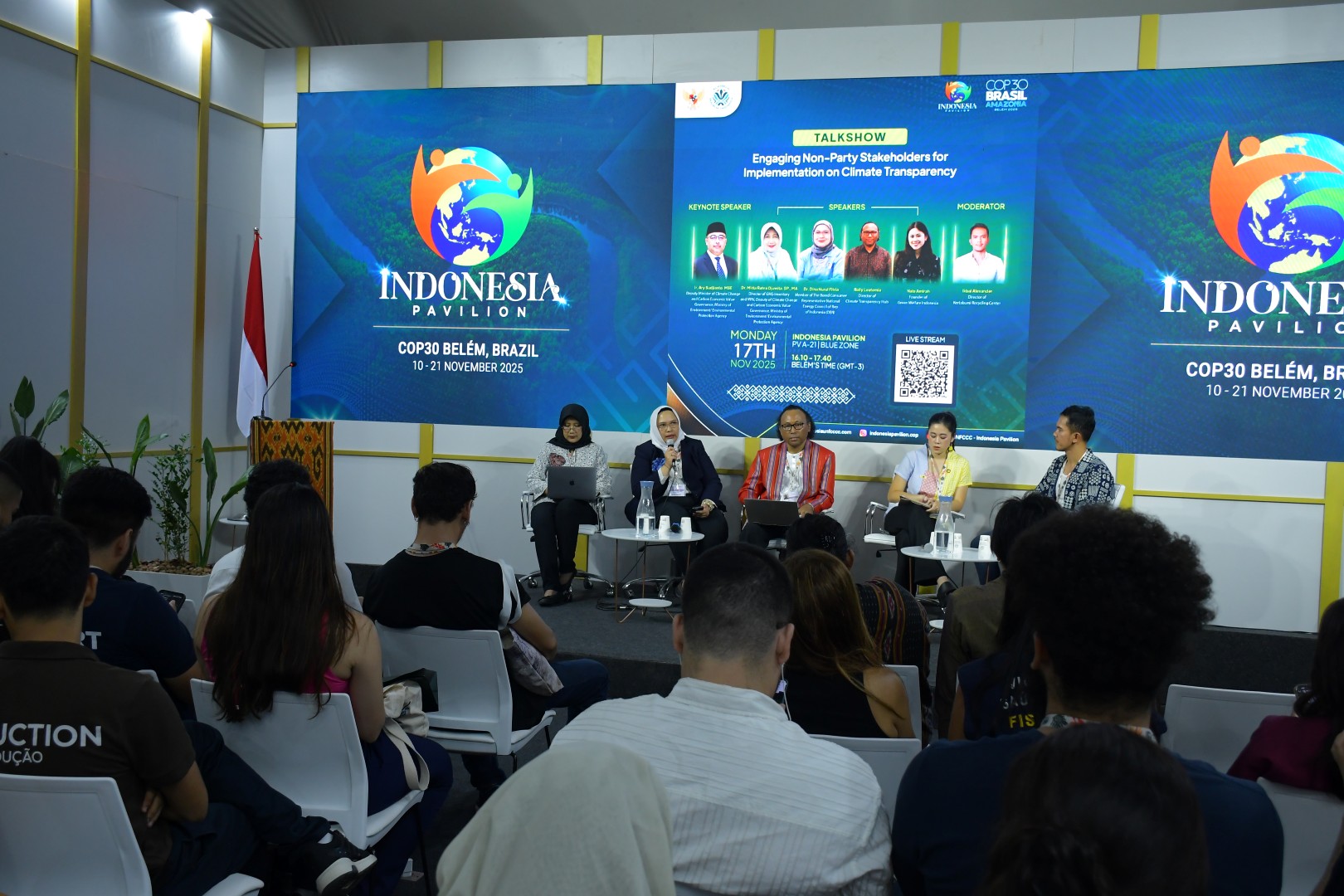
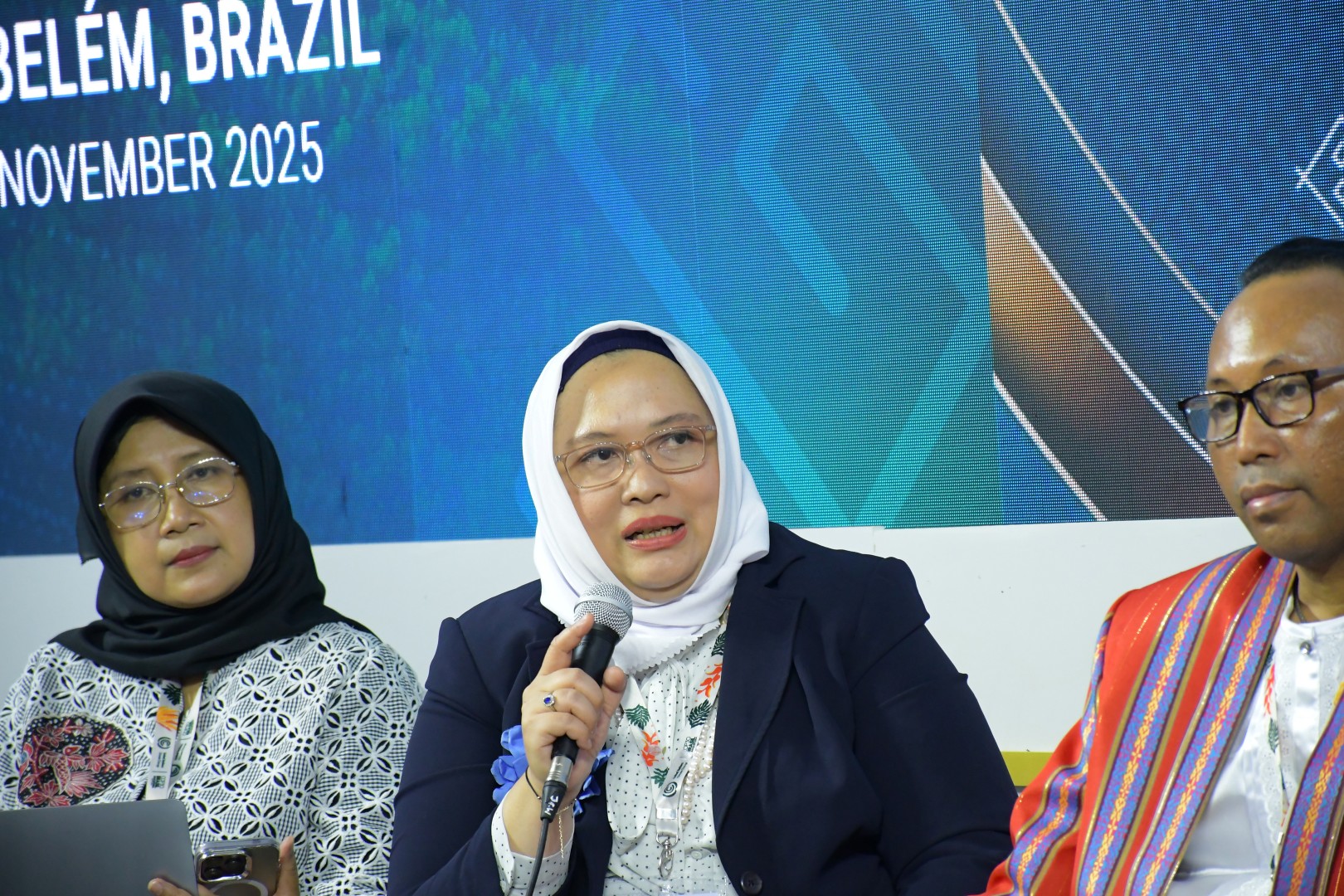
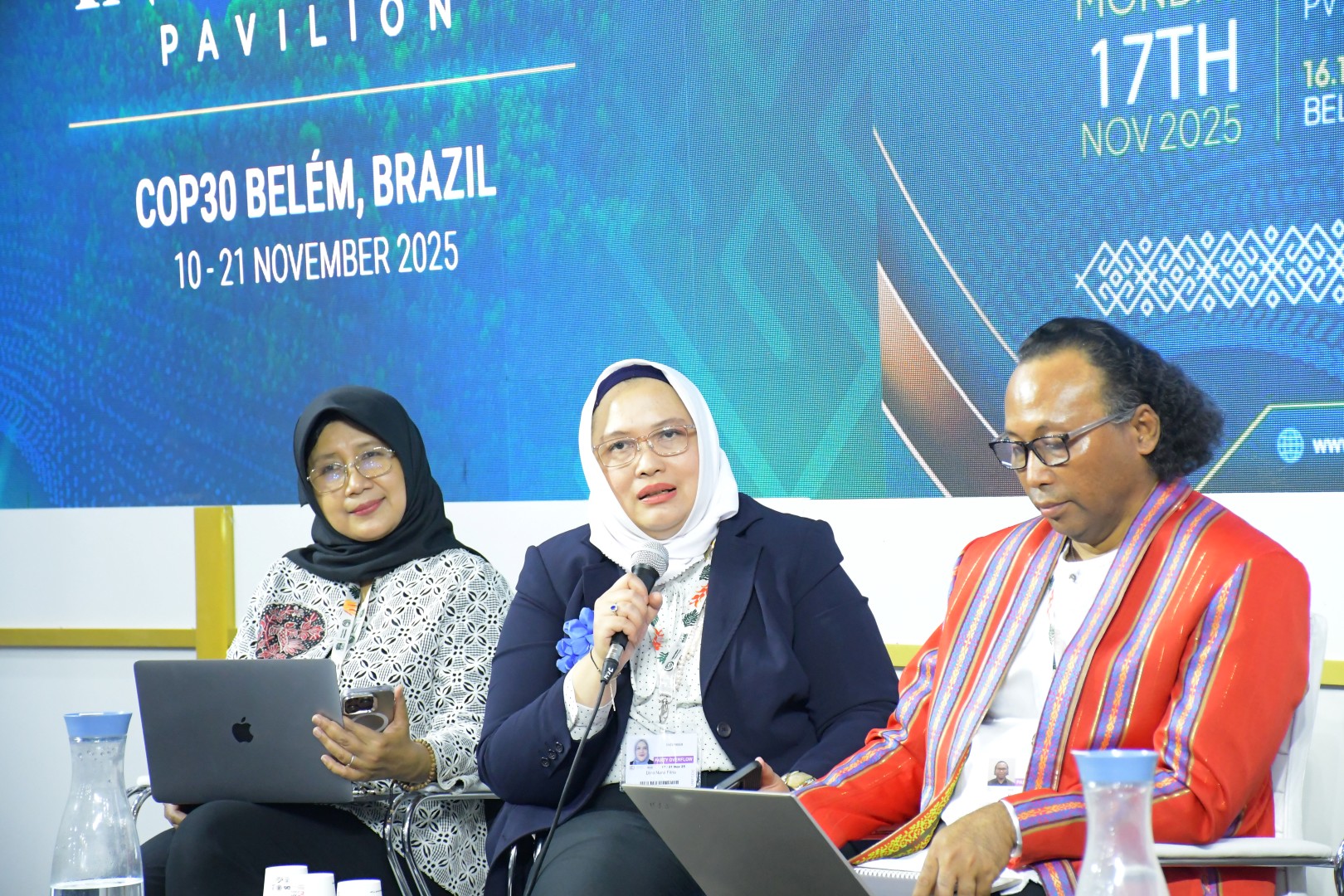
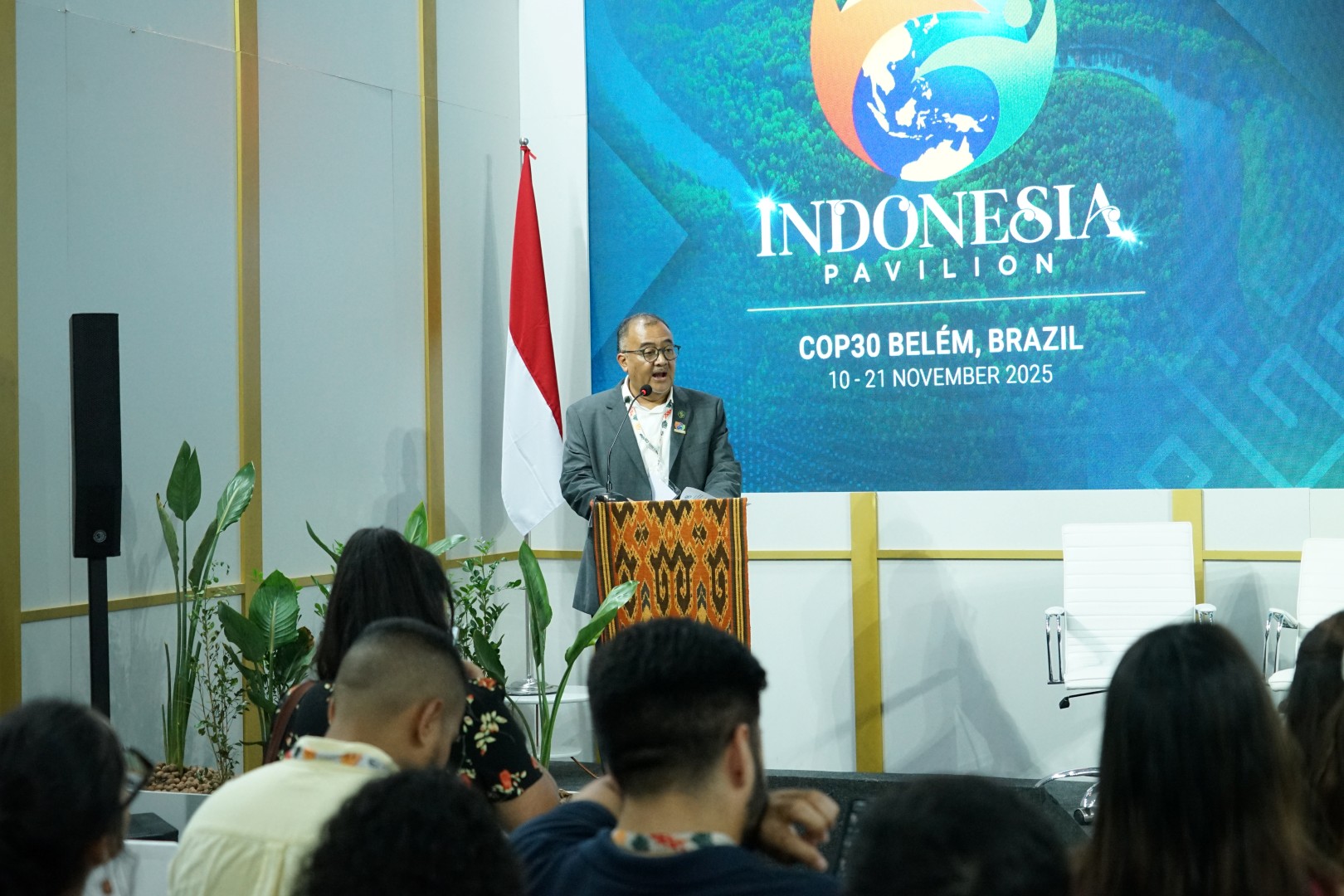
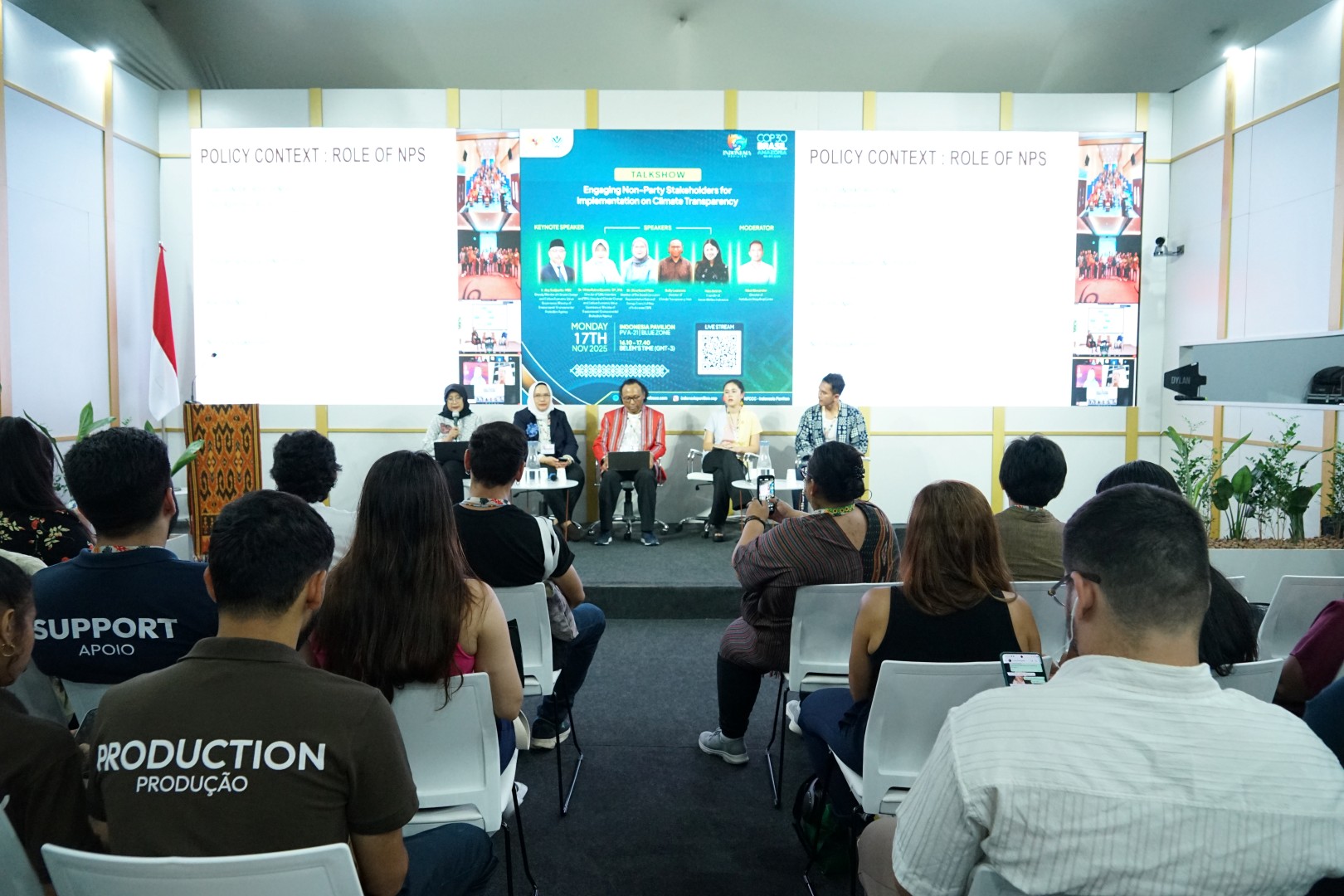
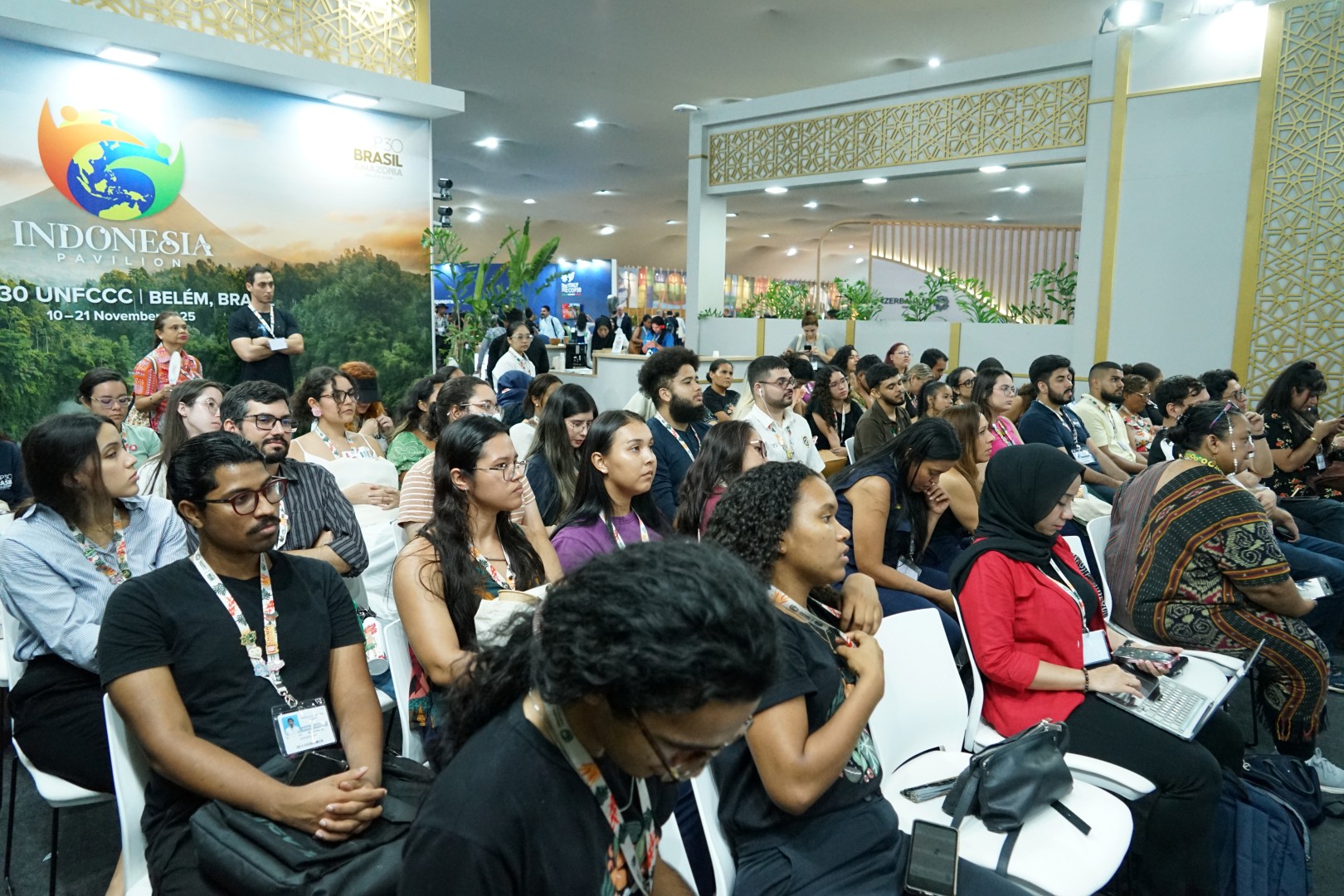
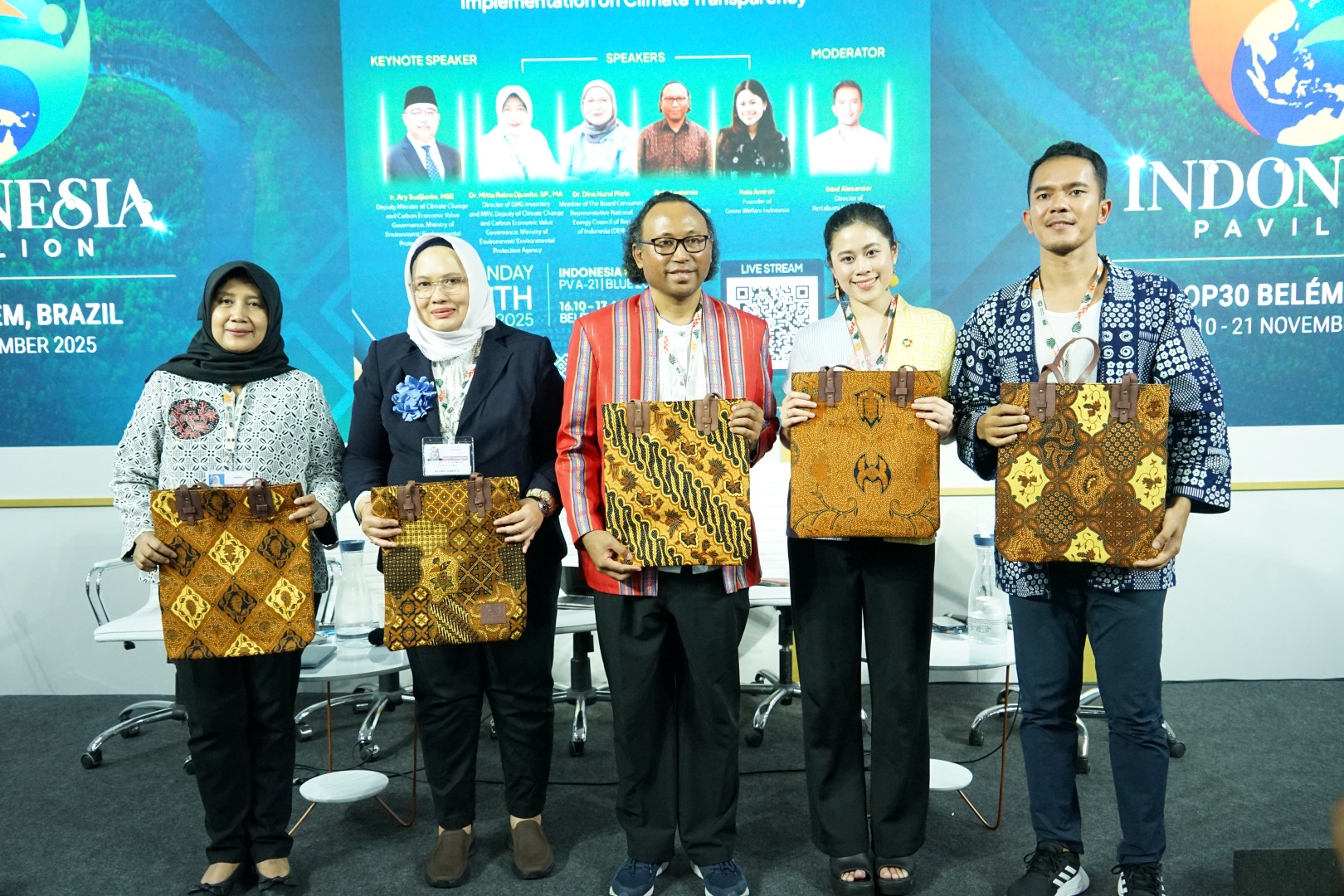
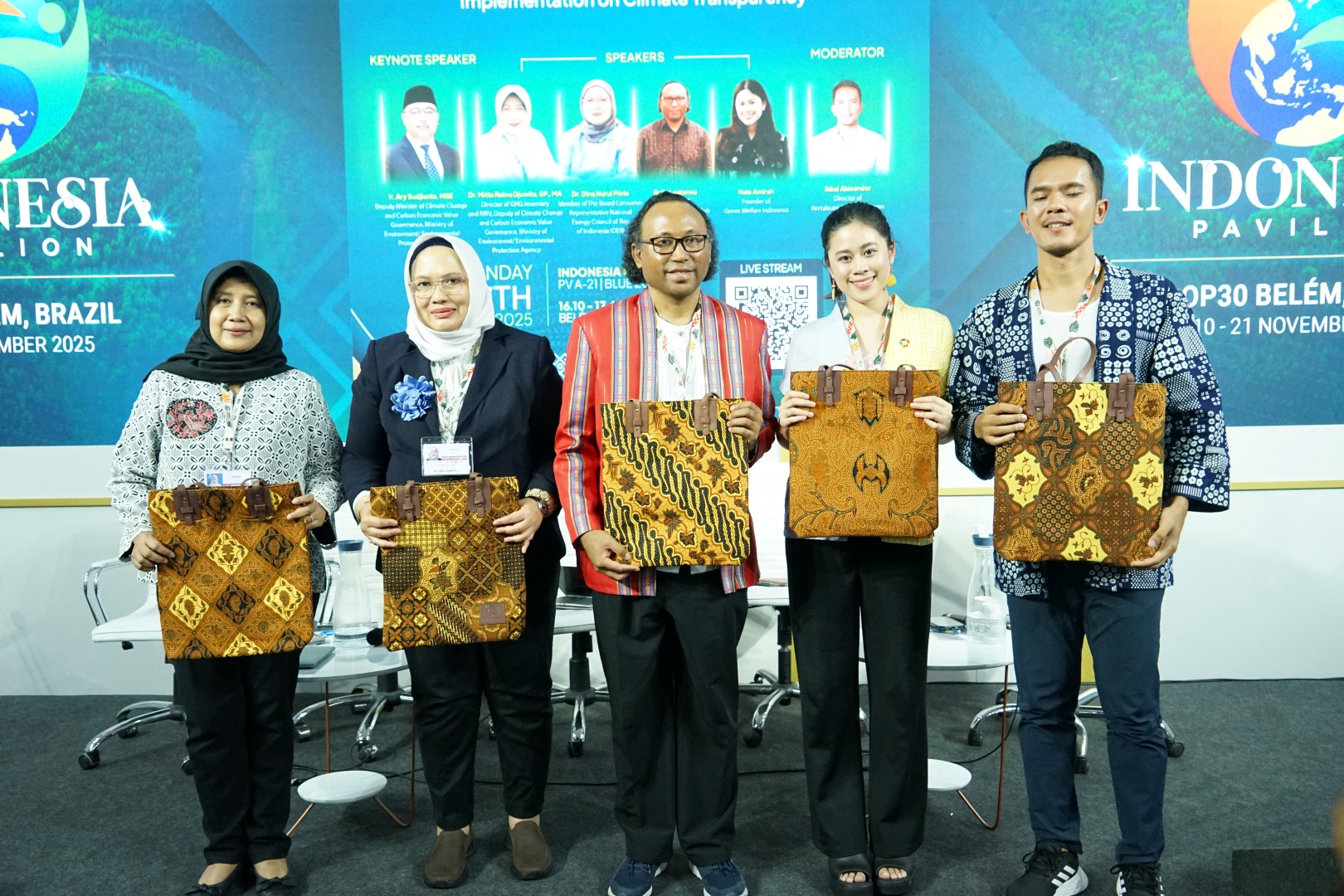
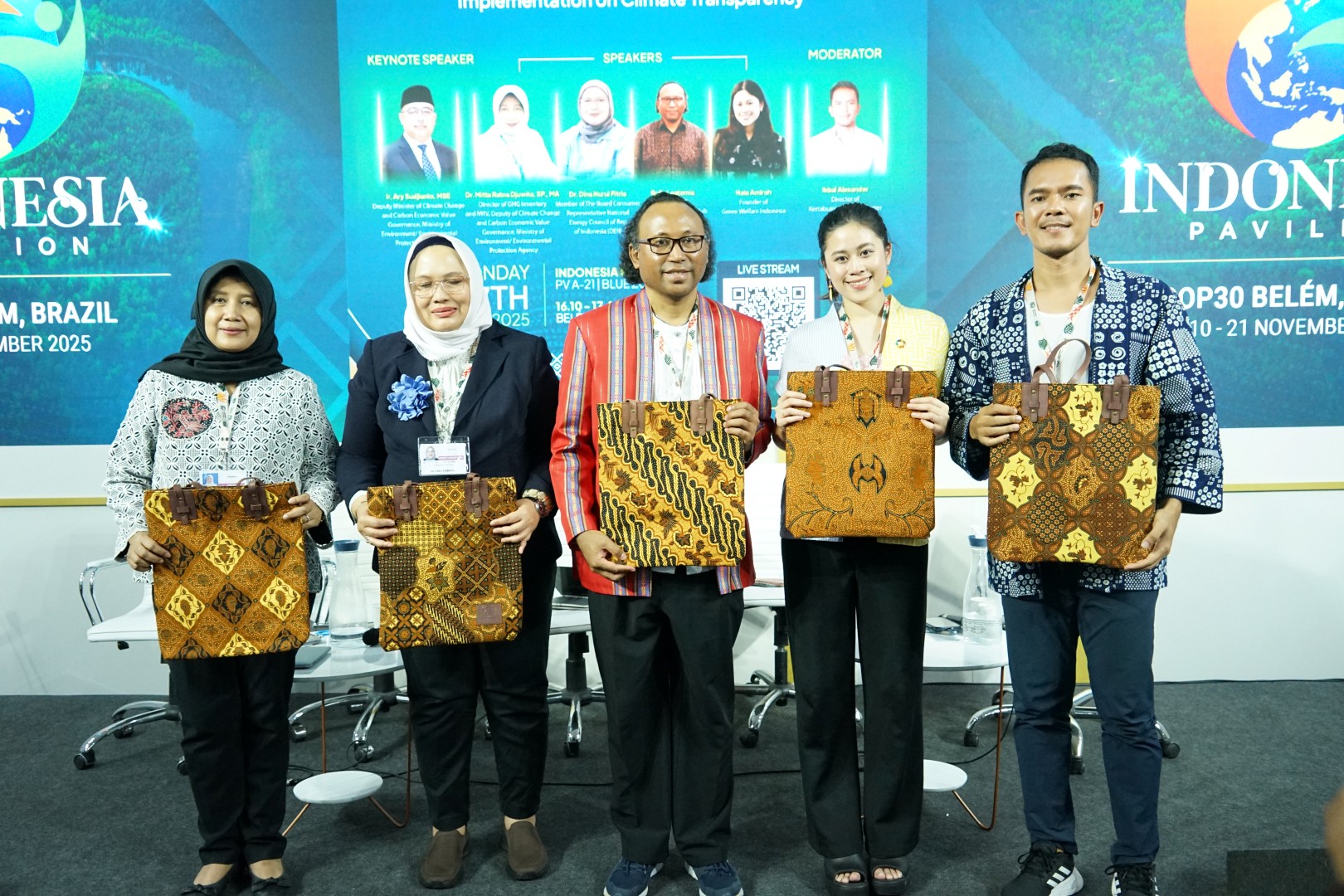
Climate transparency is no longer just a bureaucratic requirement; it is the currency of global trust. In this strategic session at the Indonesia Pavilion, the government and civil society united to deliver a clear message: Indonesia’s climate data is becoming more robust, inclusive, and credible through the active involvement of non-party stakeholders (NPS).
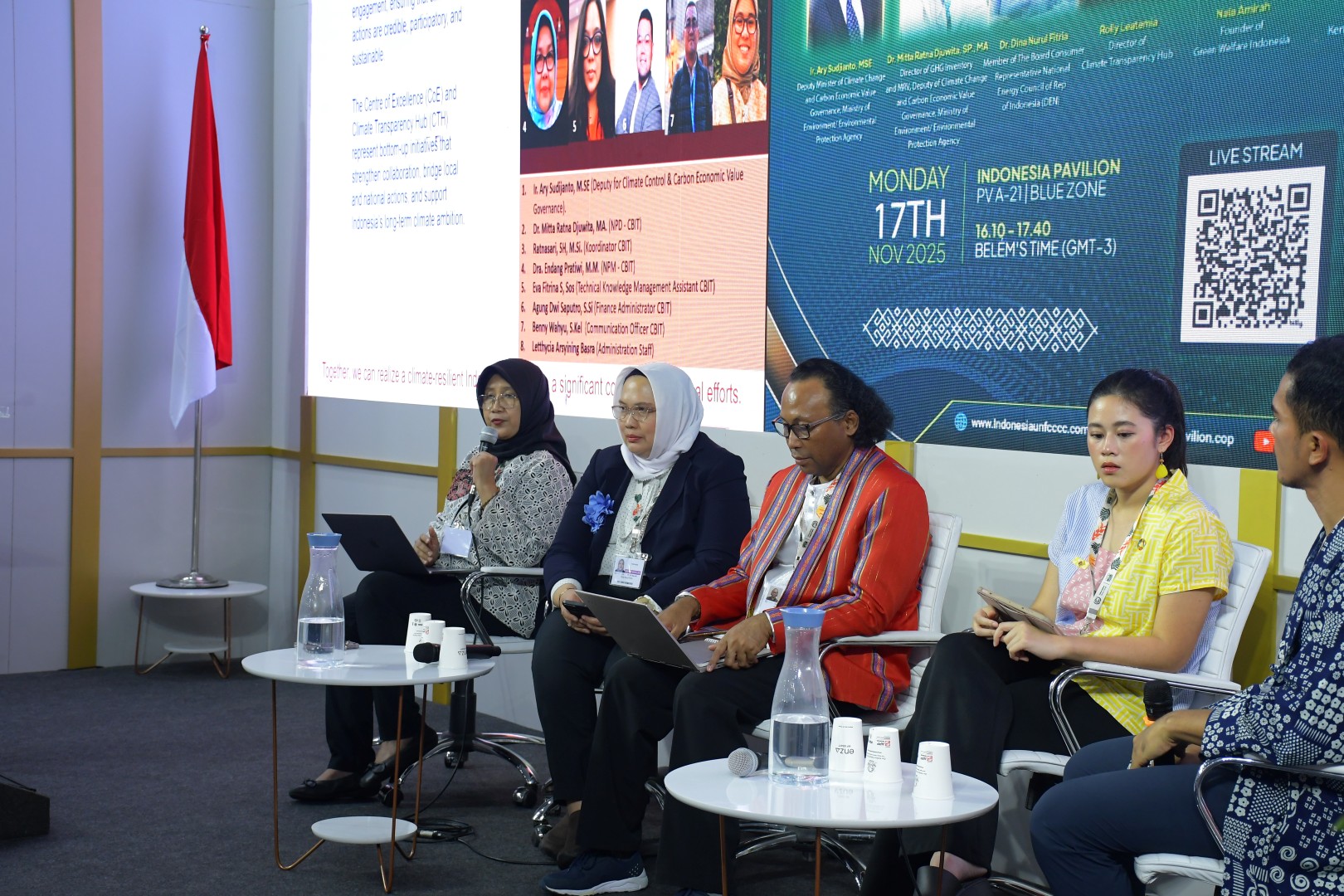
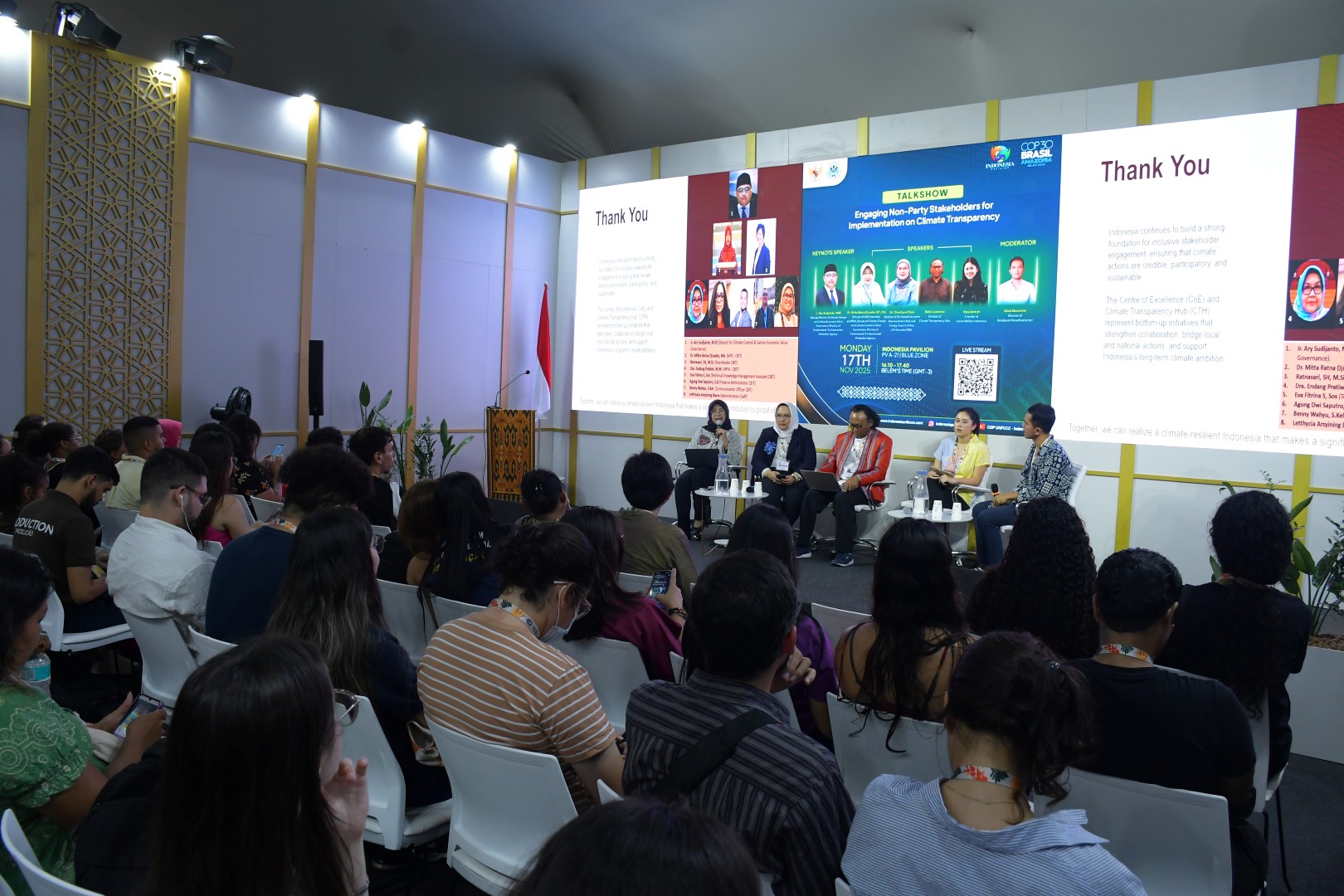
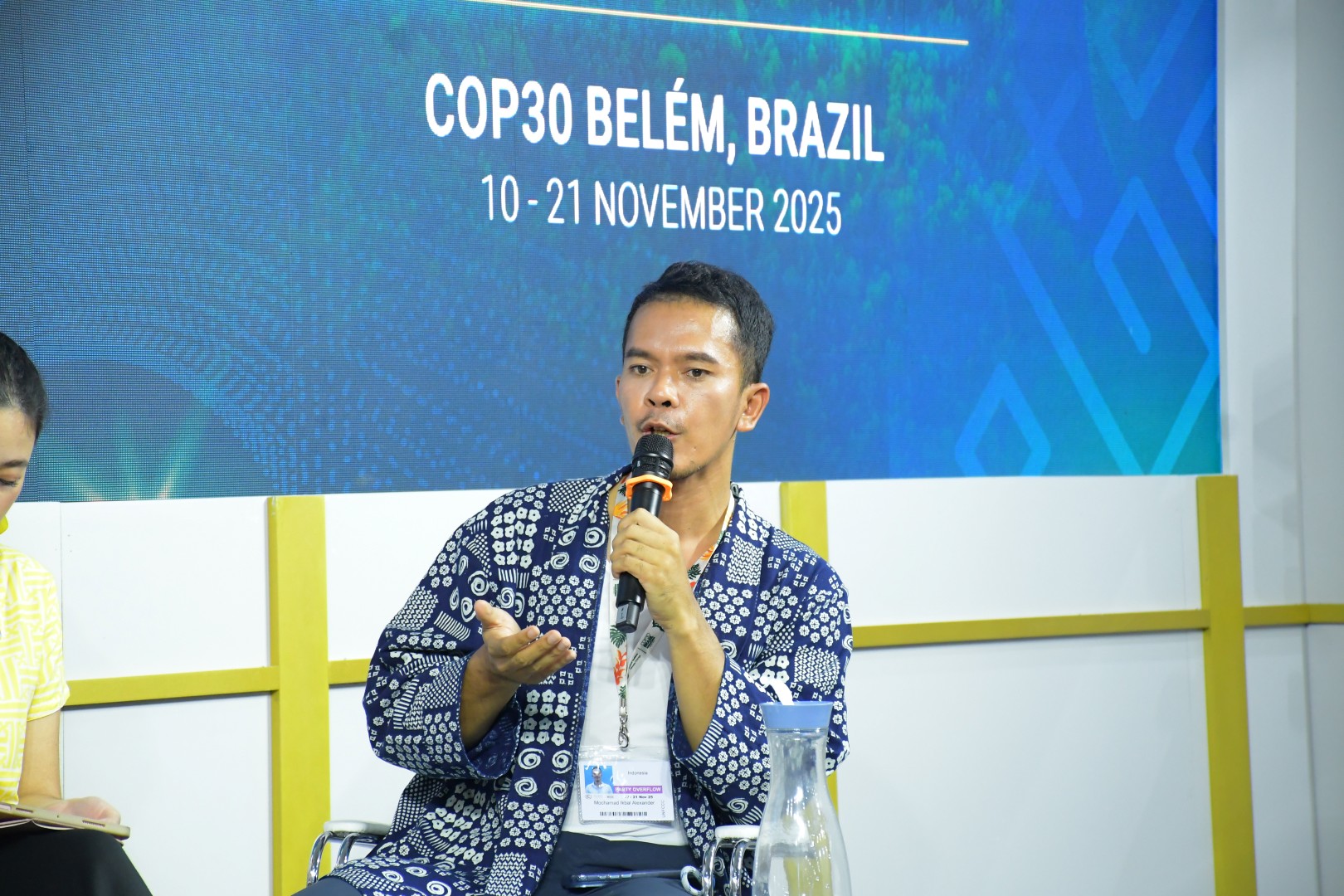
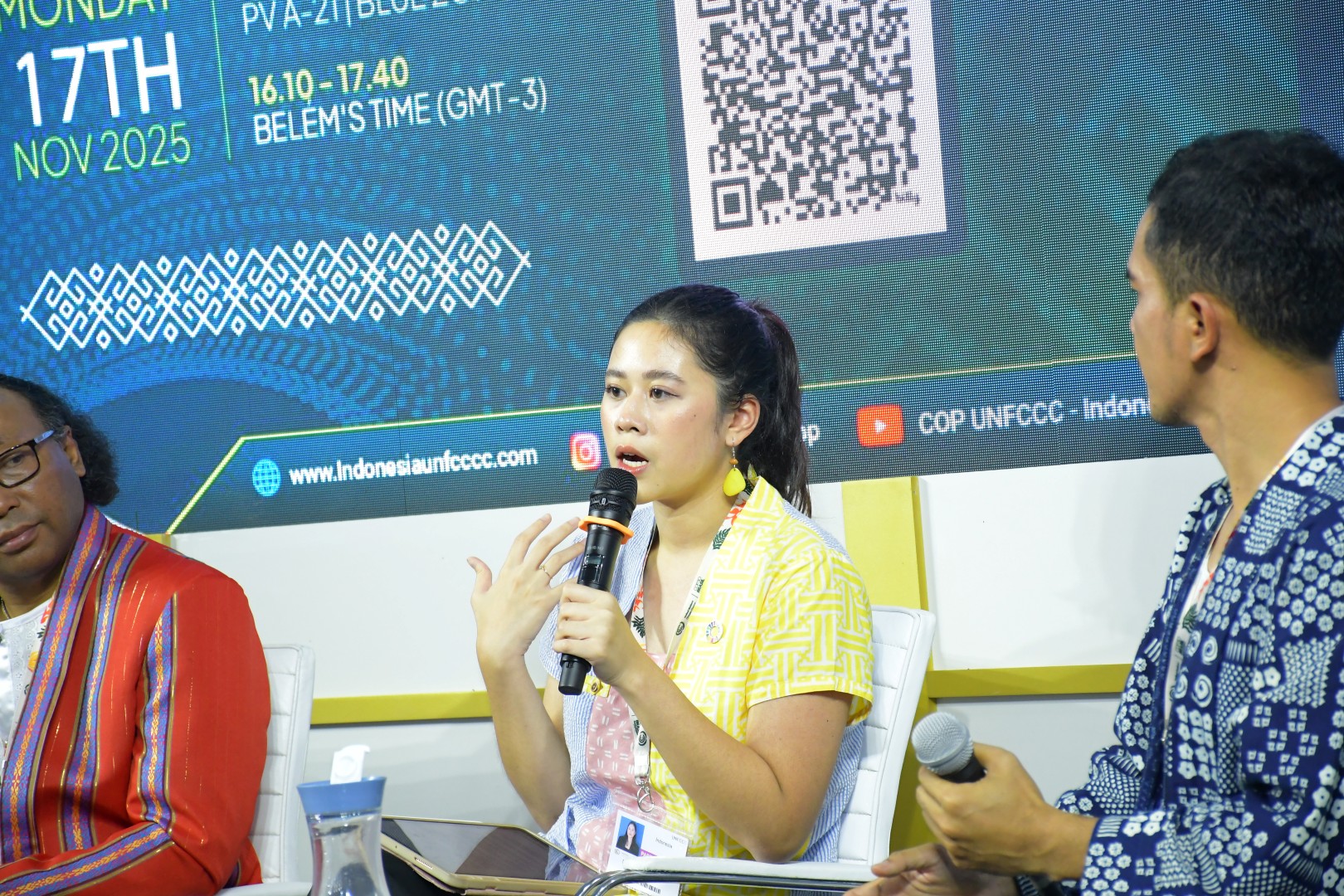
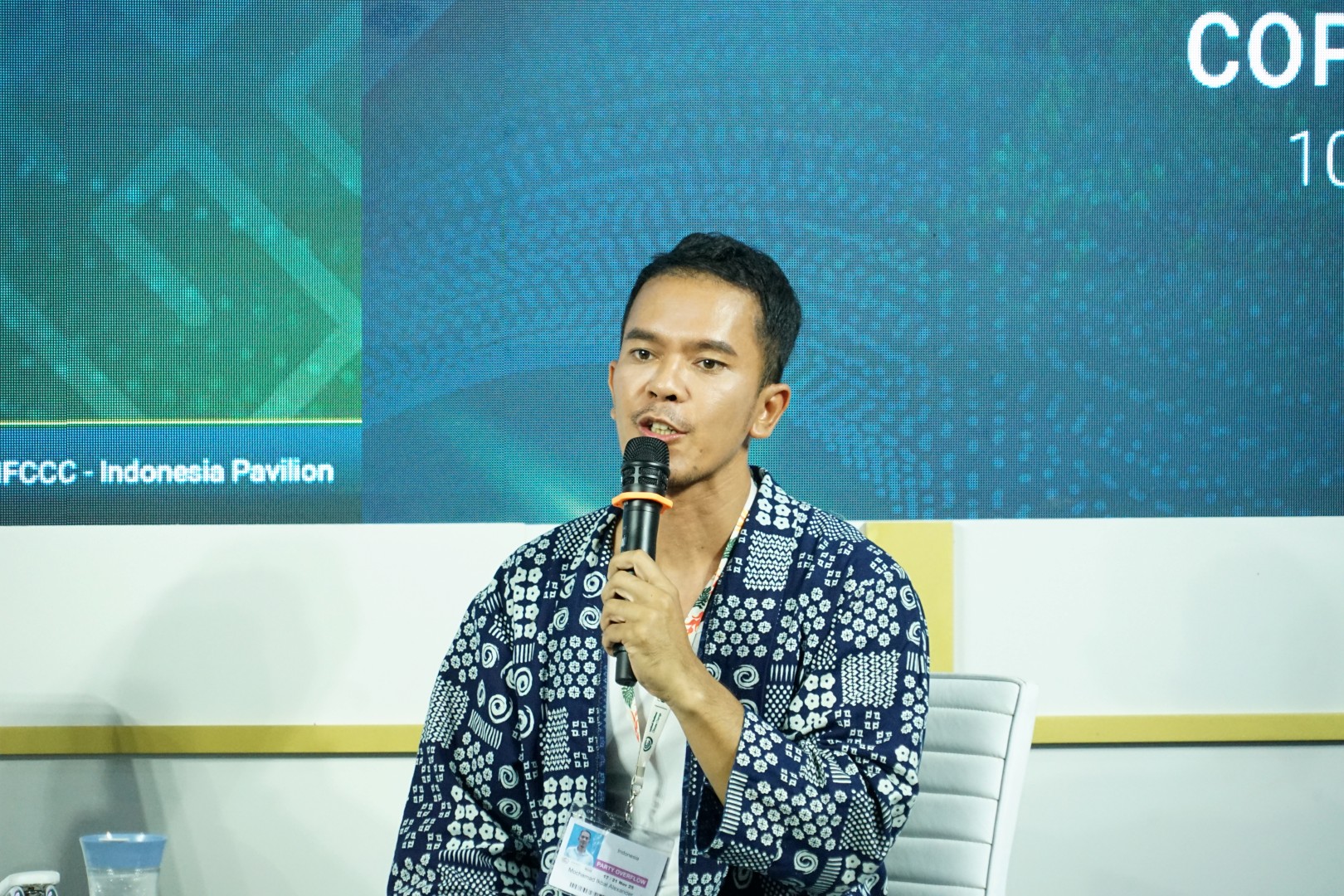
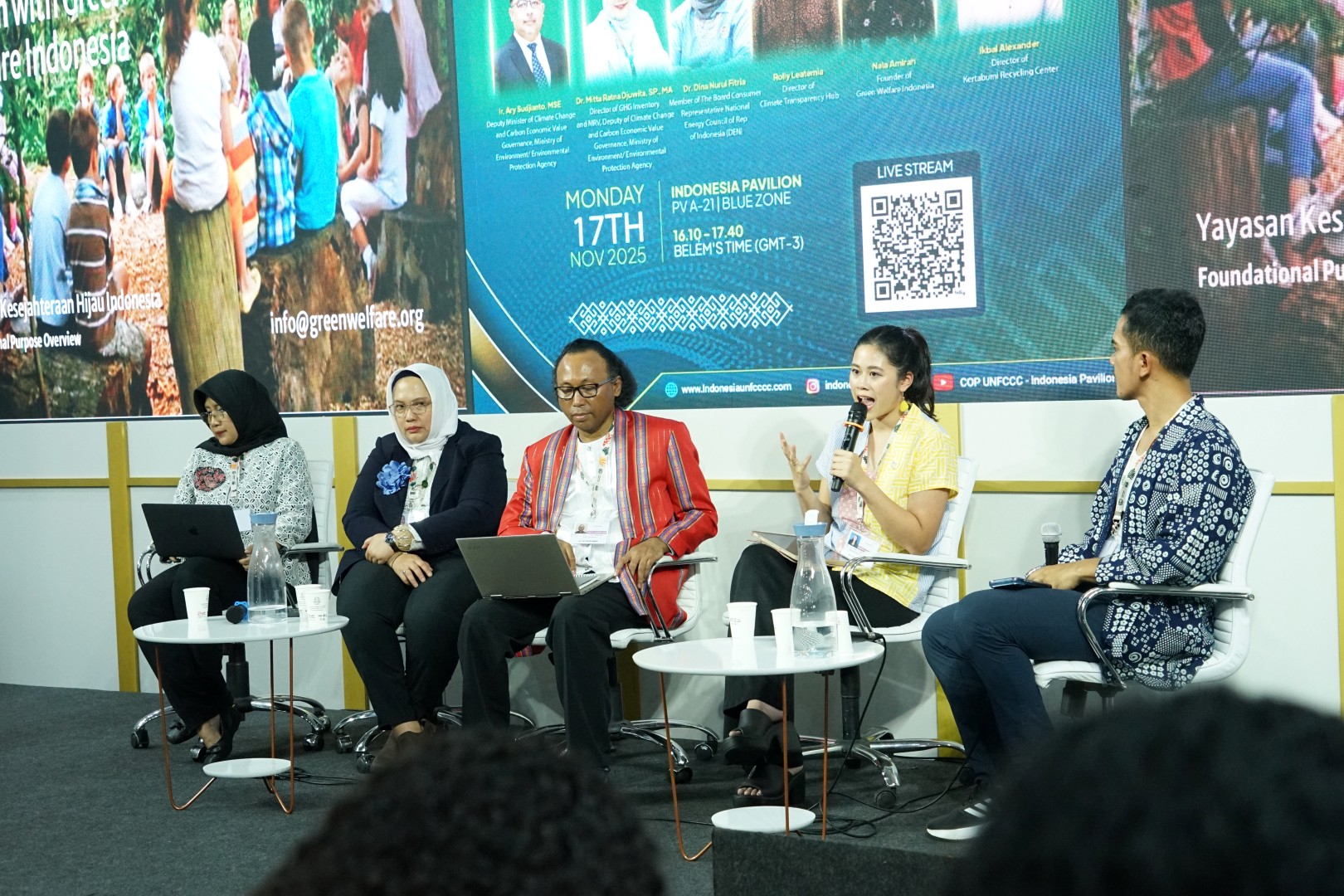
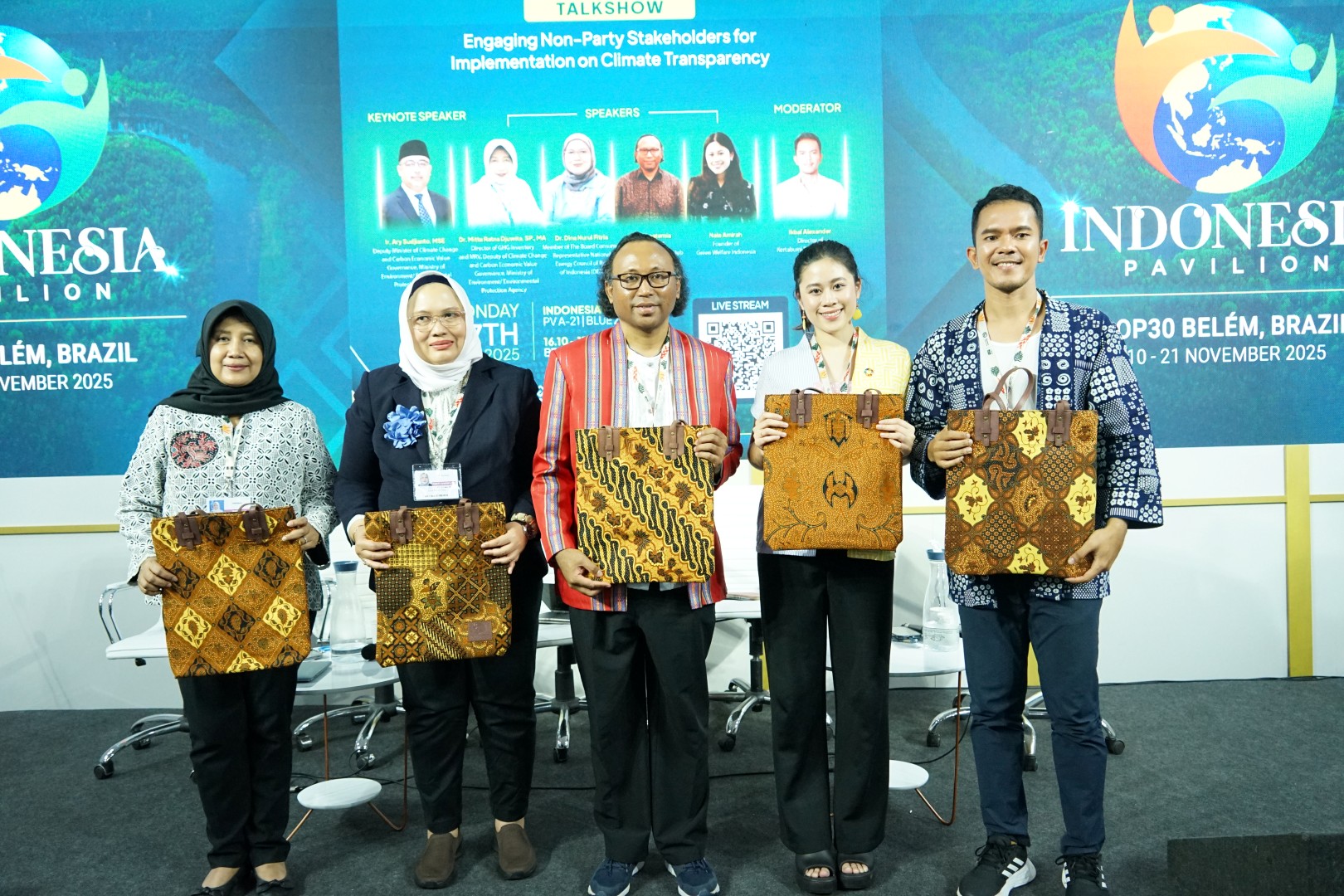
The dialogue, titled "Engaging Non-Party Stakeholders for Implementation on Climate Transparency," explored how NGOs, the private sector, and youth are moving from being passive observers to active contributors in the national monitoring, reporting, and verification (MRV) systems.
Key Highlights & Takeaways
1. Transparency as the Foundation of Trust
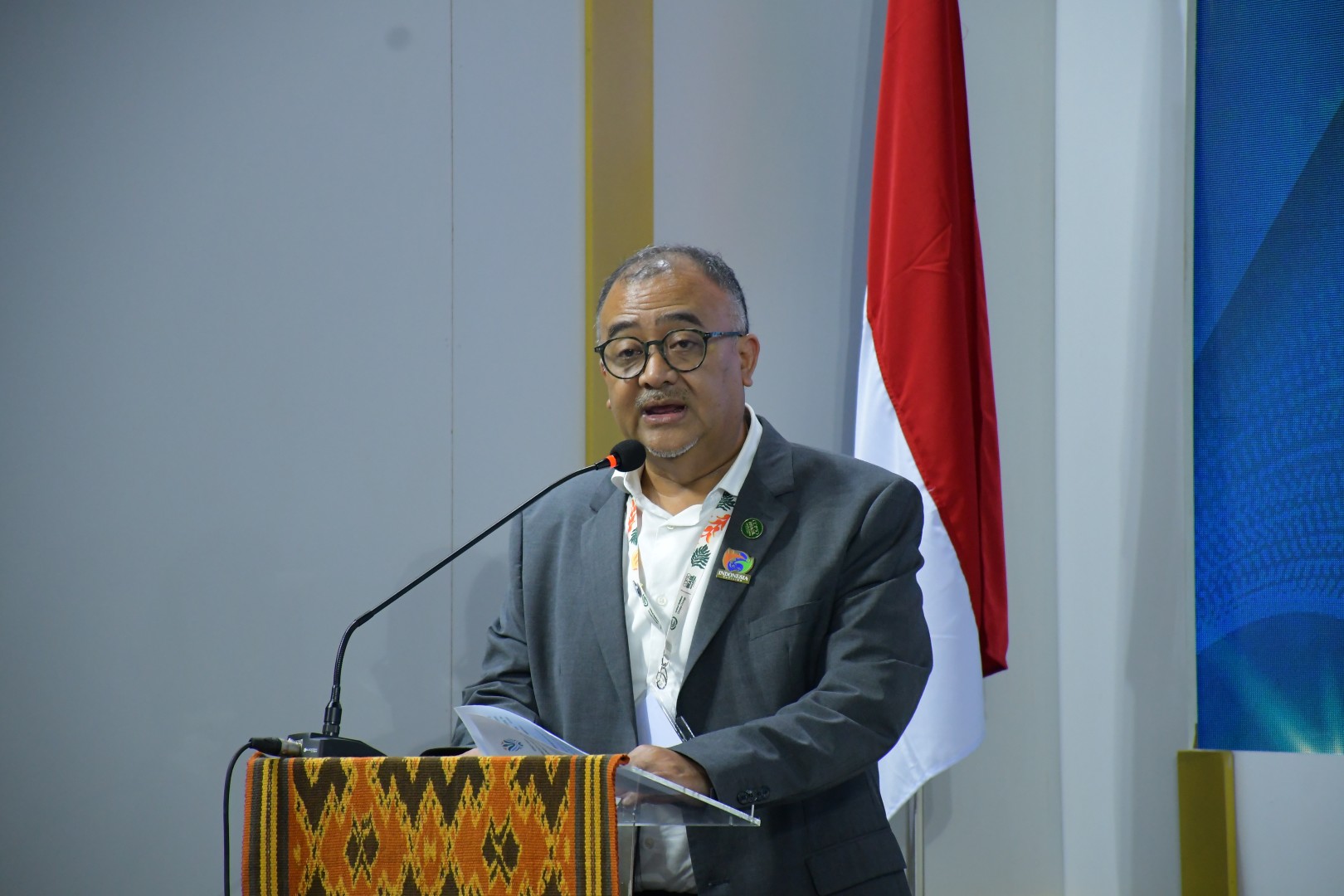
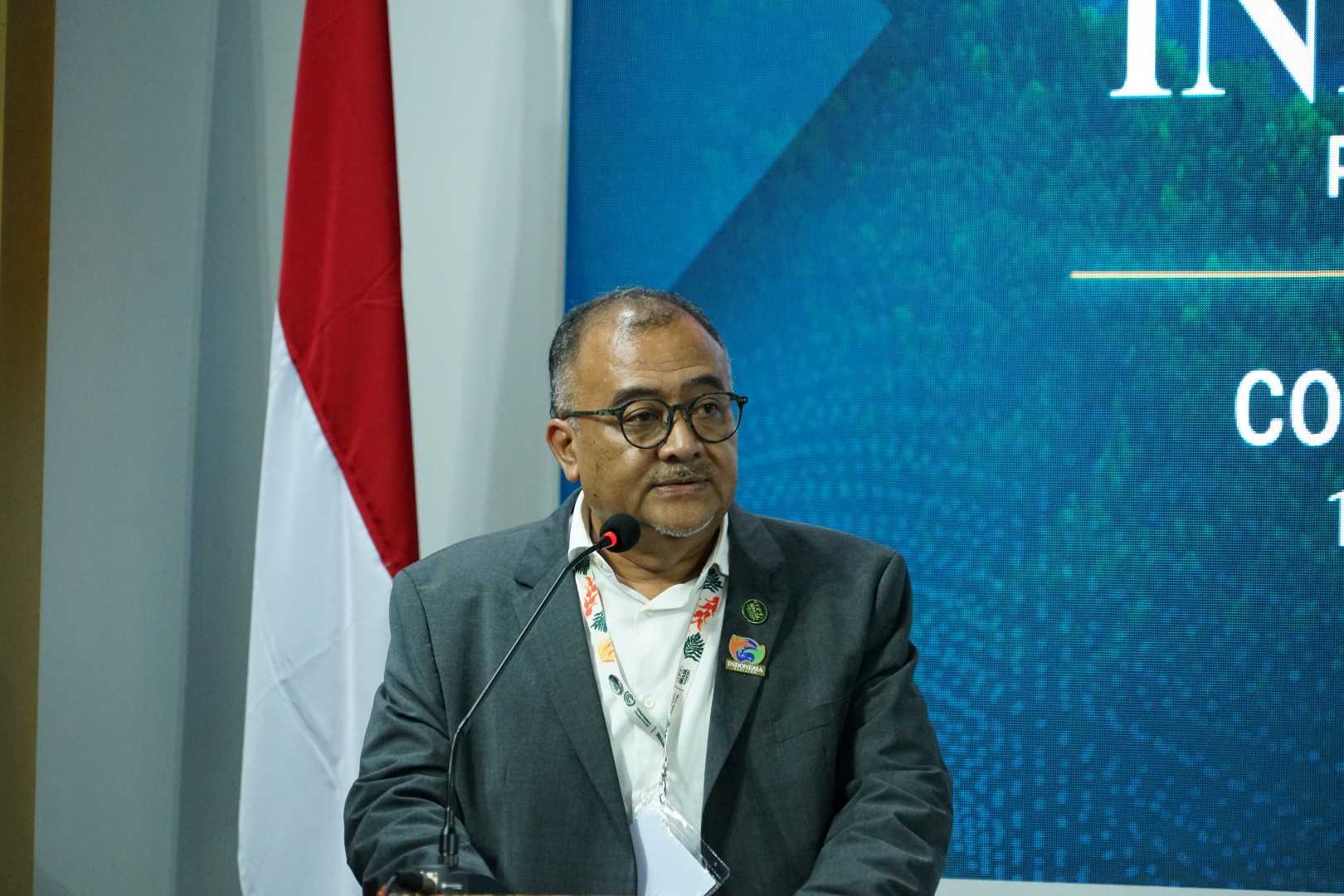
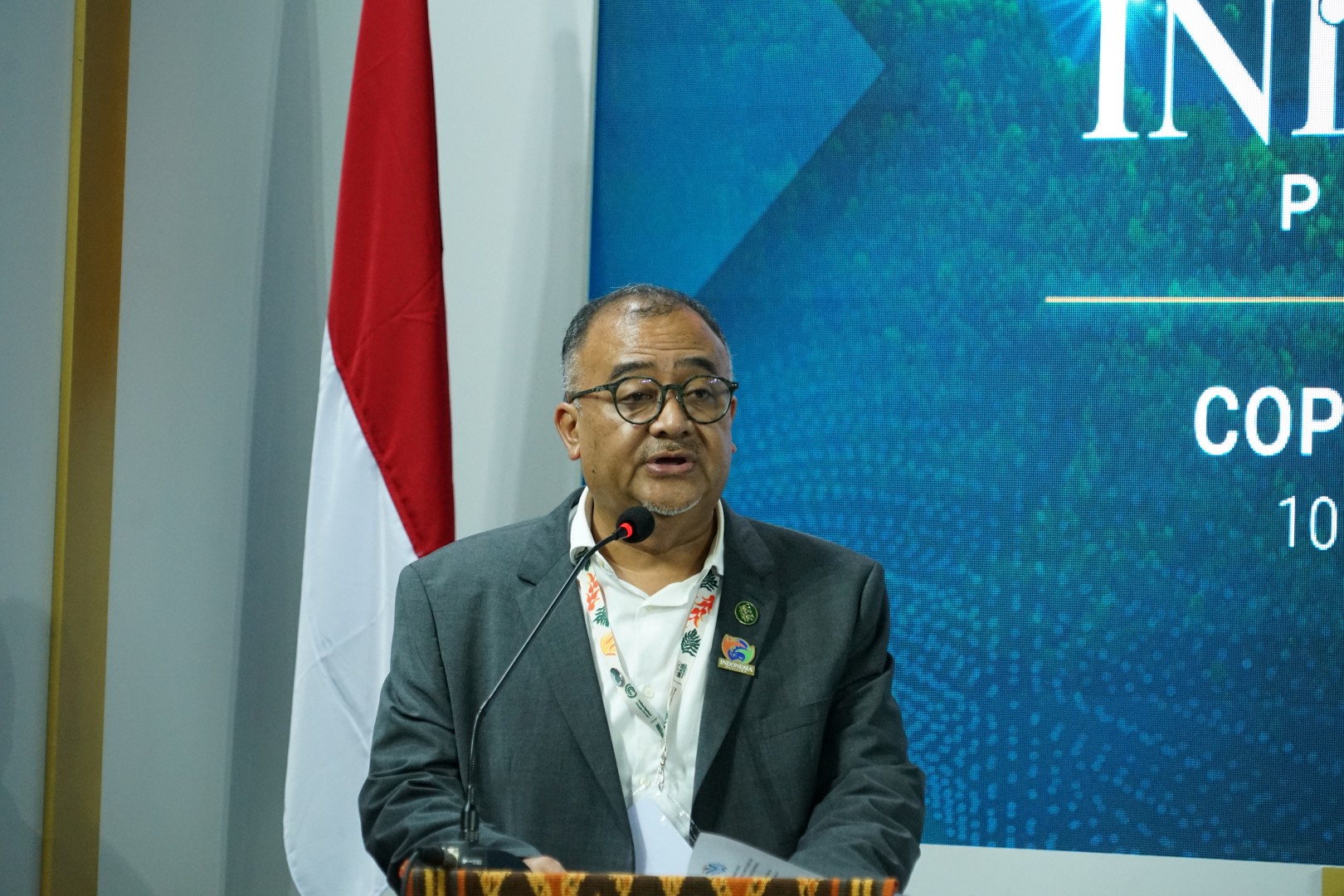
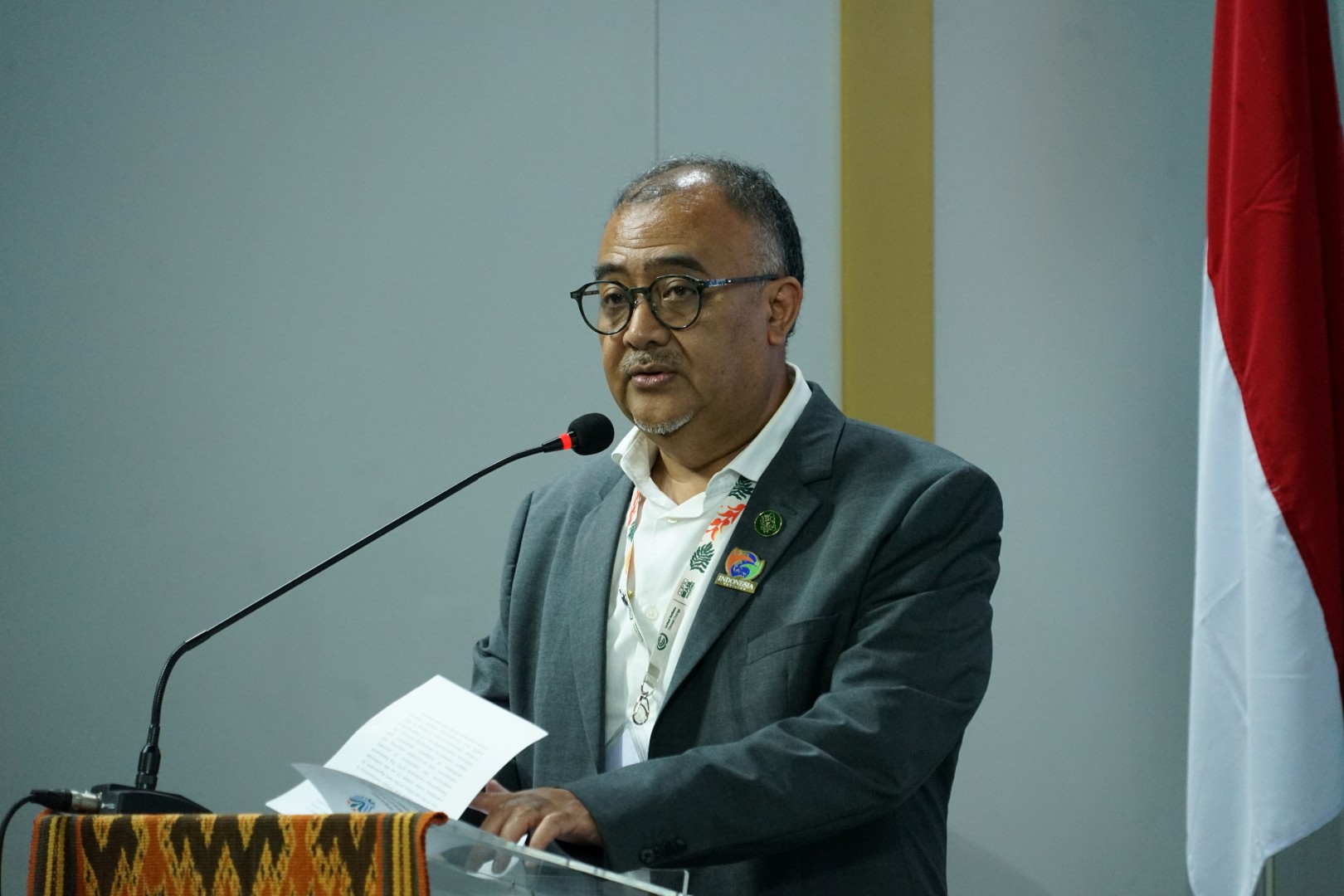
Ir. Ary Sudijanto (Deputy Minister, KLH/BPLH) set the tone by emphasizing that transparency under the Paris Agreement (Article 13) is non-negotiable for maintaining international confidence.
"Transparency is a key element in maintaining international trust in Indonesia’s climate actions. We need closer collaboration with non-party stakeholders to ensure data quality and consistency."
2. Bridging the Data Gap
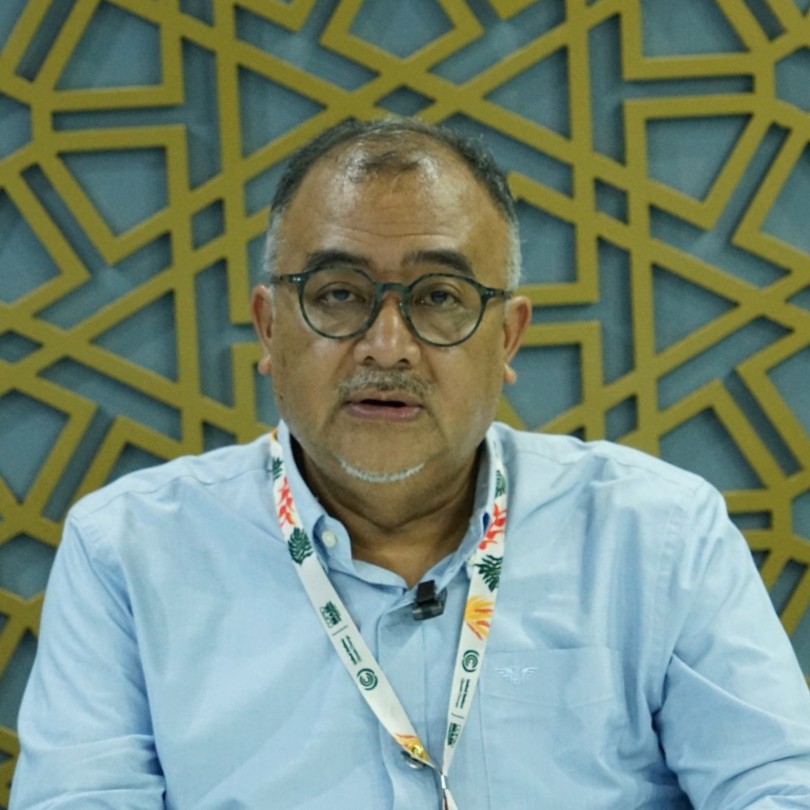
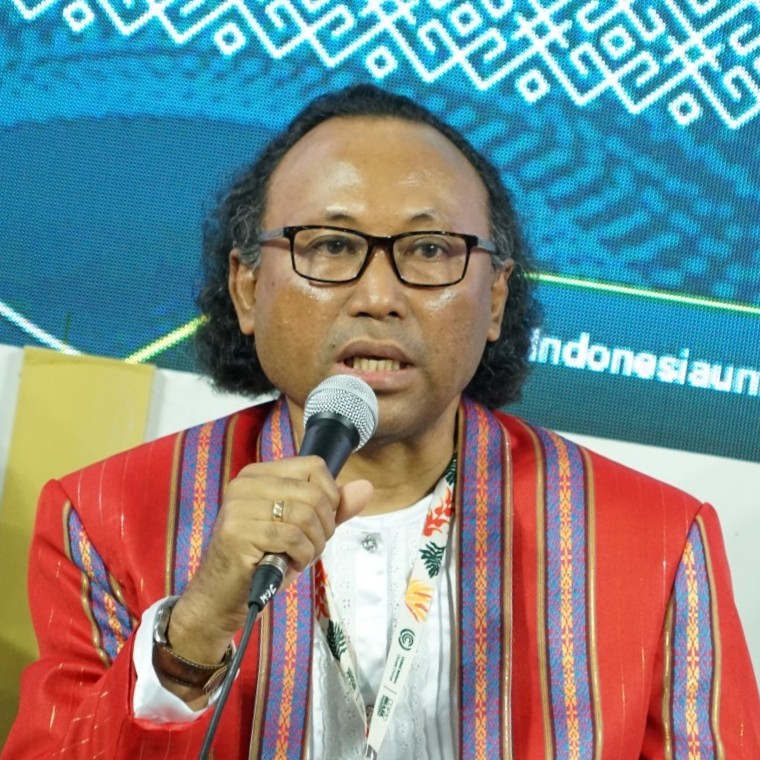
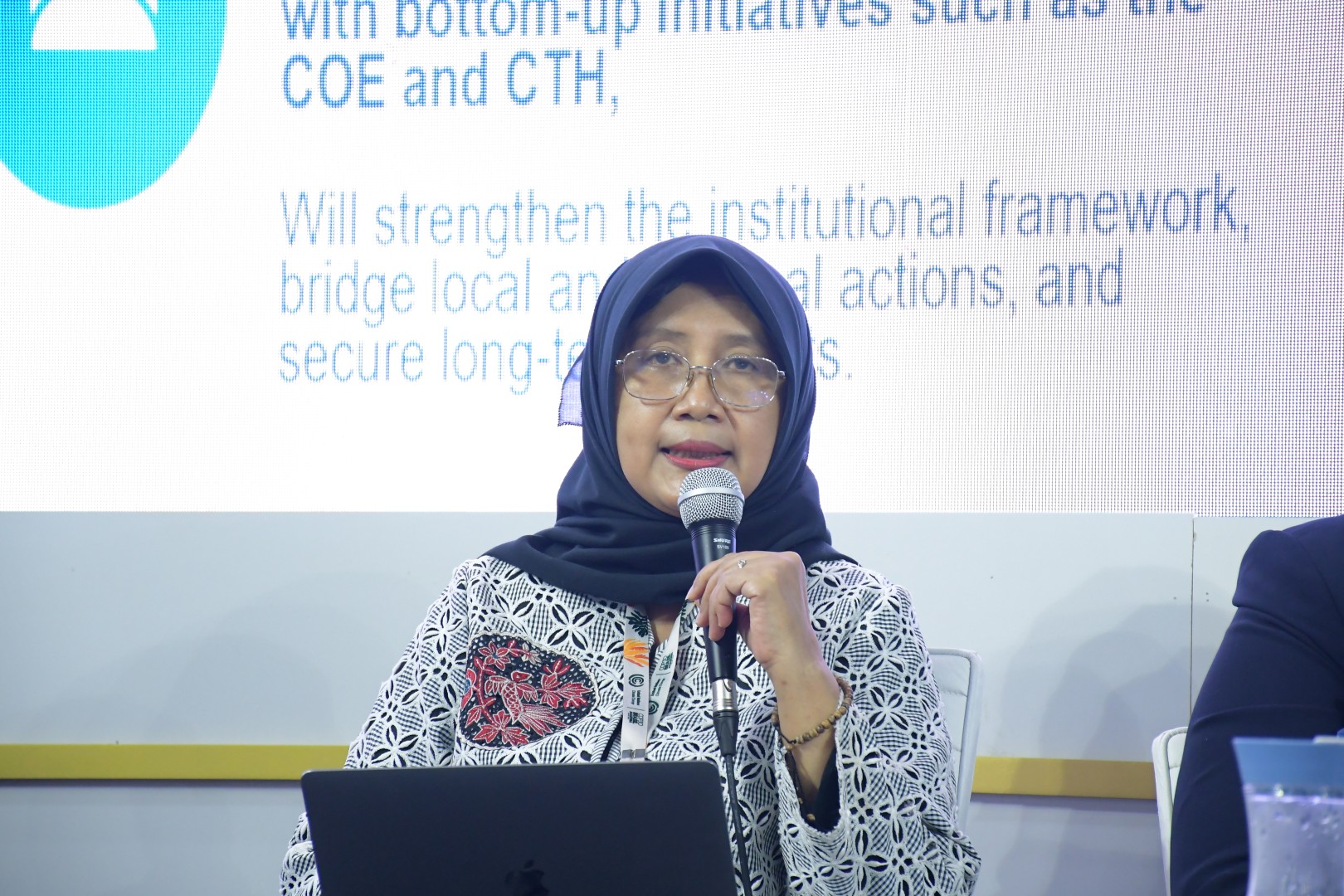
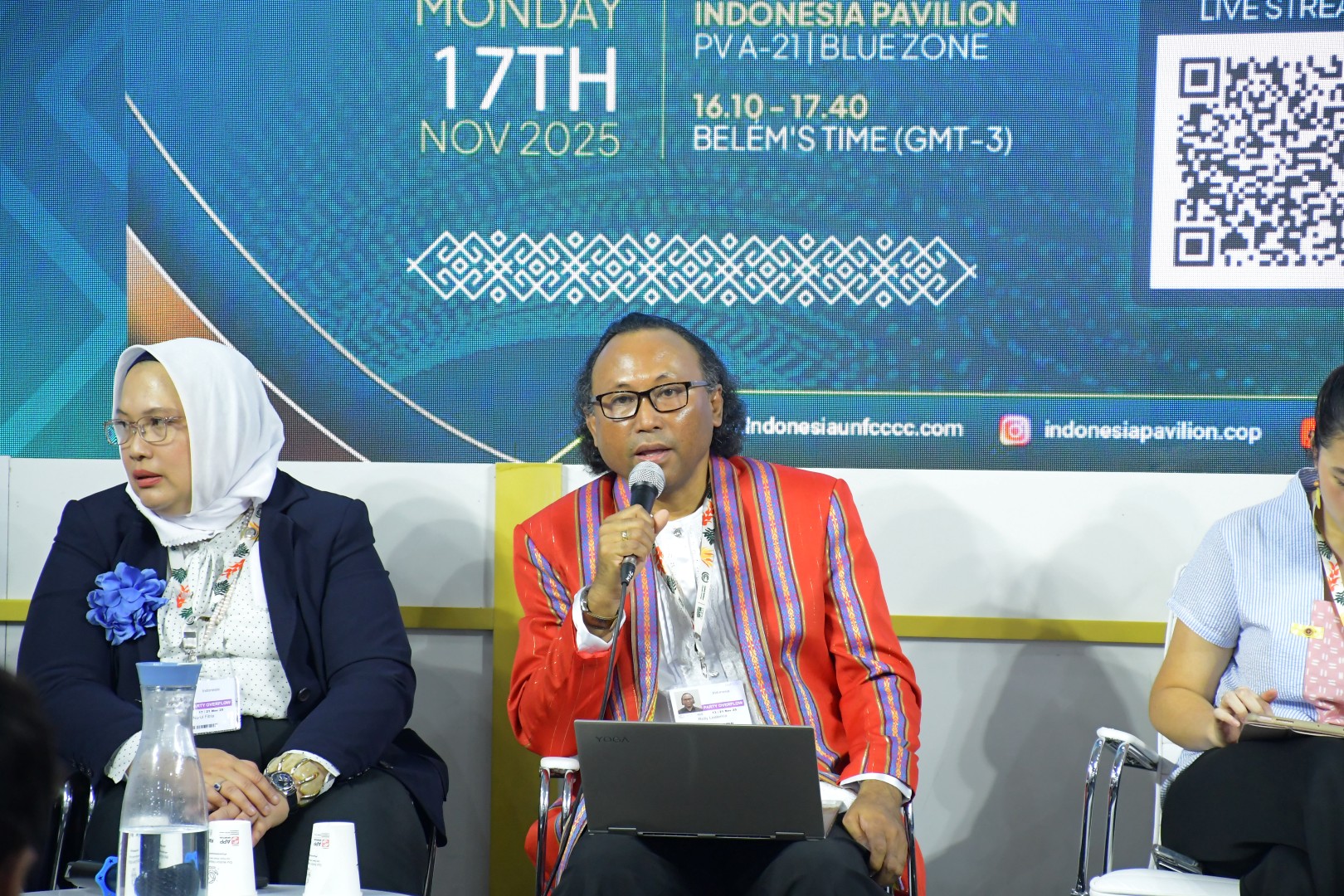
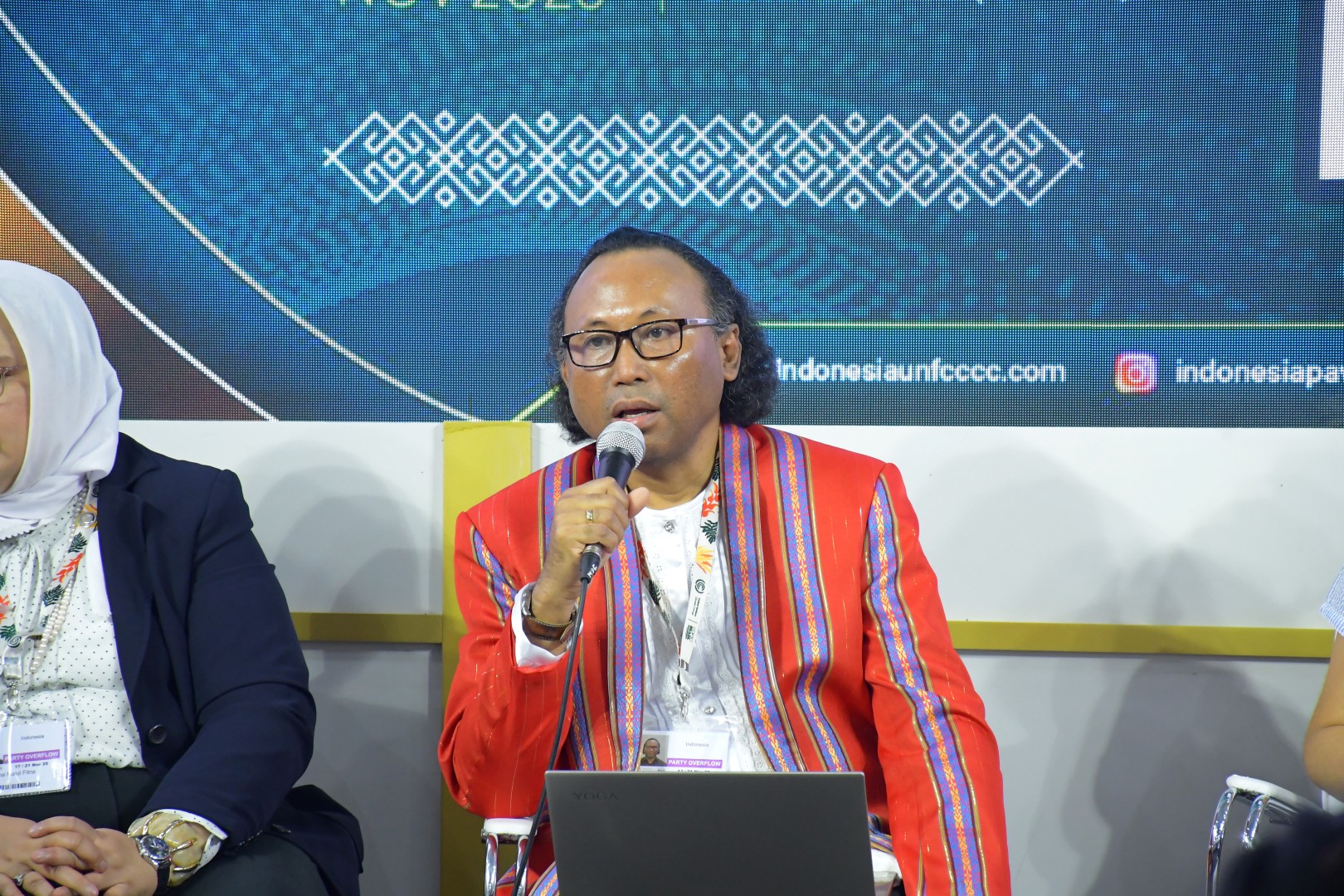
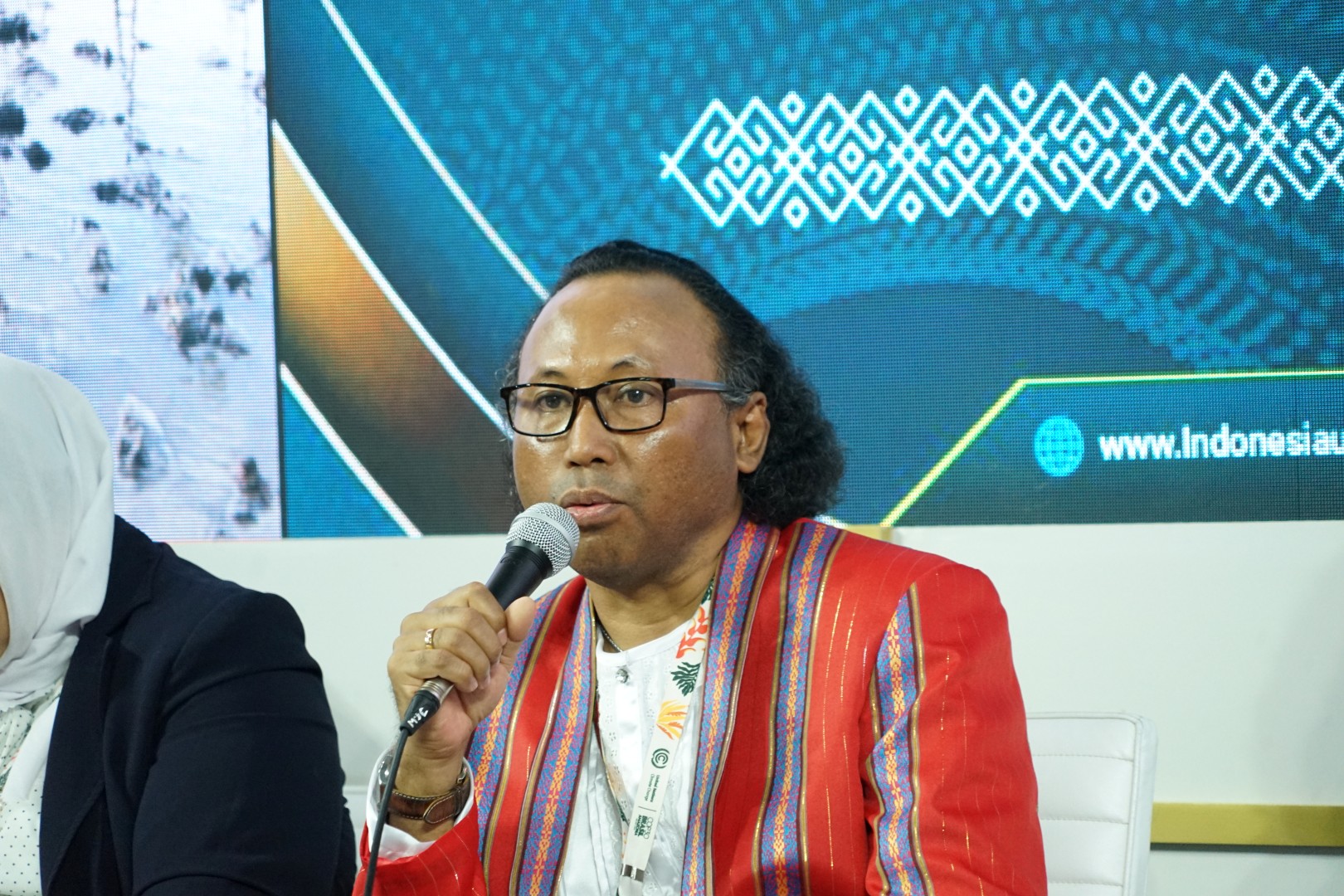
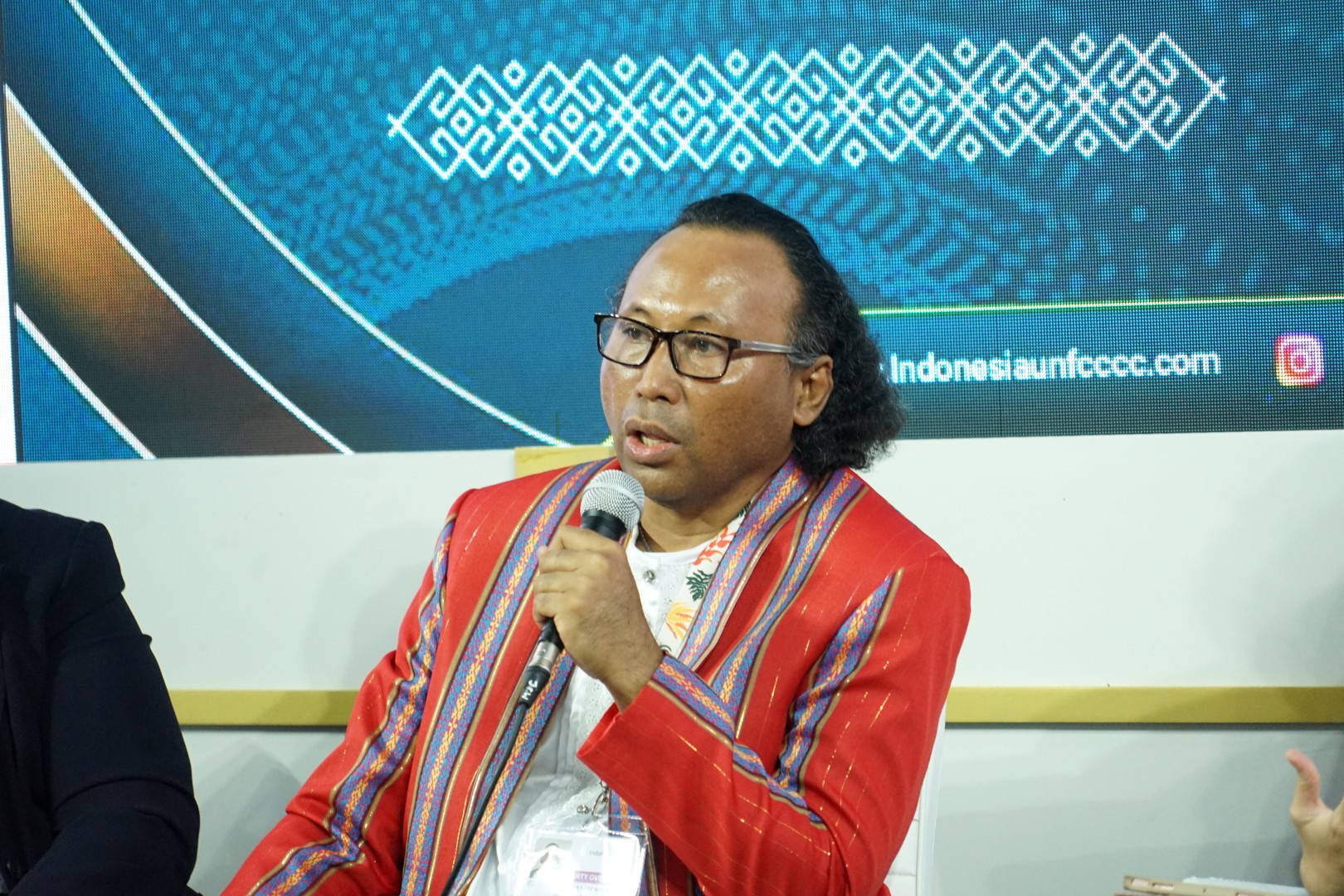
A major challenge identified was the "data gap" between grassroots action and national reporting. Rolly Leatemia (Director, Climate Transparency Hub) introduced the Climate Transparency Hub (CTH) as a solution to this problem.
"Without transparency, all mitigation and adaptation actions mean nothing. We are trying to be a catalyst to ensure a seamless flow of climate action data from CSOs into the government's existing national registry system (SRN)."
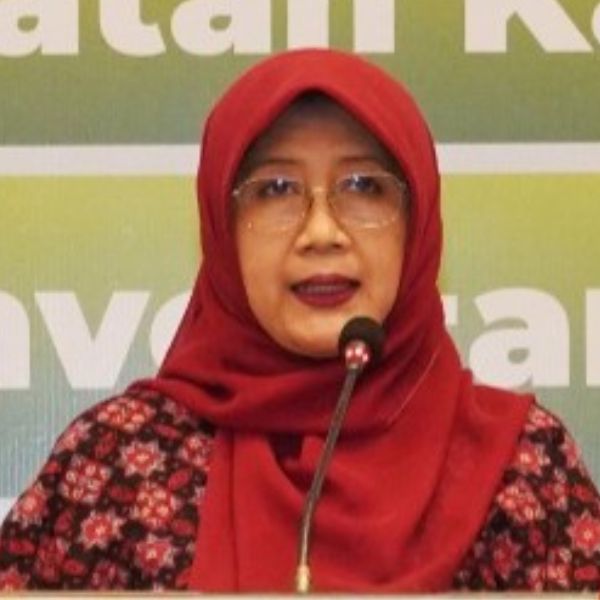
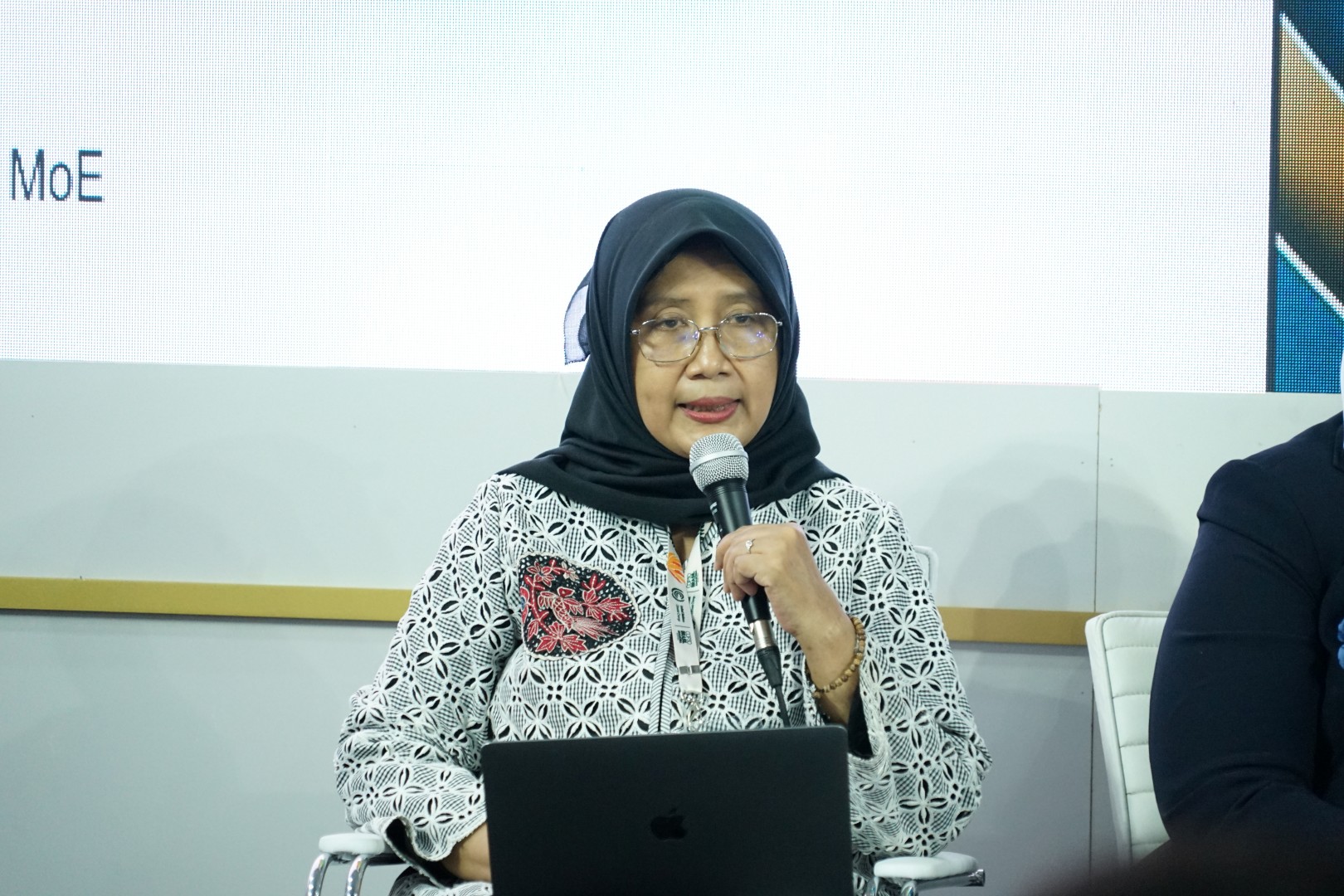
Dr. Mitta Ratna Djuwita (Director of GHG Inventory, KLH/BPLH) acknowledged that the government cannot work in isolation. She called for a "pentahelix" collaboration model to standardize methodologies and improve technical capacity across all sectors.
3. Energy Transition & Future Jobs
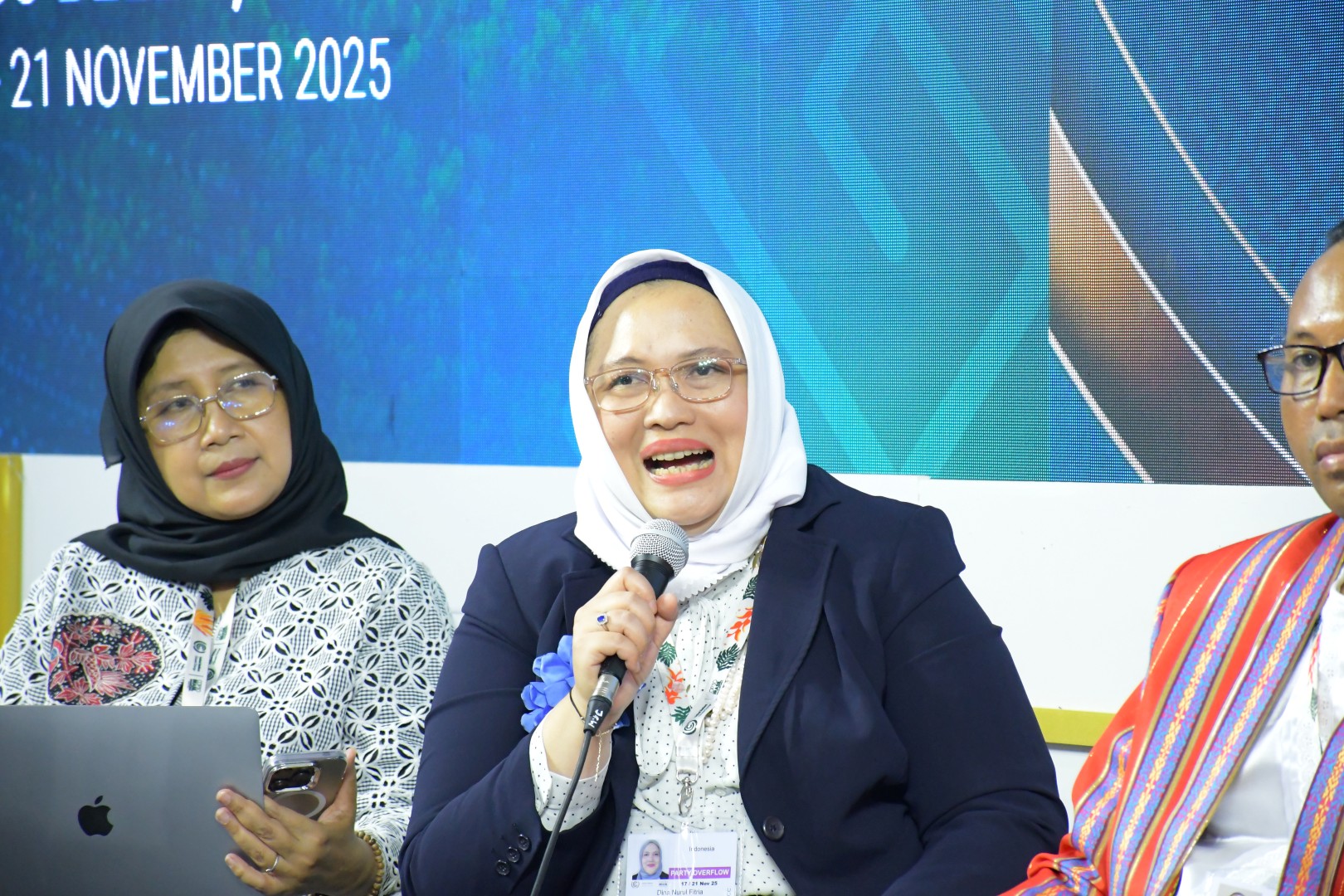
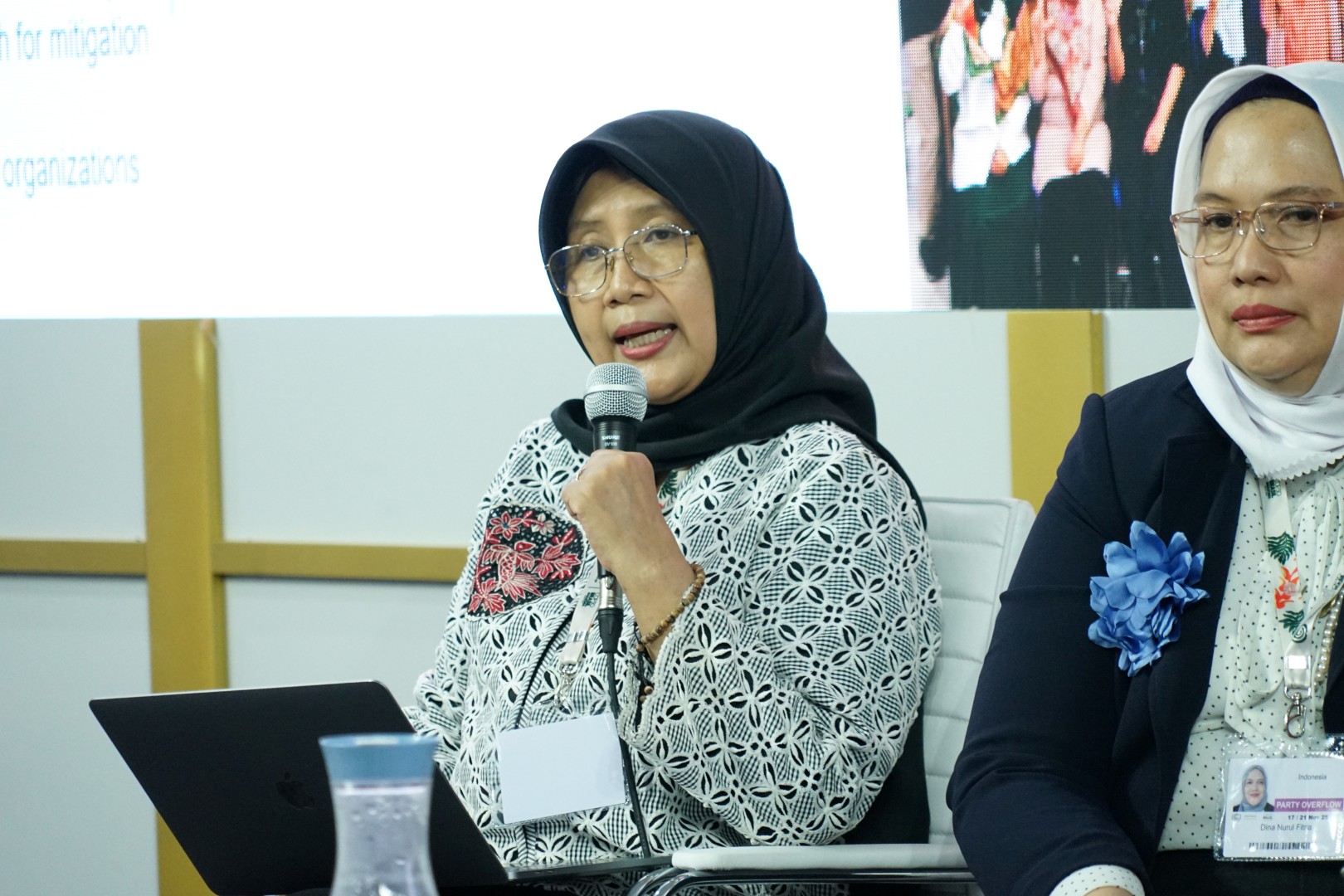
Dr. Dina Nurul Fitria (National Energy Council) highlighted the social dimension of the energy transition. She stressed that policy must translate into real economic benefits, particularly for the younger generation.
"Gen Z is not waiting; the future is theirs." — Dr. Dina emphasized the urgency of creating "Green Jobs" to ensure the energy transition is inclusive and economically viable.
4. Youth Leadership in Data Literacy
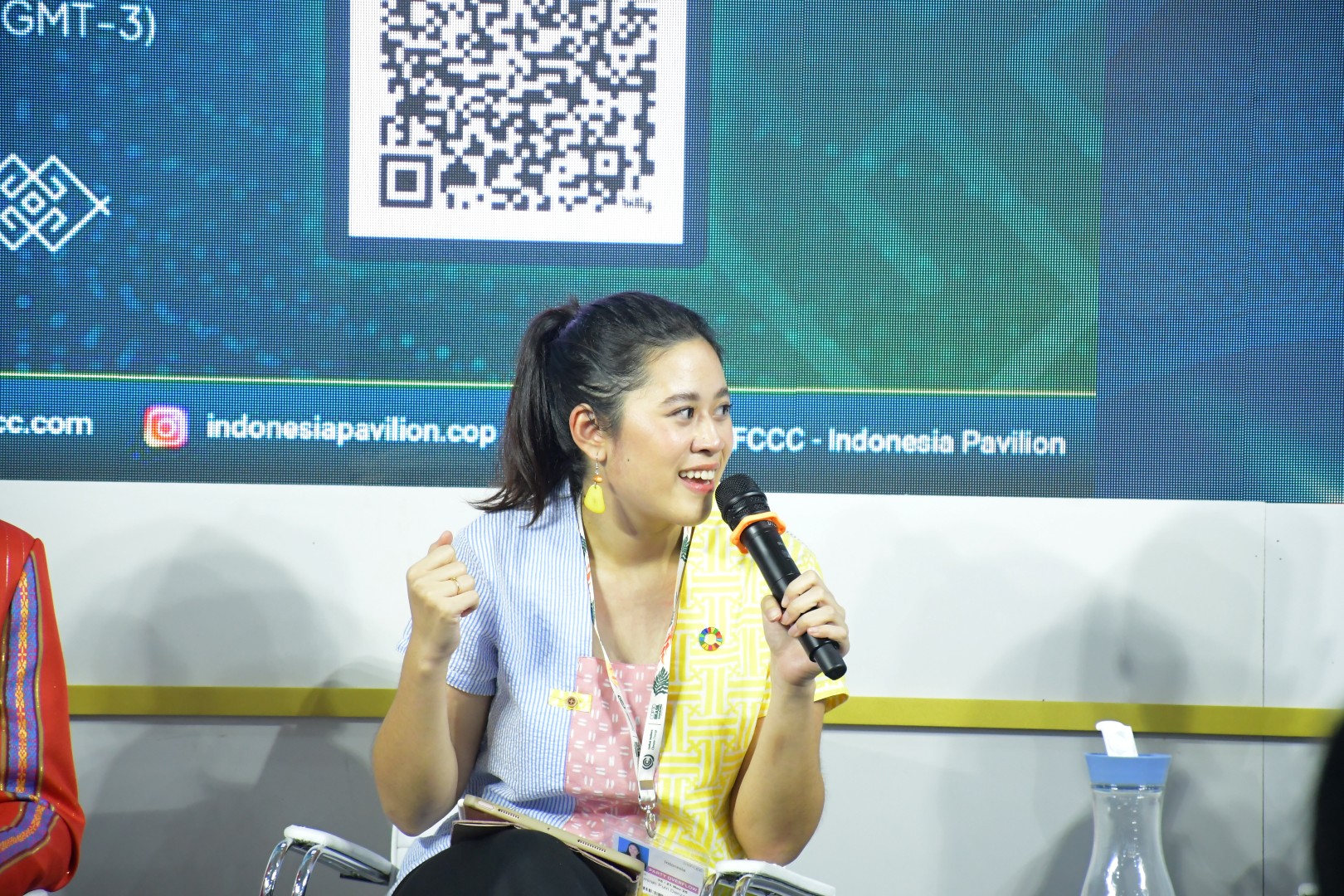
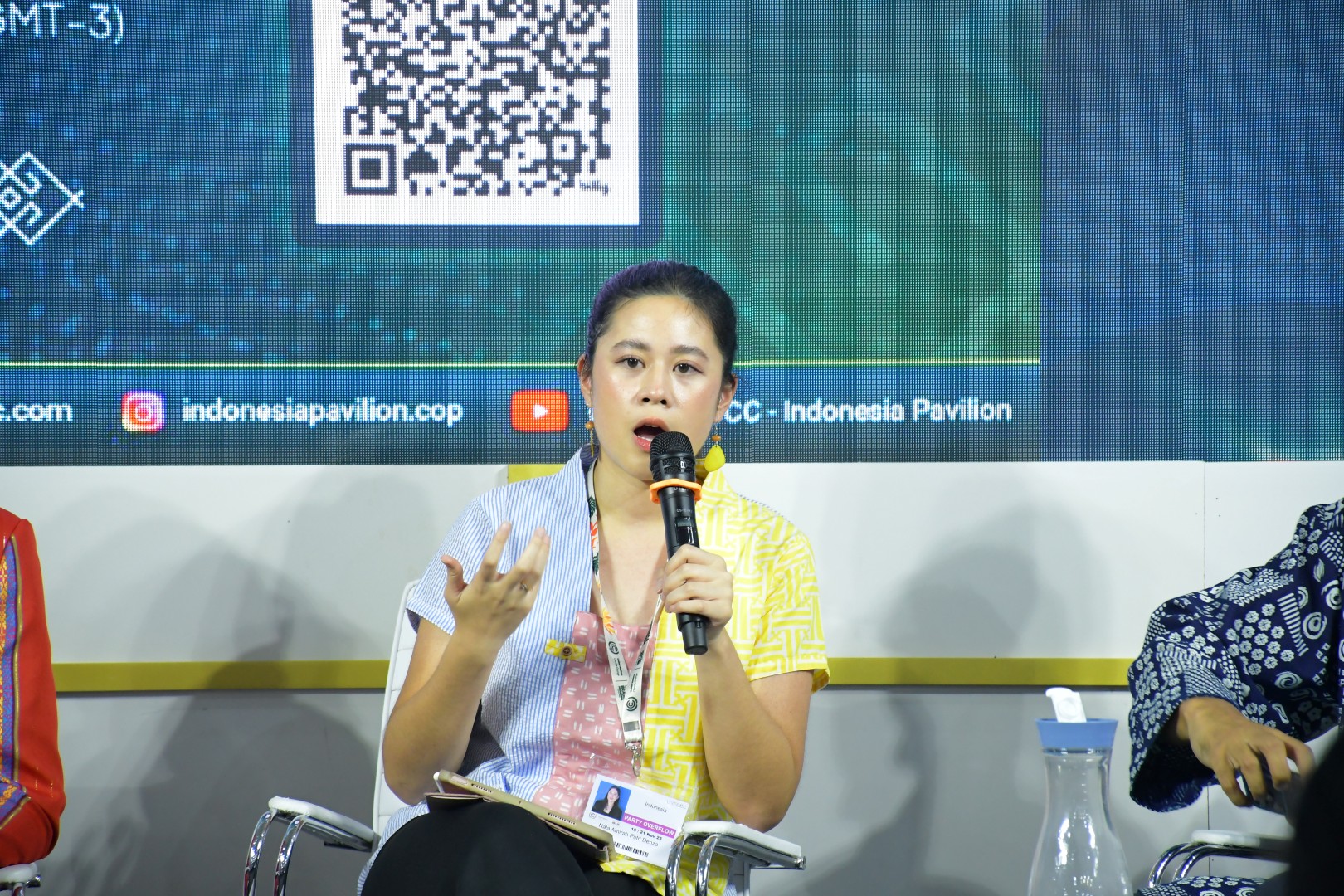
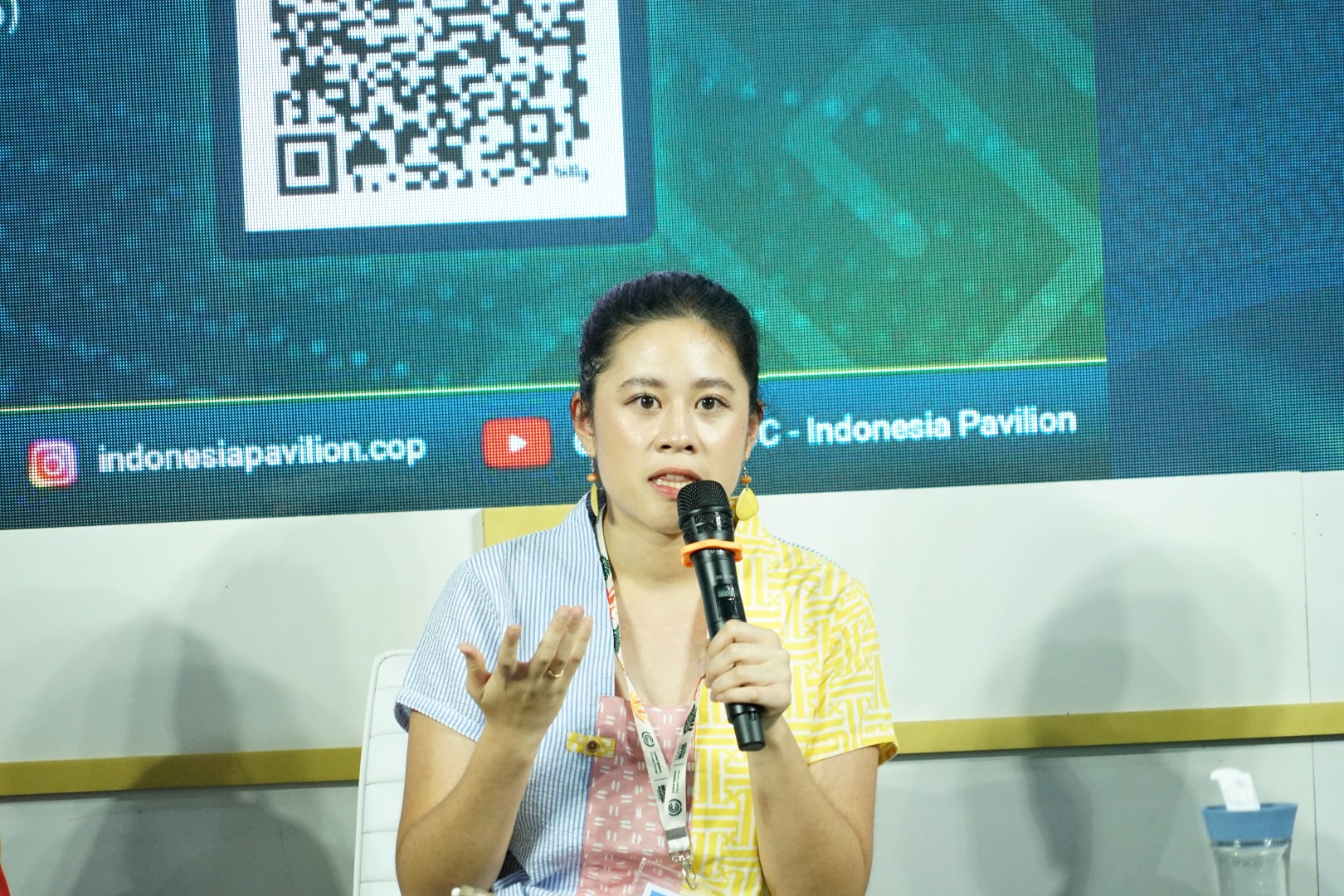
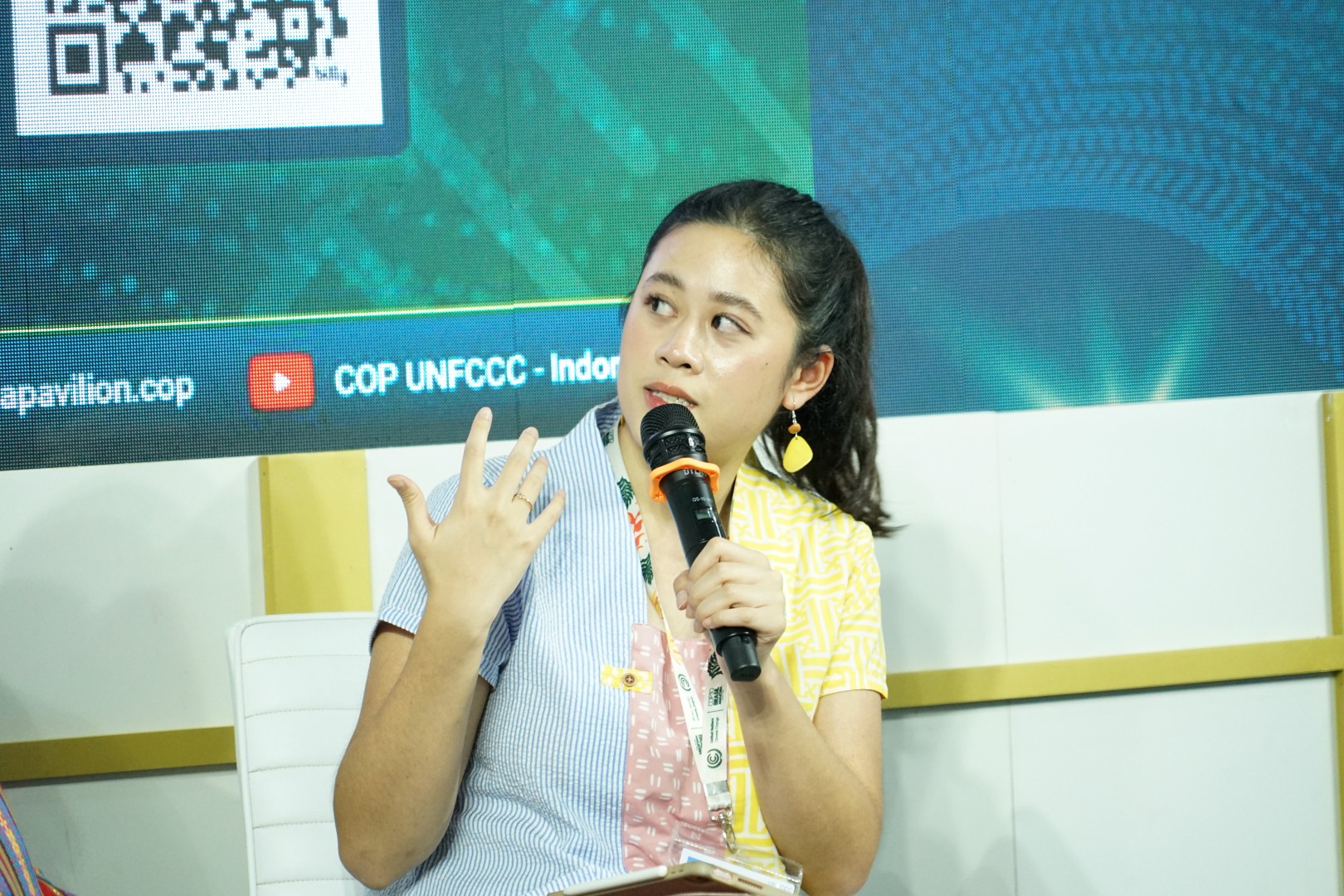
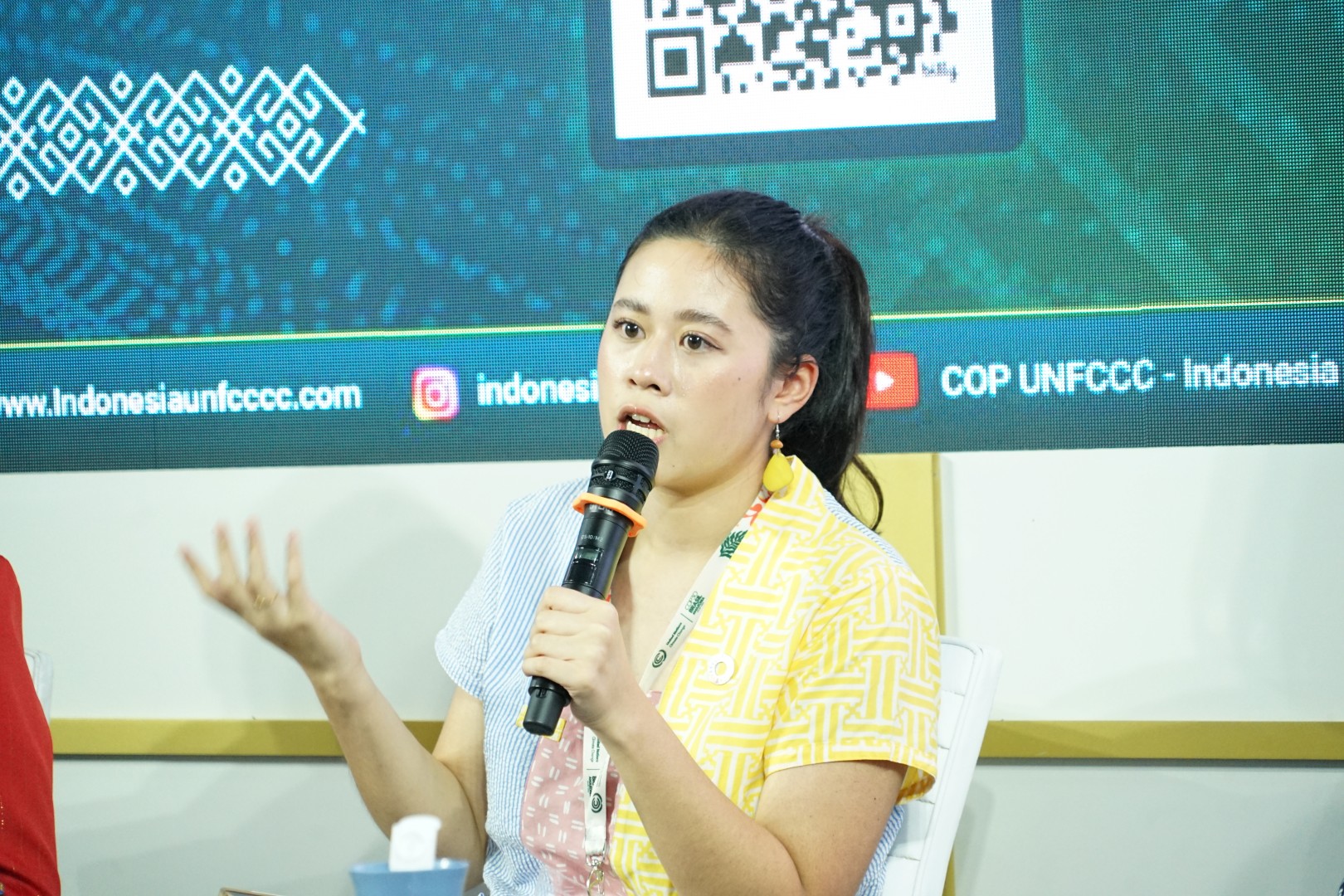
Nala Amirah (Green Welfare Indonesia) provided a critical youth perspective, arguing that data literacy is essential for young people to avoid greenwashing and participate meaningfully in climate governance.
"We want to build young people who actually understand ecosystems... people who can read data, ask the right questions. Data is actually one of the top skills you need for green jobs."
Conclusion
The session concluded with a consensus that transparency is a shared responsibility. To achieve its climate targets (NDC), Indonesia is committed to:
- Strengthening Data Systems: Enhancing the National Registry System (SRN) to be more user-friendly and inclusive.
- Building Capacity: Providing technical training for CSOs to ensure their data meets international standards.
- Fostering Collaboration: Institutionalizing the role of non-party stakeholders in the national climate policy framework.
By turning local action into verified national data, Indonesia is proving that its commitment to net zero is backed by credible, transparent, and collective action.