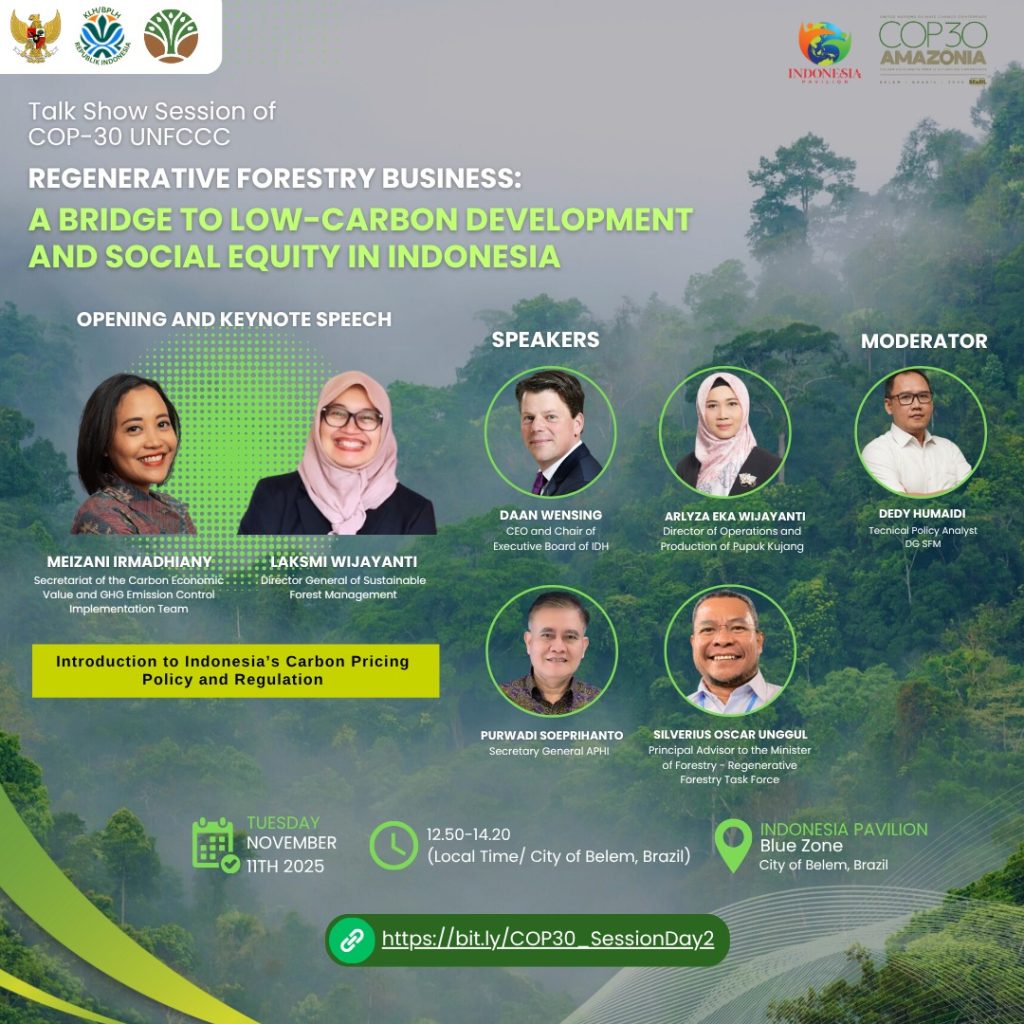
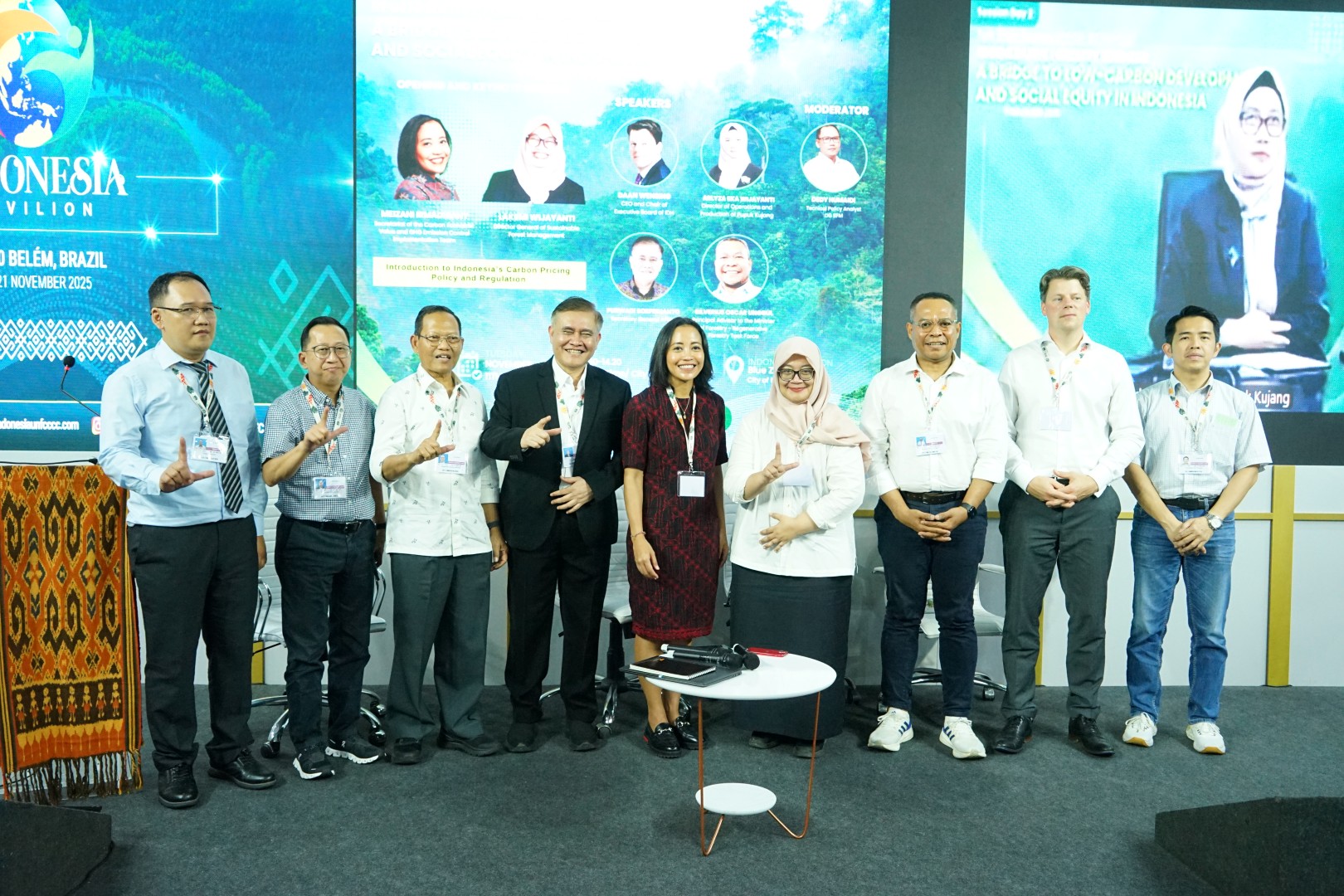
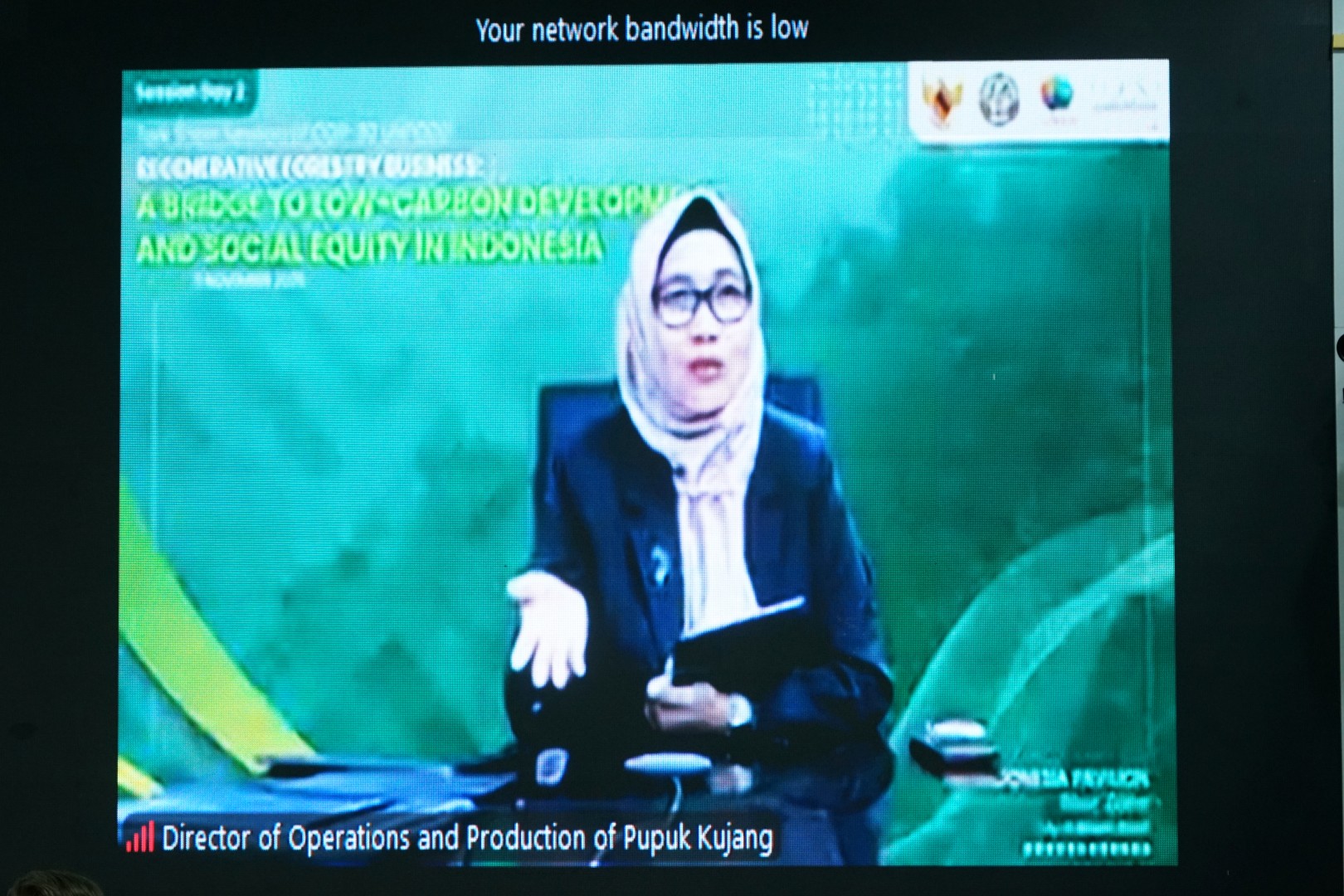
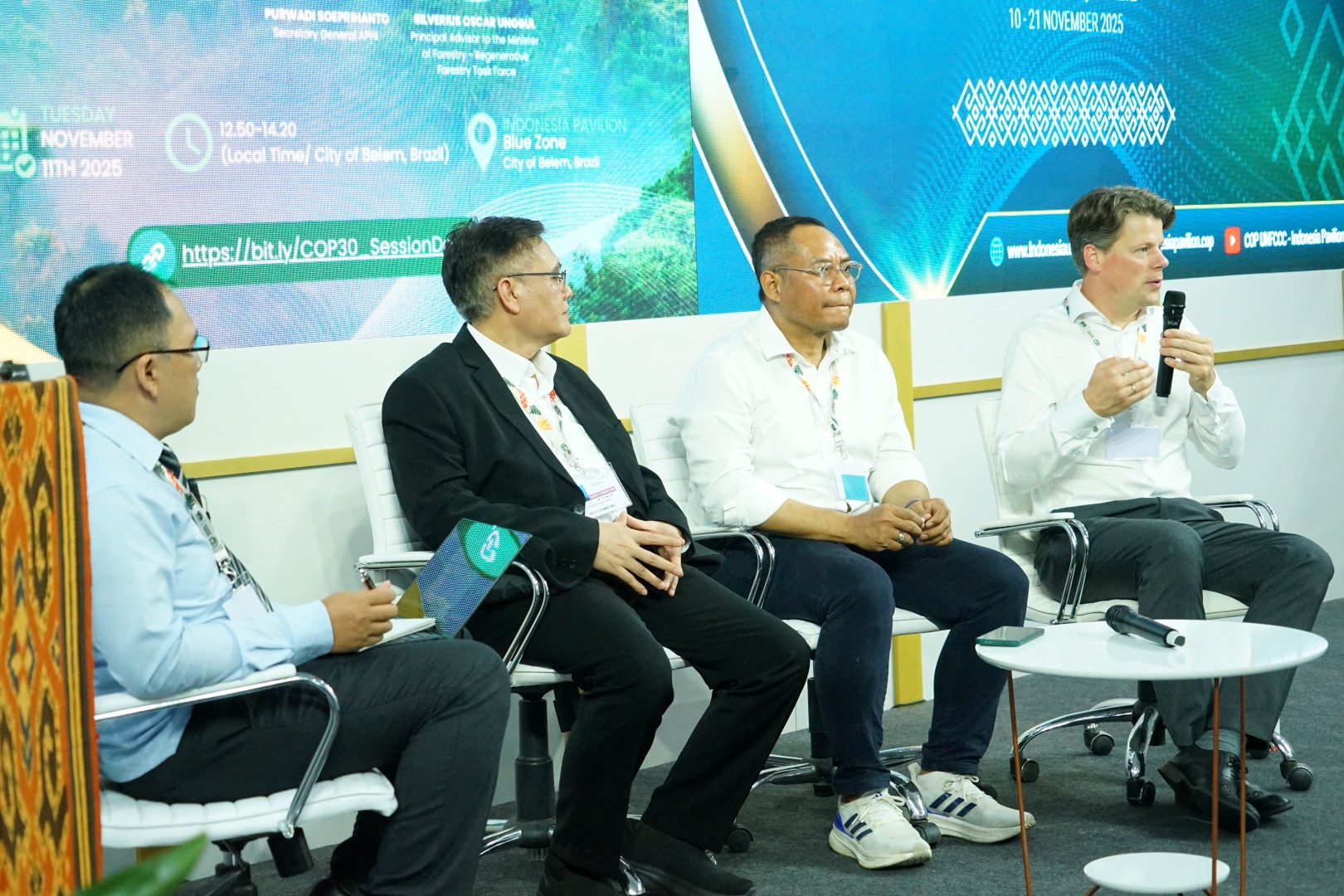
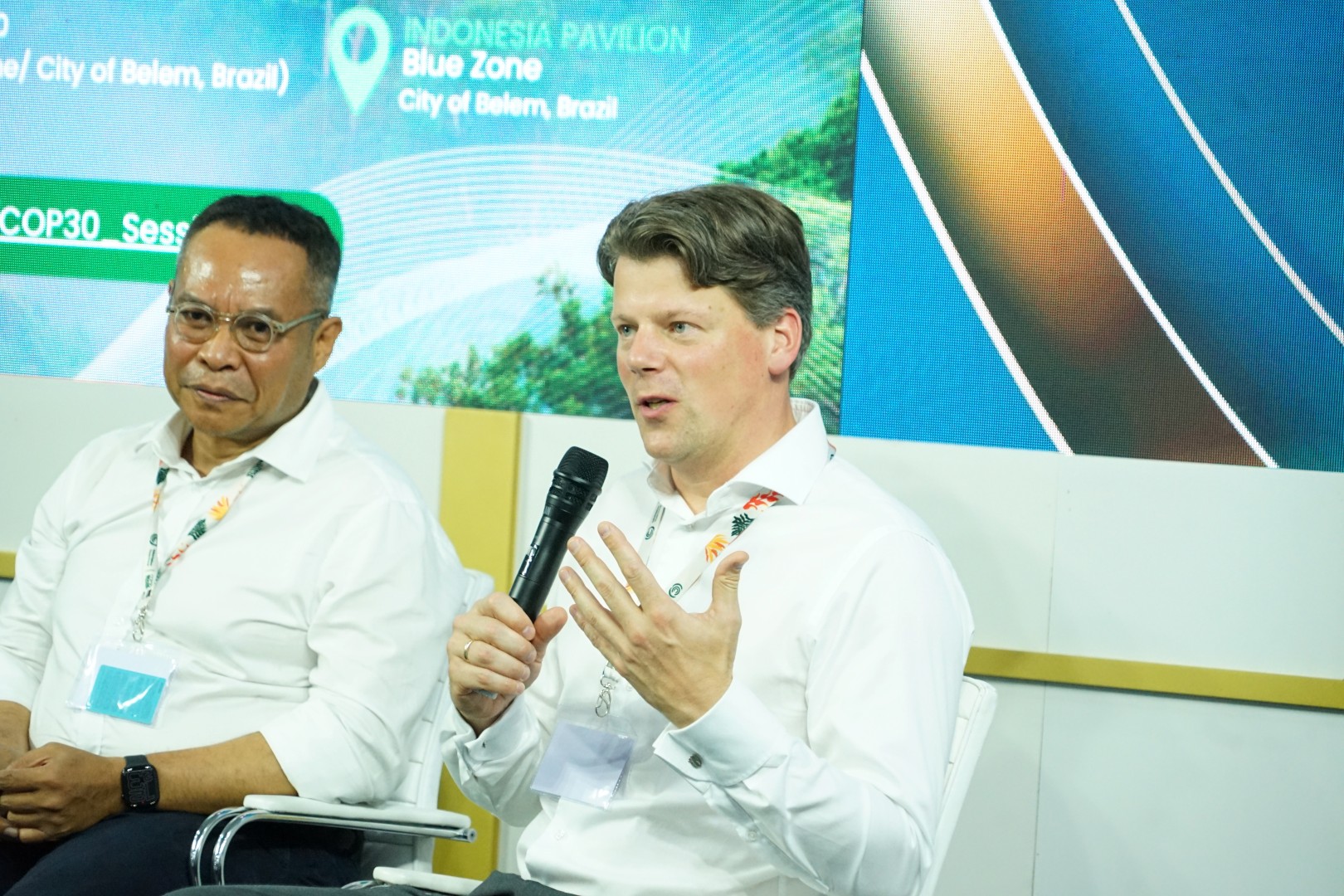
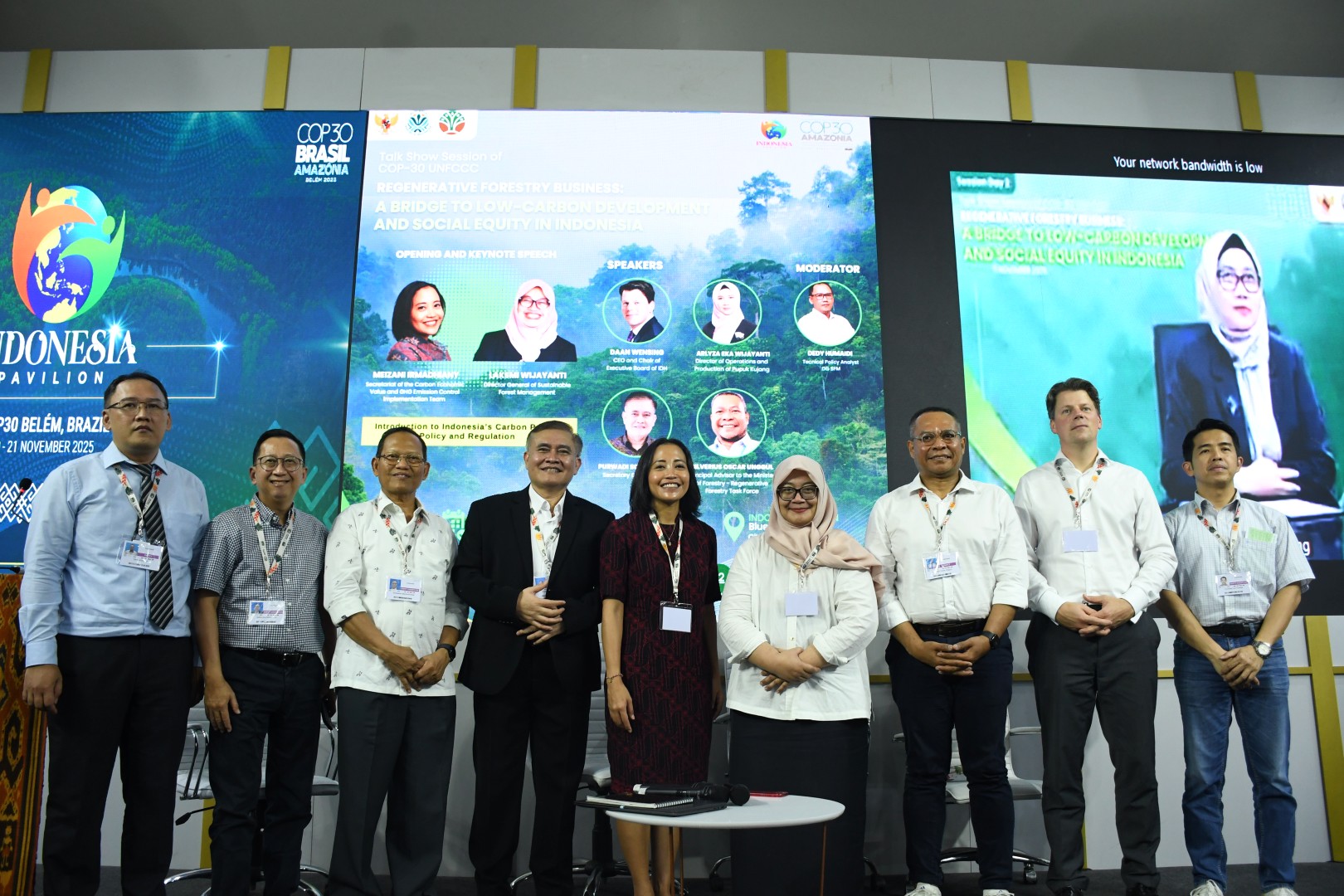
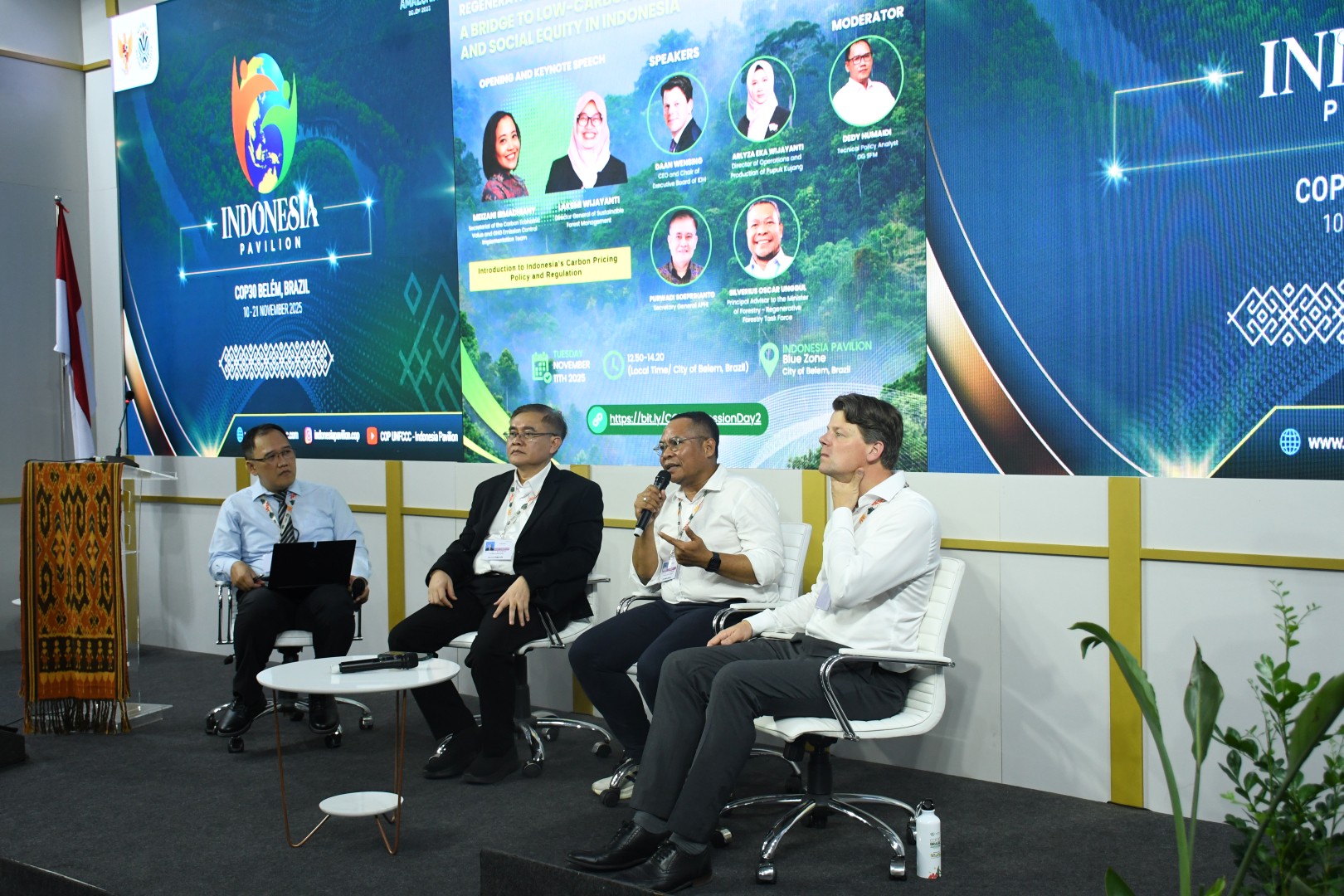
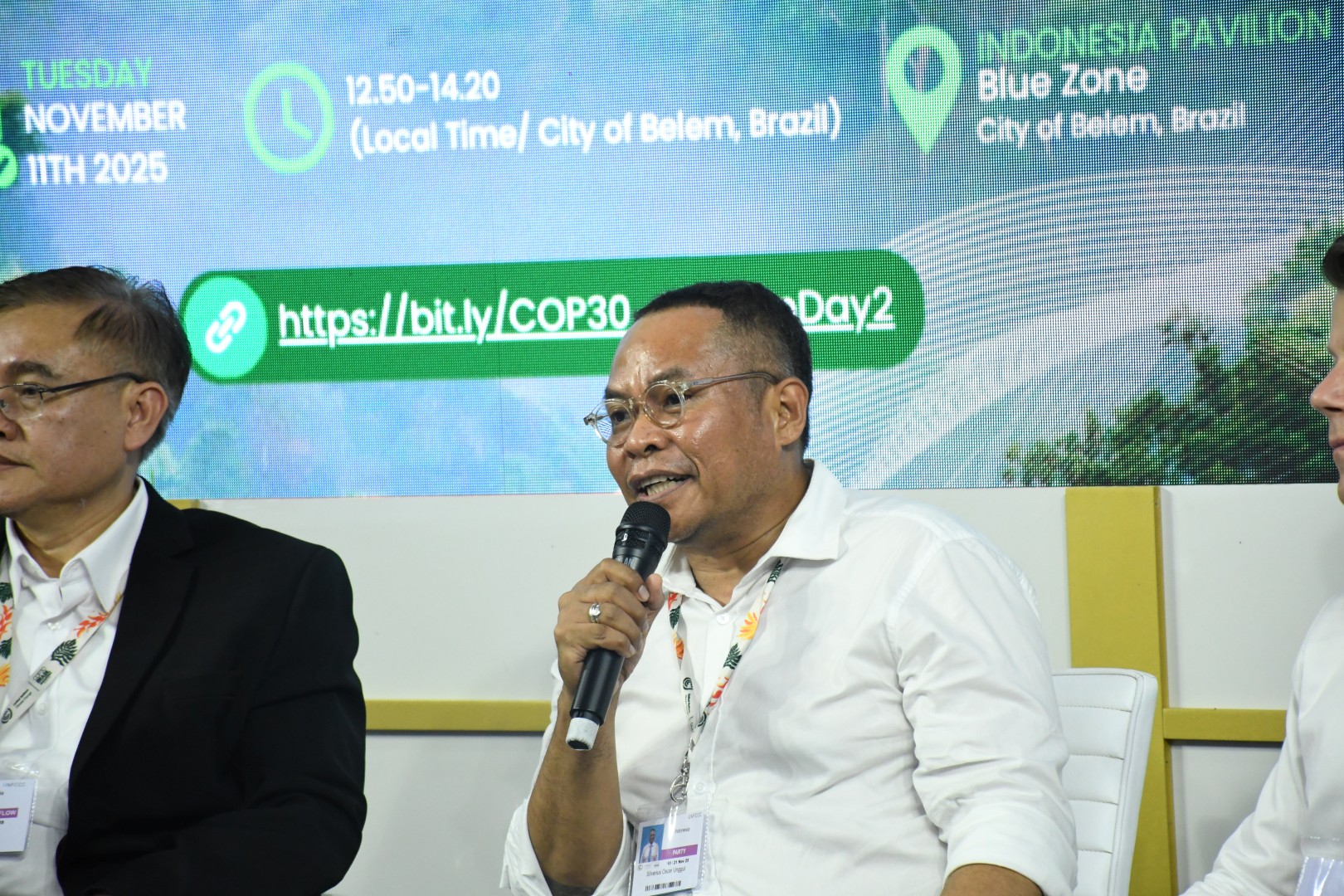
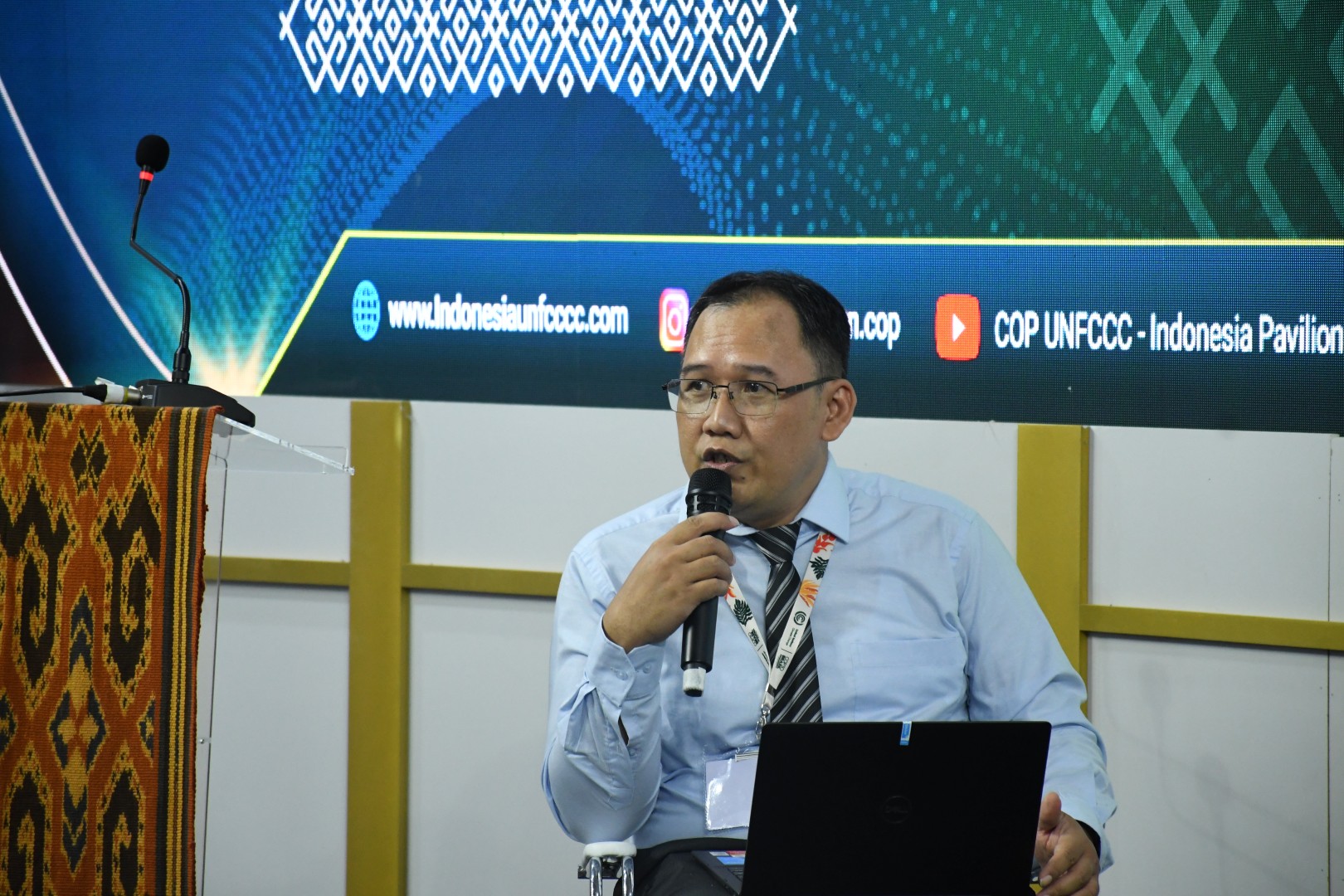
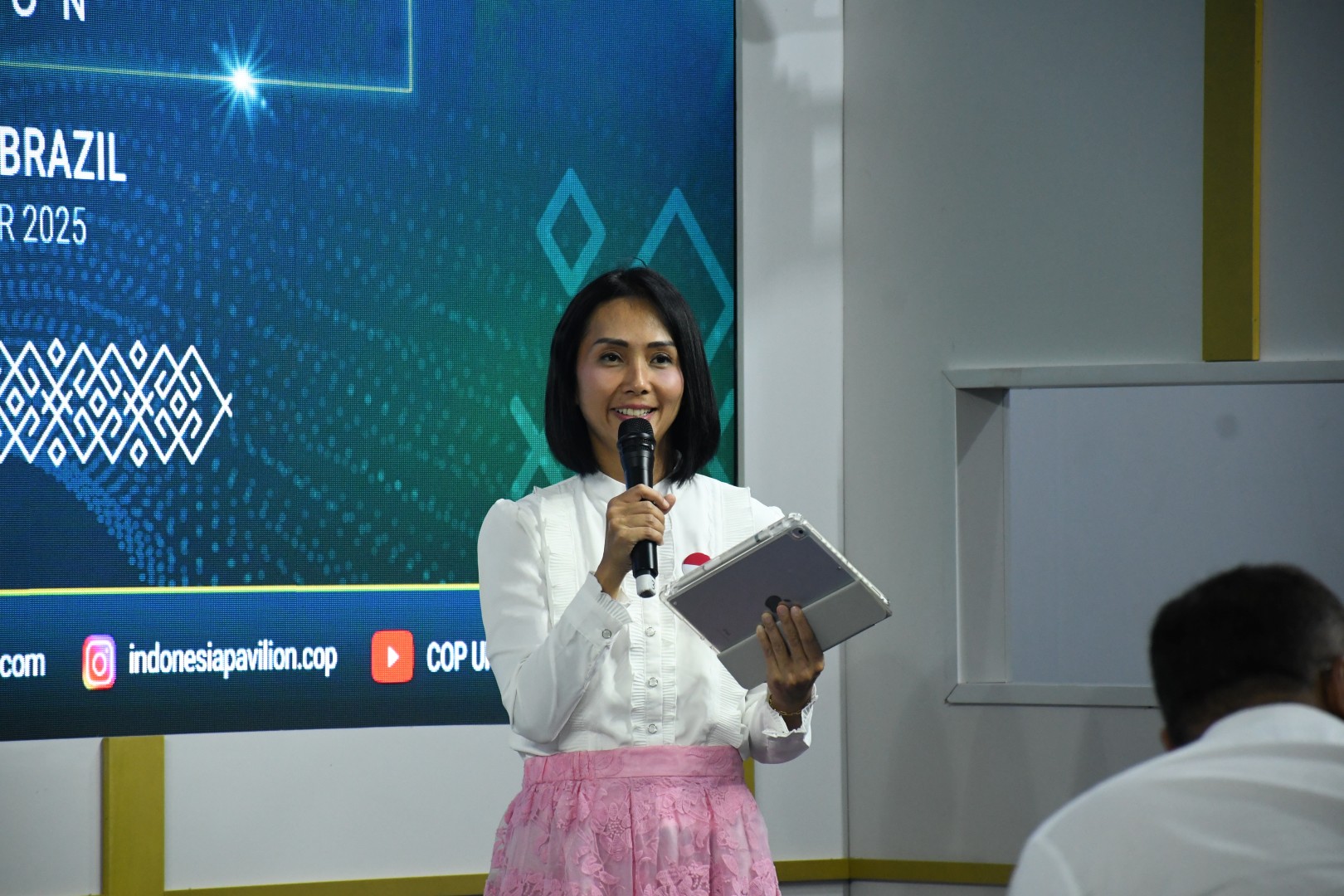
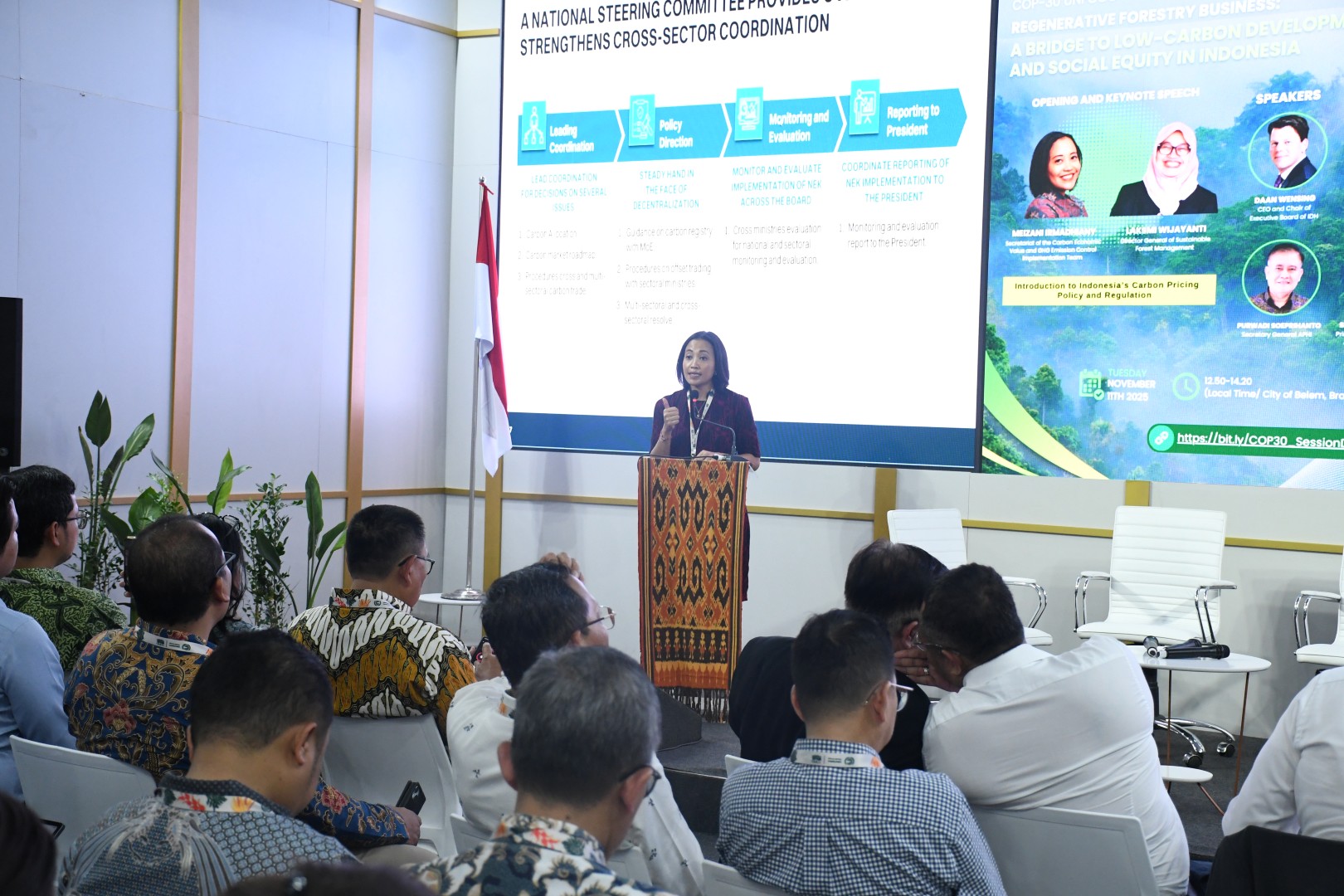
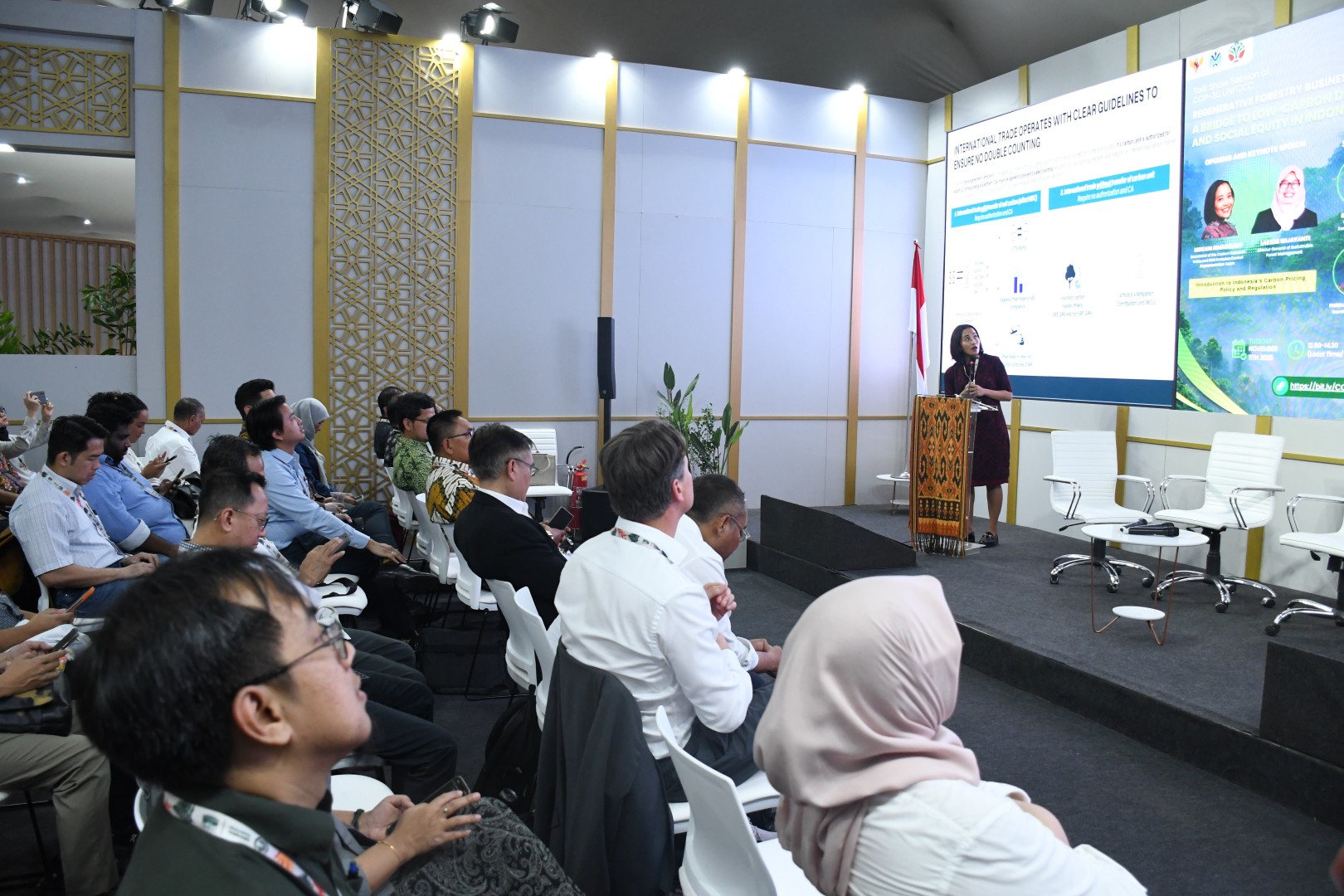
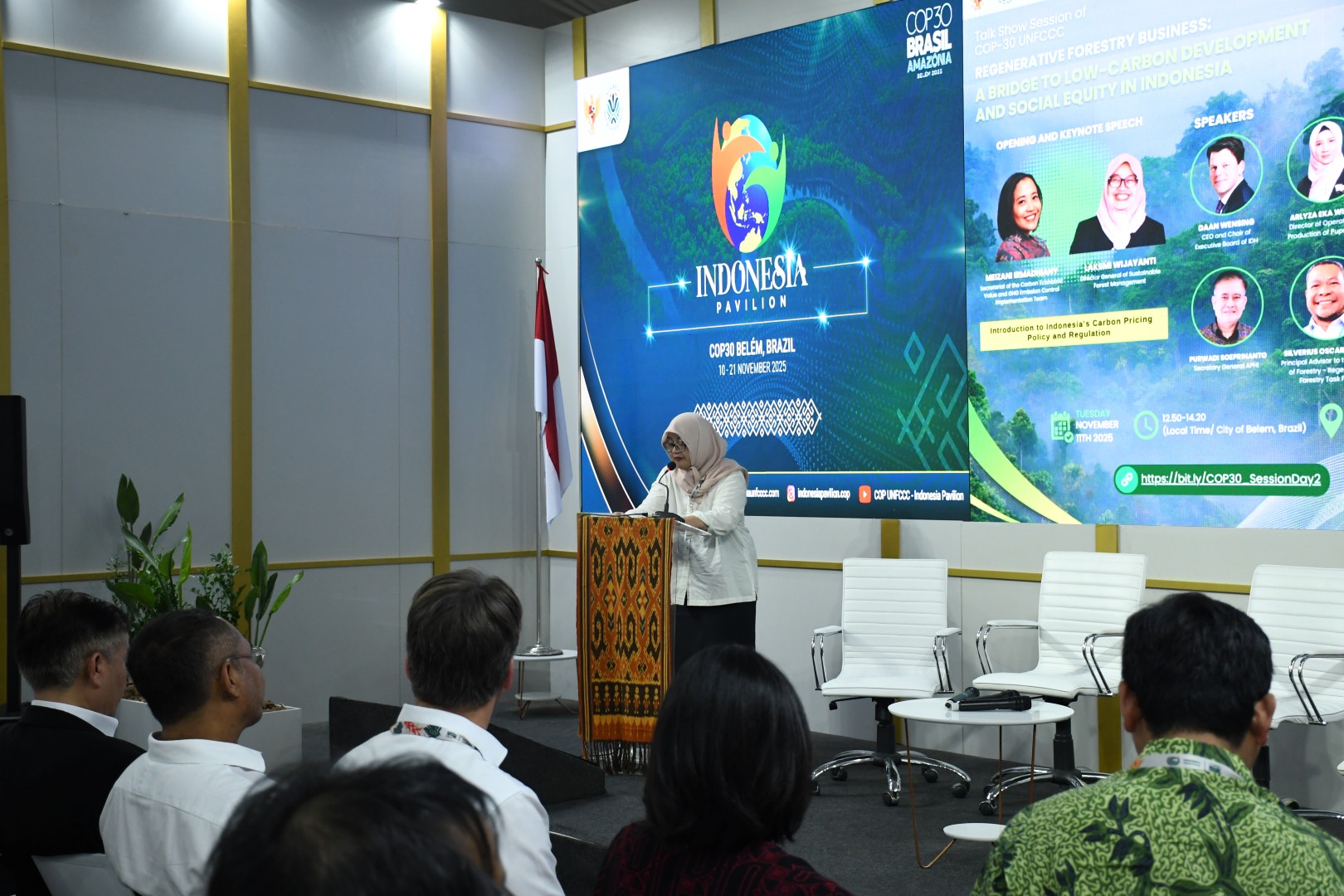
Regenerative Forestry Business: A Bridge to Low-Carbon Development and Social Equity in Indonesia
Within the context of the global climate imperative, Indonesia's national development paradigm is strategically oriented toward aligning low-carbon development targets with a mandate for social equity. As a pathway to achieve this dual objective, a conceptual framework known as Regenerative Forestry Business is proposed. This framework is designed as a nexus between ecological conservation and inclusive economic development by integrating the socio-economic potential of Non-Timber Forest Products (NTFPs) with community-based forest stewardship models. Its primary goal is to build a fair and sustainable value chain that ensures an equitable distribution of benefits while strengthening ecosystem resilience.
However, a principal challenge lies in translating this conceptual framework into scalable, real-world applications. Bridging the gap between policy and practice requires empirically proven and replicable implementation models.
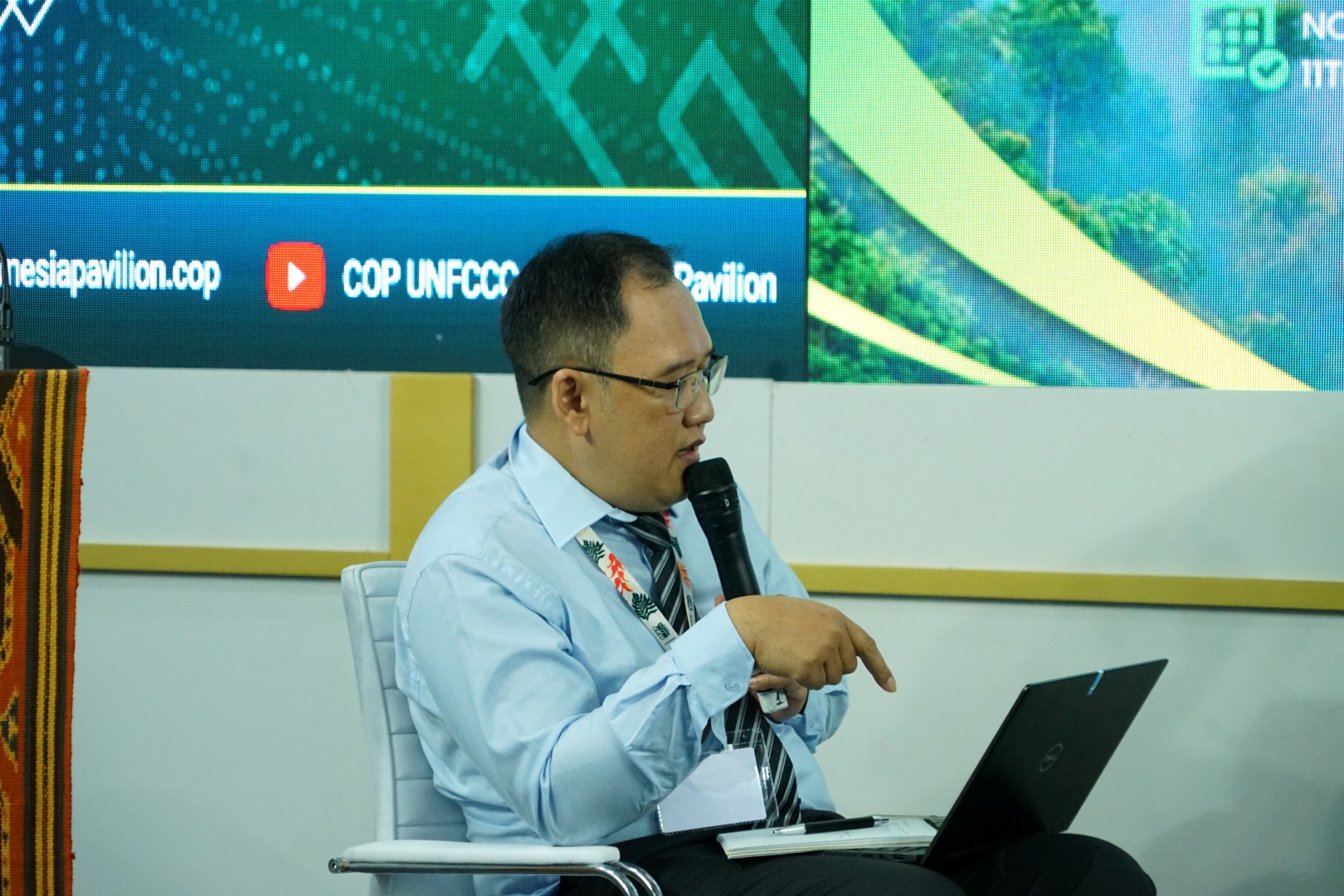
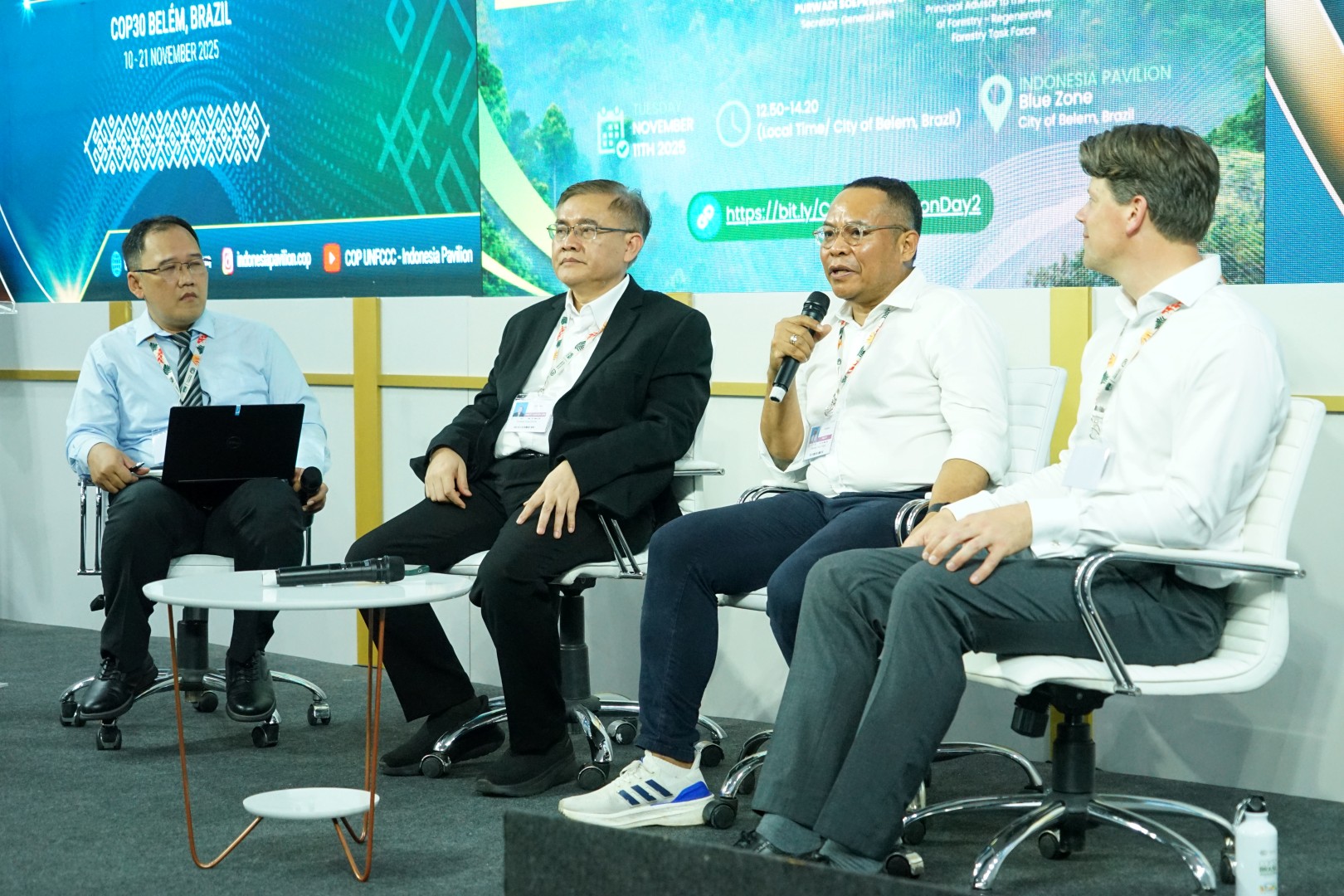
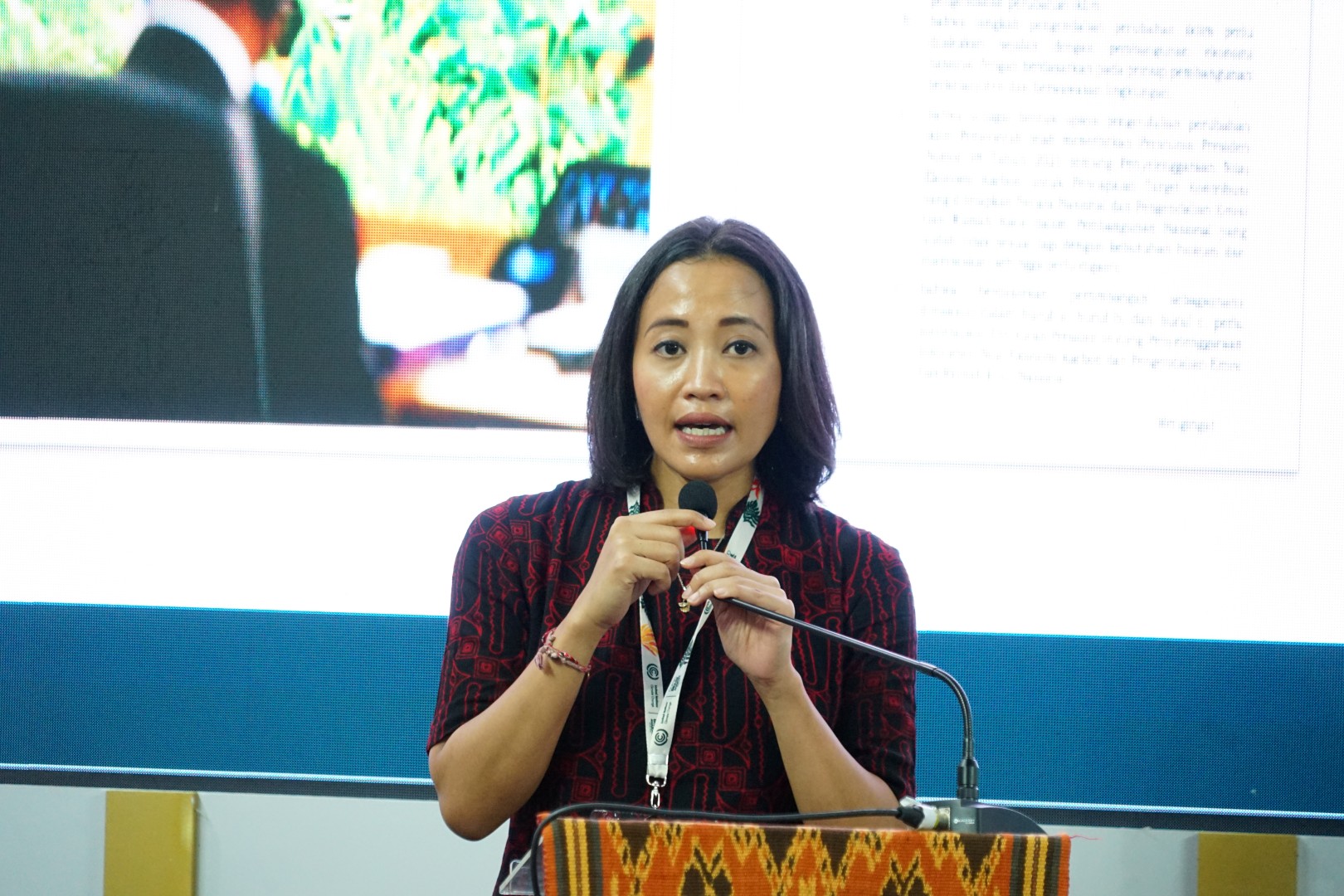
This session addresses that implementation gap by presenting an empirical case study from a state-owned enterprise (SOE). In response to its substantial carbon footprint , the SOE has formulated a comprehensive decarbonization roadmap that synergizes industrial transformation with large-scale Nature-Based Solutions (NBS). These initiatives—which include afforestation, social forestry, and agroforestry —serve as a practical application of regenerative principles, designed to generate carbon sequestration while creating shared value for rural communities by improving farmer incomes and welfare.
Therefore, the synergy between the national policy framework (Regenerative Forestry) and tangible corporate action offers a critical mechanism to accelerate Indonesia's transition. This discussion will analyze this synergy, focusing on how cross-sector collaboration can overcome regulatory, financial, and operational barriers to realize a low-carbon and socially equitable future for the nation.