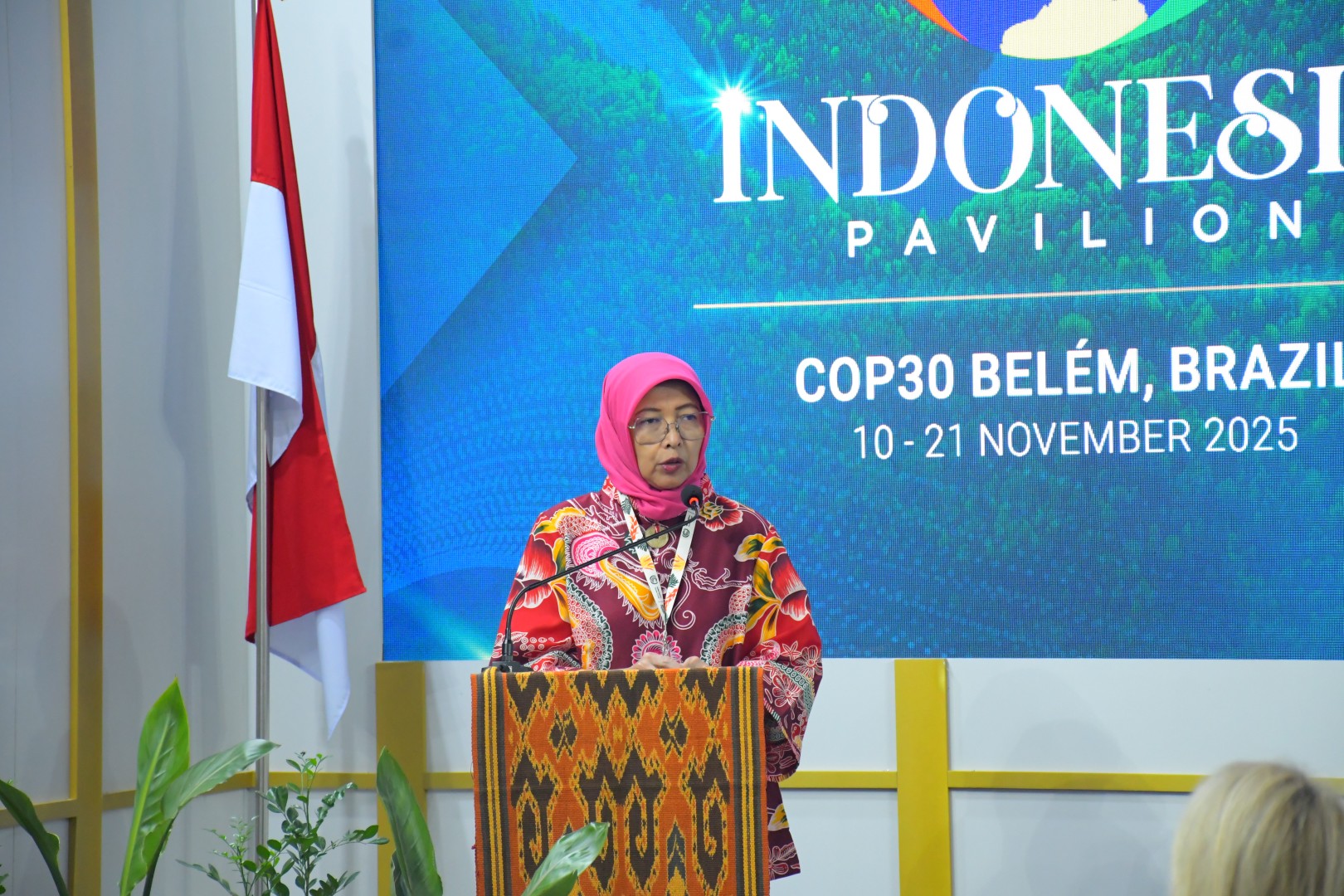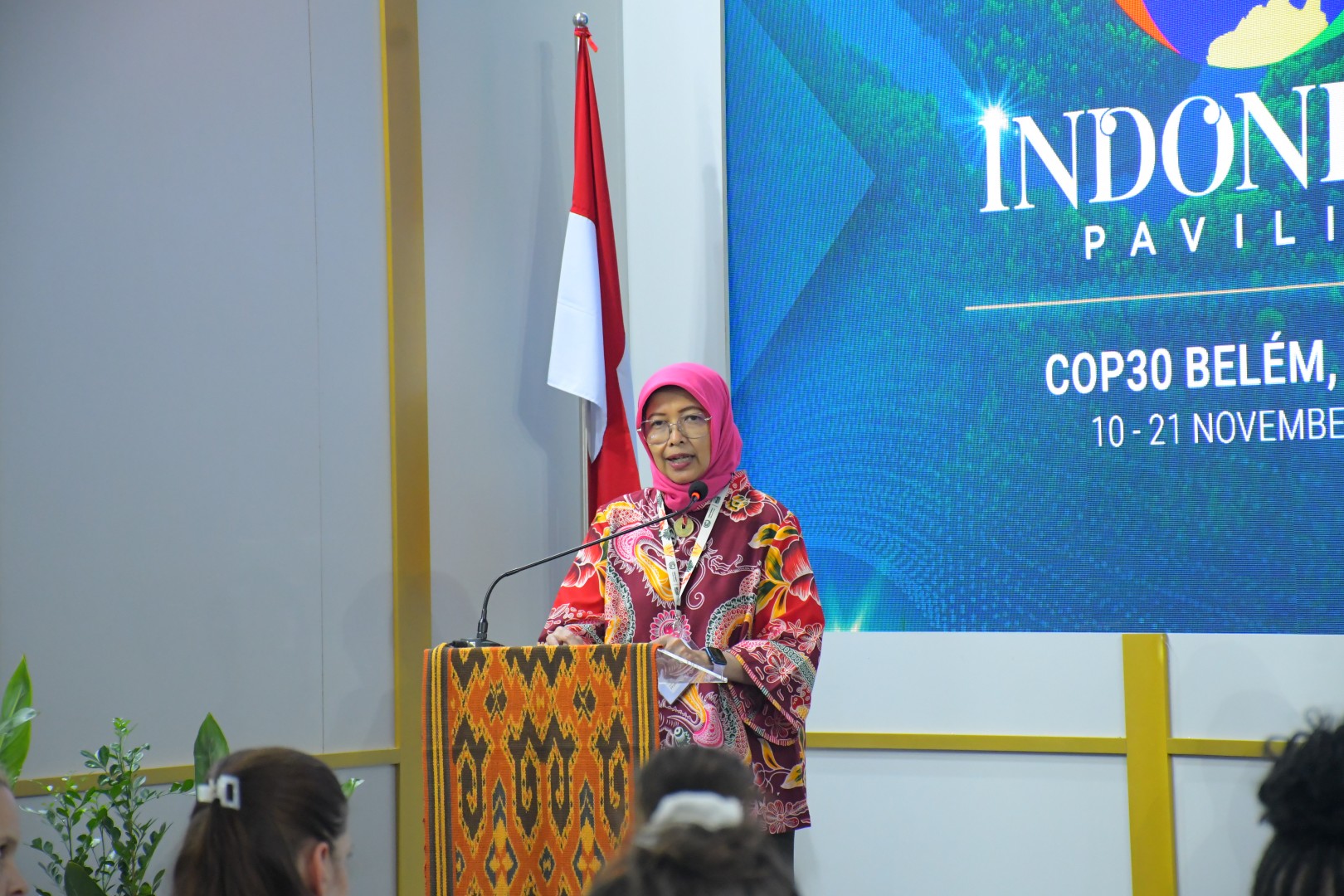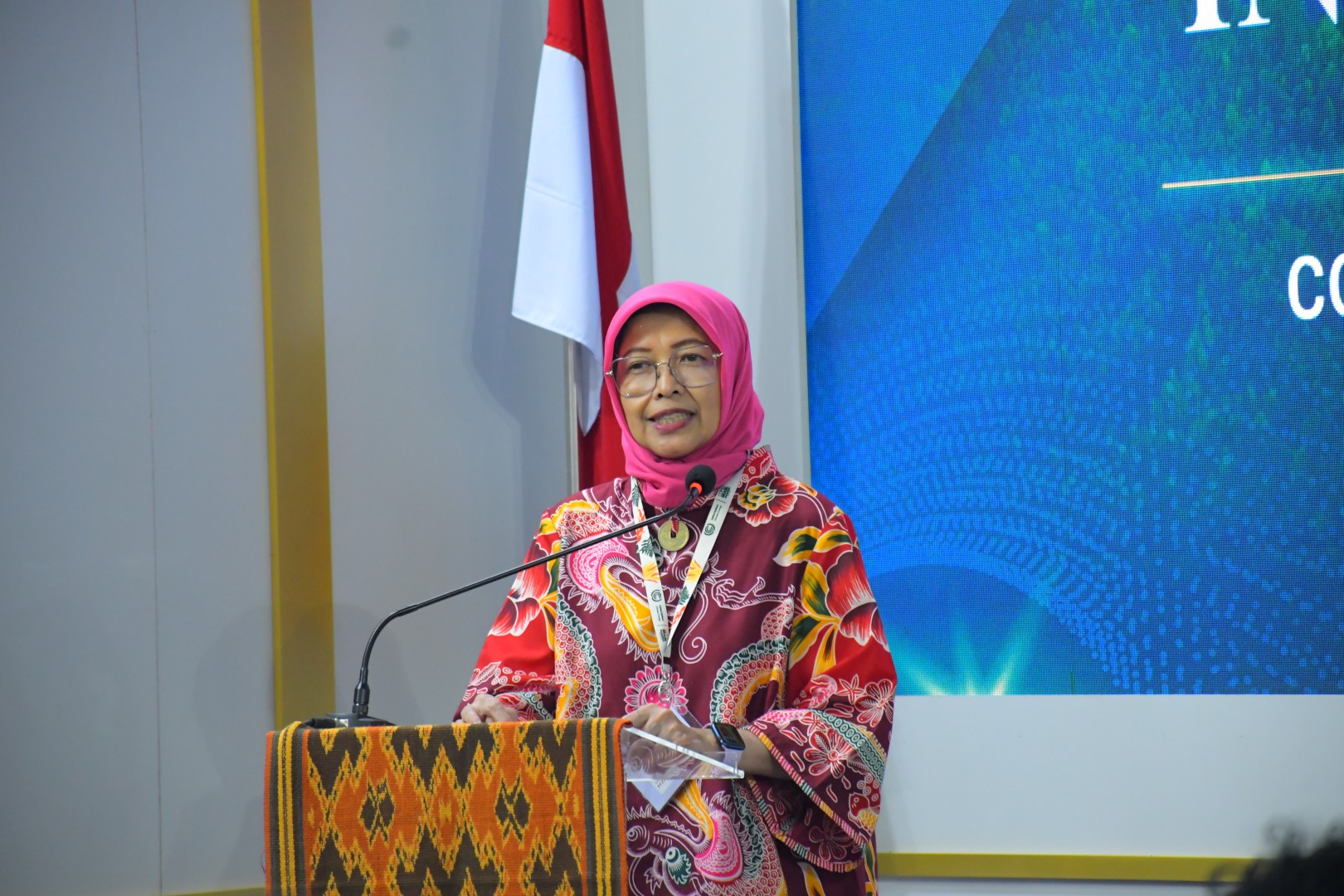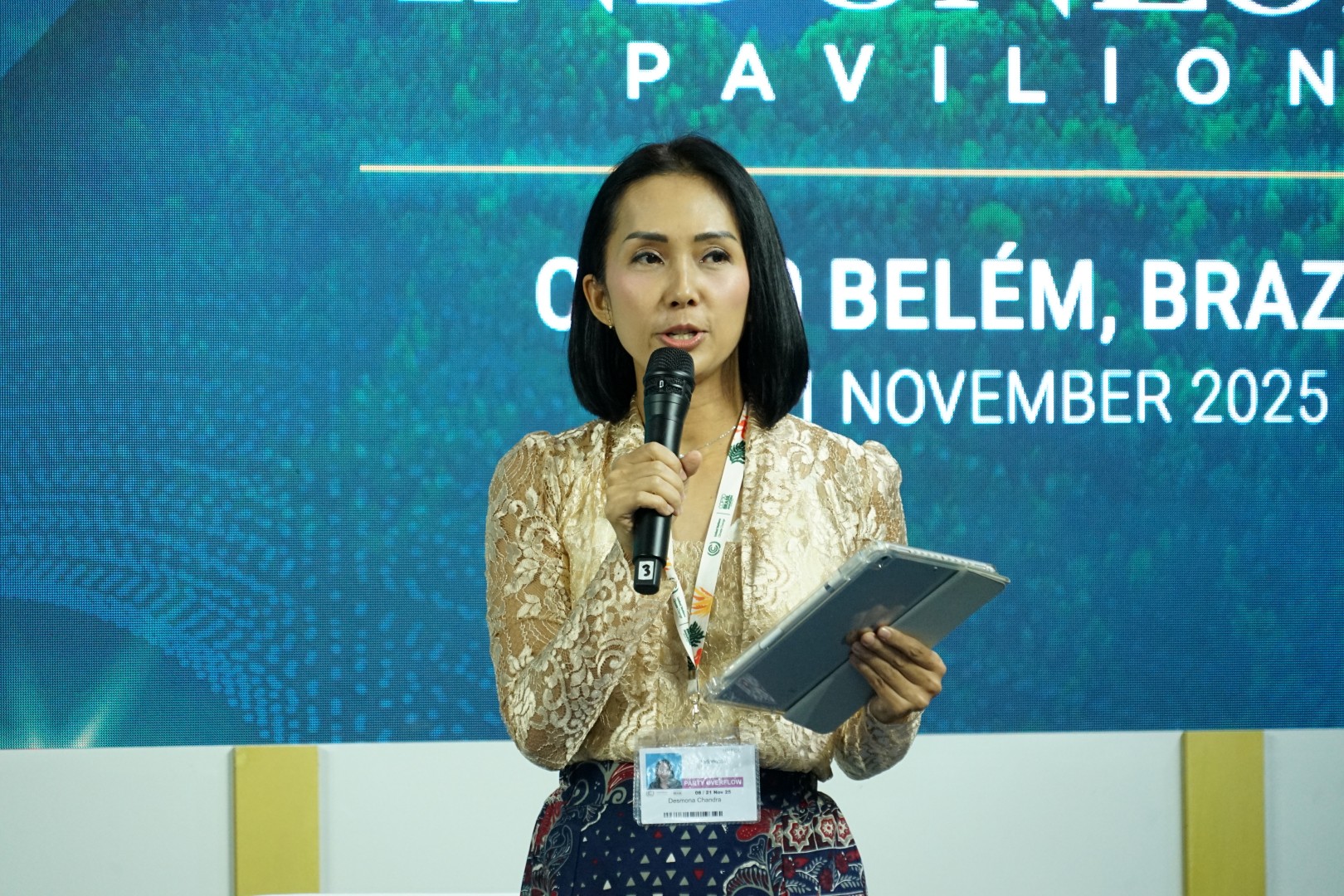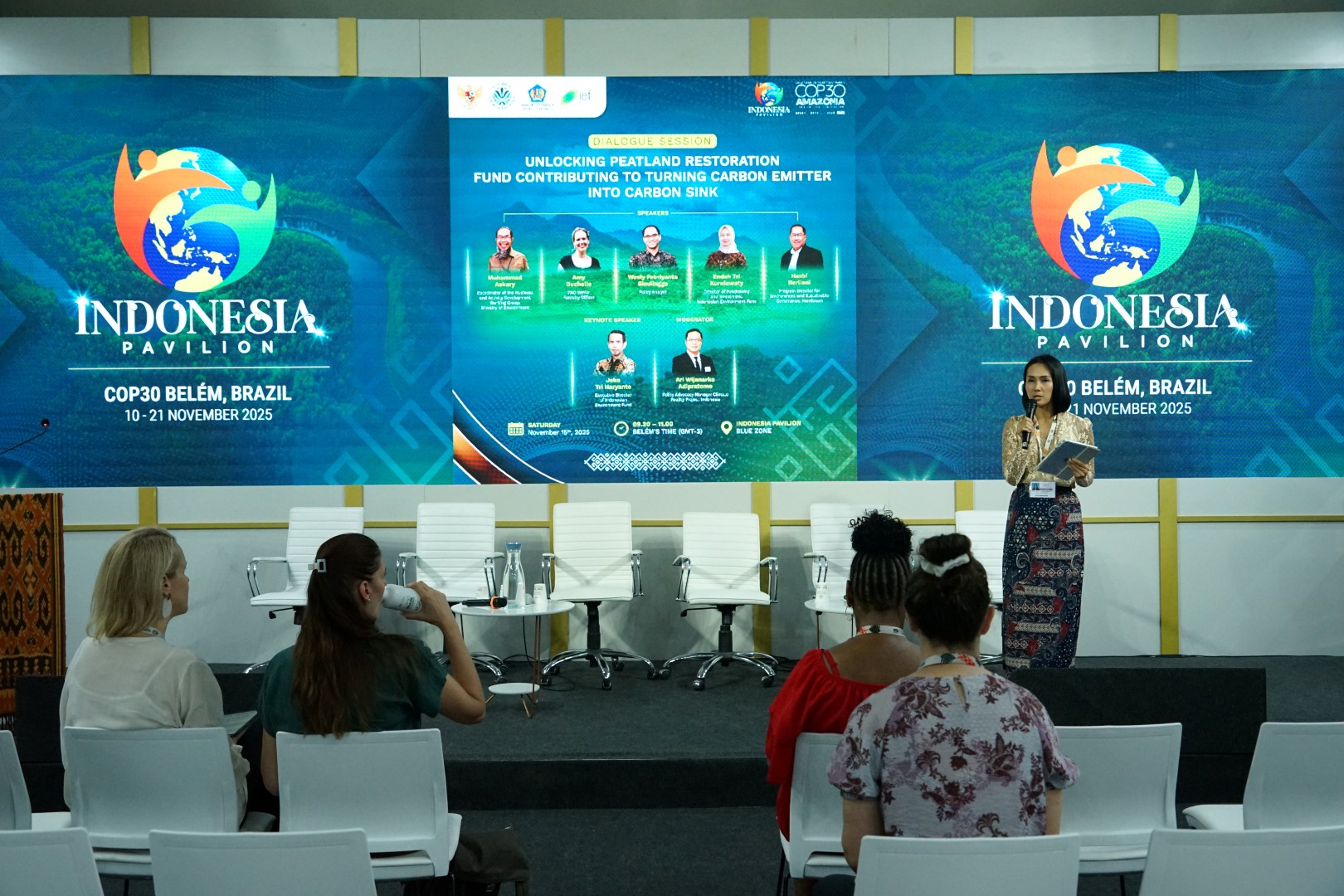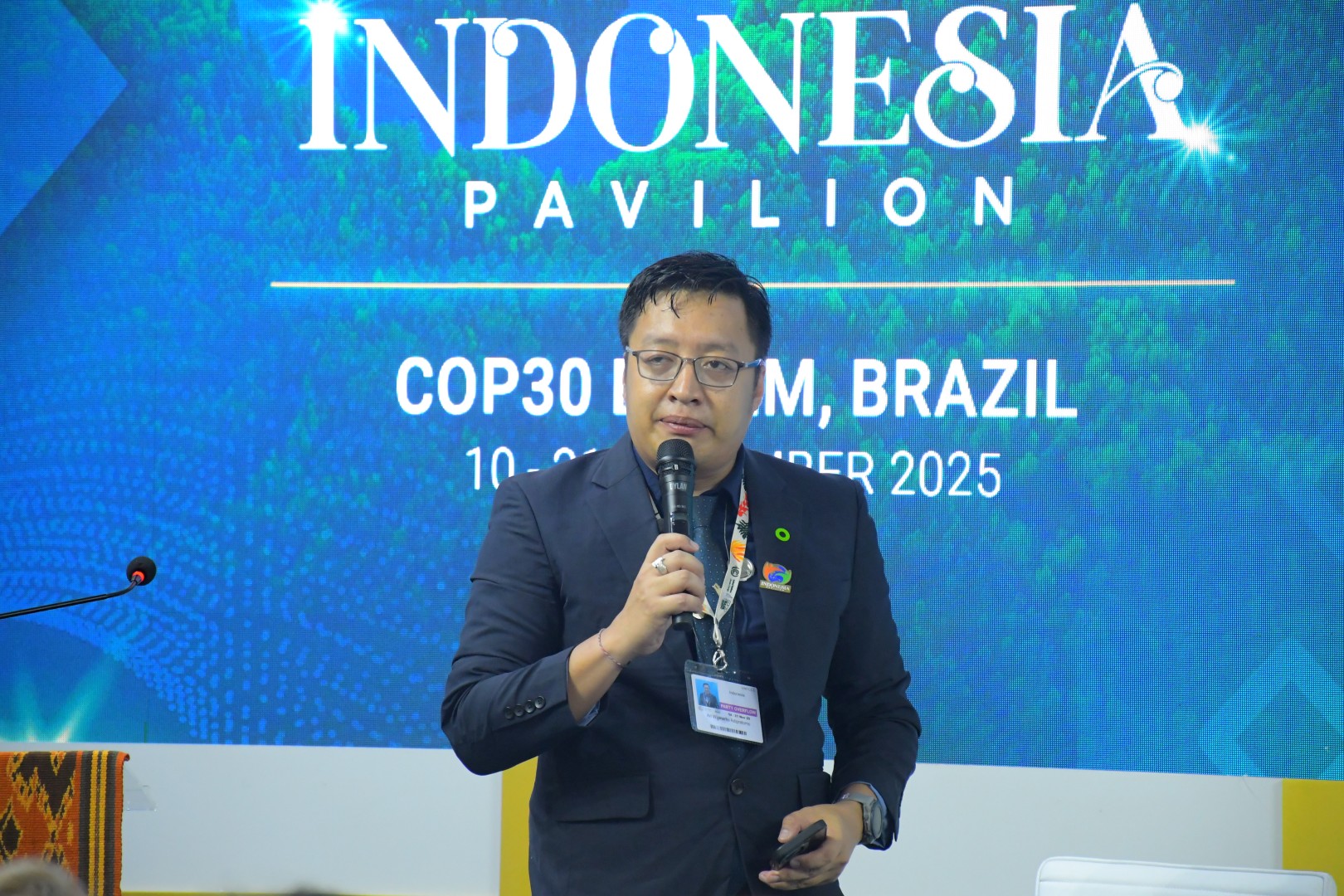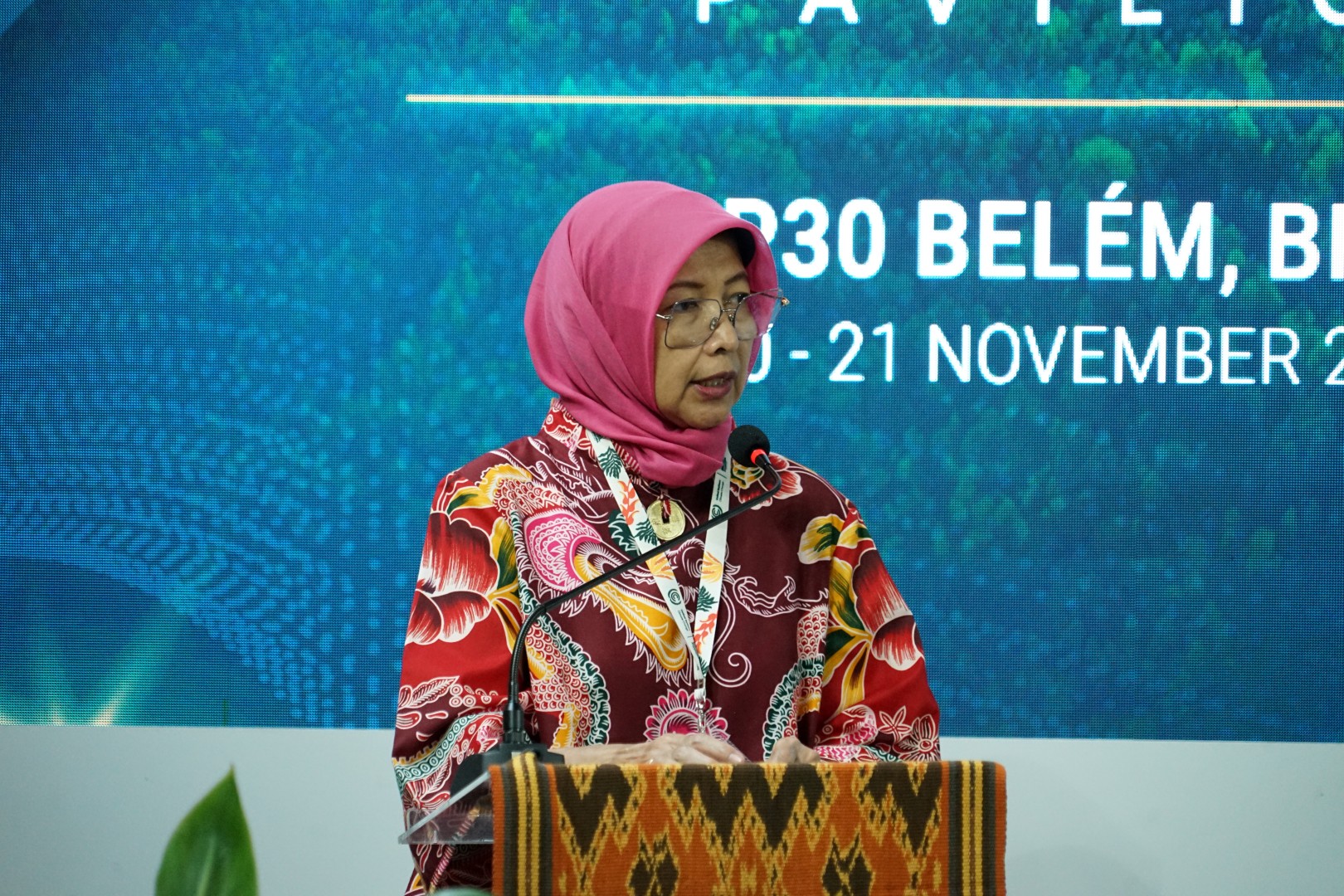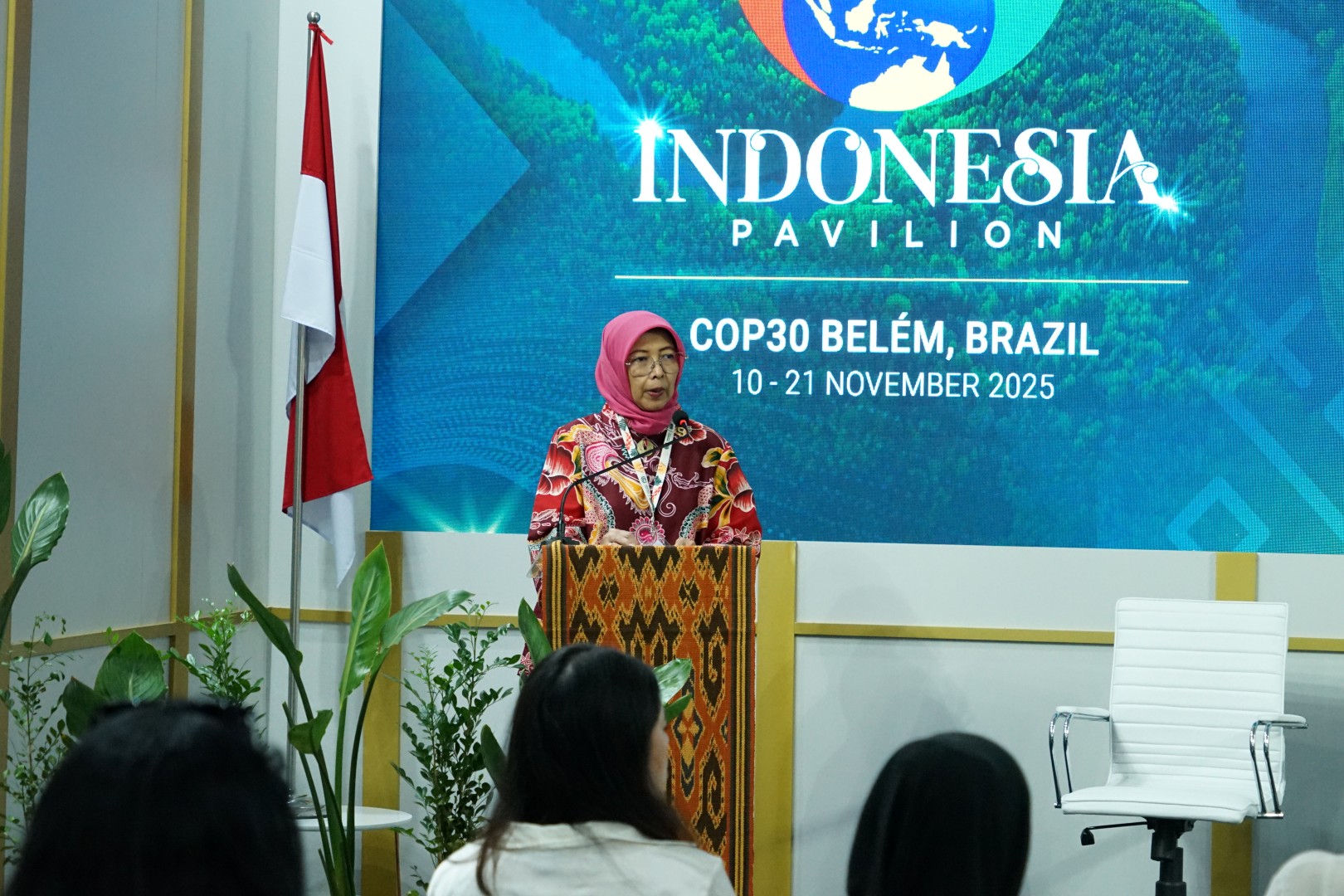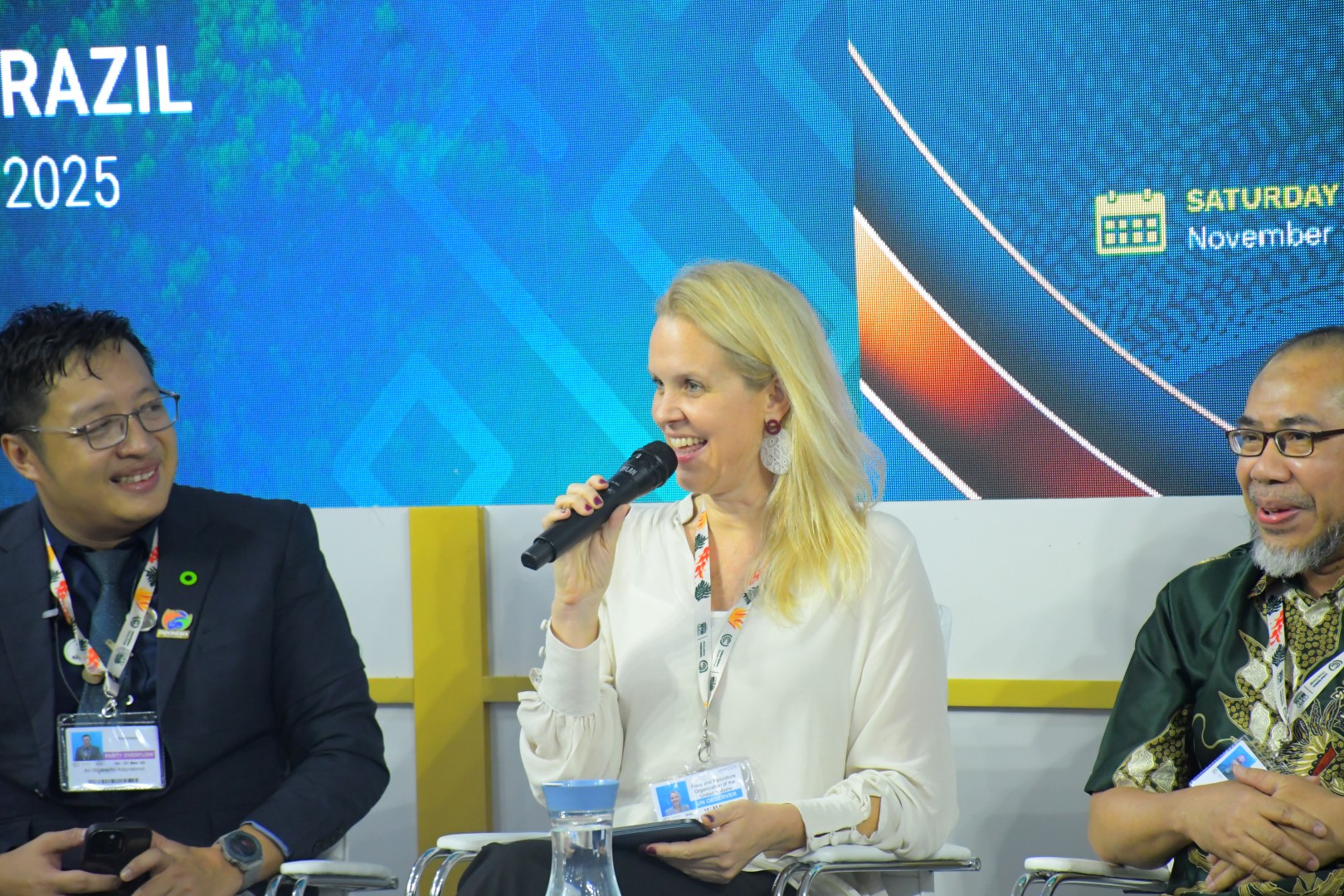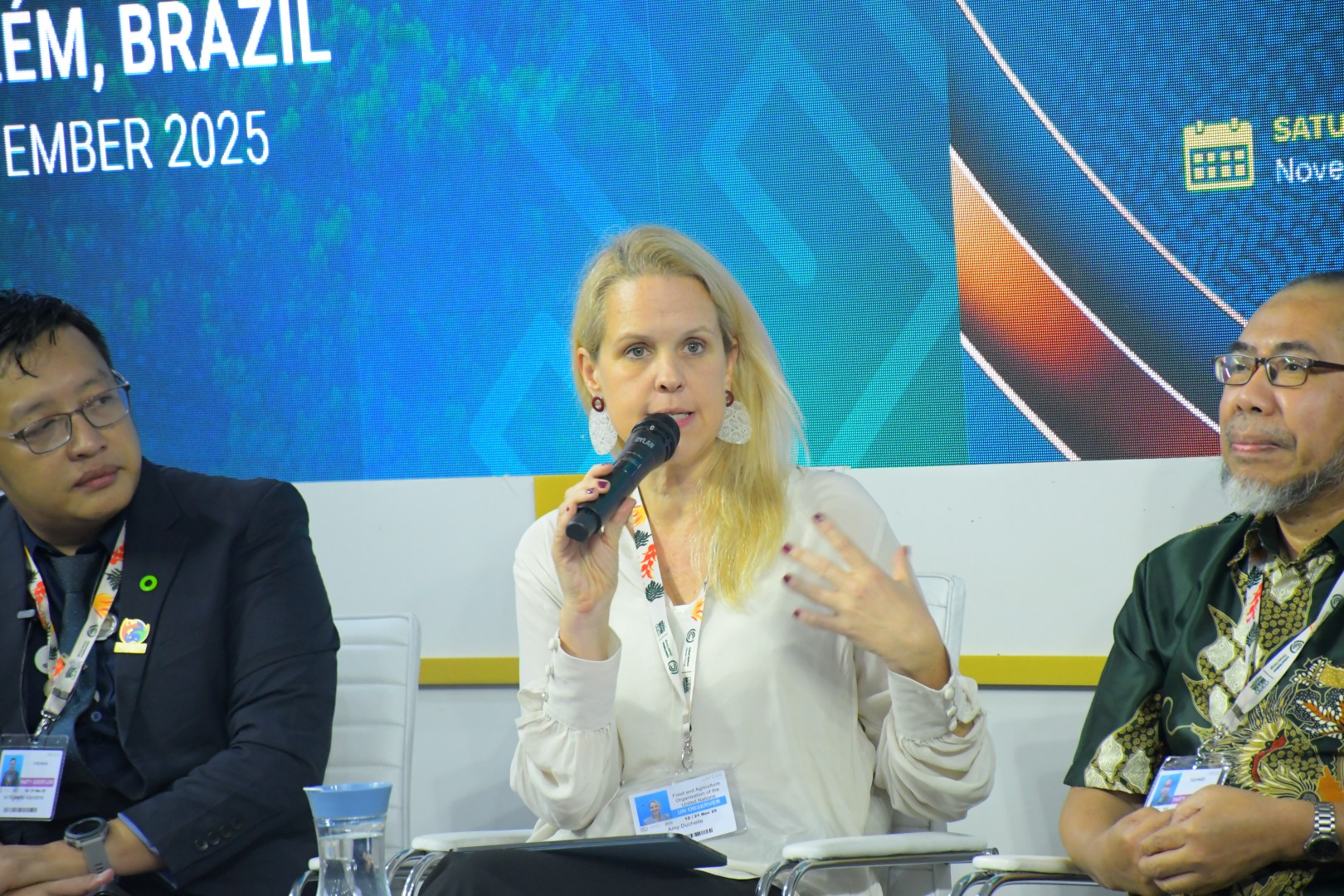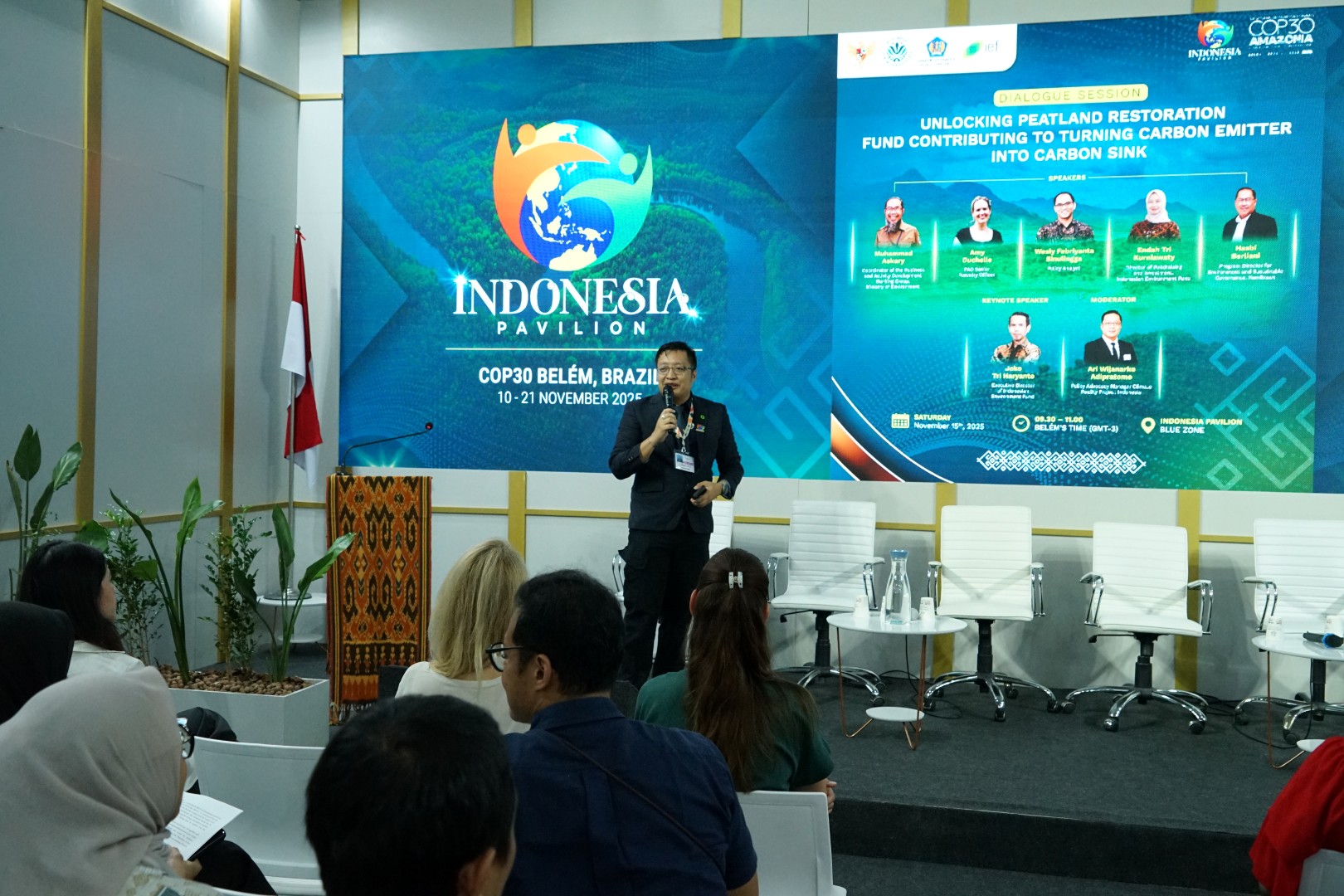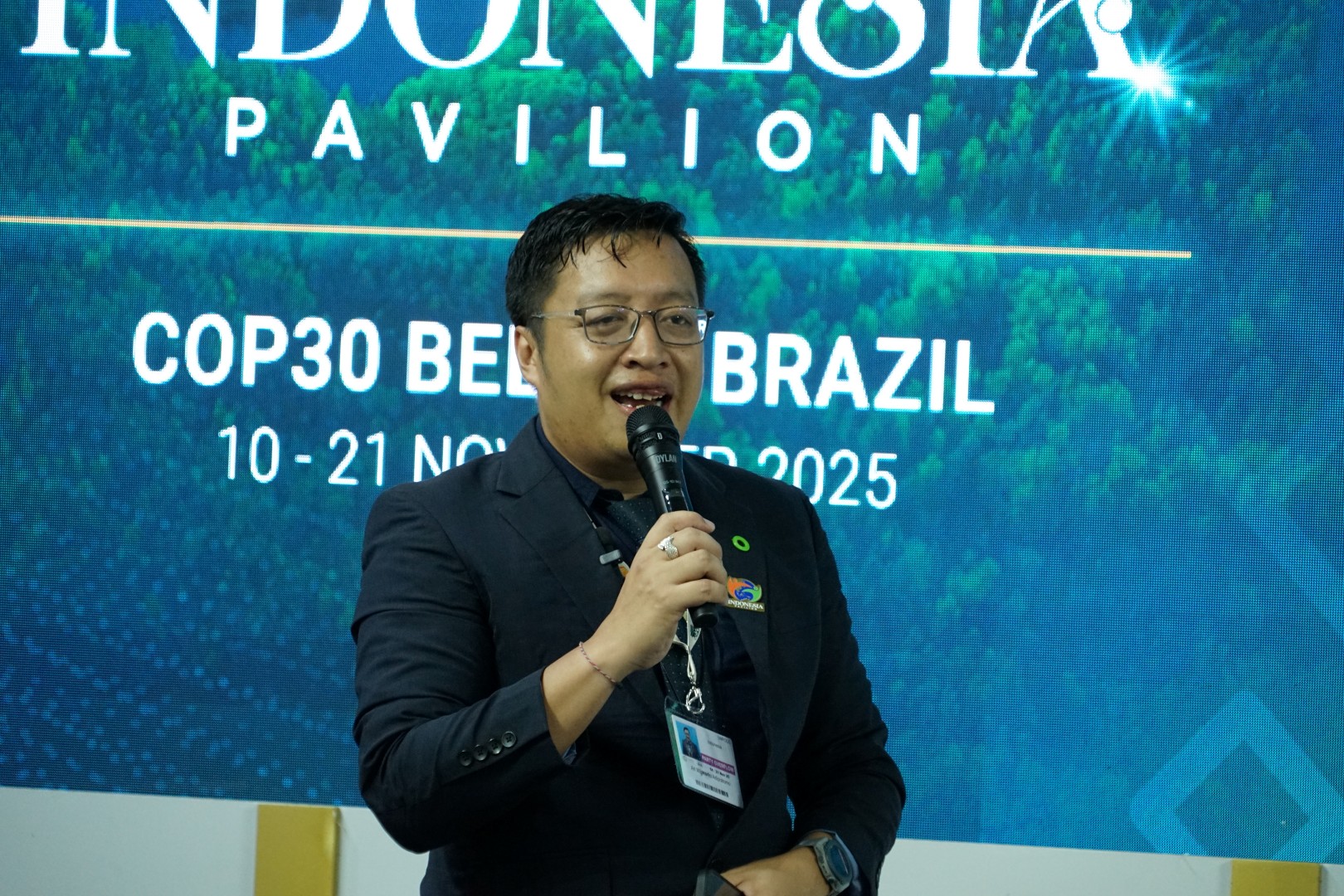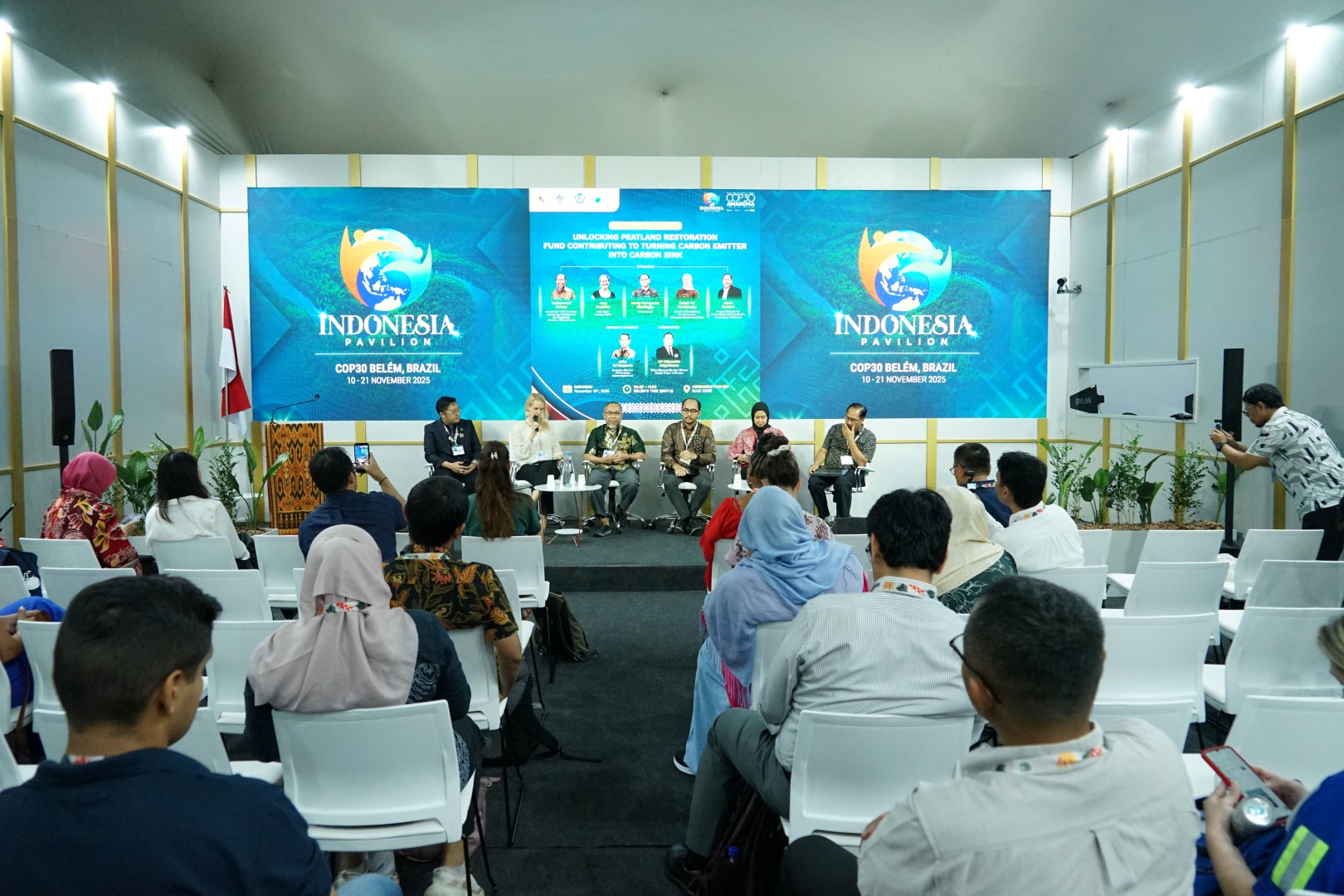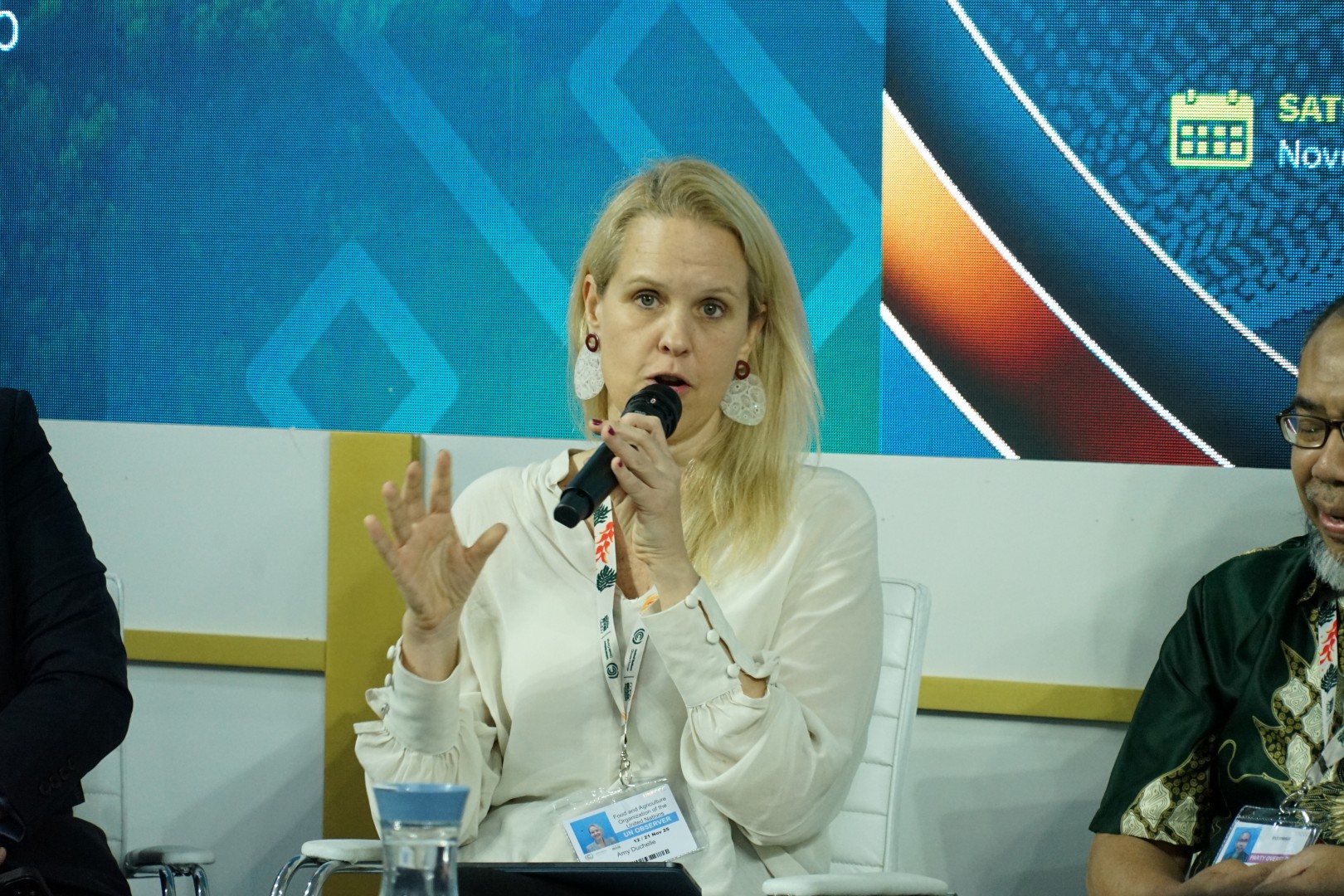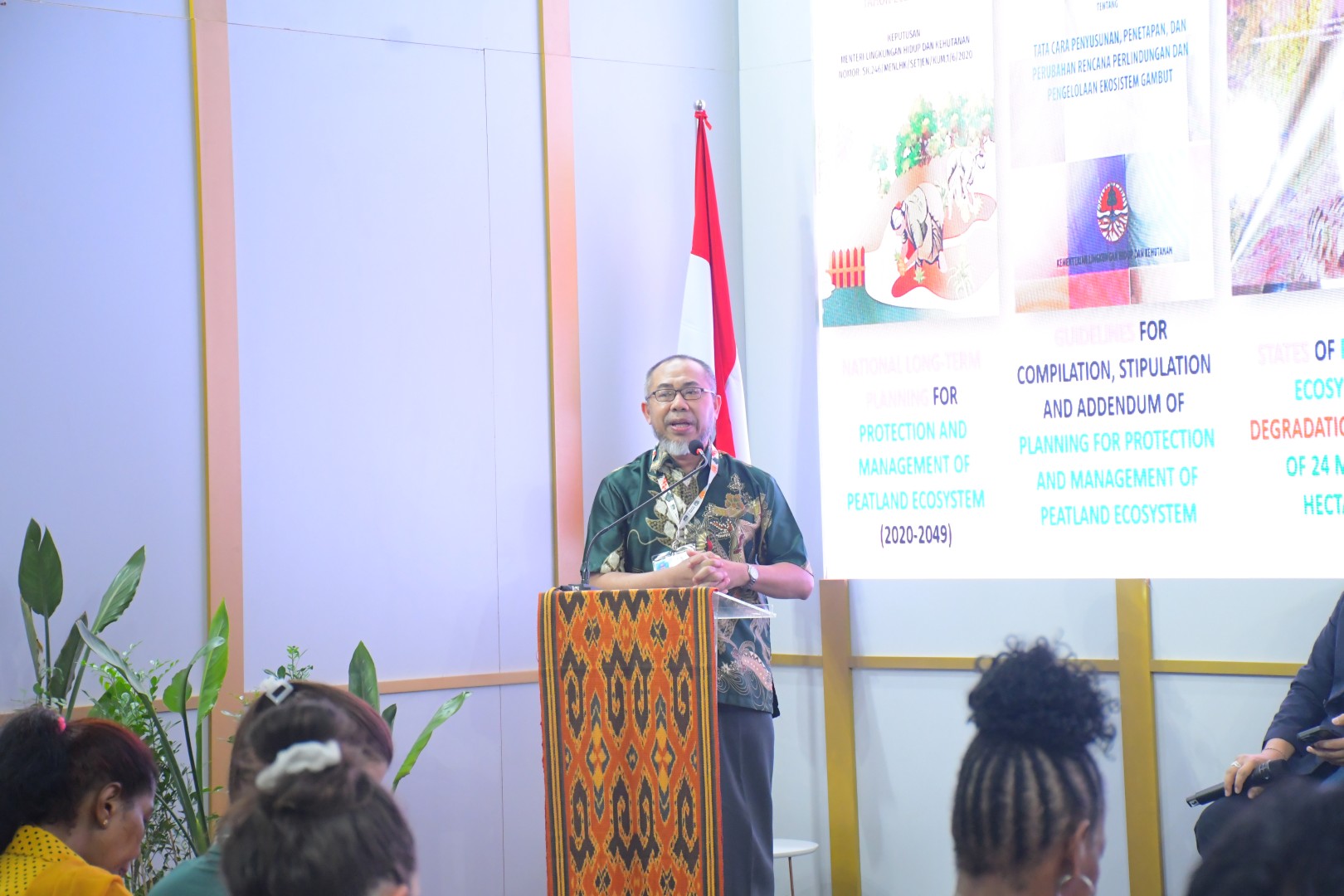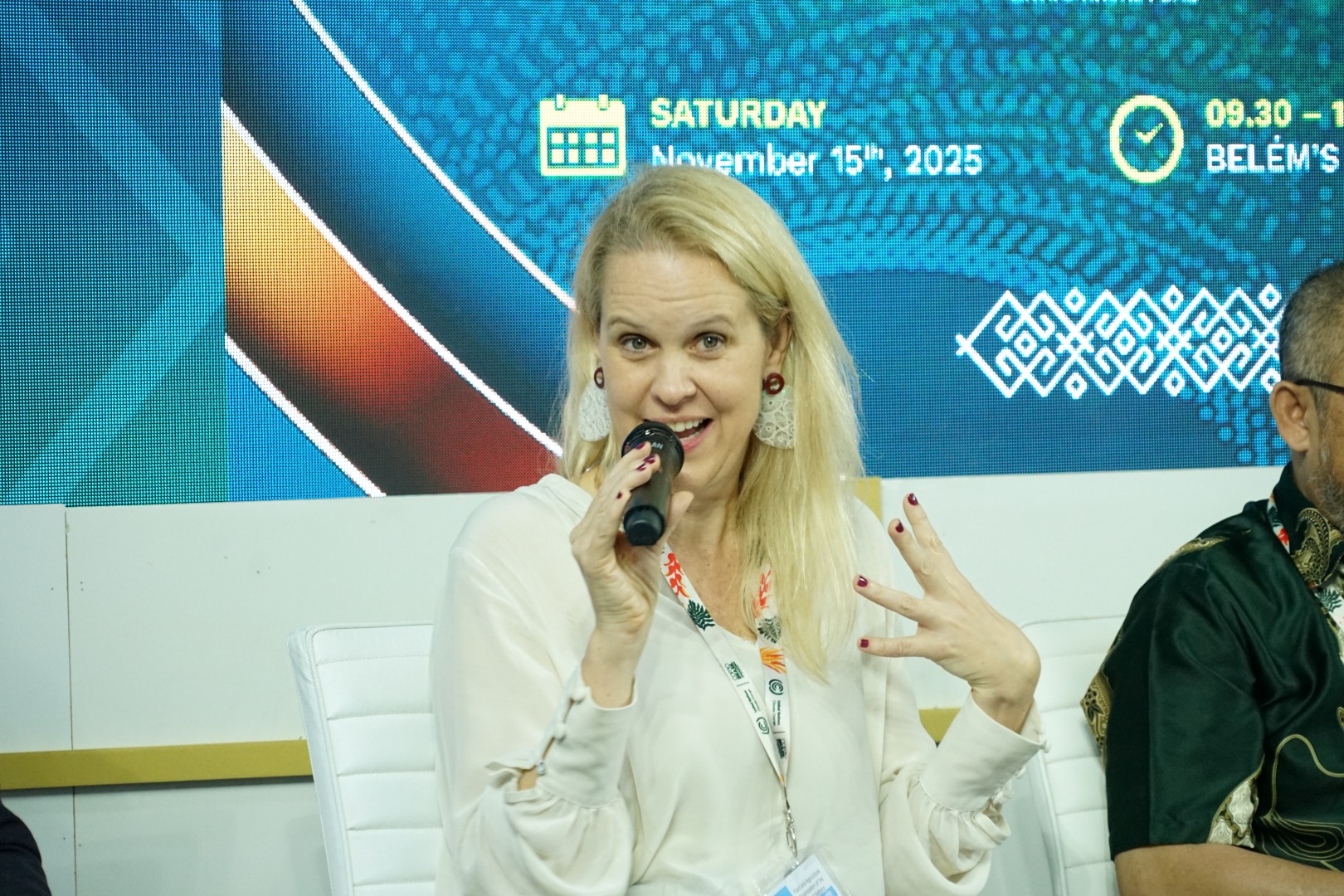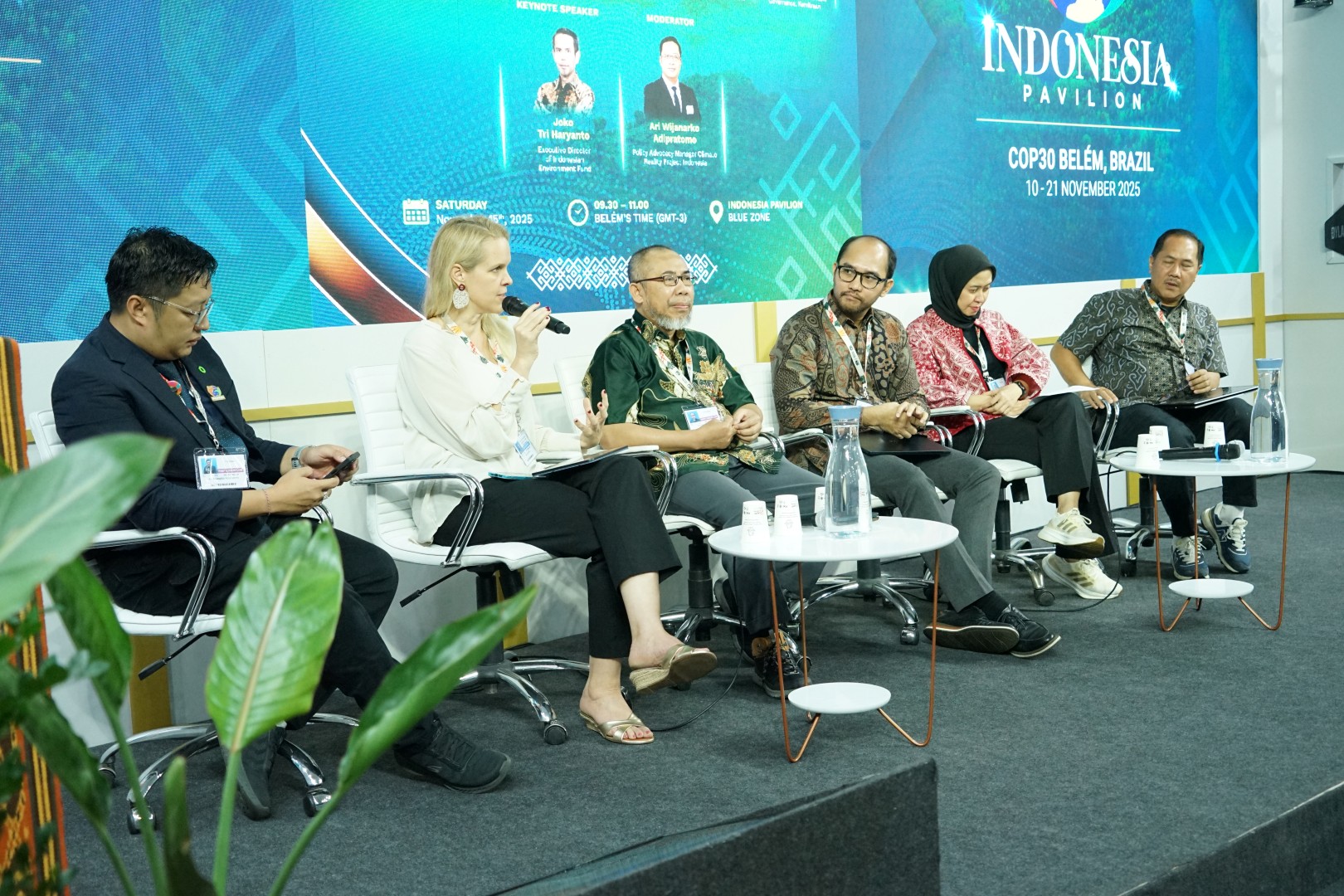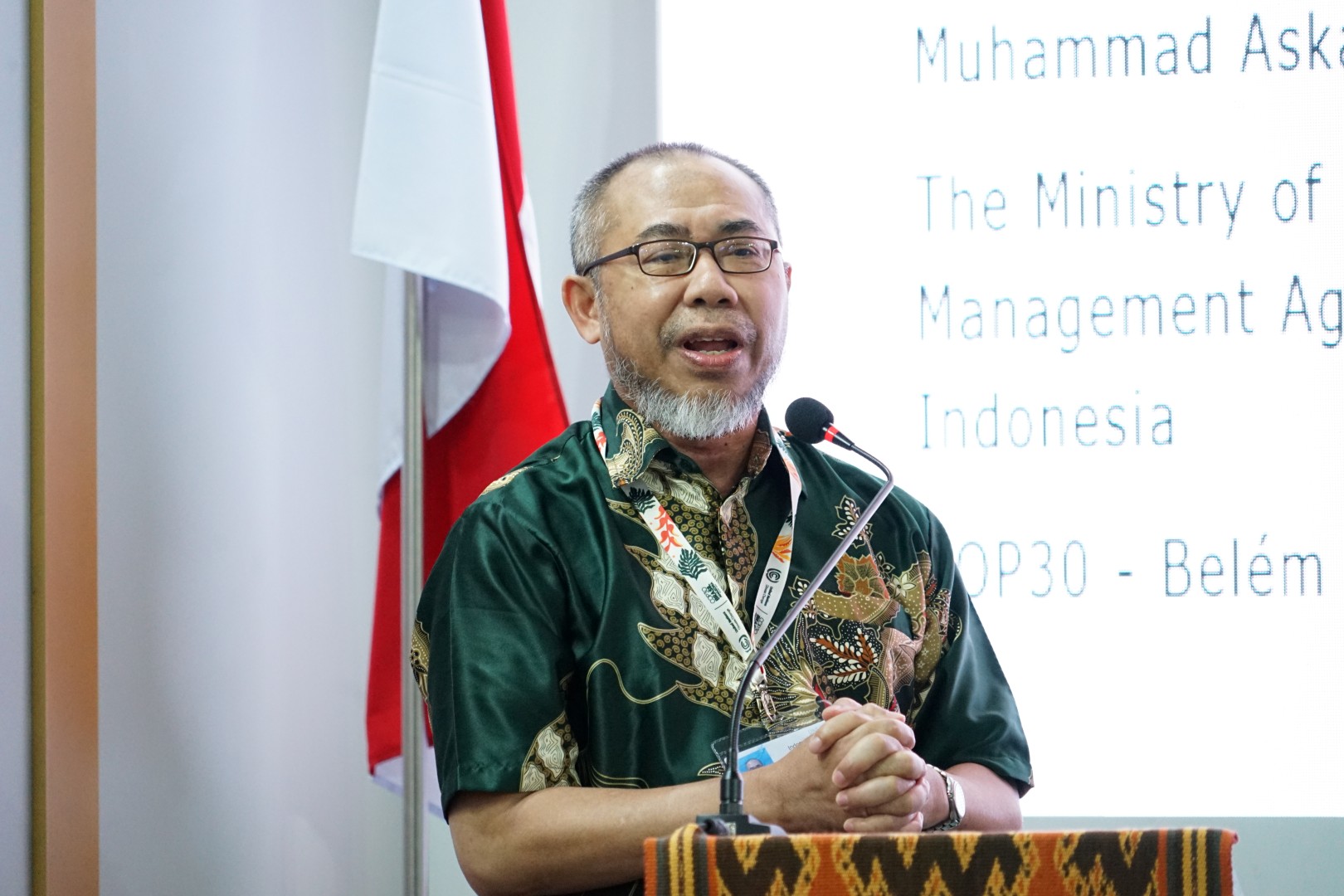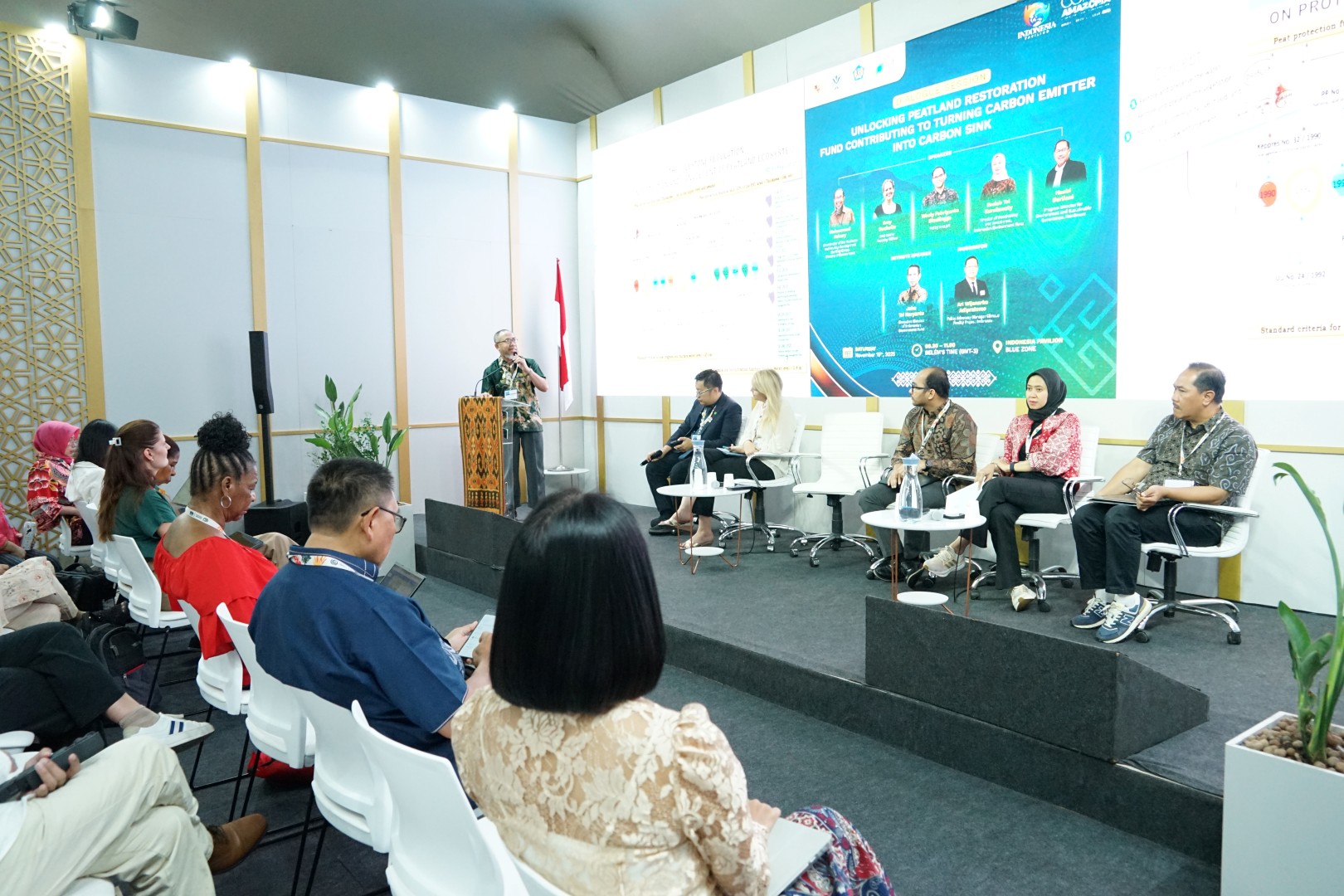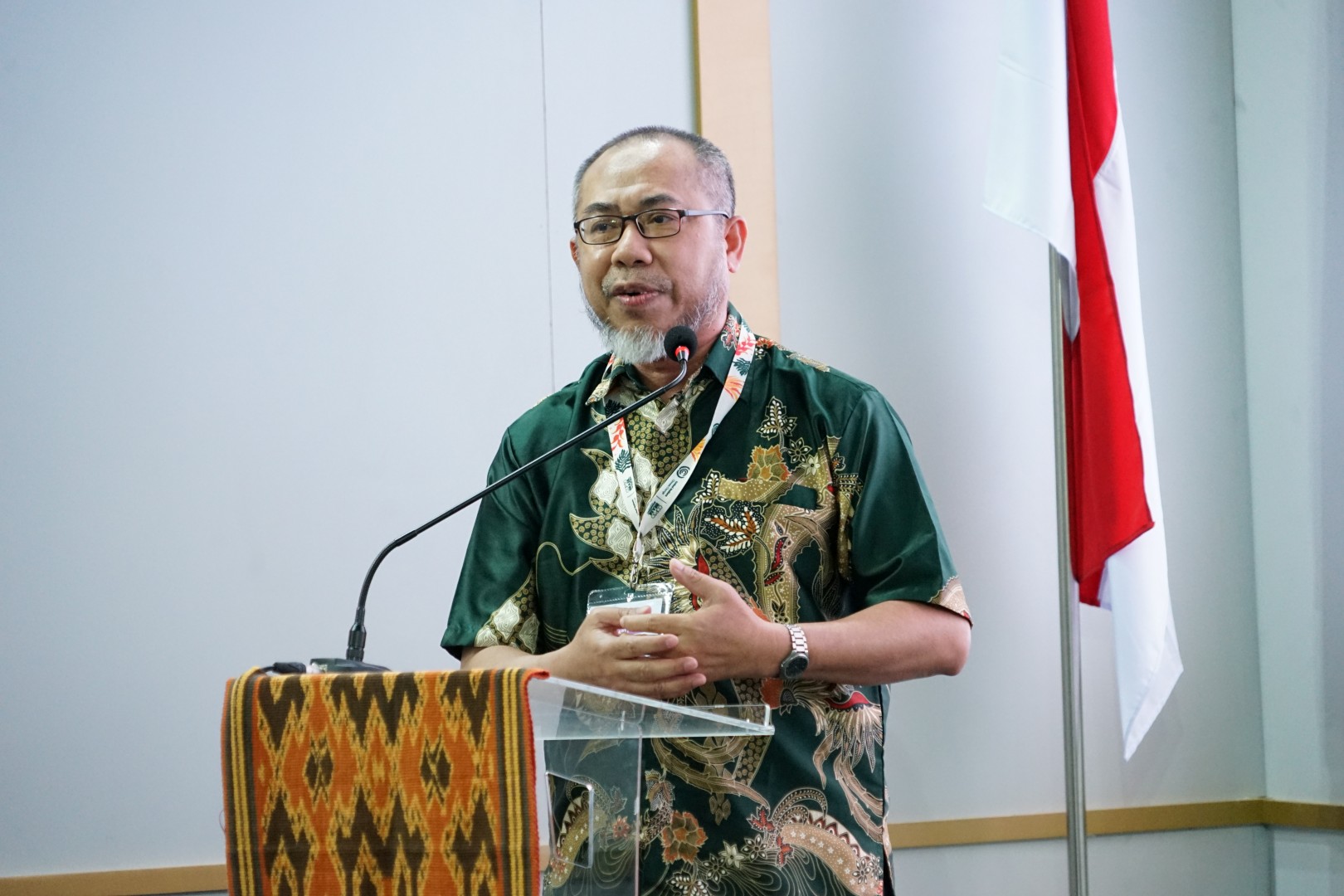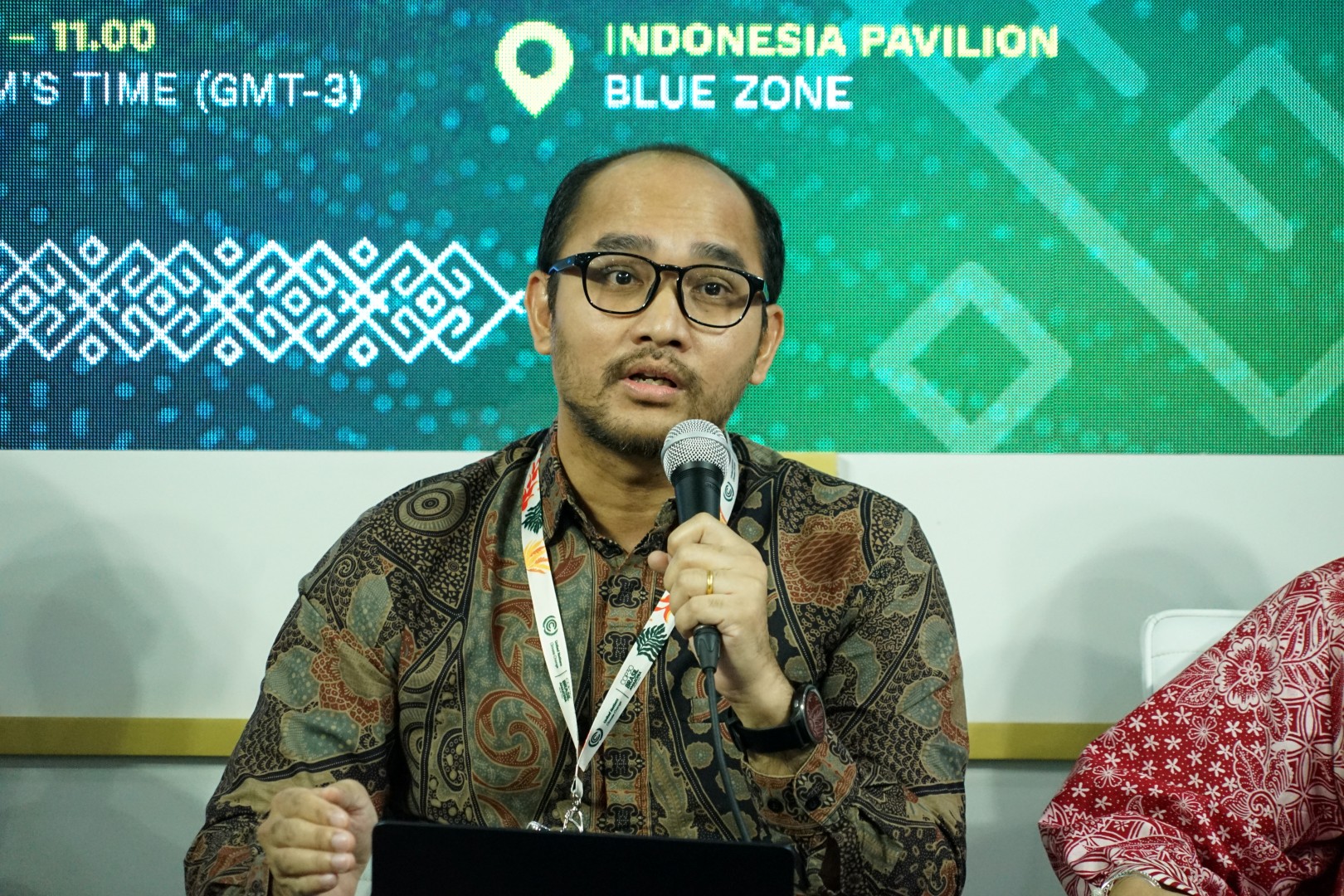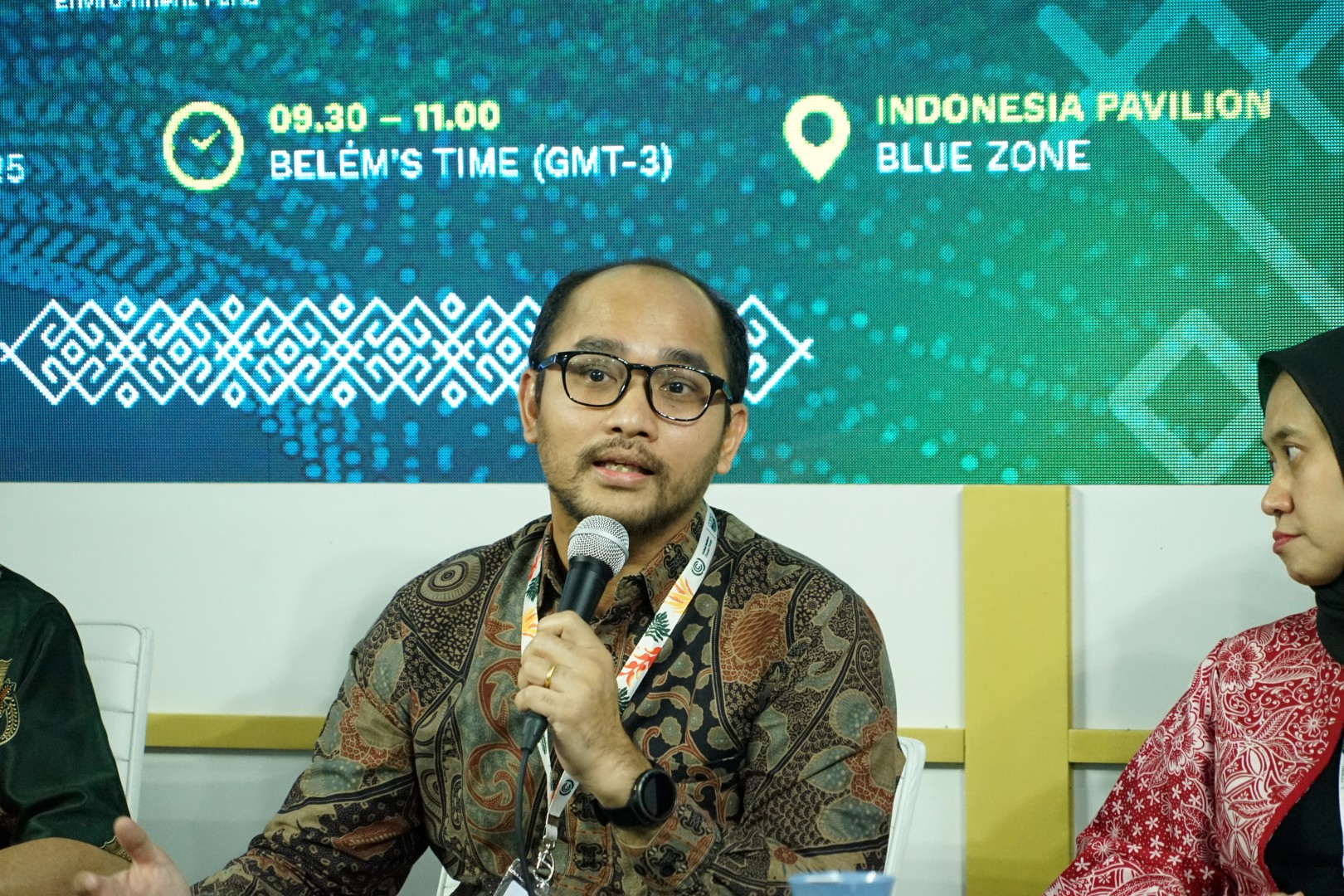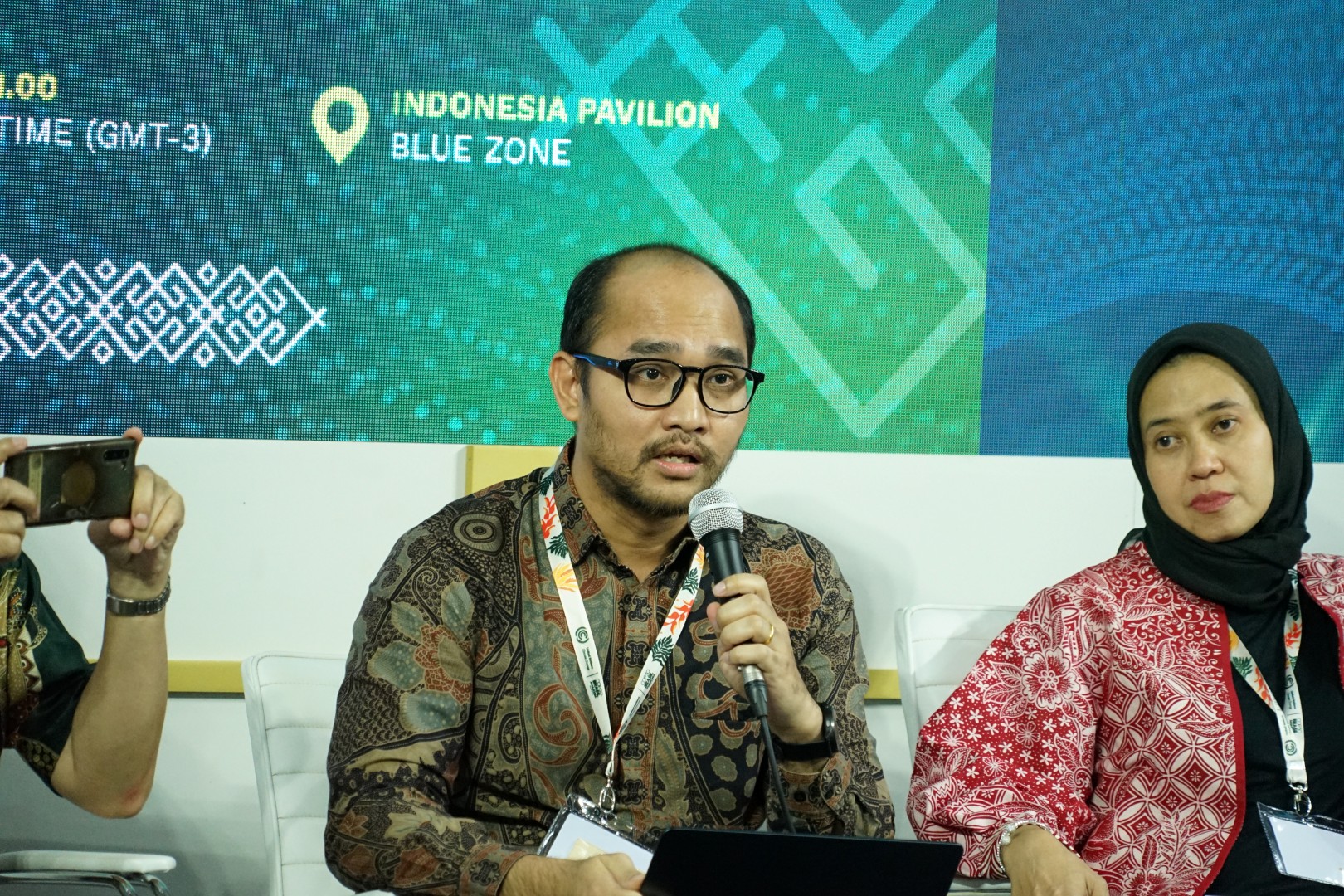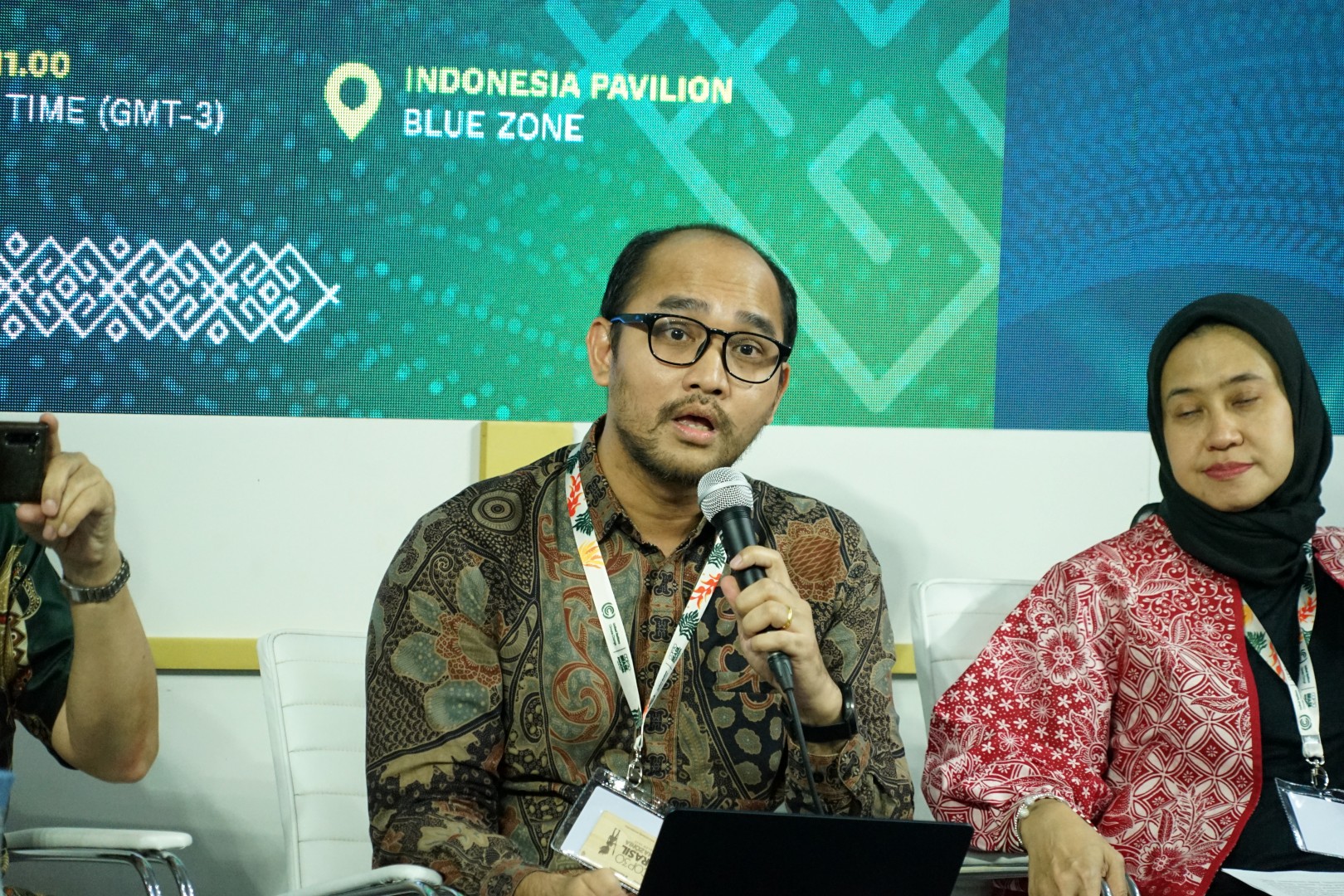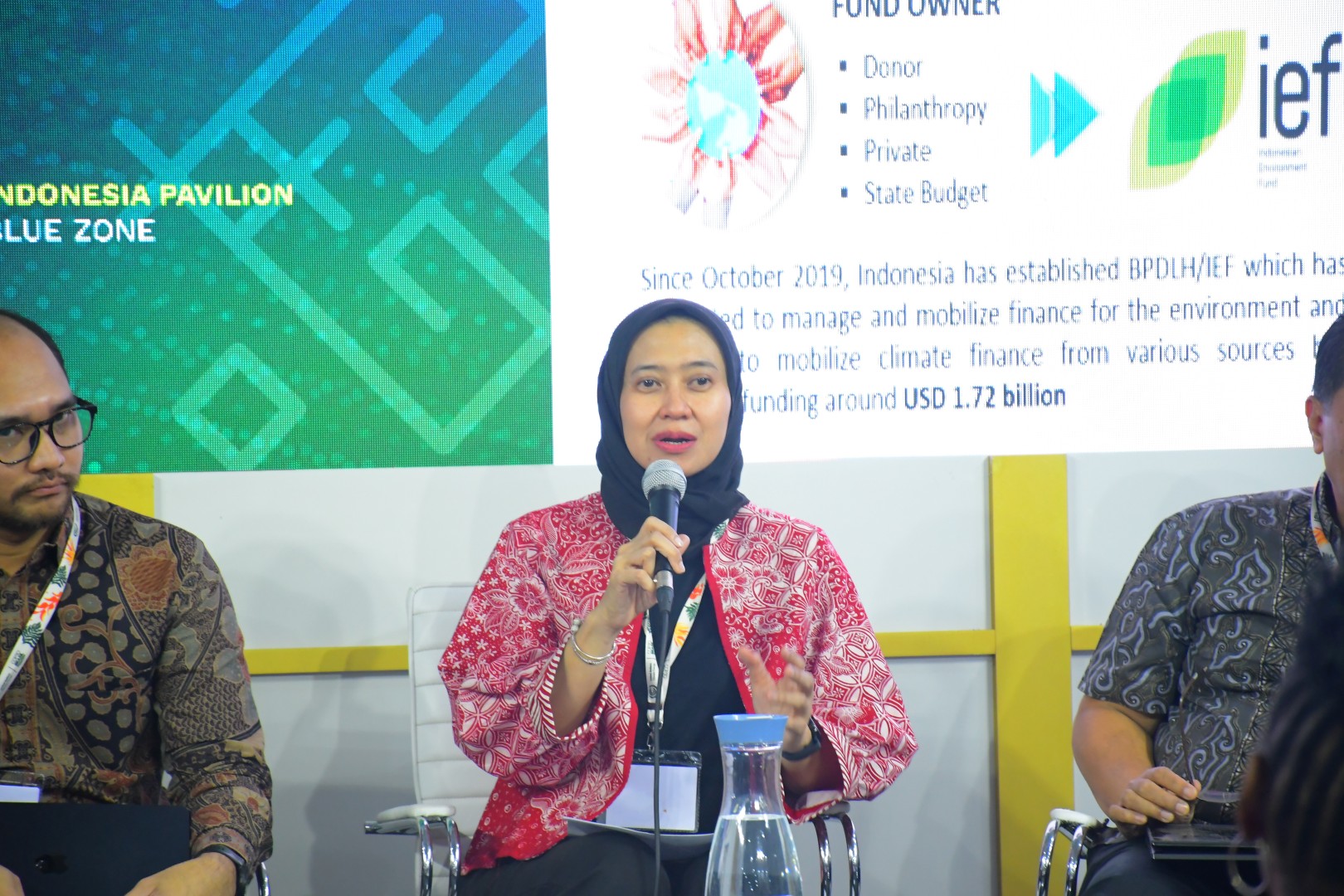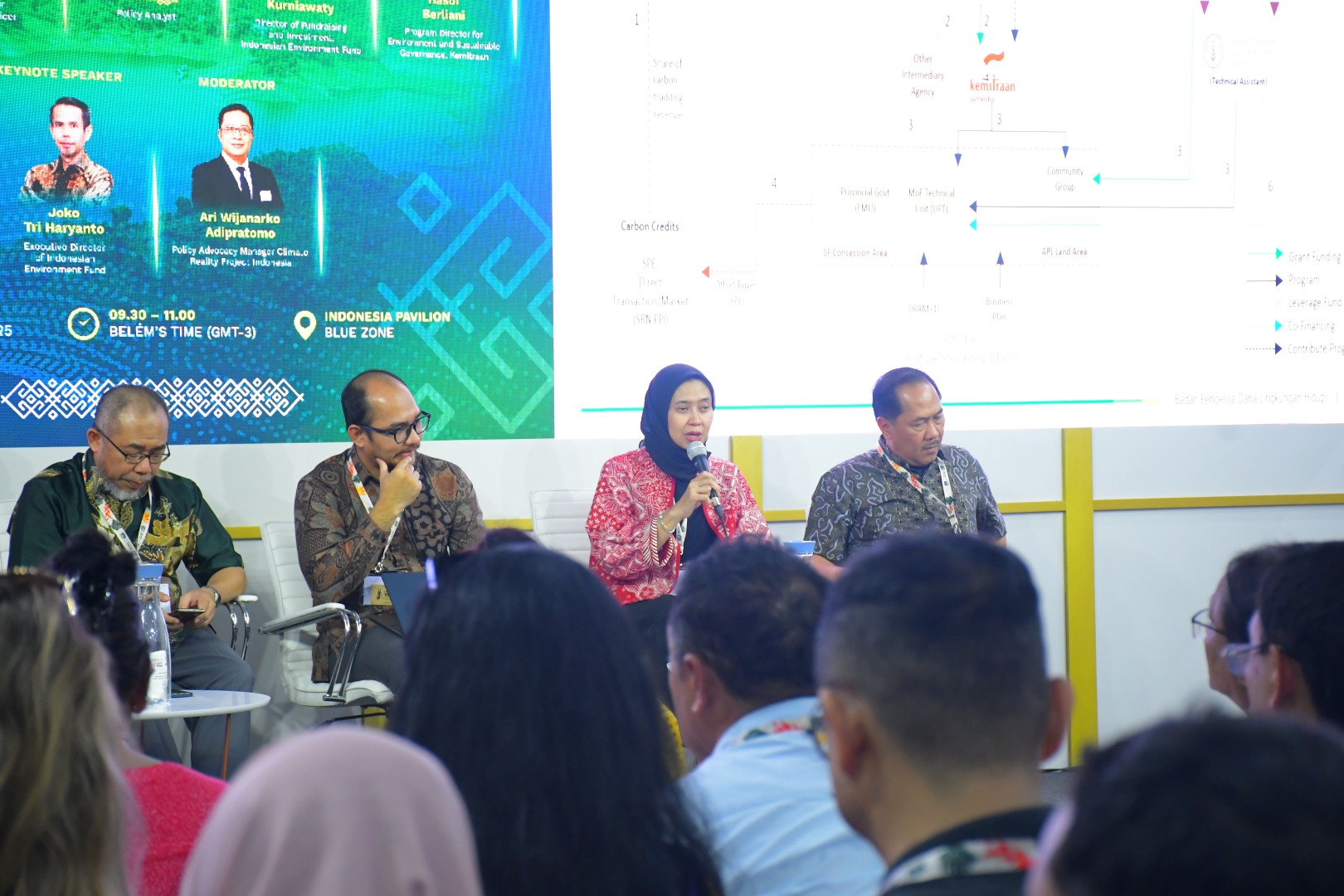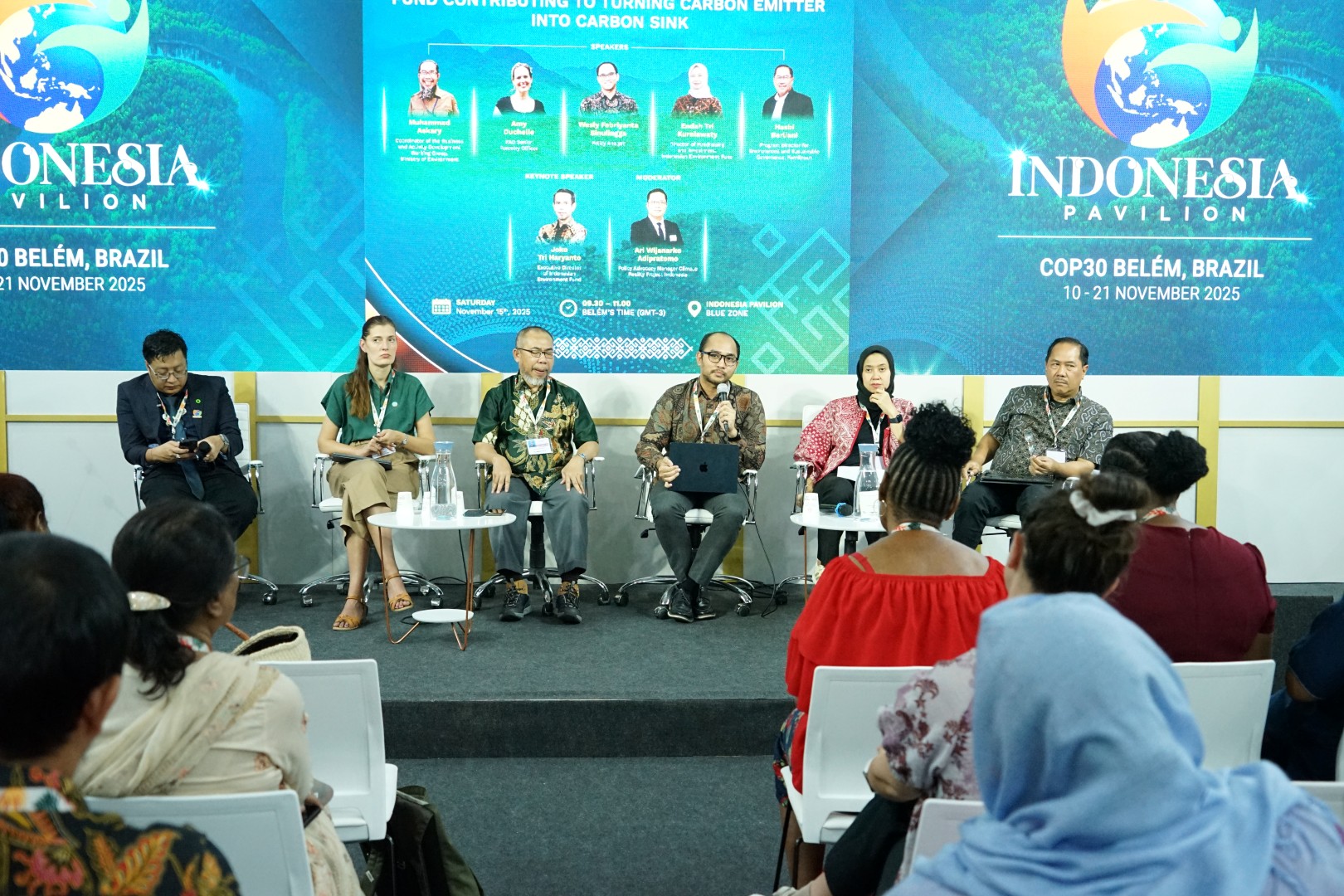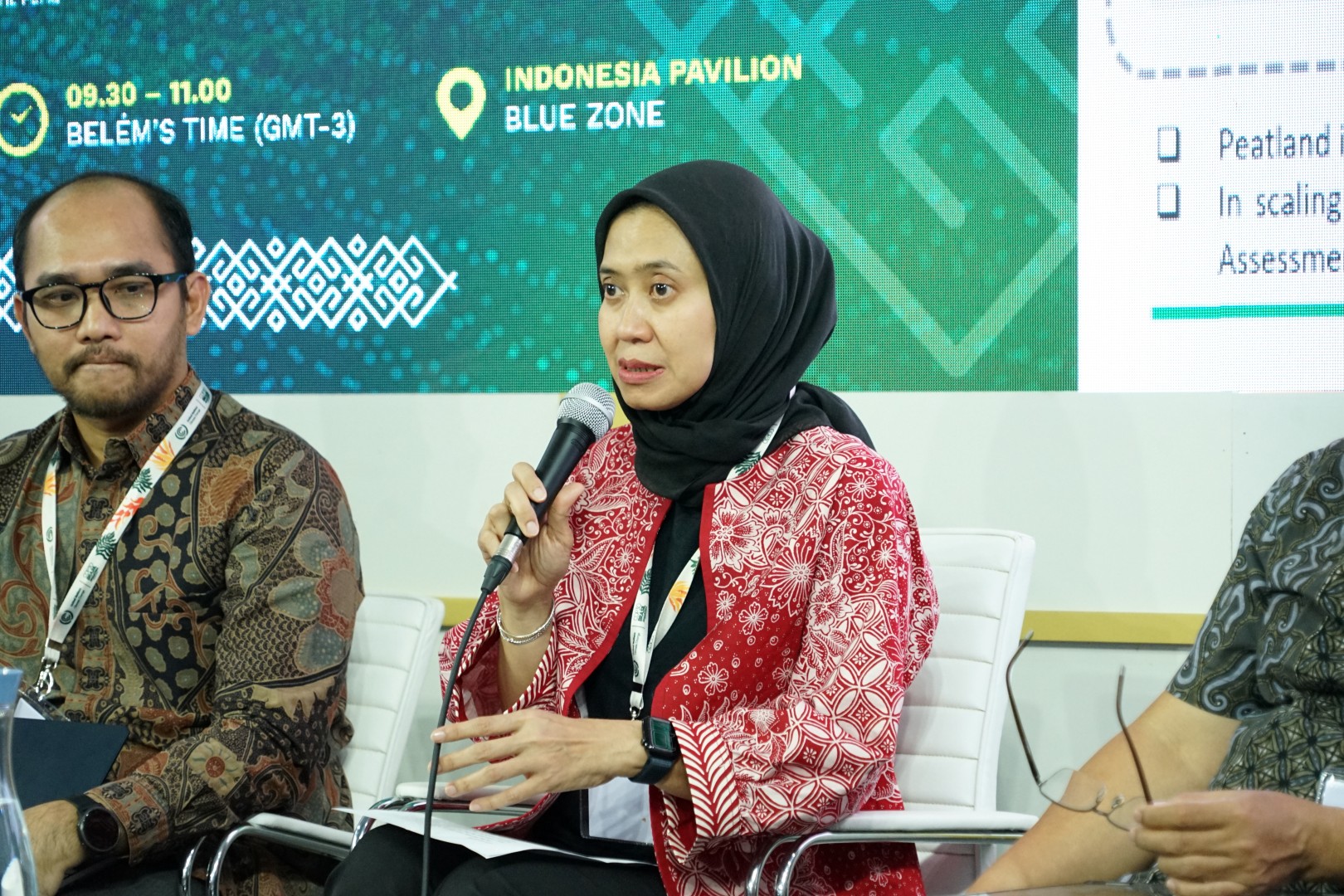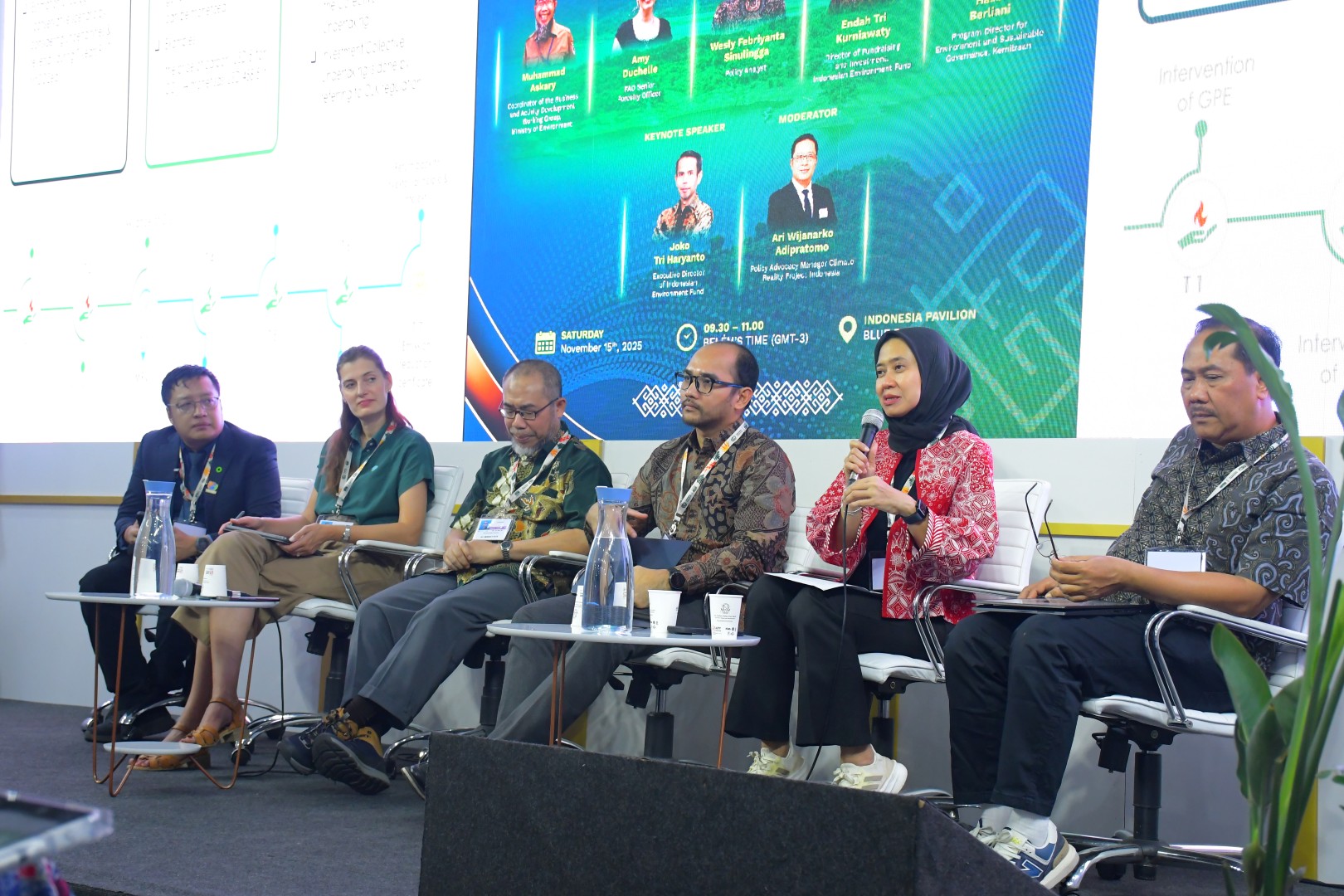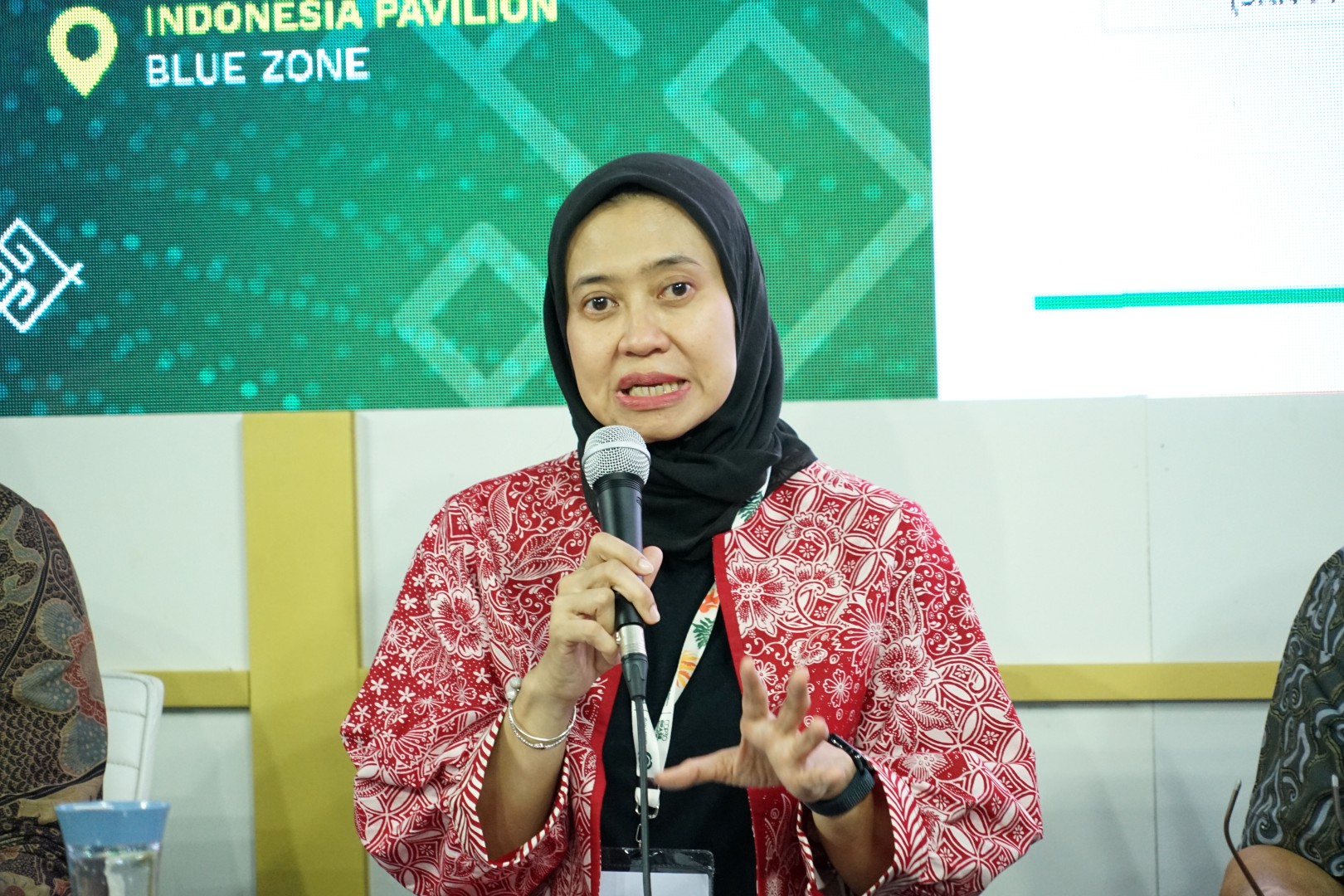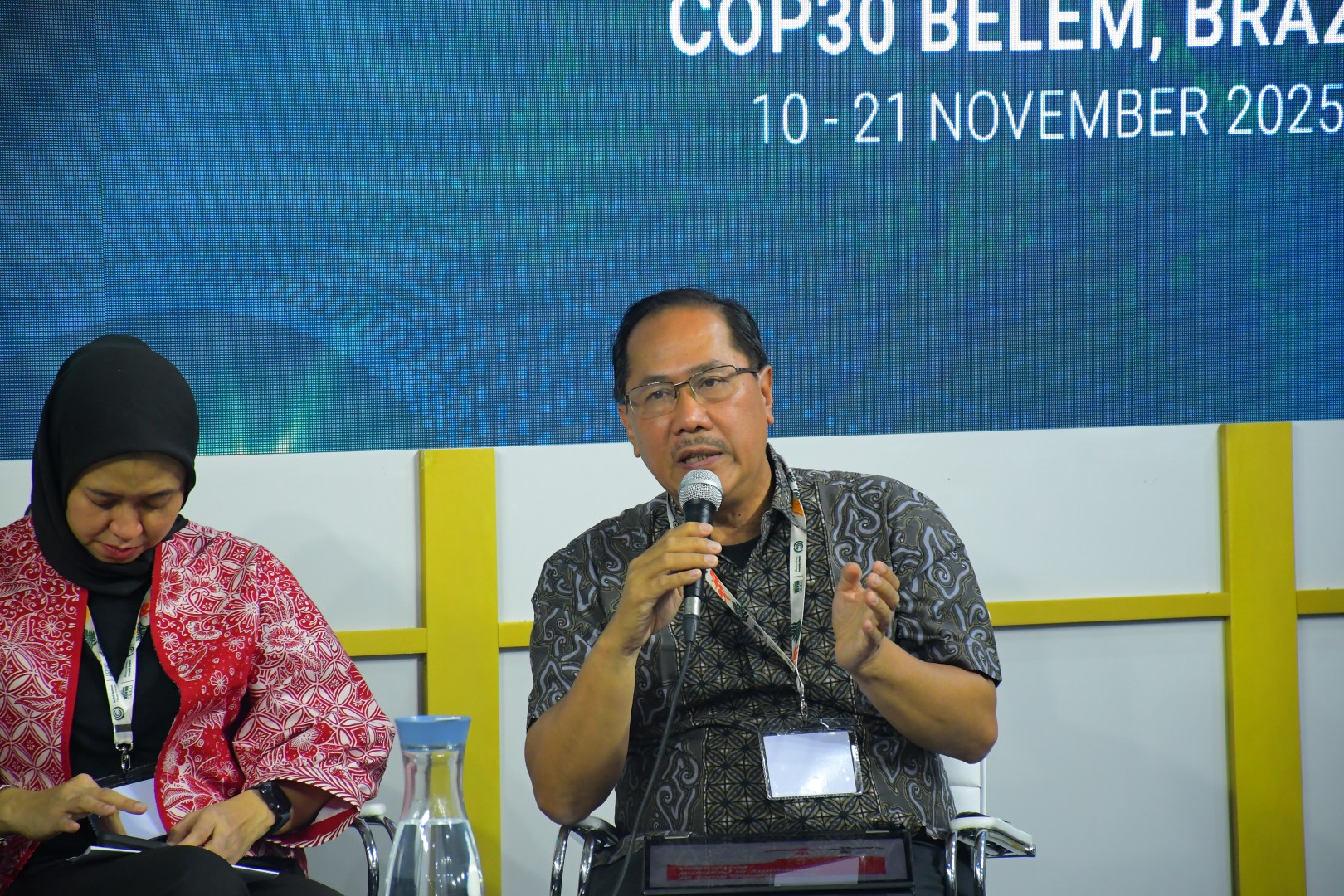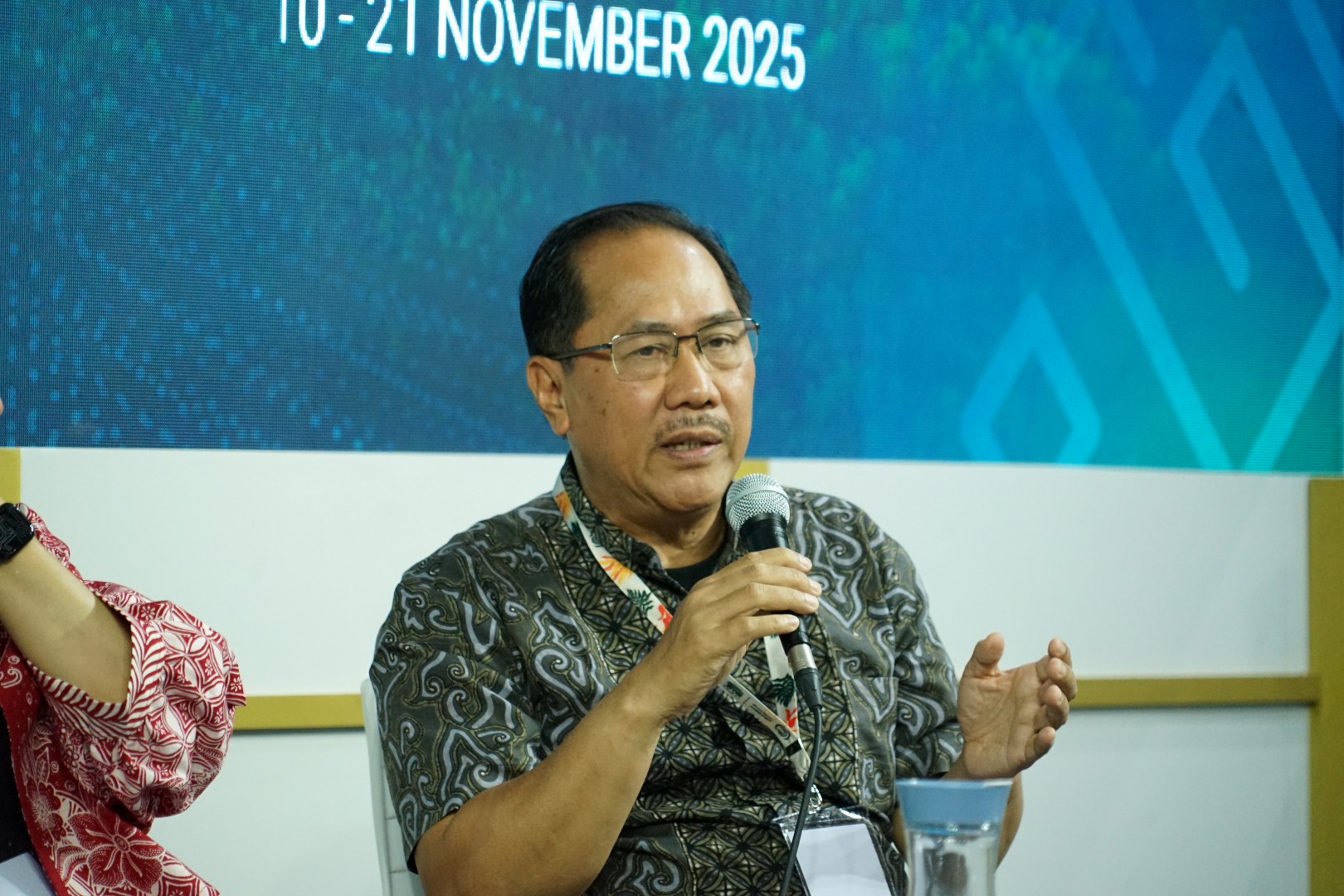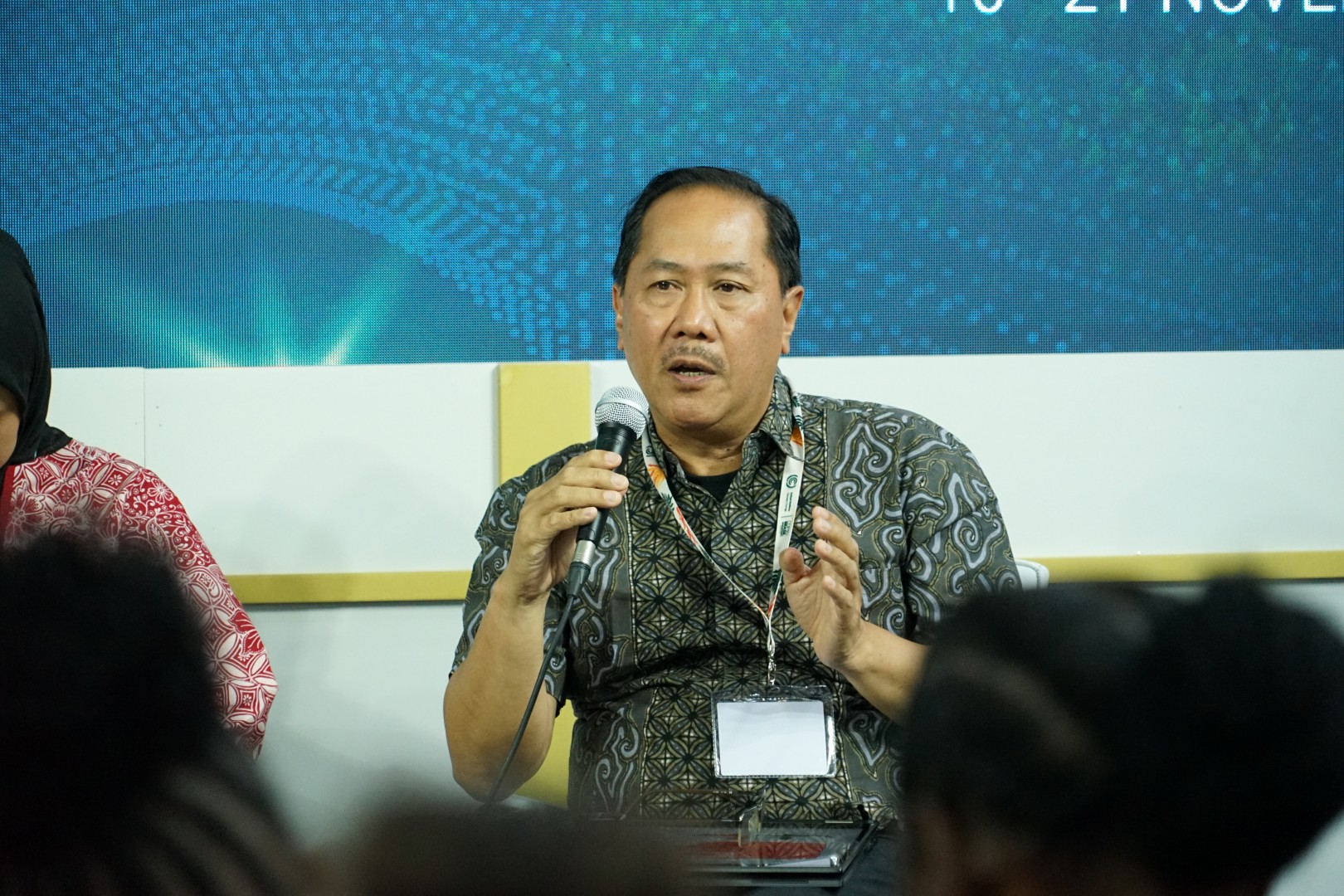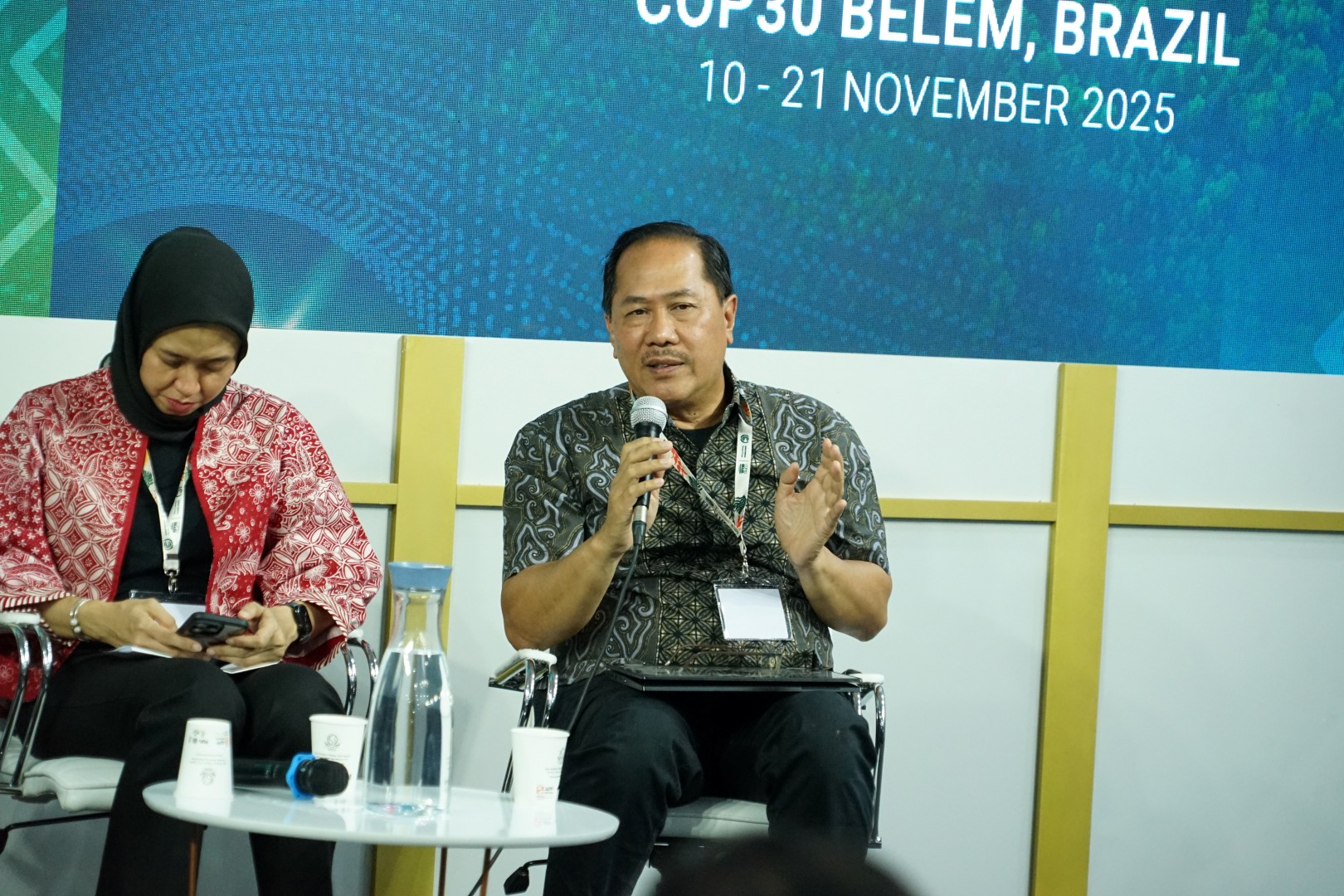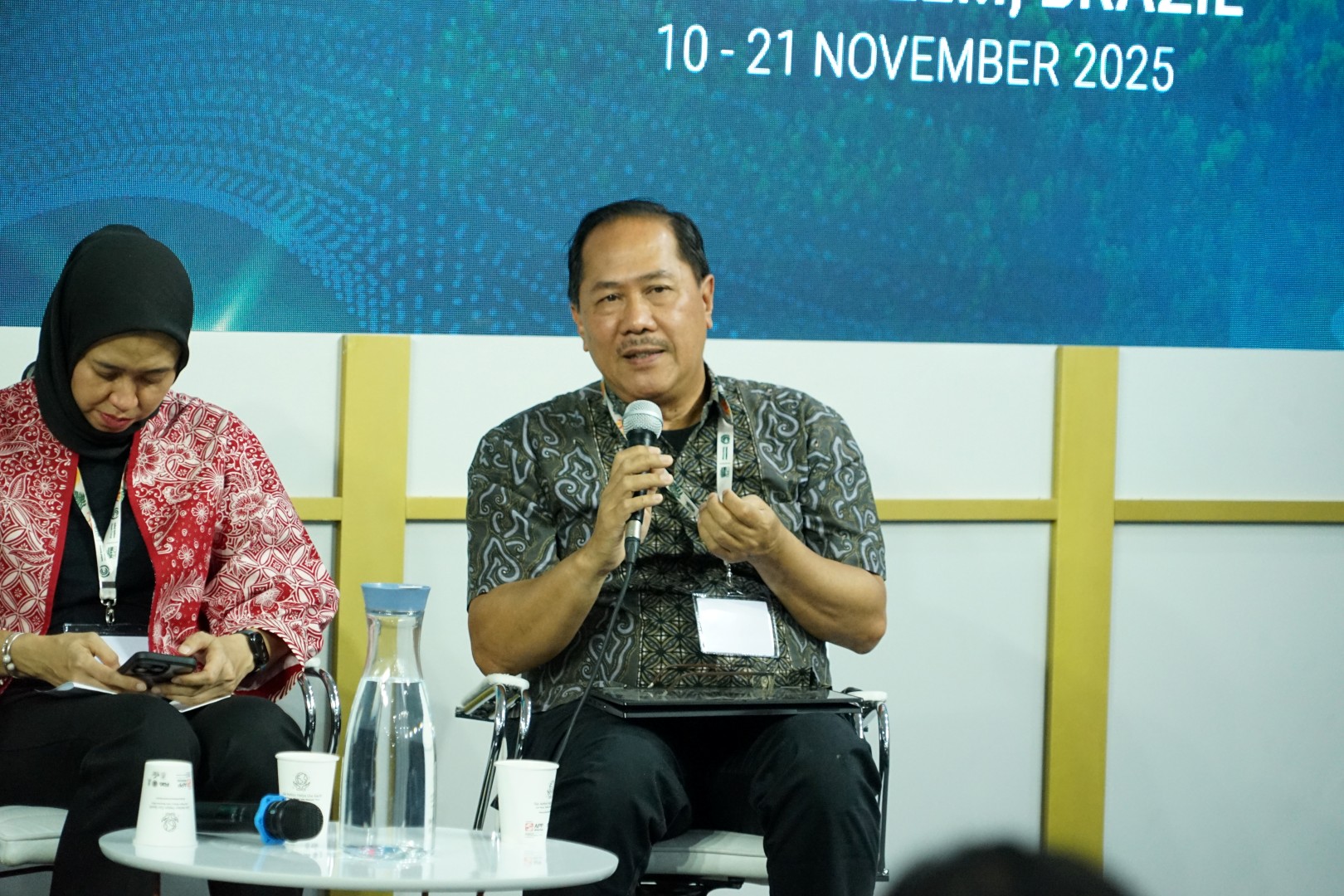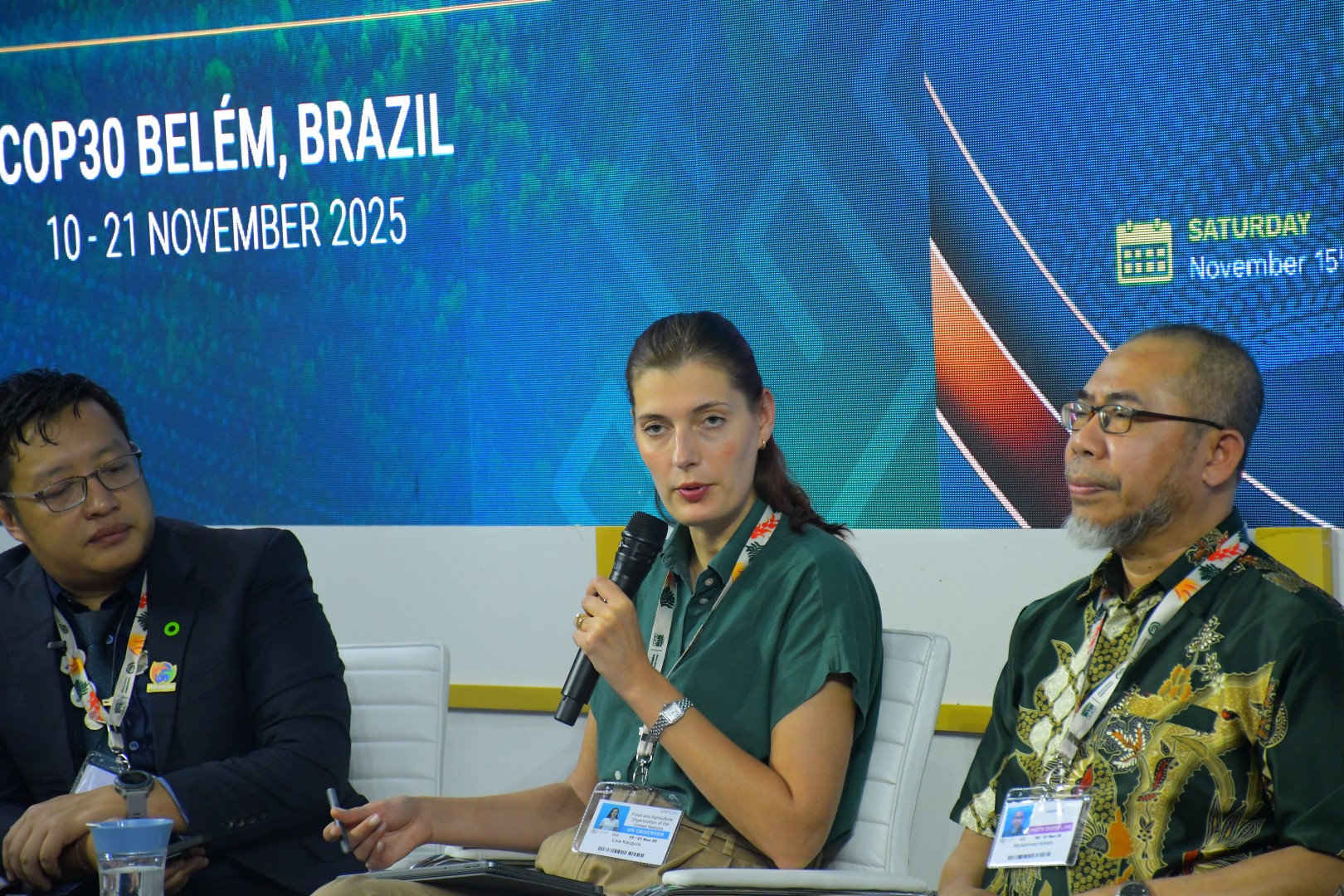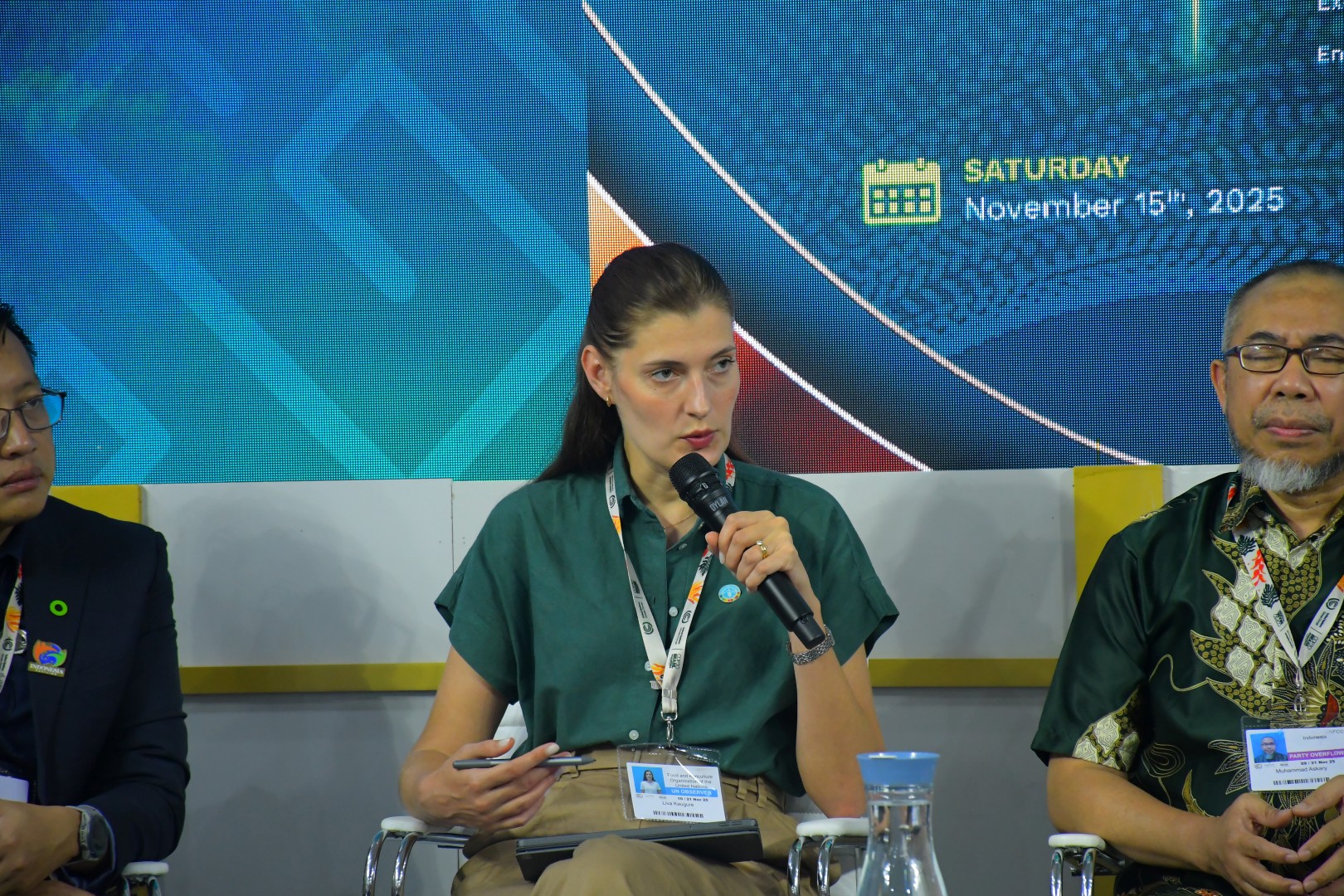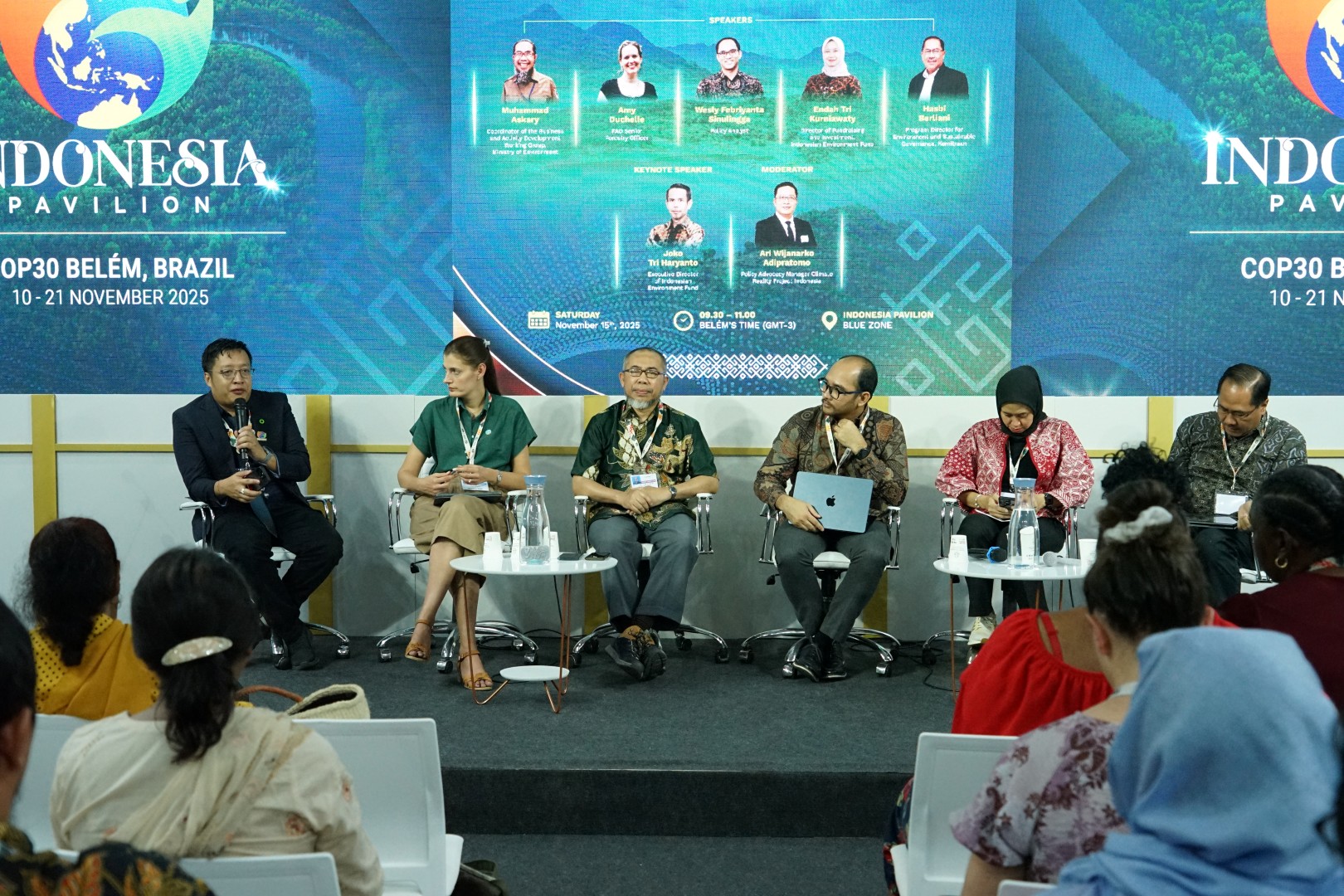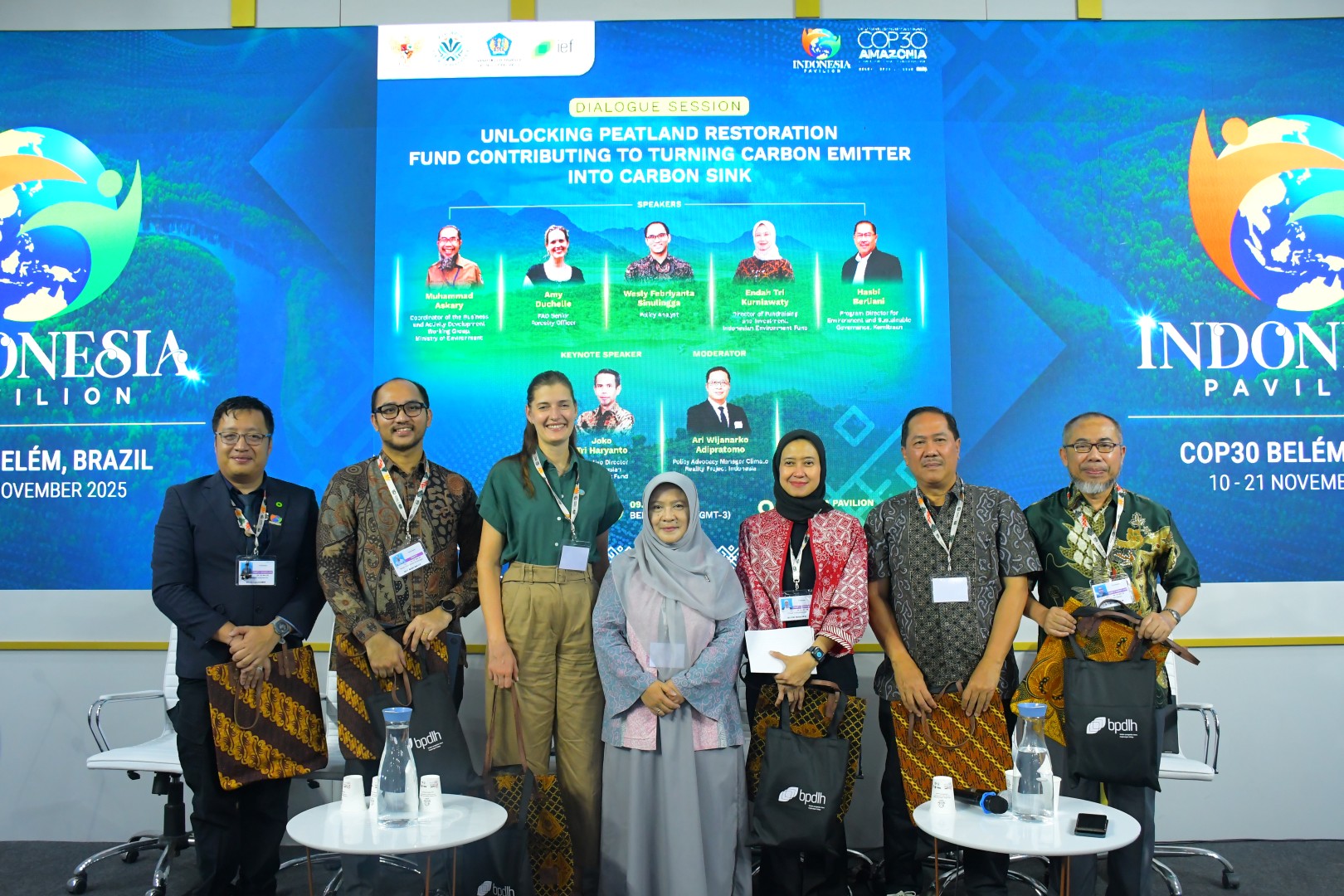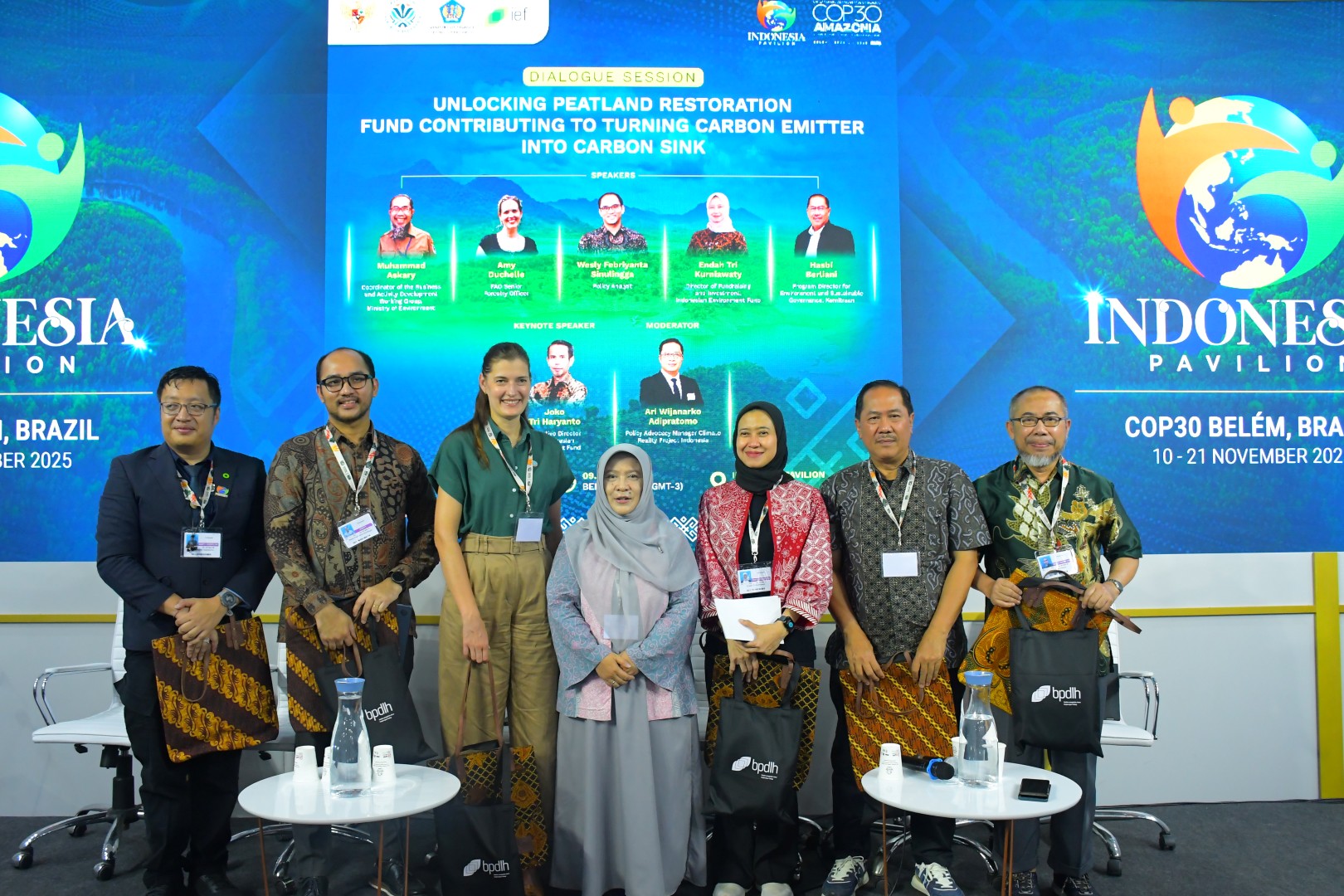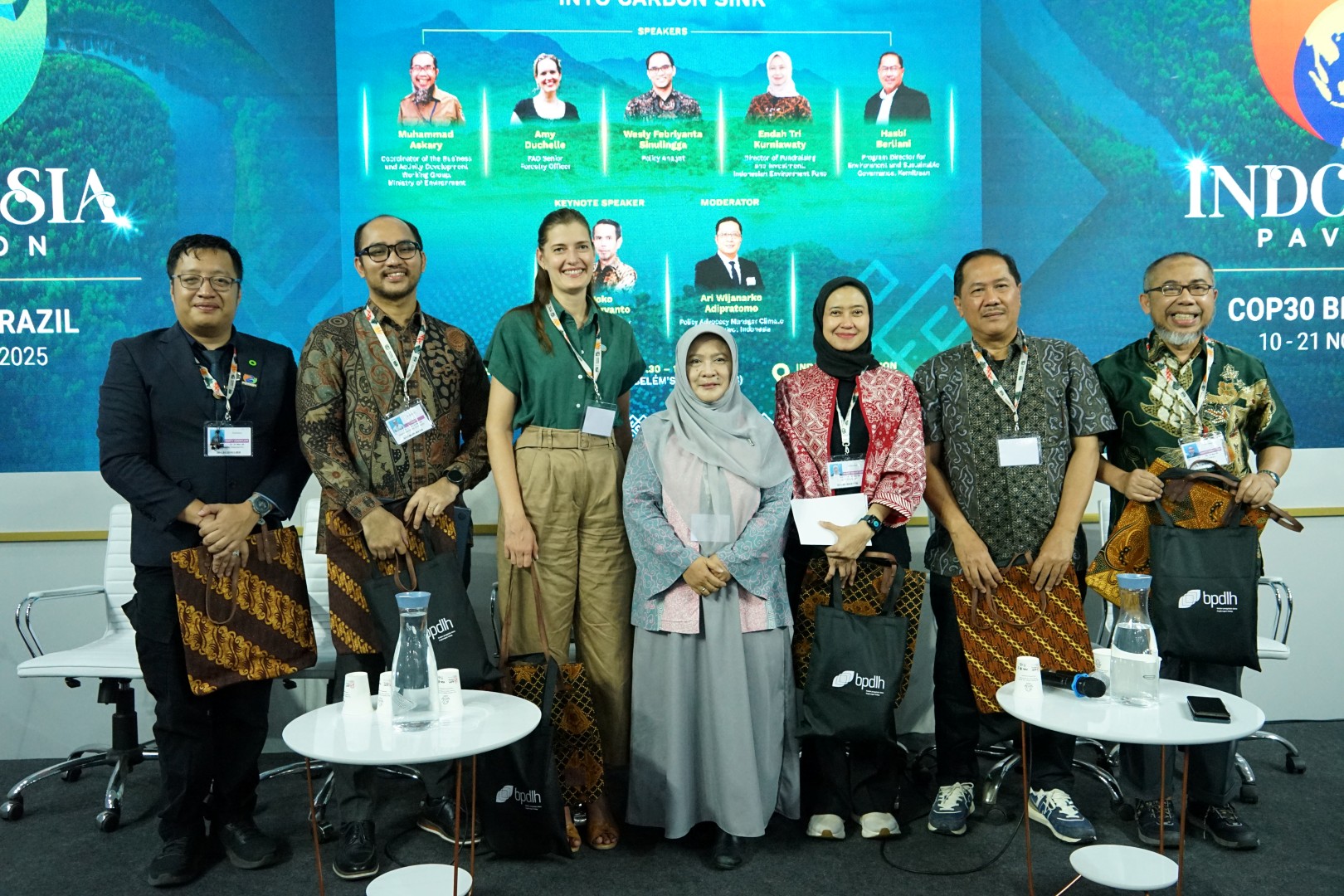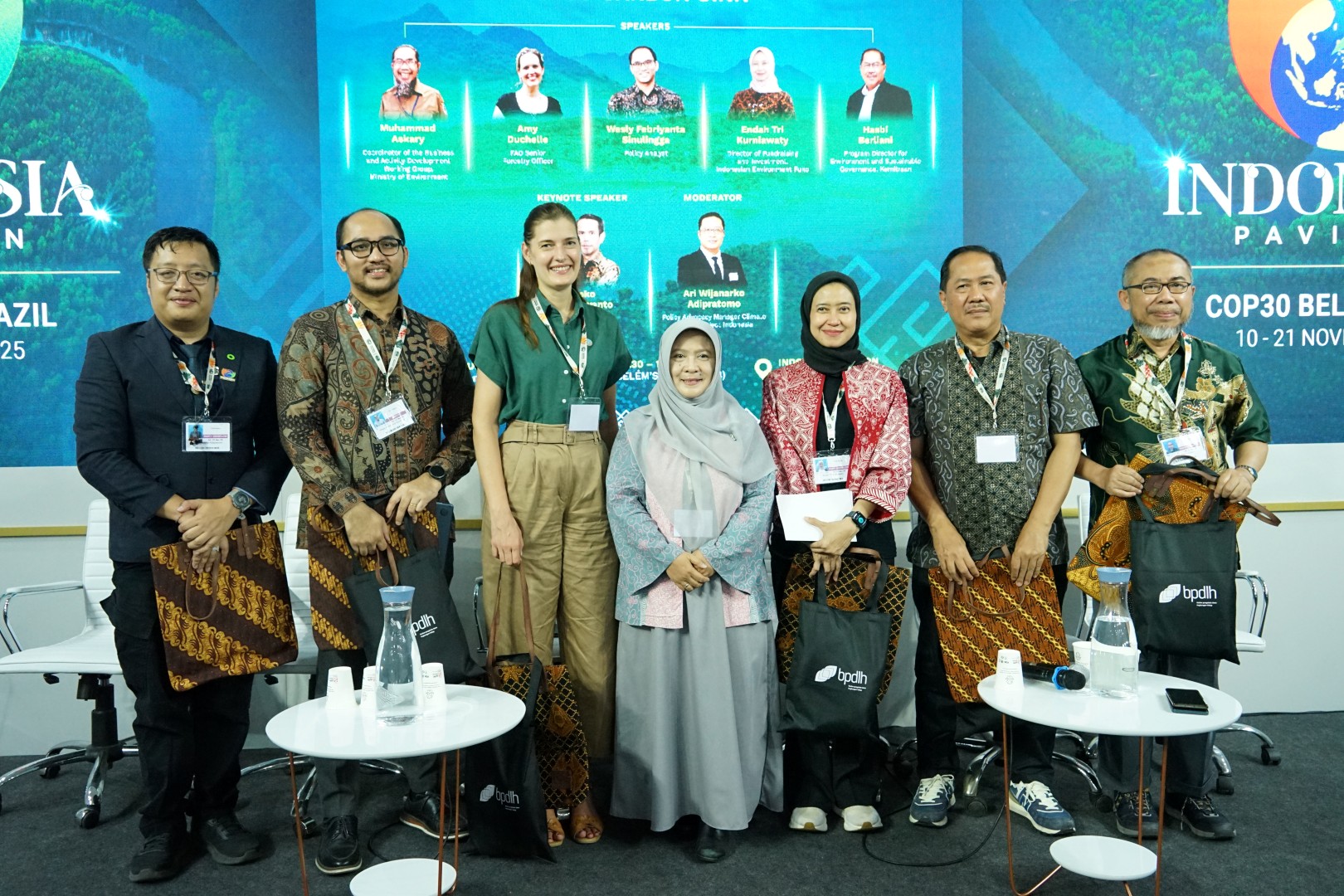

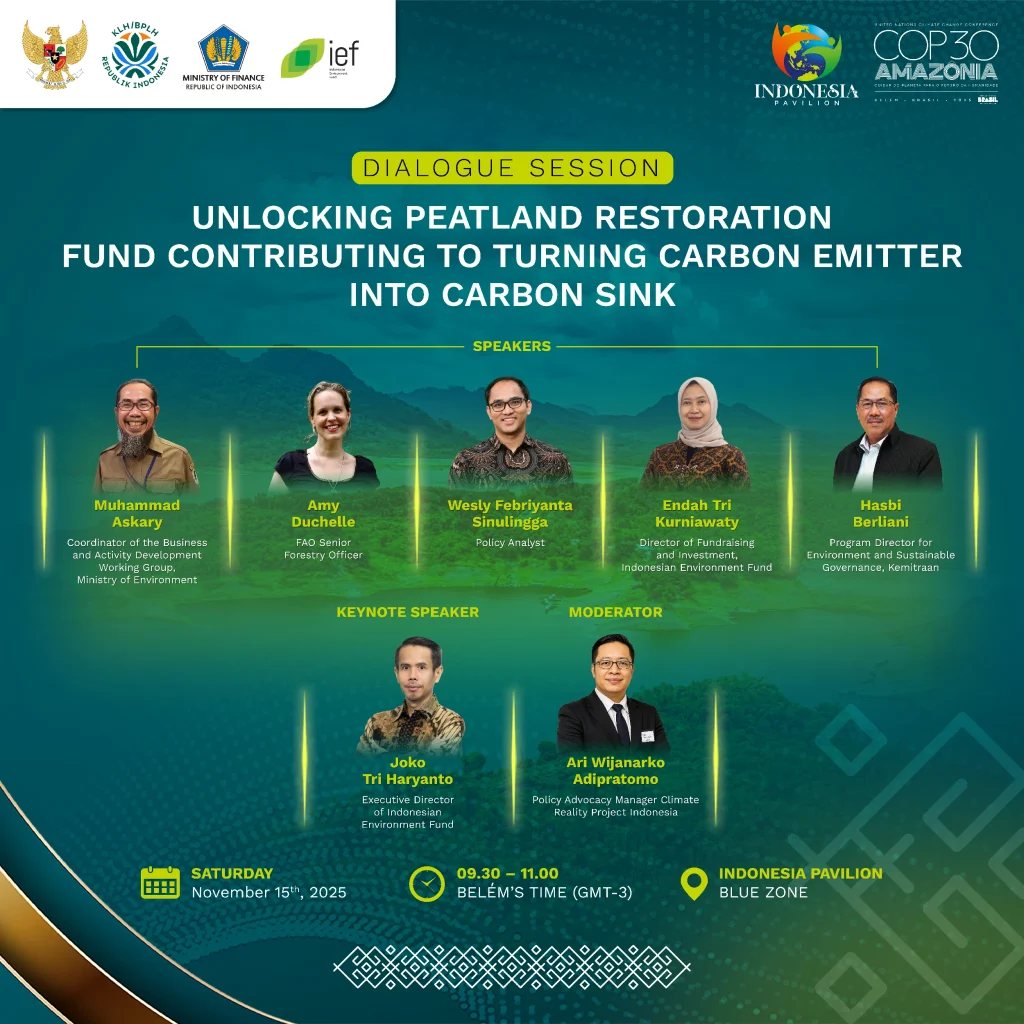
B7 – Unlocking Peatland Restoration Fund Contributing to Turning Carbon Emitter Into Carbon Sink

Session > B7 – Unlocking Peatland Restoration Fund Contributing to Turning Carbon Emitter Into Carbon Sink

Indonesia Pavilion COP30
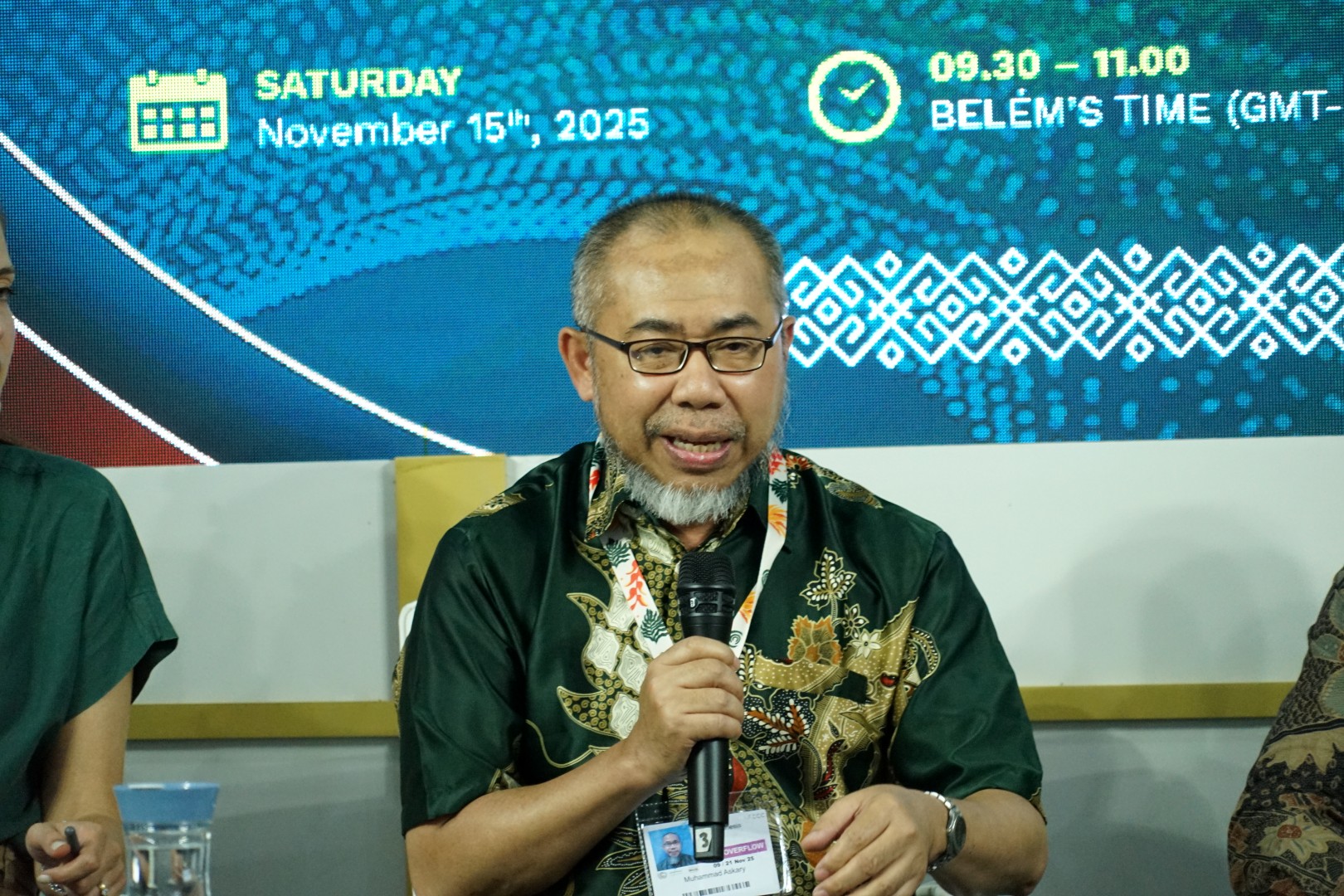
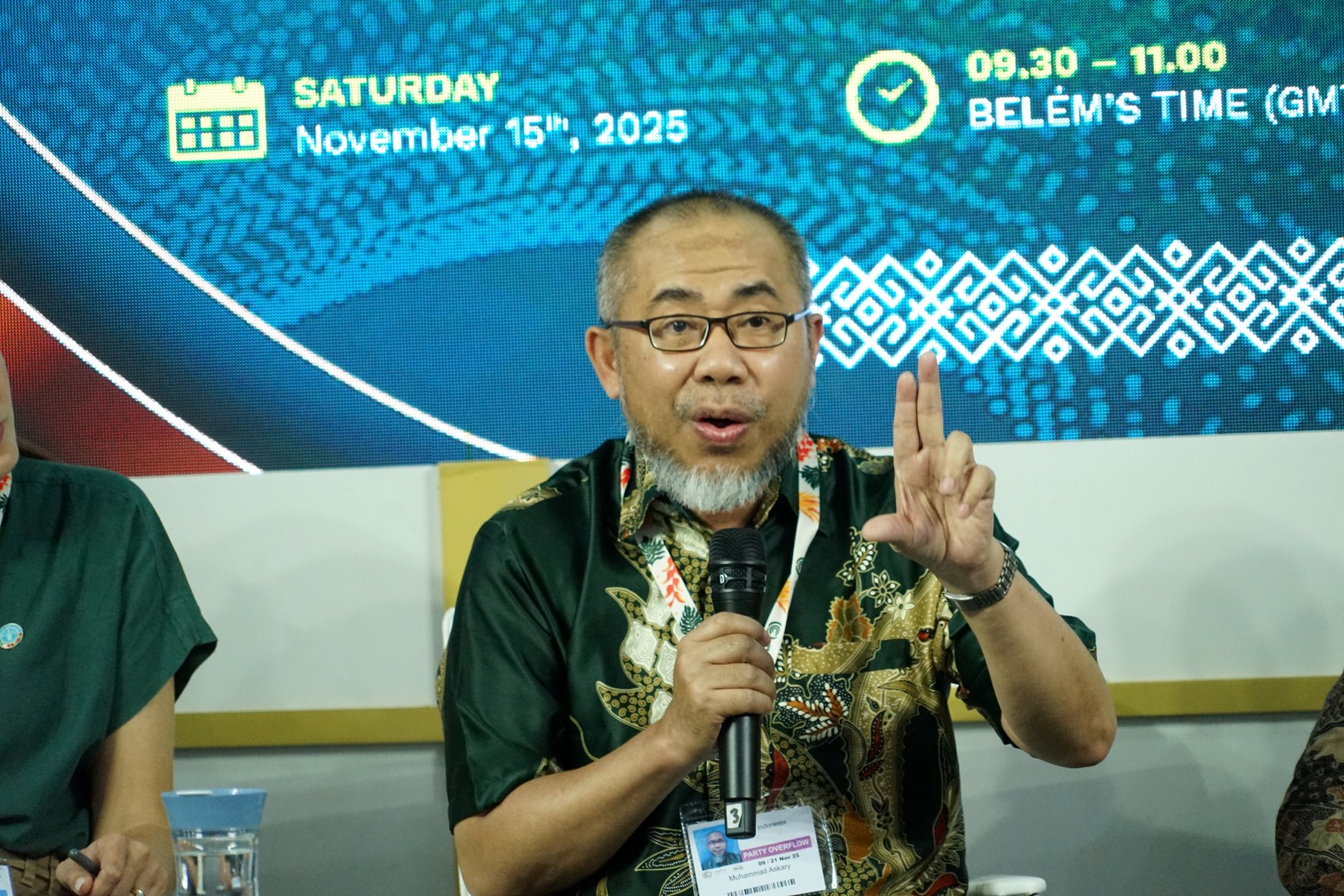
November 15, 2025 | 9:30 am - 11:00 am
About

A. Background

Peatlands are ecosystems that play a crucial role in climate change mitigation because they store large amounts of carbon for thousands of years. However, the degradation and conversion of peatlands in Indonesia due to land clearing, excessive drainage, and forest fires have transformed their natural function from carbon sinks to significant carbon emitters. Peatland restoration is a strategic step to restore their hydrological and ecological functions, reduce greenhouse gas emissions, and support Indonesia's commitment to achieving Net-Zero Emissions. One of the main challenges in accelerating restoration is the limited availability of sustainable, targeted, and measurable funding. Therefore, Unlocking the Peatland Restoration Fund is a crucial initiative to ensure the sustainability of restoration funding sources.

B. Objective and Output

Objectives:

  1. Explain the urgency of peatland restoration as part of a climate change mitigation strategy and sustainable natural resource management.
  2. Describe the Unlocking Peatland Restoration Fund approach as a strategy to open access and optimize financing sources from various instruments, including public funds, private funds, international aid, and innovative mechanisms such as blended finance and results-based payment.
  3. Demonstrate the relationship between restoration funding and the transformation of peatlands from emission sources to net carbon sinks, while providing socio-economic benefits to surrounding communities.

Output:

  1. Increased understanding of the urgency and opportunities for financing peatland restoration in Indonesia.
  2. A roadmap for managing and optimizing restoration funding, including integration with jurisdictional policies and local community initiatives.
  3. Policy recommendations and multi-stakeholder collaboration schemes to strengthen access to funding, transparent governance, and technology-based monitoring systems that ensure the sustainability of restoration outcomes.
  4. Examples of best practices that can be replicated in other regions, both in Indonesia and globally..

C. Target Audience

Target Audiences:

This Dialogue session is aimed at policymakers (central and regional governments), funding and banking institutions, the private sector committed to sustainability, civil society organizations, researchers, academics, and local communities directly involved in peatland management. Involving various stakeholders is expected to create synergy to accelerate restoration, strengthen ecosystem resilience, and encourage the transition to a low-carbon economy.

Live Stream
Presentations
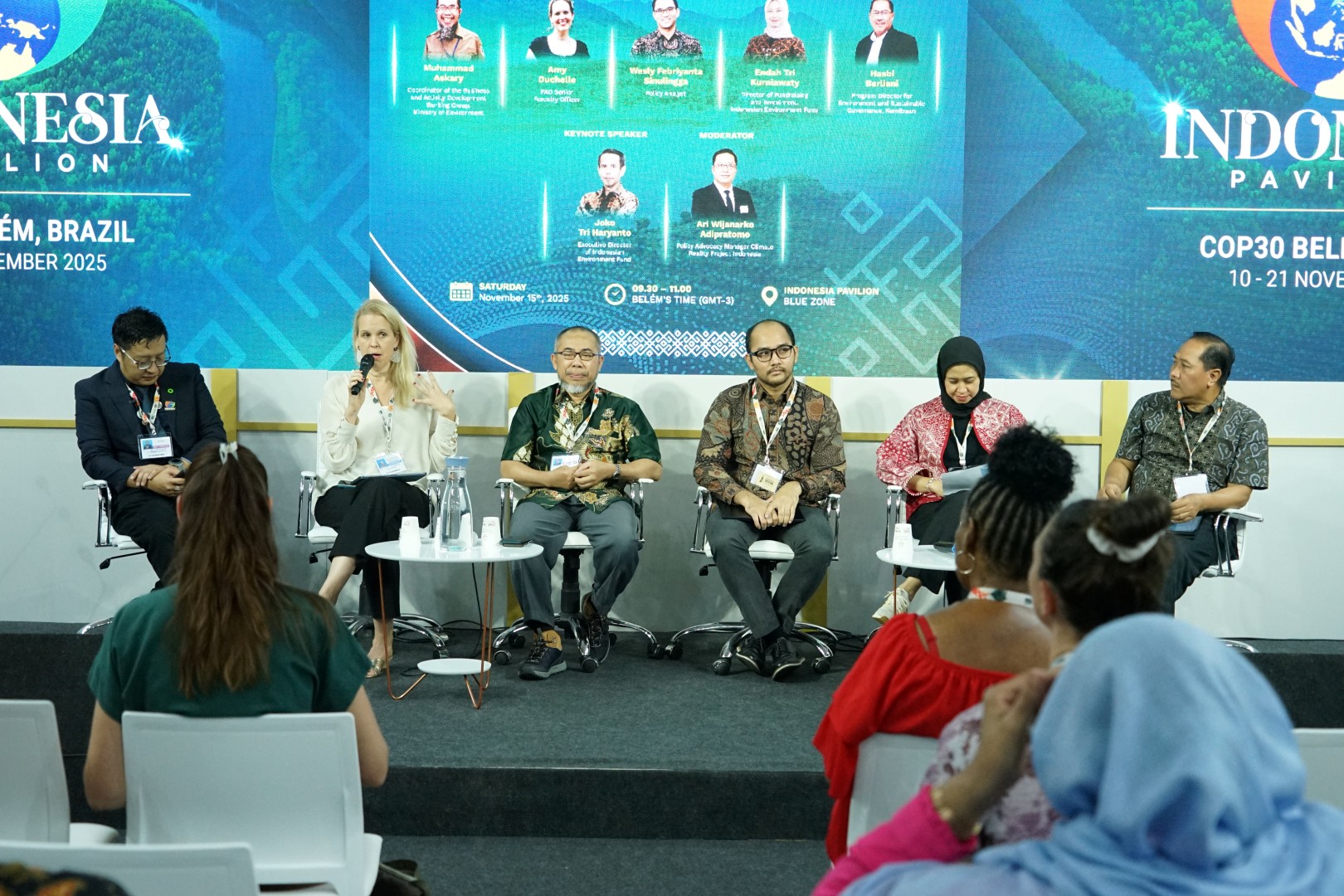
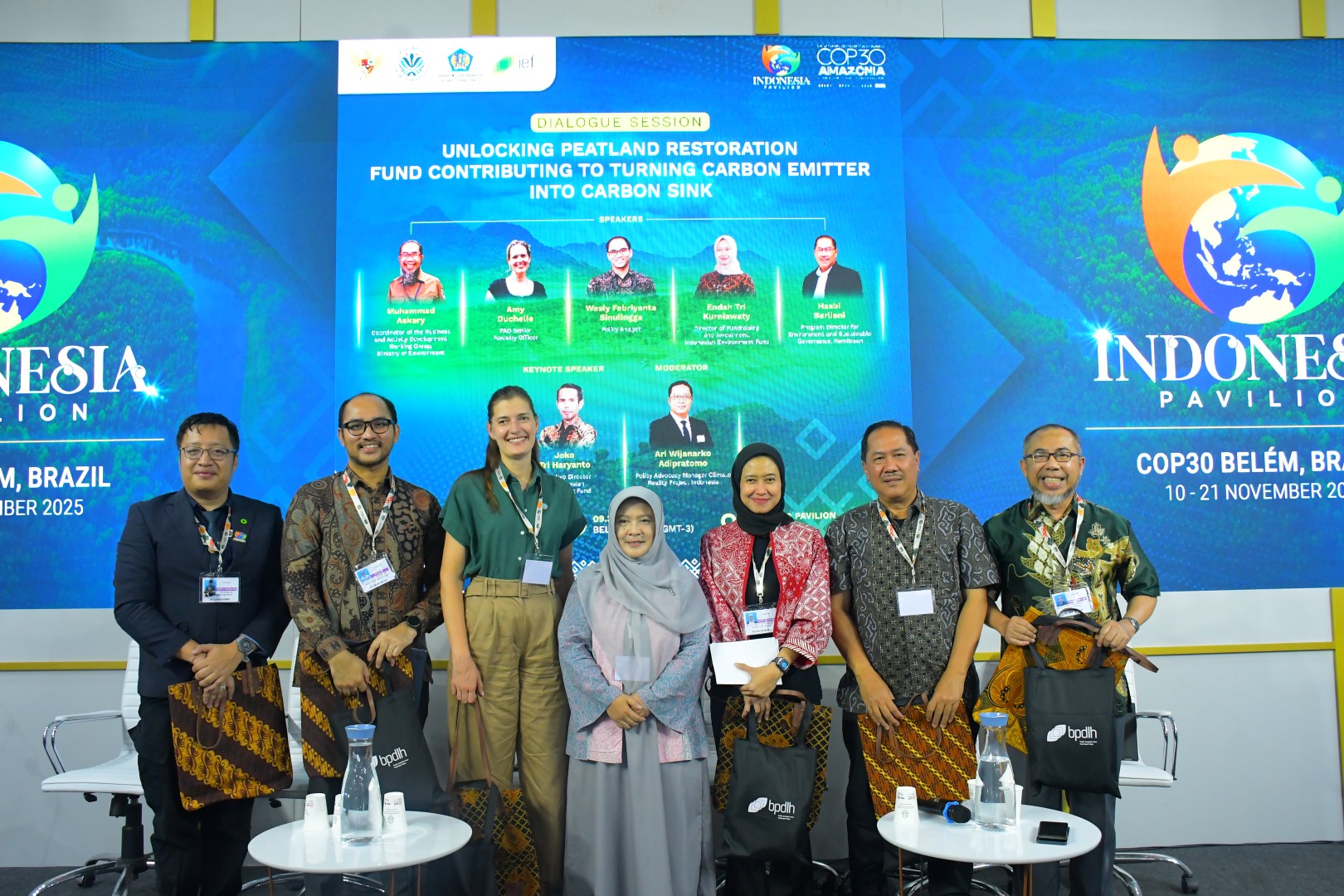
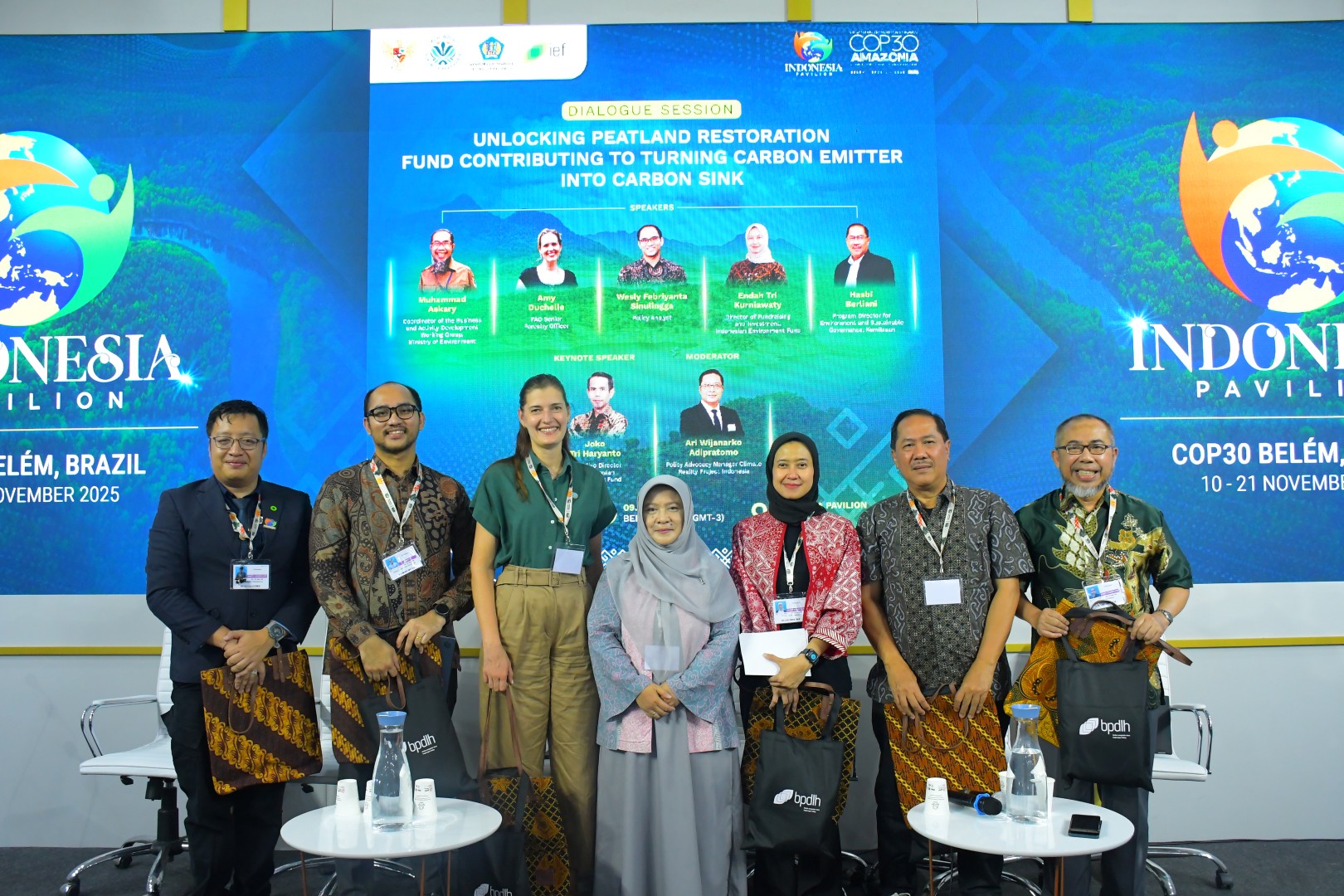
Speakers

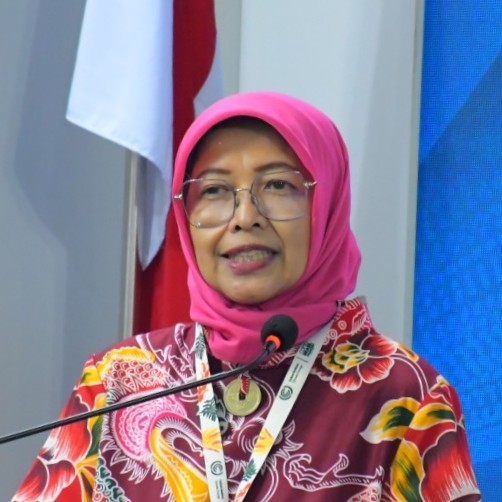
Sinta Saptarina Soemiarno

Head of Center for Environmental Management Facility, Ministry of Environment/Environmental Protection Agency, Republic of Indonesia

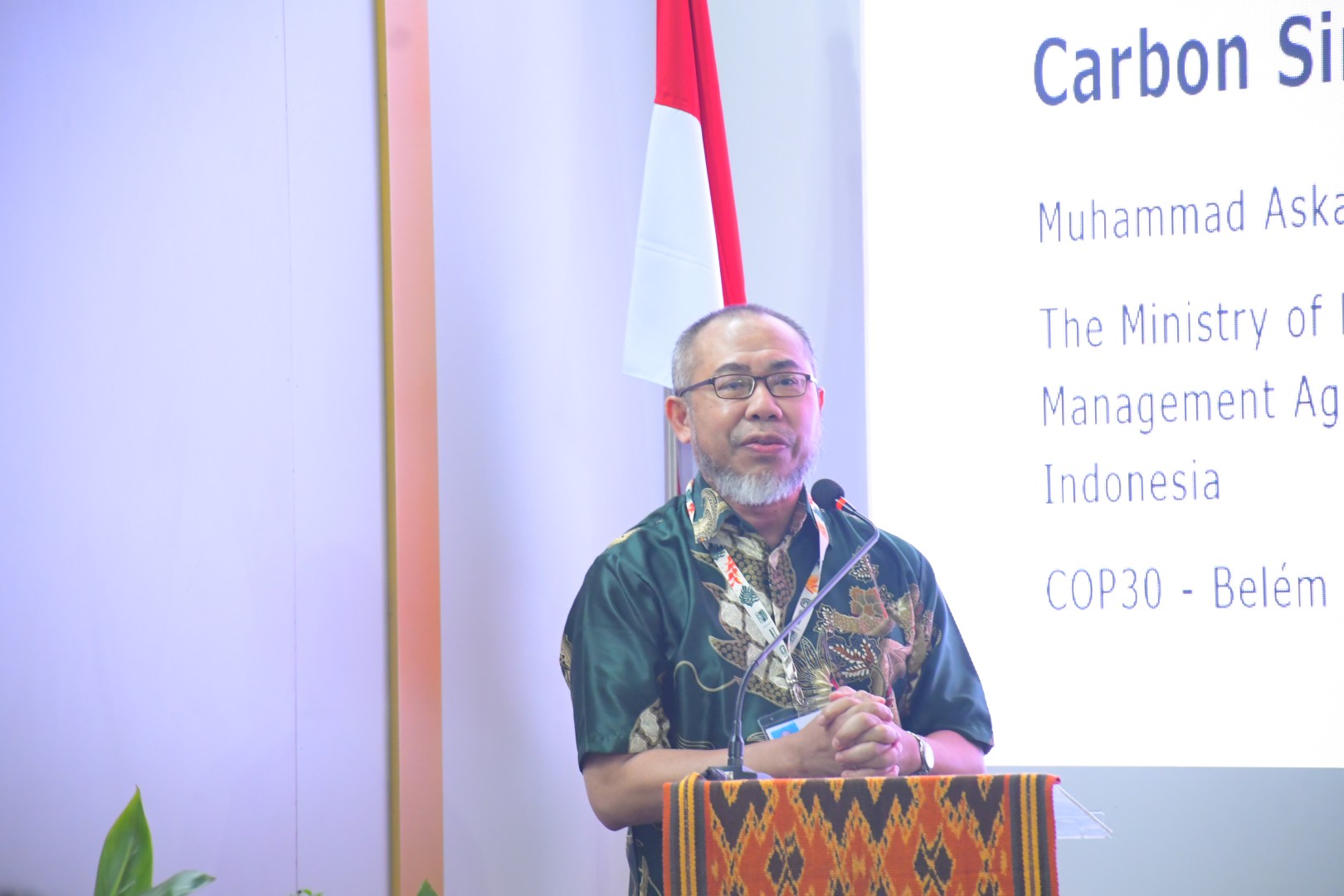
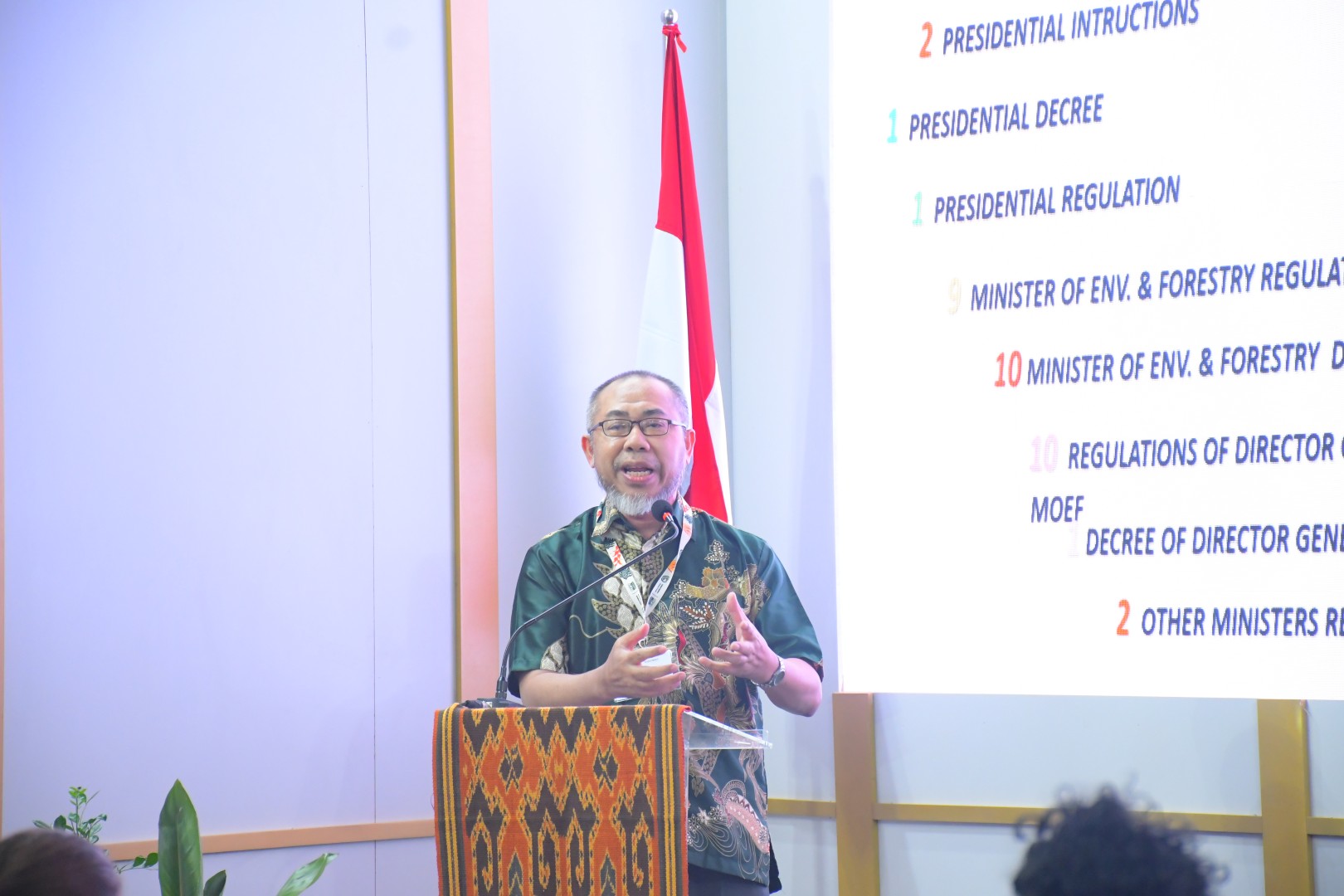
Muhammad Askary

Coordinator of the Business and Activity Development Working Group, Ministry of Environment/Environmental Protection Agency

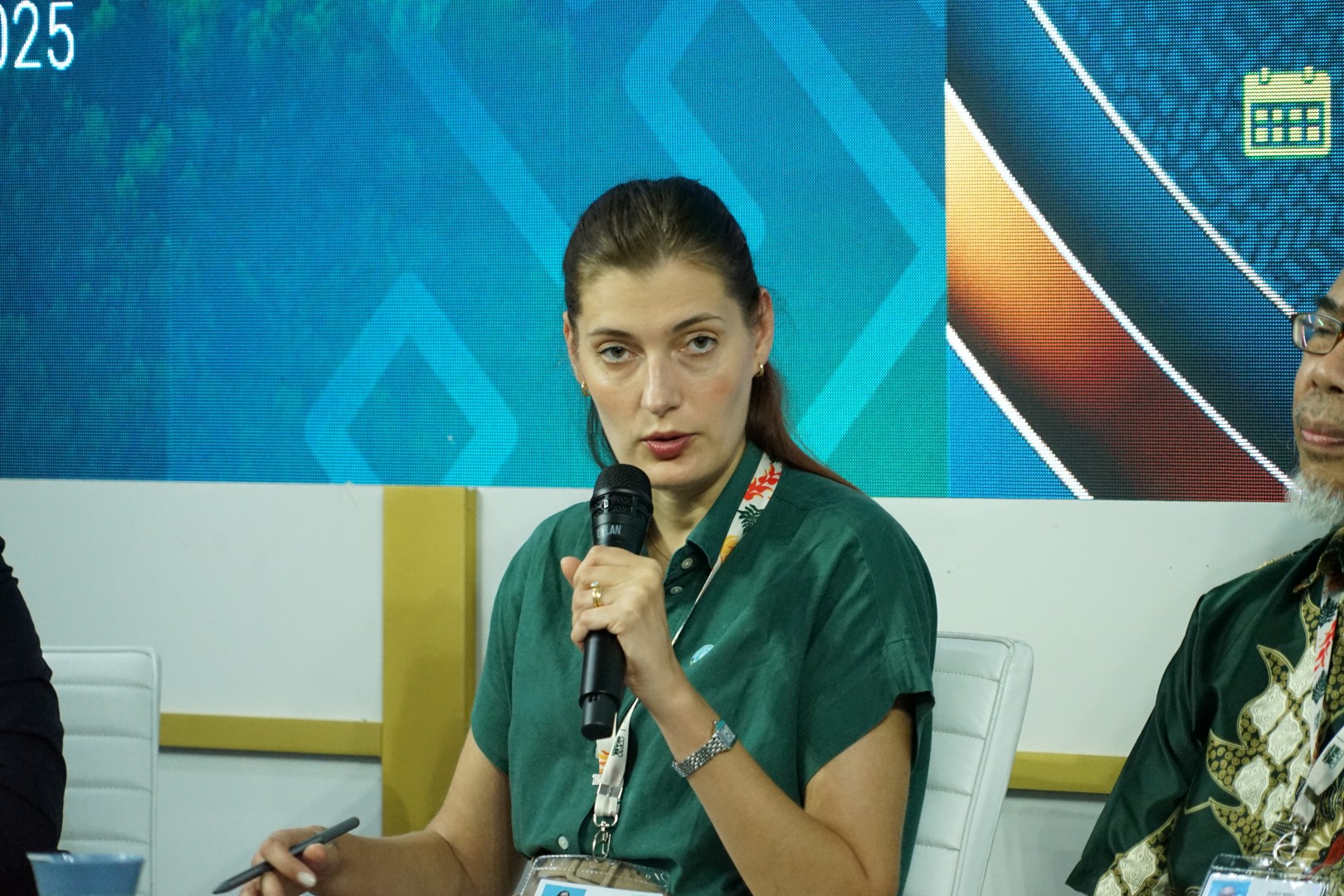
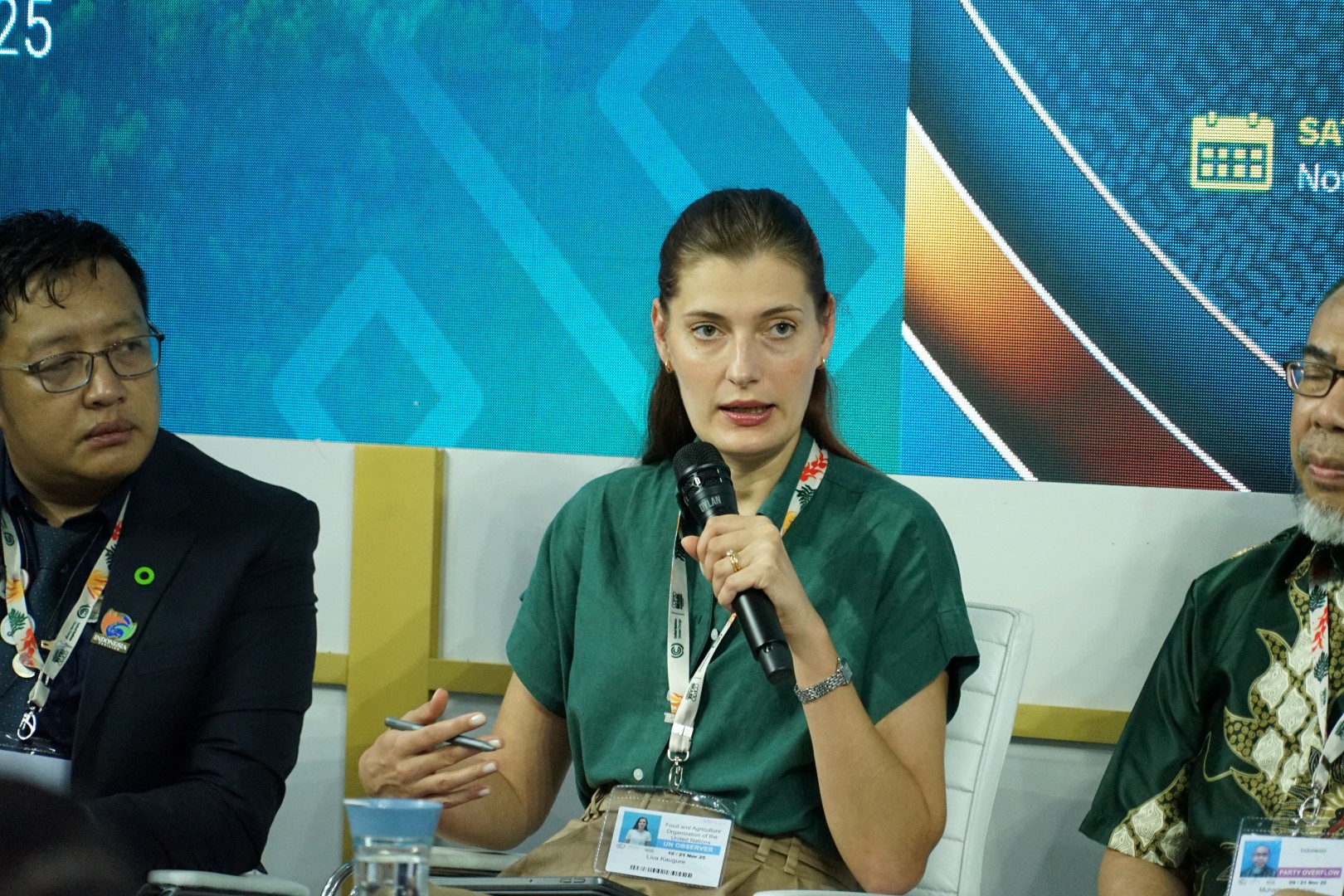
Amy Duchelle

FAO Senior Forestry Officer
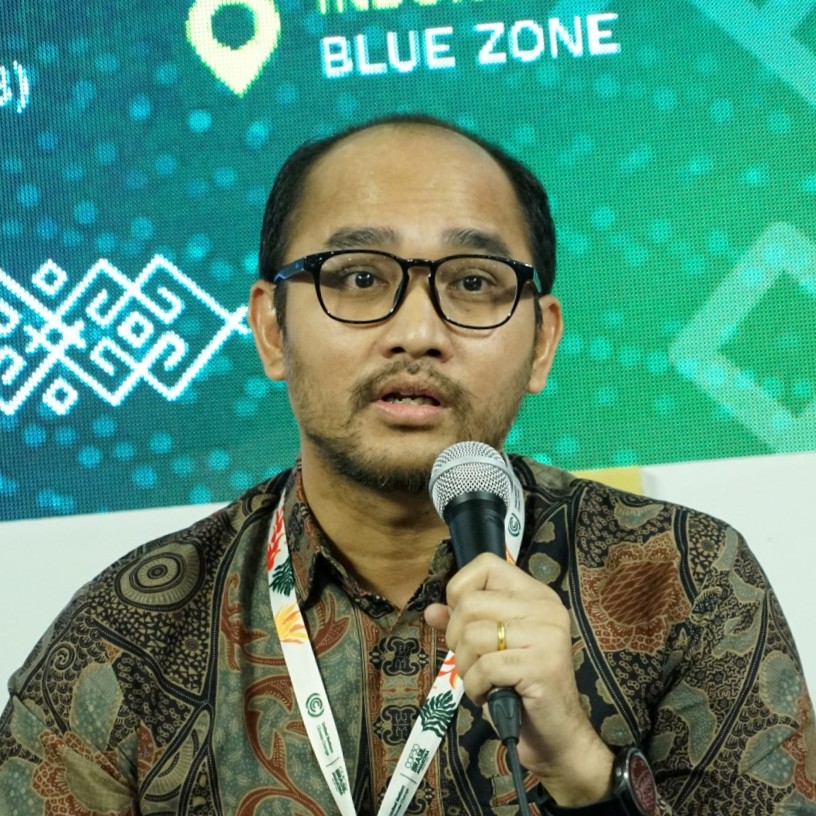
Wesly Febriyanta Sinulingga

Policy Analyst, Directorate General of Economic and Fiscal Strategy, Ministry of Finance

Endah Tri Kurniawaty

Director of Fundraising and Development, Indonesian Environmental Fund (BPDLH)

Hasbi Berliani

Program Director for Environment and Sustainable Governance, Kemitraan

Moderator

Ari Wijarnarko Adipratomo

Policy Advocacy Manager, Climate Reality Project Indonesia
Gallery