As the global climate continues to shift, ecosystems face growing pressure. Rising temperatures, extreme weather, and changes in how land is used are breaking up natural habitats, which puts both biodiversity and the people who depend on it at risk. In response, stakeholders and the international community have adopted environmental accountability standards that align with the Sustainable Development Goals and address global climate change. Within this framework, biodiversity and ecosystem services parameters are pivotal.
To effectively implement such strategies, countries and institutions are increasingly adopting Biodiversity Action Plans (BAPs). A BAP provides a structured framework to identify priority biodiversity features and set conservation objectives. These goals are framed in the global community as No Net Loss (NNL) and Net Positive Impact (NPI) targets. These targets aim to mitigate negative biodiversity impacts resulting from new projects and ongoing operations in the oil and gas energy sectors. By implementing specific measures in both new and existing project areas, the goal is to balance or even enhance biodiversity value.
Prior conducting Biodiversity Action Plan (BAP) study, a screening is necessary to determine whether a project needs to develop a BAP, which is referred to as pre-BAP. It aims to provide scientific justification regarding the need for a project to prepare a Biodiversity Action Plan (BAP). The screening process considers regulatory frameworks, environment permit, third-party obligations, biodiversity, social, economy and cultural considerations, and corporate policies. The outcome of this assessment will determine whether a BAP is necessary for the project, based on its potential impact on biodiversity.
While biodiversity action plan is not new, putting these plans into action has significant benefits to help biodiversity conservation while entailing close interaction of scientific research, policy-making and society.
The link between biodiversity corridors and pre-BAP / BAP is both practical and essential. pre-BAP / BAP provide the planning foundation to identify where connectivity is needed most, how it can be implemented, and how progress can be monitored over time. Corridors, on the other hand, are a physical and ecological response to fragmentation. Together, they form a comprehensive approach to sustaining life—human and ecological—in a rapidly changing world.
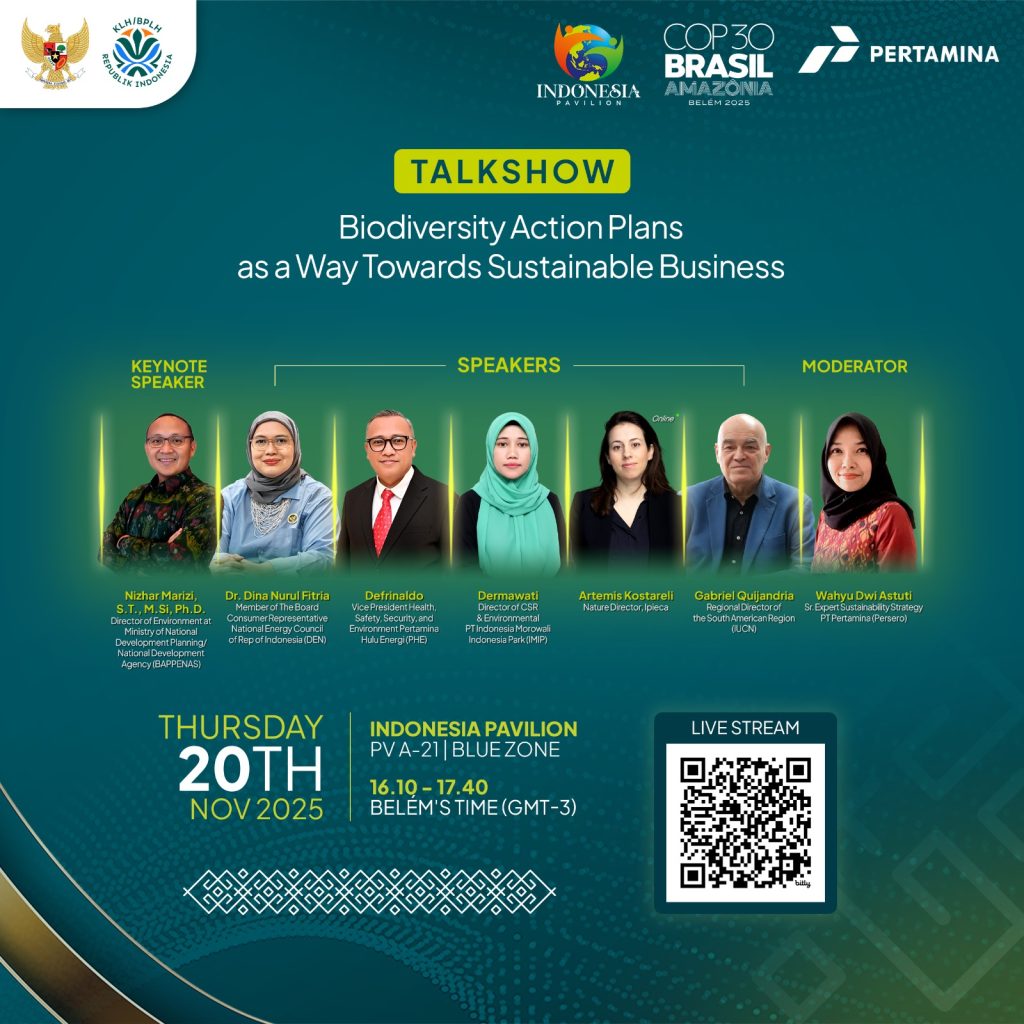
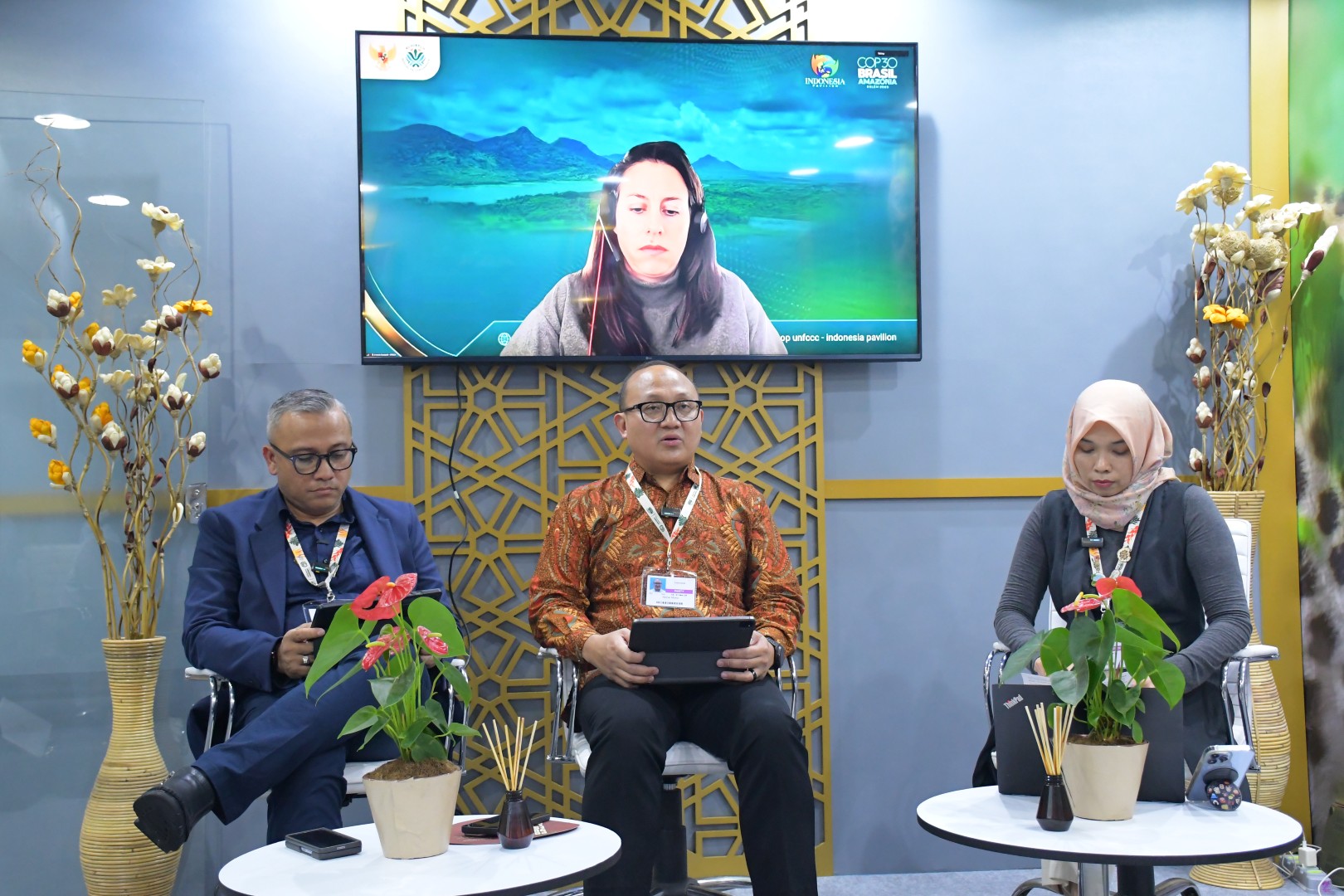
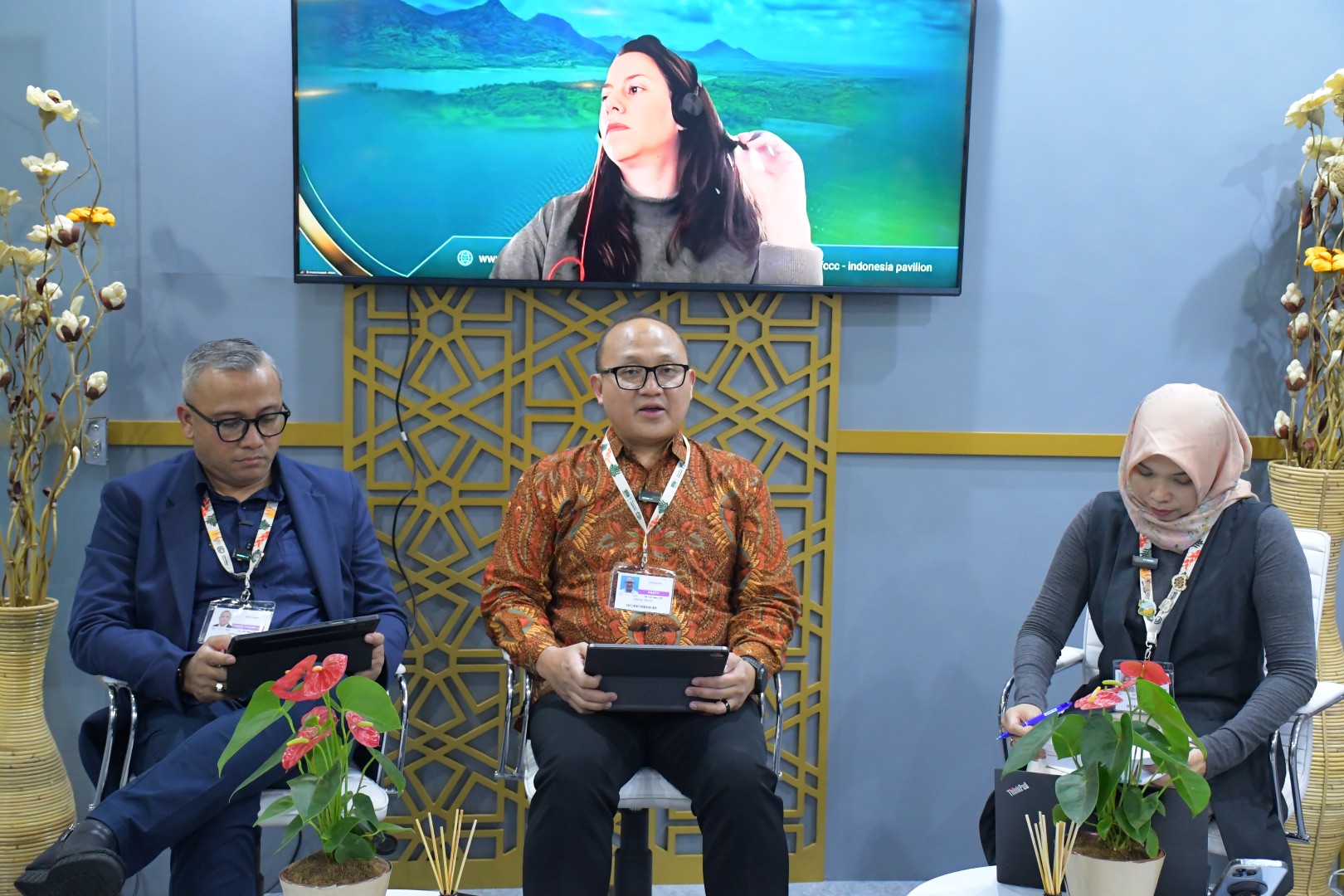
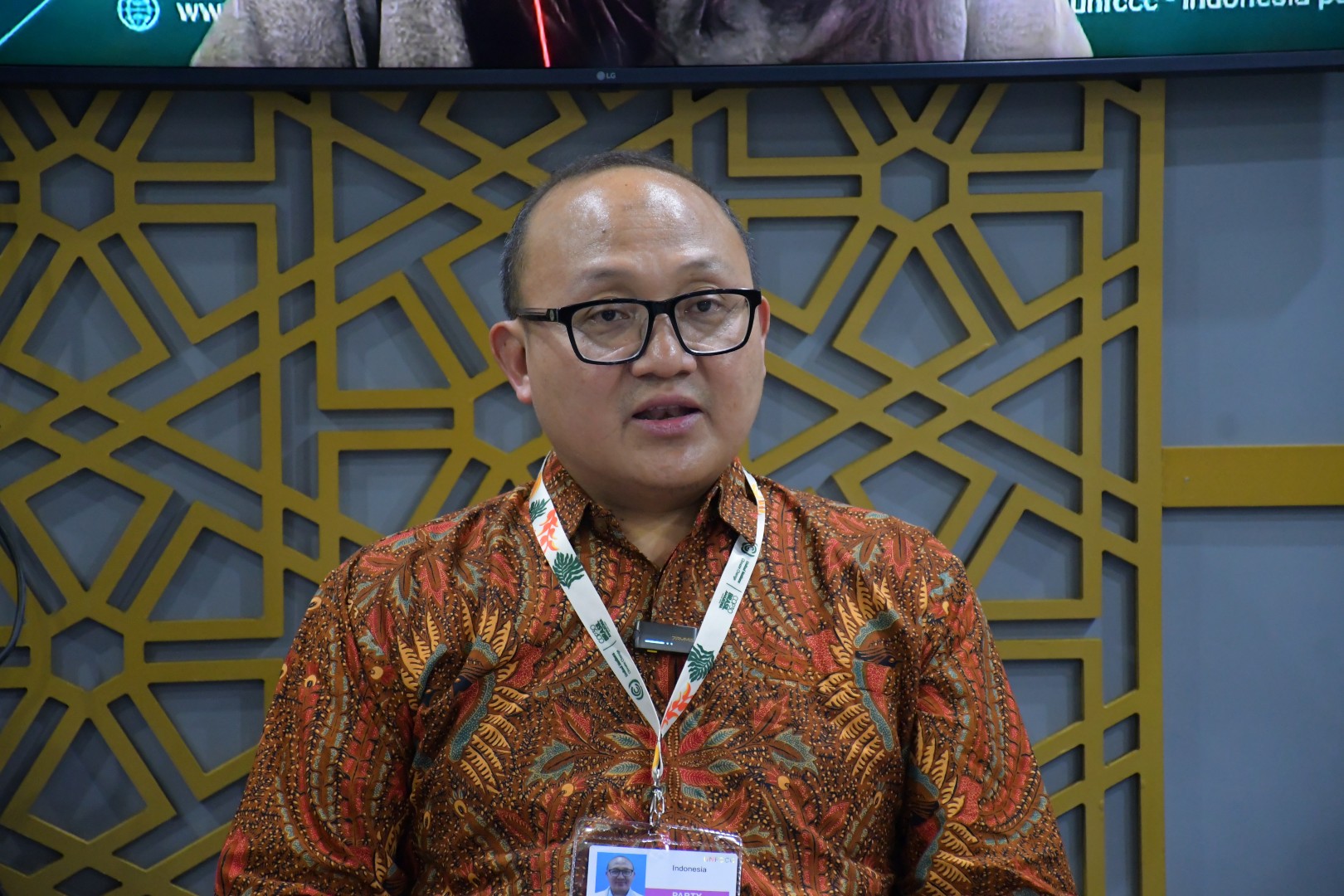
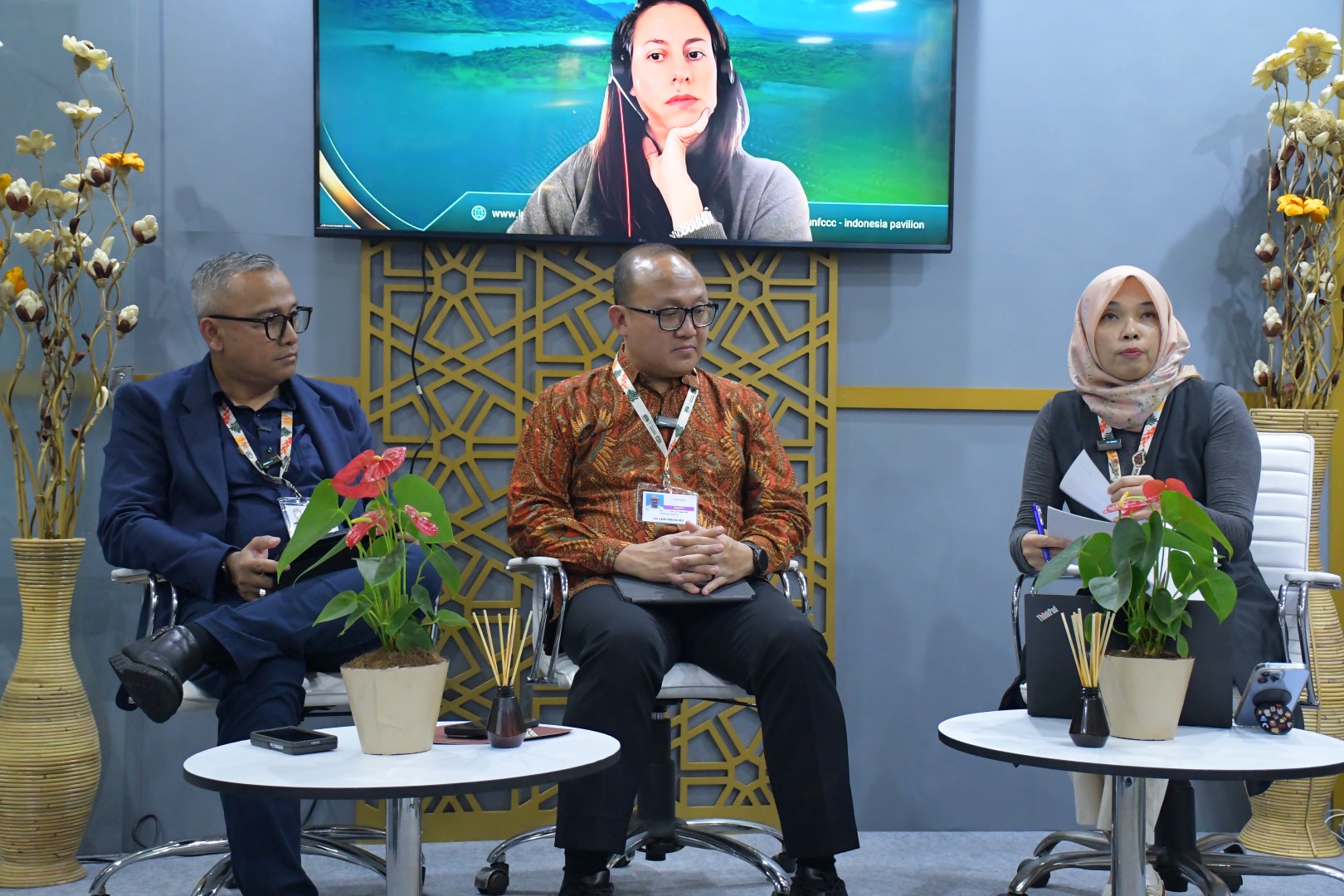
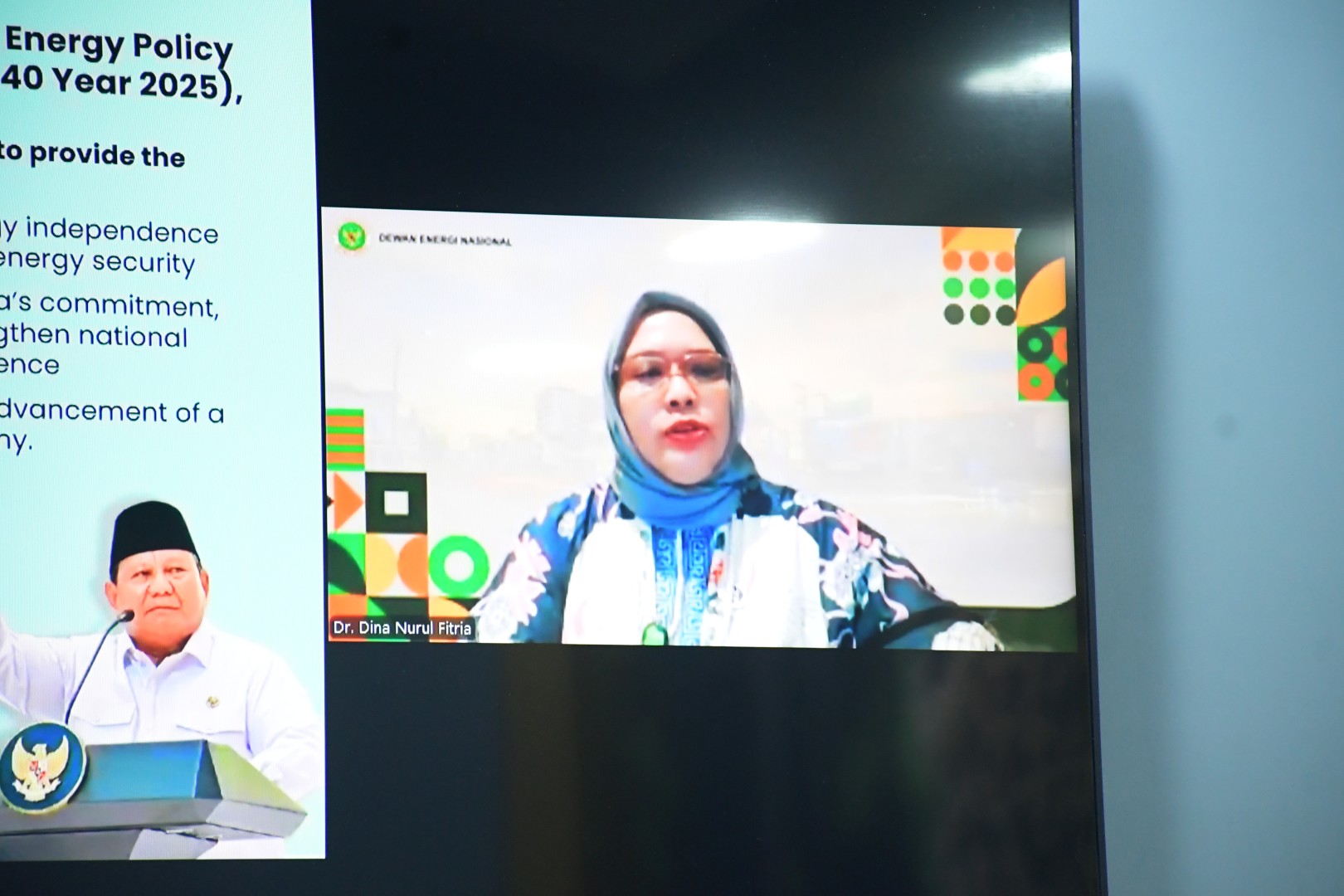
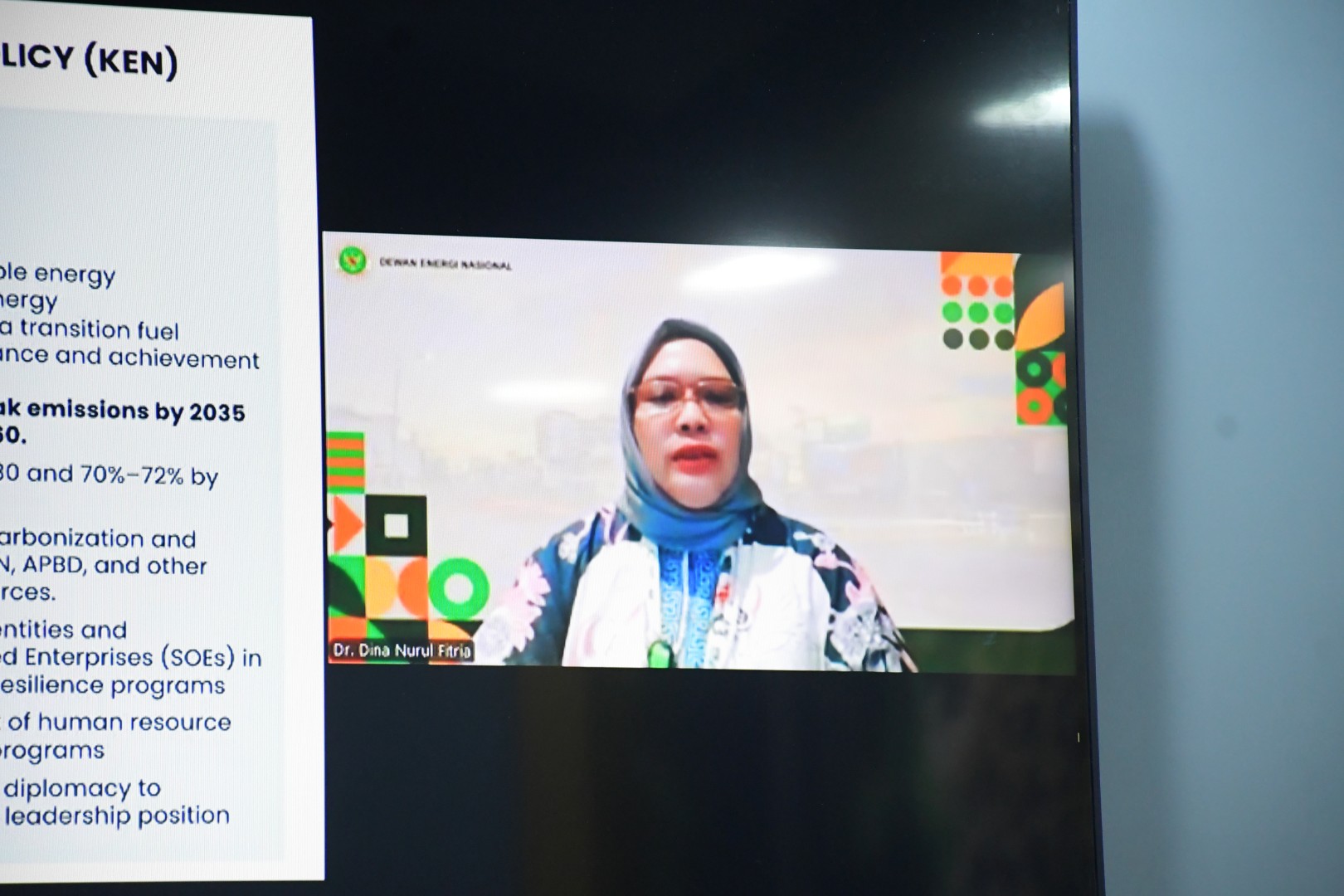
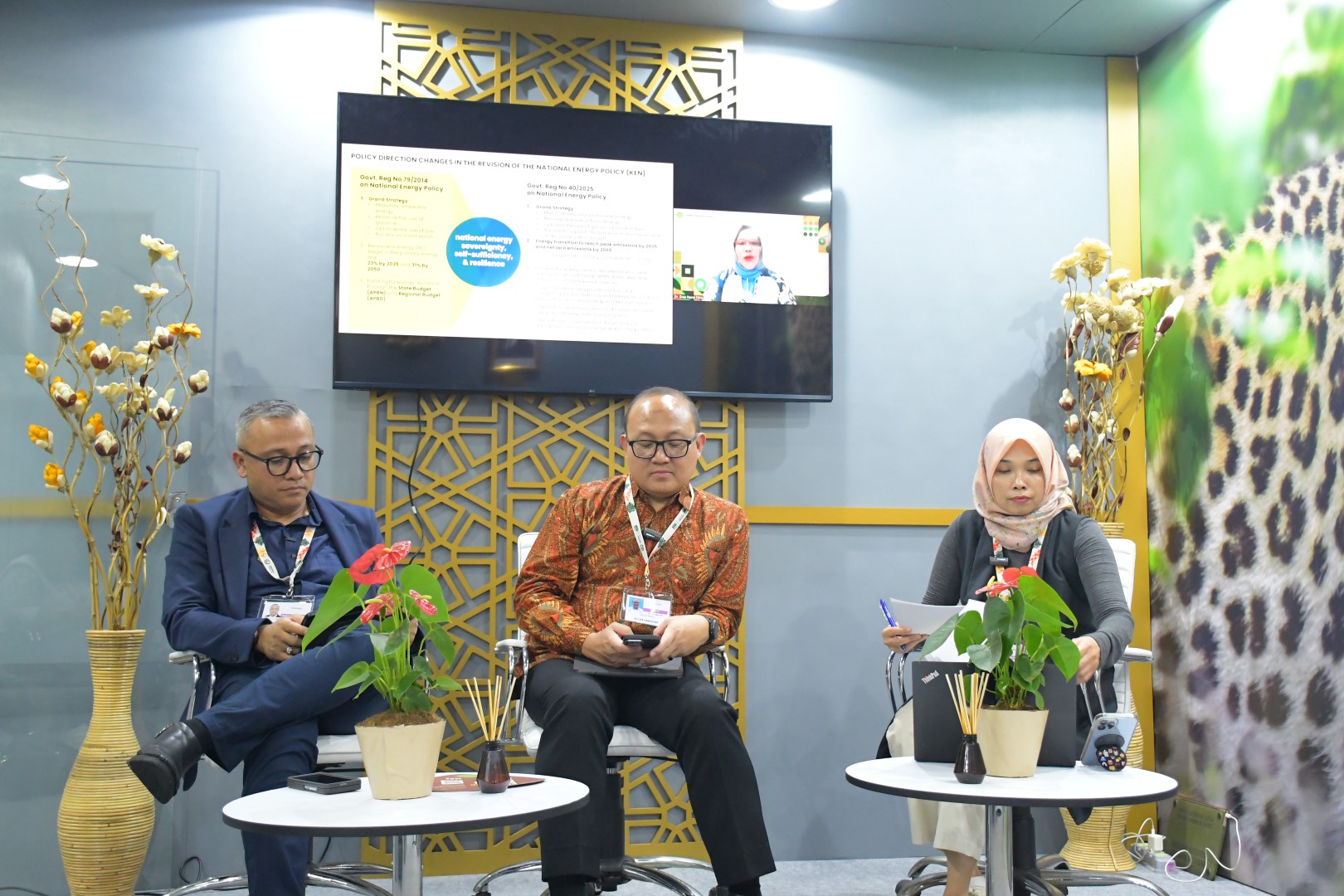
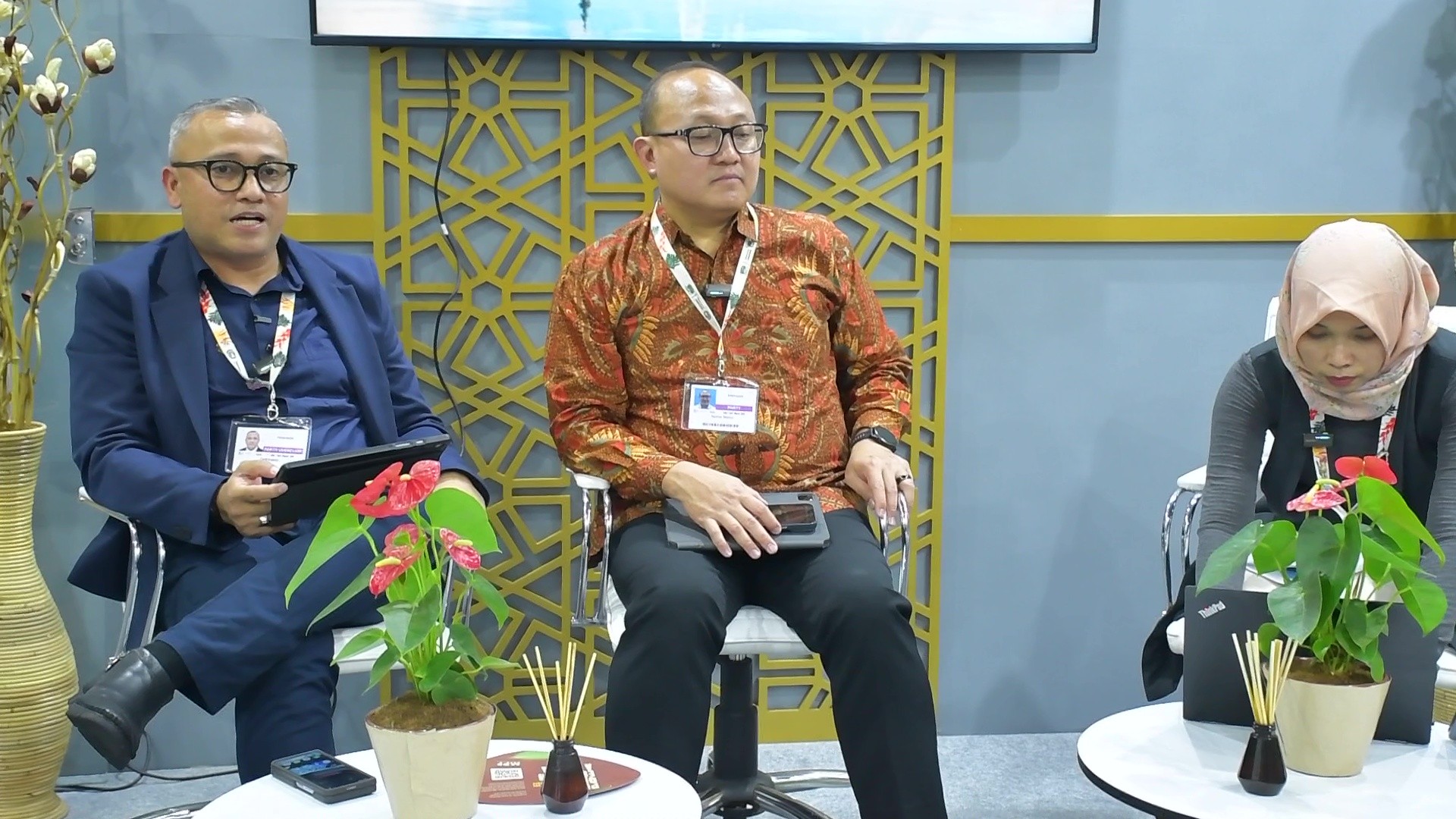
In this context, the session on “Biodiversity Corridors in a Warming World: Enhancing Ecosystem Connectivity for Climate Adaptation” at the COP30 Indonesia Pavilion aims to share knowledge and implementation on how biodiversity planning—through Pre-BAP screenings and BAP—can support the integration of ecological connectivity into both new and existing projects. One of the case studies to be presented will highlight the approach taken by Pertamina Hulu Energi, a subholding of PT Pertamina (Persero), in aligning biodiversity conservation with the operational realities of the oil and gas sector.