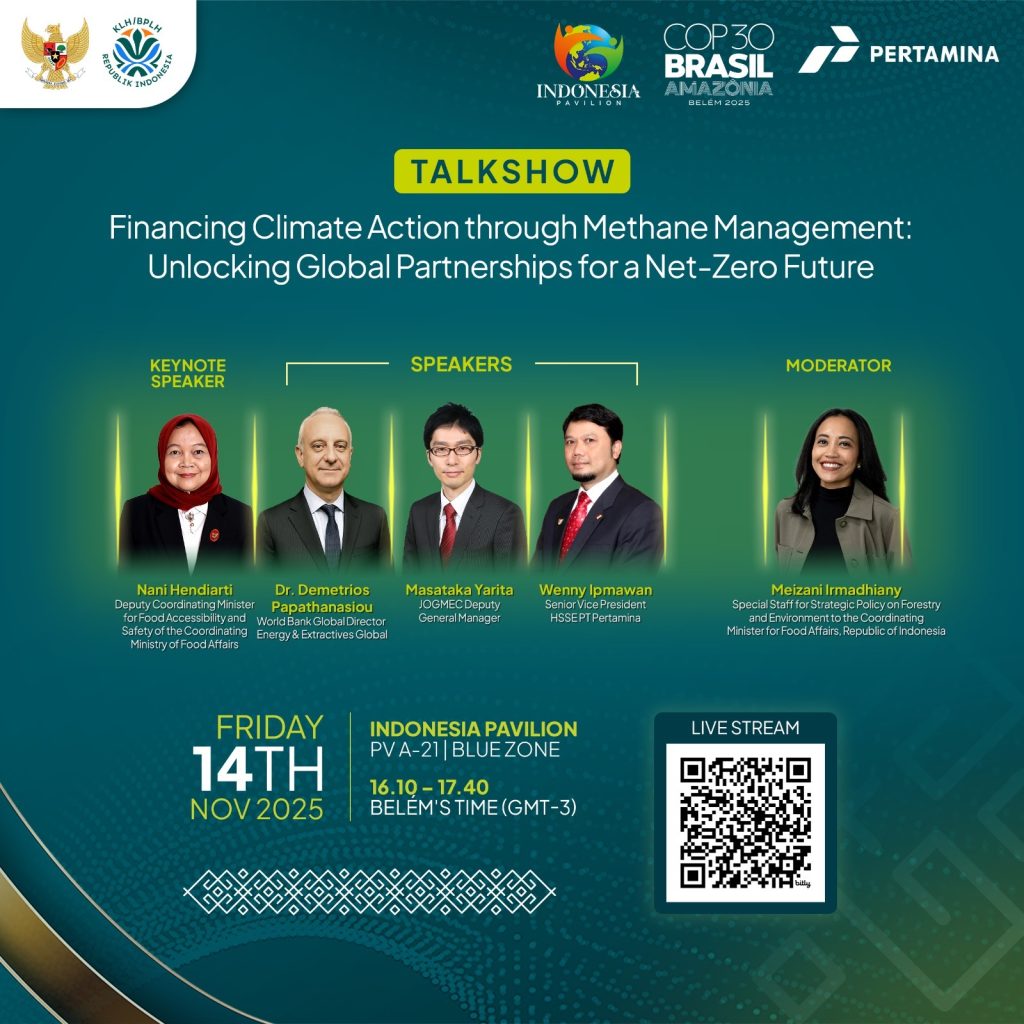
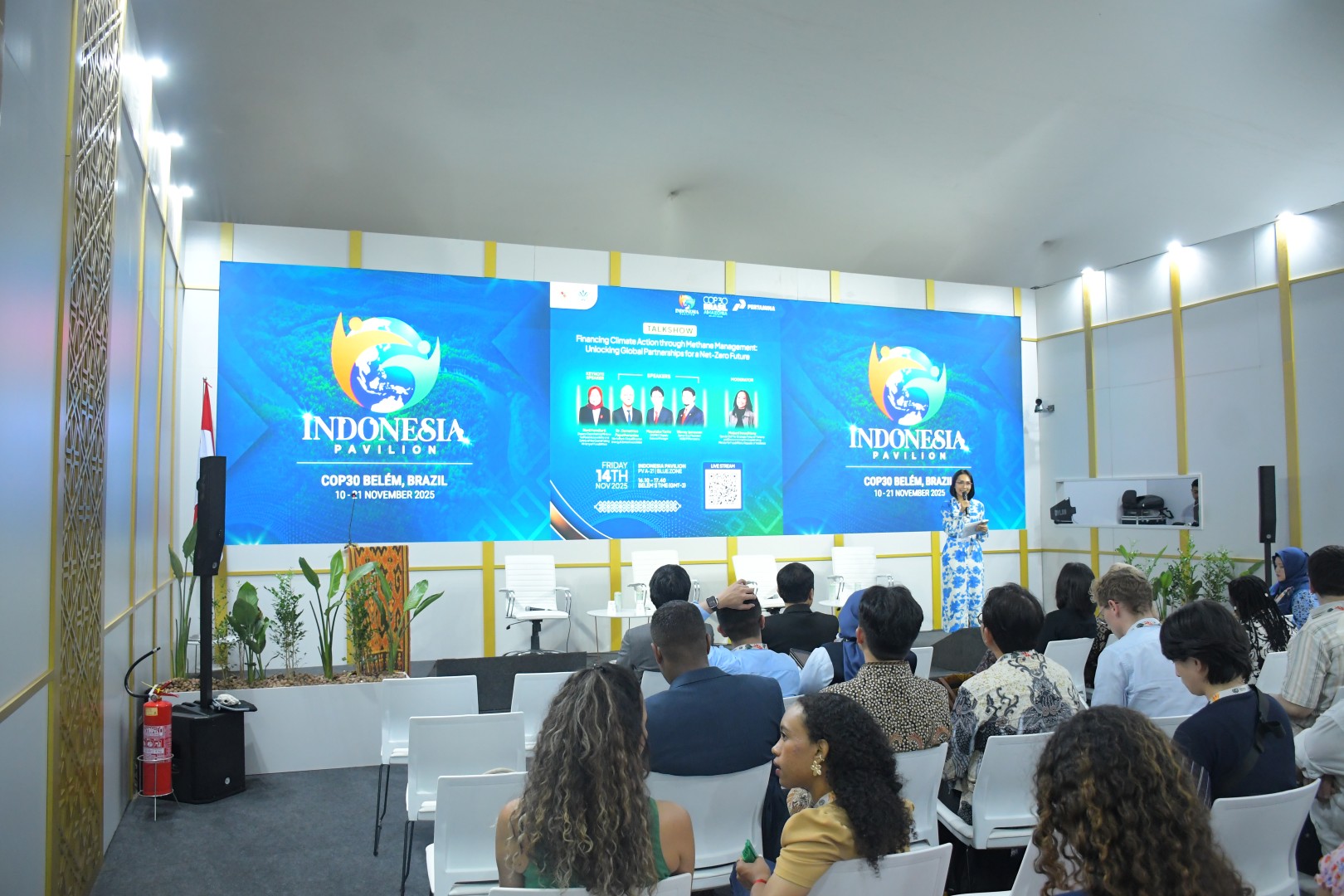
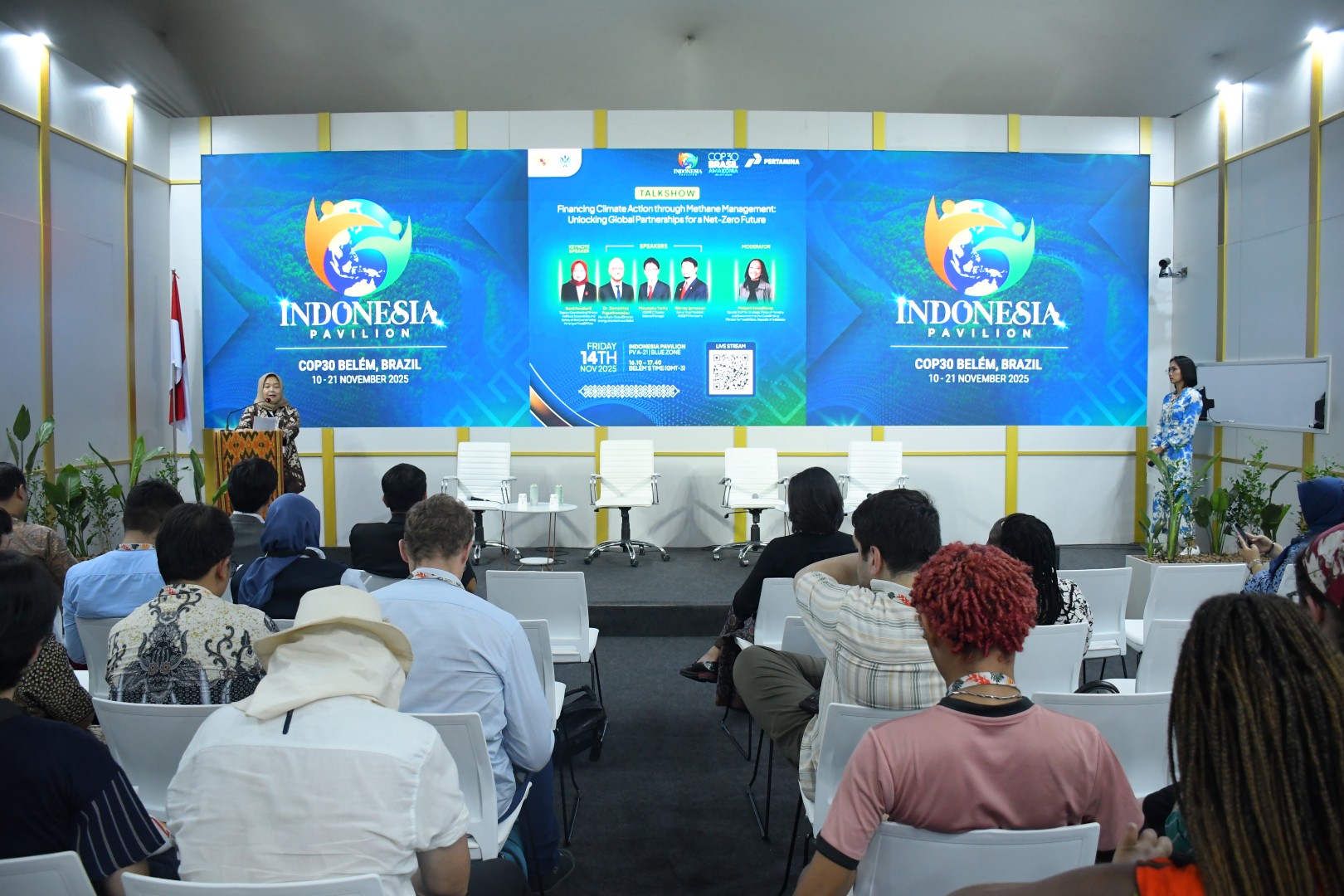
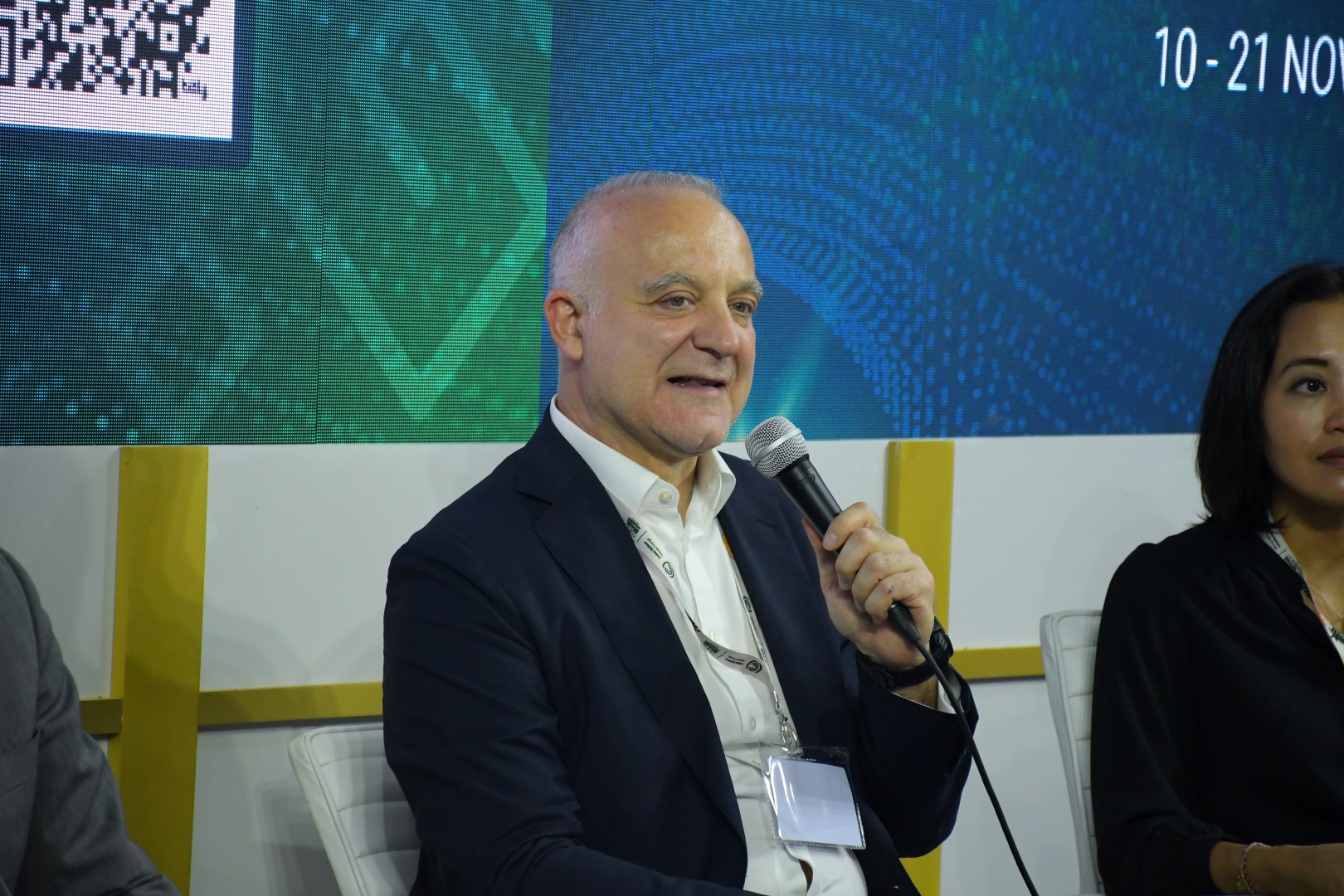
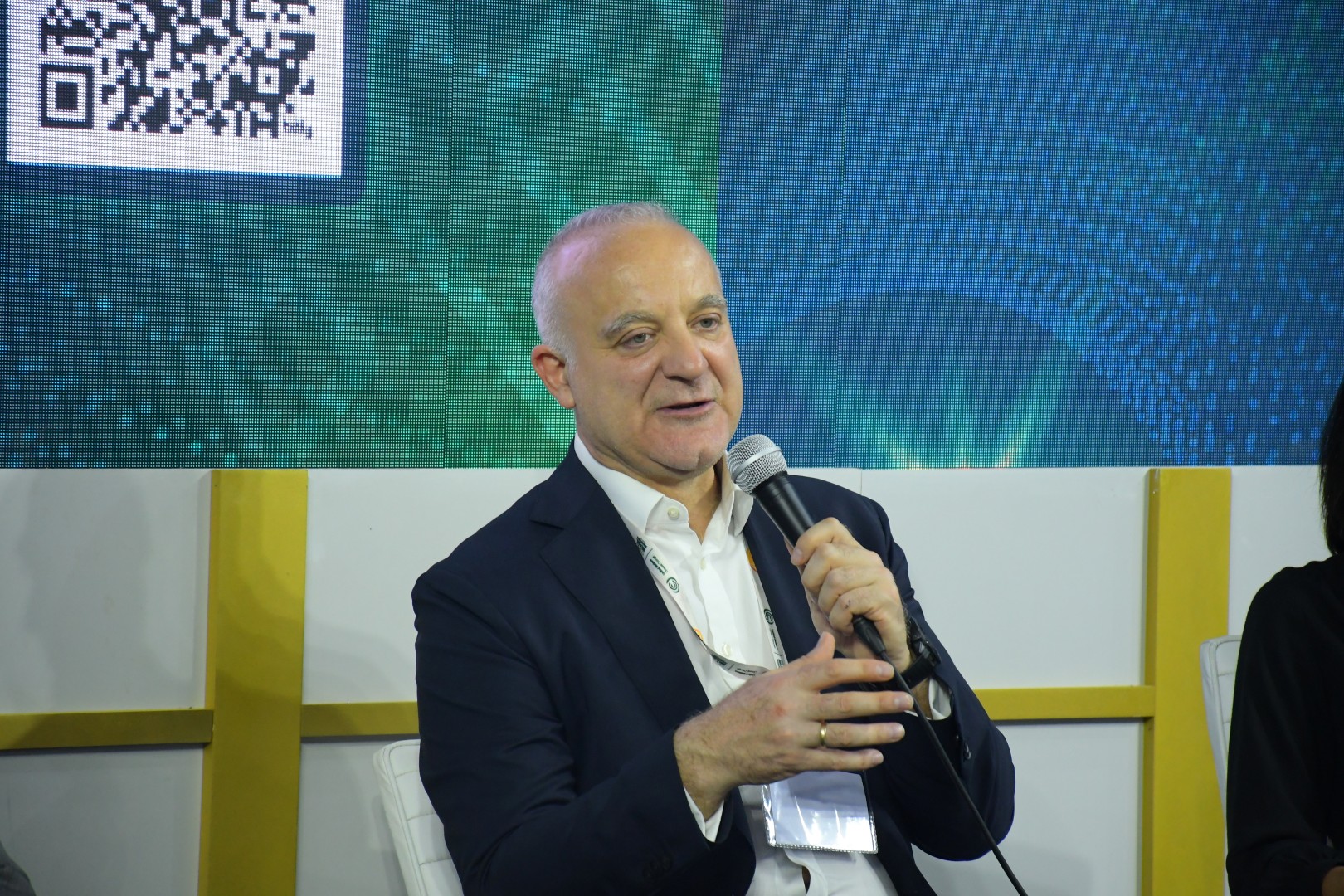
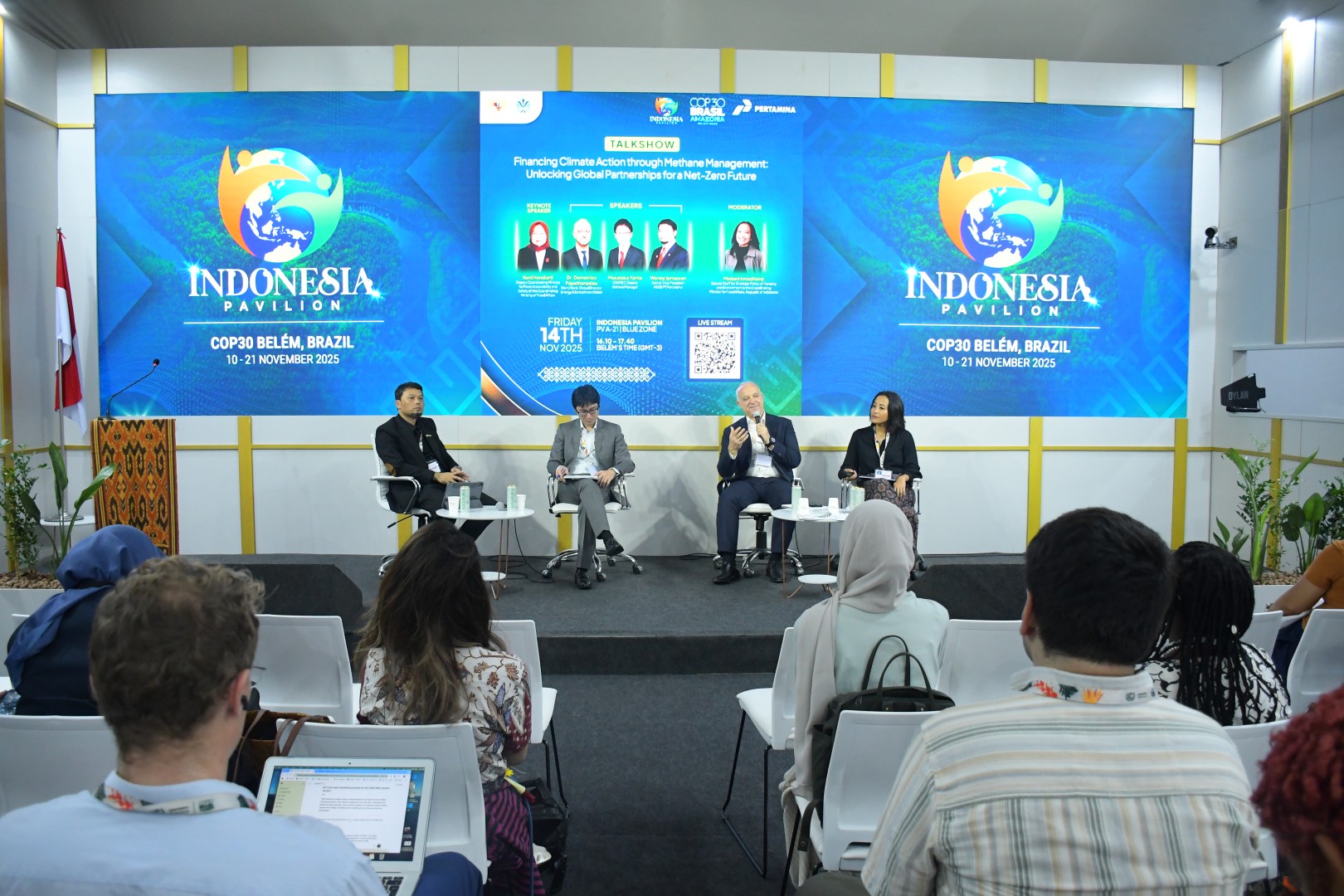
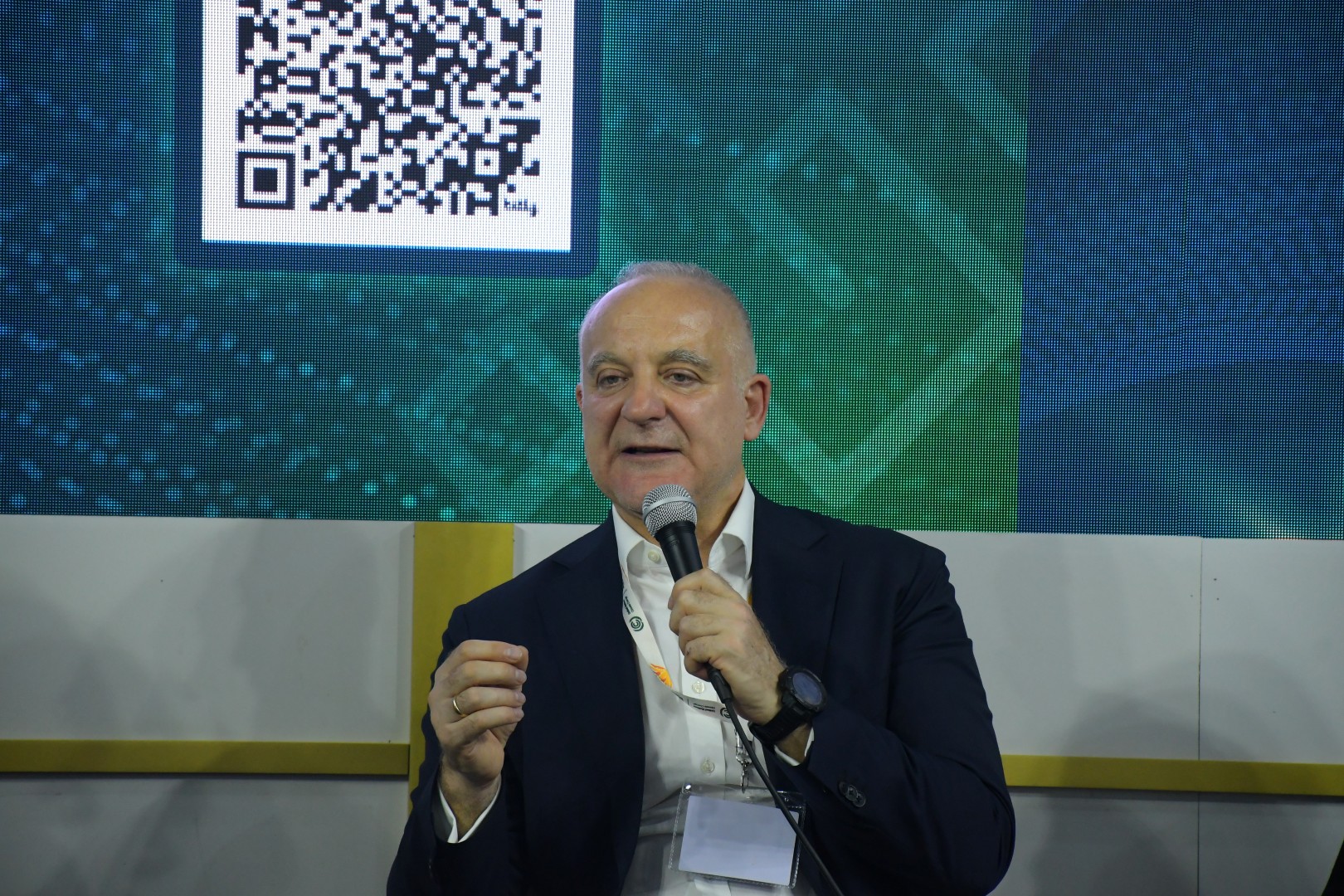
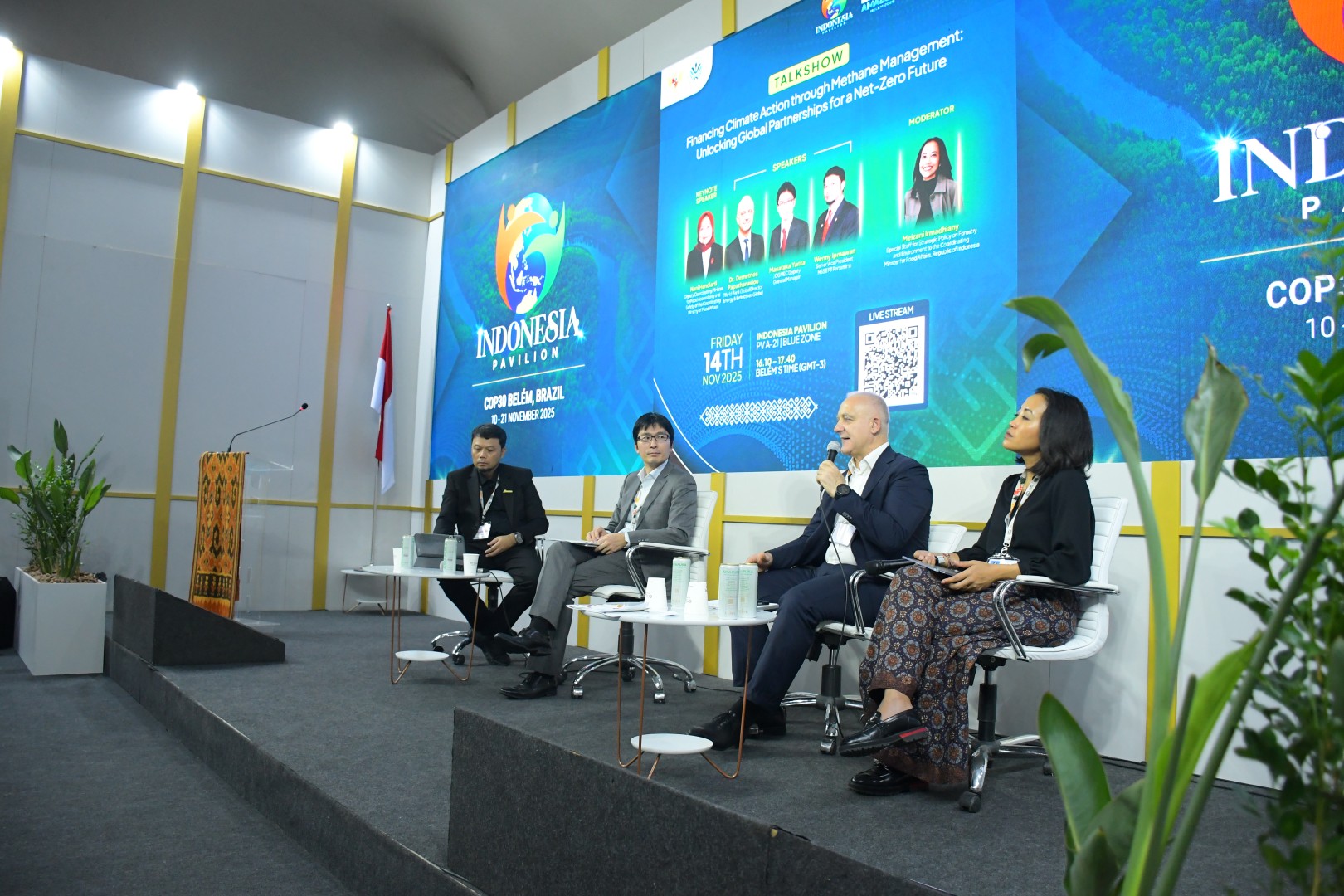
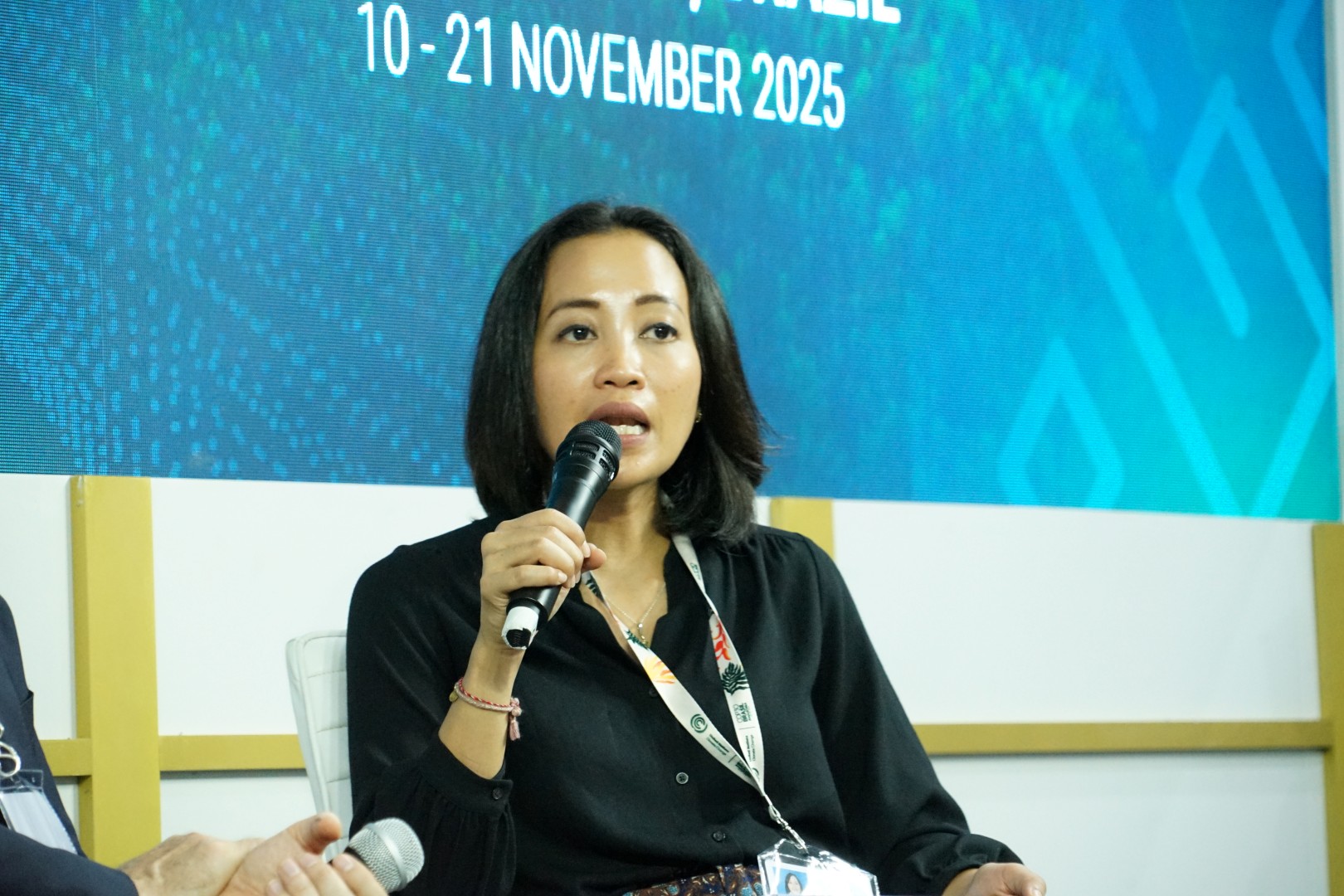
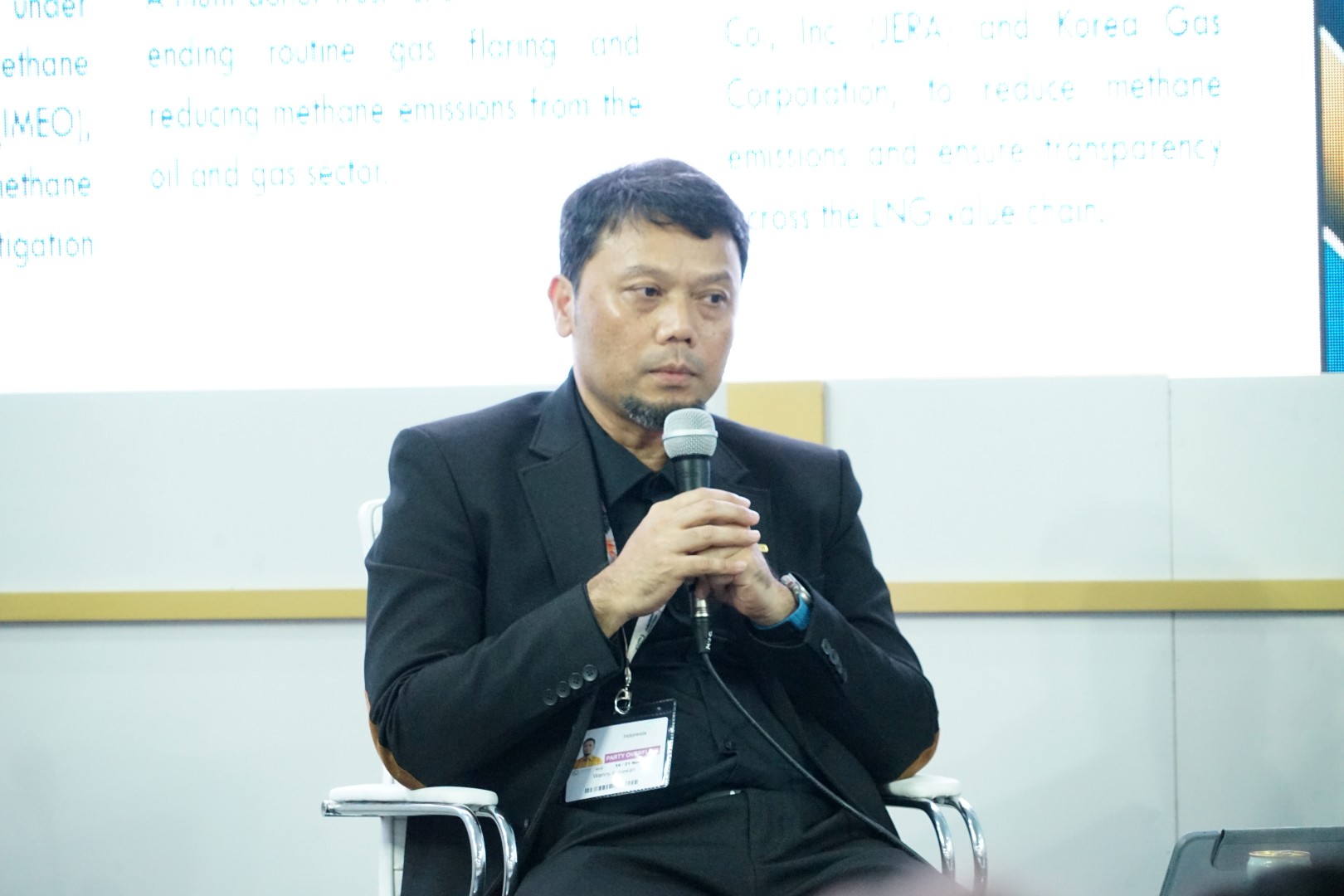
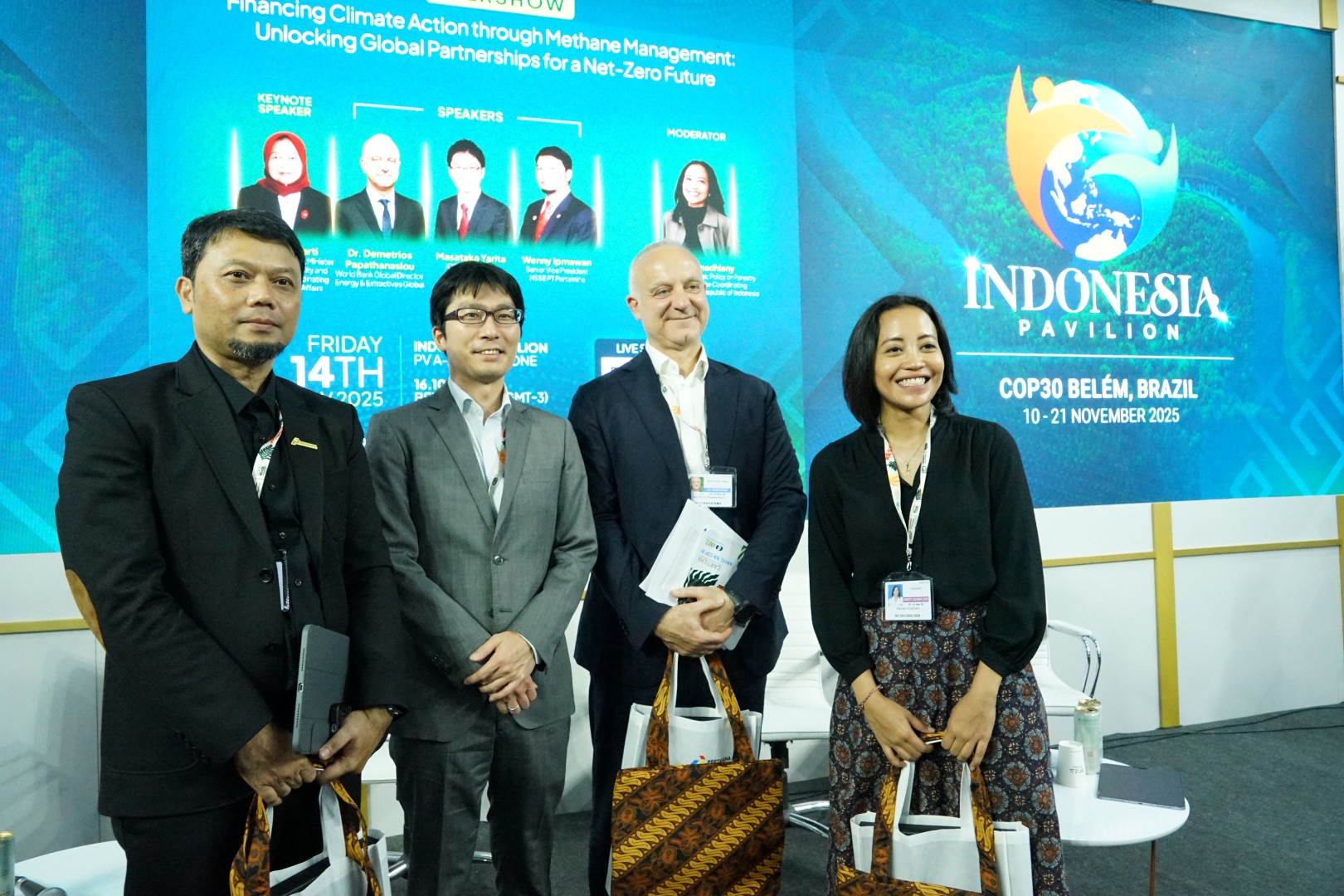
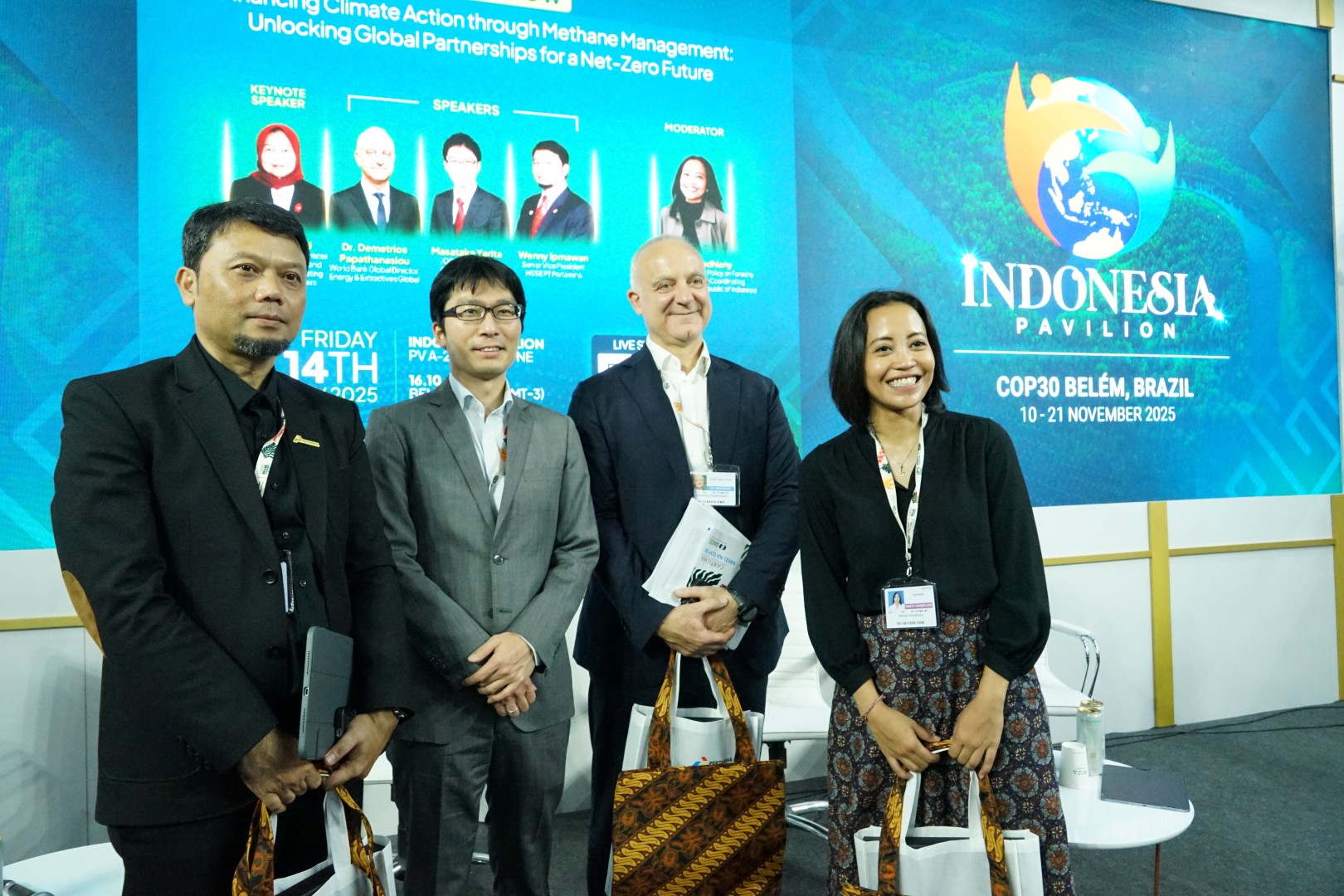
D2 – Financing Climate Action through Methane Management: Unlocking Global Partnerships for a Net-Zero Future

Session > D2 – Financing Climate Action through Methane Management: Unlocking Global Partnerships for a Net-Zero Future

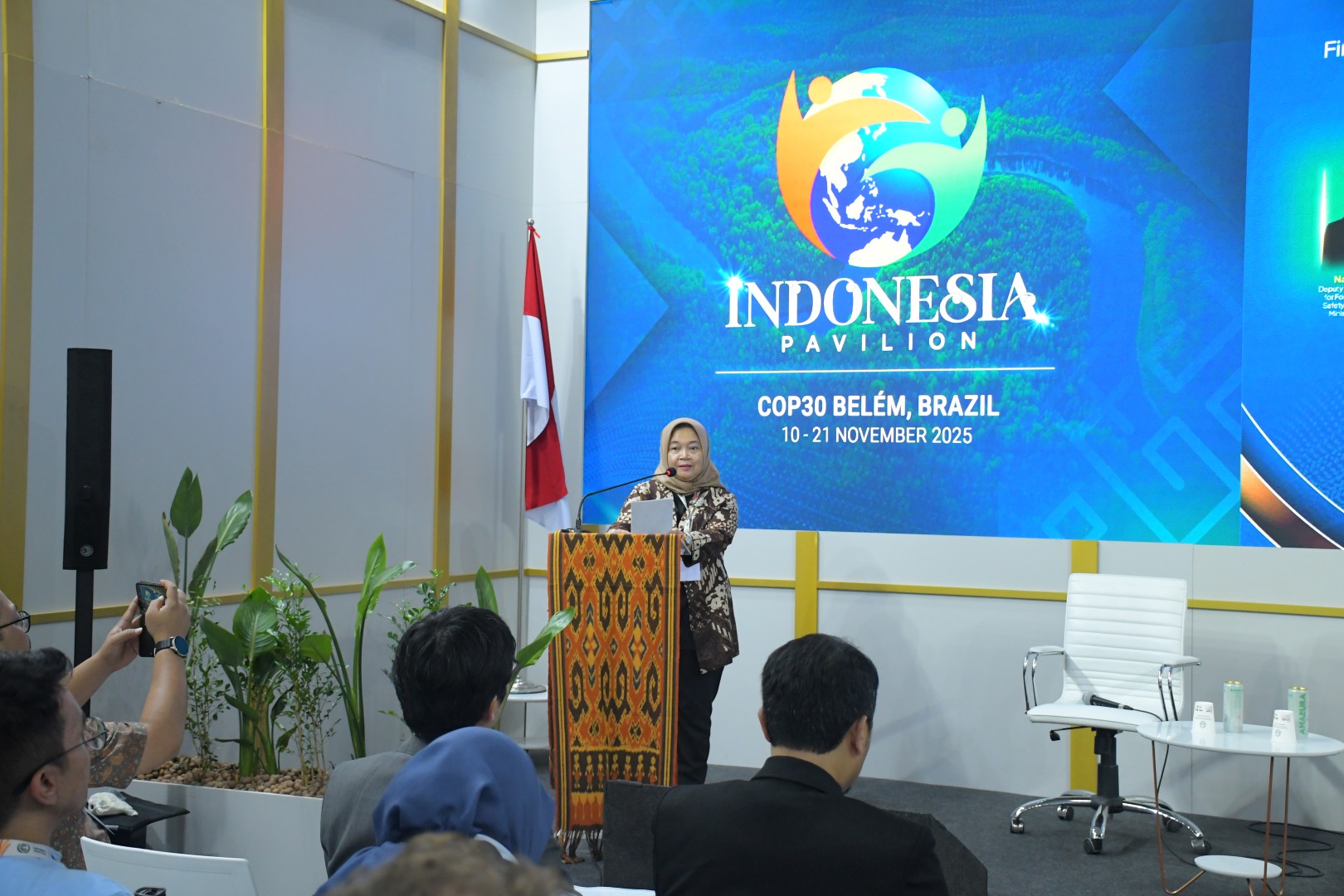
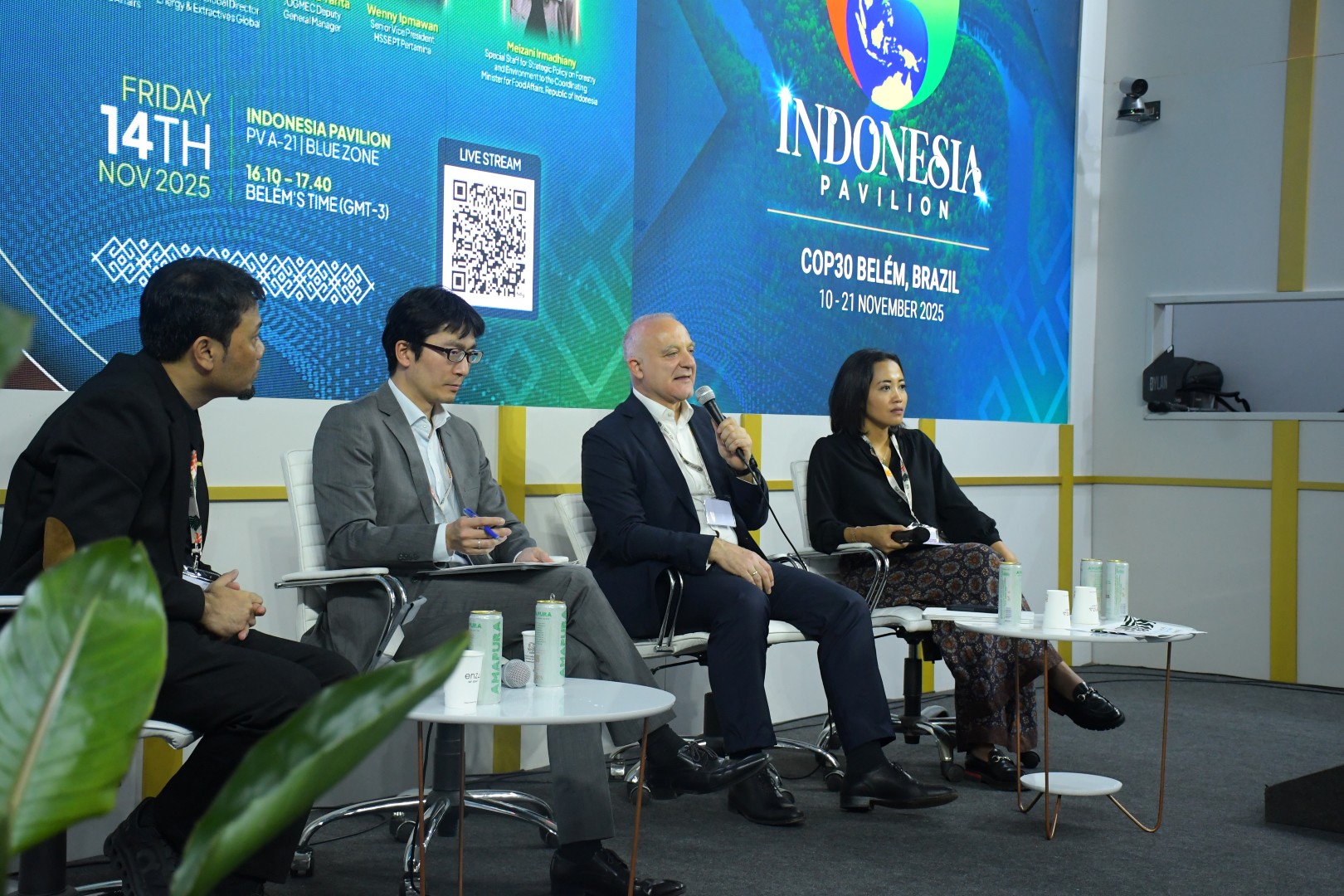
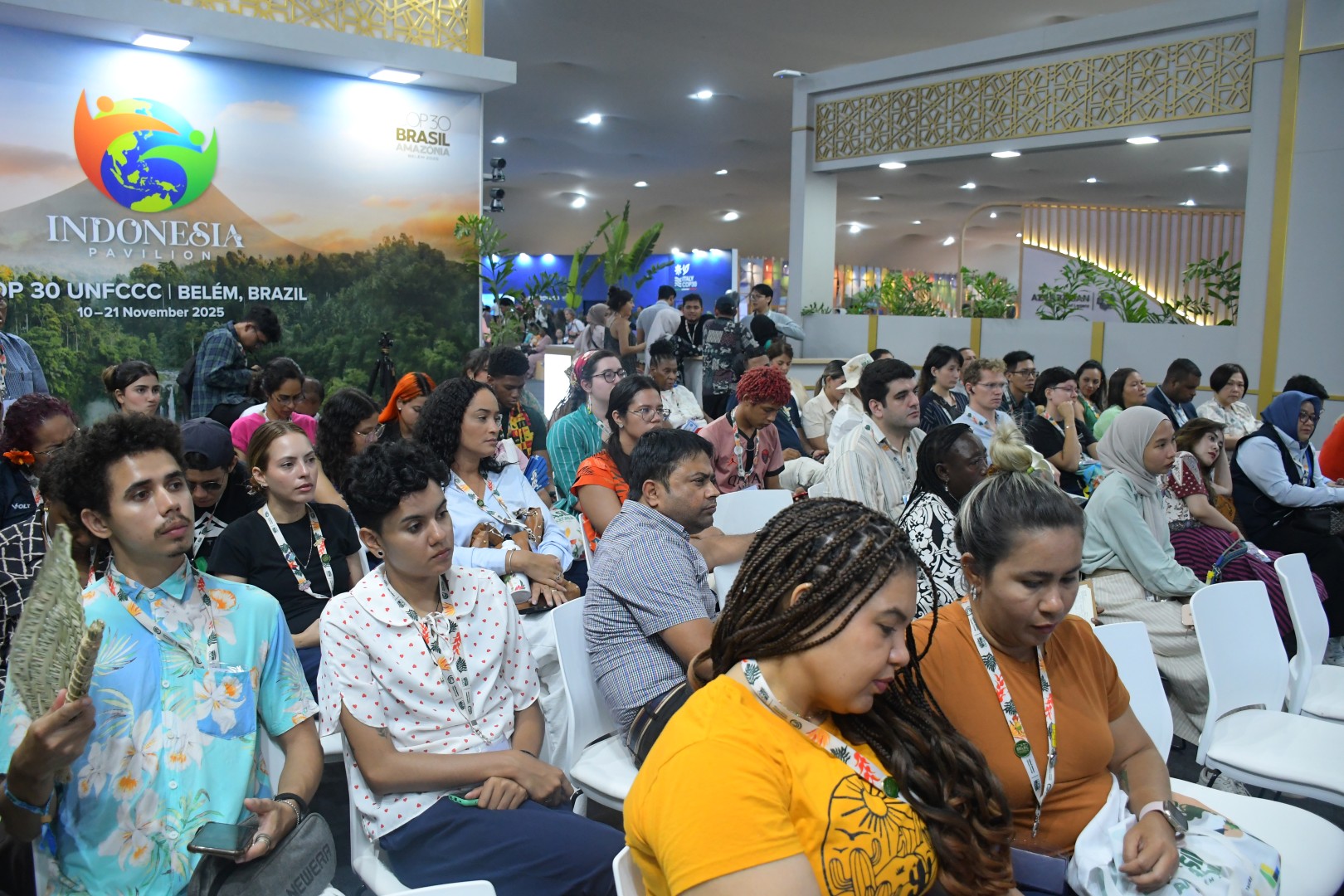
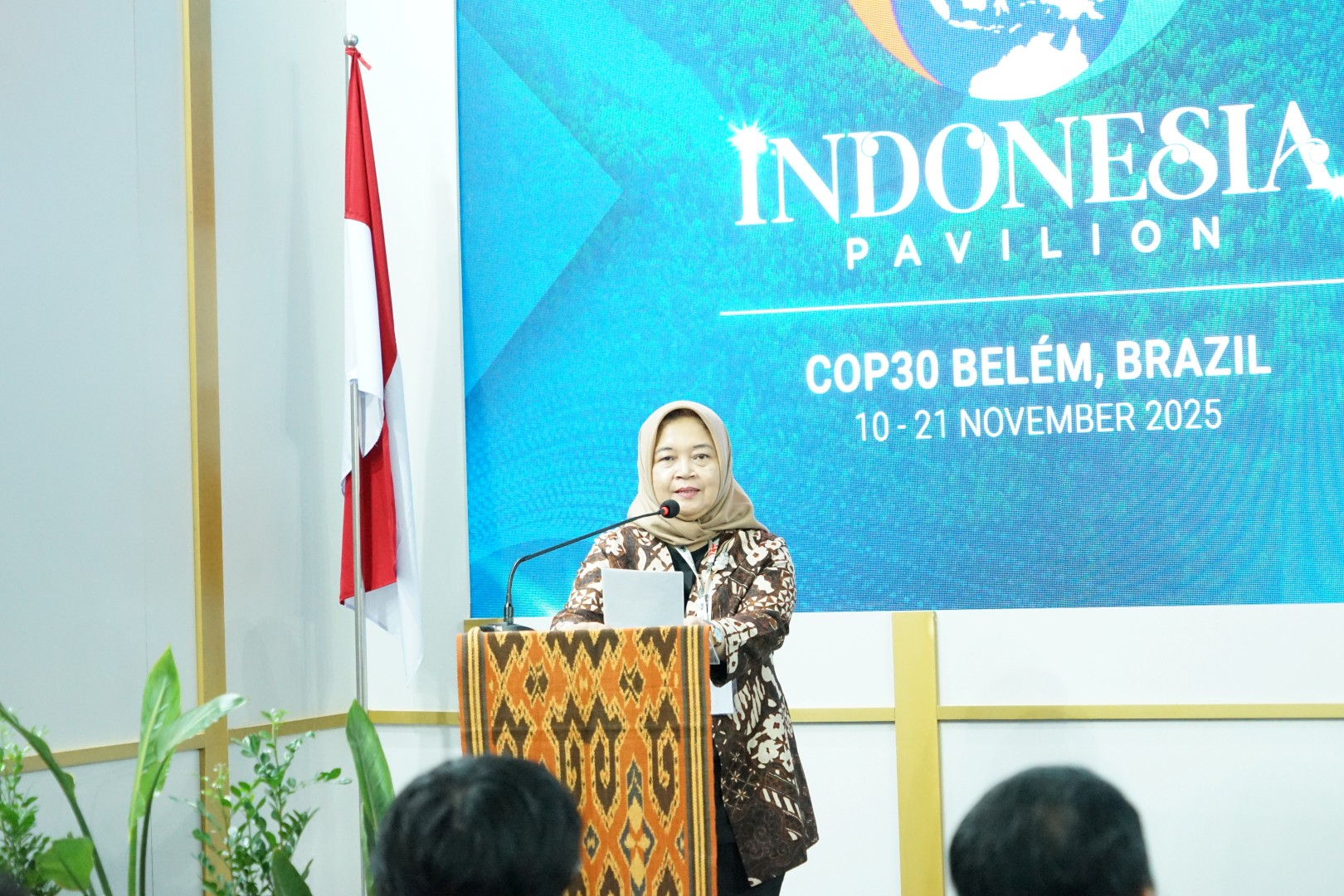
Indonesia Pavilion COP30
November 14, 2025 | 4:10 pm - 5:40 pm
About

A. Background

Methane is a potent greenhouse gas with a global warming potential more than 80 times that of CO2 over a 20-year period. Addressing methane emissions, particularly from the oil and gas sector, has been recognized as one of the fastest and most cost-effective pathways to slow global warming and advance the net-zero agenda. However, achieving meaningful reductions requires significant investment and financing to scale up methane measurement, reporting, and abatement technologies.

For the energy industry, reducing methane emissions is not only the most effective but also the most practical area to address in order to lower environmental impacts. Recovery and utilization of methane—the main component of natural gas—without leakage across the entire value chain, from upstream production operations, through midstream transportation and liquefaction, to downstream delivery and utilization, is essential. Preventing methane release into the atmosphere avoids its far greater greenhouse effect compared to CO2, while also improving the economics of energy businesses by ensuring that more valuable methane reaches end users.

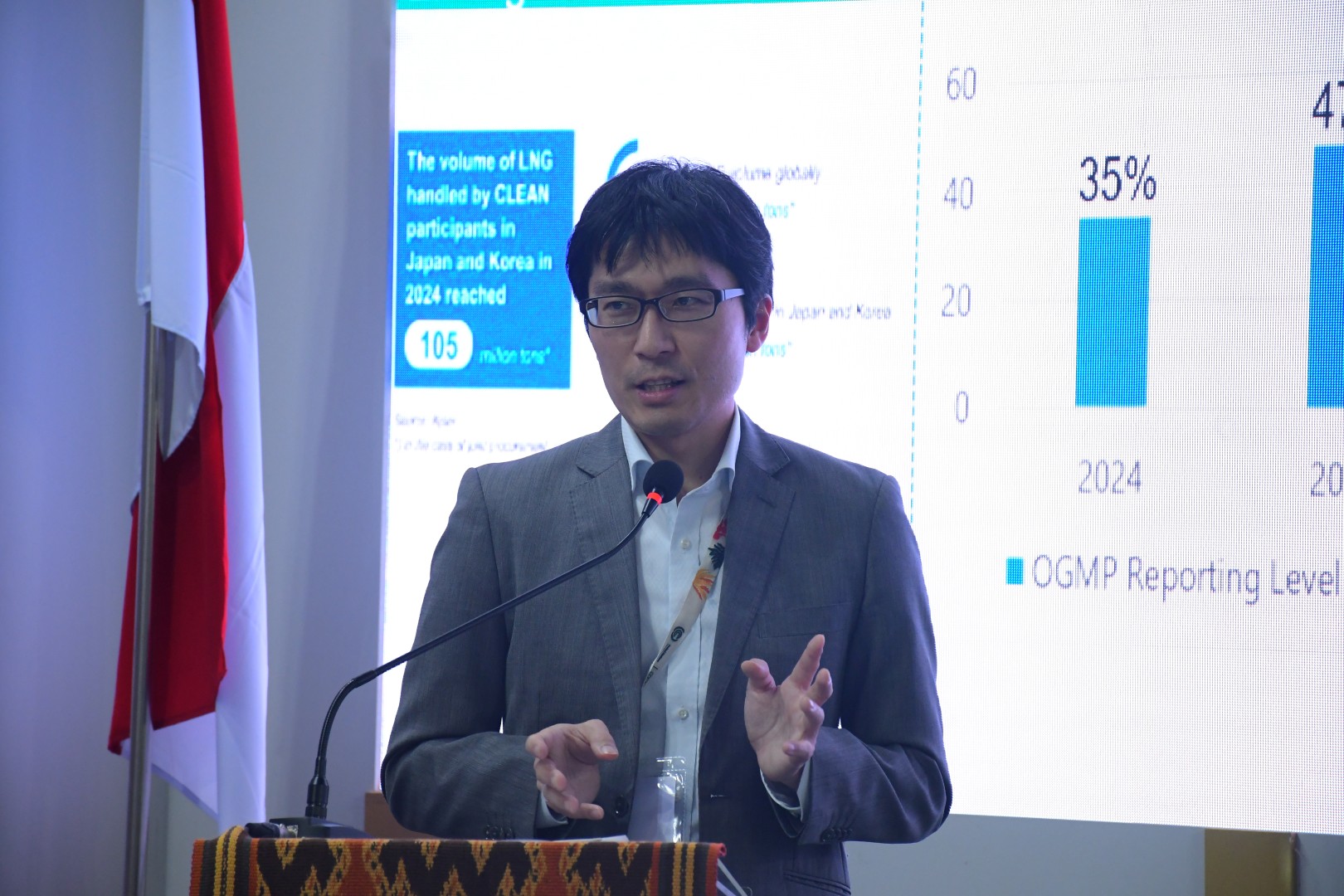
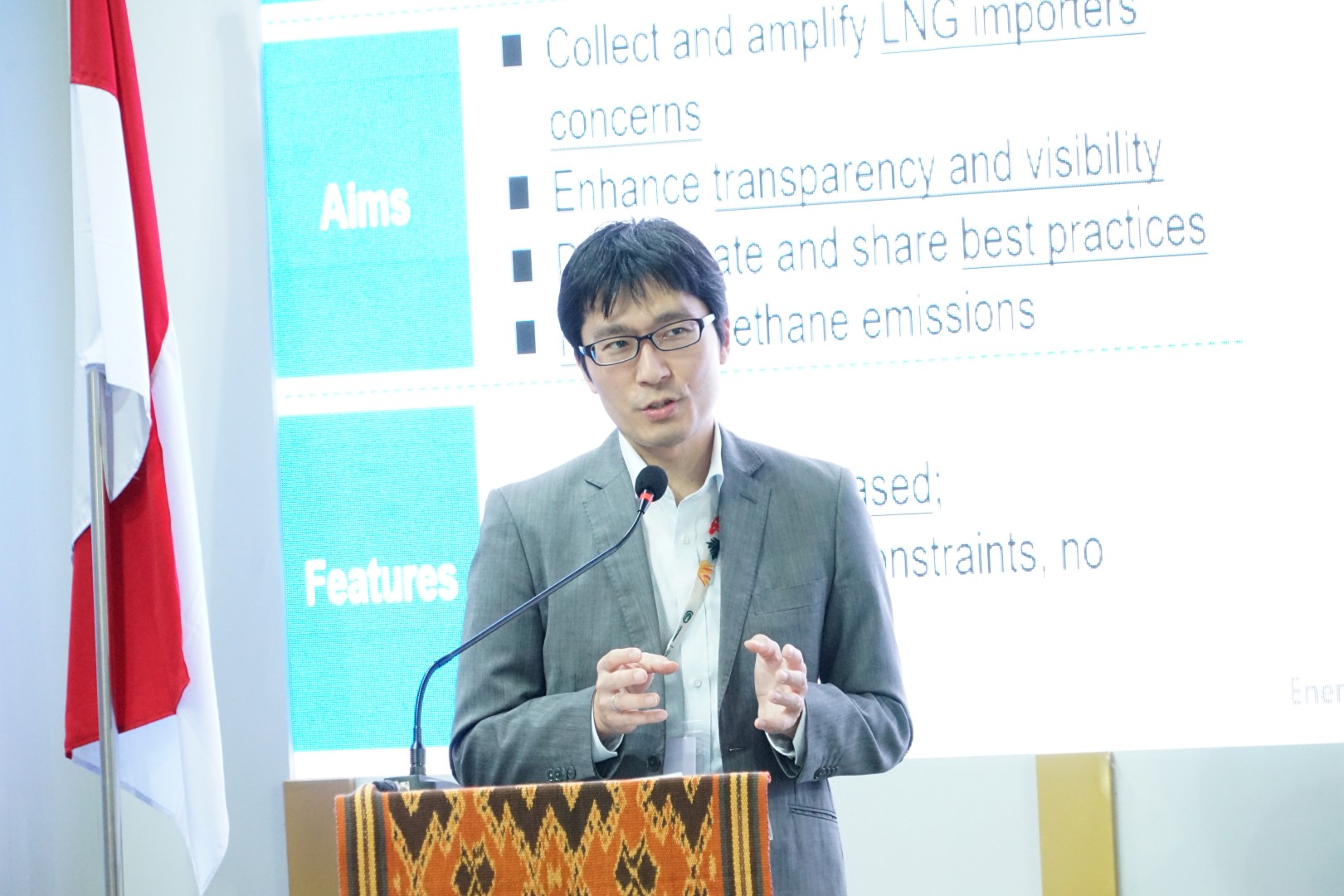
This talkshow is aligned with international initiatives such as the World Bank’s Global Flaring and Methane Reduction Partnership (GFMR) and the Japan Oil, Gas and Metals National Corporation (JOGMEC)’s Coalition for LNG Emission Abatement toward Net-zero (CLEAN Initiative). These programs demonstrate how financing and technology transfer can accelerate methane mitigation and contribute directly to climate action. By convening stakeholders from financial institutions, governments, and industry, the session will explore innovative financing models that can scale up methane management and position it as a critical enabler of the global energy transition.


 

B. Objective and Output

The session aims to highlight the role of financing in advancing methane management and to showcase how multilateral (World Bank) and bilateral (JOGMEC) initiatives can mobilize resources and drive innovation. It will foster dialogue on how methane abatement can be integrated into broader climate finance strategies, ensuring alignment with global energy transition goals. The discussion also seeks to provide actionable recommendations on financing frameworks and mechanisms that can be replicated and scaled across regions, particularly in emerging markets, to accelerate climate action.
C. Target Audience

The primary audience includes policymakers and government officials from ministries of climate, energy, and finance, as well as representatives from multilateral development banks, international financial institutions, and donor agencies. In addition, the session will engage oil and gas companies, energy investors, and technology providers, alongside academia, research institutions, and civil society organizations working on climate finance and methane mitigation.
D. Session Format

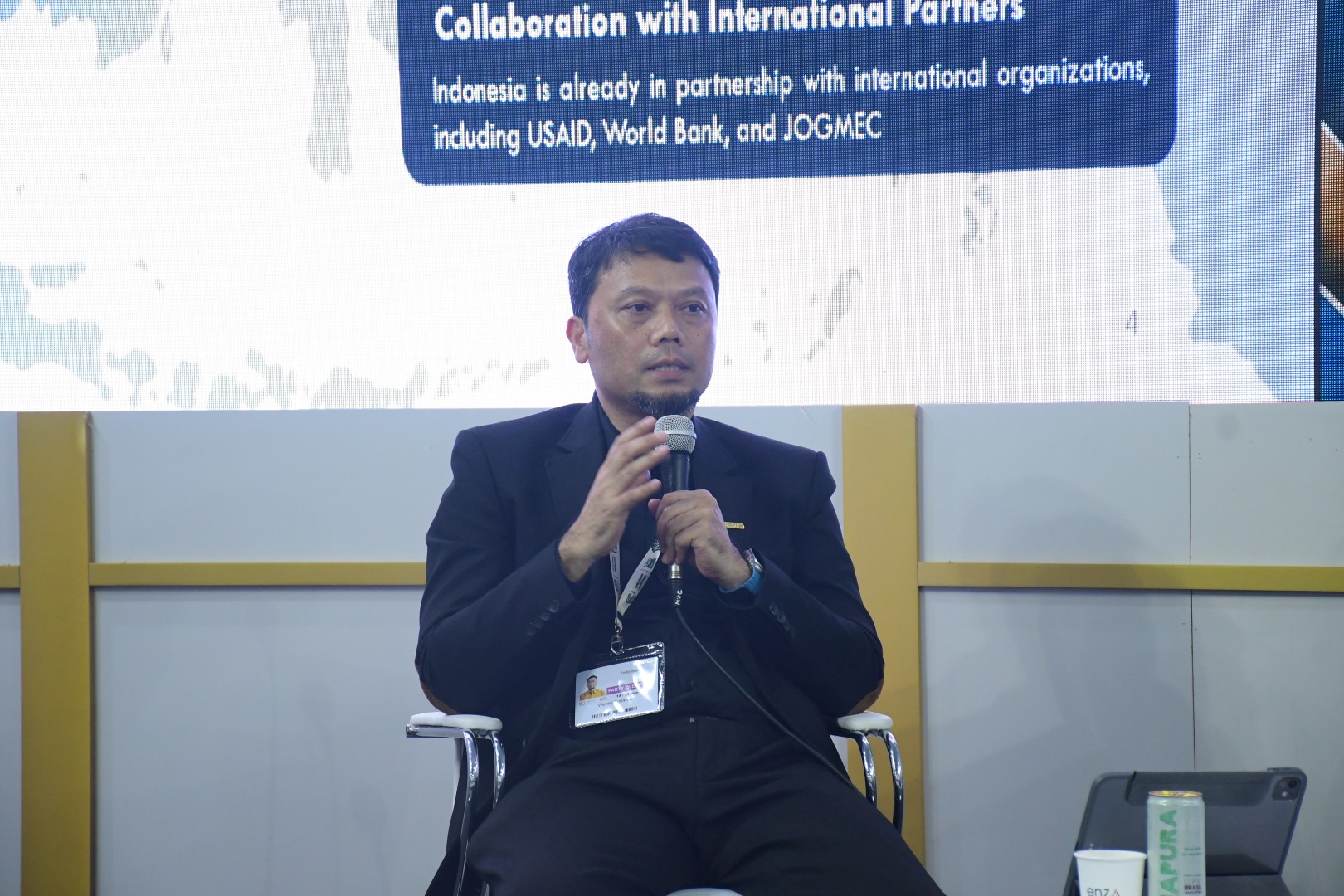
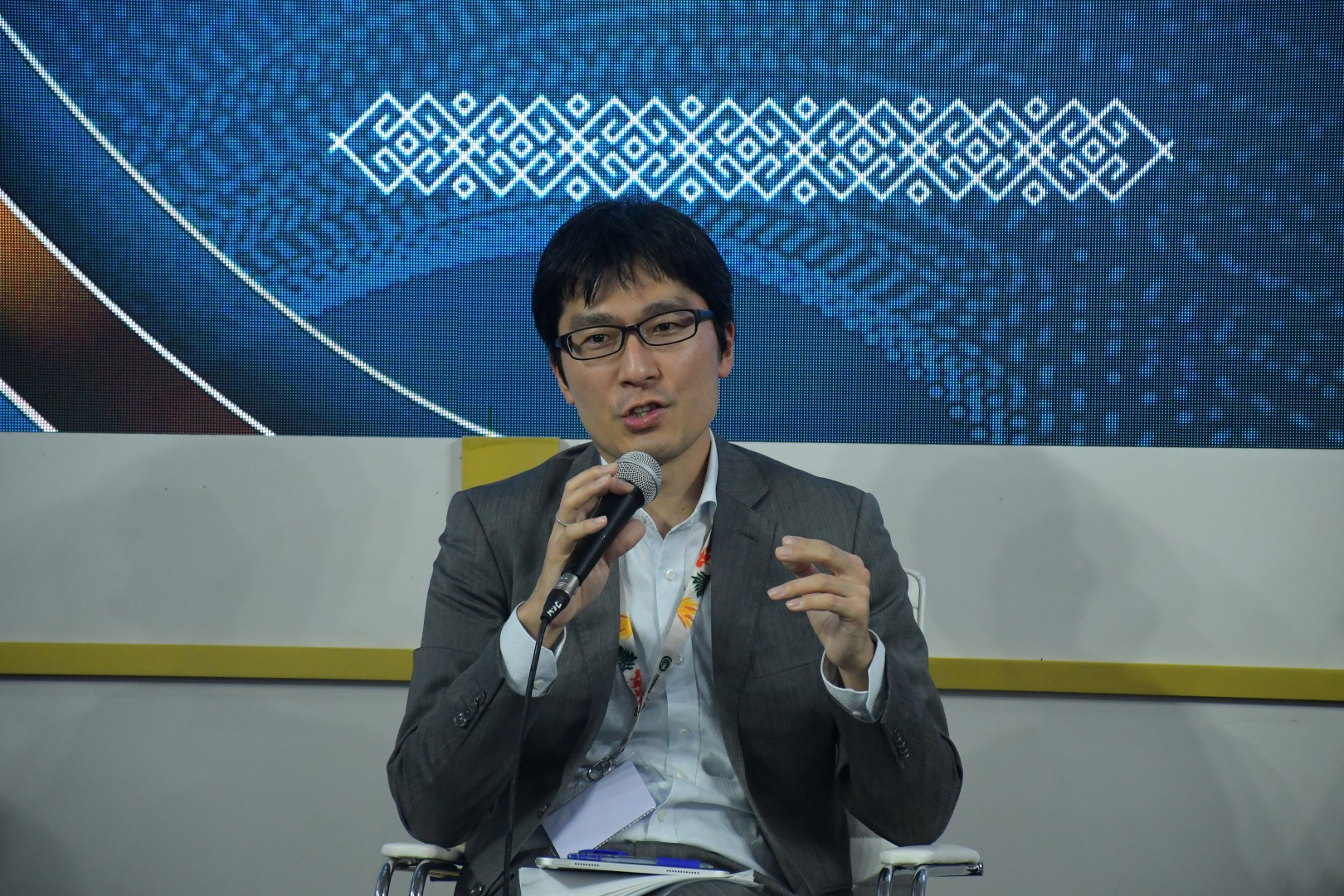
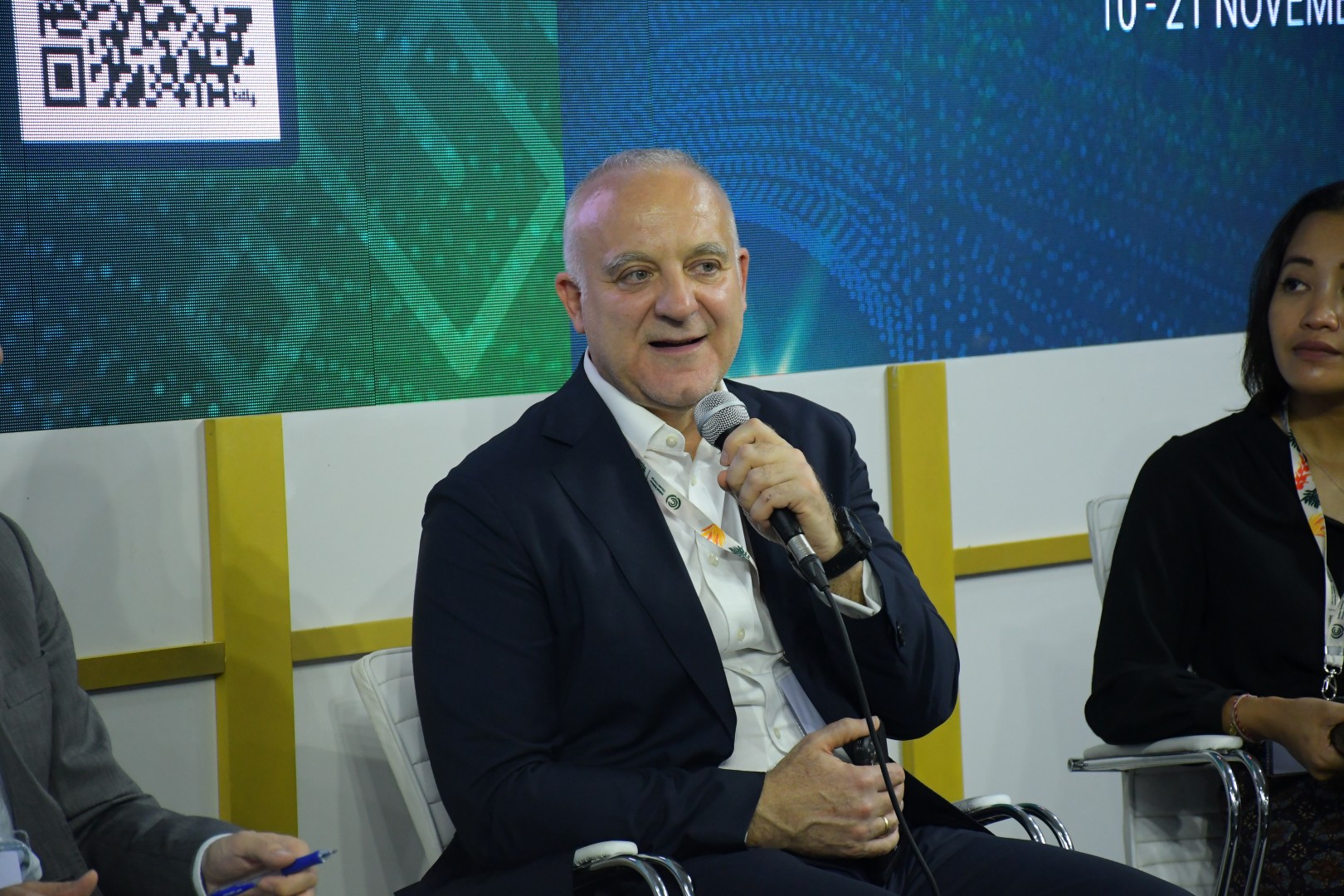
The session will be delivered in a talk show format featuring presentations, panel discussion, and Q&A session with the audience with a moderated discussion. Other speakers will be given 15 minutes each.
Live Stream
Presentations
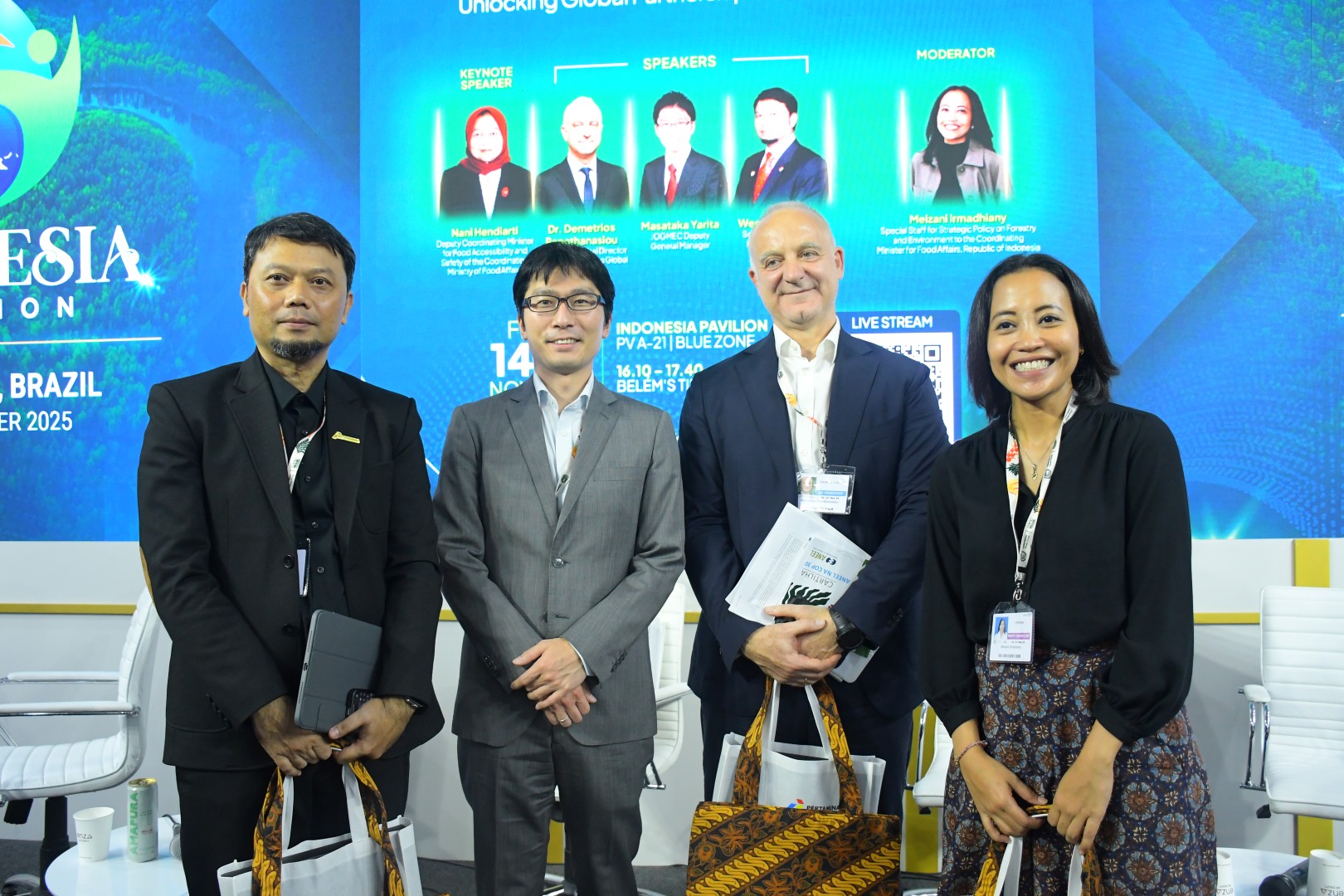
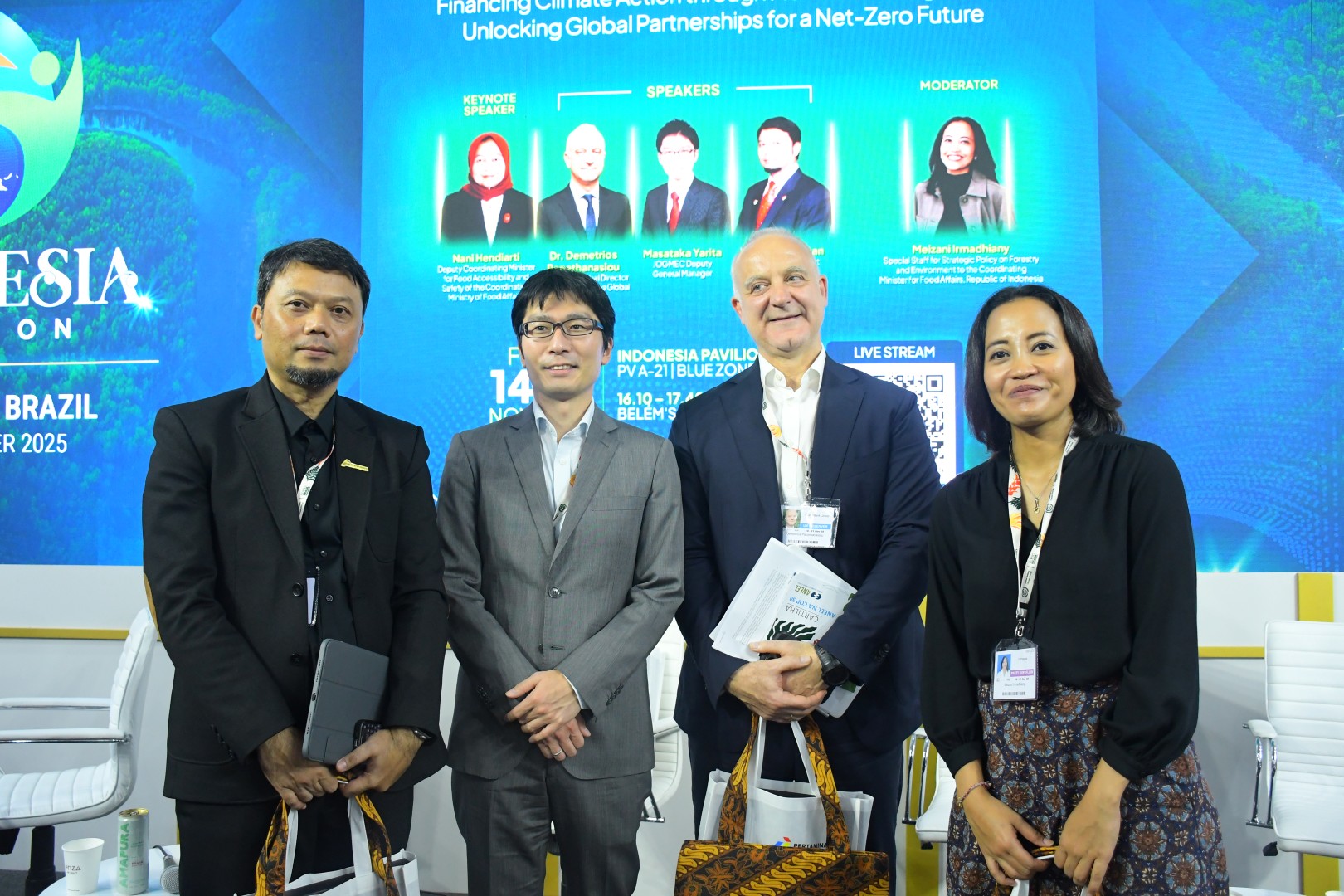
Speakers

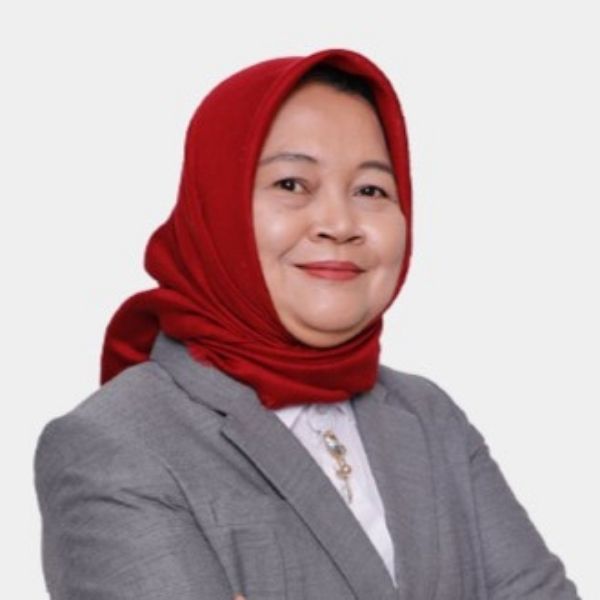
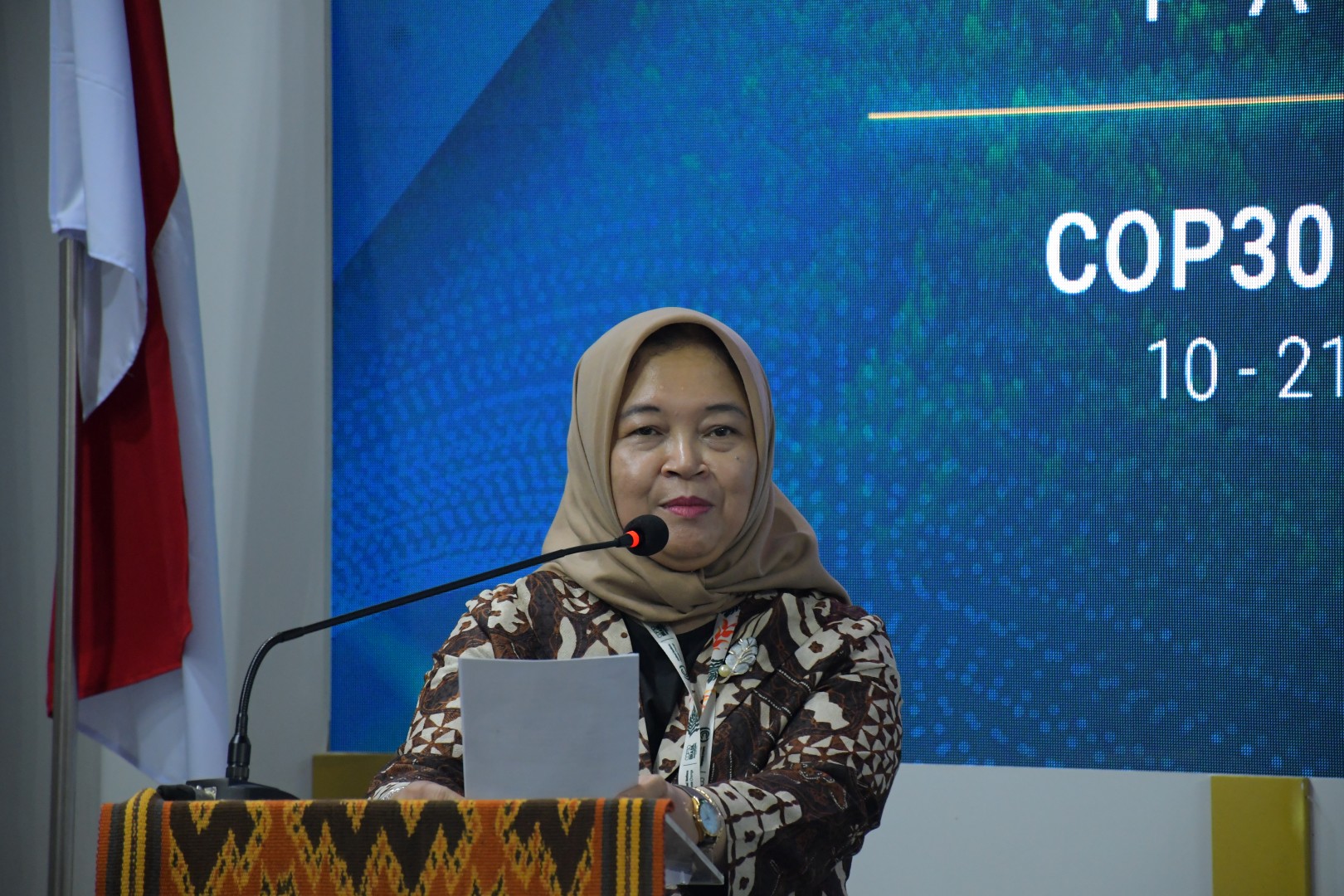
Nani Hendiarti

Deputy Coordinating Minister for Food Accessibility and Safety, Republic Indonesia

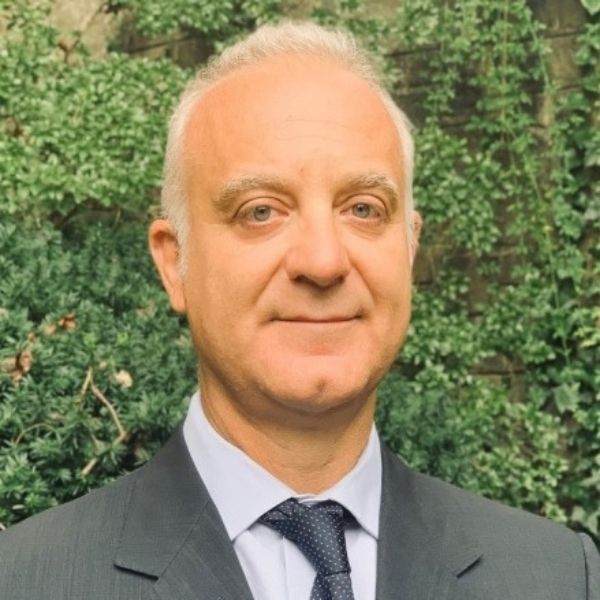
Dr. Demetrios Papathanasiou

Director Energy & Extractives Global, World Bank Global

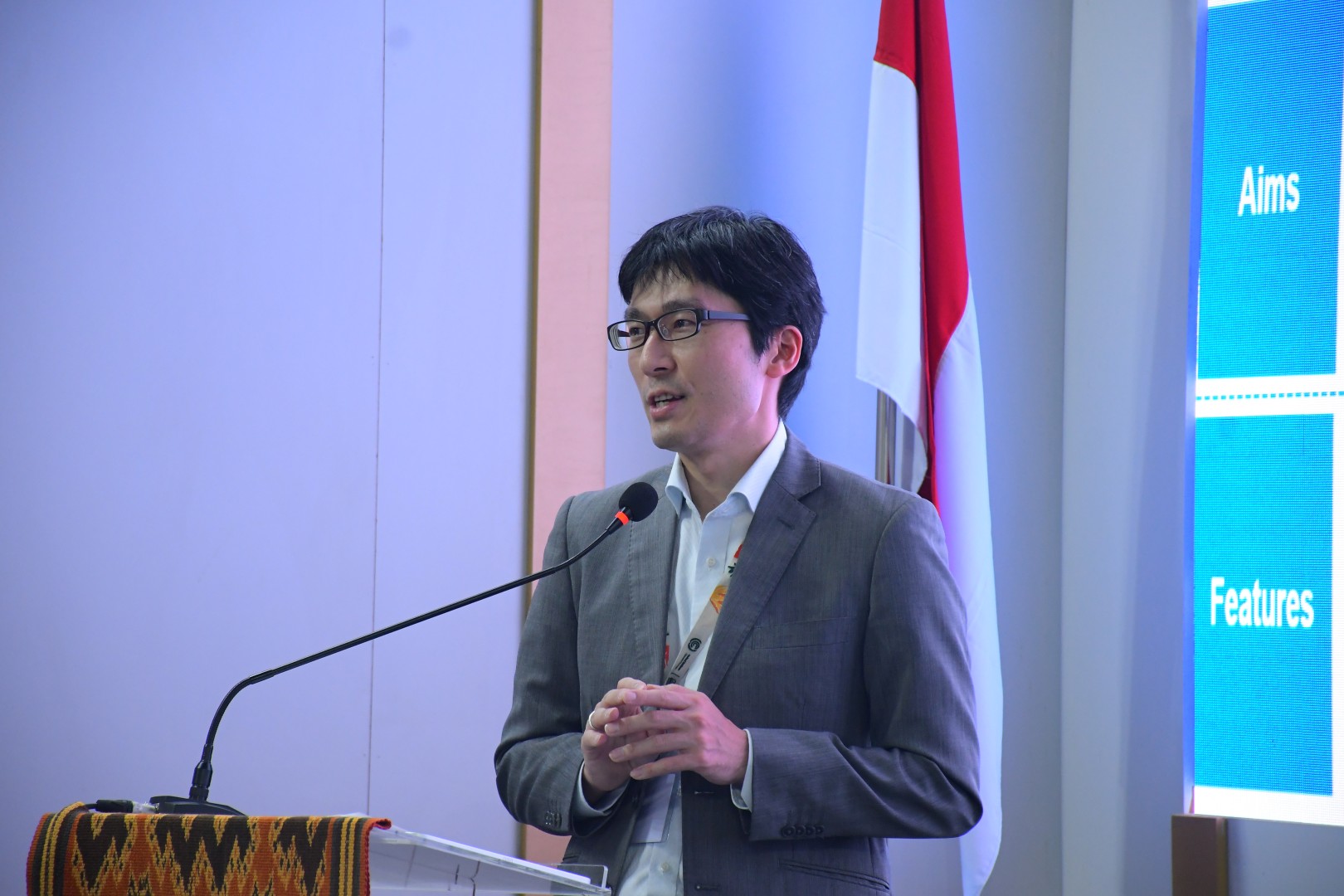
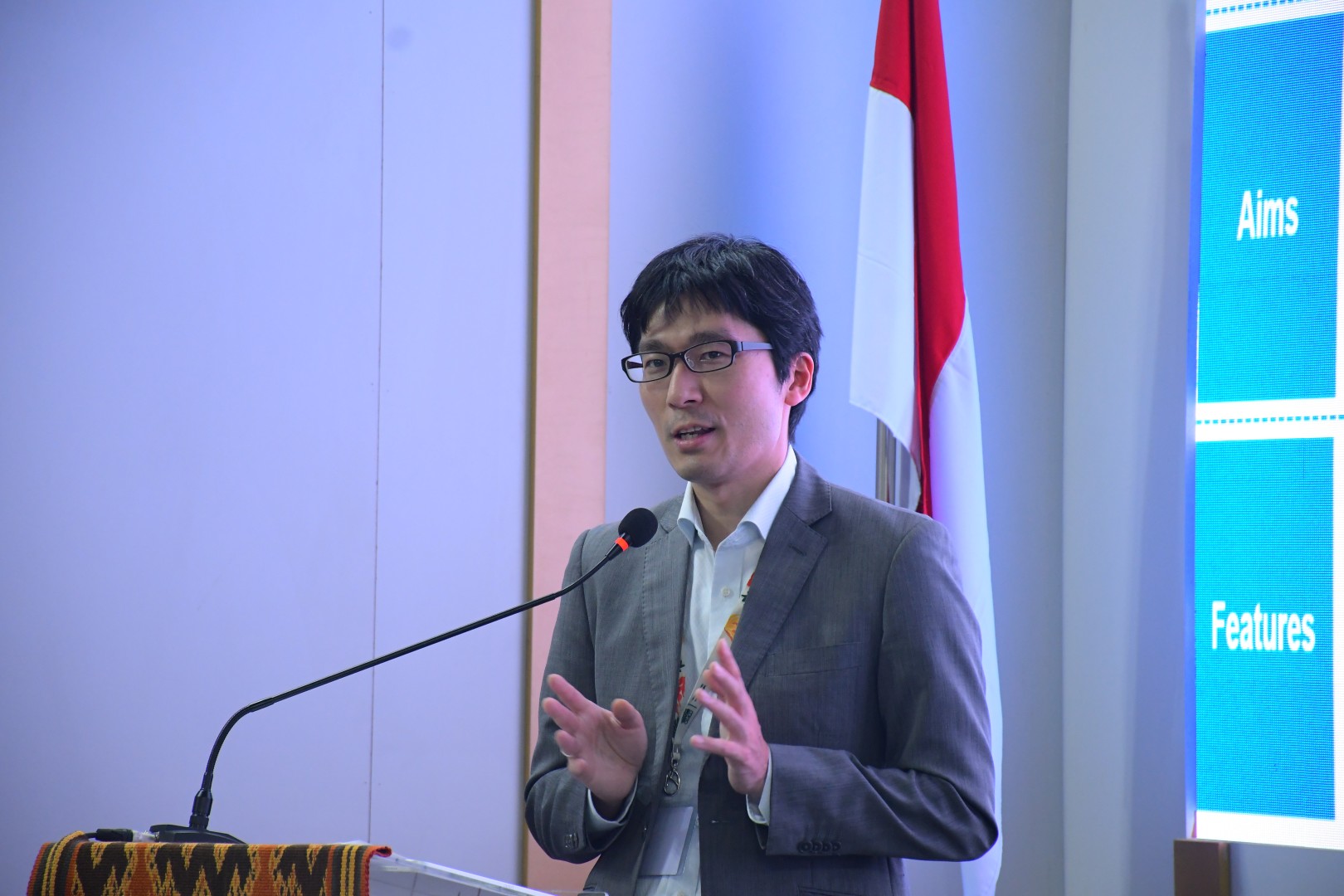
Masataka Yarita

Deputy General Manager, JOGMEC

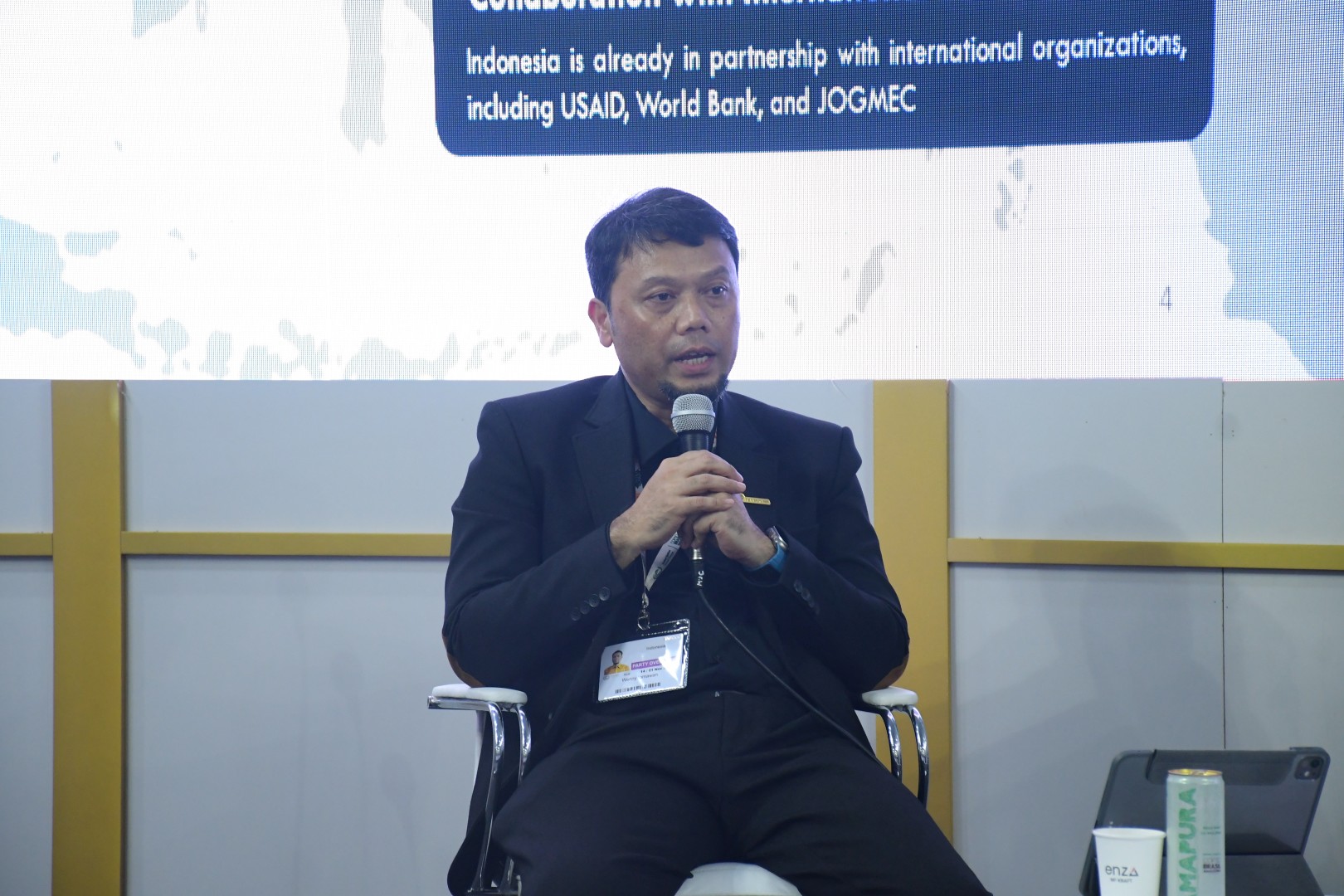
Wenny Ipmawan

Senior Vice President of Health, Safety, Security, and Environment, PT Pertamina (Persero)

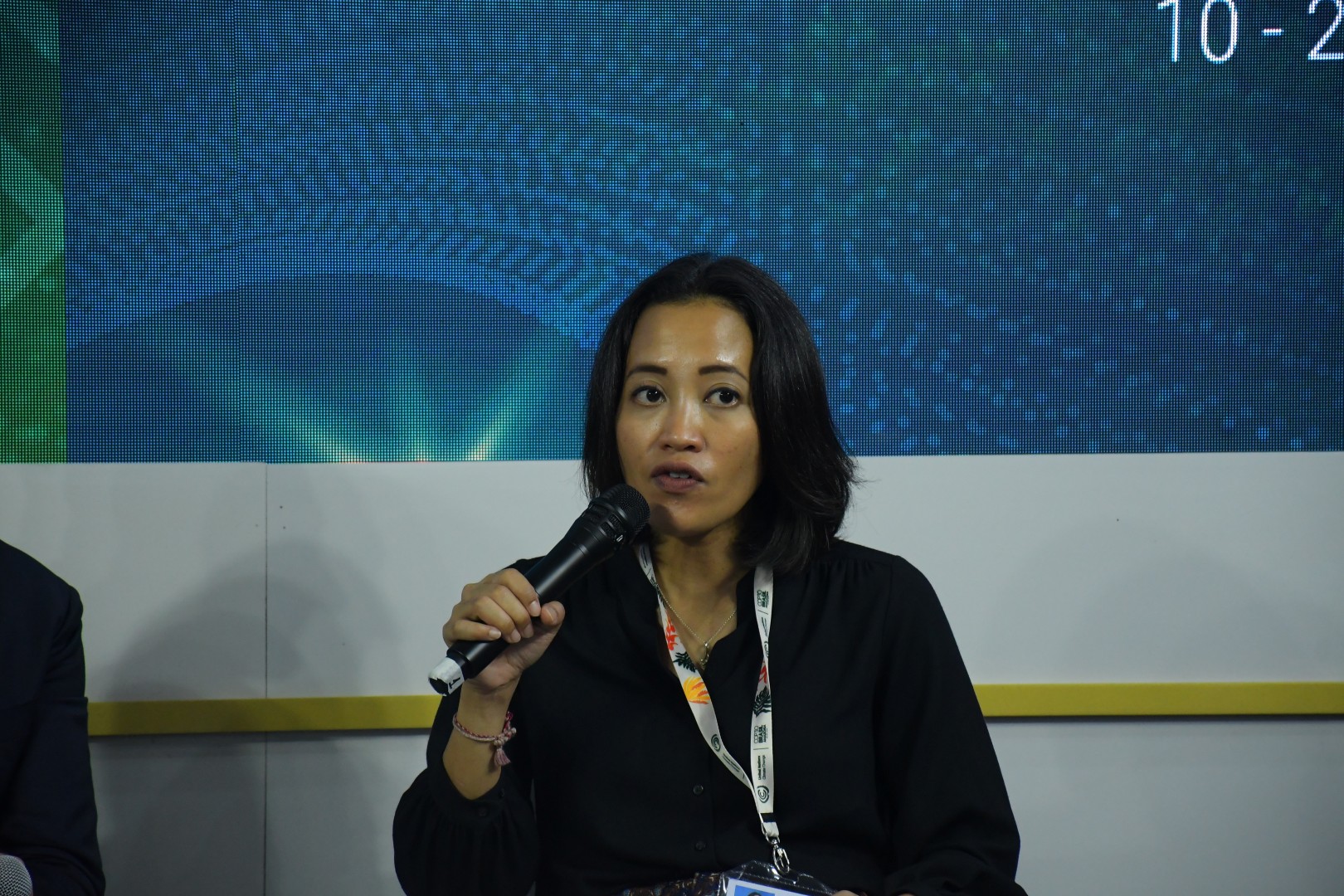
Moderator

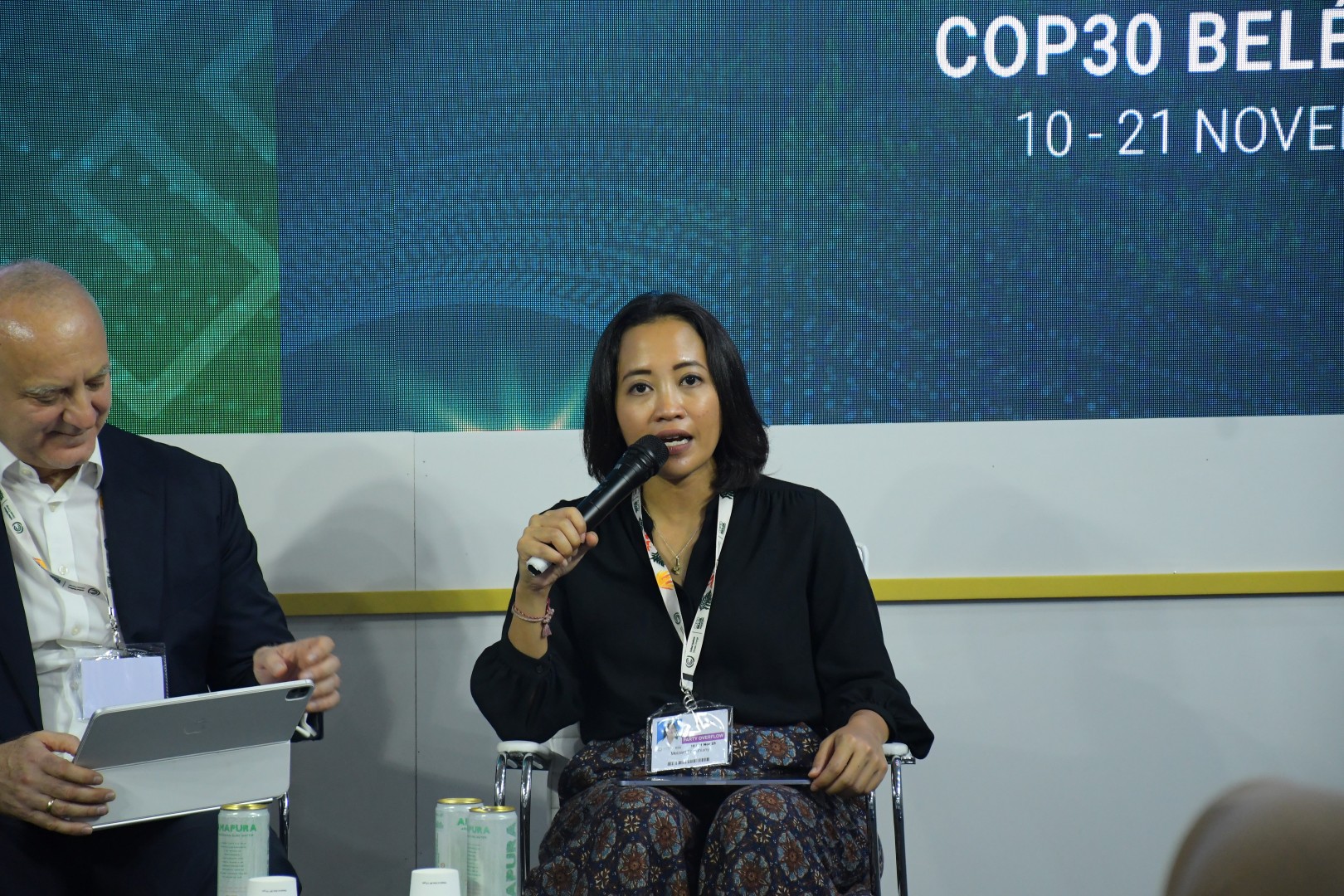
Meizani Irmadhiany

Special Staff of Strategic Policy on Forestry and Environment to the Coordinating Minister for Food Affairs, Republic of Indonesia

Gallery