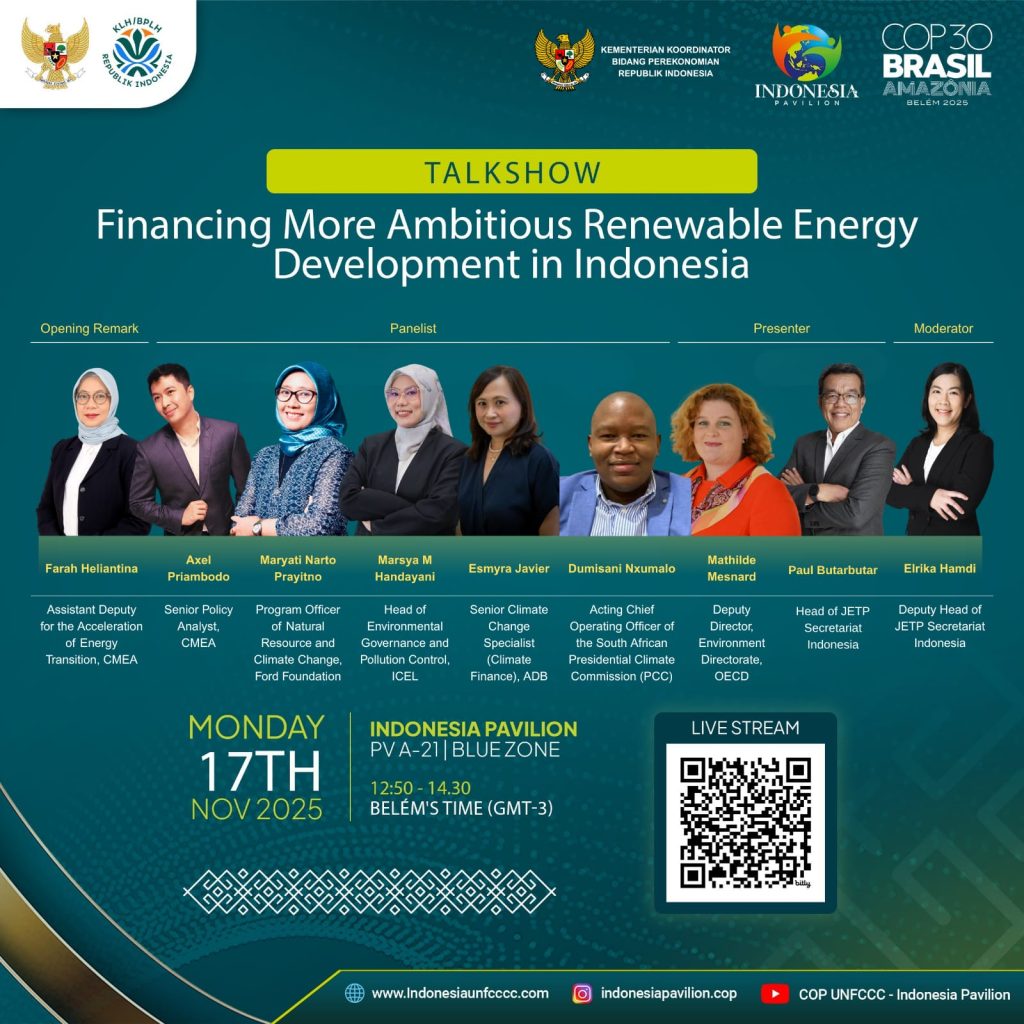
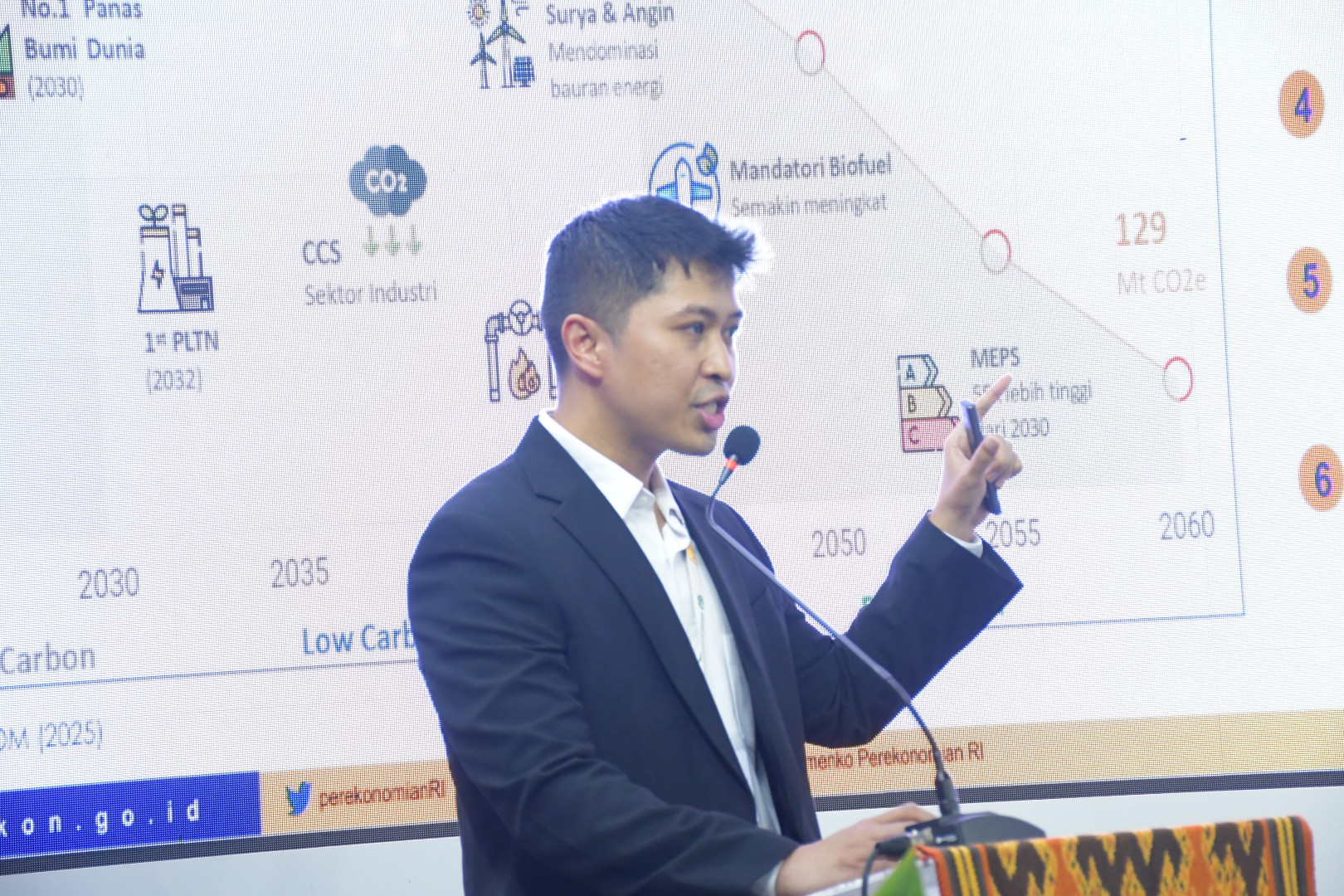
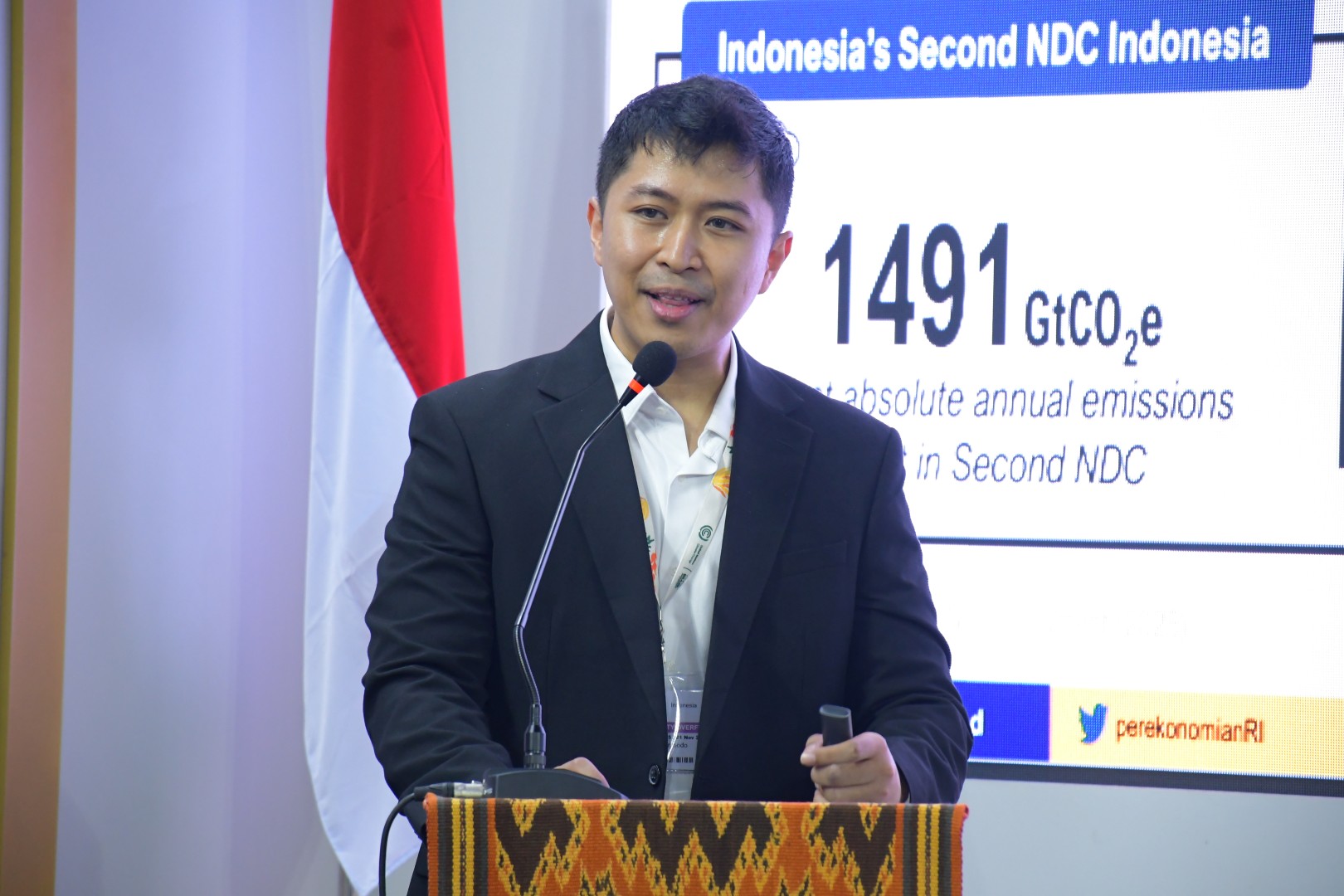
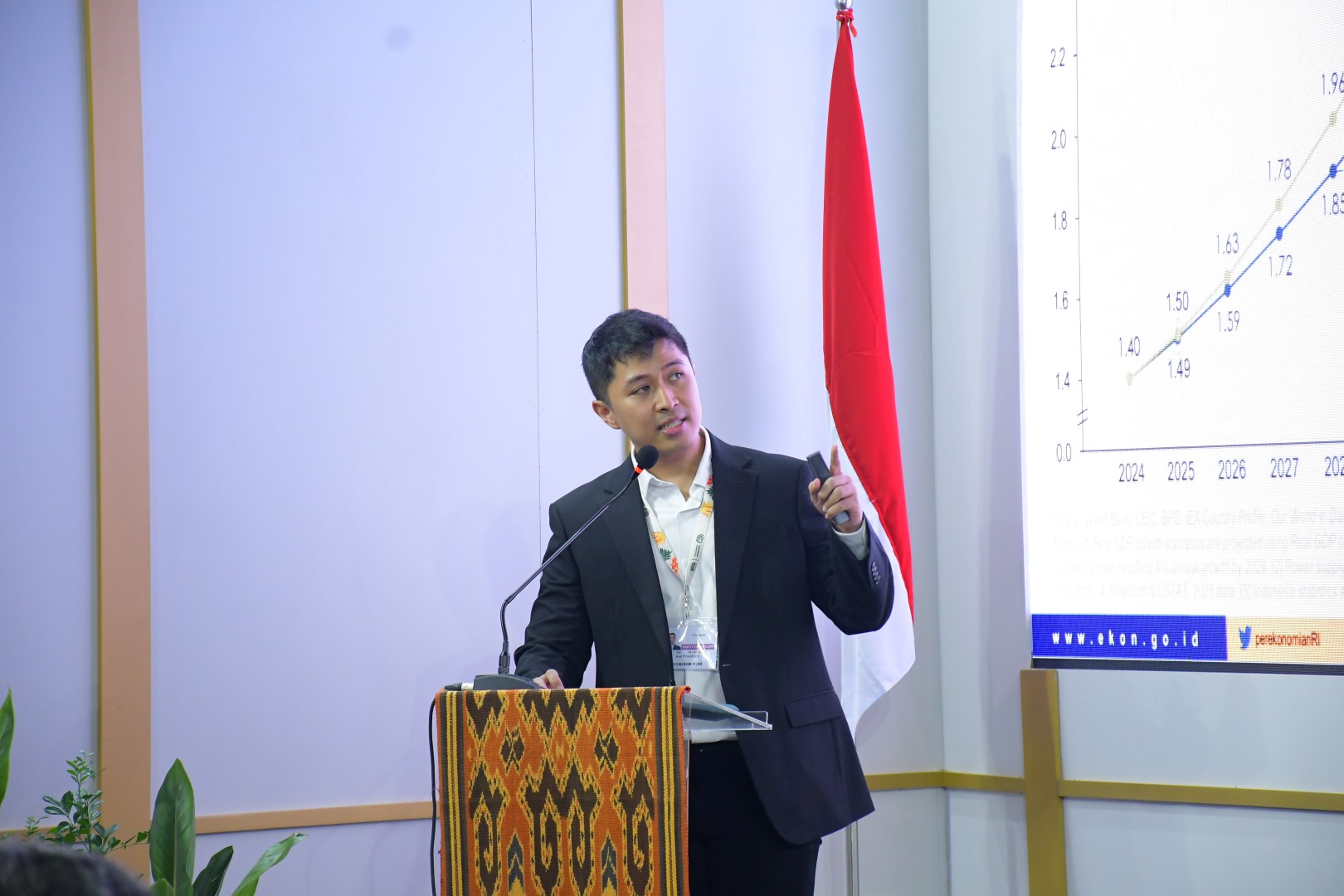
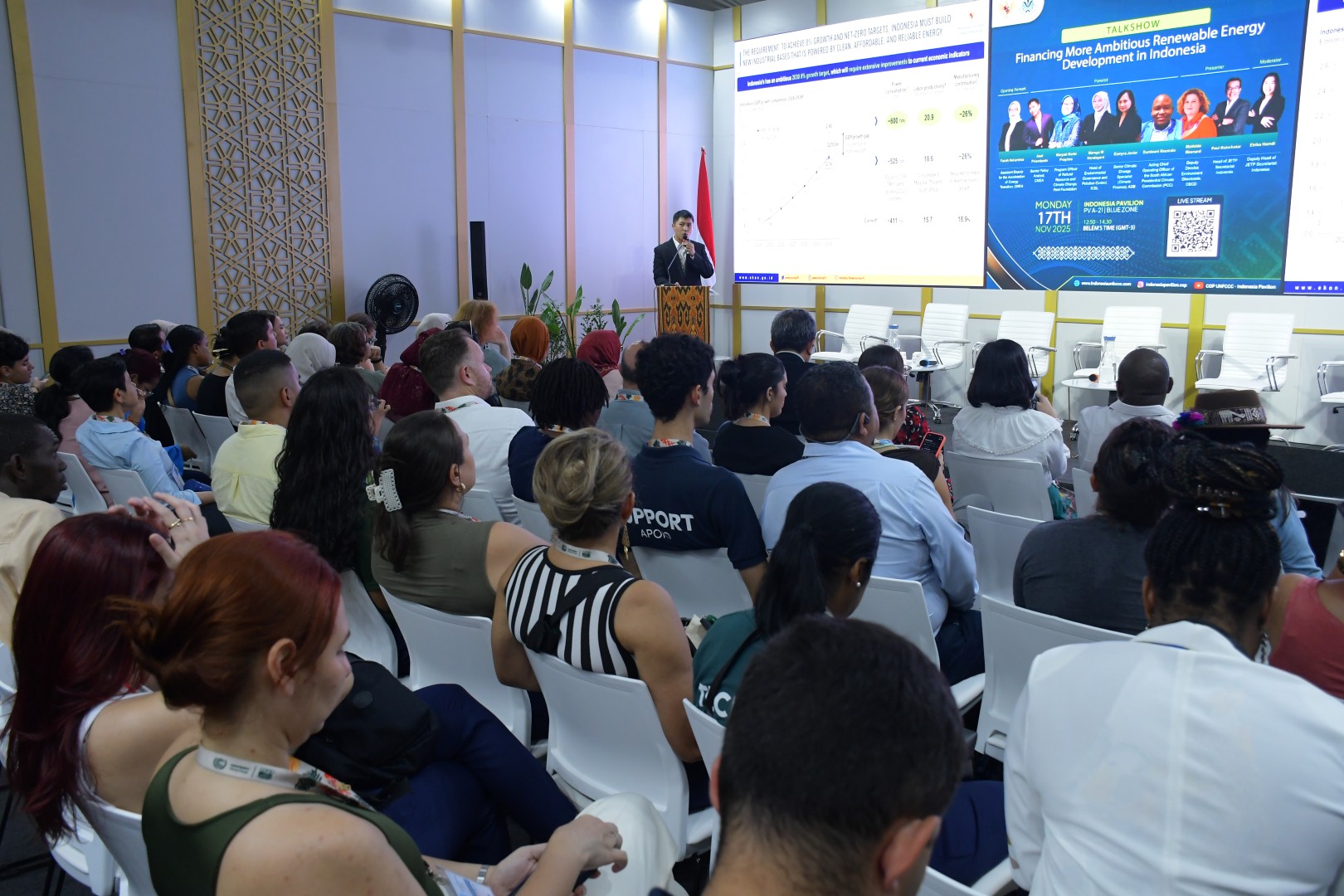
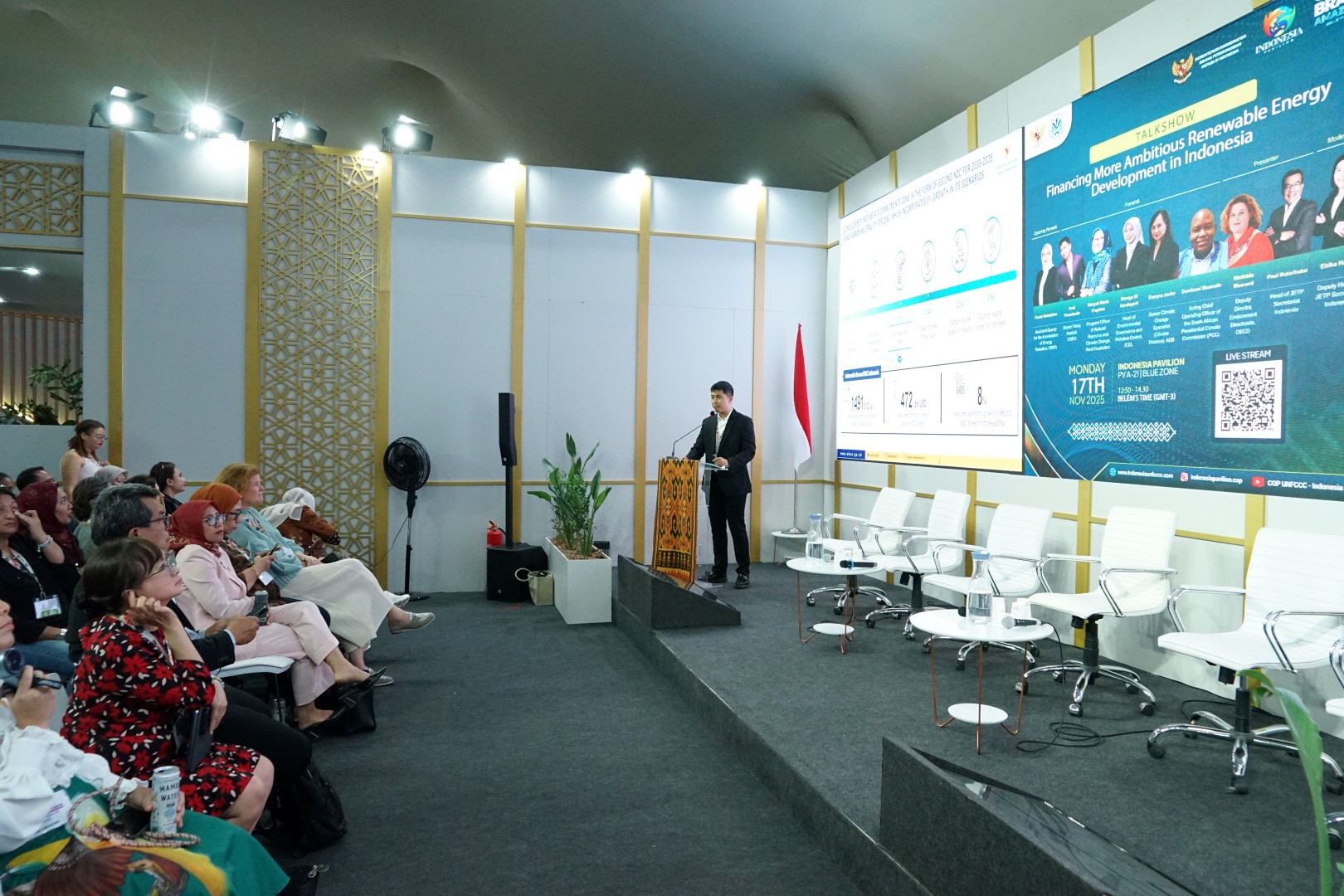
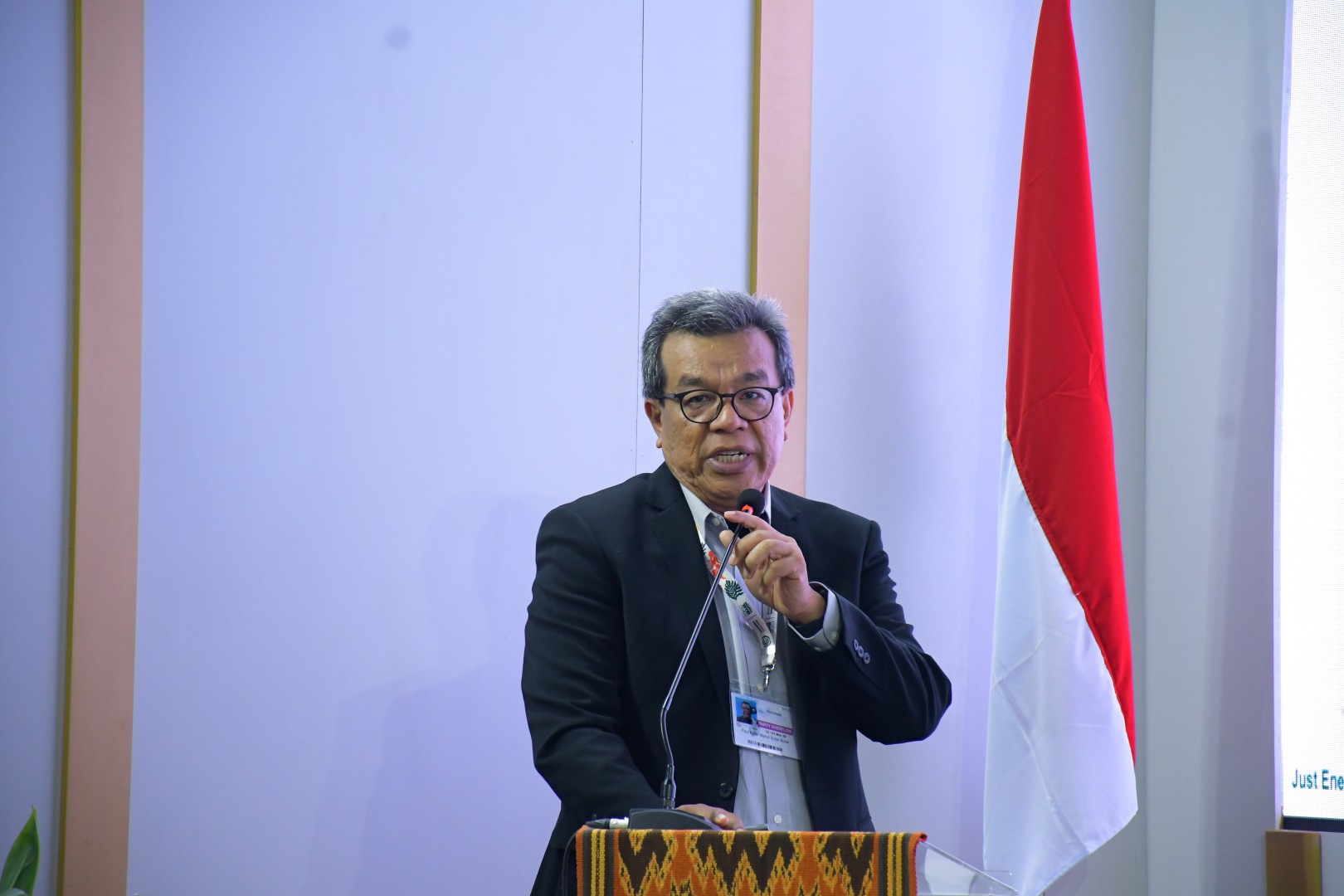
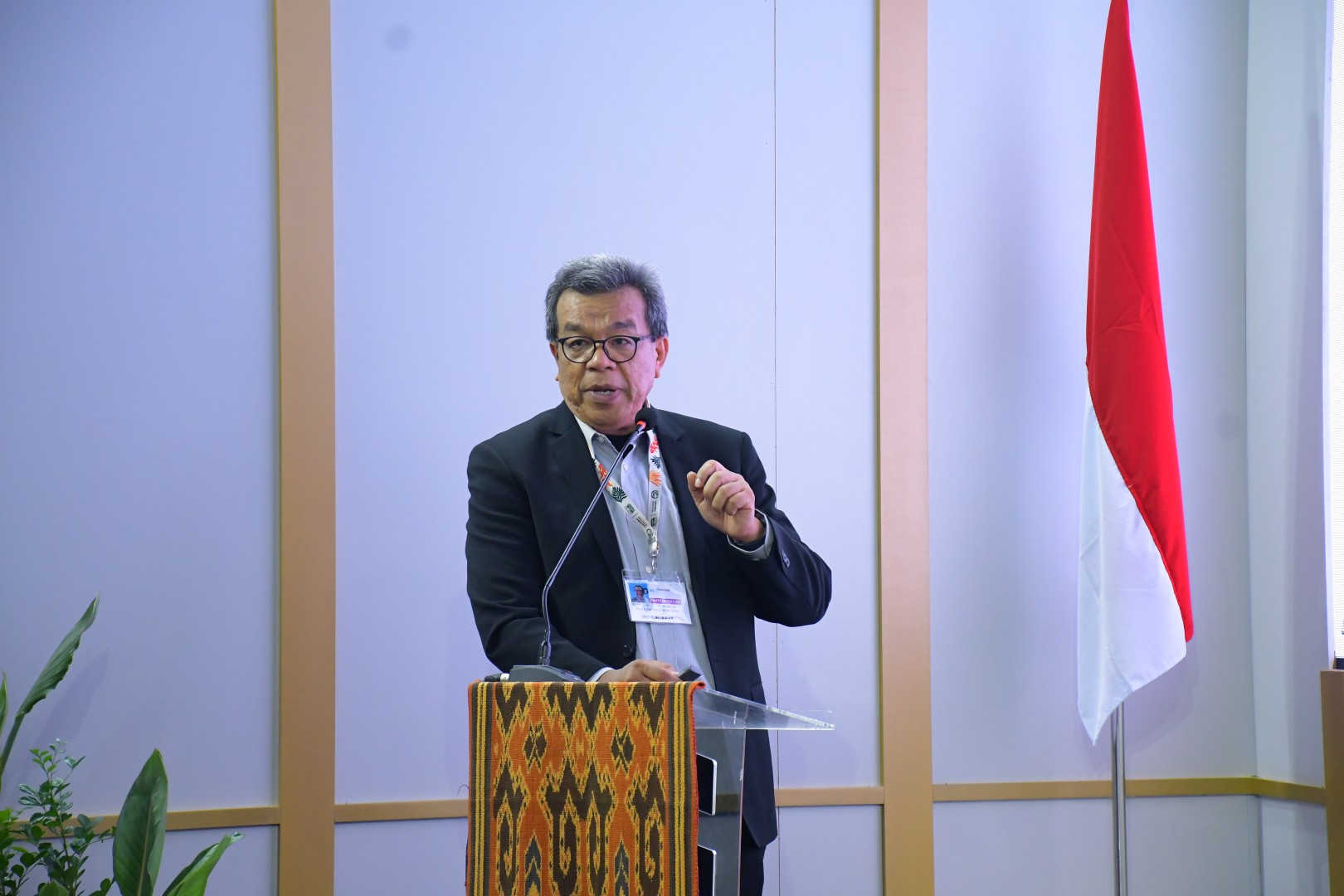
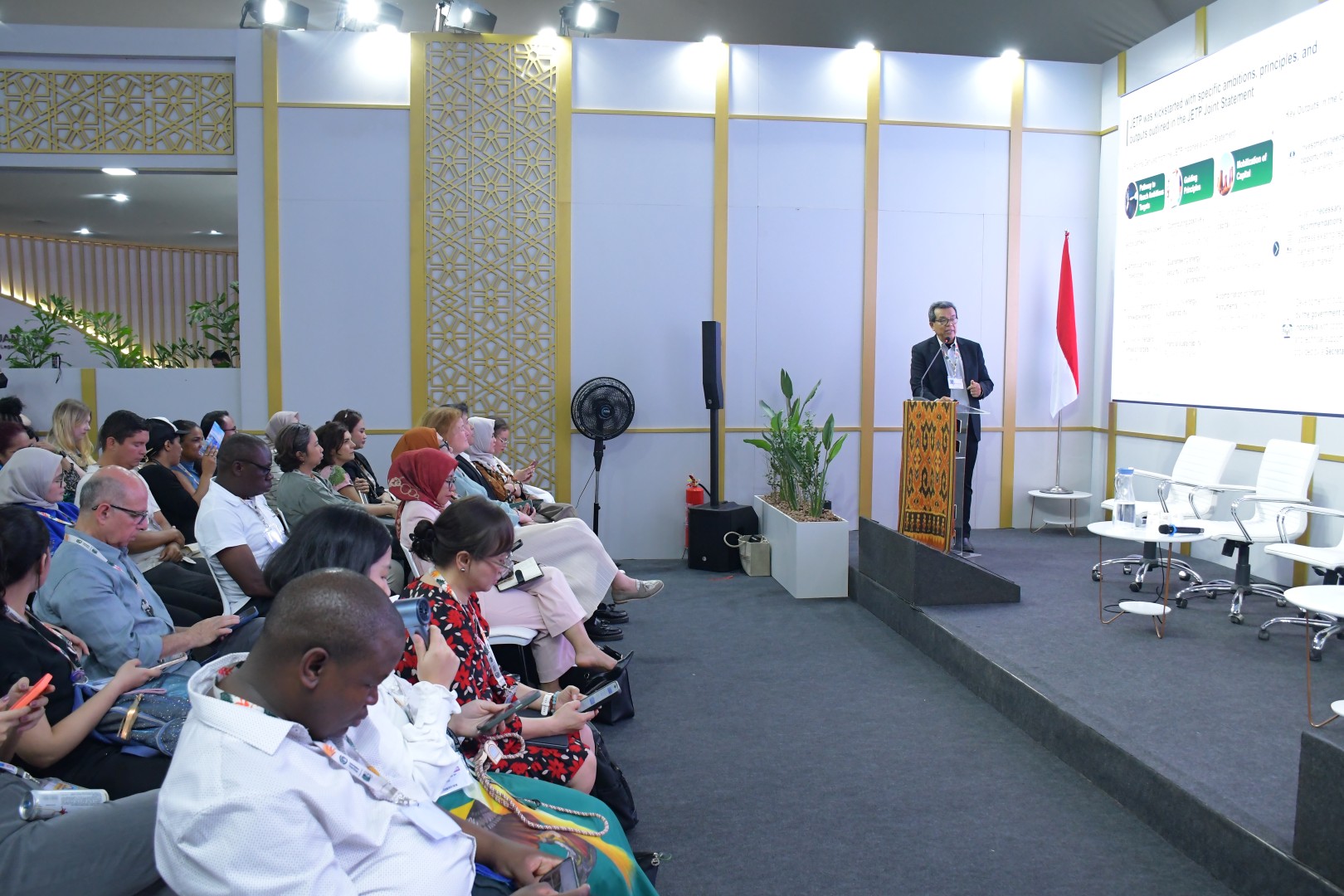
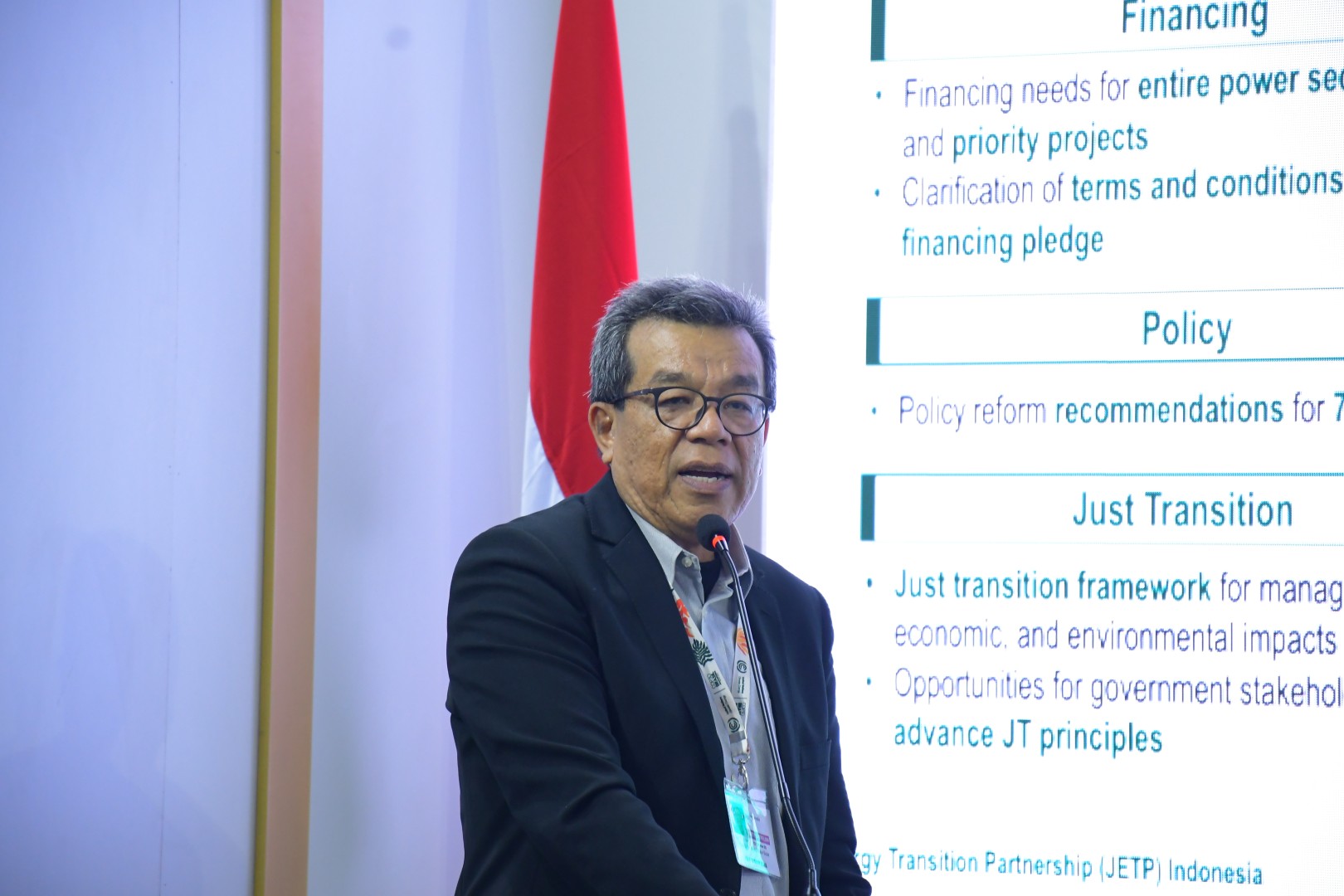
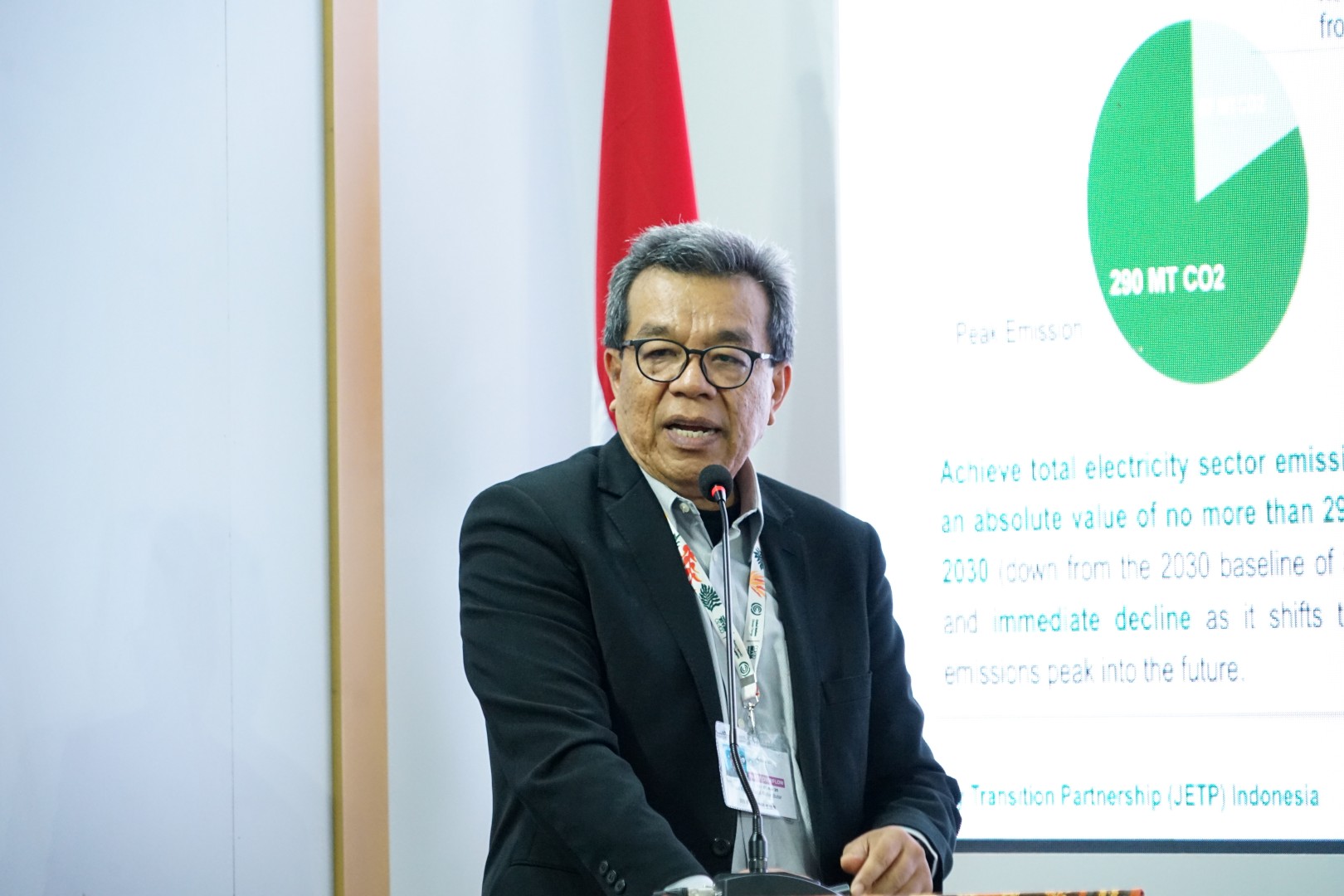
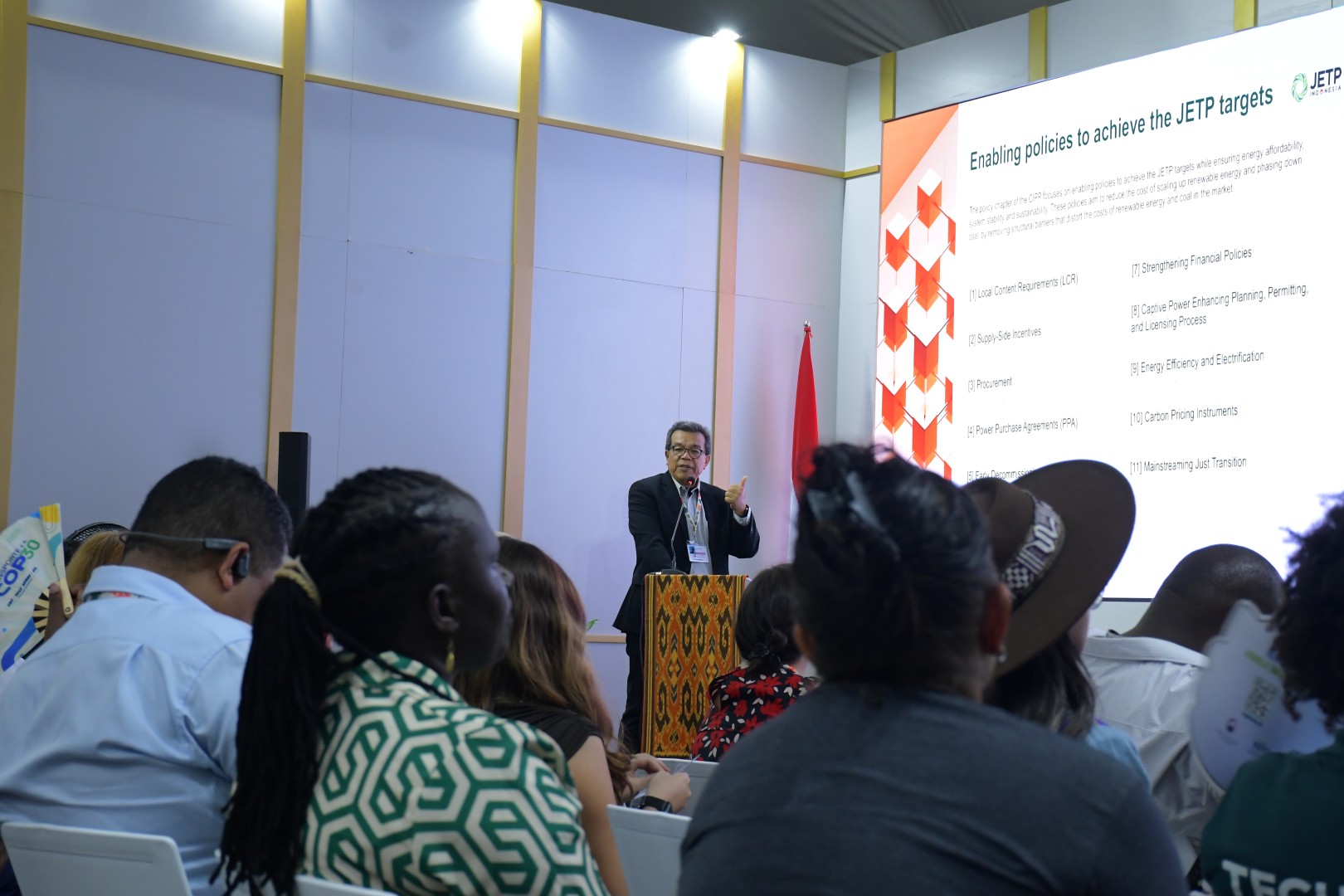
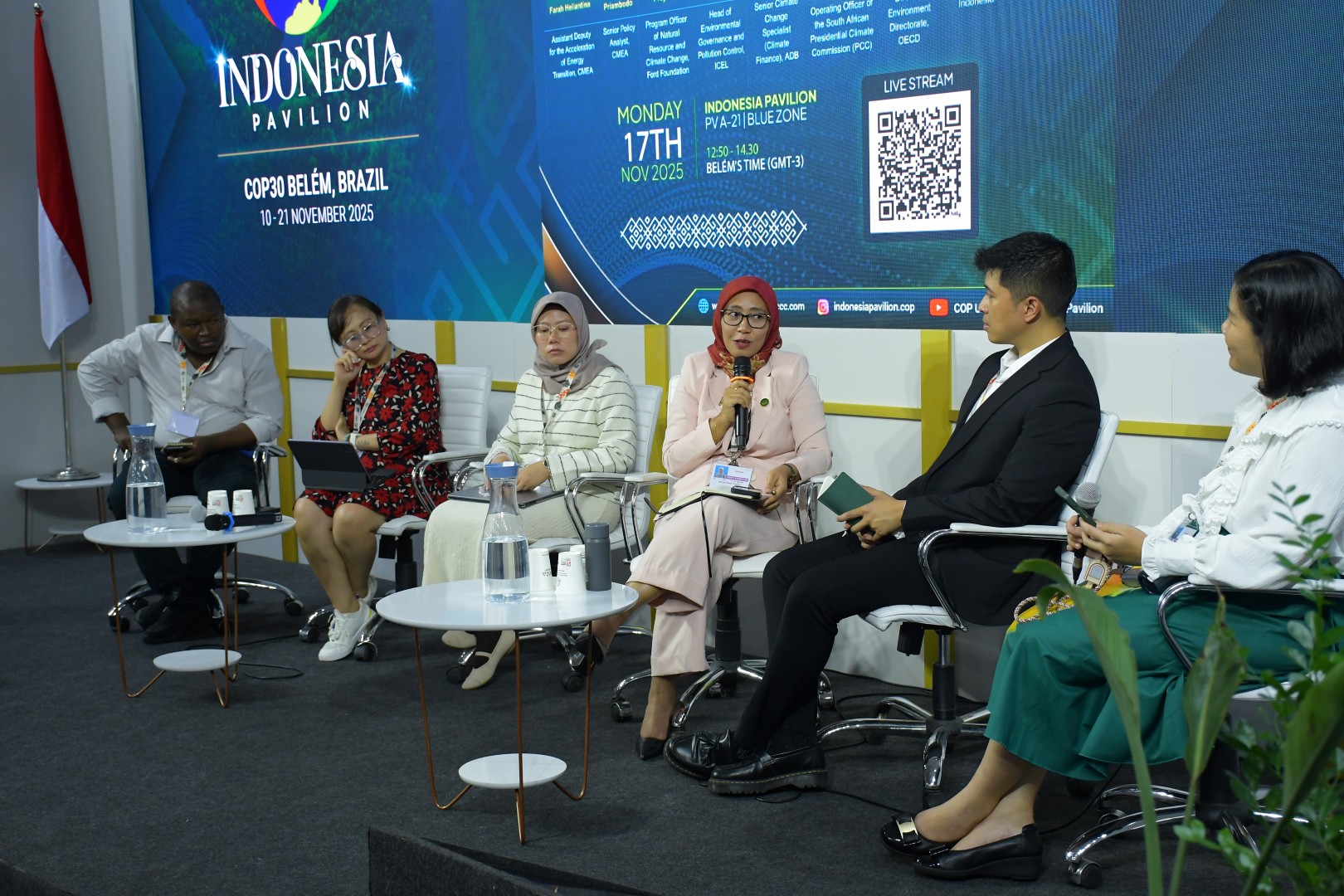
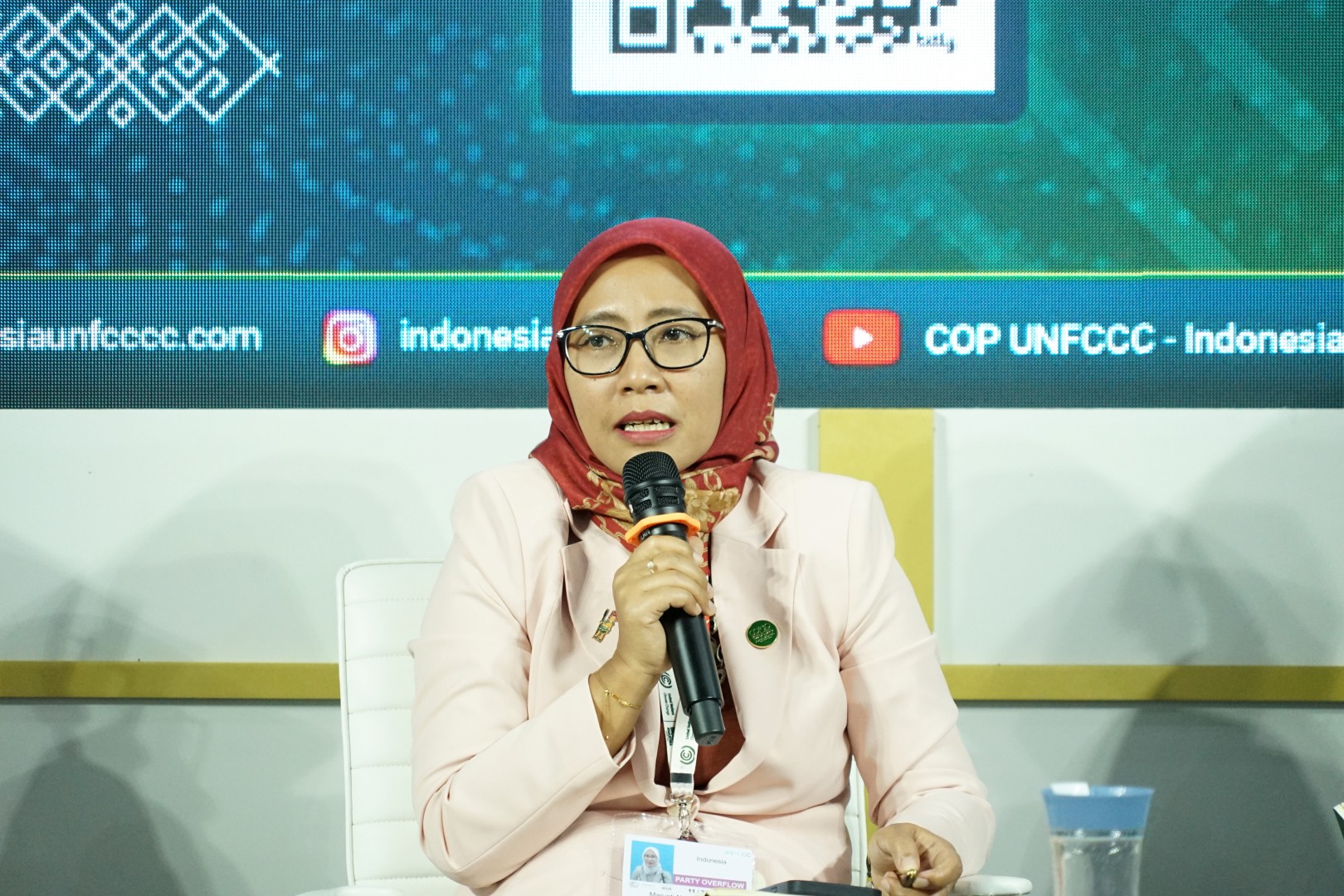
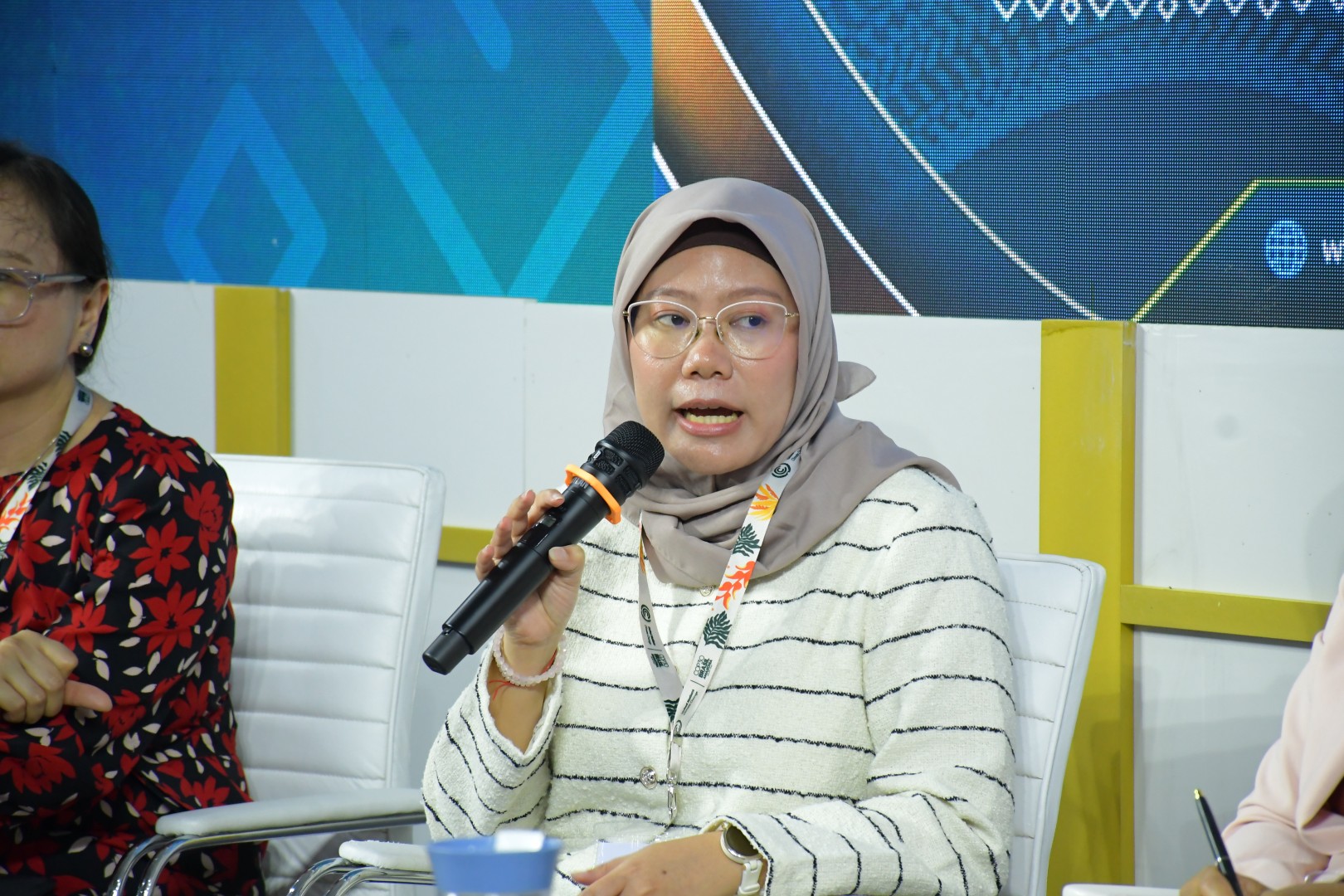
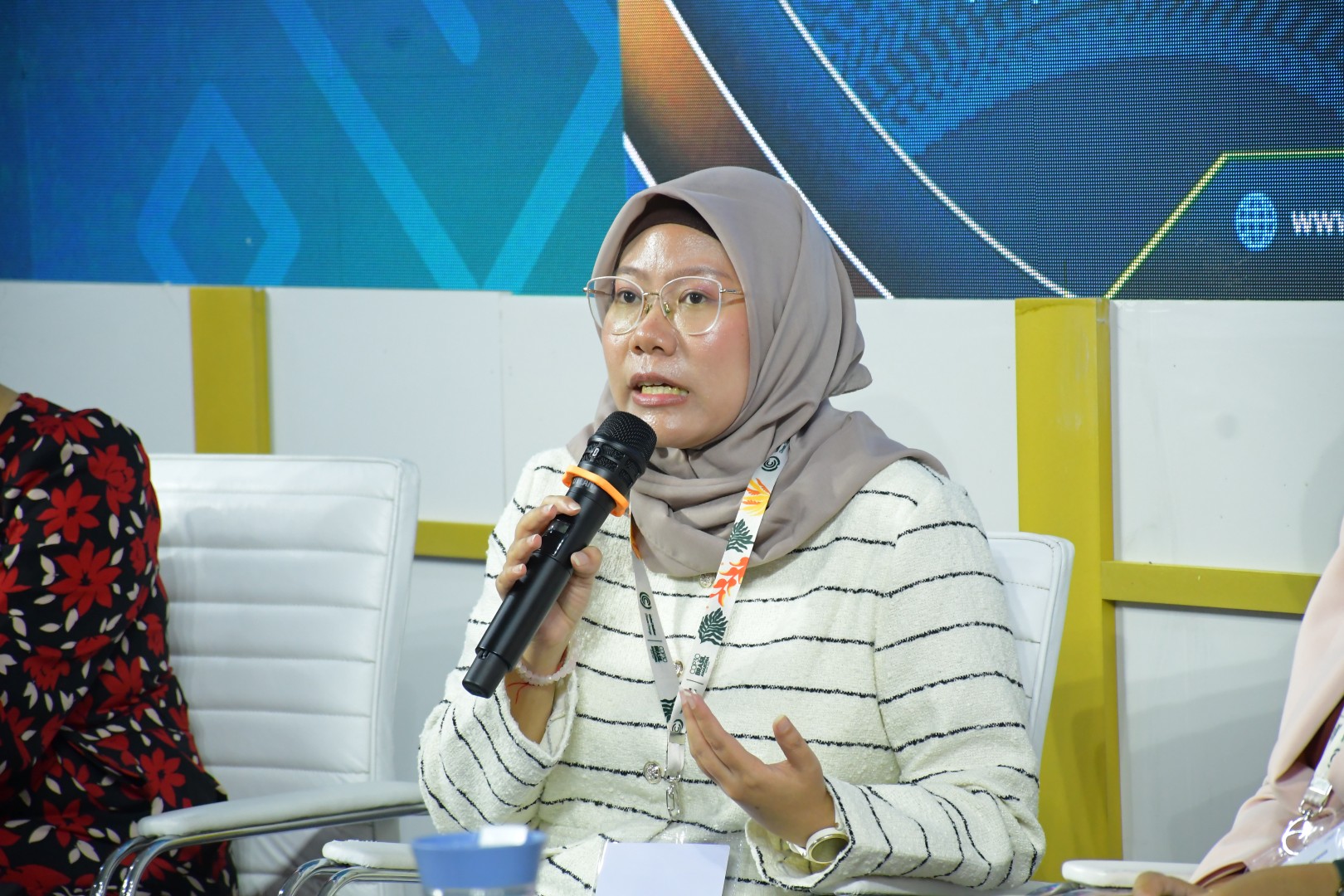
Indonesia formally announced its ambition to achieve Net Zero emissions by 2060—or sooner—at COP26 in Glasgow, signalling a turning point in its national climate agenda. This commitment is anchored in Indonesia’s Long-Term Strategy for Low Carbon and Climate Resilience (LTS-LCCR) and its Enhanced Nationally Determined Contributions (NDCs), which pledge to reduce greenhouse gas (GHG) emissions by 31.89% unconditionally, and up to 43.20% with international support, by 2030. These frameworks have laid the policy foundation for Indonesia to align its development trajectory with climate resilience and sustainable growth. Indonesia has also taken important steps toward decarbonizing its energy sector. In 2022, the government launched the USD 20 billion Just Energy Transition Partnership (JETP)—a landmark agreement with G7 countries and international financial institutions—to accelerate coal retirement and expand renewables. The roadmap outlines a peak in power sector emissions by 2030 and a renewables share of at least 34% in electricity generation by the same year. Beyond the energy sector, Indonesia is also focusing on industrial decarbonization, a critical component of its Net Zero strategy. The industrial sector, a significant contributor to the nation's total emissions, requires a multi-pronged approach to reduce its carbon footprint. Key initiatives include promoting energy efficiency through technology upgrades and the widespread adoption of electrification, which involves switching industrial processes from fossil fuels to electricity from a cleaner grid. Additionally, there's a strong focus on decarbonizing captive power plants, which are on-site power generators often used by large industries. This can be achieved by transitioning these plants to cleaner fuels or integrating them with renewable energy sources. Policies and incentives are being developed to encourage businesses to invest in these green technologies, positioning Indonesia's industries for long-term sustainability and competitiveness in the global low-carbon economy.