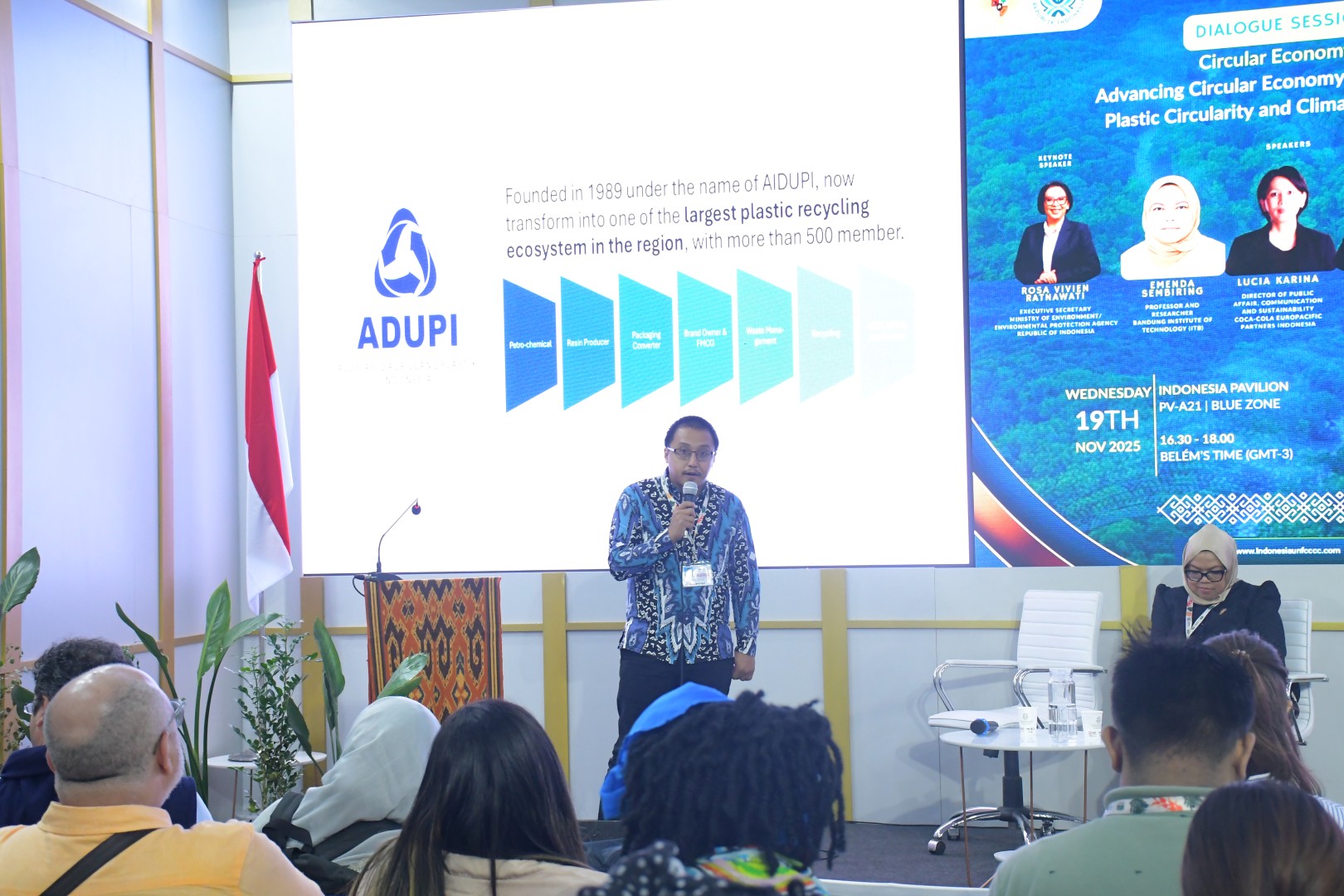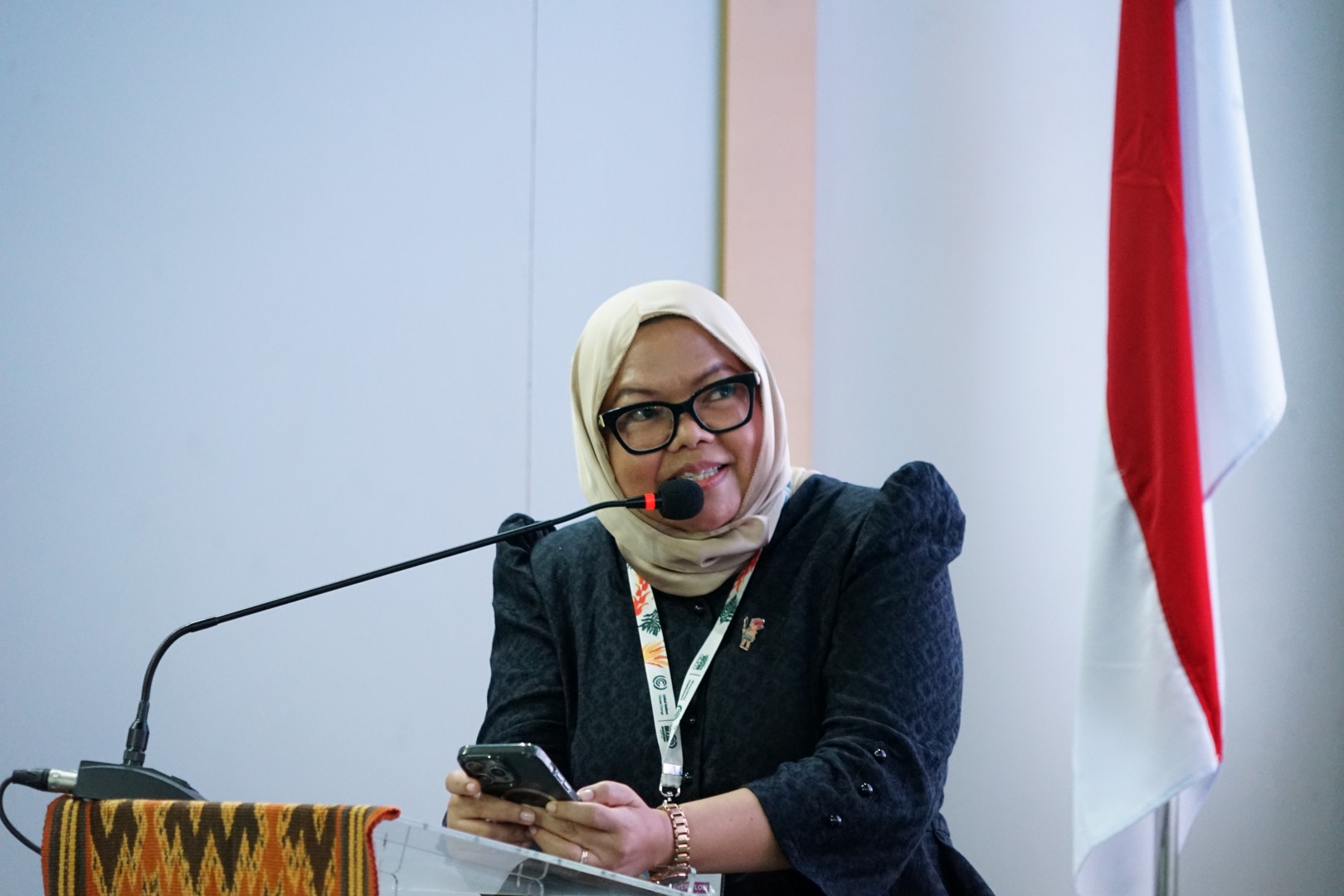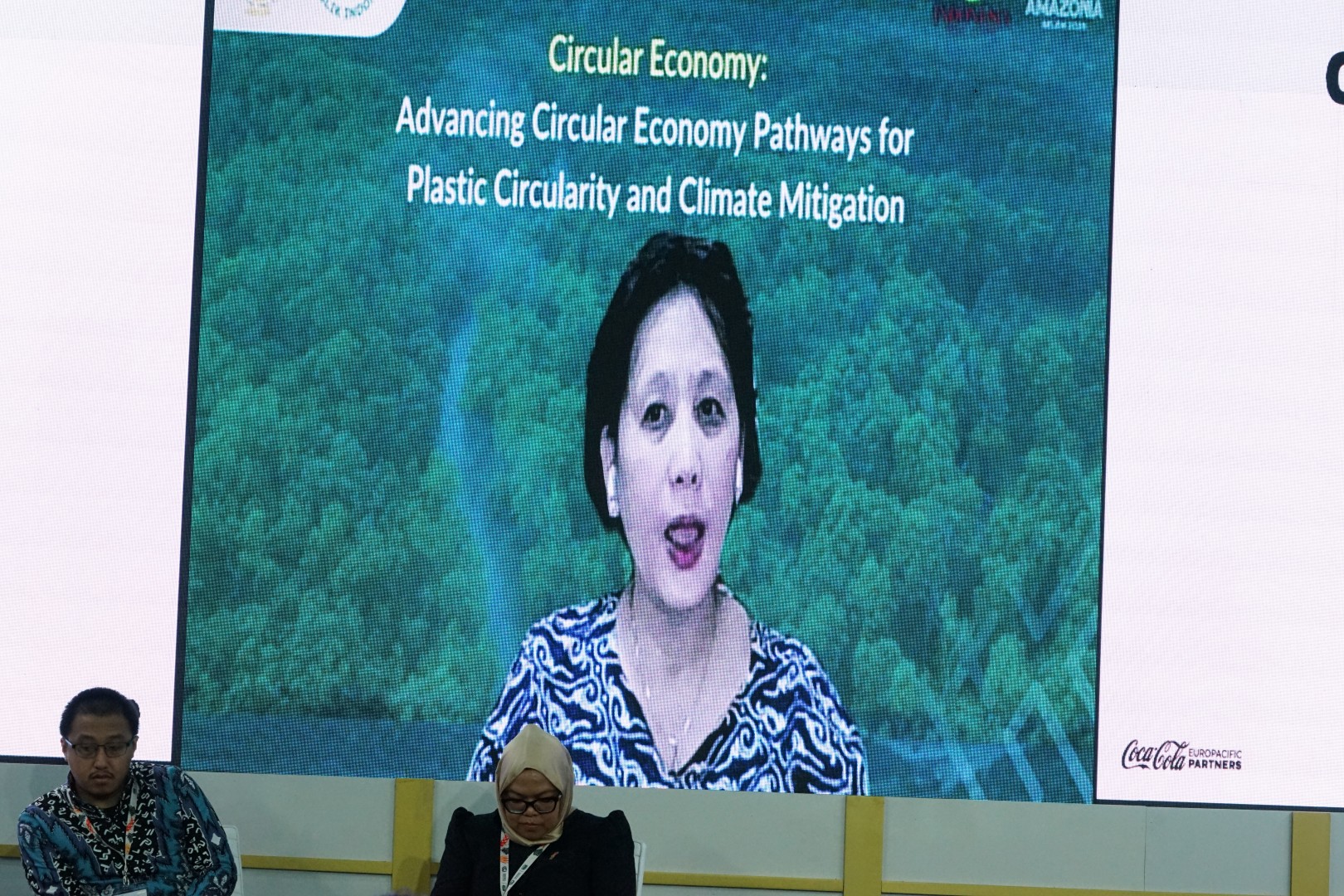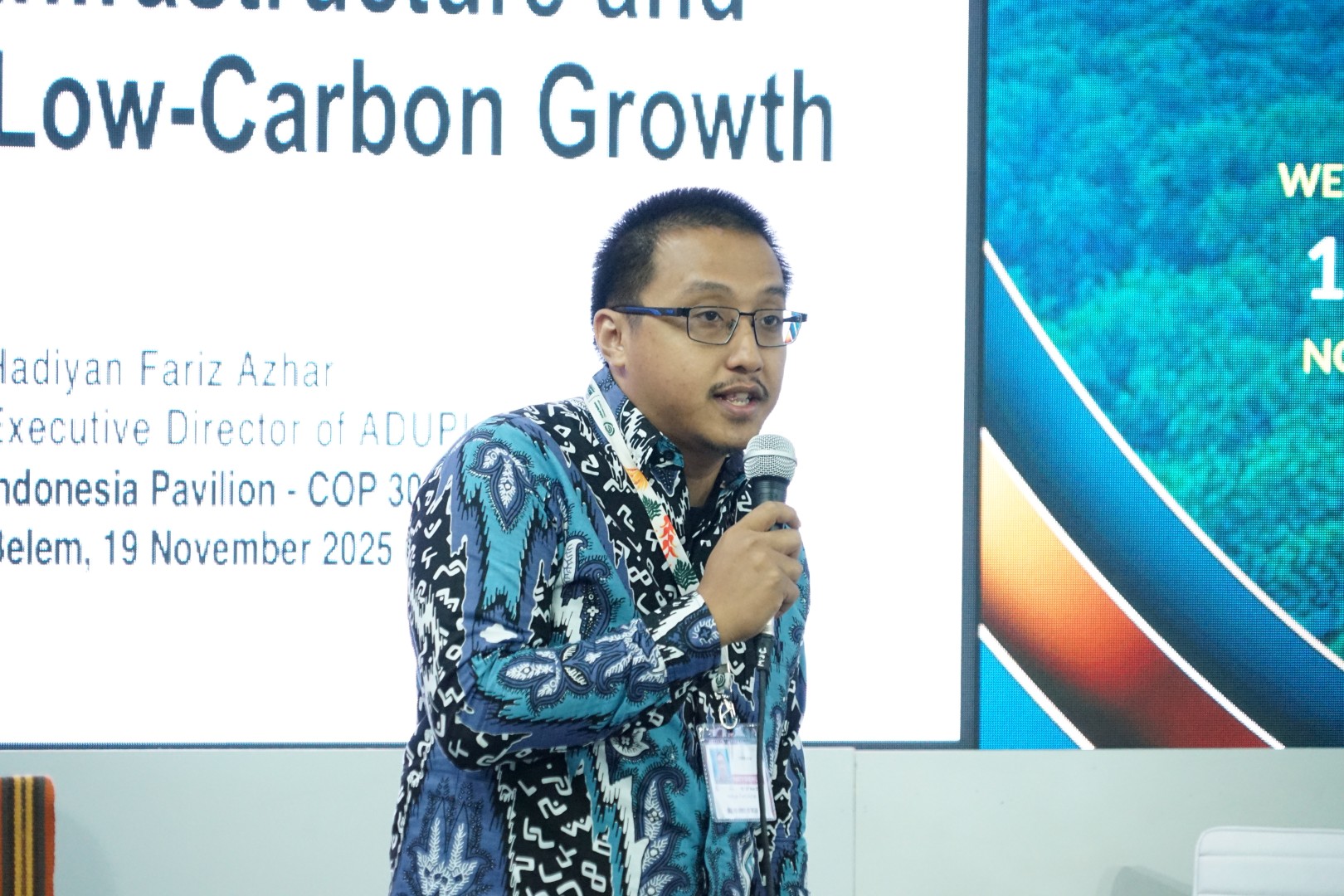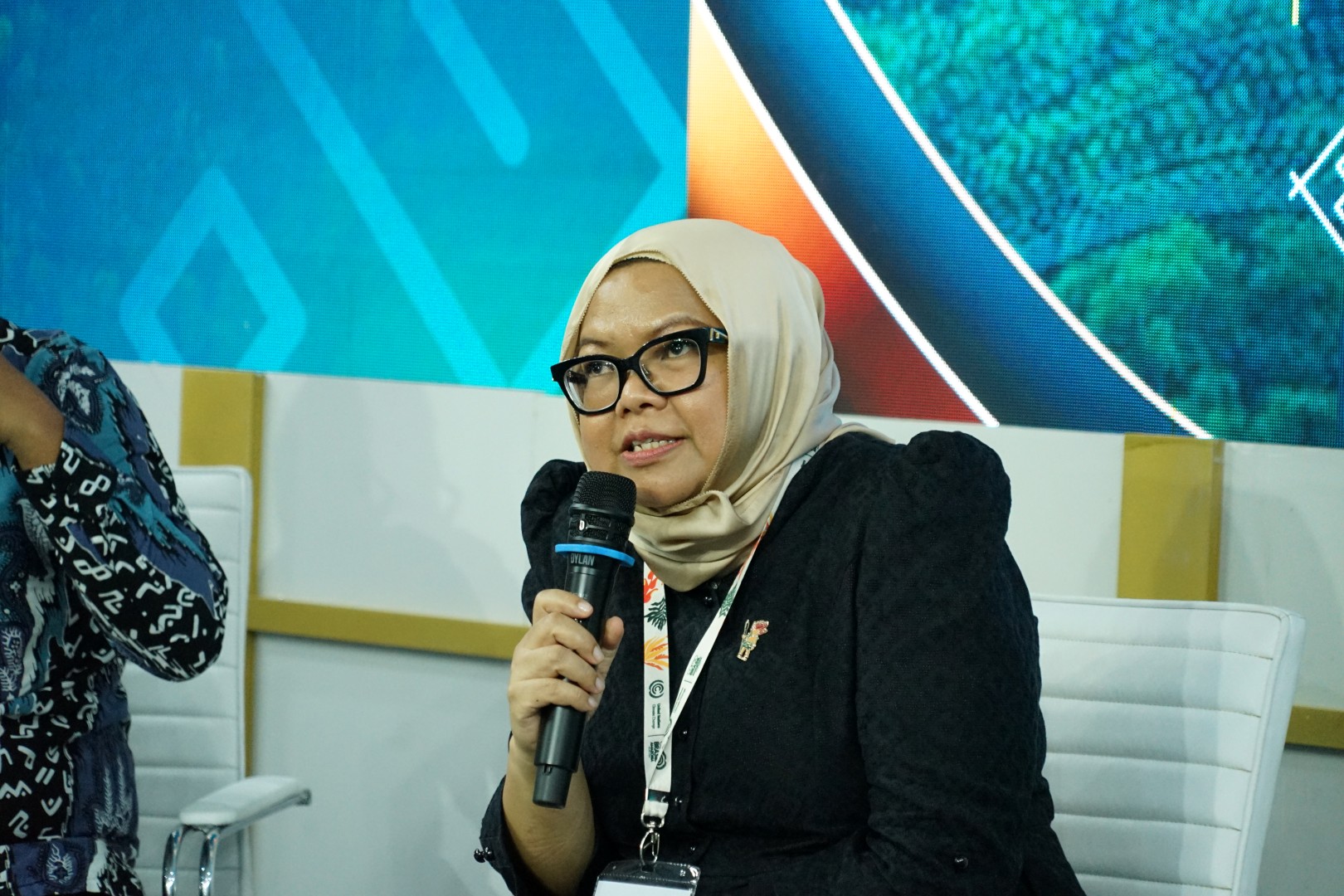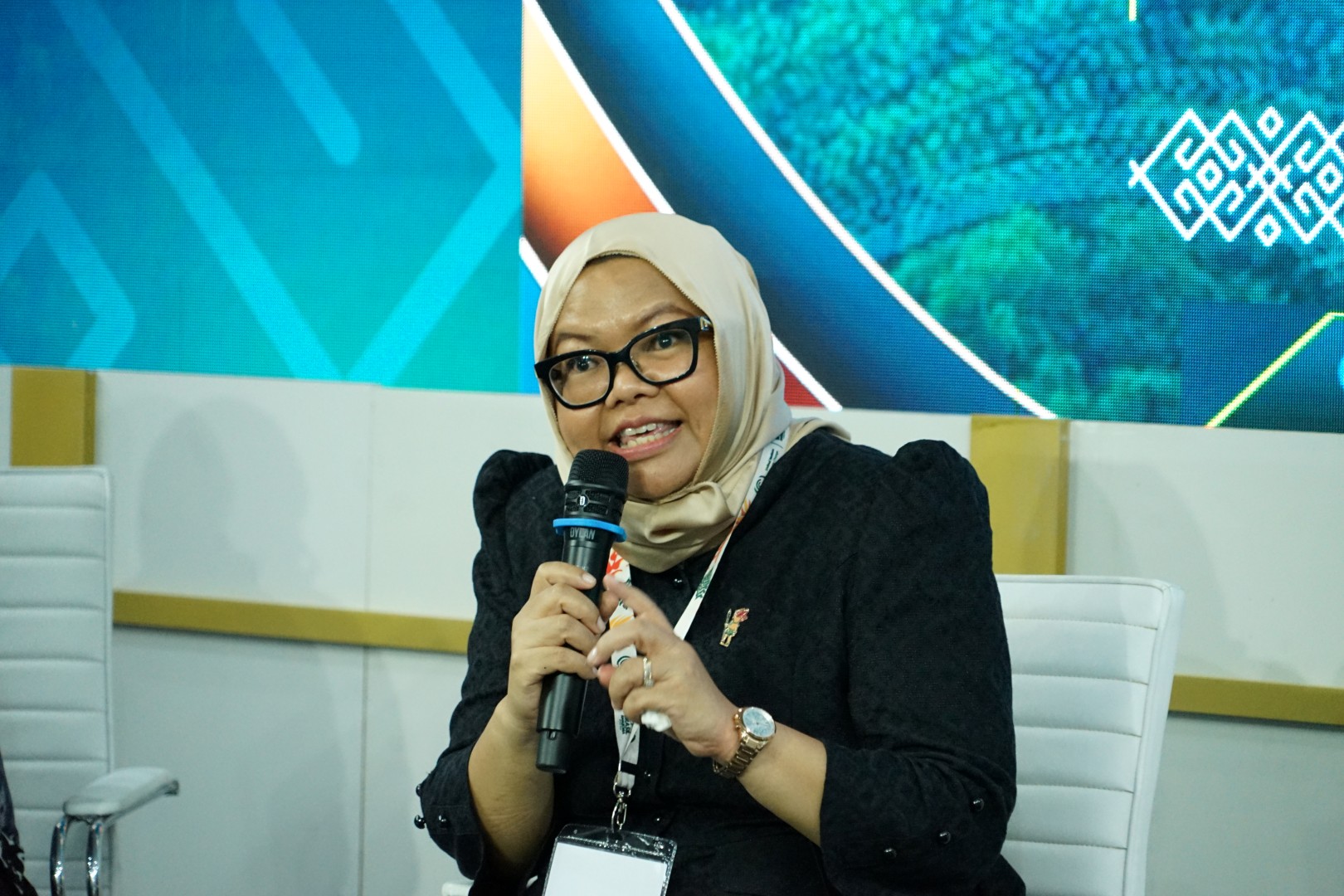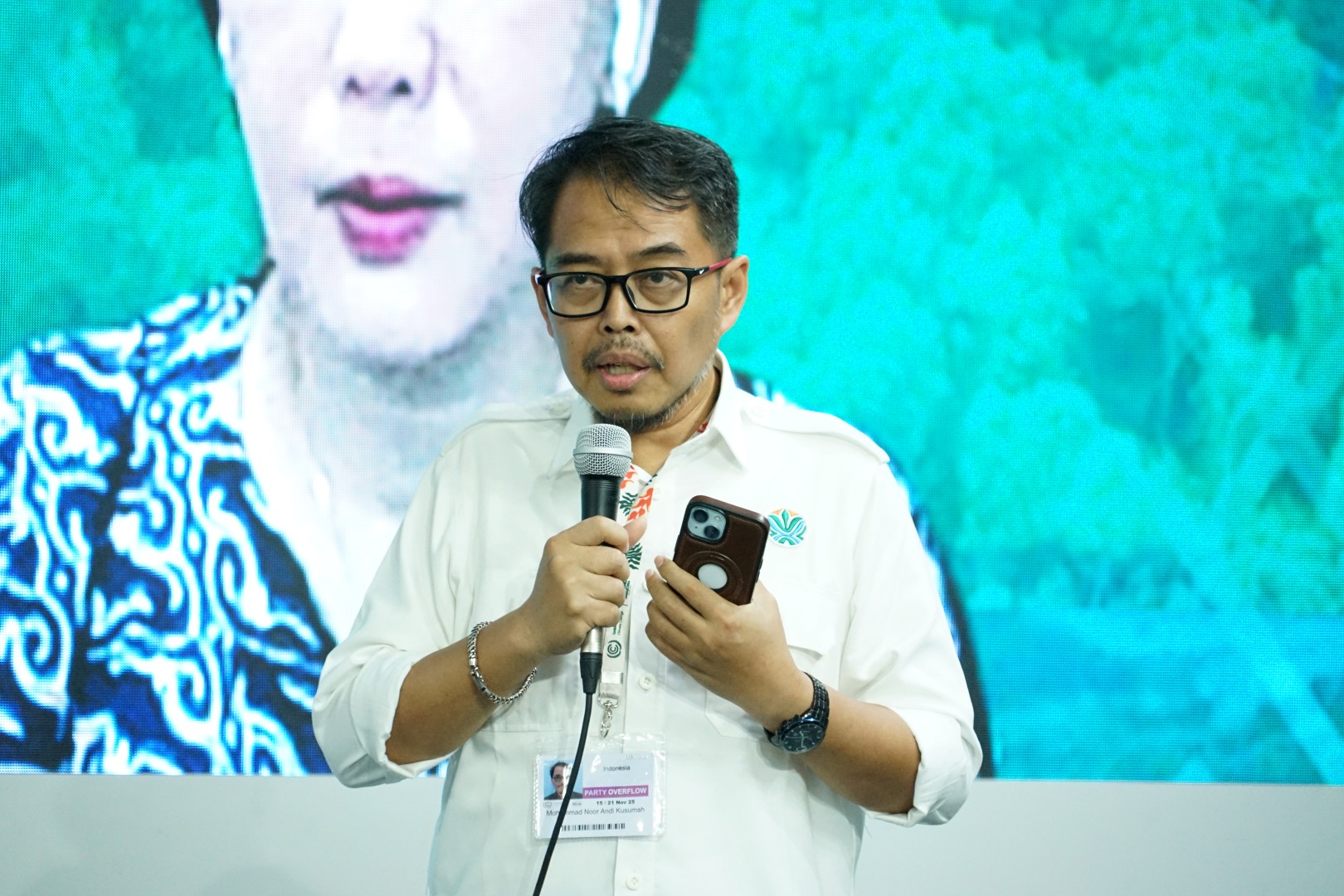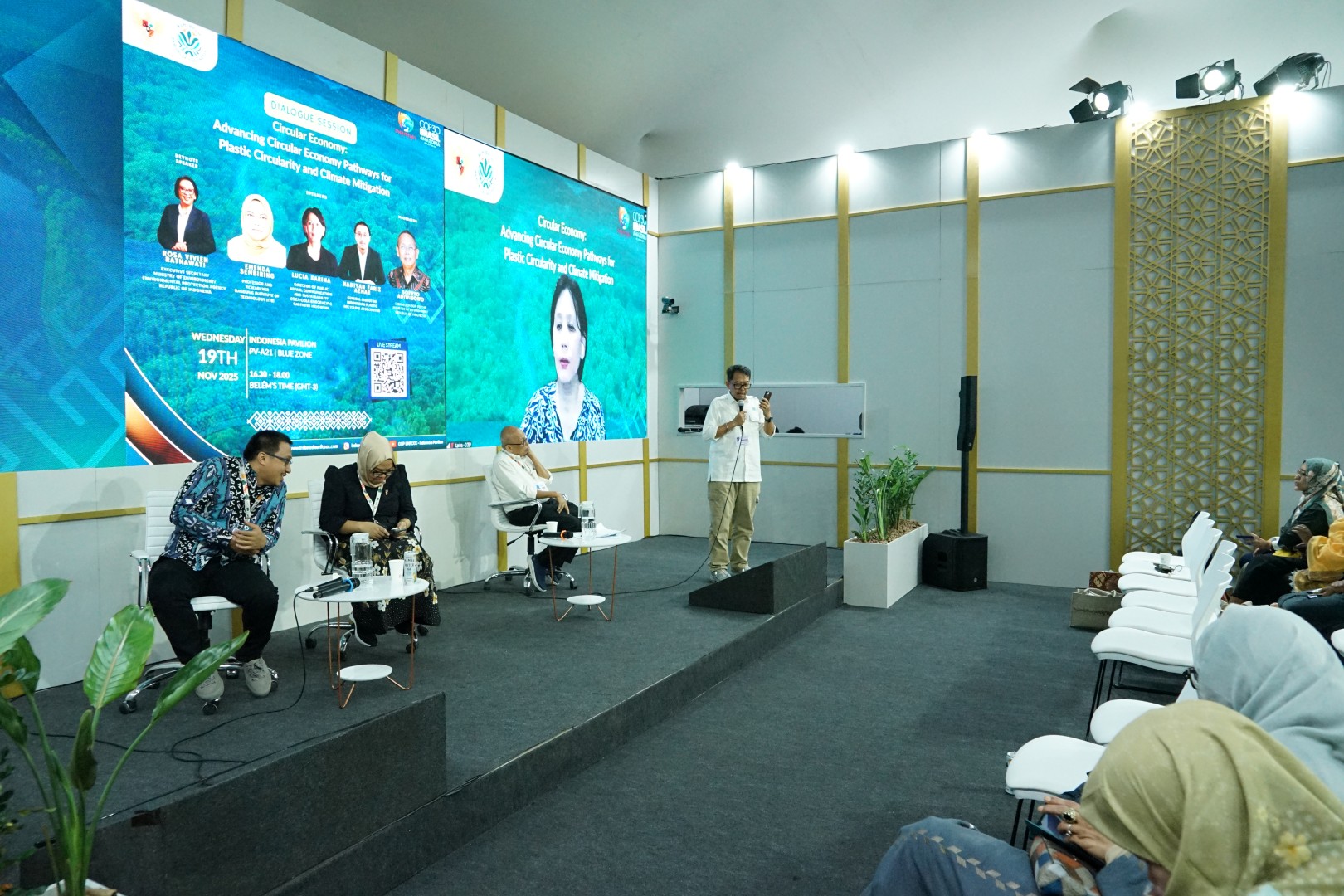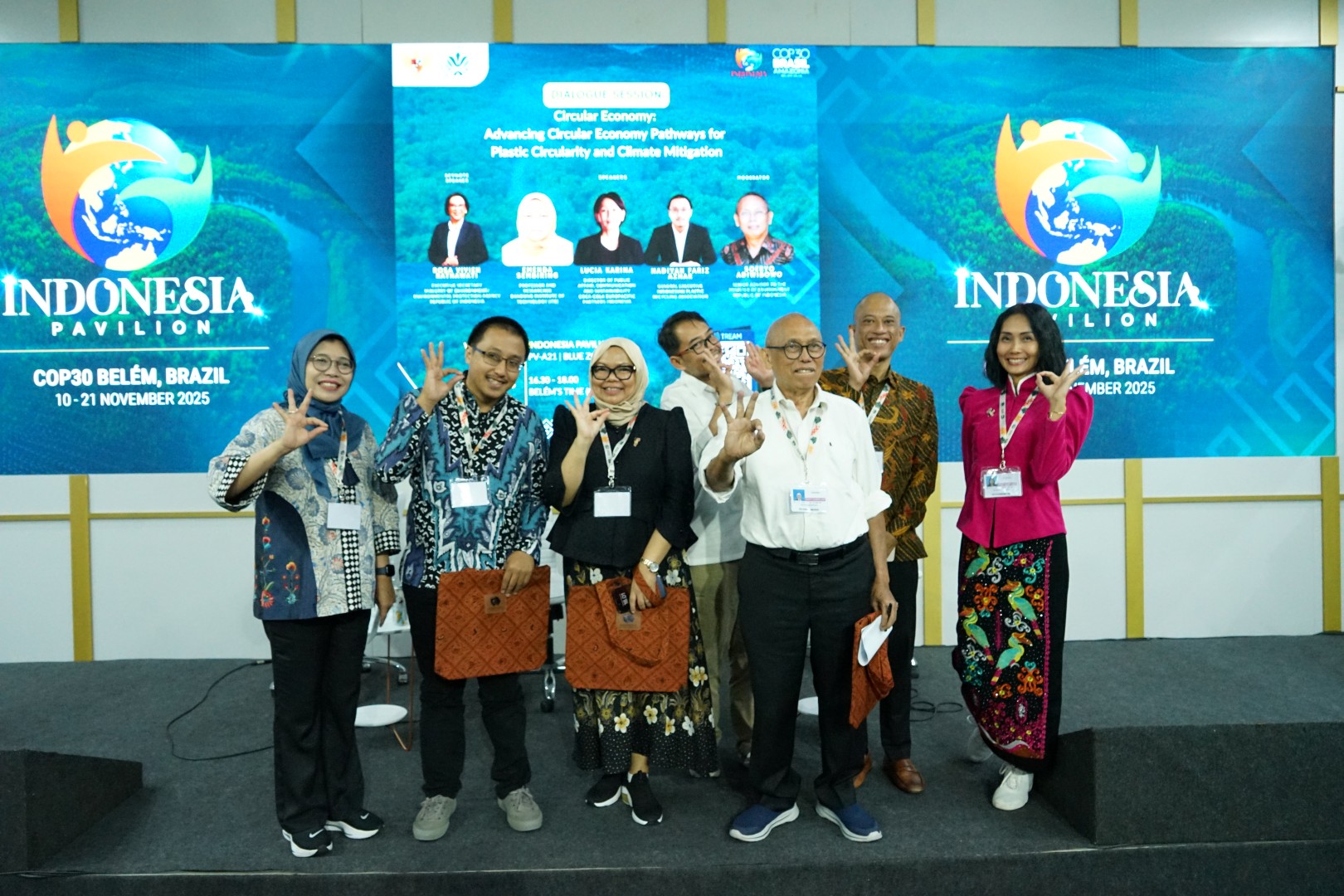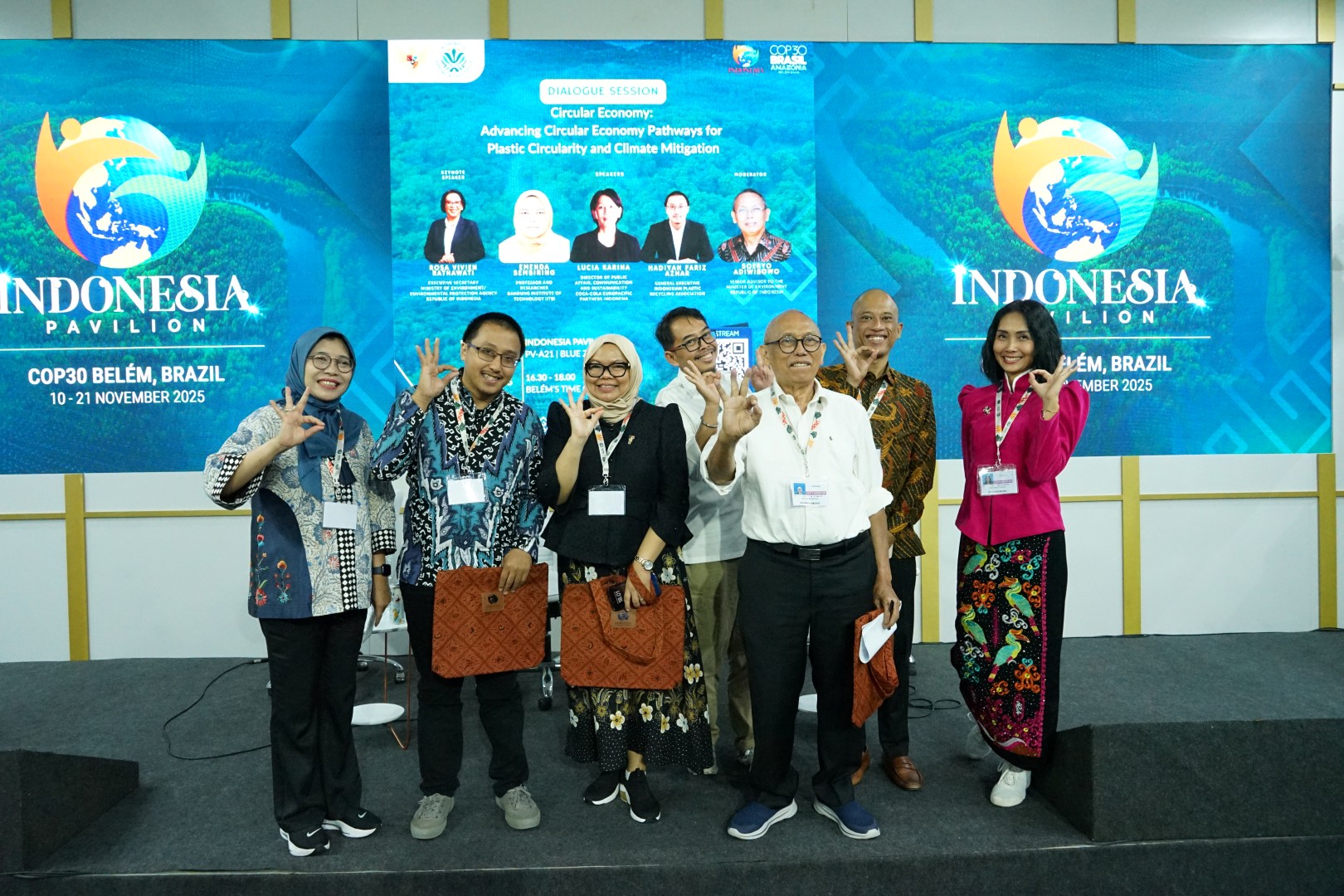

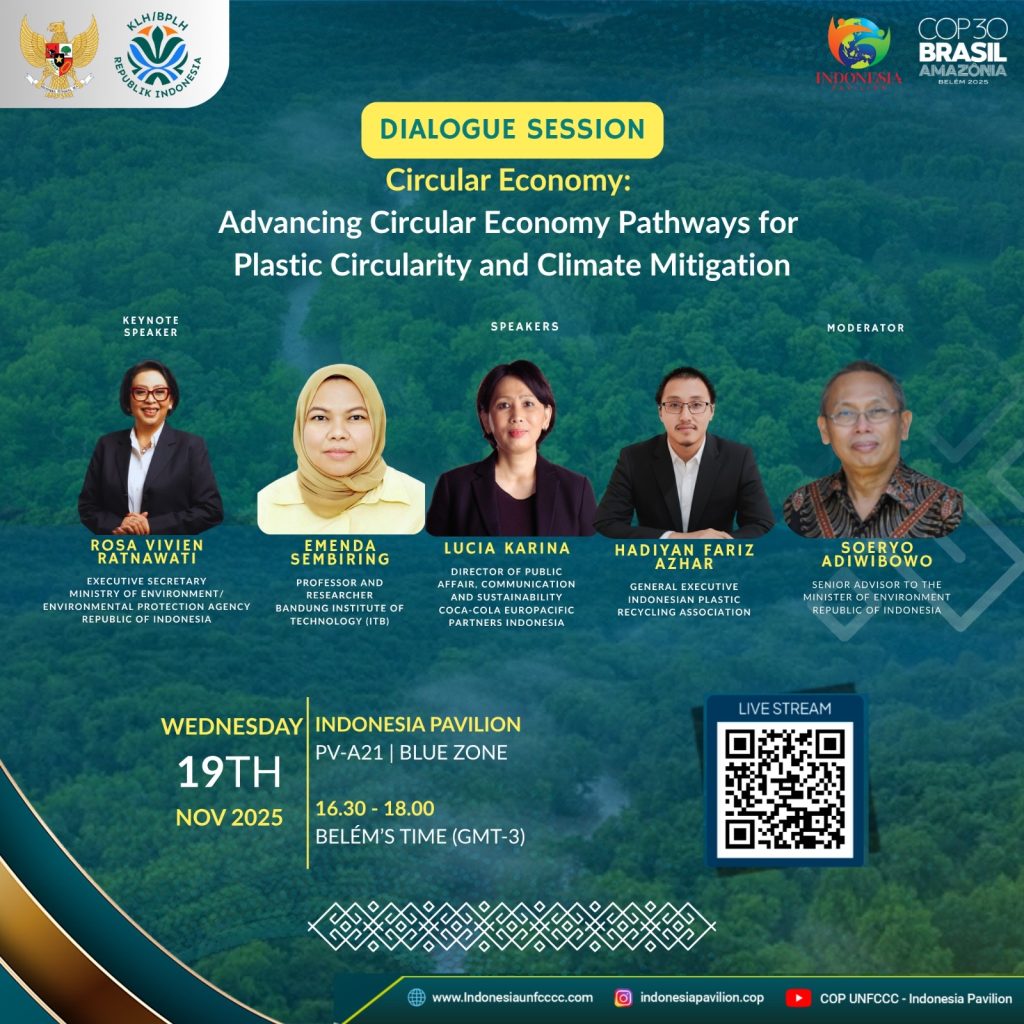
F2 – Circular Economy and Plastic Circularity

Session > F2 – Circular Economy and Plastic Circularity

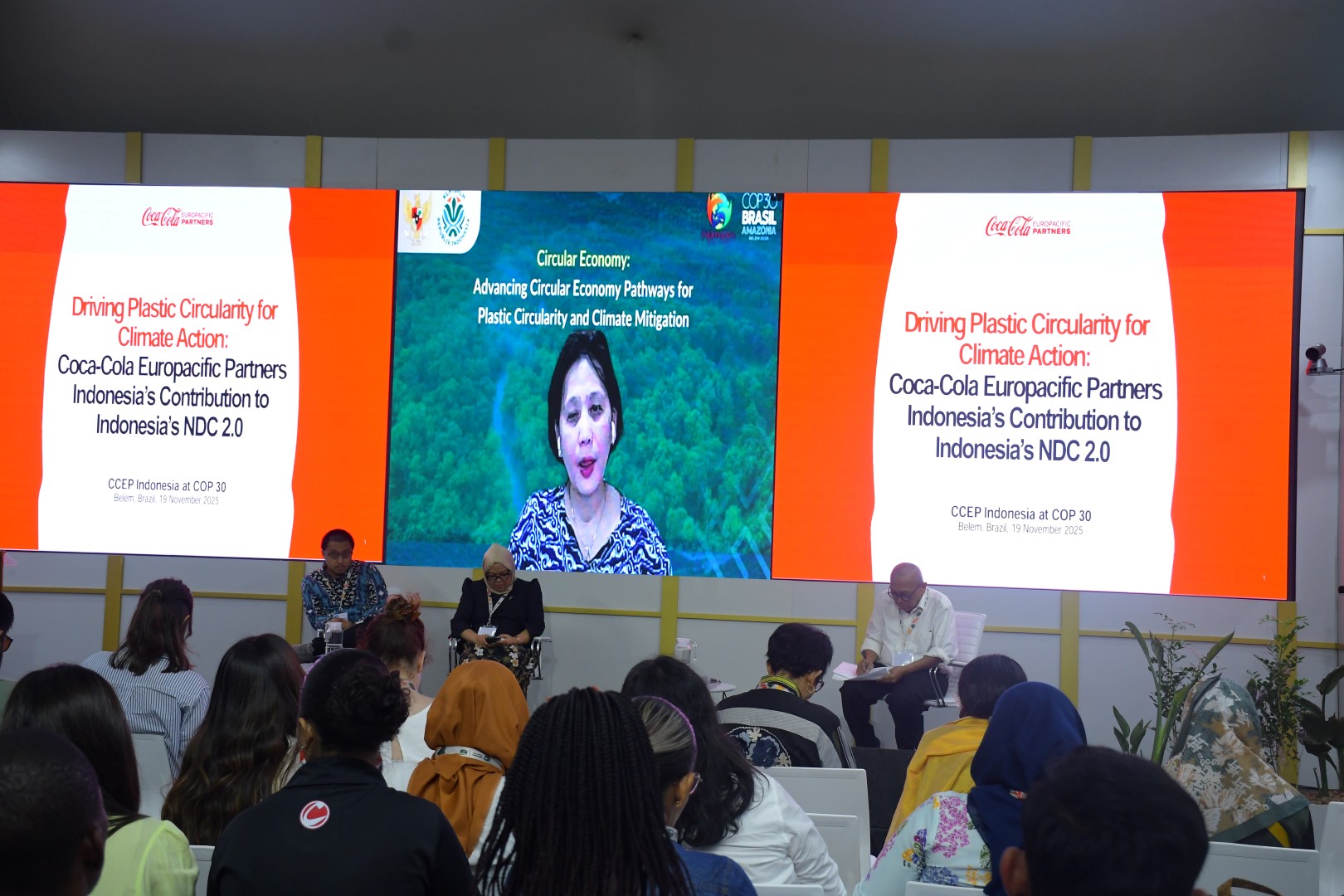
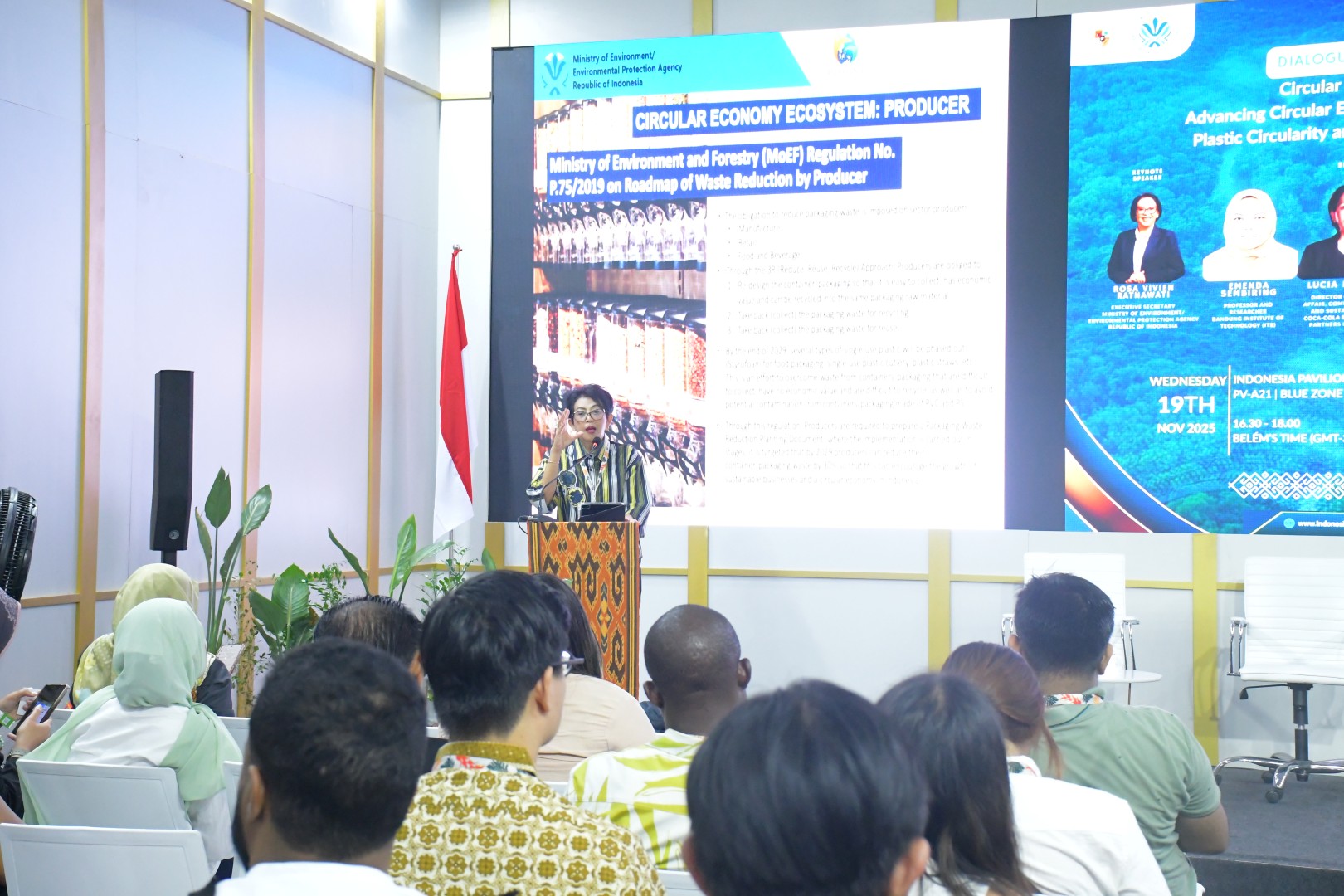
Indonesia Pavilion COP30
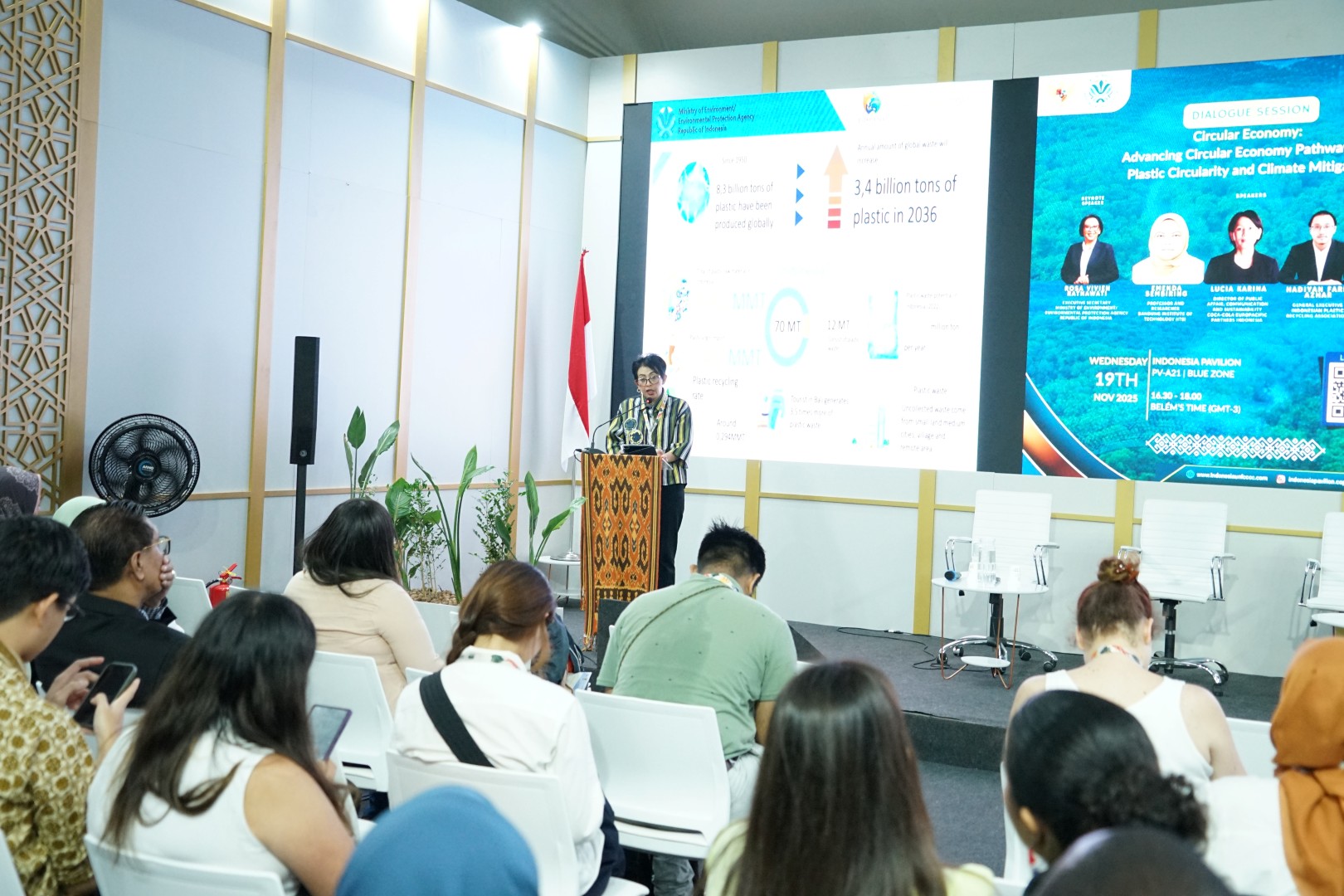
November 19, 2025 | 4:10 pm - 5:40 pm
About

A. Background

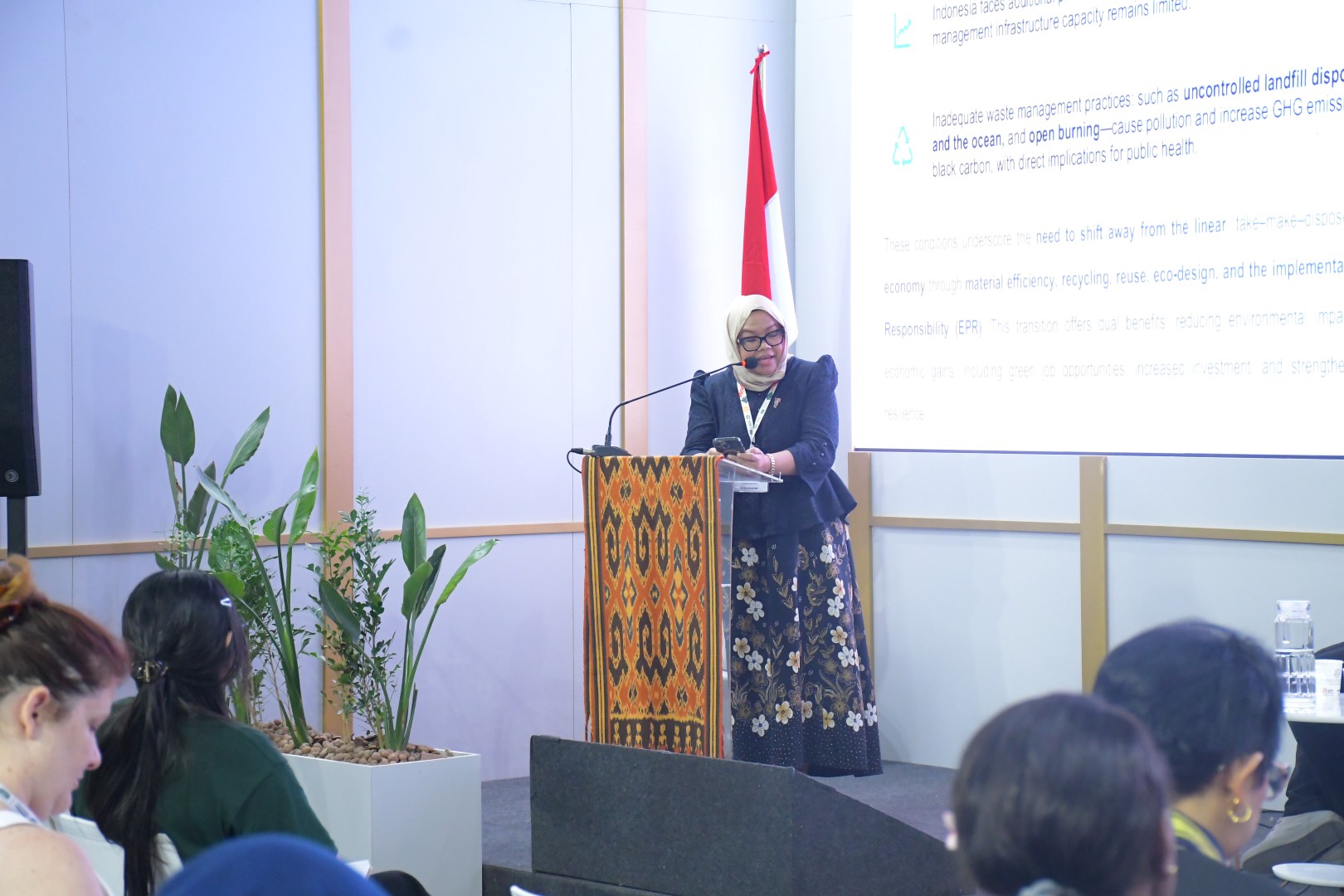
Plastic waste has become one of the most critical environmental challenges globally, and Indonesia is no exception. With rapid economic growth, increasing consumption, and limited waste infrastructure, the country faces mounting plastic pollution that threatens ecosystems, human health, and climate stability. A large portion of unmanaged plastic ends up in open dumpsites, waterways, or is illegally burned activities that exacerbate greenhouse gas (GHG) emissions and release toxic pollutants. Transitioning away from a “take-make-dispose” linear model toward a circular economy approach is essential to closing material loops, reducing virgin plastic use, and ensuring plastics remain in circulation for as long as possible. Plastic circularity through recycling, reuse, eco-design, and extended producer responsibility (EPR) offers a pathway not only to reduce emissions but also to unlock green jobs, attract sustainable investment, and build climate-resilient systems.

B. Objective and Output

Objectives:

This dialogue session aims to:

  1. Showcase Indonesia’s policy frameworks, innovations, and pilot projects in advancing circular economy and plastic circularity.
  2. Highlight the role of EPR schemes, corporate commitments, and community-based models in reducing plastic leakage and emissions.
  3. Facilitate dialogue on collaboration opportunities among governments, businesses, civil society, and international partners.
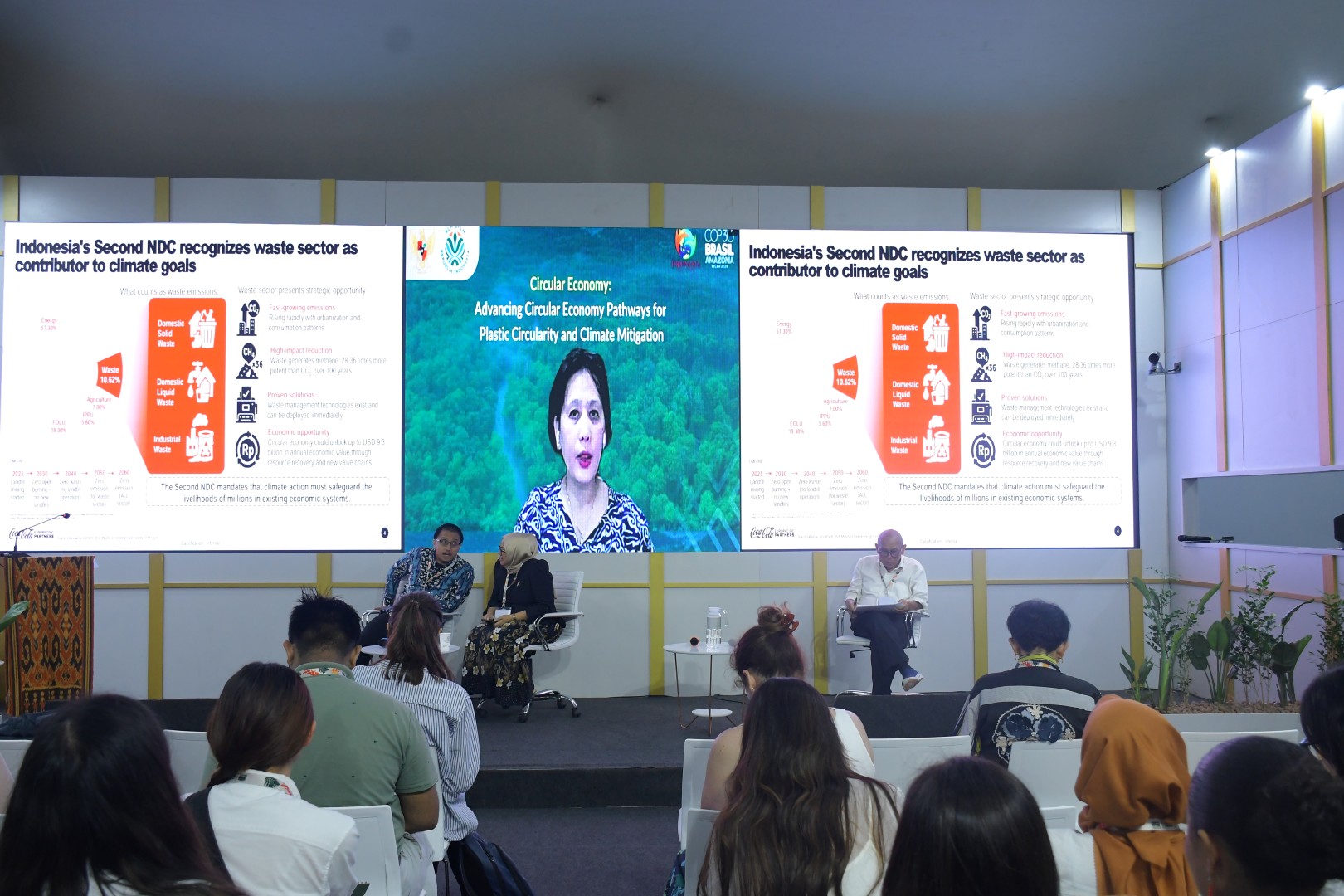
  4. Position Indonesia’s circular economy initiatives as critical contributions to the achievement of its Nationally Determined Contribution (NDC) and Net-Zero Emission (NZE) targets.

Output:

  1. Increased international recognition of Indonesia’s leadership and innovations in circular economy and plastic waste management. 
  2. Strengthened networks for collaboration, including potential MoUs with strategic partners.
  3. Documented best practices and communication materials (videos, booklets, infographics) to promote scalable circular economy solutions.
  4. Policy recommendations and investment opportunities to accelerate plastic circularity in alignment with climate goals

C. Target Audience

The target audience for this session includes:

  1. Policymakers at national and subnational levels working on waste management, industry regulation, and climate policy.
  2. Private sector actors including FMCG companies, packaging producers, petrochemical industries, and startups committed to sustainability.
  3. Industry associations and brand owners with EPR responsibilities and commitments to reducing plastic footprints.
  4. Academics, researchers, and civil society organizations advancing innovation, advocacy, and social models of waste management.
  5. International delegates and development partners supporting circular economy and low-carbon transitions.
  6. Media organizations amplifying Indonesia’s leadership in plastic circularity.
Live Stream
Presentations
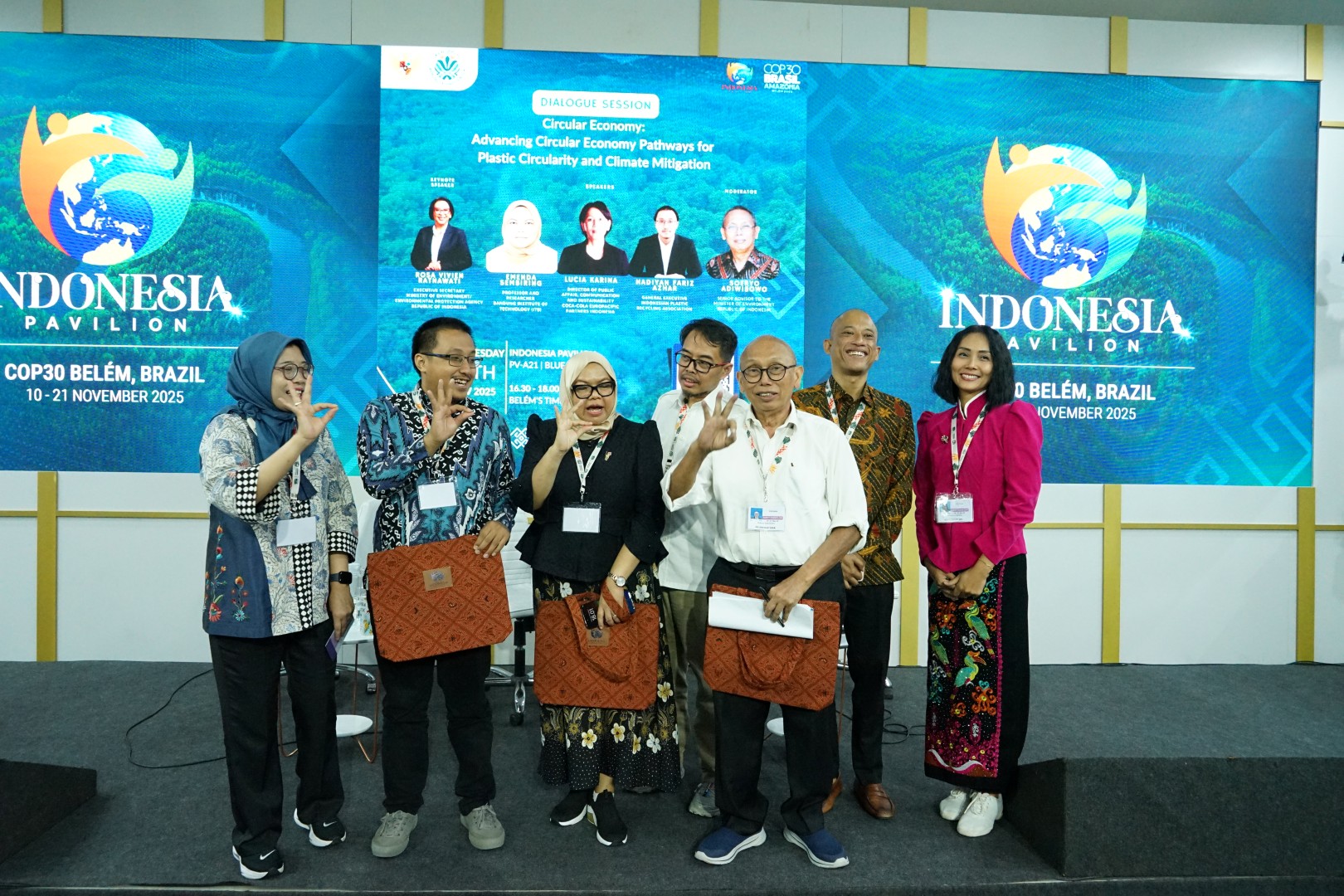
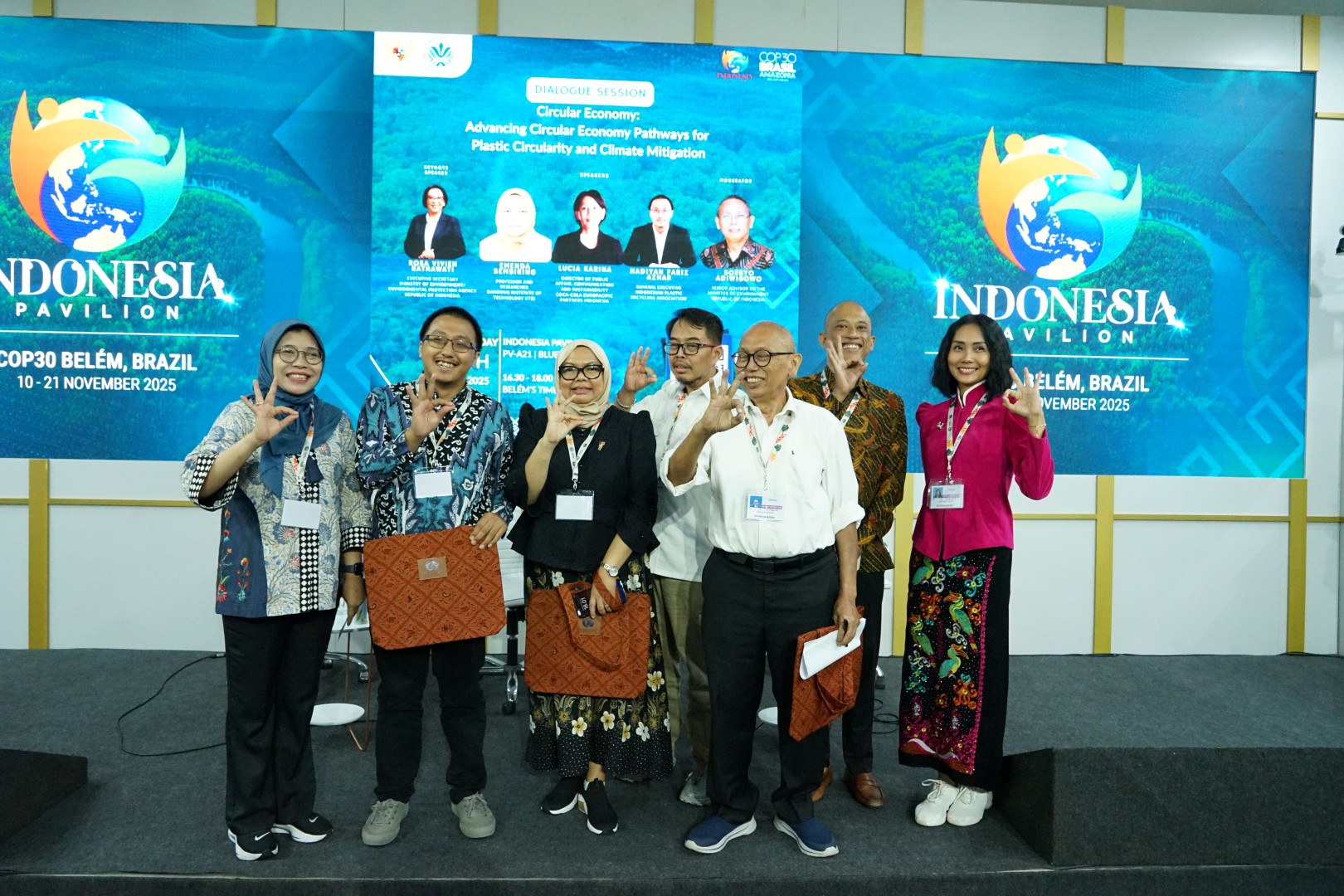
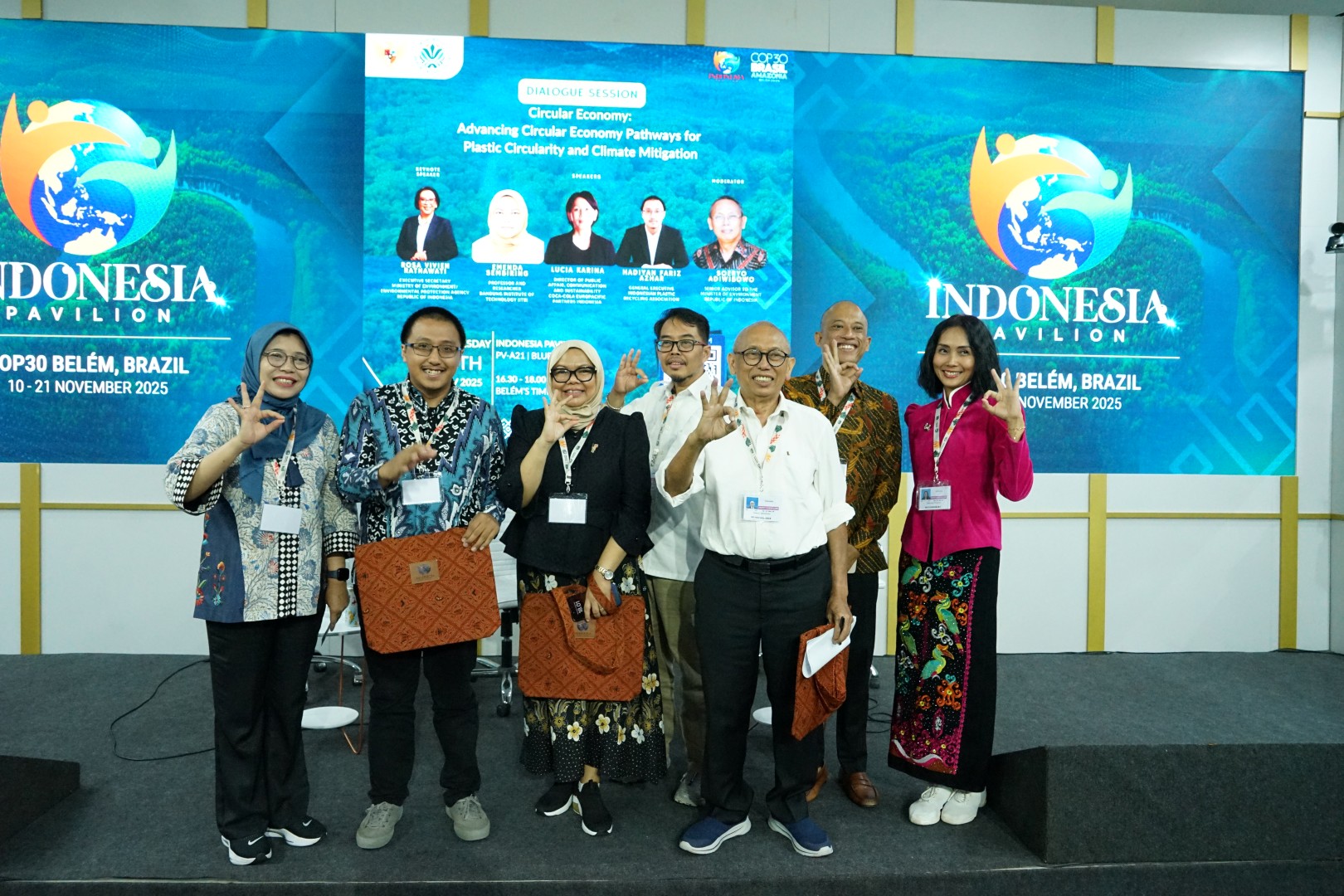
Speakers

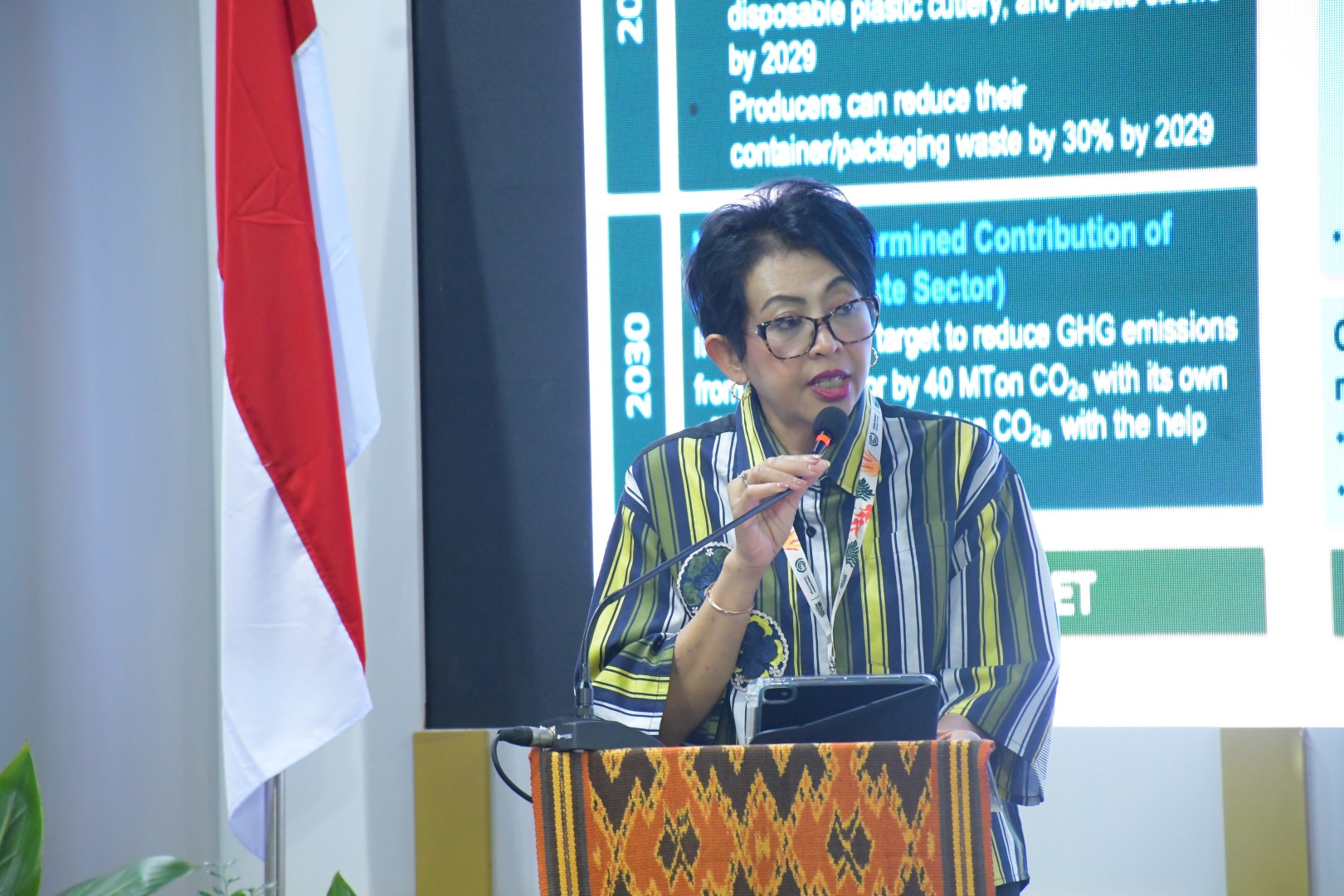
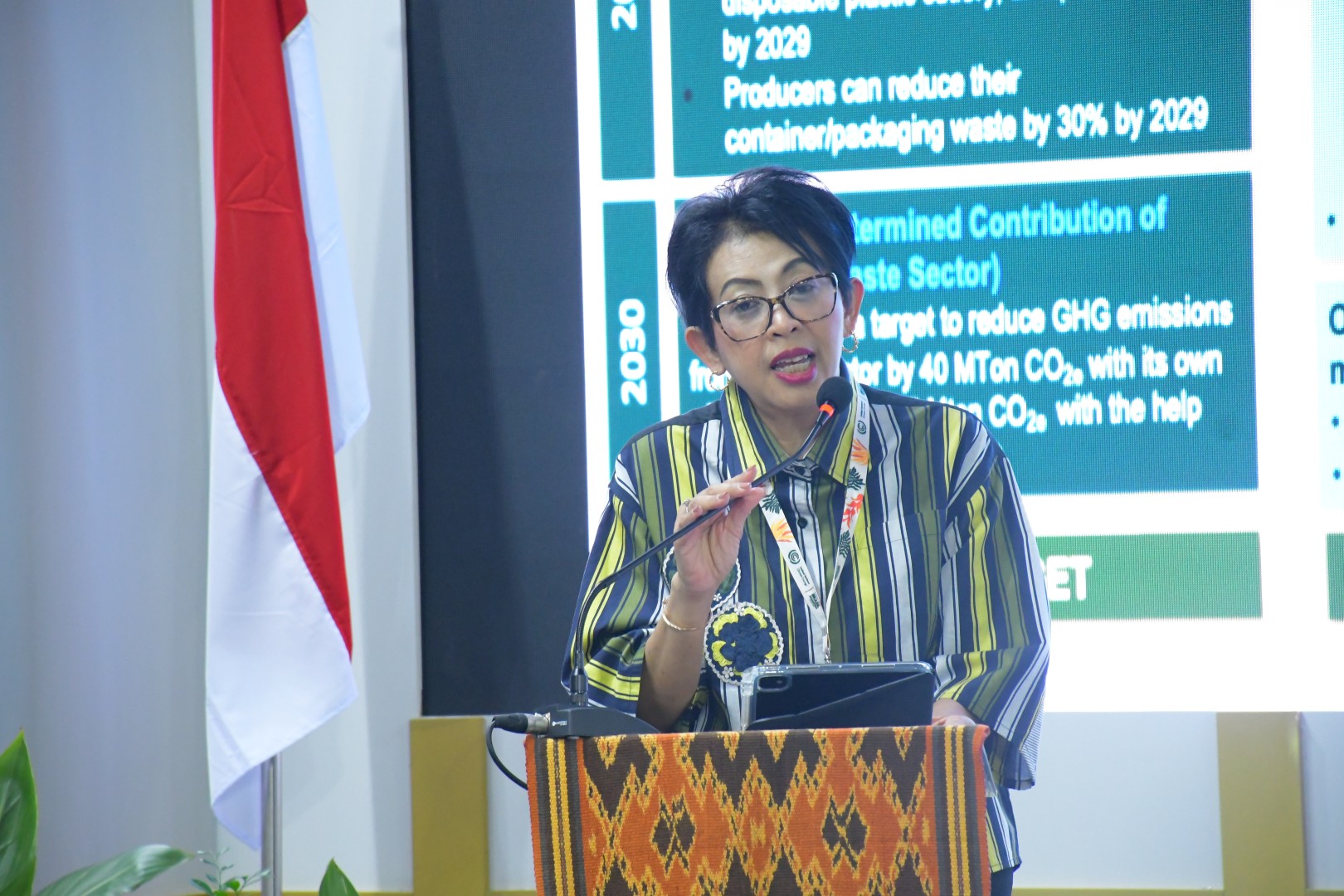
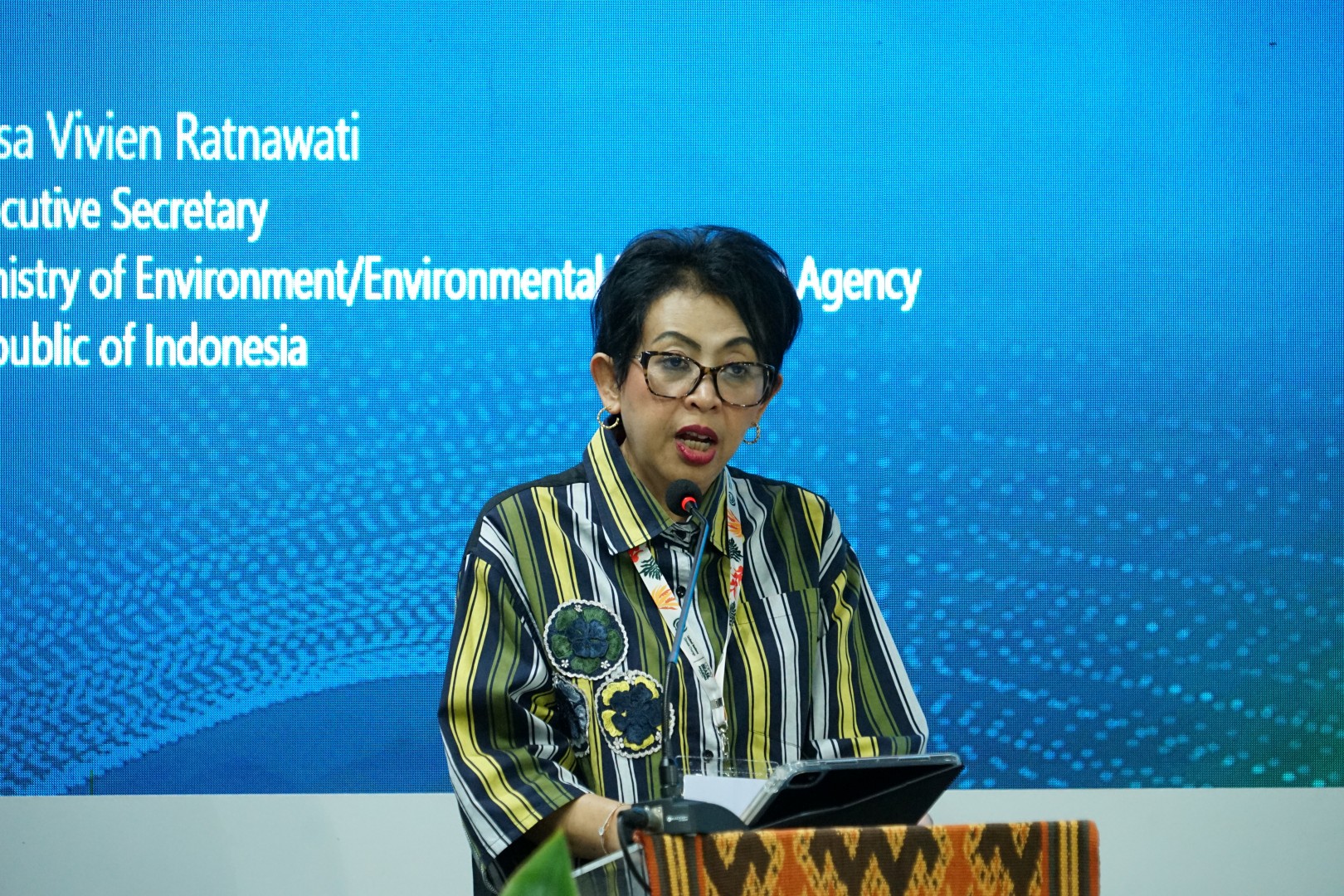
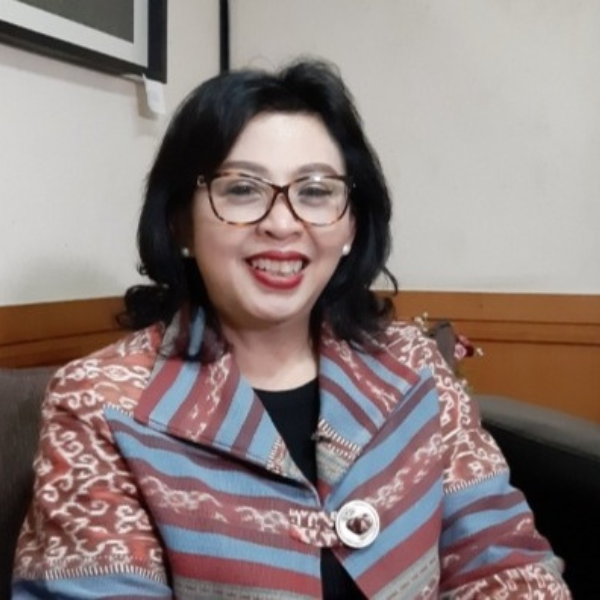
Rosa Vivien Ratnawati

Executive Secretary, Ministry of Environment/Environmental Protection Agency, Republic of Indonesia

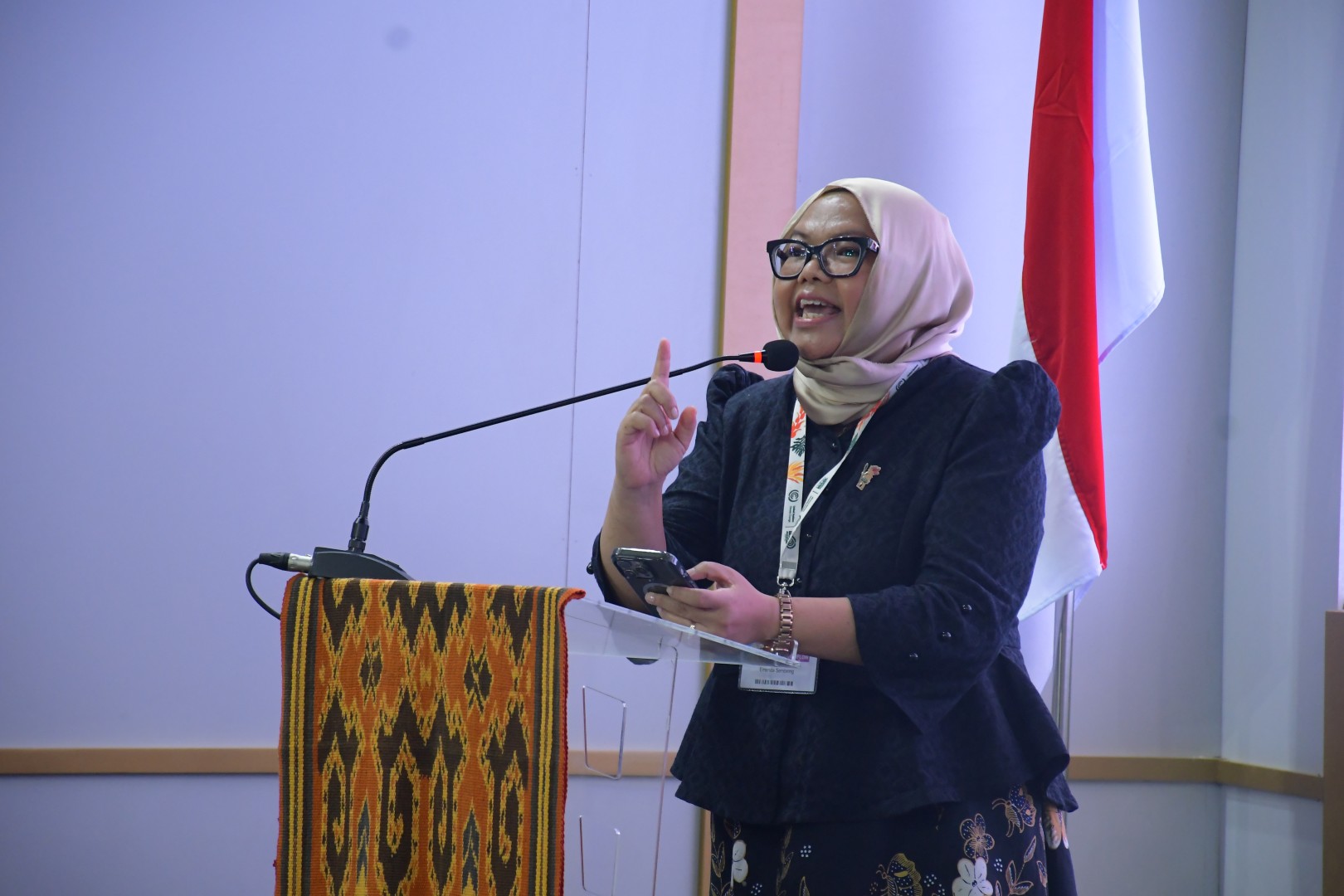
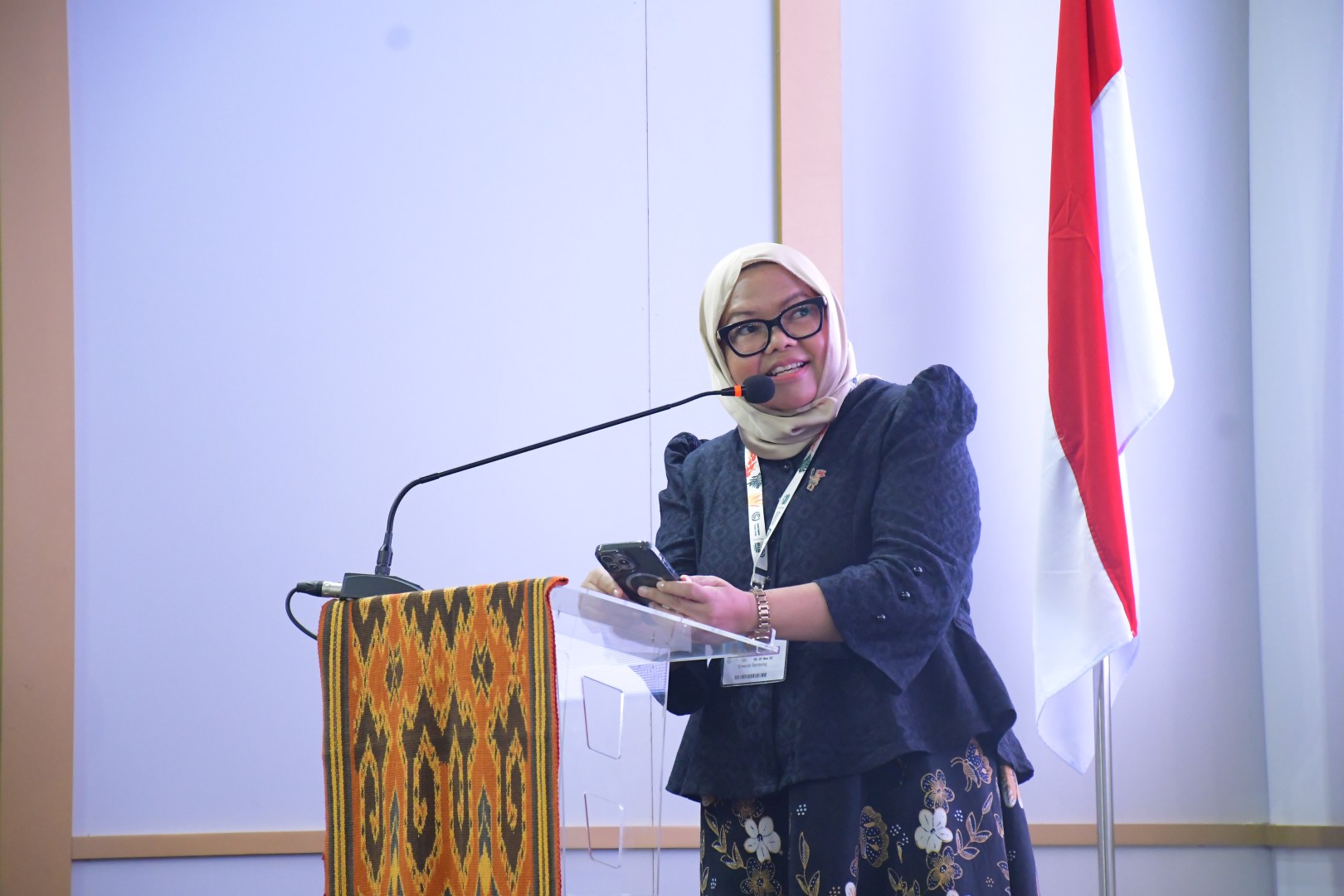
Emenda Sembiring

Professor and Researcher, Bandung Institute of Technology (ITB)

Lucia Karina

Director of Public Affairs, Communication and Sustainability, Coca-Cola Europacific Partners (CCEP) Indonesia
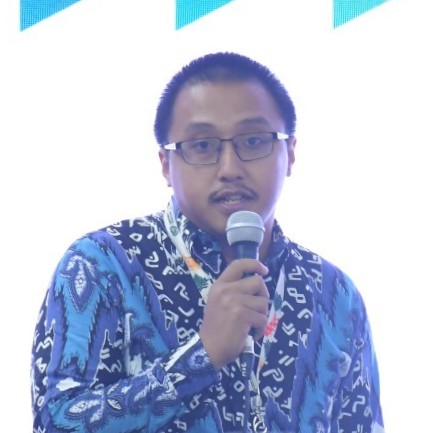
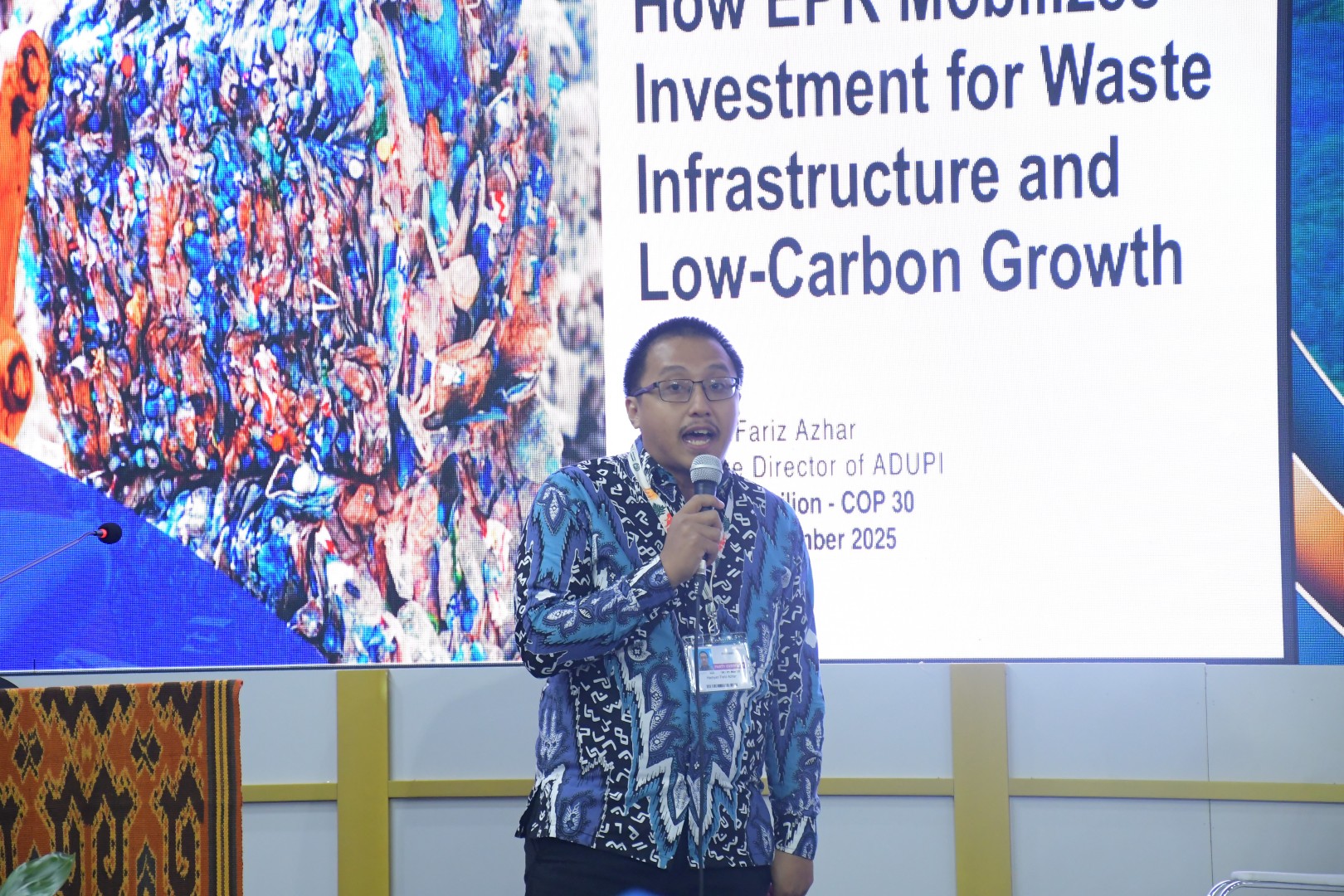
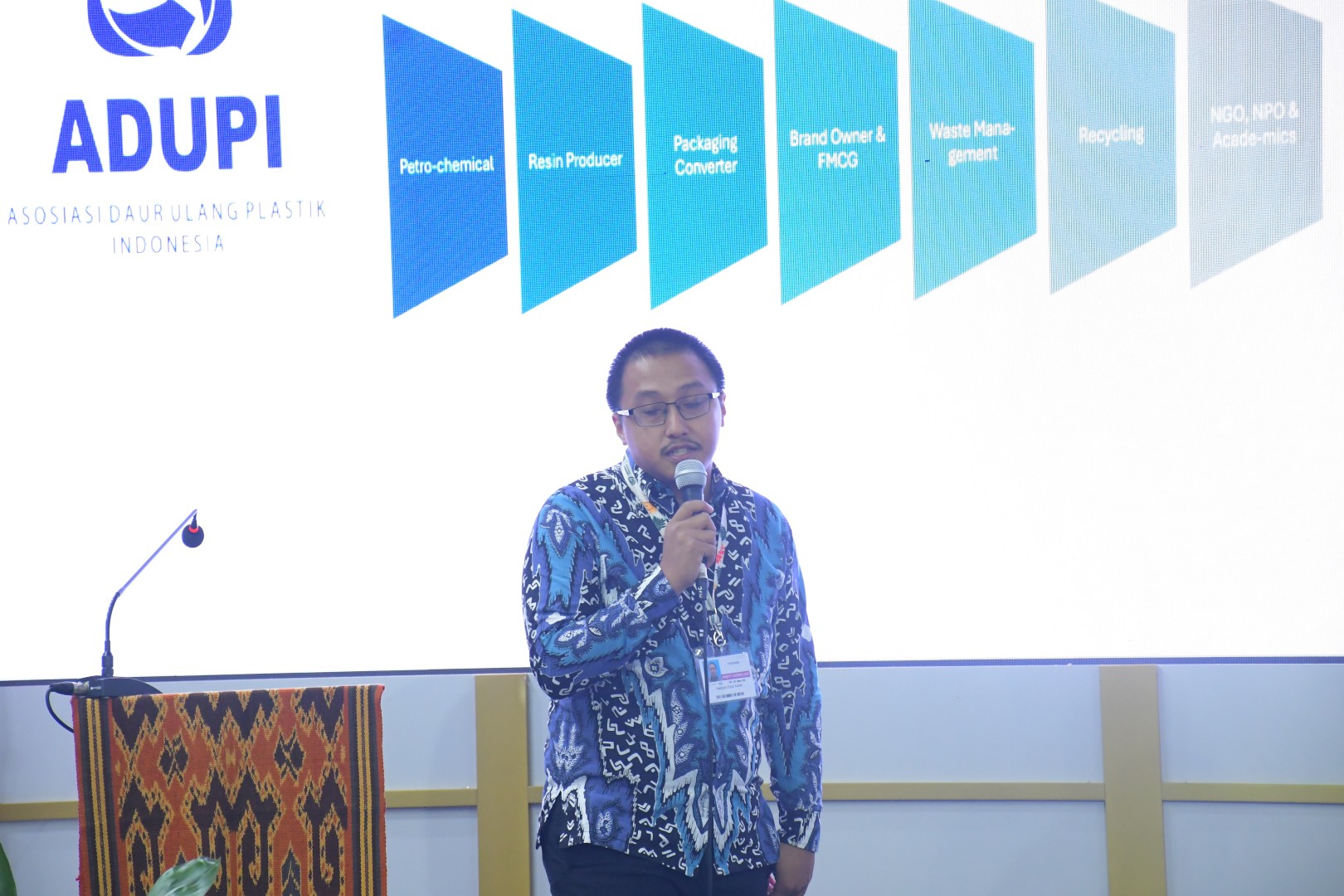
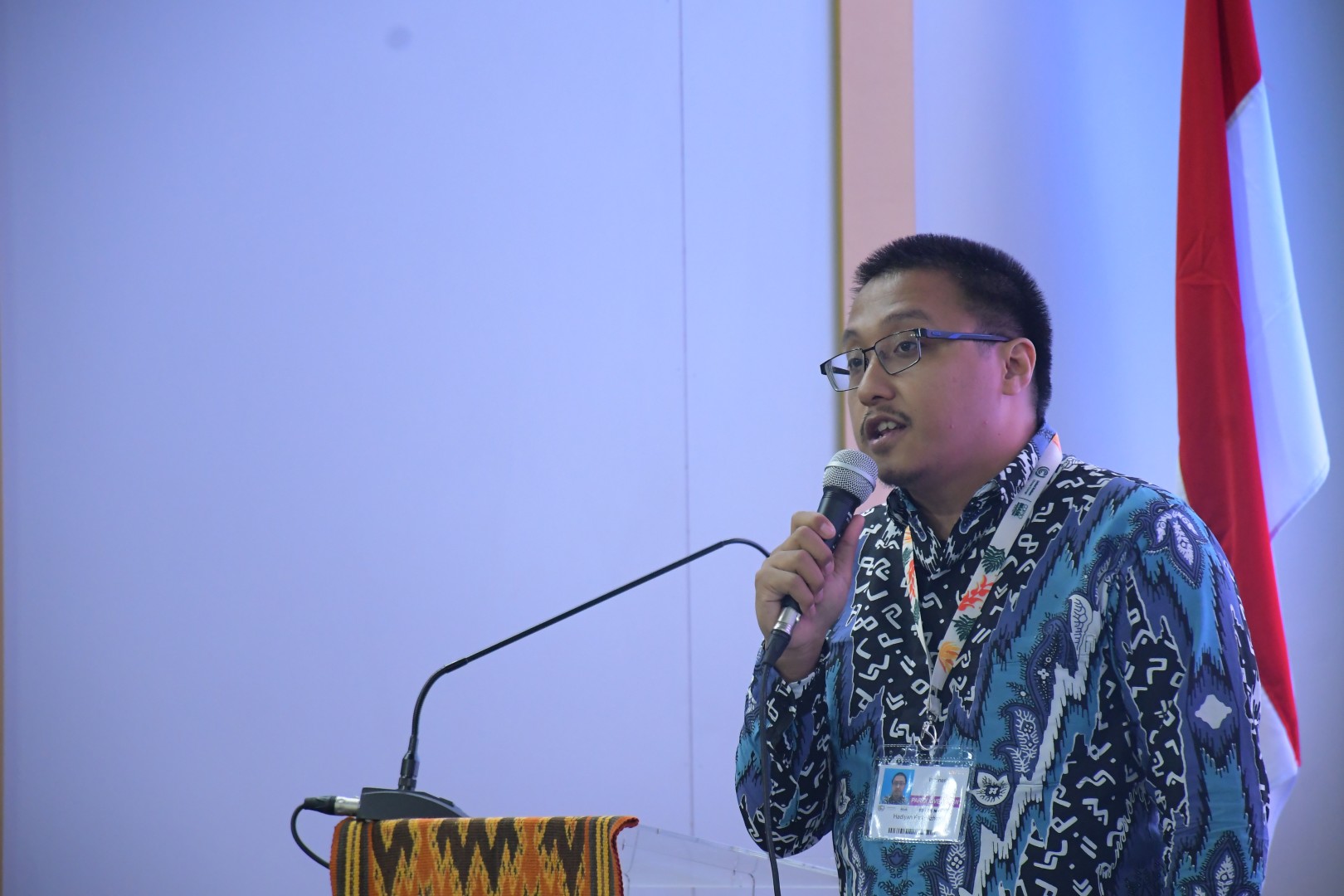
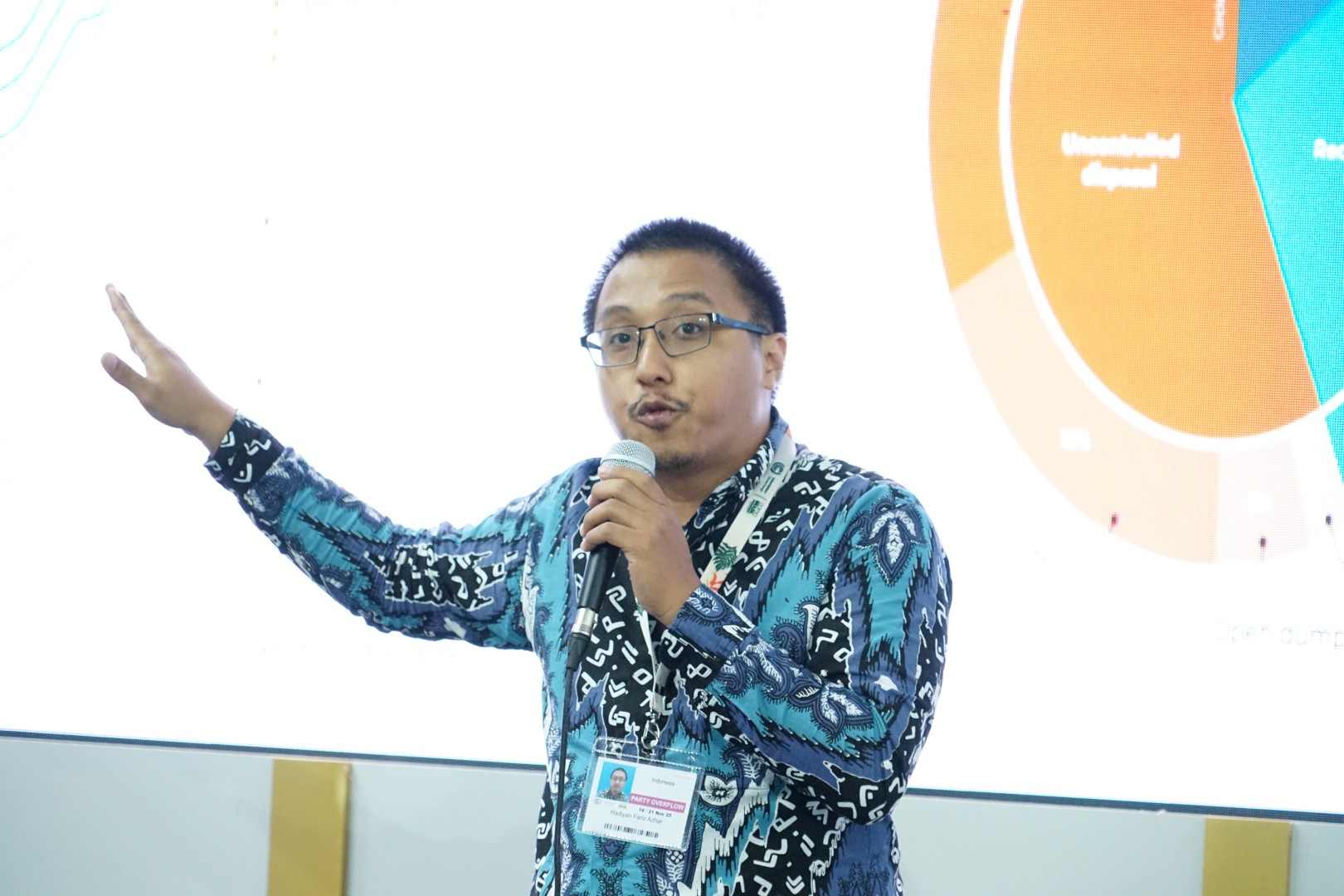
Hadiyan Fariz Azhar

General Executive, Indonesian Plastic Recycling Association (ADUPI)
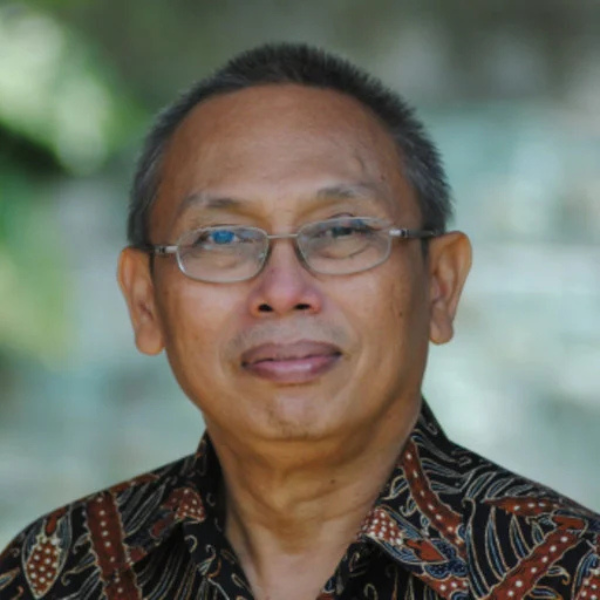
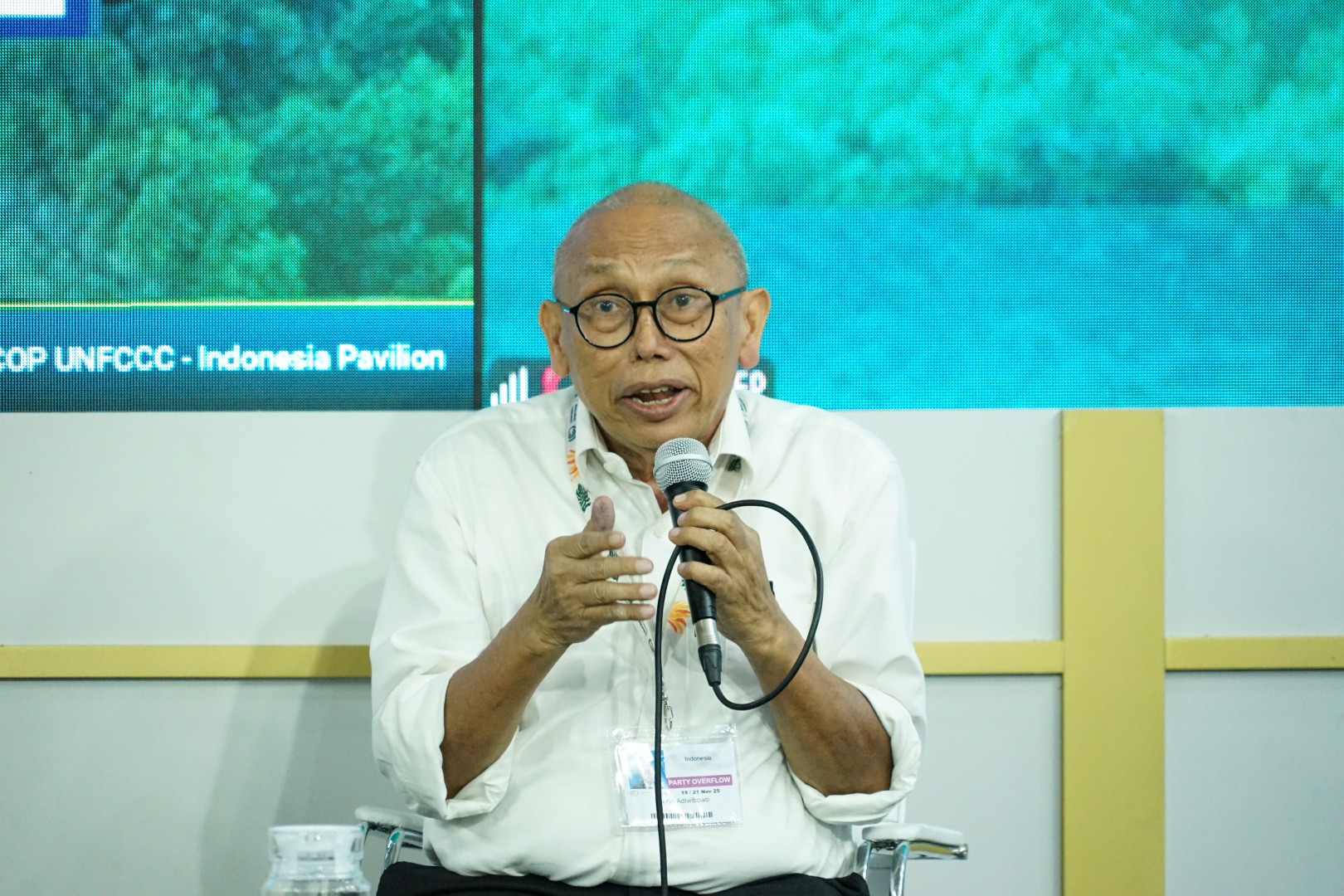
Moderator

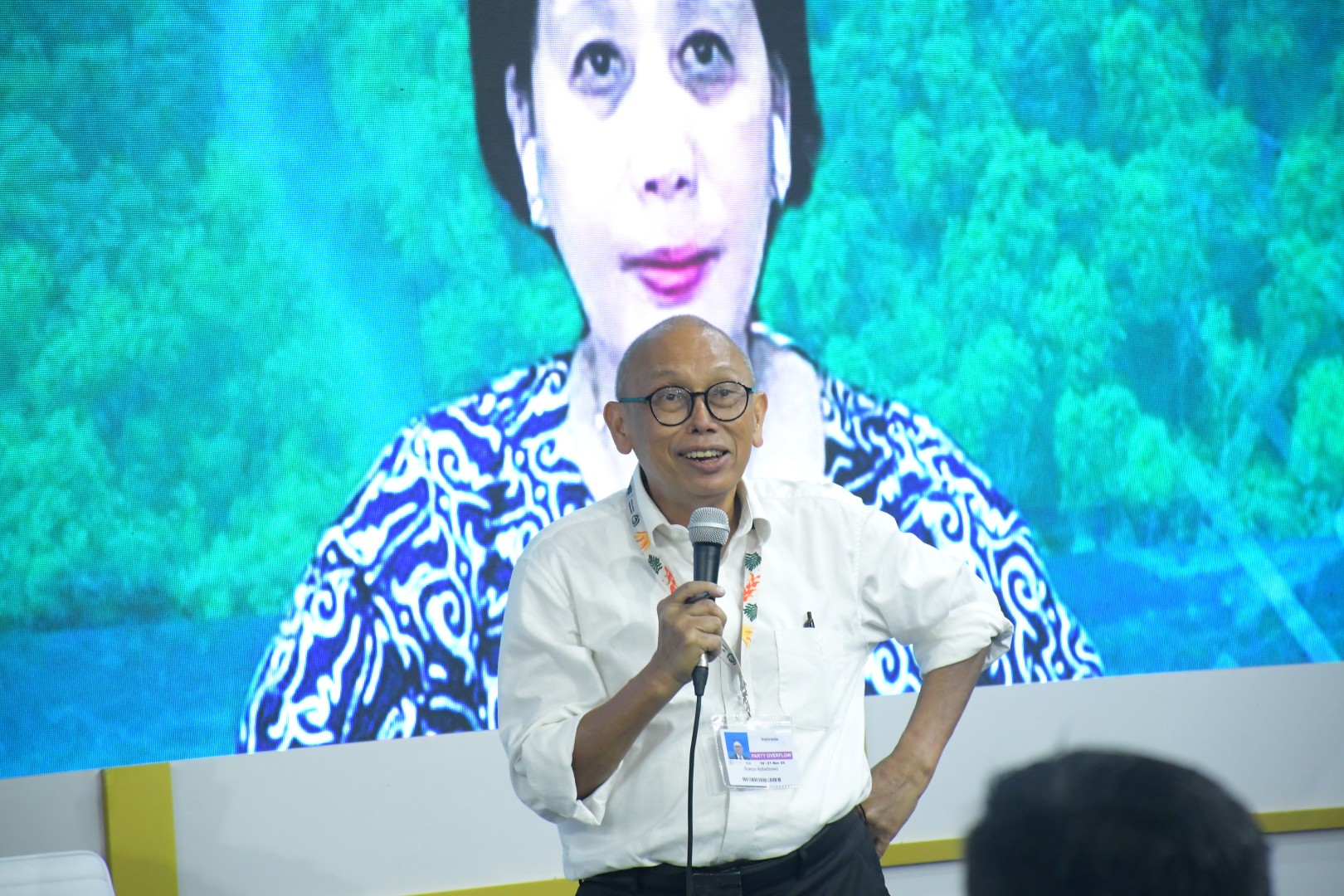
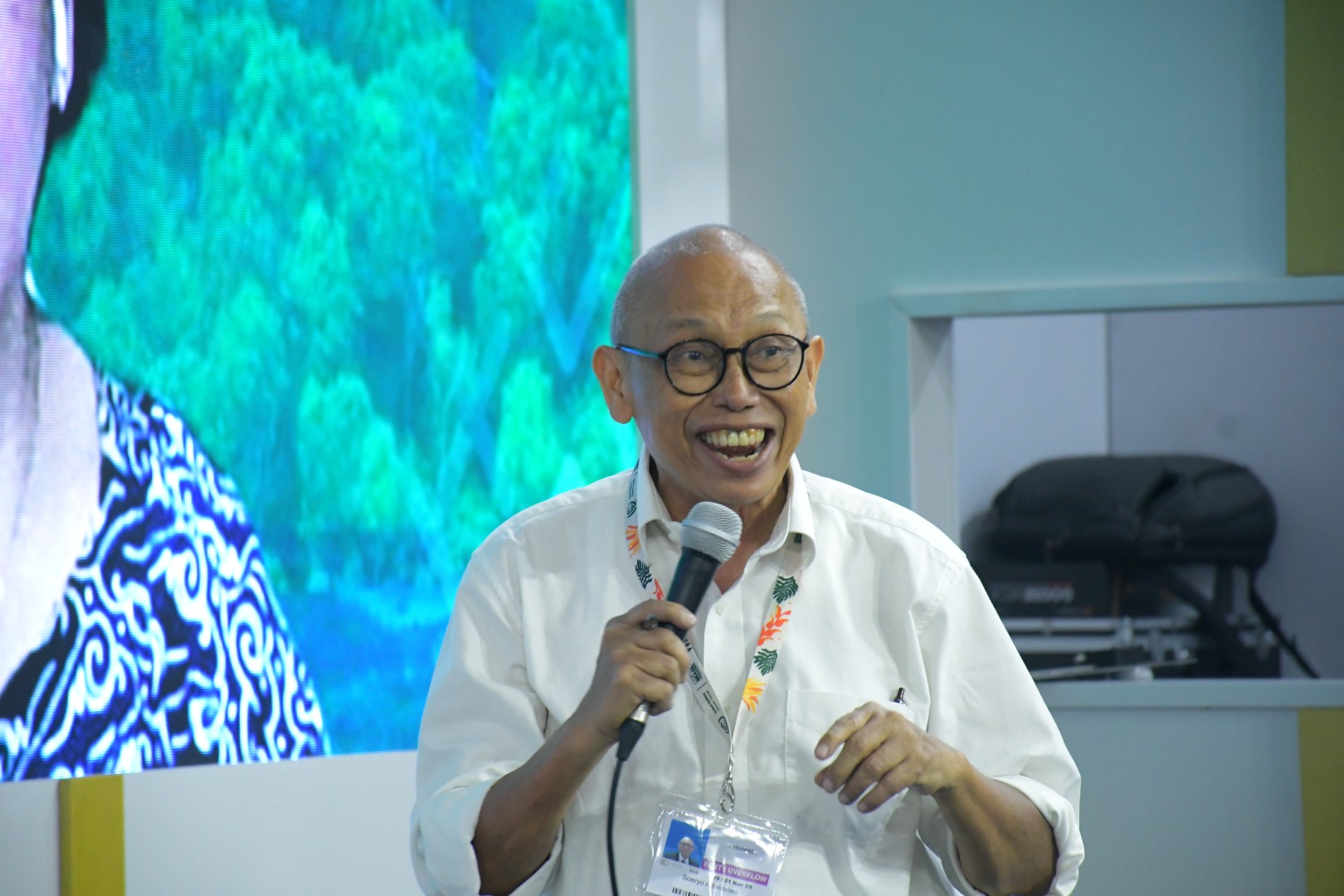
Soeryo Adiwibowo

Senior Advisor to the Minister of Environment/Environmental Protection Agency, Republic of Indonesia
Gallery