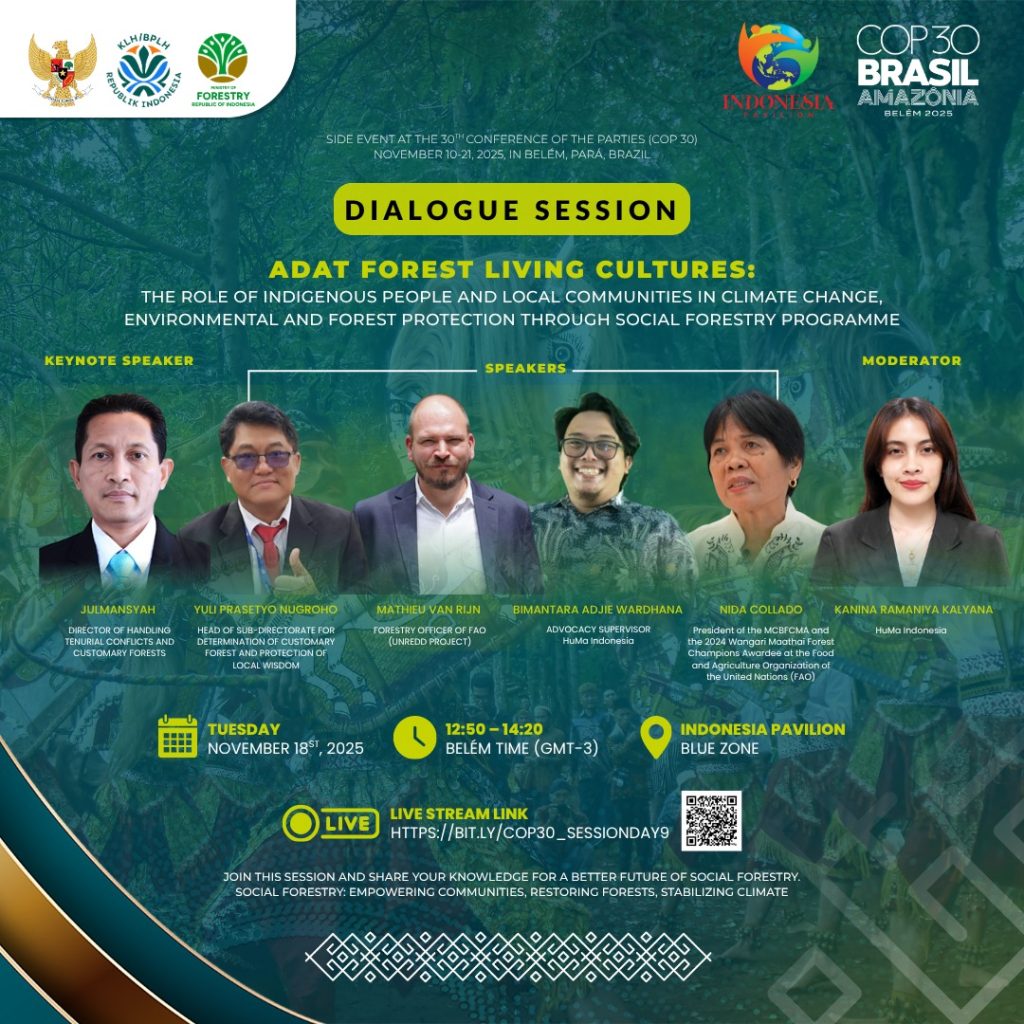
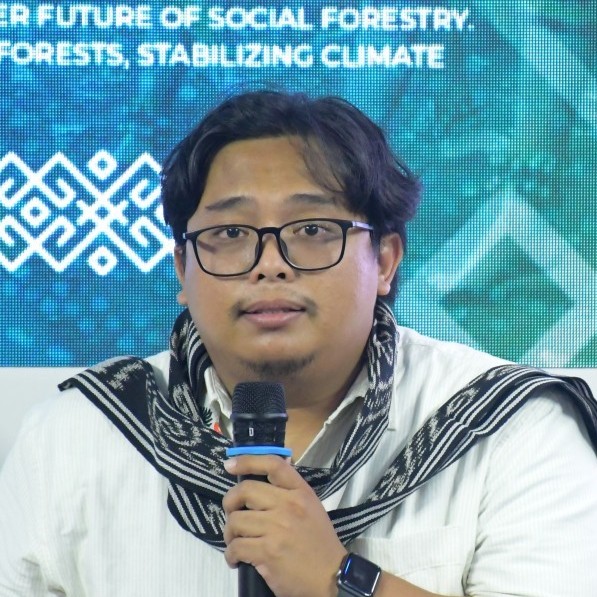
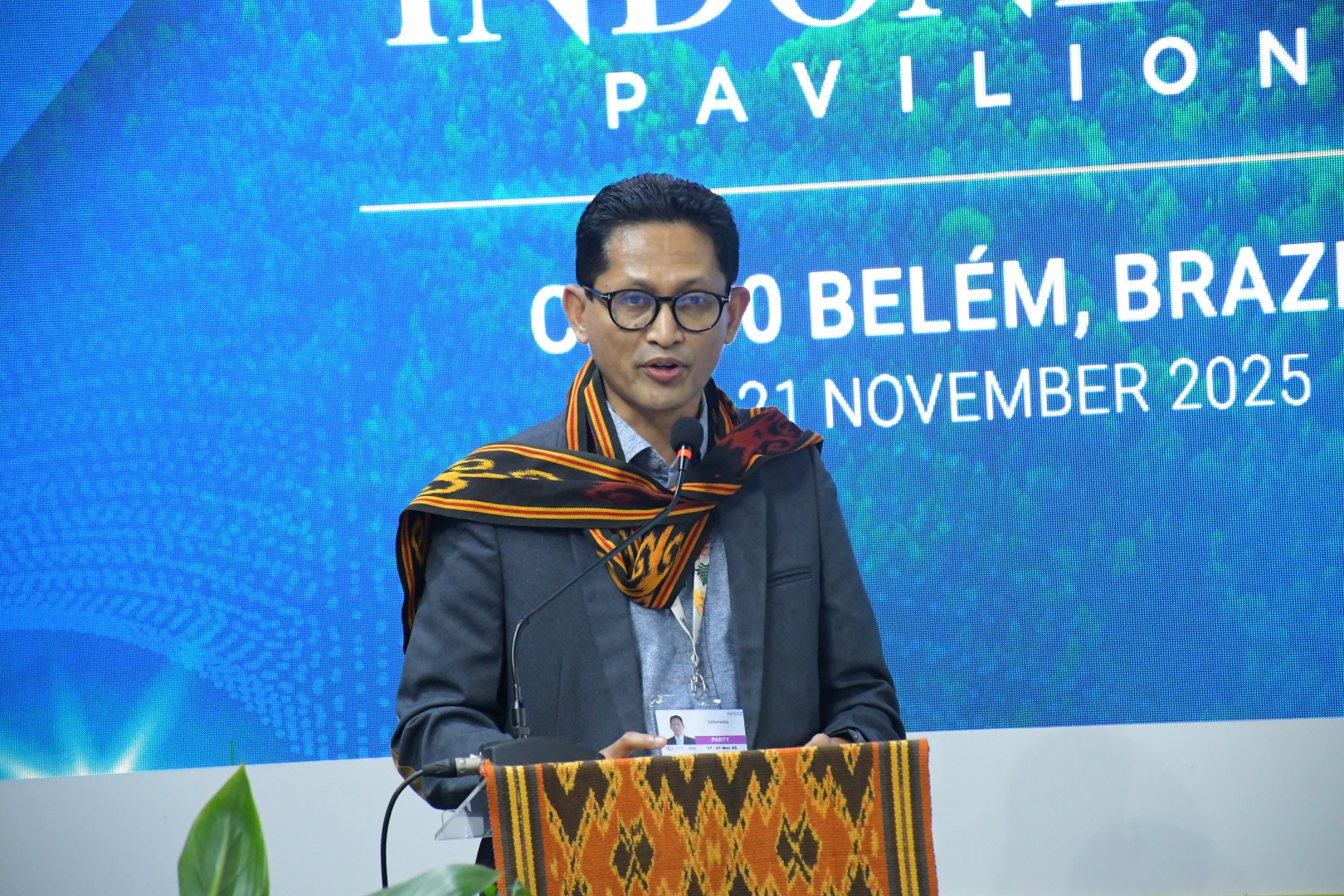
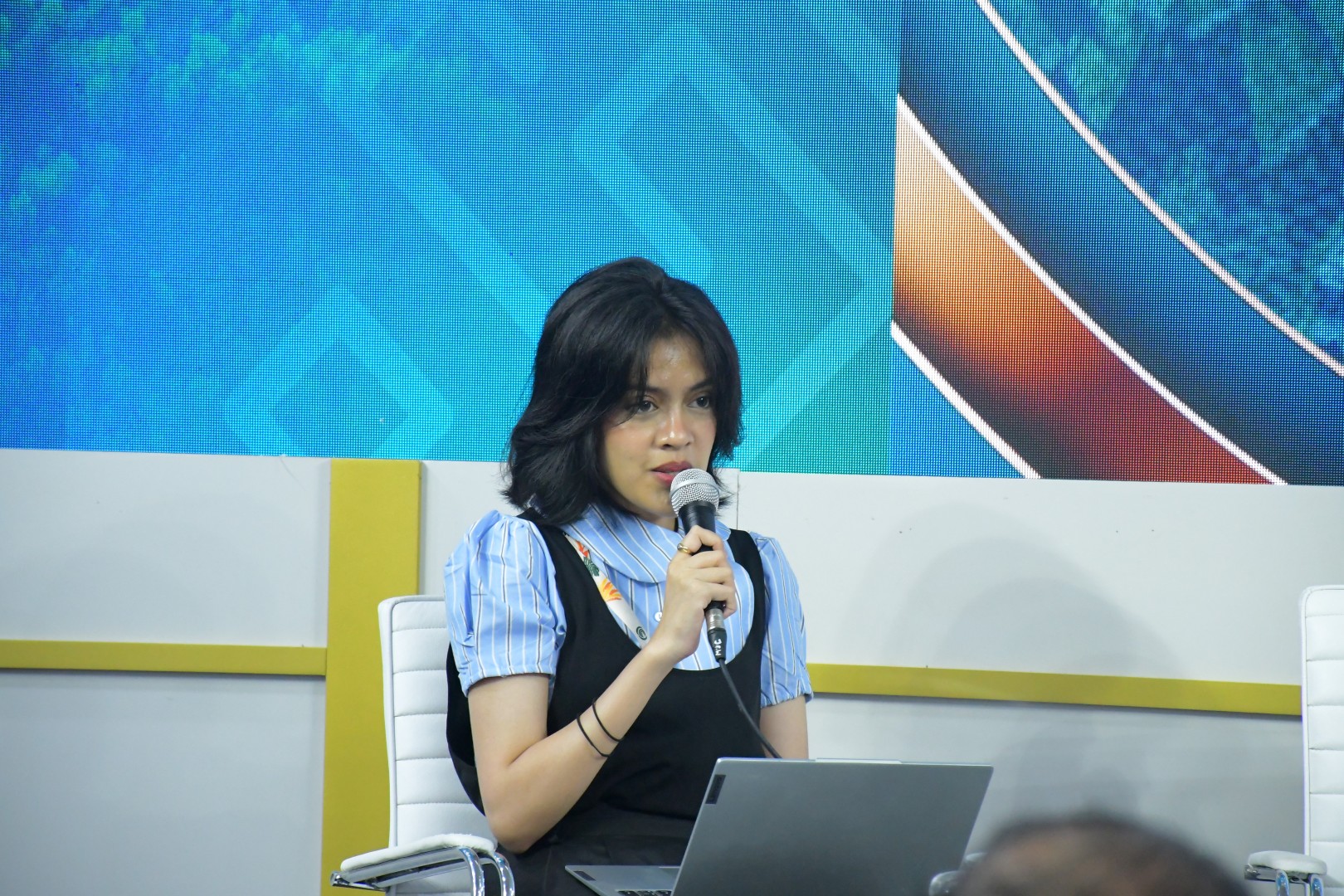
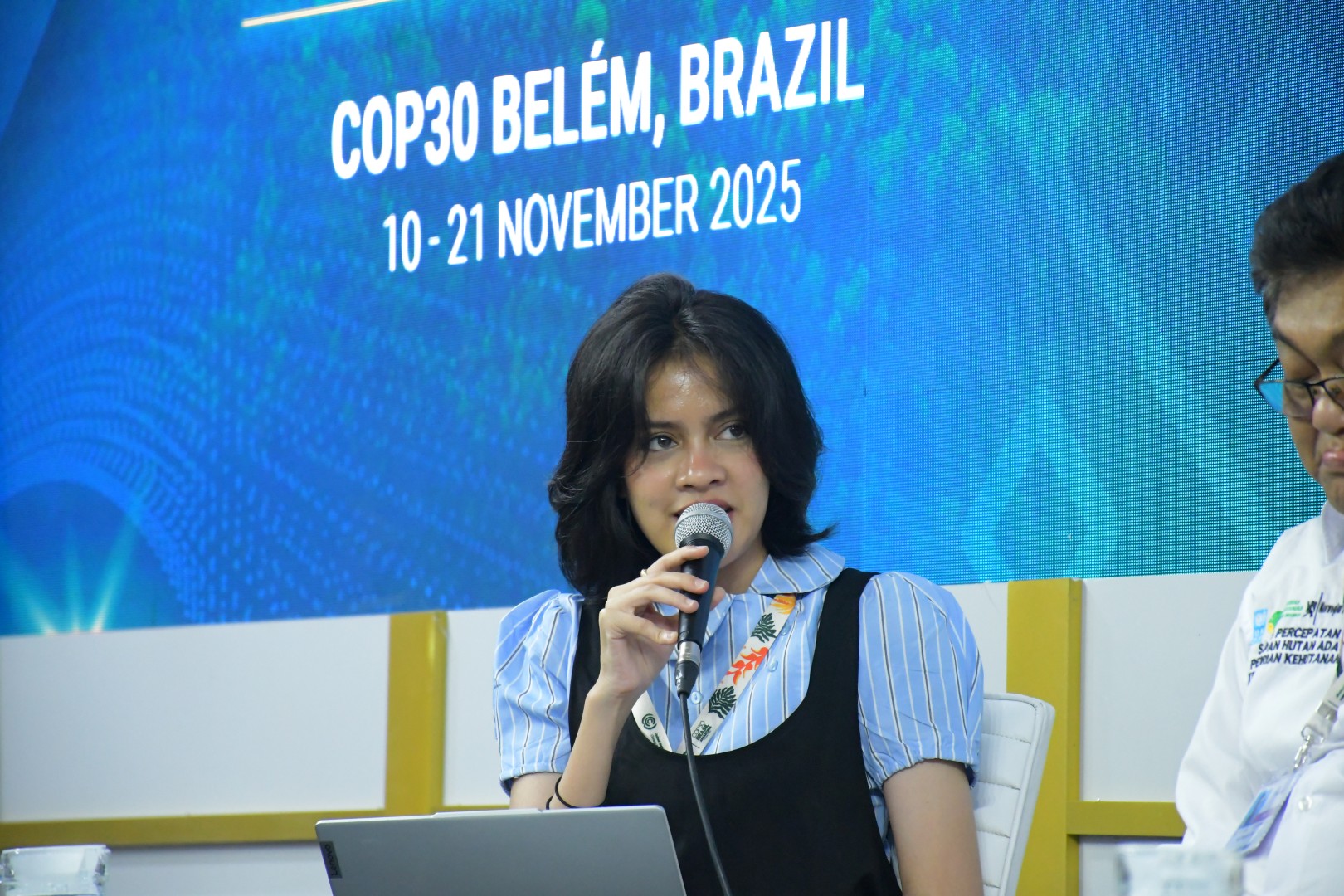
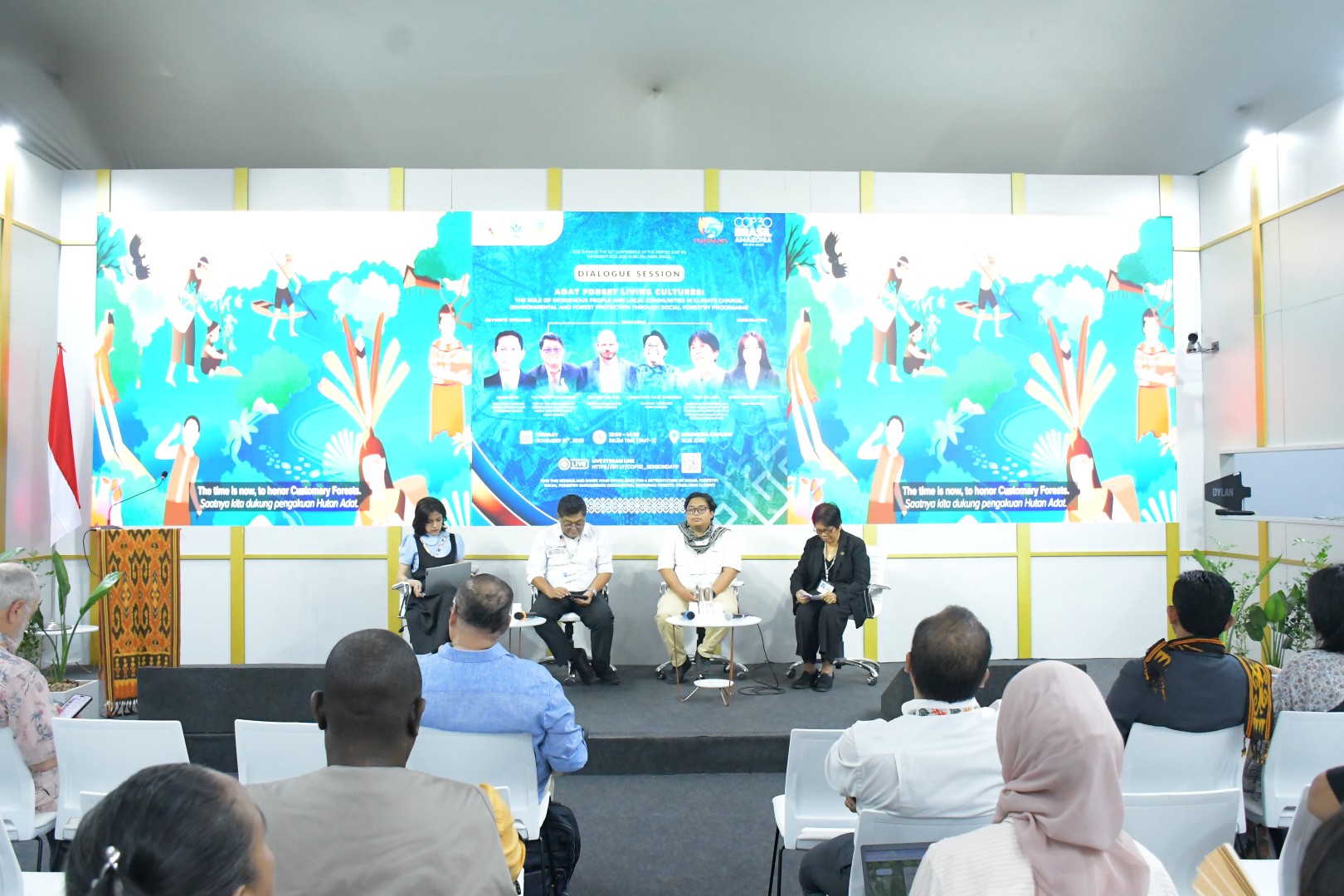
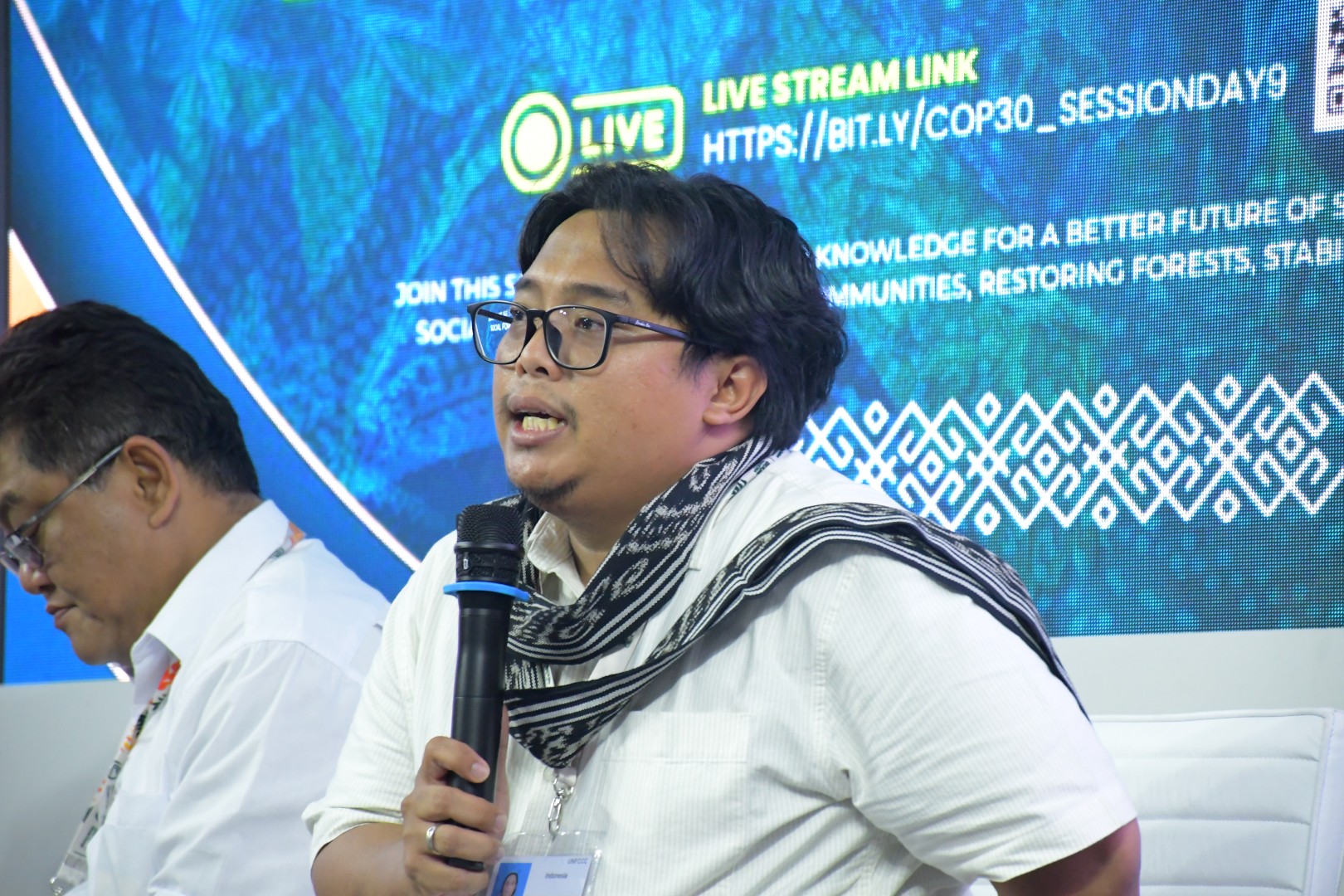
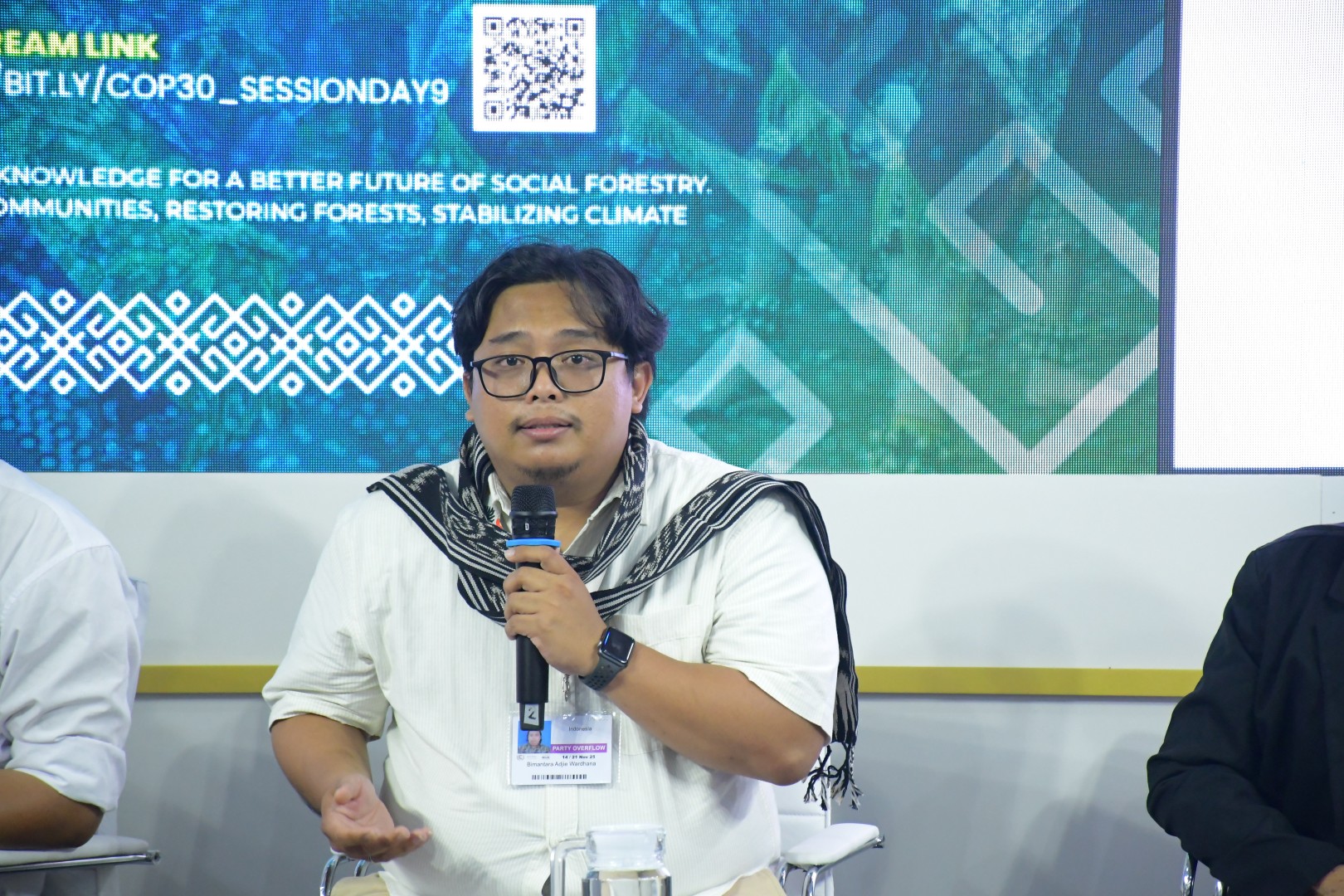
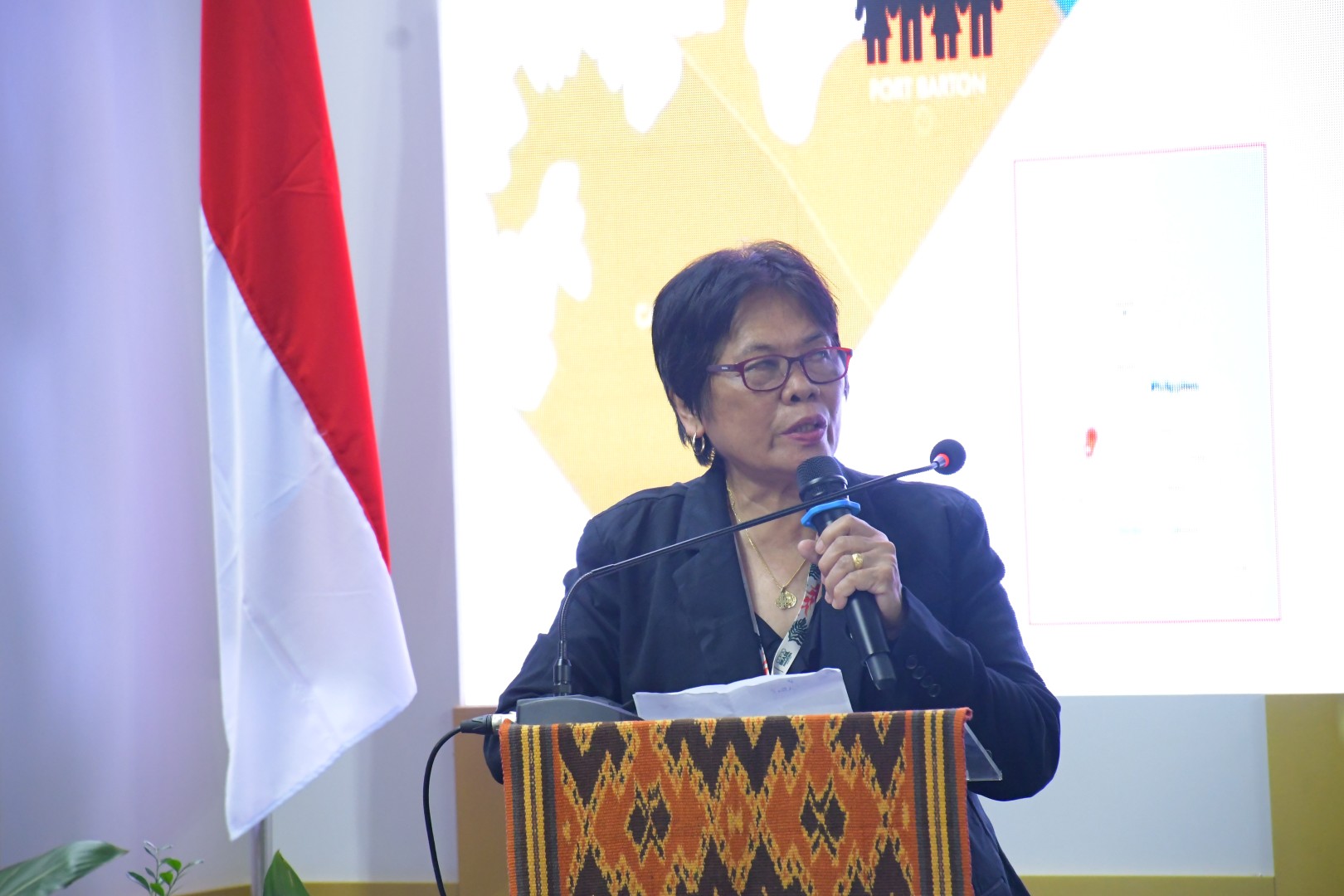
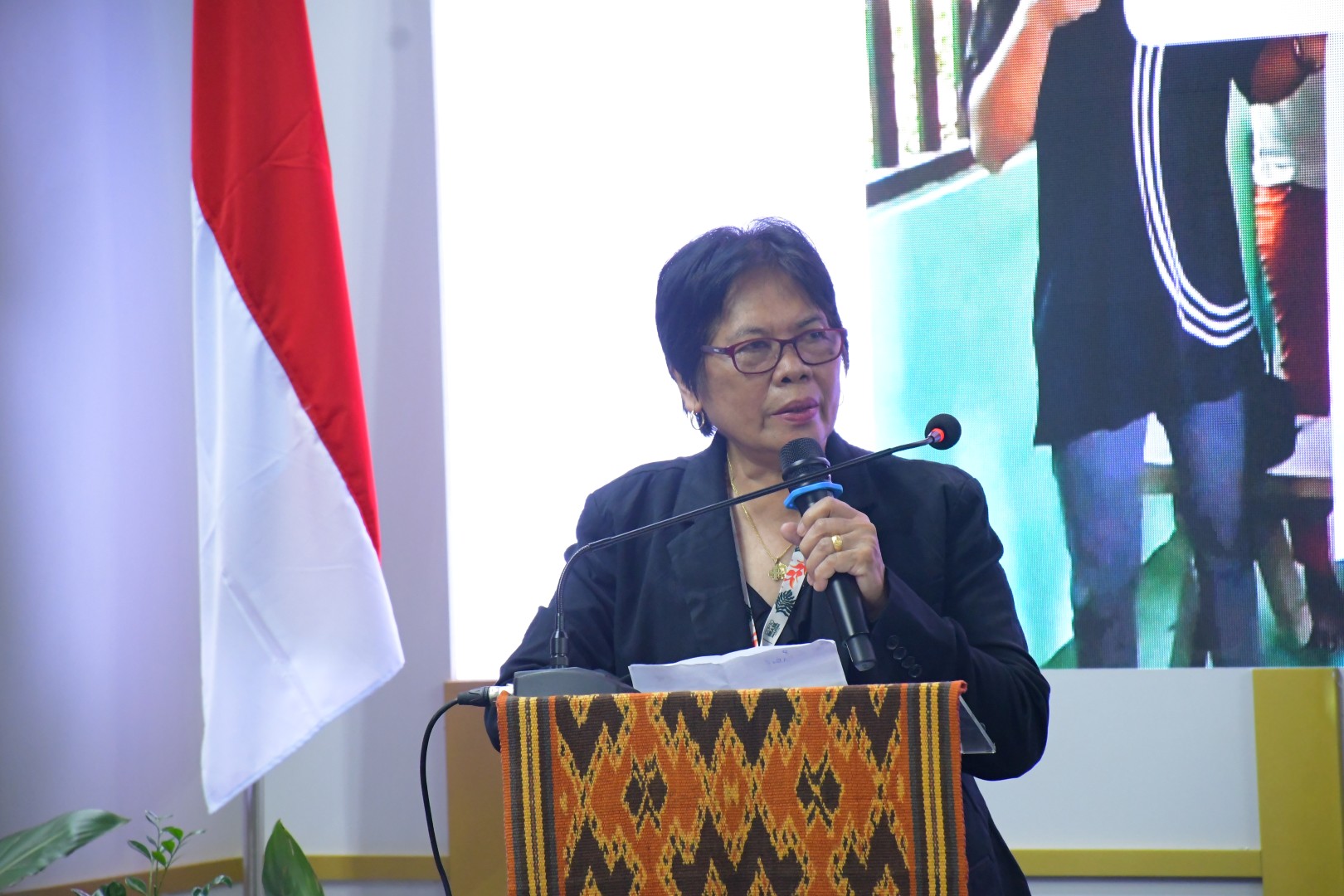
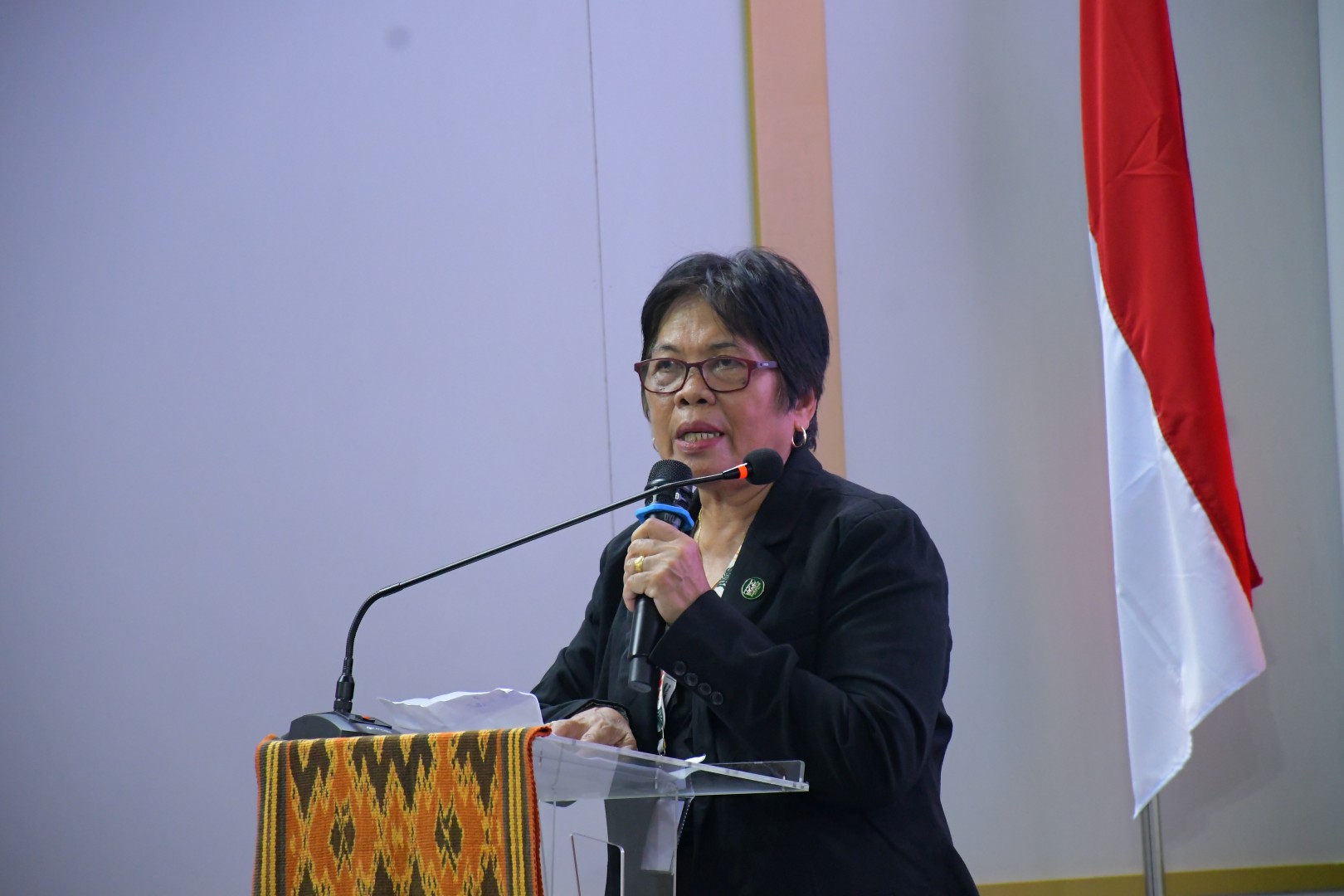
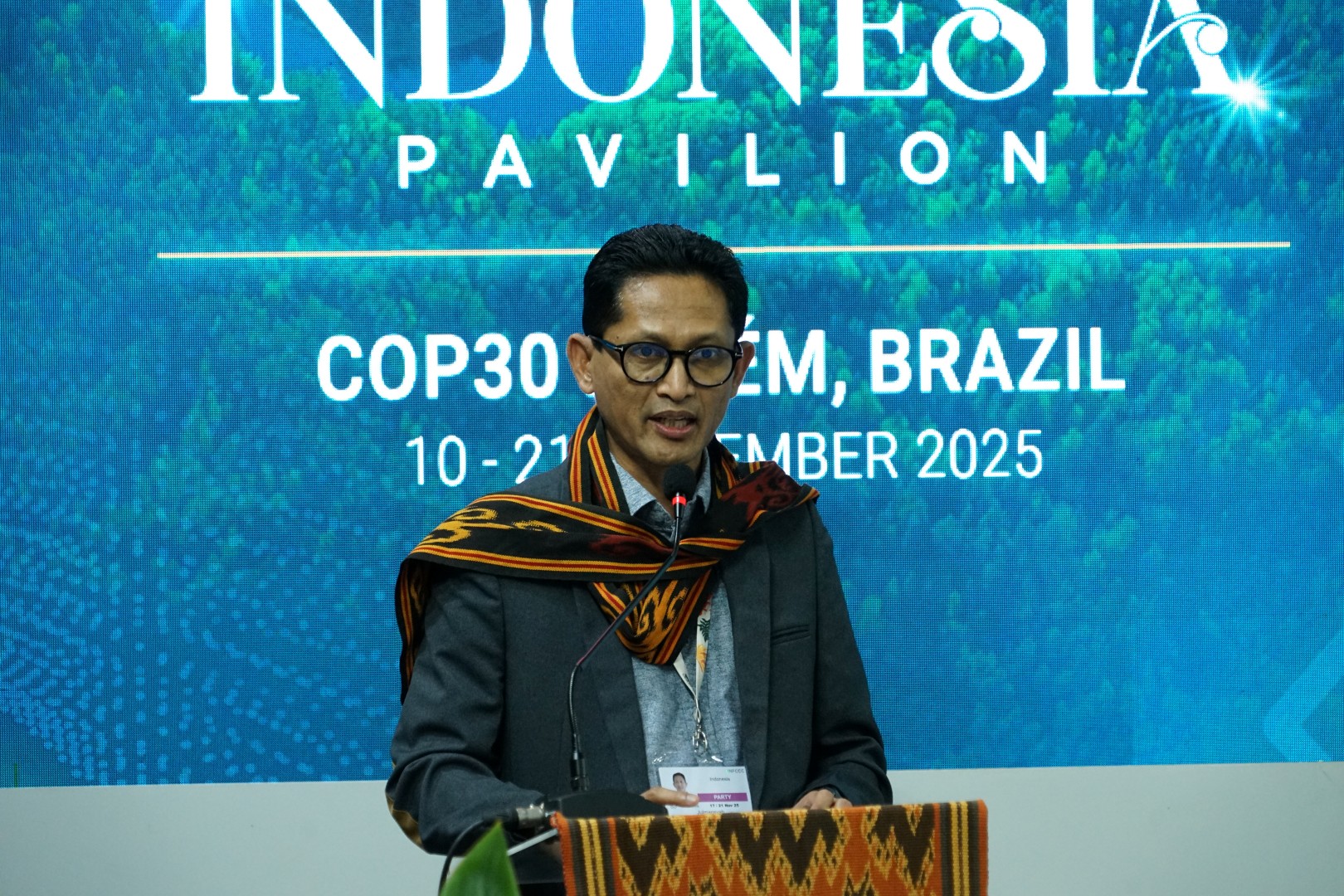
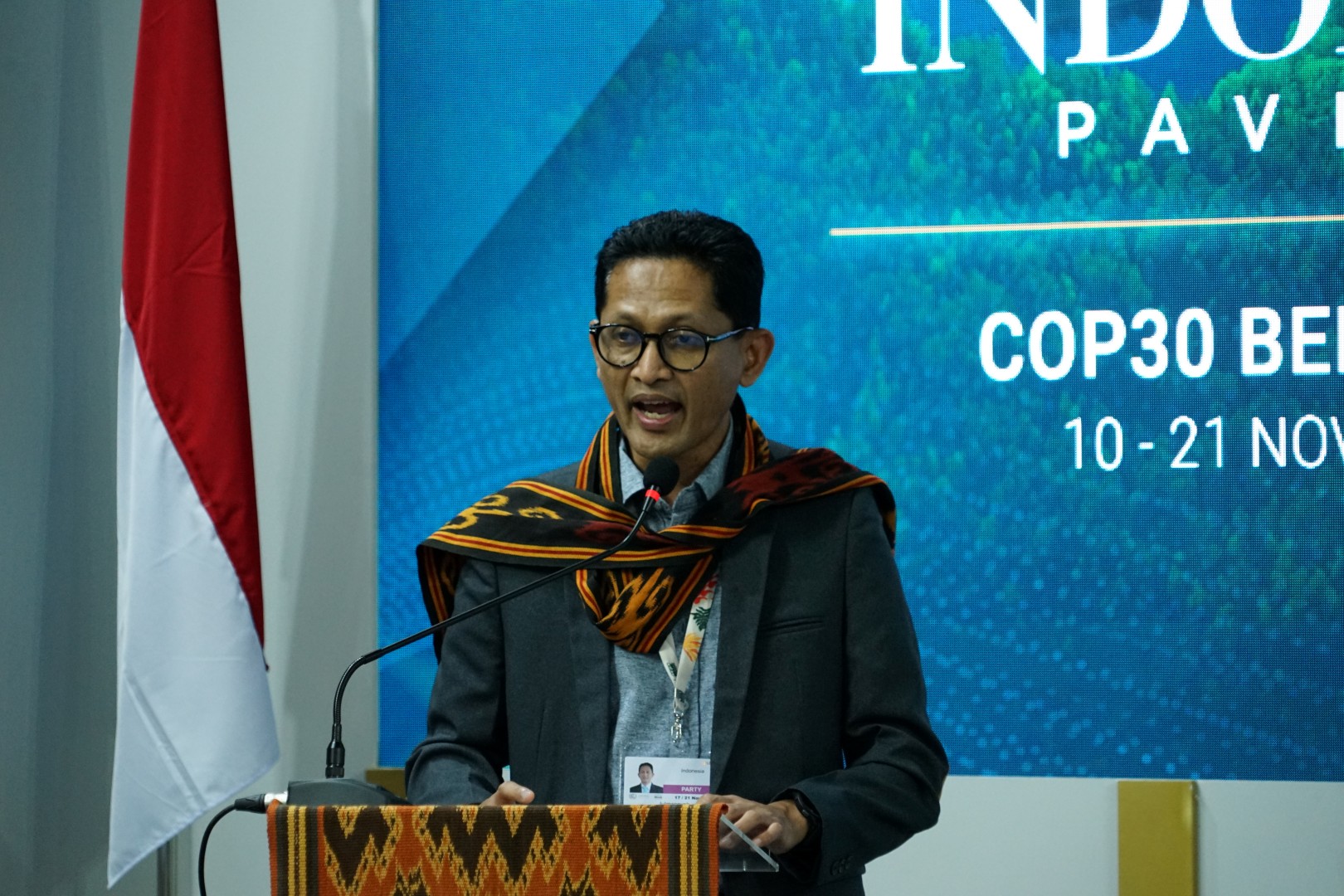
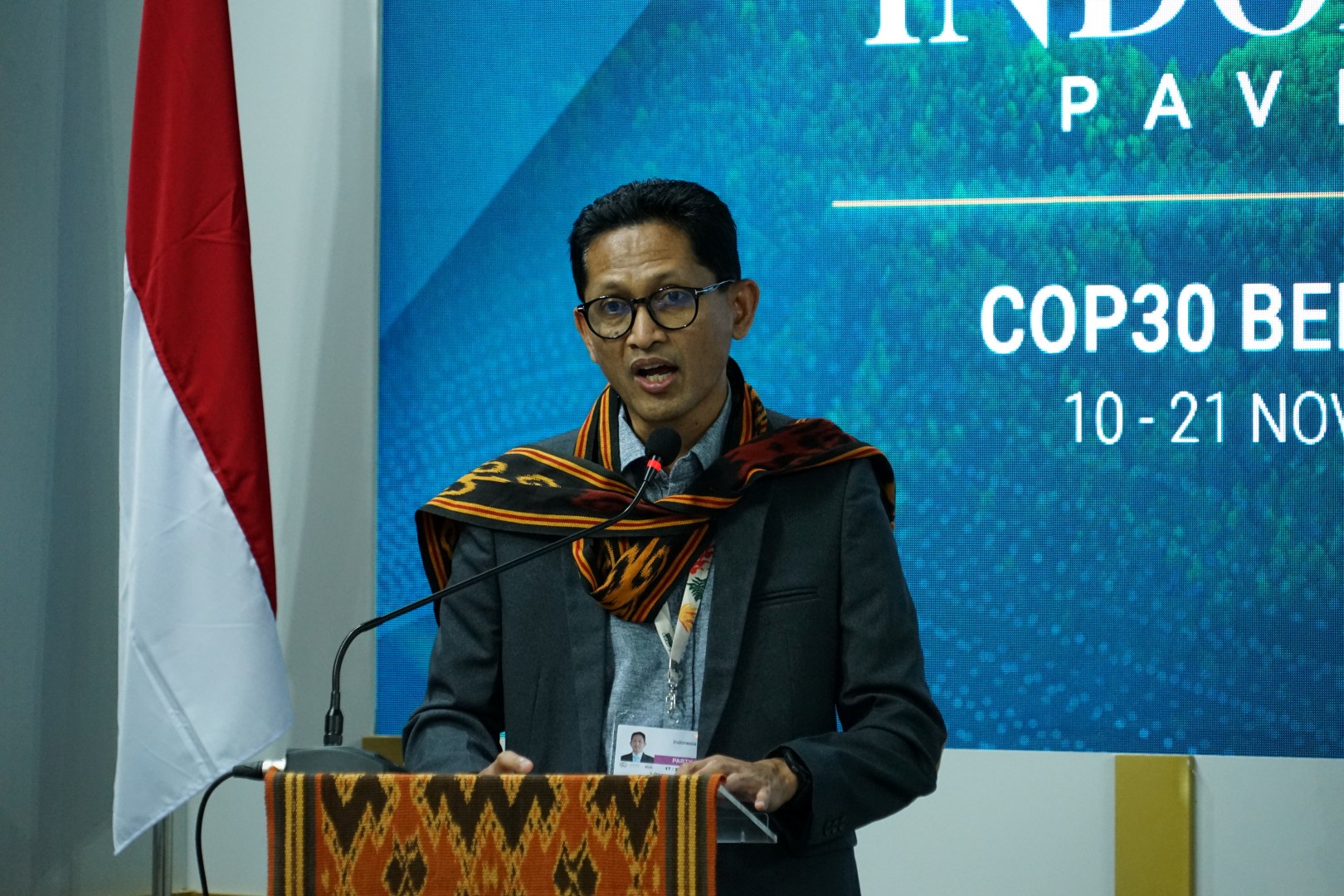
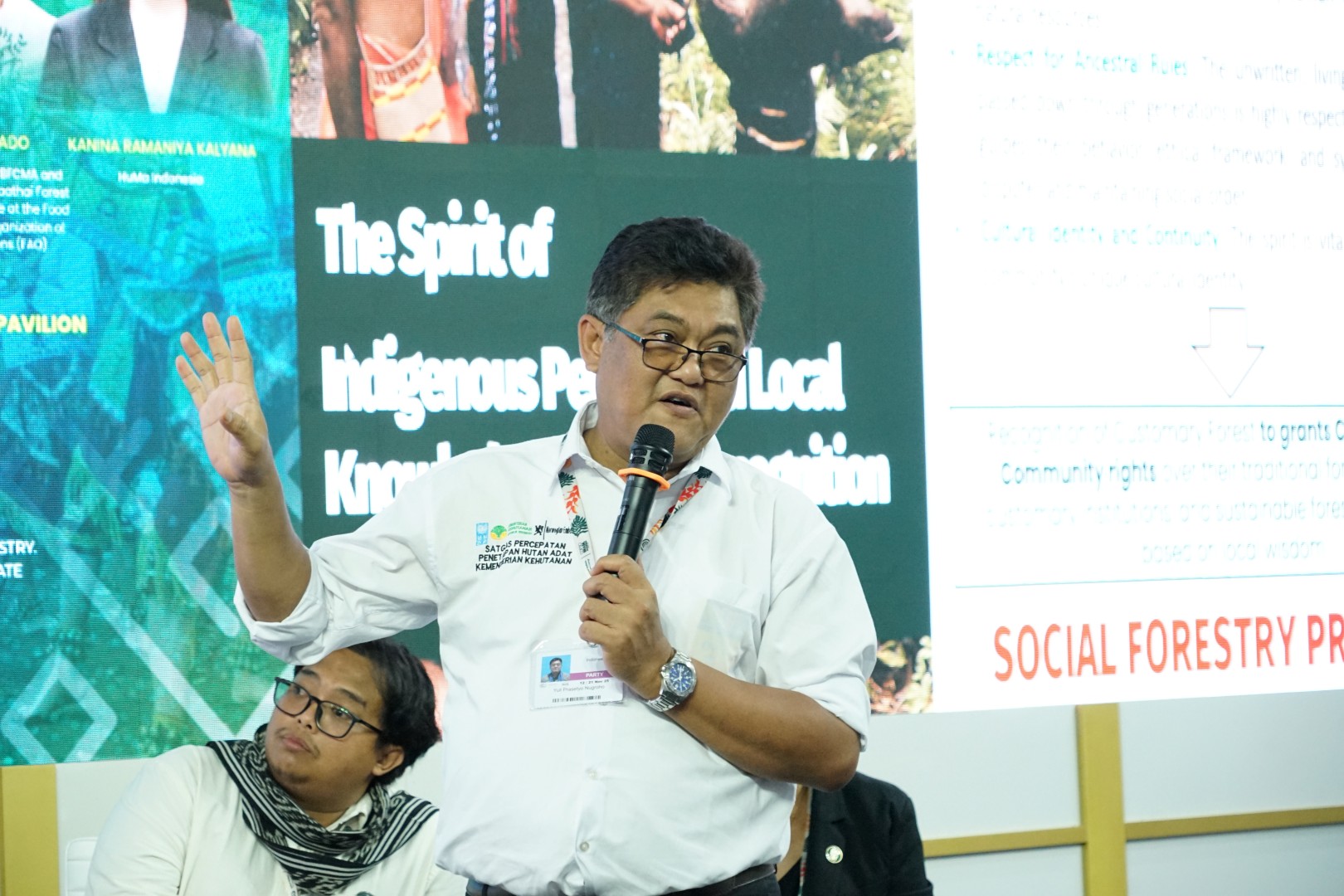
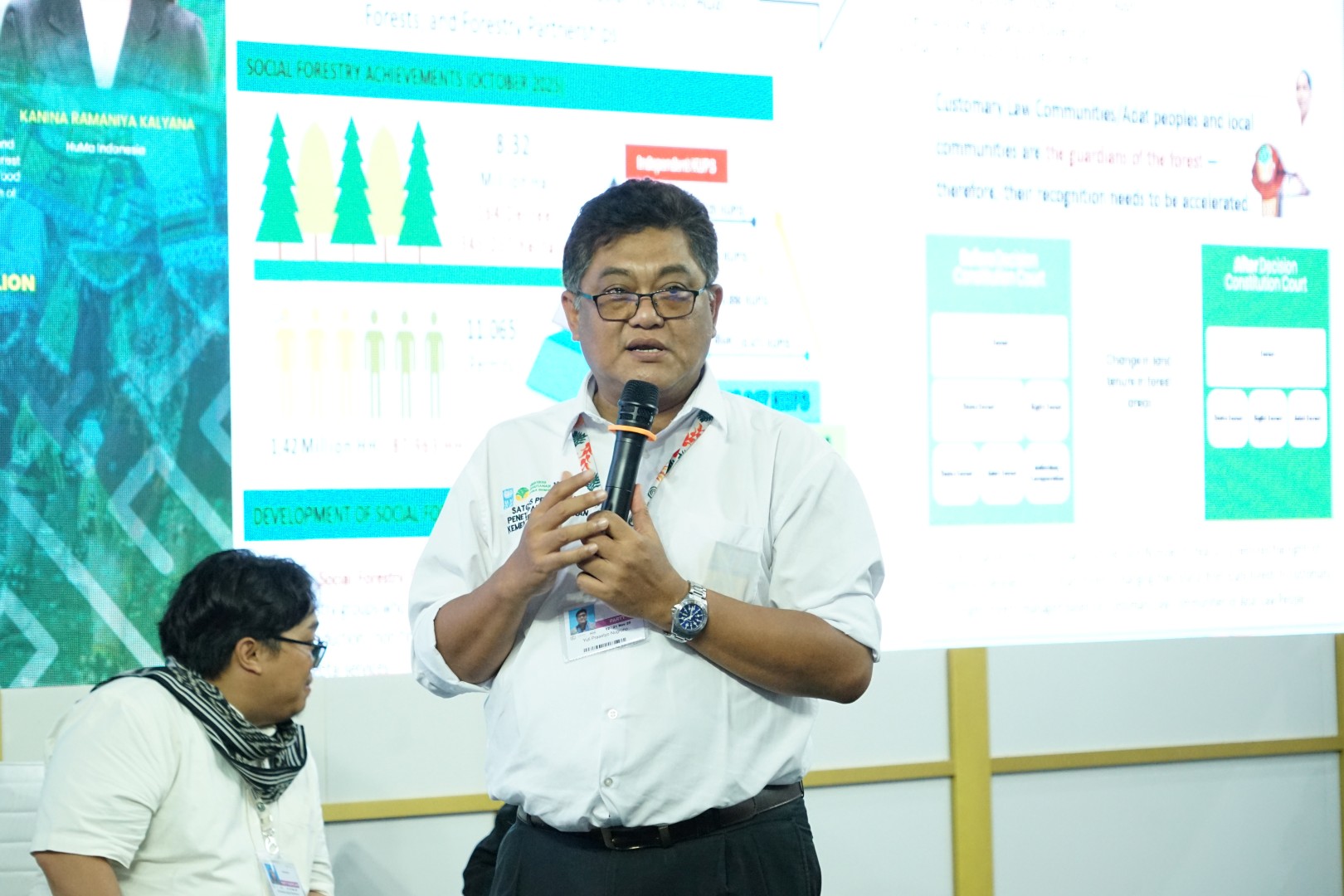
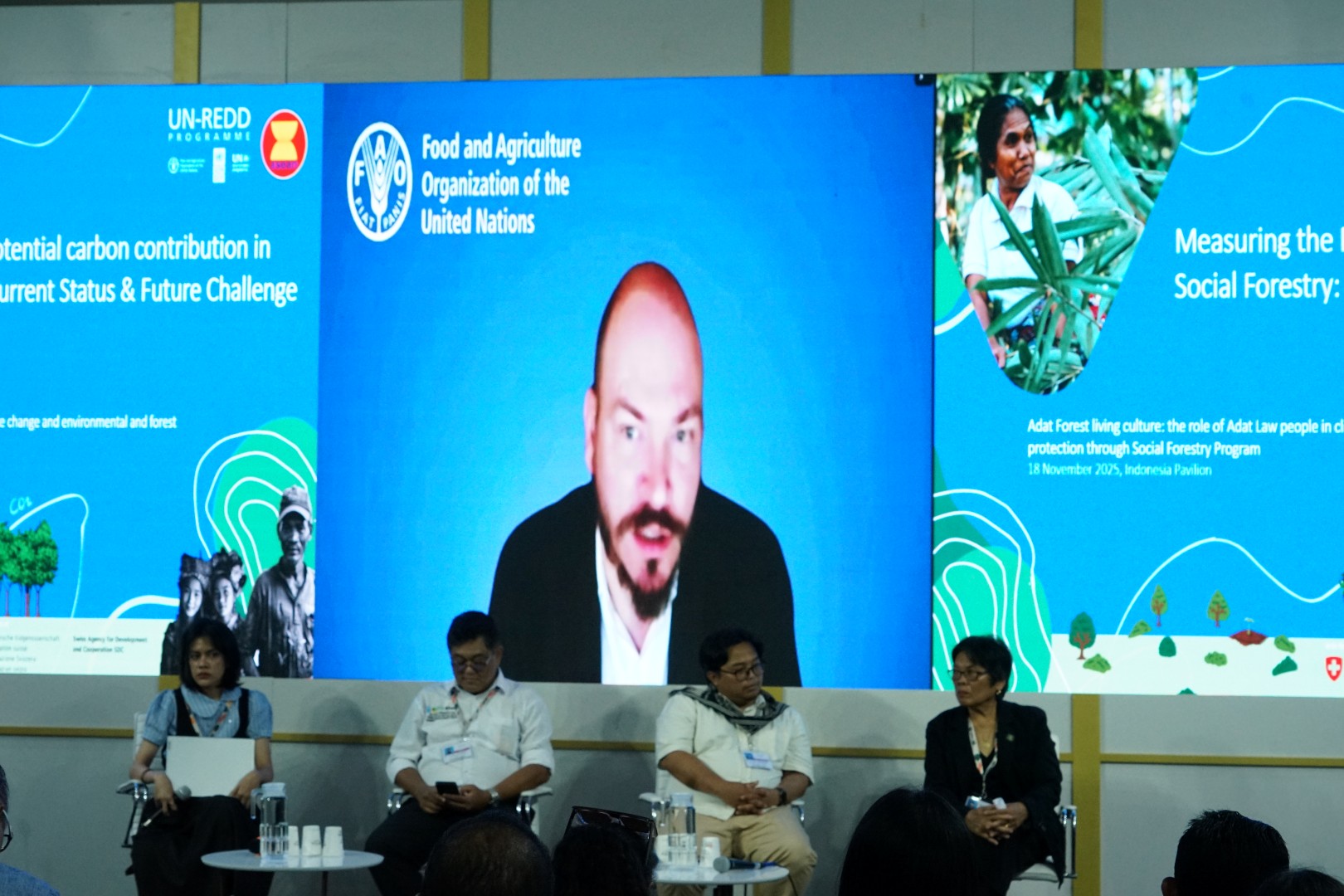
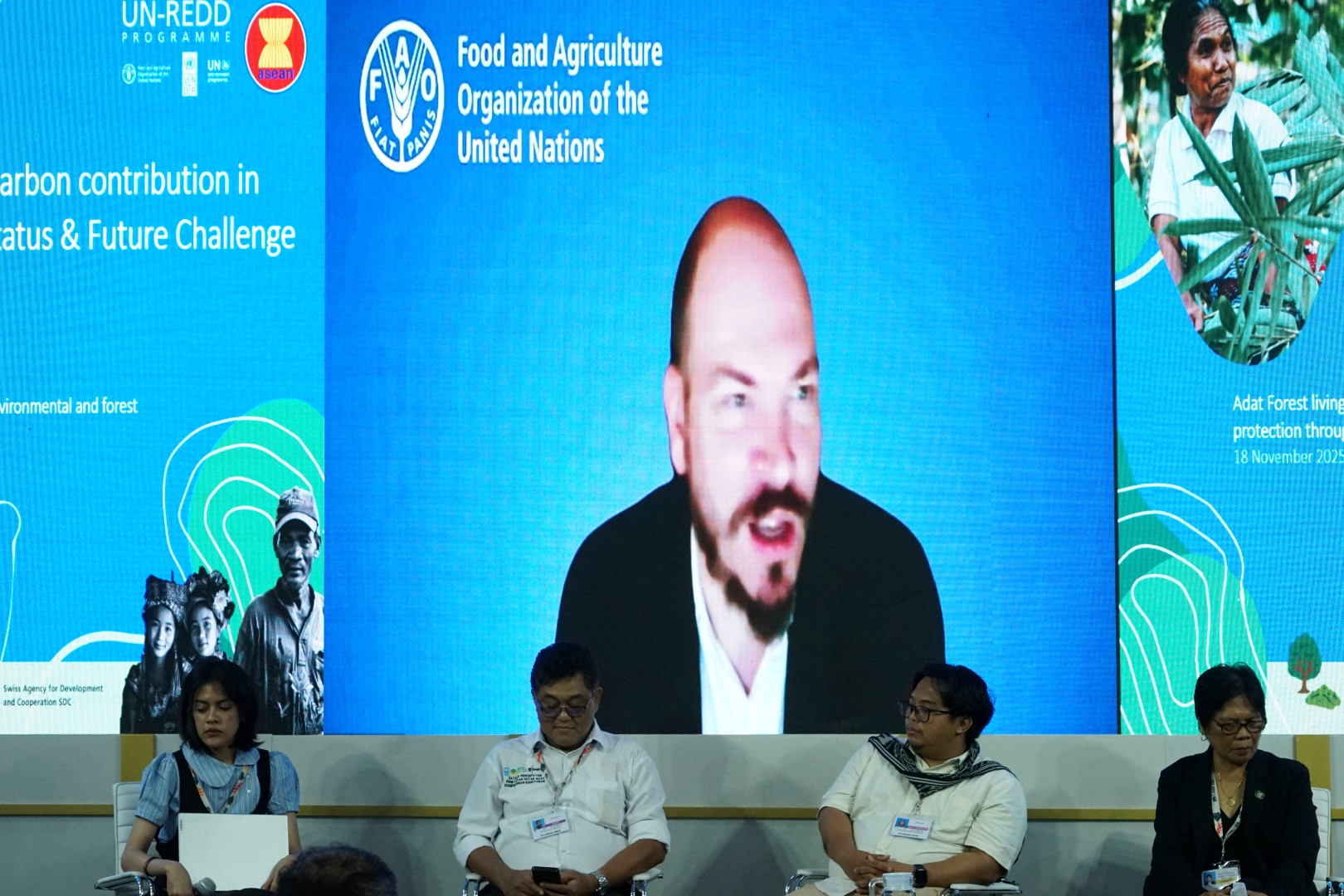
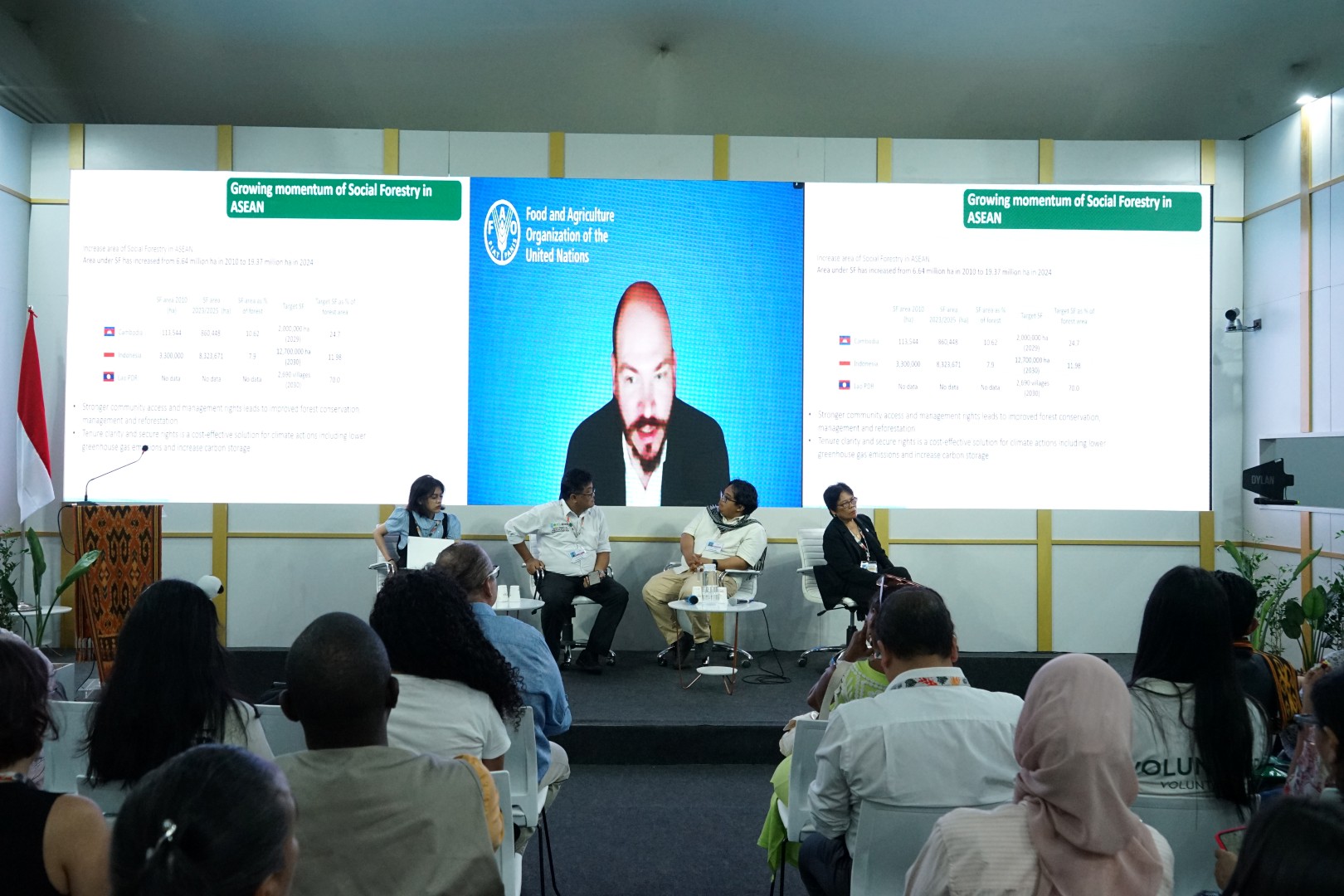
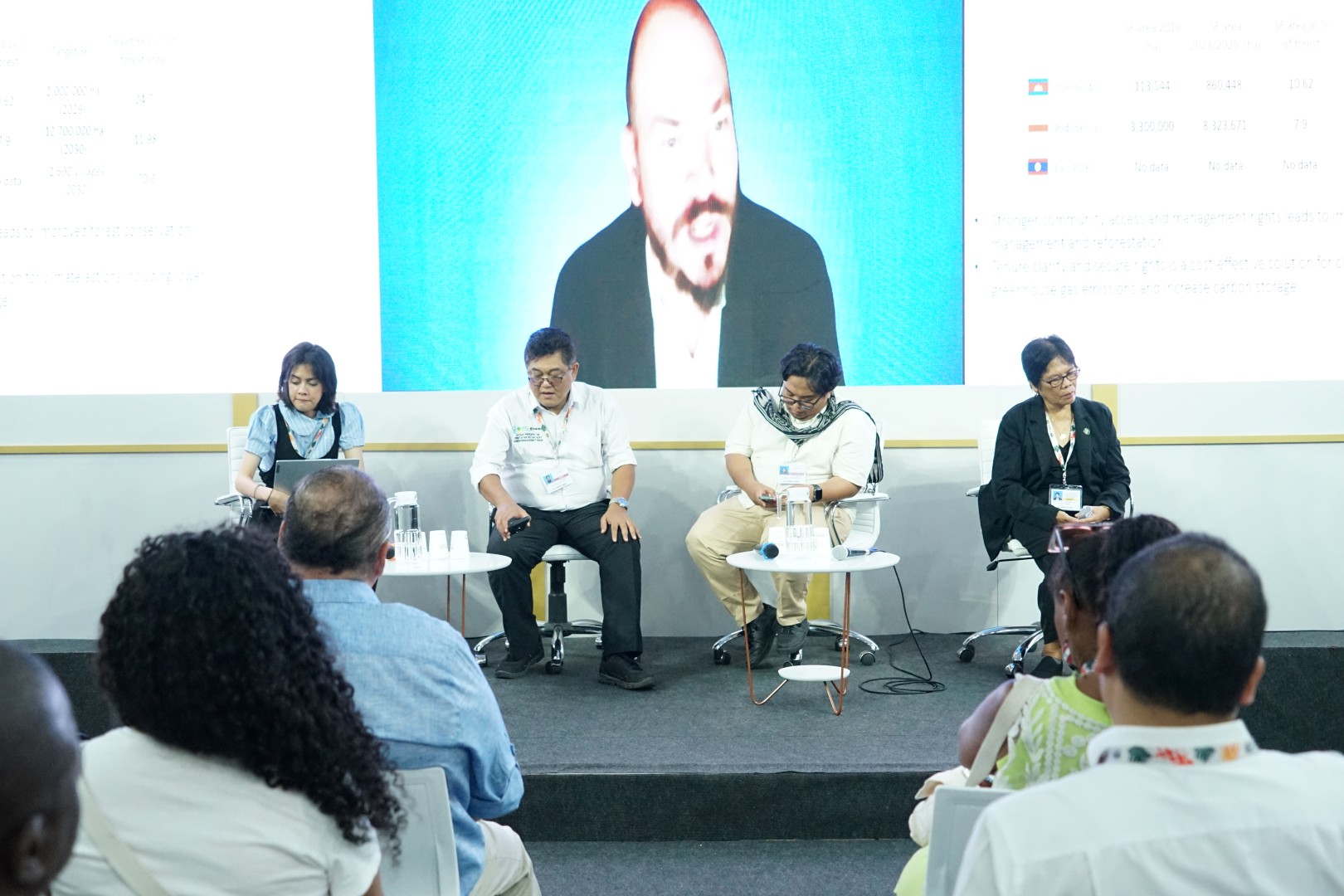
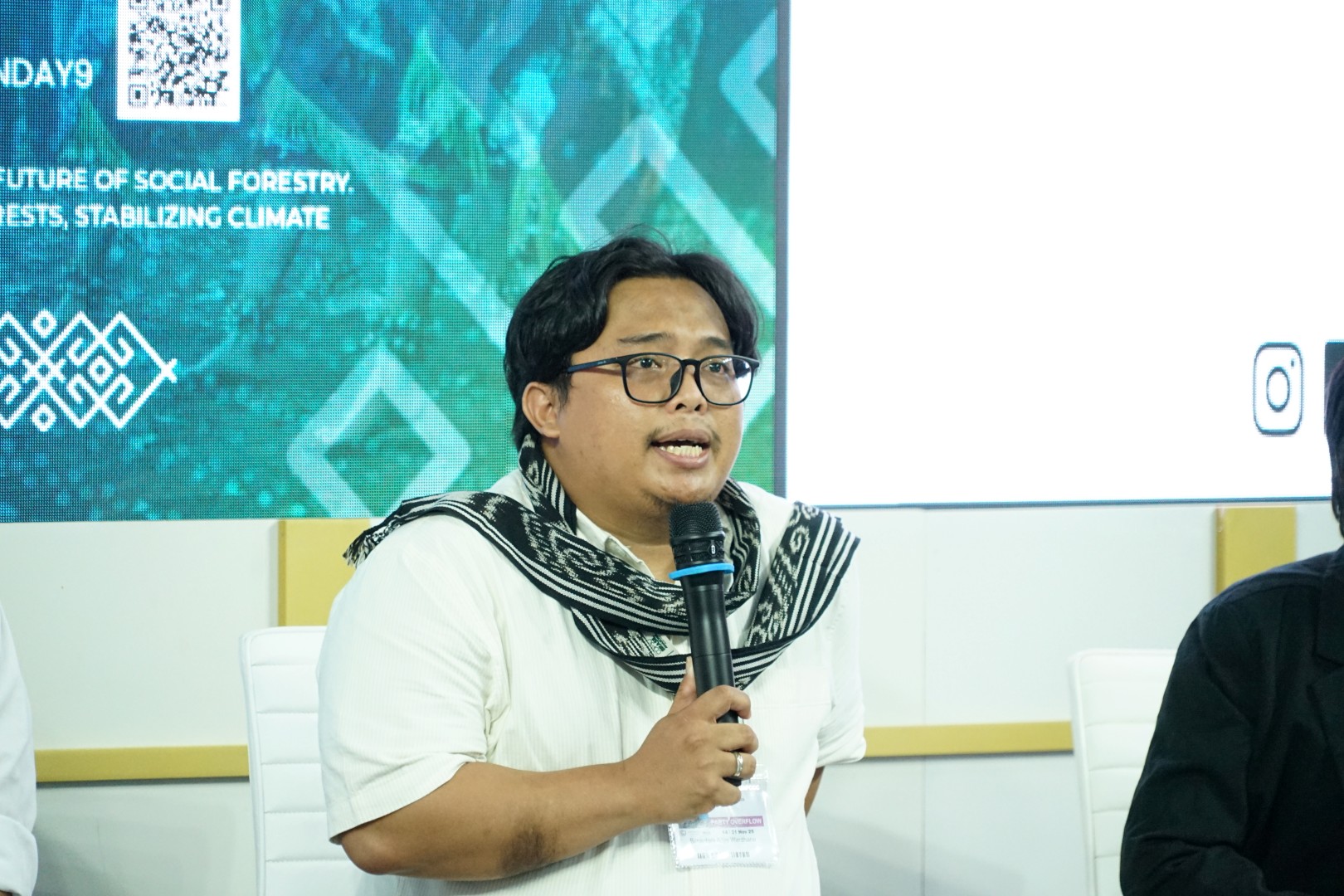
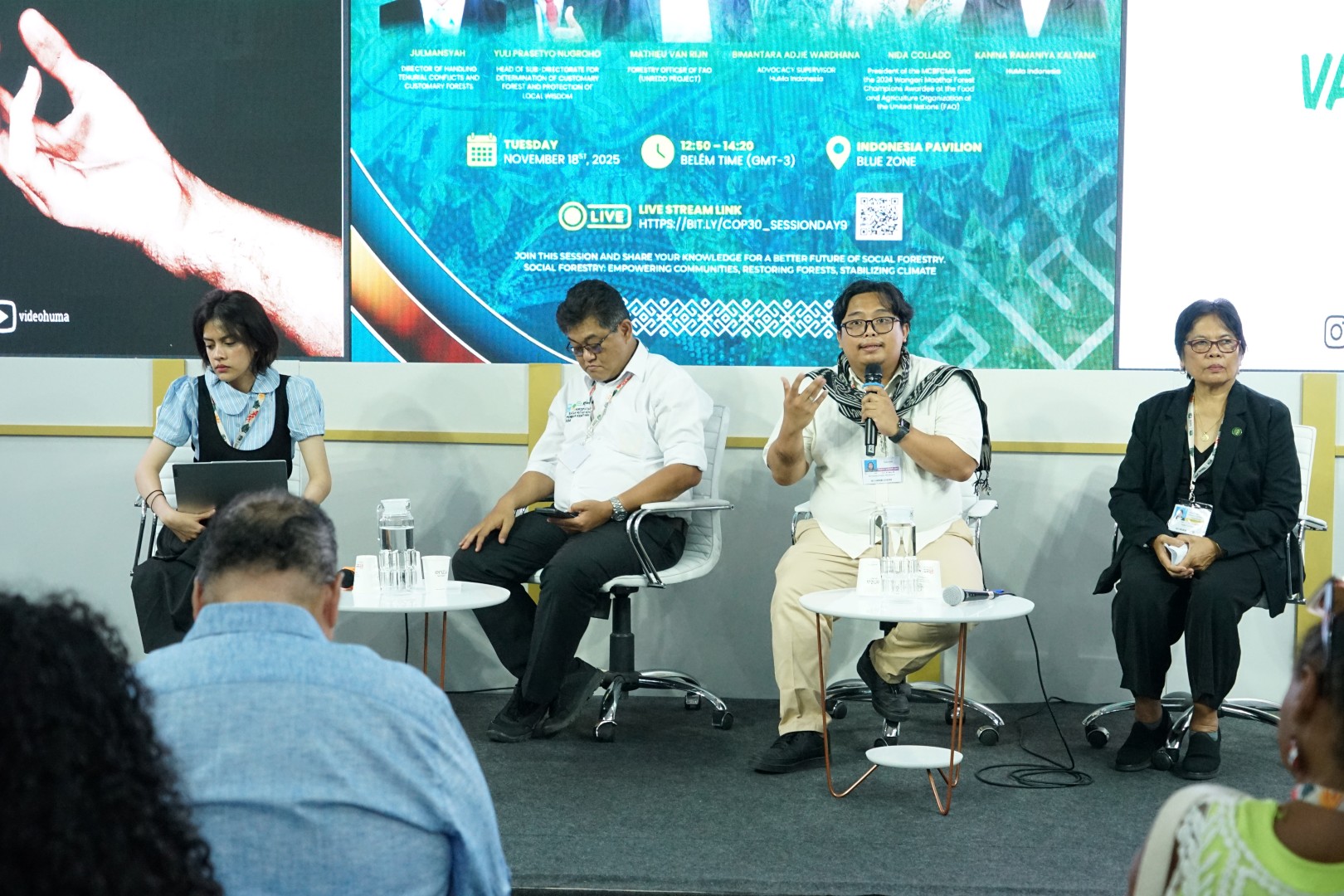
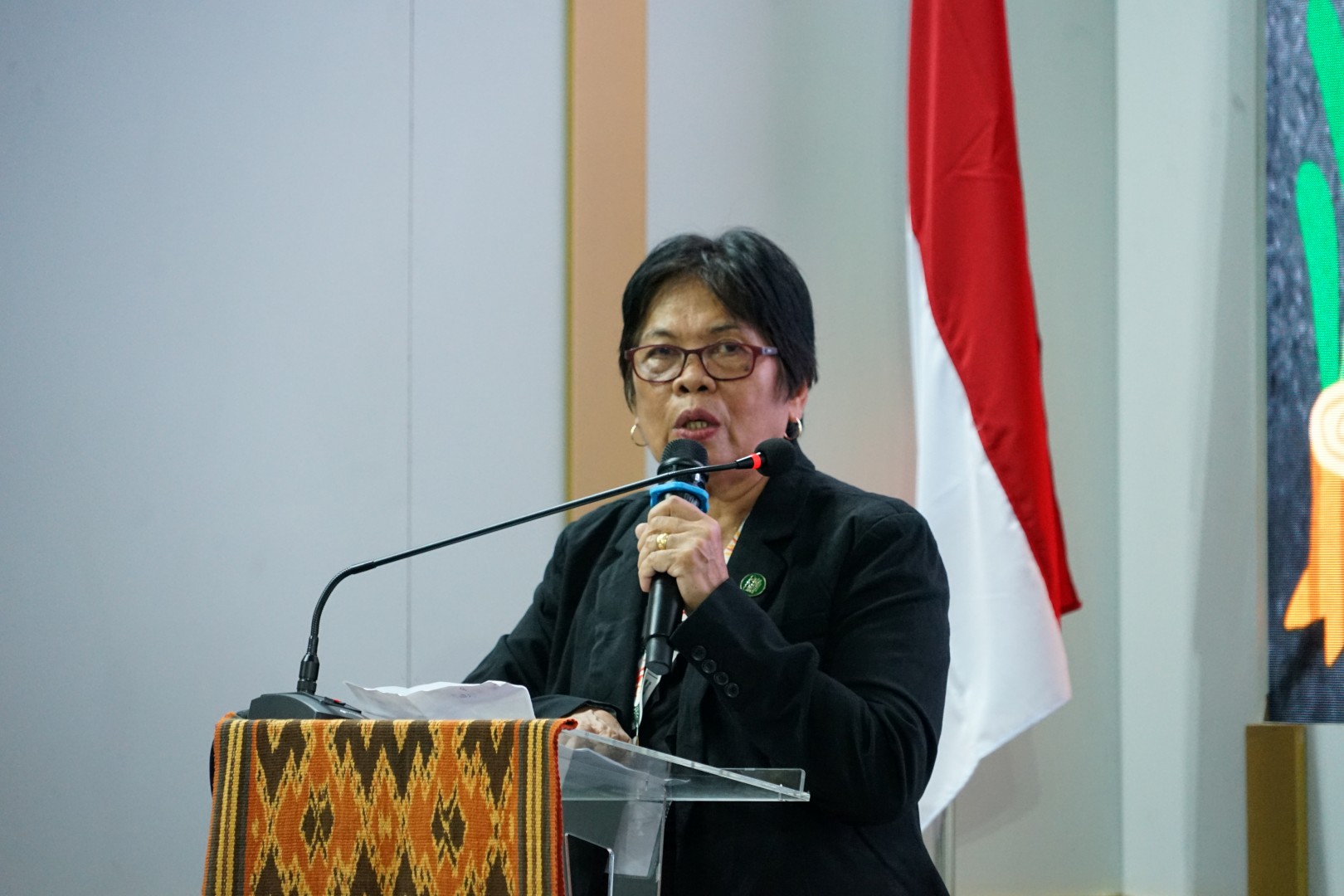
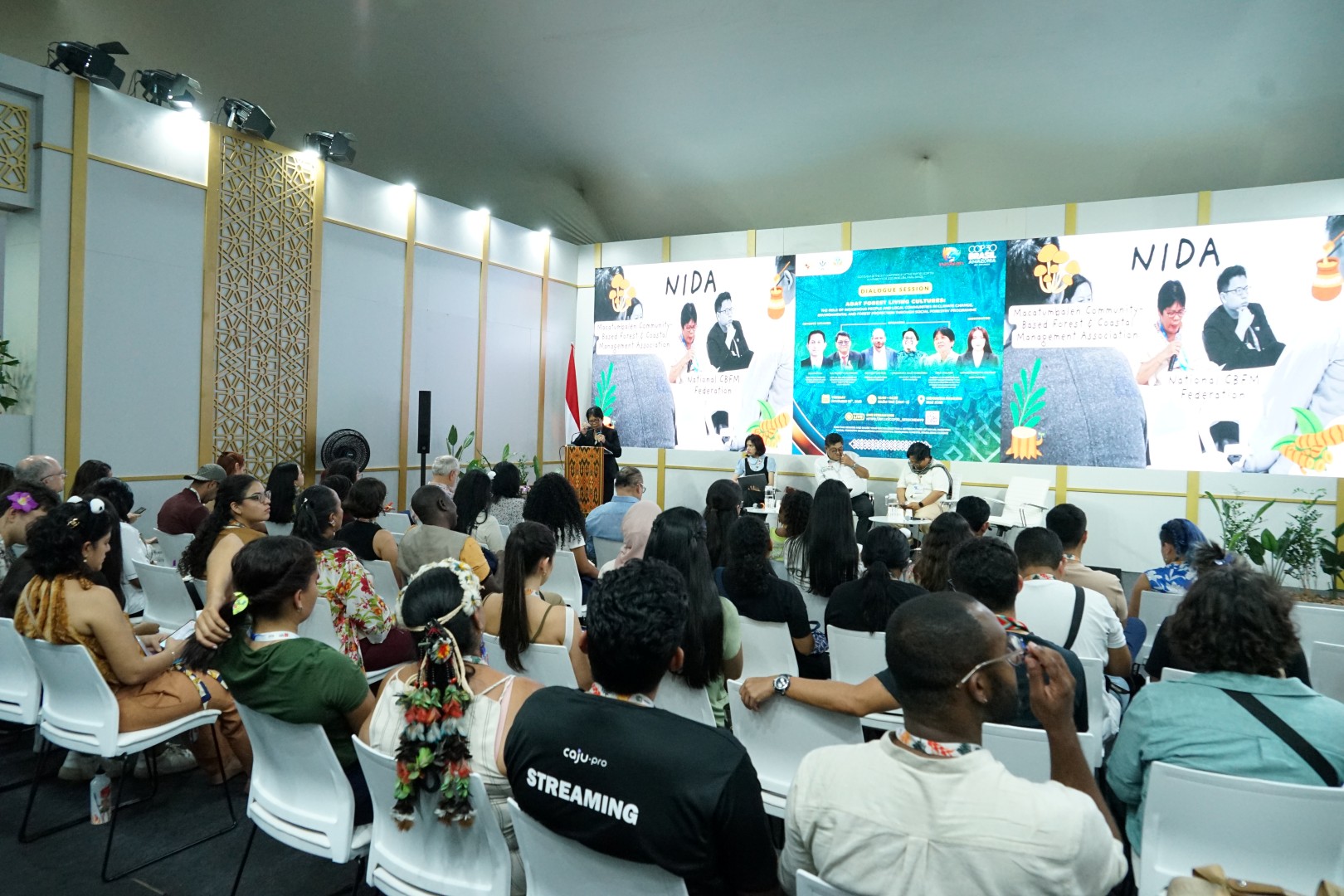
I1 – Adat Forest Living Cultures: The Role of Adat Law People in Climate Change and Environmental and Forest Protection through Social Forestry Programme

Session > I1 – Adat Forest Living Cultures: The Role of Adat Law People in Climate Change and Environmental and Forest Protection through Social Forestry Programme

Indonesia Pavilion COP30
November 18, 2025 | 12:50 pm - 2:20 pm
About

A. Background

Social Forestry (SF) is a corrective action policy designed to address the unequal distribution of forest land among communities, which also contributes to economic inequality. This policy has proven effective not only in addressing land ownership inequality but also in promoting forest sustainability, directly impacting greenhouse gas (GHG) emissions reductions through the significant carbon absorption from the SF areas. Currently, the Social Forestry program covers over 8.3 million hectares, affecting approximately 1.2 million households. 

One of the Social Forestry (SF) schemes, Customary Forests (HA), is a crucial element in Indonesia's strategy to address climate change. Through local wisdom-based management, Customary Law Communities (MHA) contribute to environmental conservation and empowerment of customary law communities, who are at the forefront of sustainably maintaining ecosystems. Customary law management in Indonesia covers 138 communities, covering an area of ​​265,250 hectares. 

Furthermore, HA plays a crucial role in contributing to climate change mitigation through its function as a carbon sink, biodiversity protector, and supporter of environmental balance. These contributions have a significant impact on climate change mitigation, including:

  1. Carbon Storage: Customary forests help absorb carbon emissions, acting as the lungs of the world.
  2. Sustainable Management: Reducing the risk of deforestation and land degradation.
  3. Improving Welfare: Supporting the economy of customary communities through non-timber forest products.

The success of customary forest management in Indonesia serves as a globally recognised example of best practice. The government, through the Ministry of Forestry, continues to encourage the designation of new customary forests, strengthen customary education, and expand indigenous communities' access to community-based forest management programs.

With this step, Indonesia not only contributes to global efforts to address climate change but also protects cultural and ecological heritage for future generations. Supporting indigenous communities is key to the success of fair, sustainable, and inclusive natural resource management.


B. Objective and Output
1. Explain the role and responsibilities of government institutions in
addressing climate change at various levels.
2. Describe and identify identify best practices and challenges in
government-led climate initiatives.
3. Encourage policy dialogue among stakeholders on enhancing
governmental responses to climate issues.

output

1. A list of recommendations for improving government action on
climate issues.
2. Increased awareness among participants about the importance
of governmental leadership in climate governance.
3. Examples of best practices that can be replicated in other regions,
both in Indonesia and globally.

C. Target Audience

  1. UNFCCC Member Countries;
  2. Government Institutions;
  3. International Institutions/NGOs;
  4. Social Forestry Experts;
  5. Participants of UNFCCC;
  6. General Public.

D. Session Format

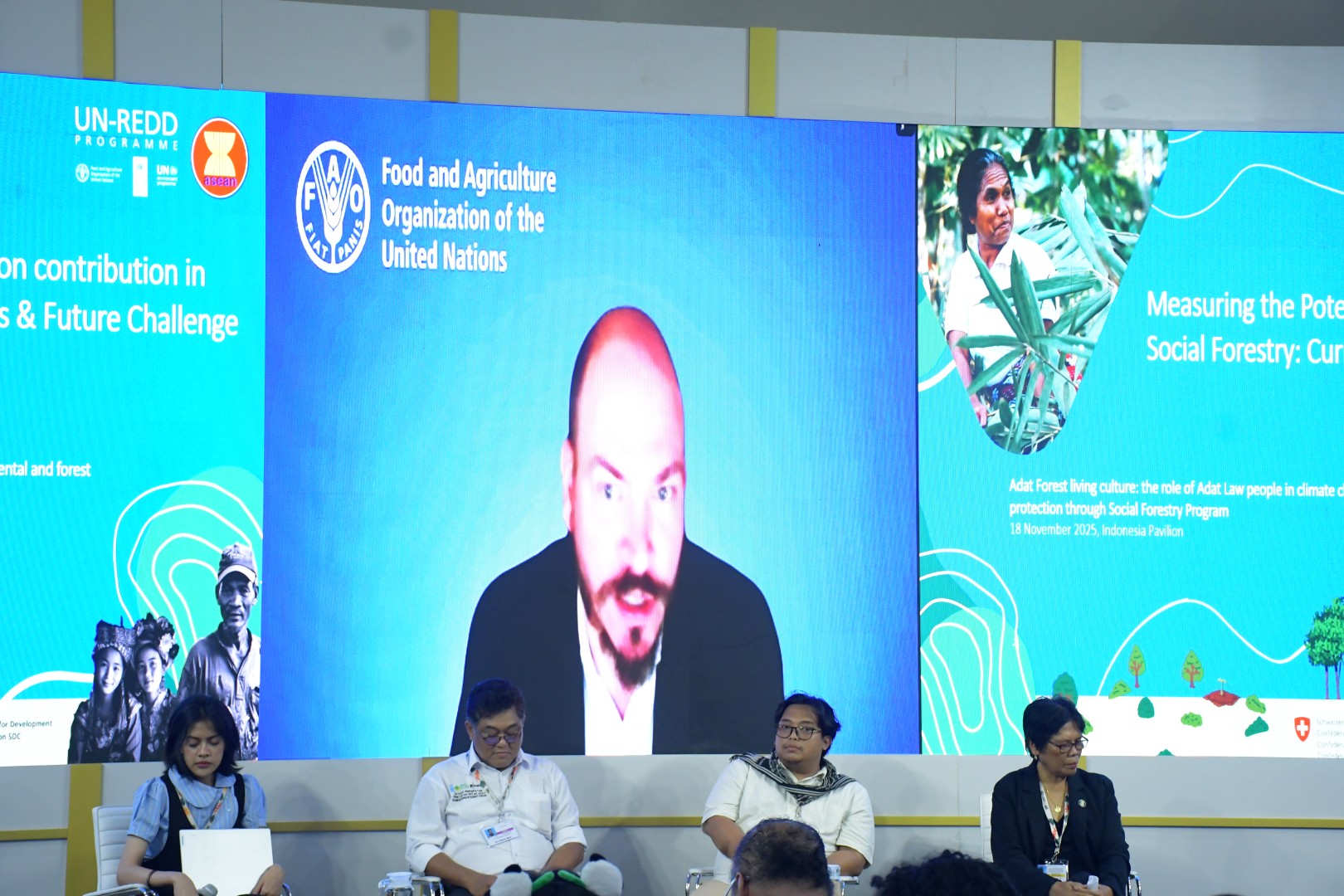
The talk show will be held offline/factual, with presentations from each resource person and discussions involving general participants.

  1. Opening by Moderator/MC Pavilion (5 minutes)
  2. Keynote speech (5 minutes)
  3. Brief explanation of the resource person's profile by the Moderator (5 minutes)
  4. Presentation of the resource person (40 minutes)
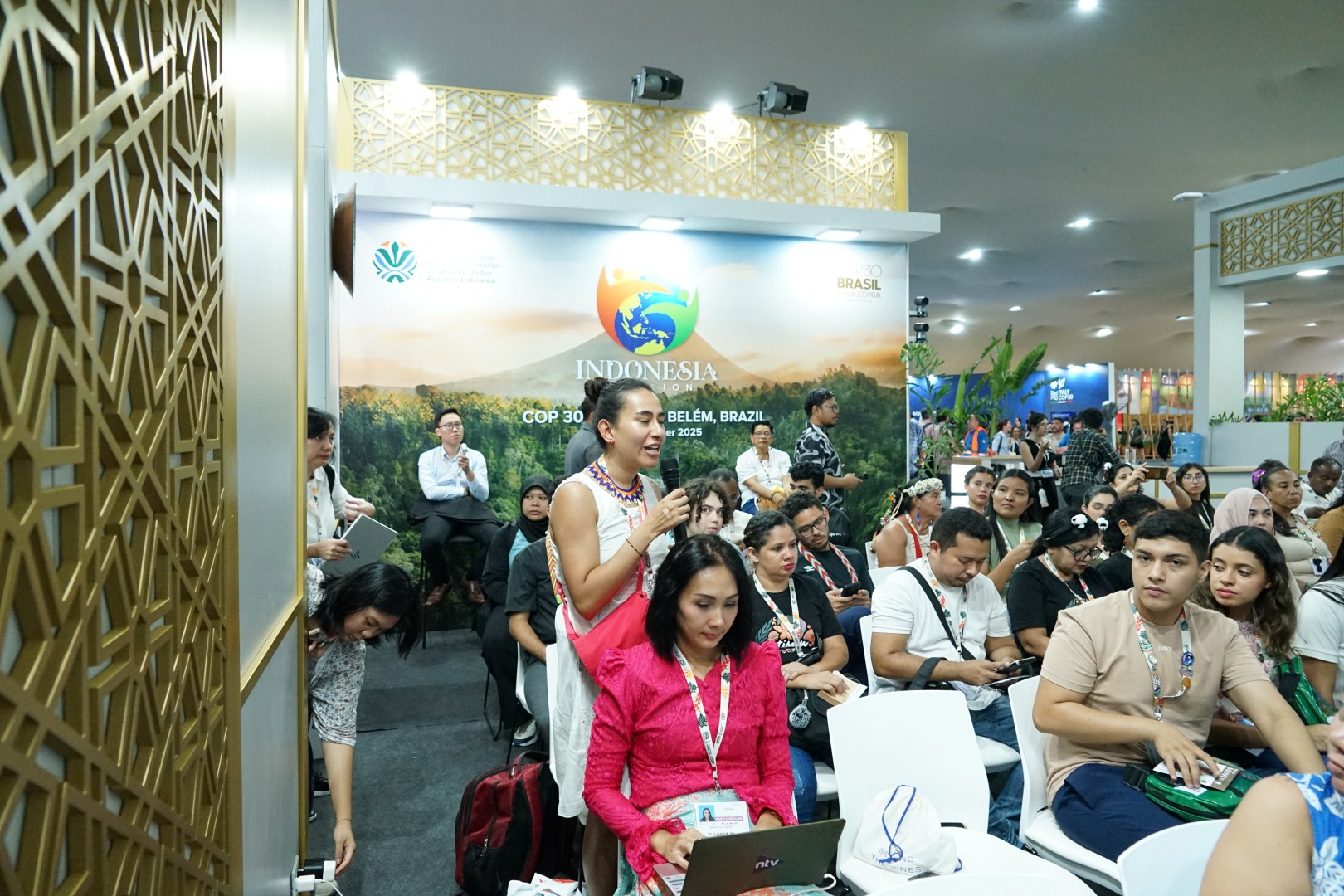
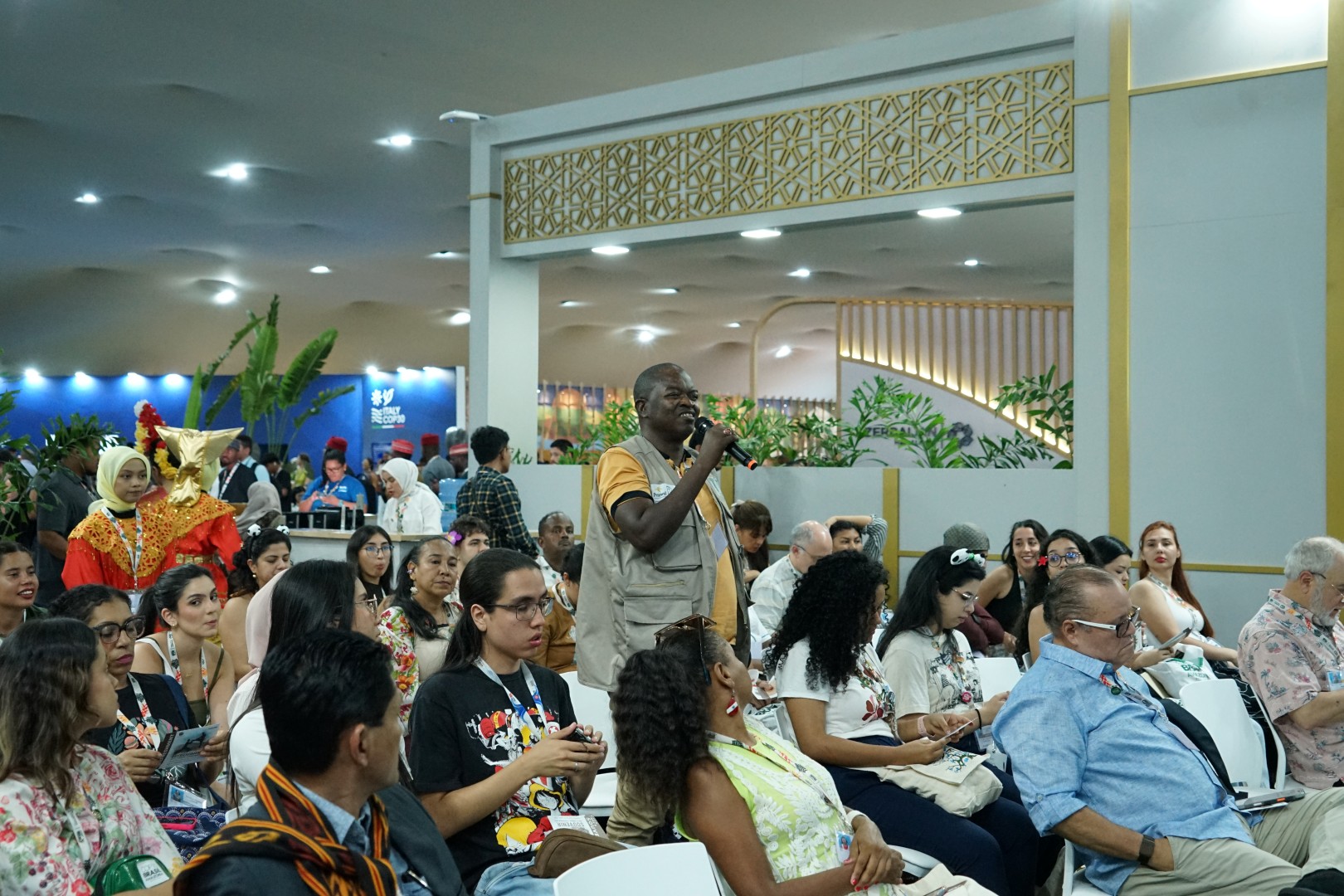
  5. Discussion with participants (20 minutes)
Live Stream
Presentations
Speakers

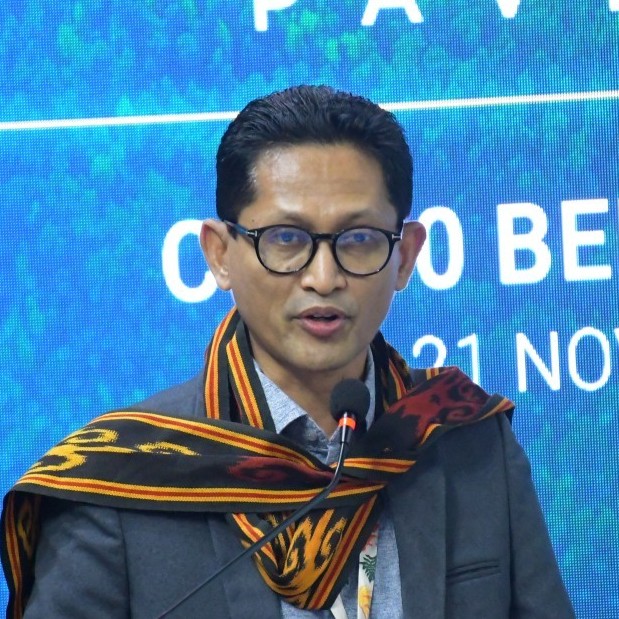
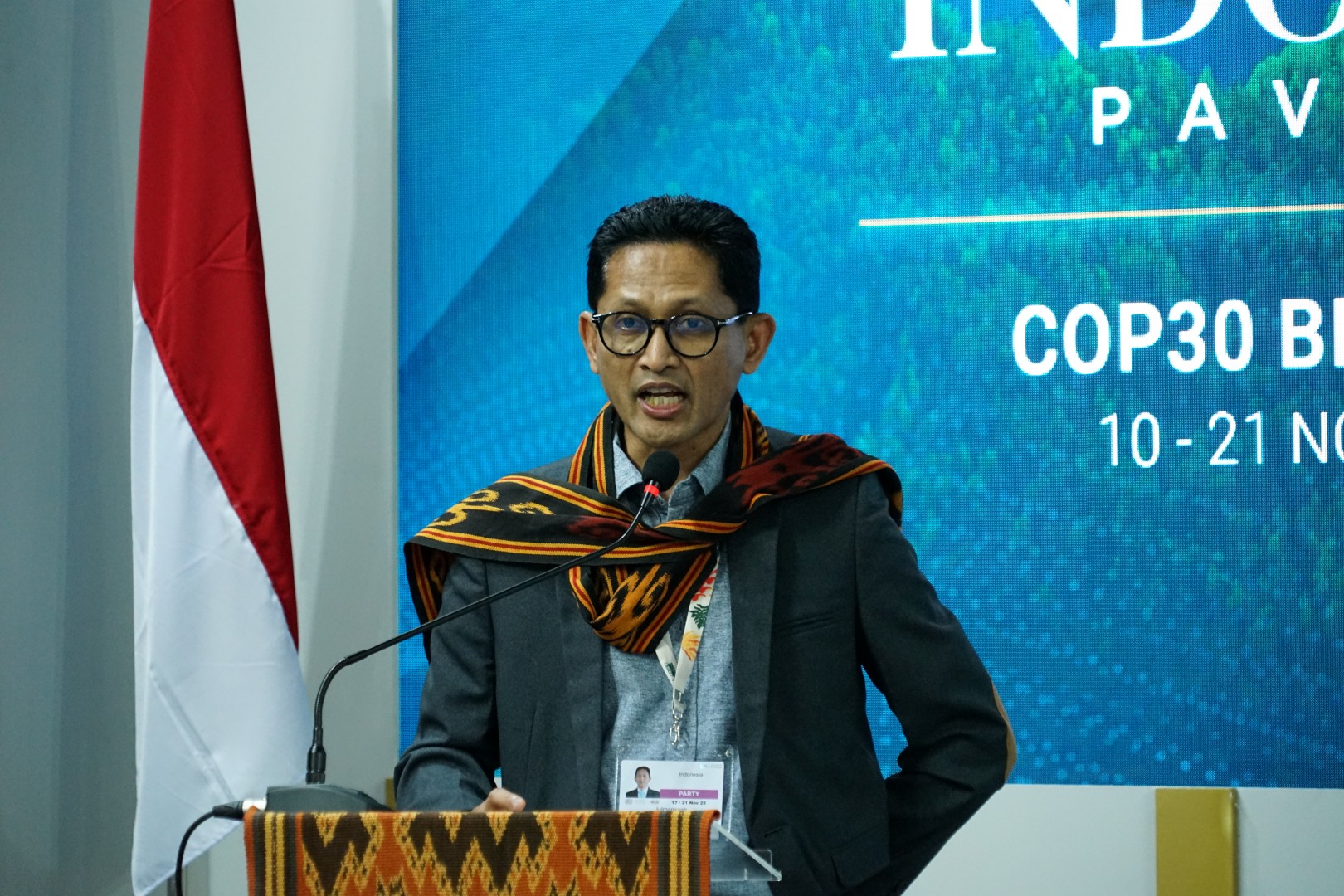
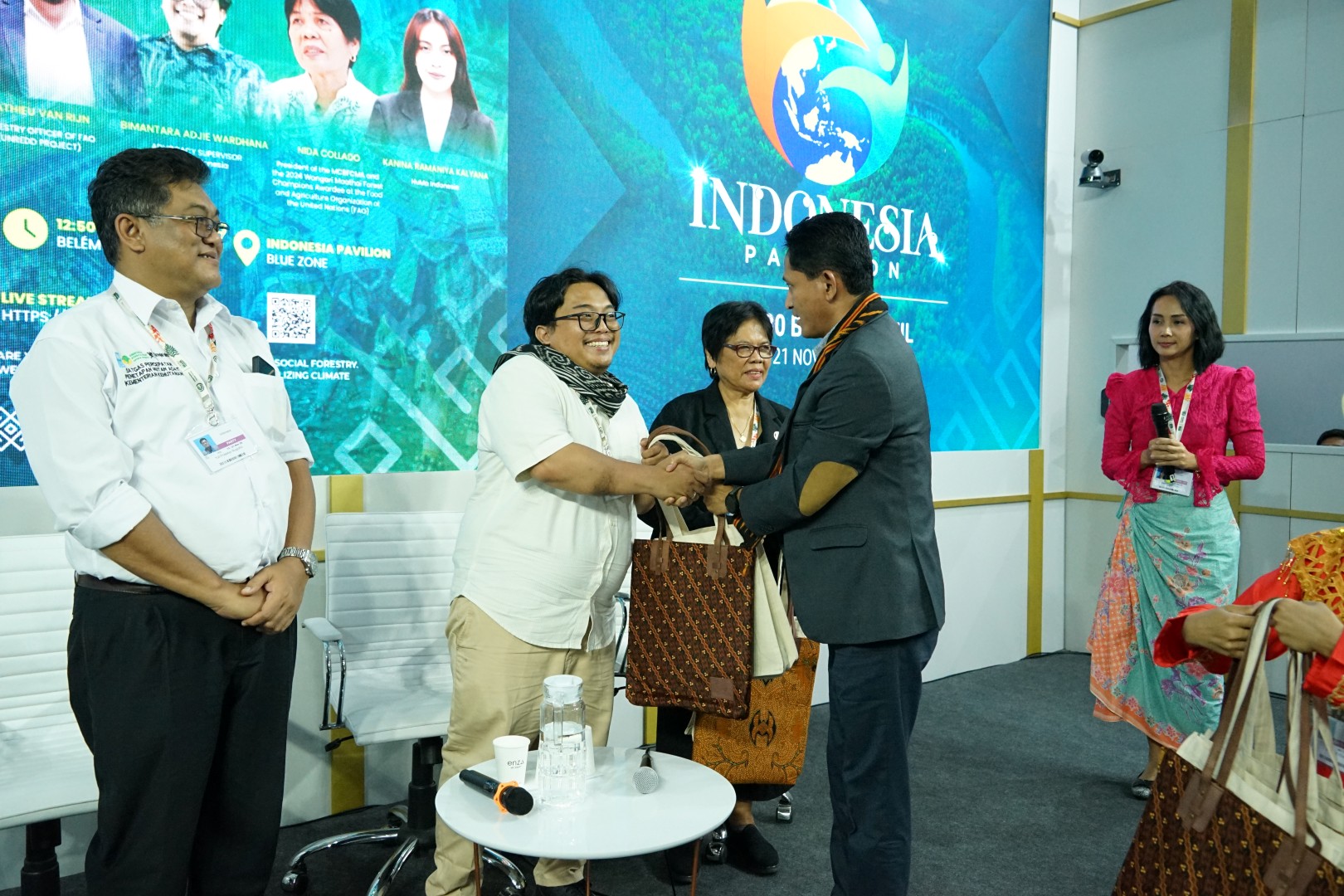
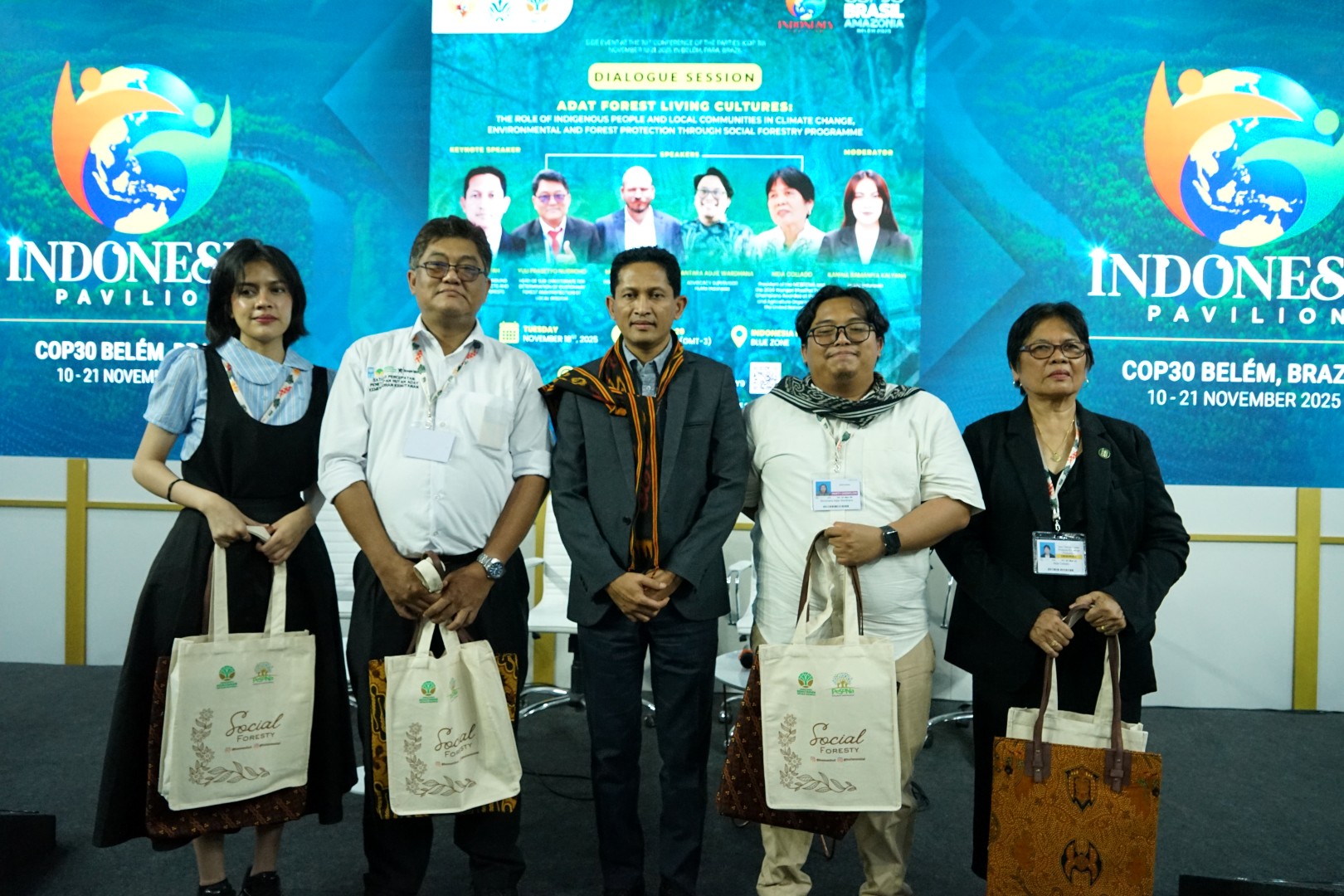
Julmansyah

Director of Handling Tenurial Conflicts and Customary Forests

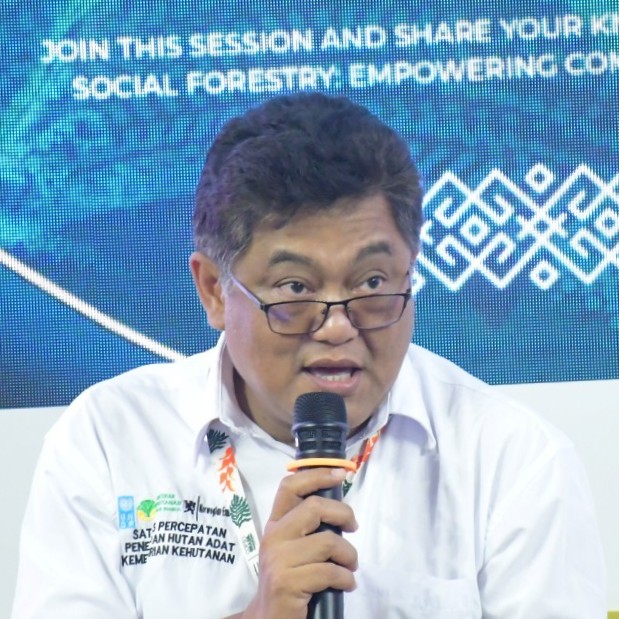
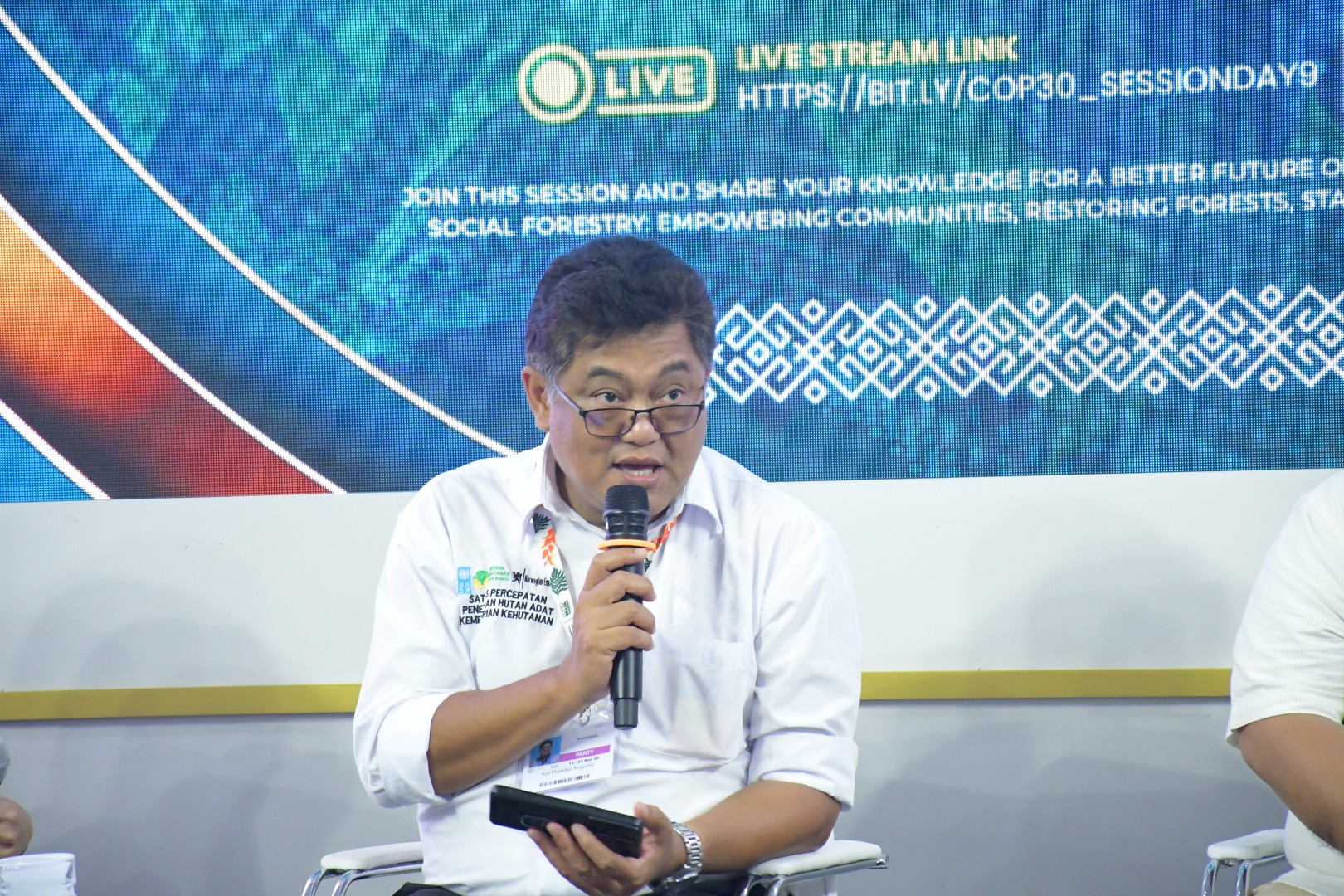
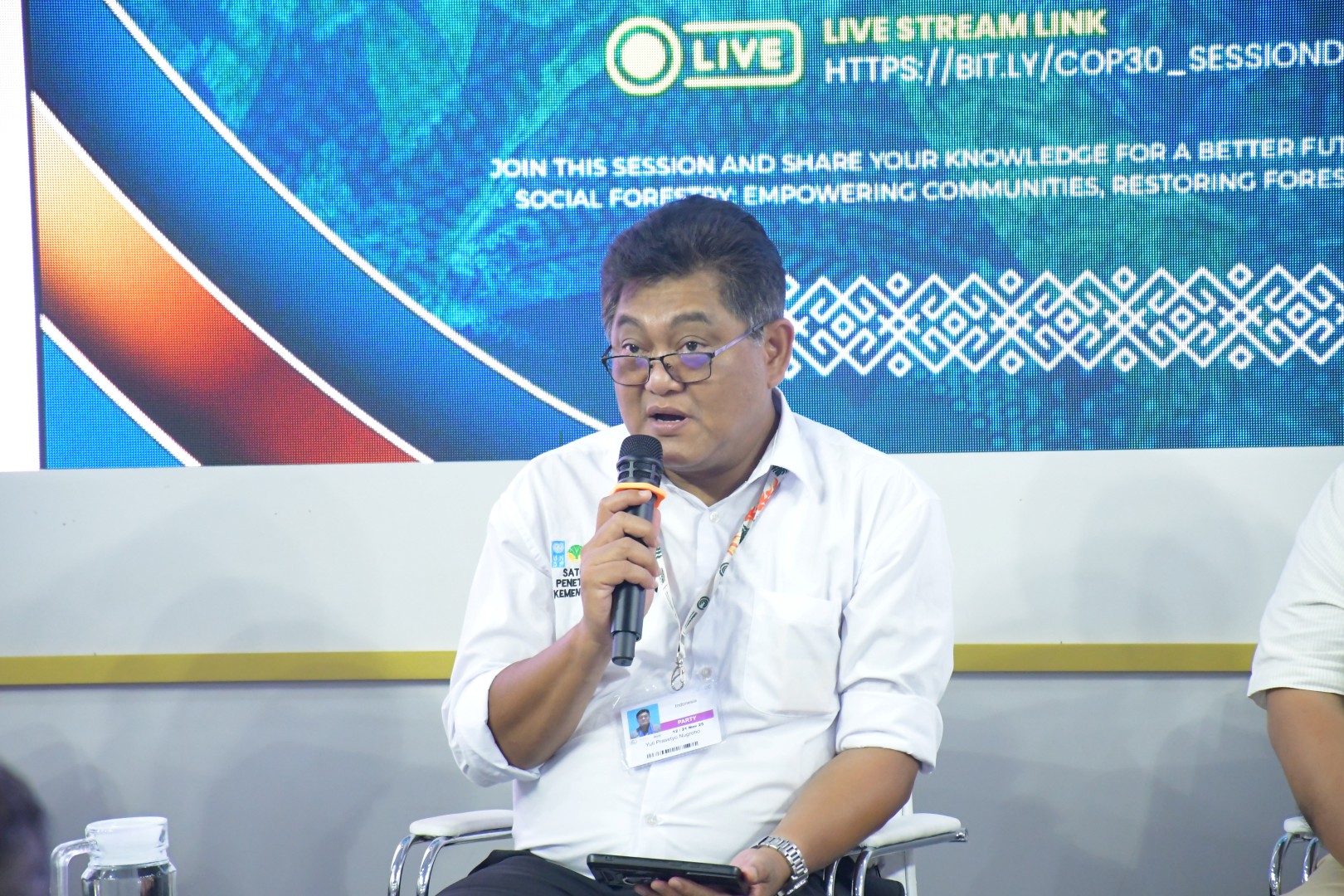
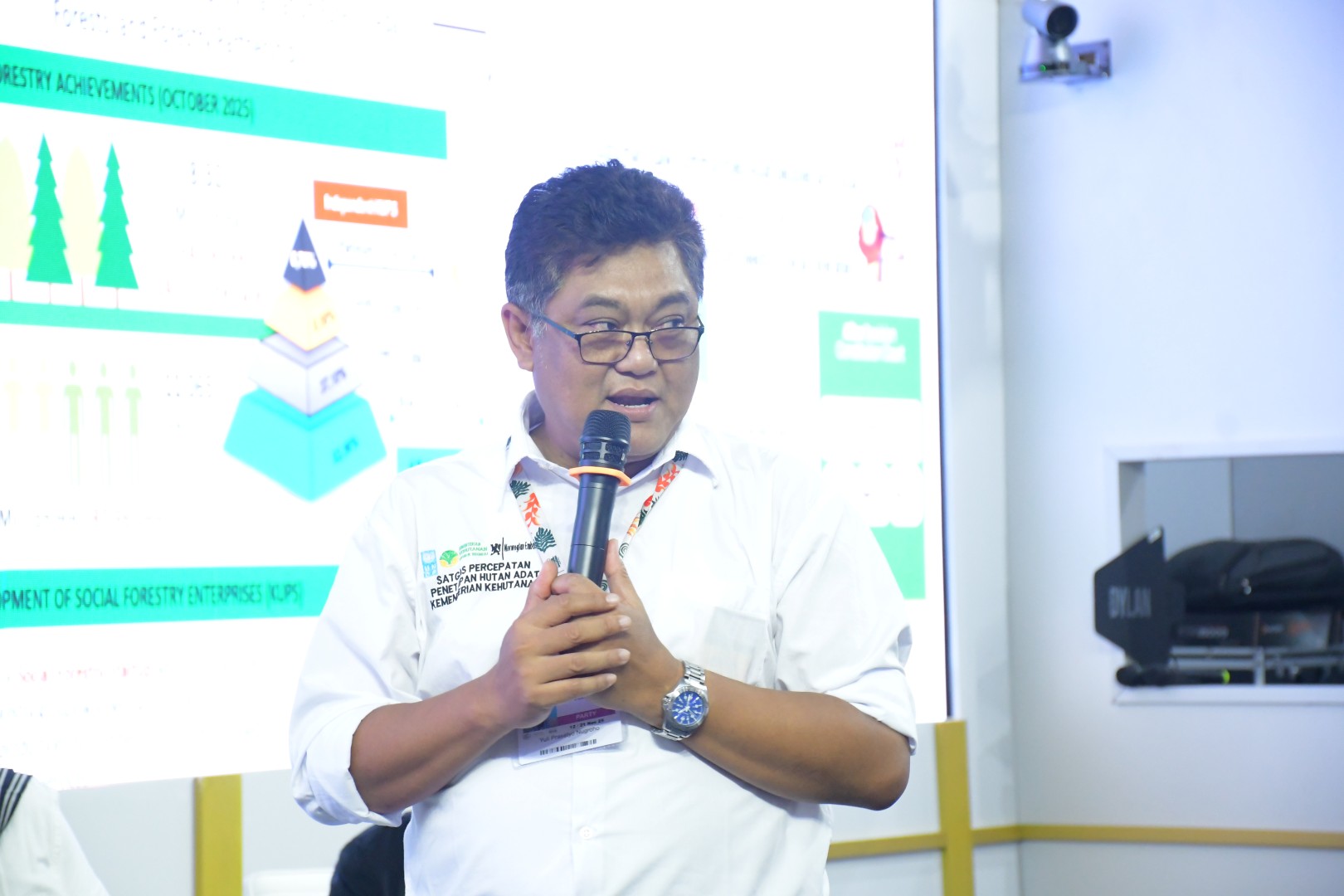
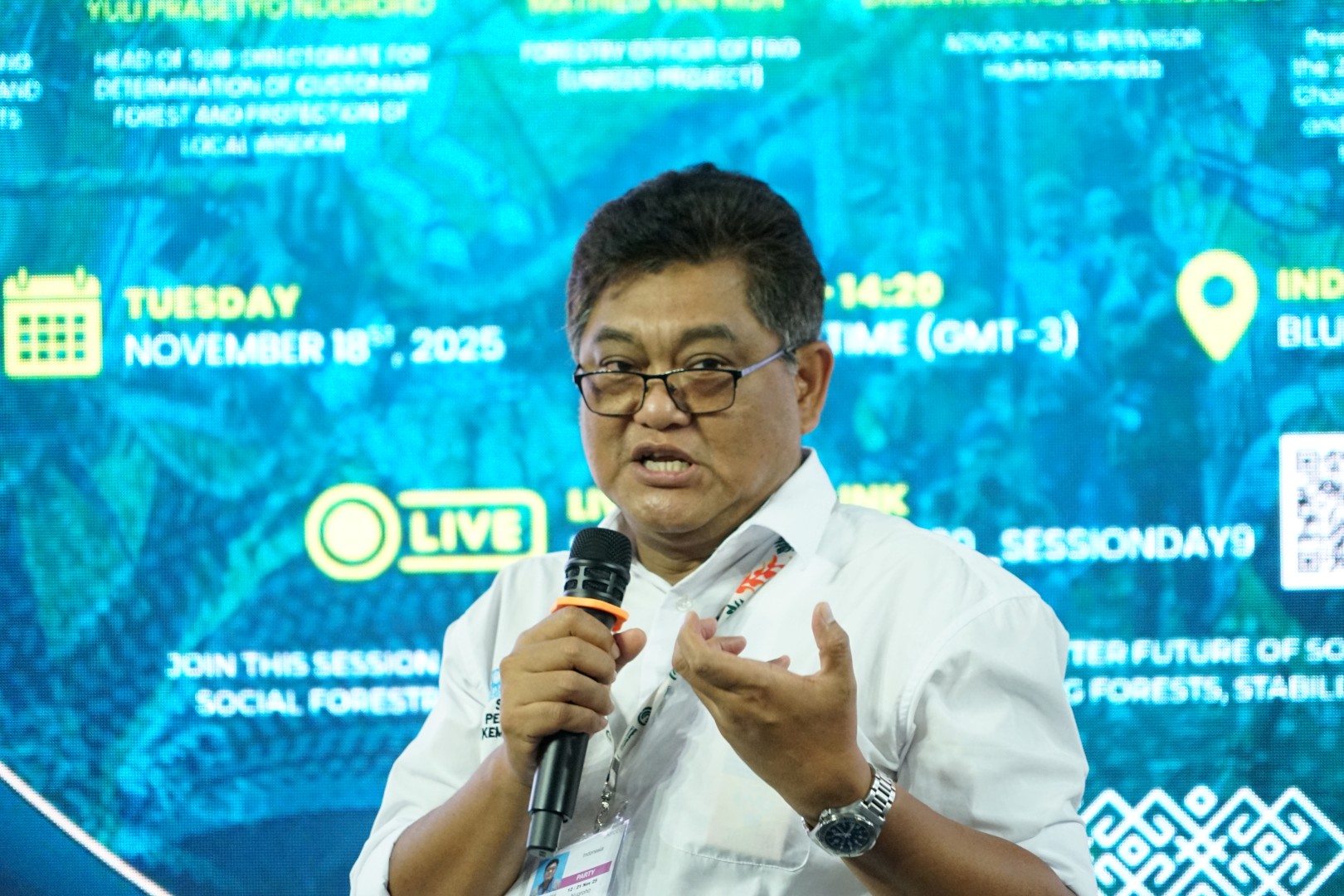
Yuli Prasetyo Nugroho

Head of Sub-Directorate for Determination of Customary Forest and Protection of Local Wisdom, Ministry of Forestry, Republic of Indonesia

Mathieu Van Rijn

Forestry Officer of FAO (UNREDD Project)

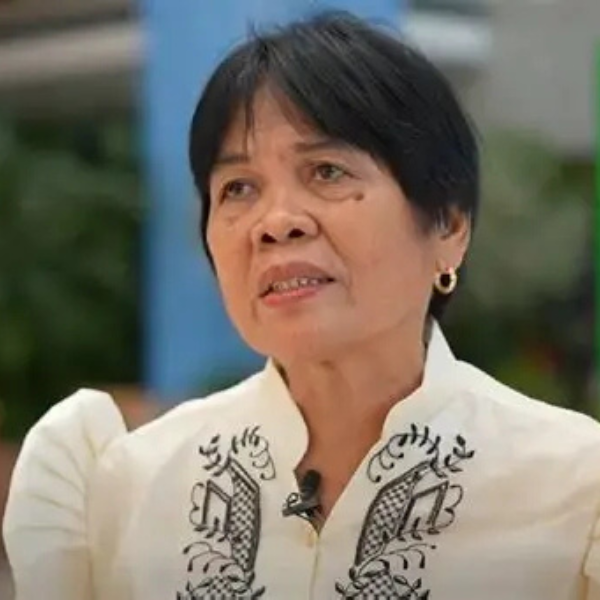
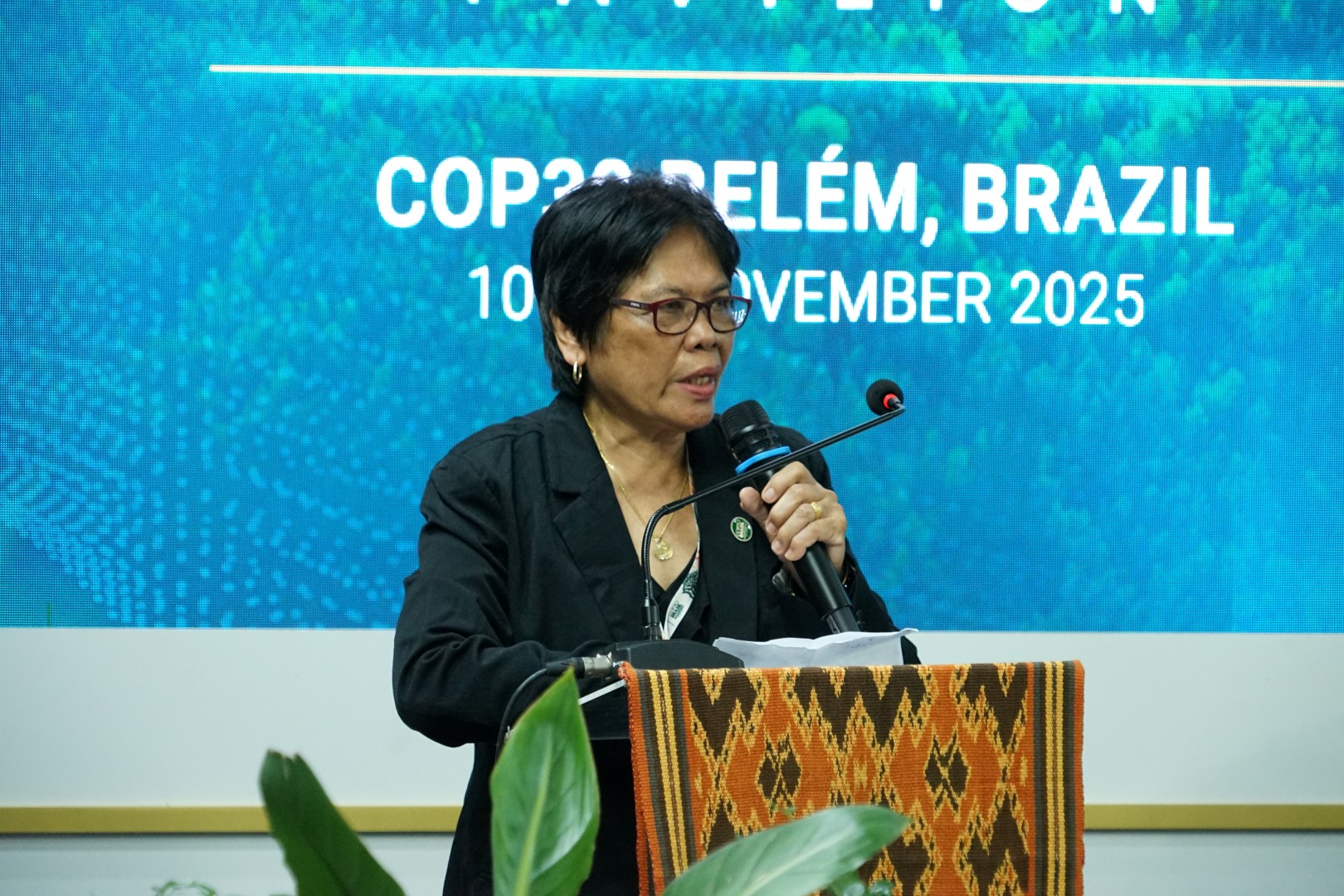
Nida Collado

President of the MCBFCMA and the 2024 Wangari Maathai Forest Champions Awardee at the Food and Agriculture Organization of the United Nations (FAO)

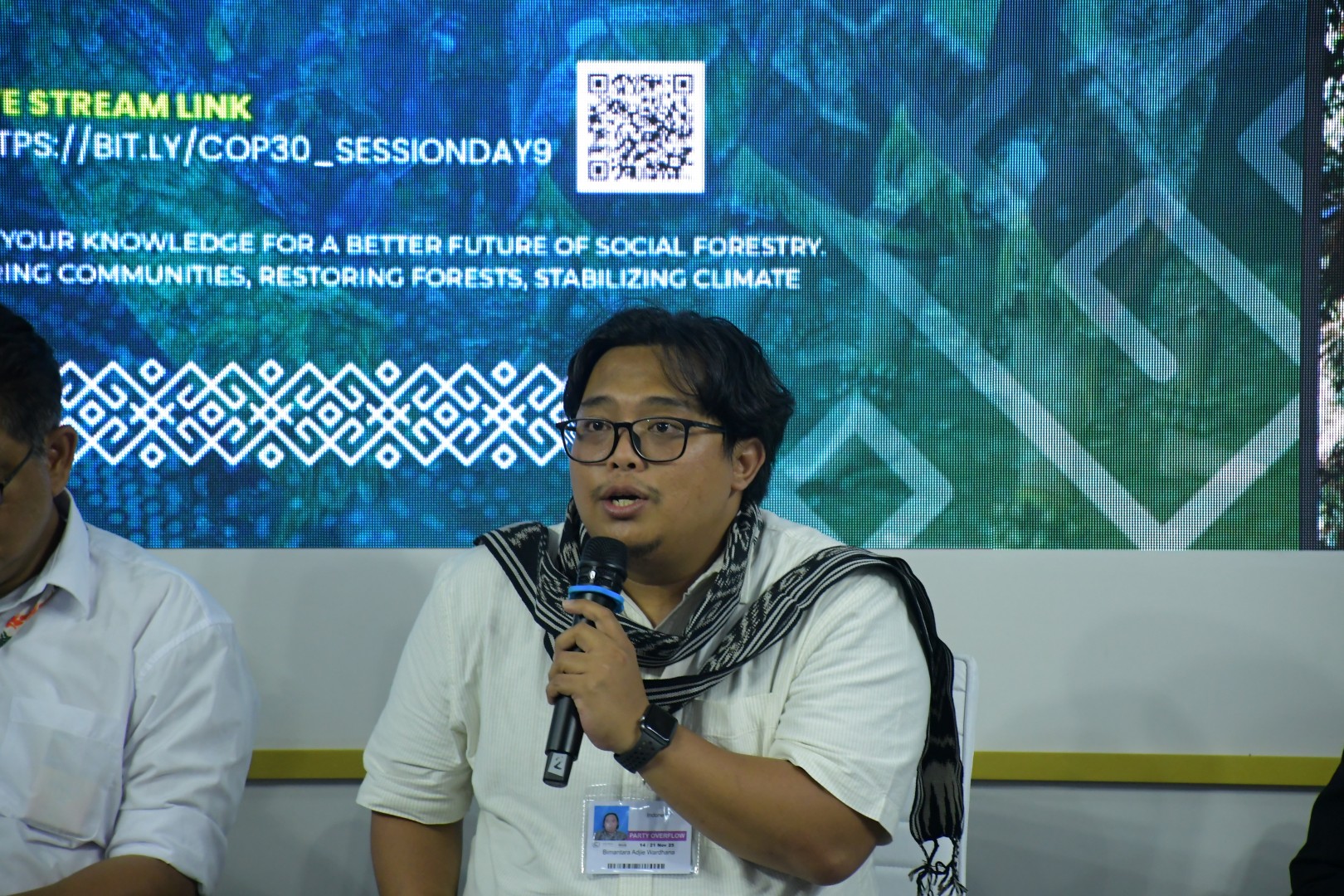
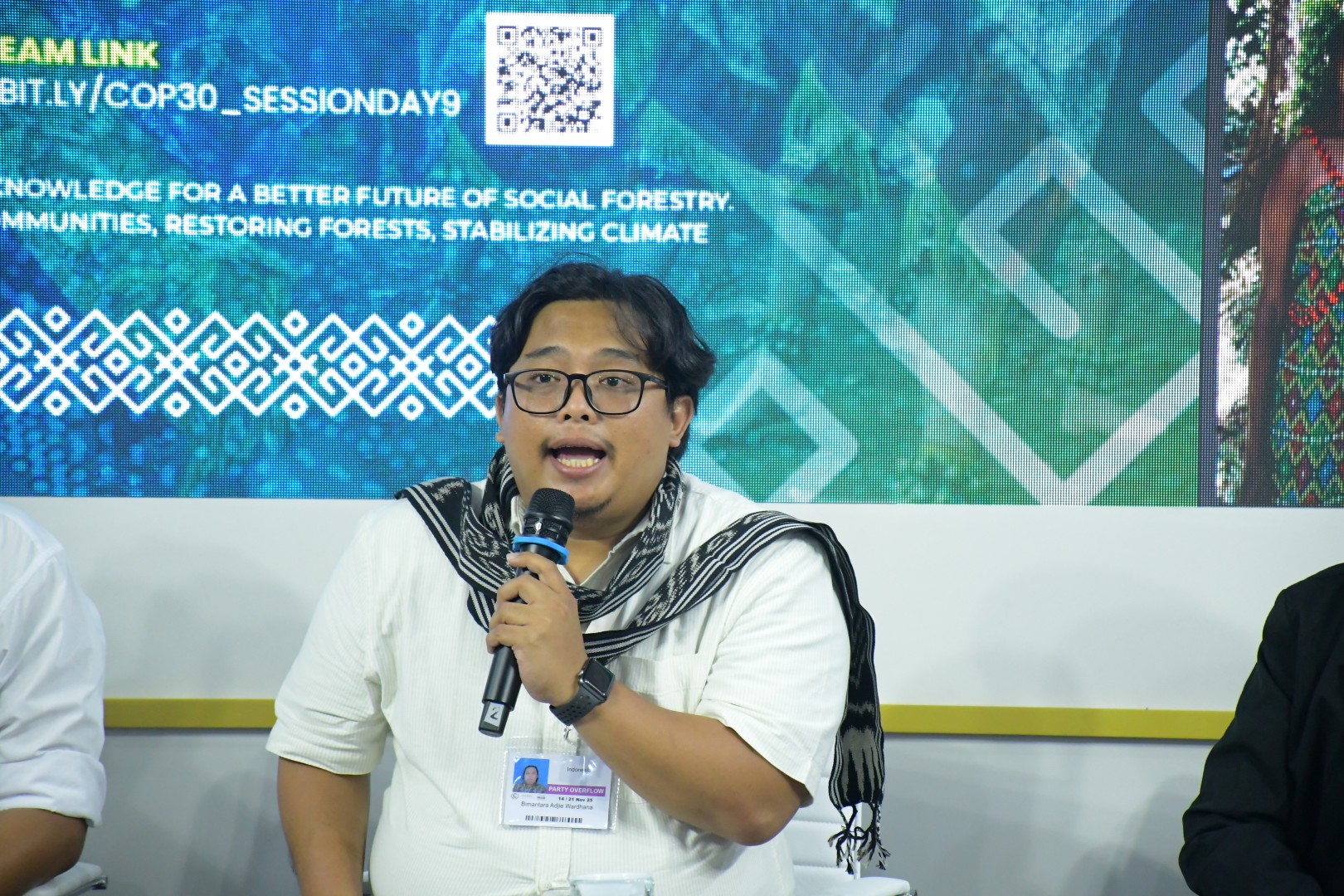
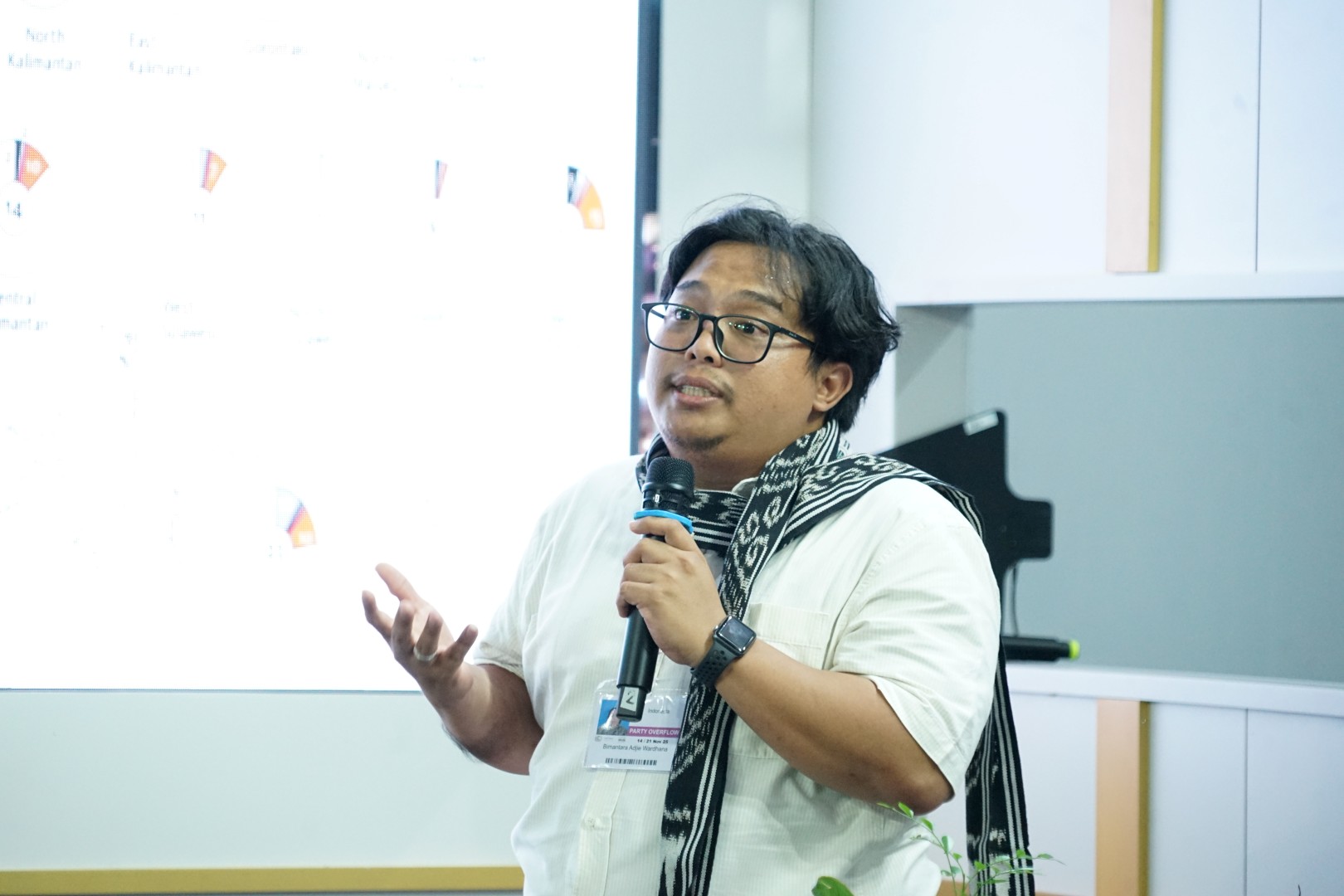
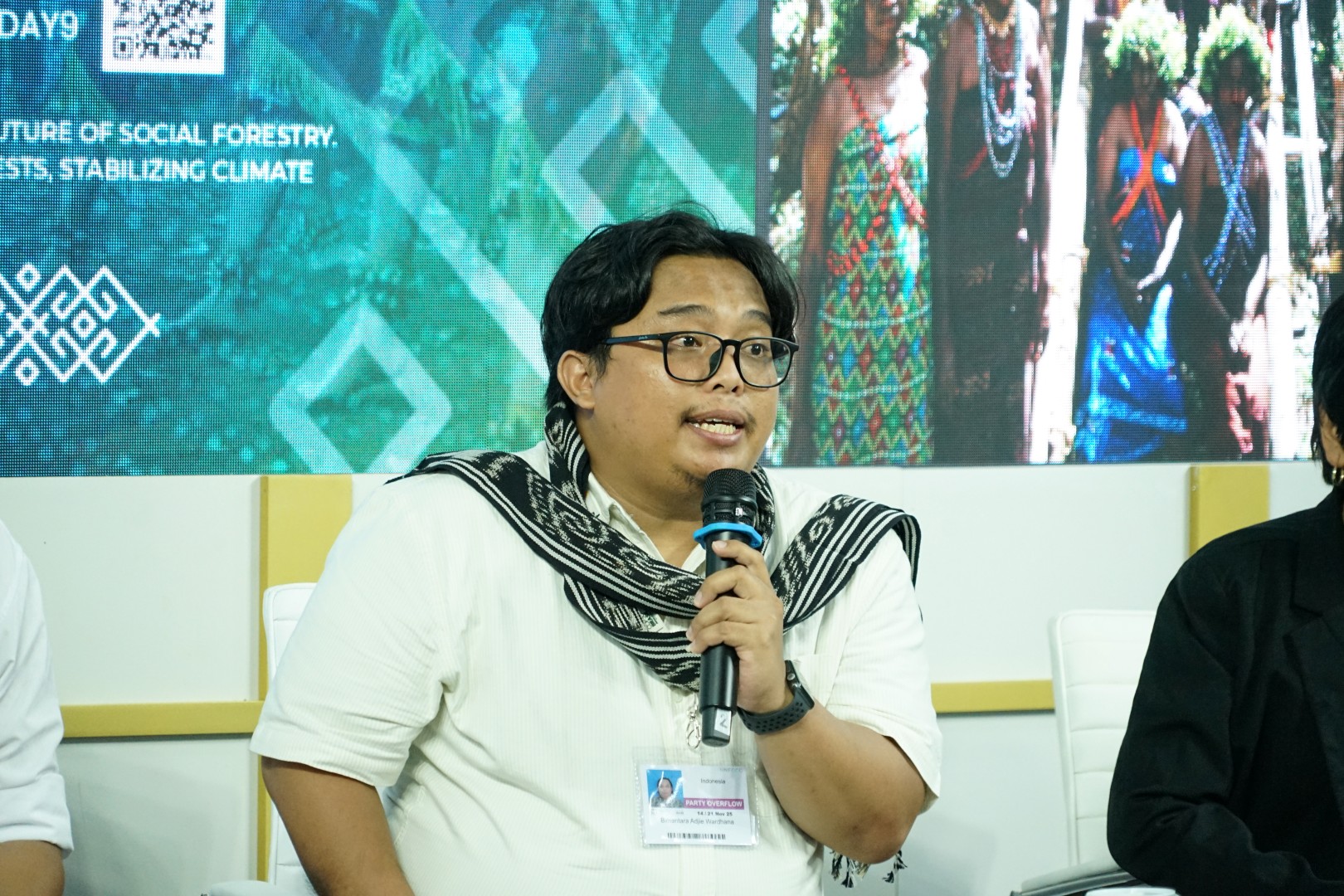
Bimantara Adjie Wardhana

Advocacy Supervisor HuMa Indonesia

Moderator

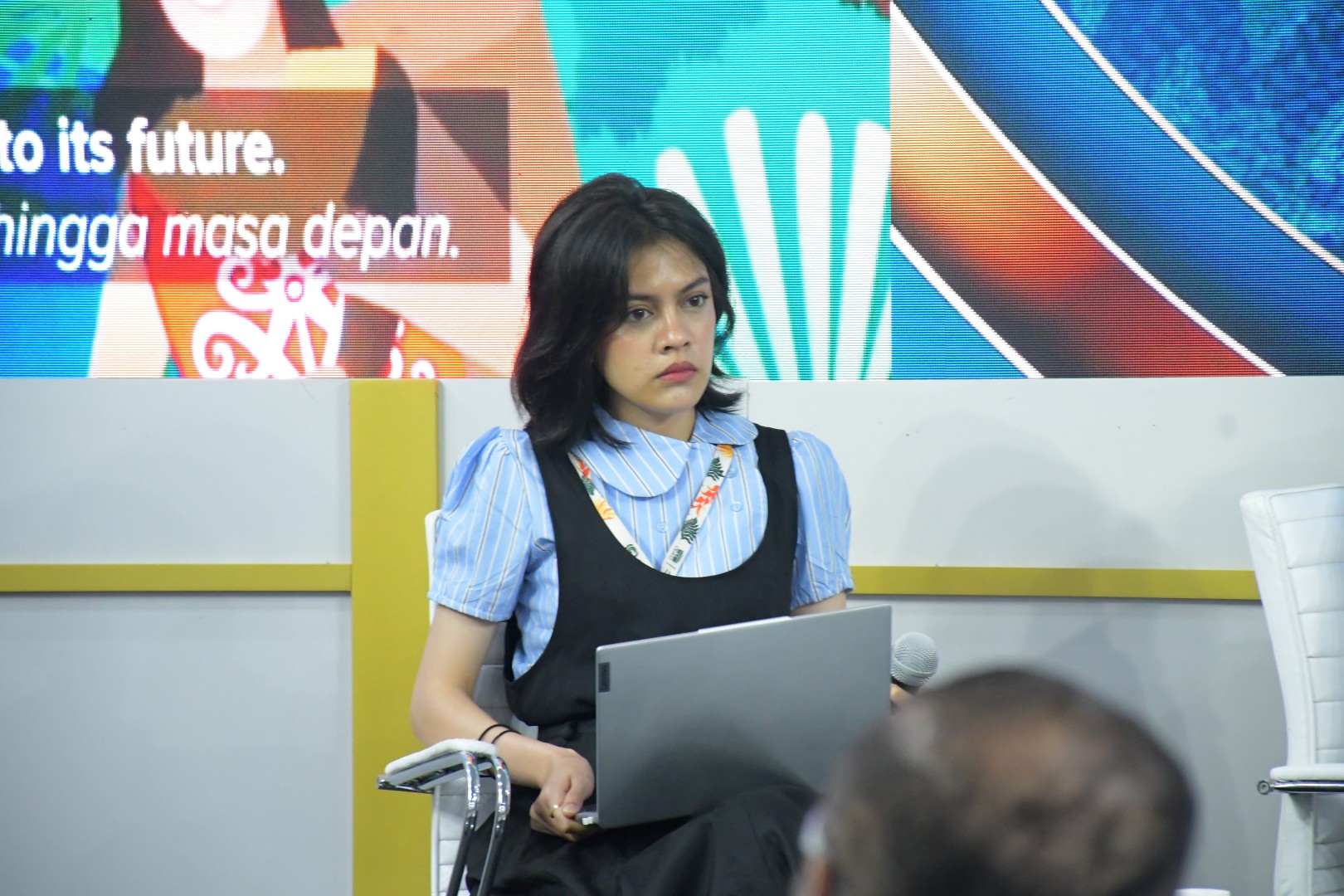
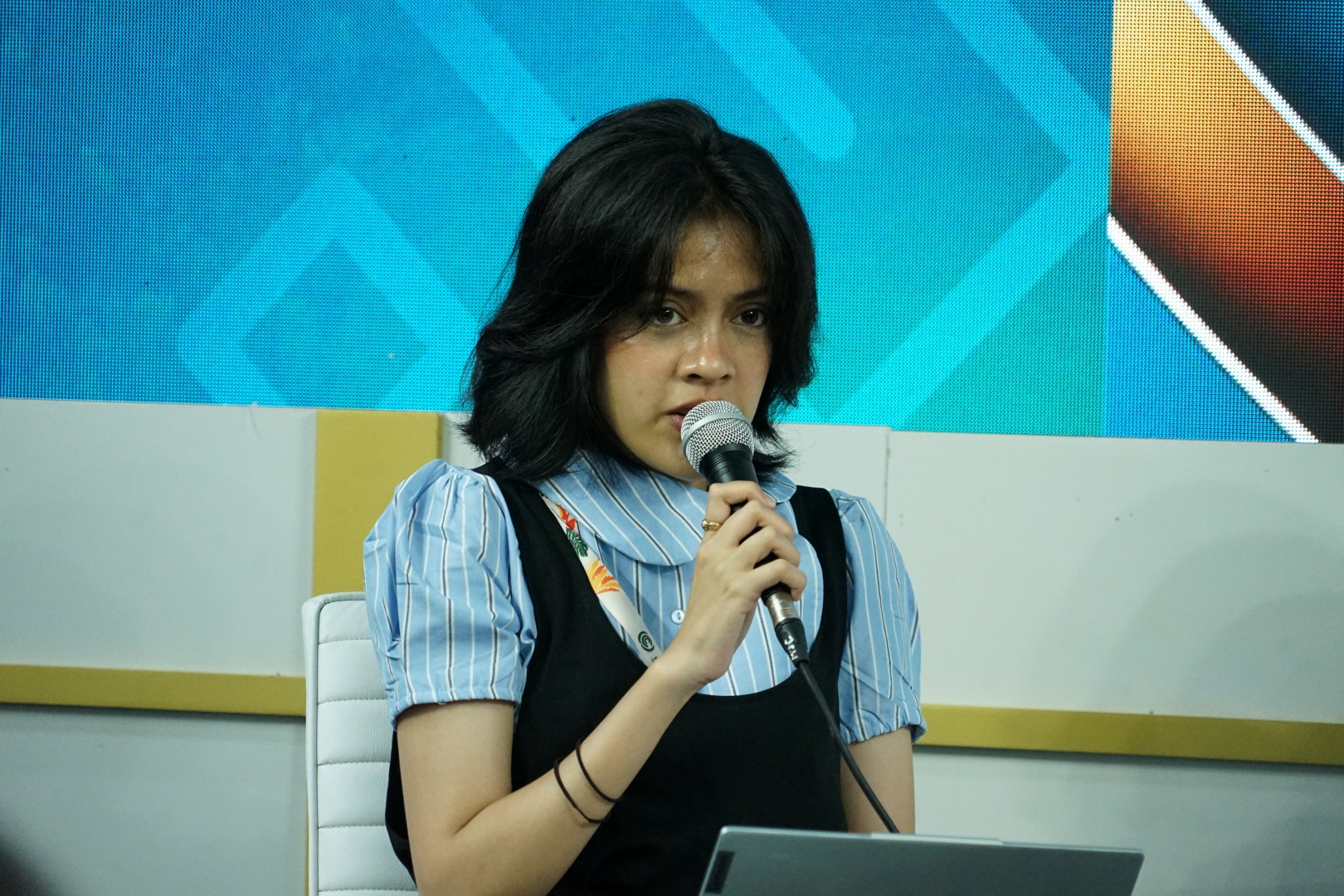
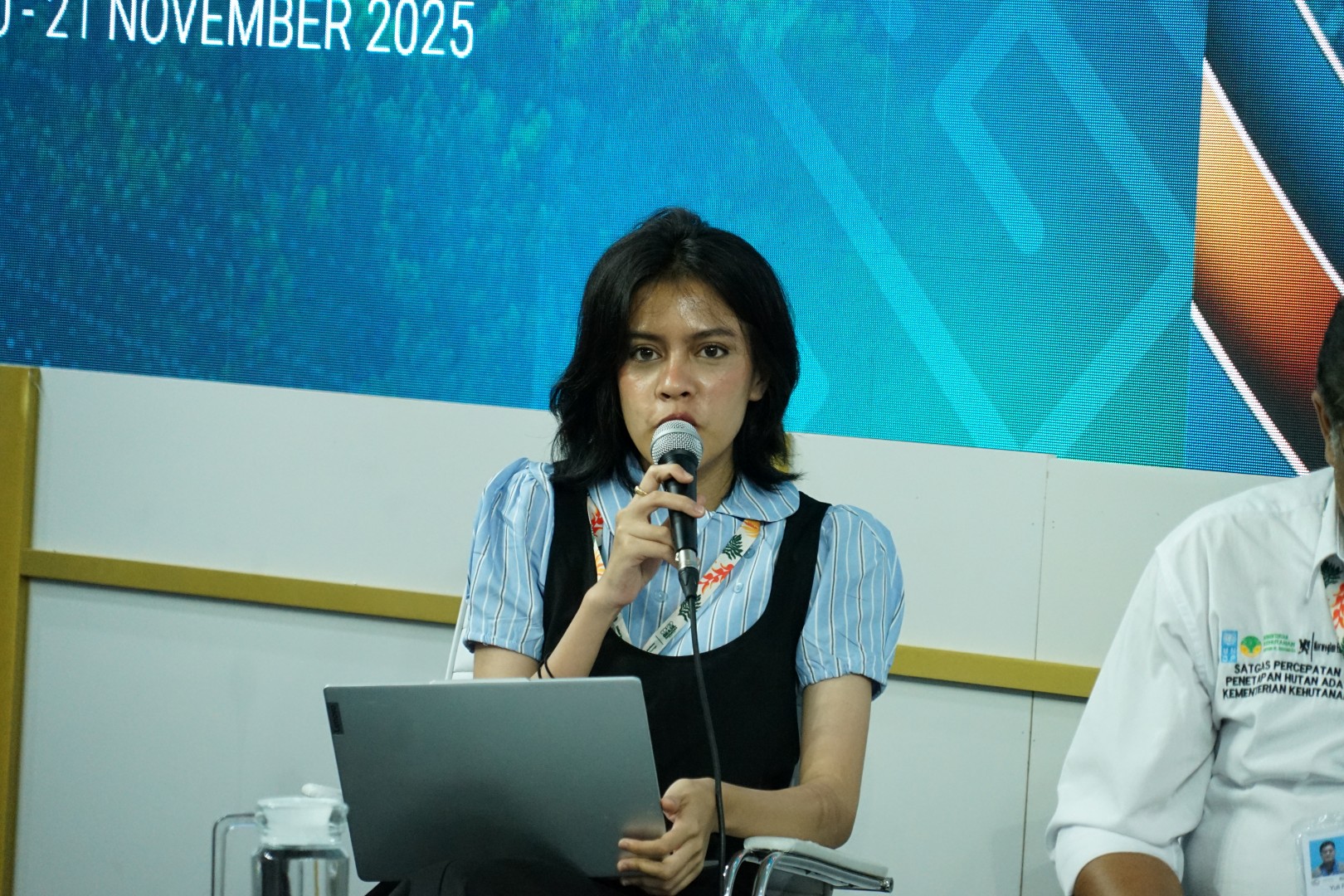
Kanina Ramaniya Kalyana

Communication Strategic, HuMa

Gallery