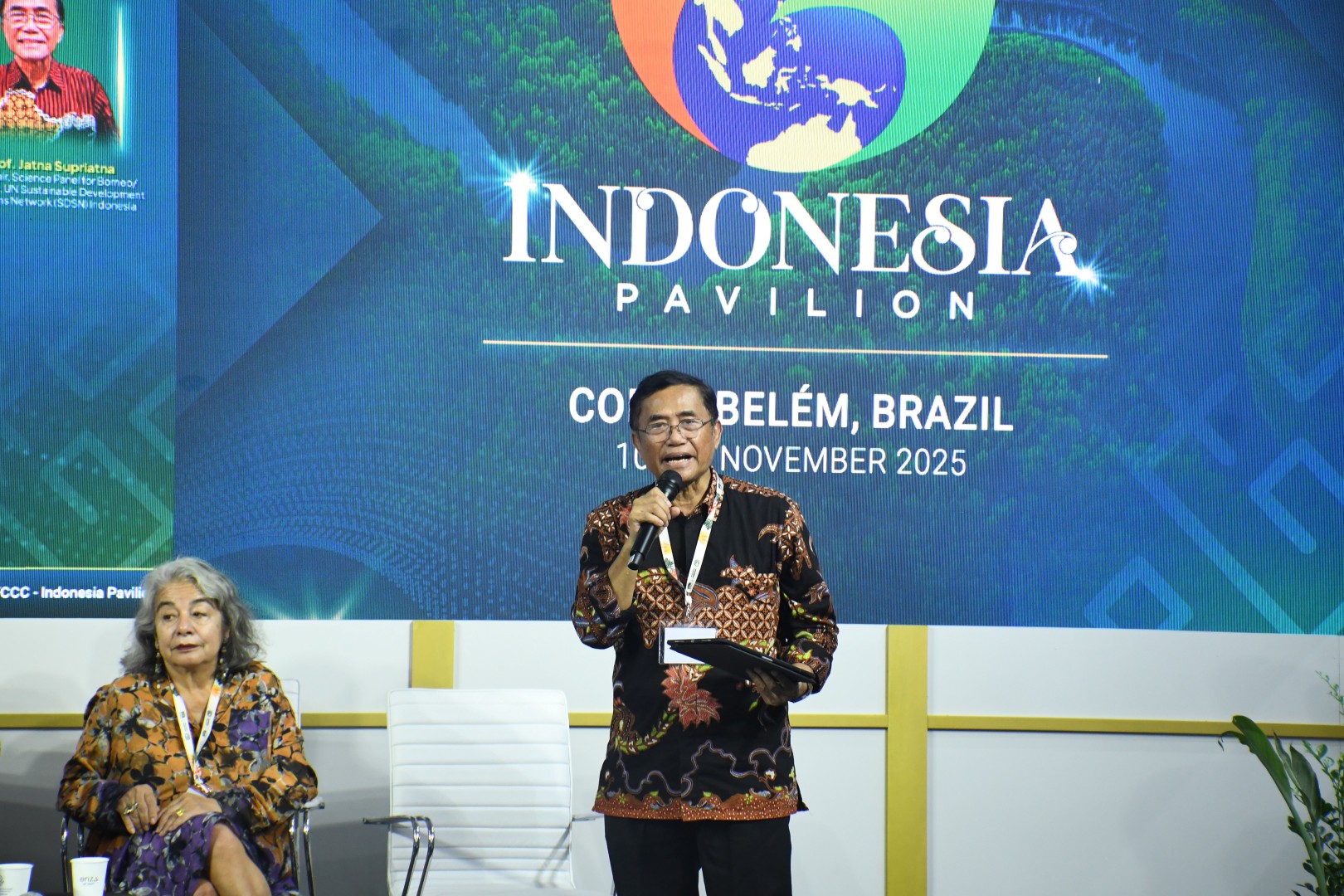
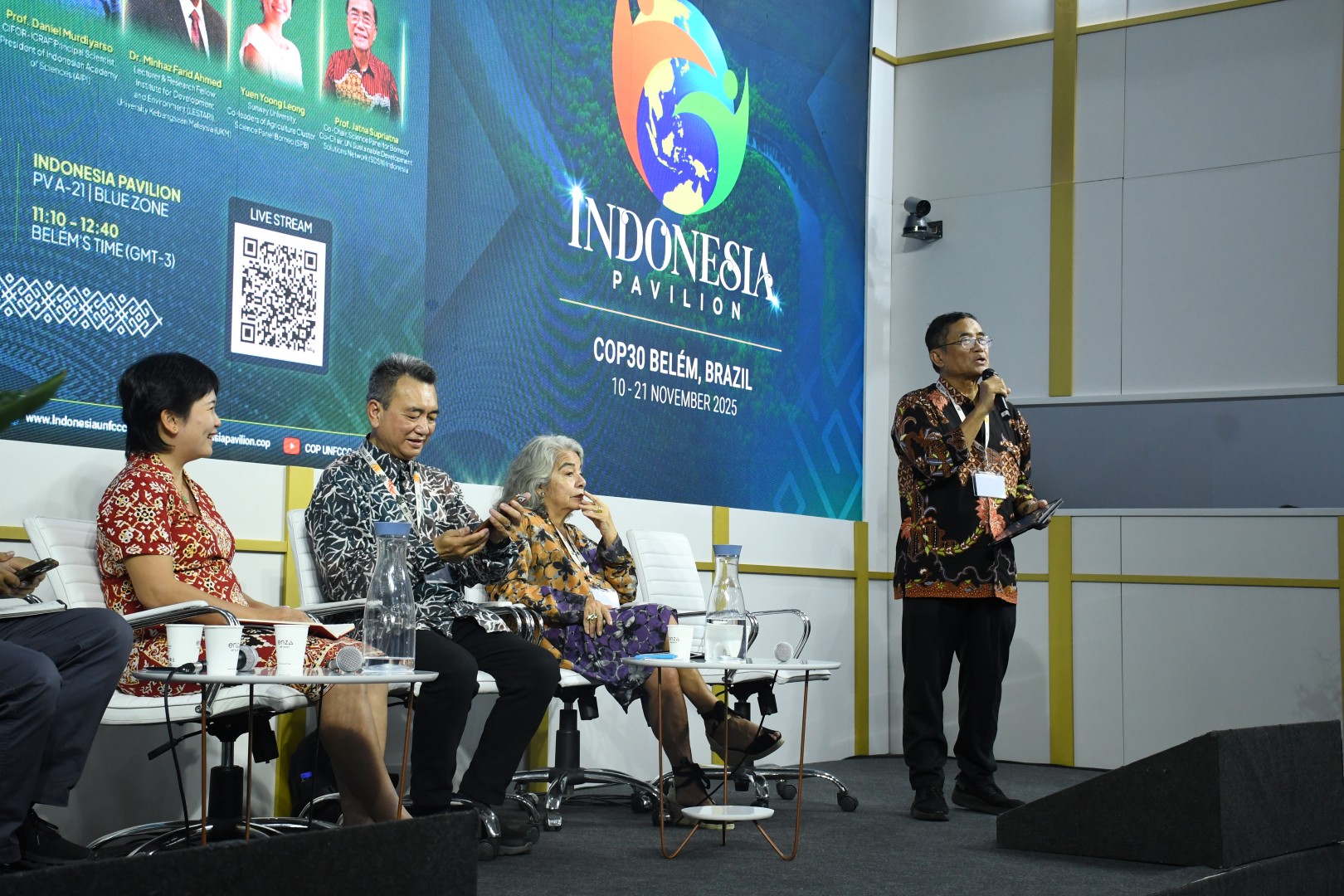
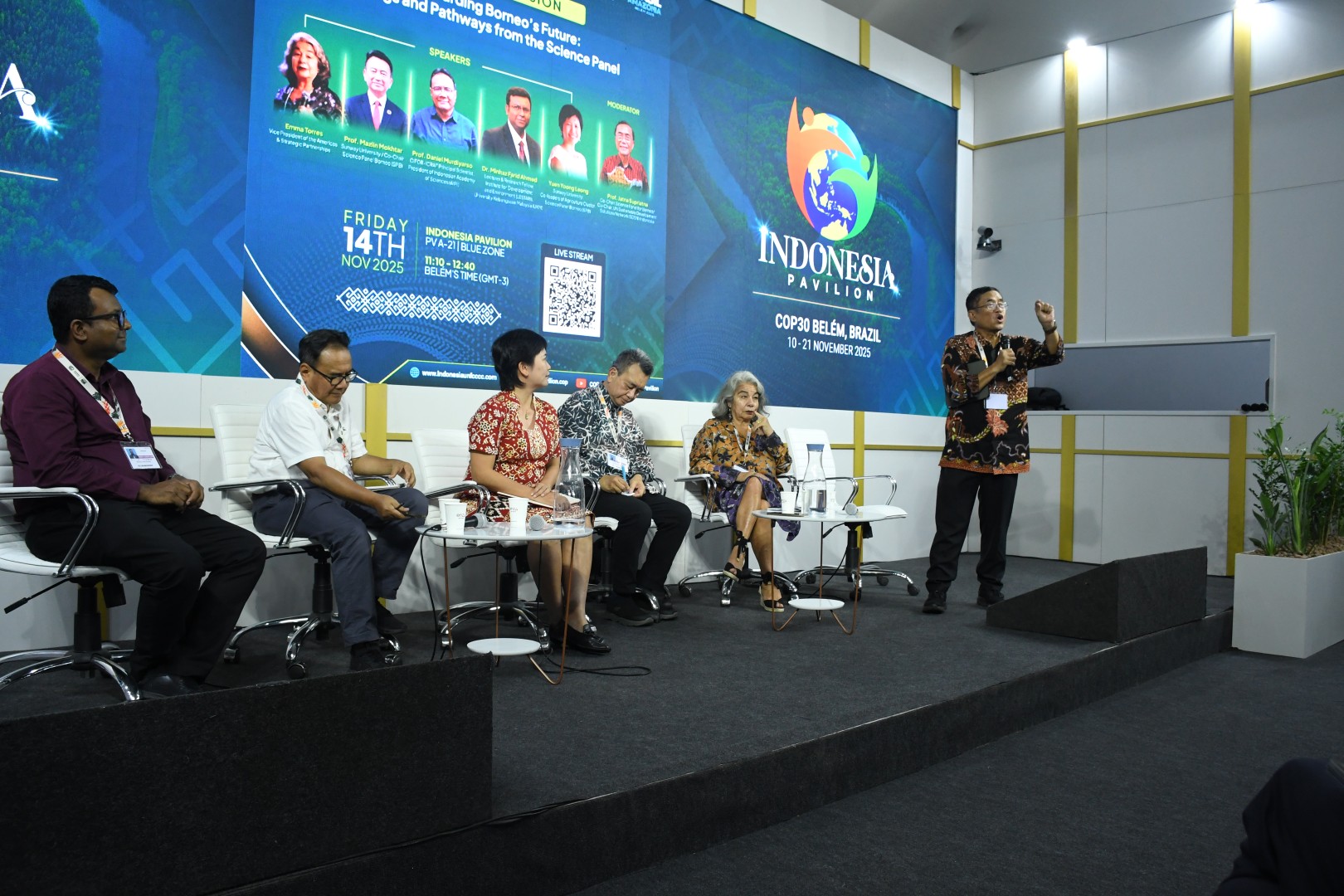
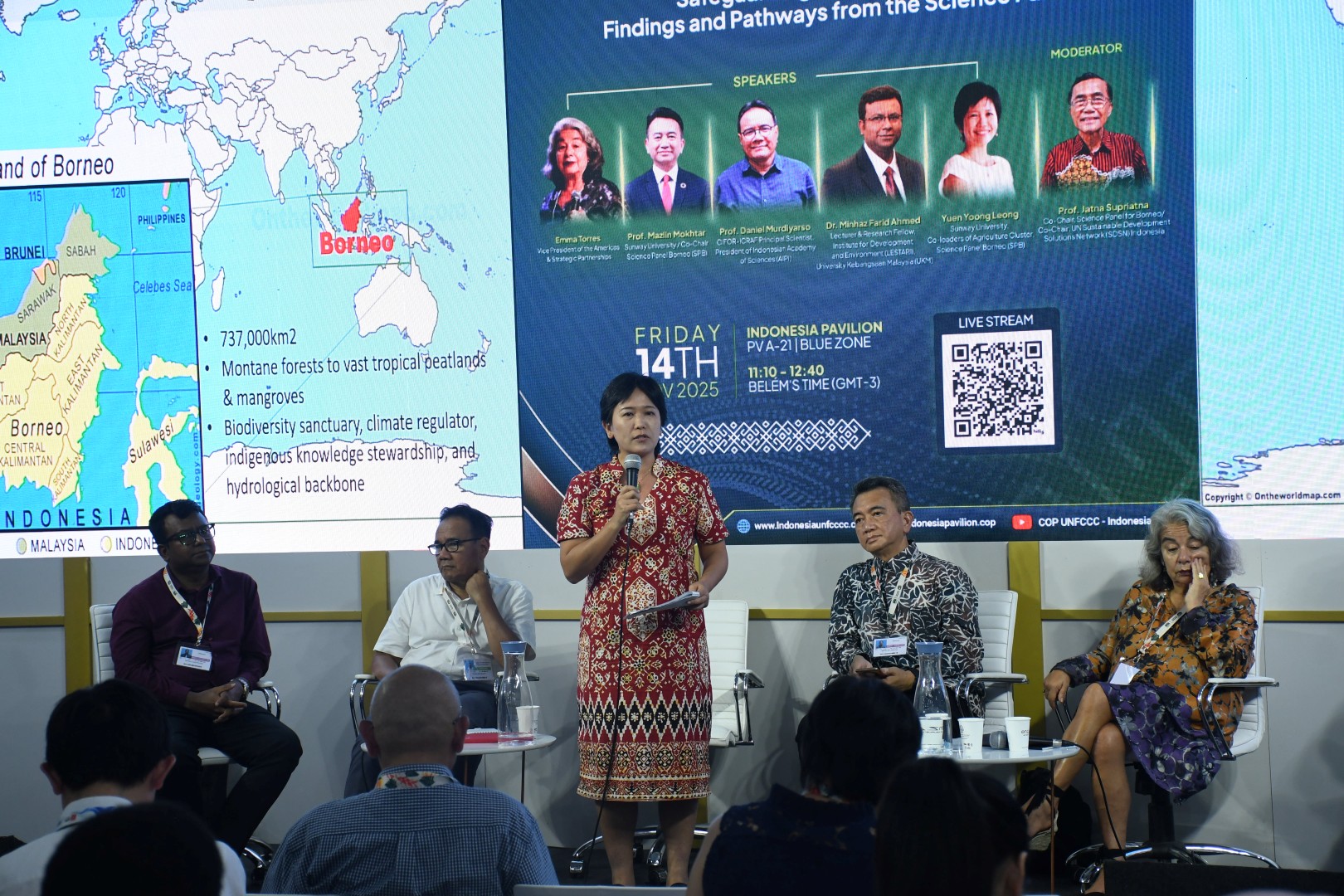
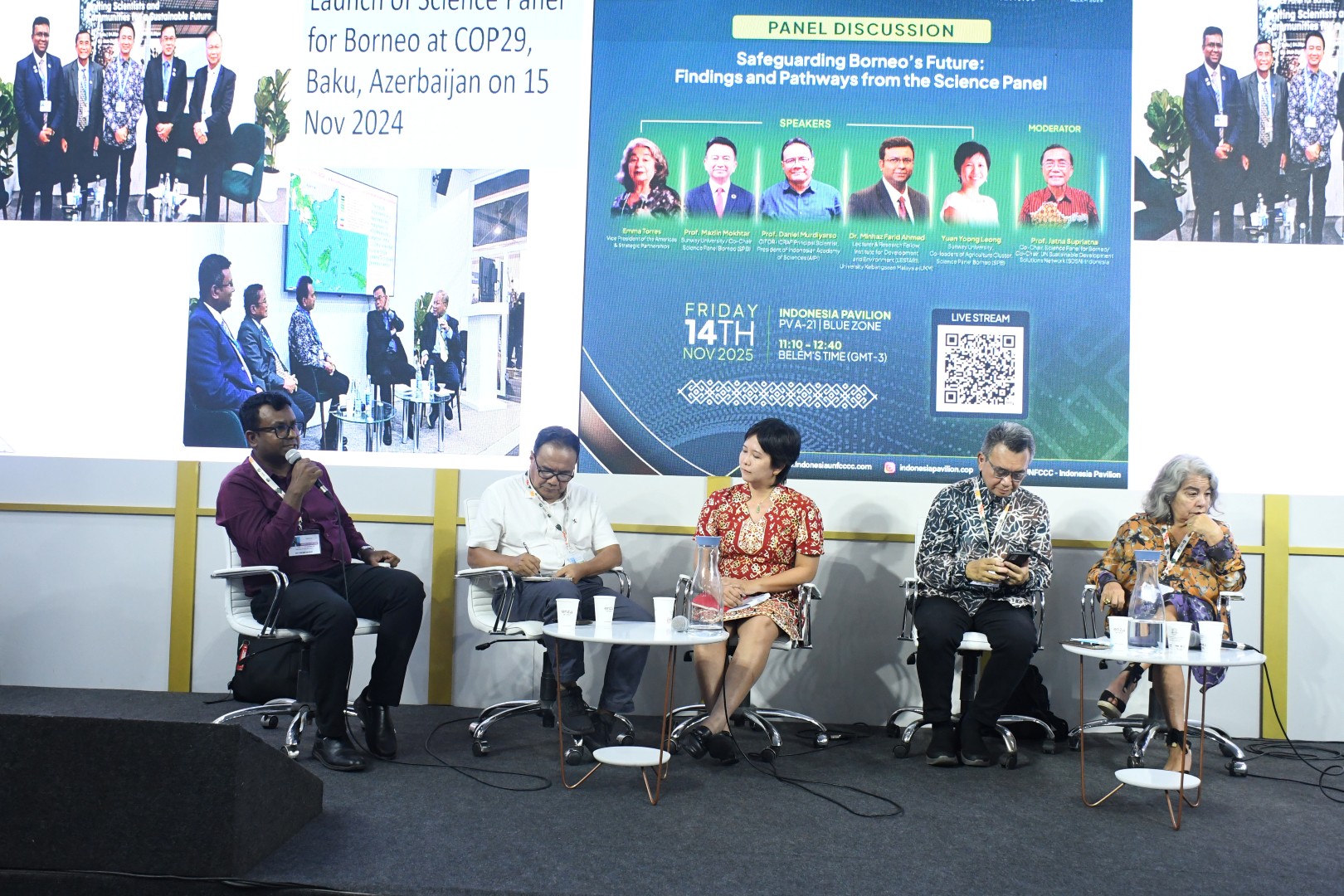
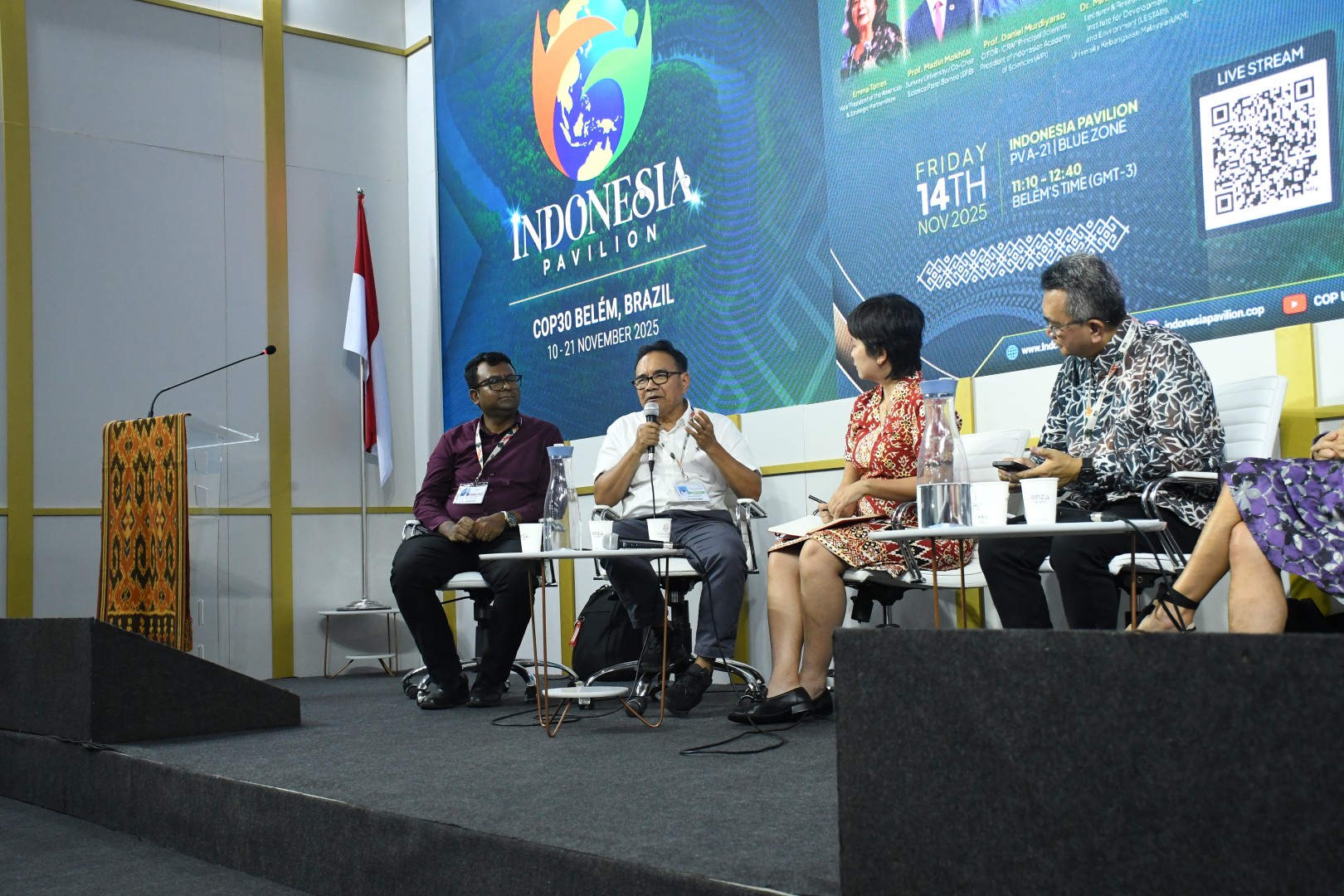
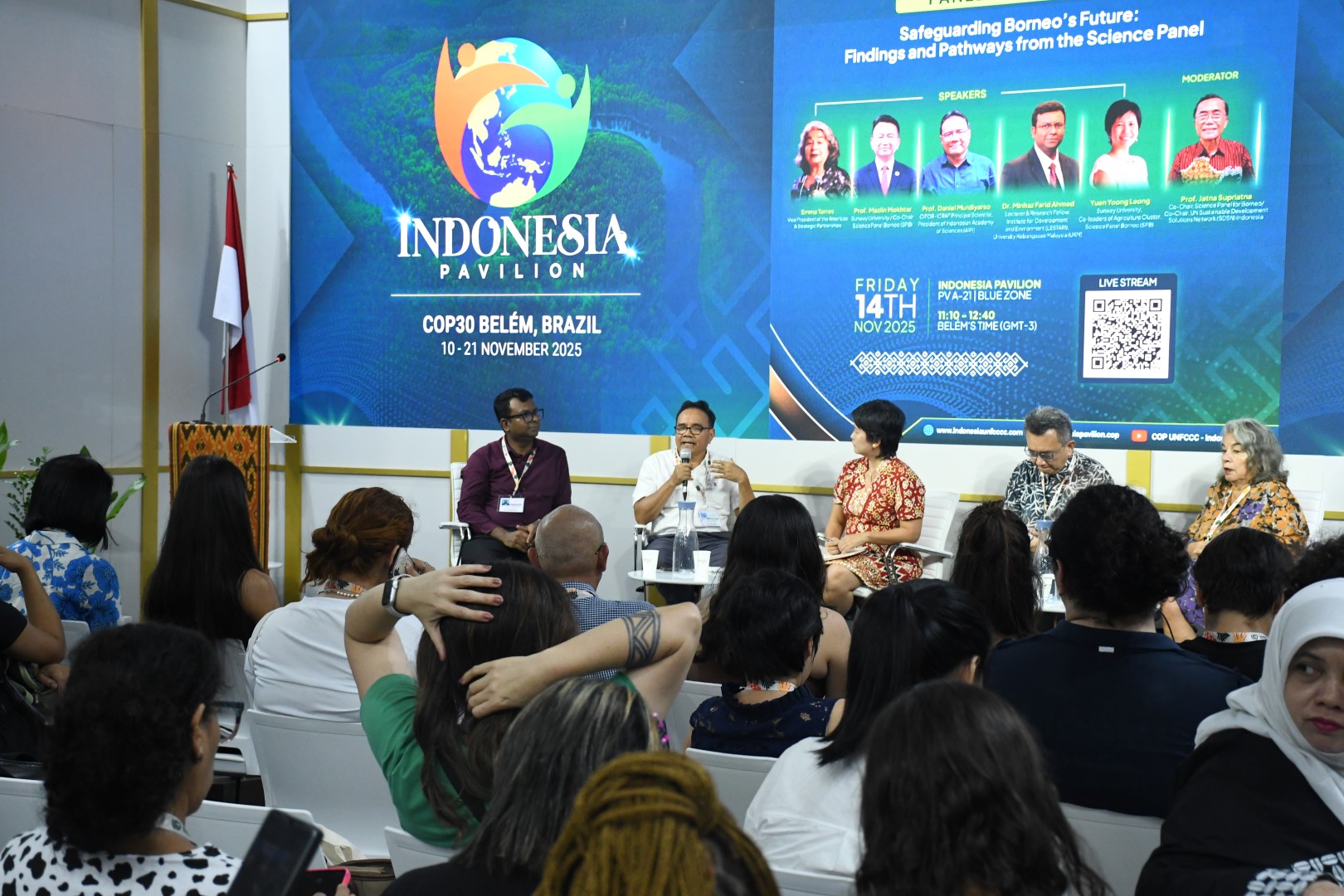
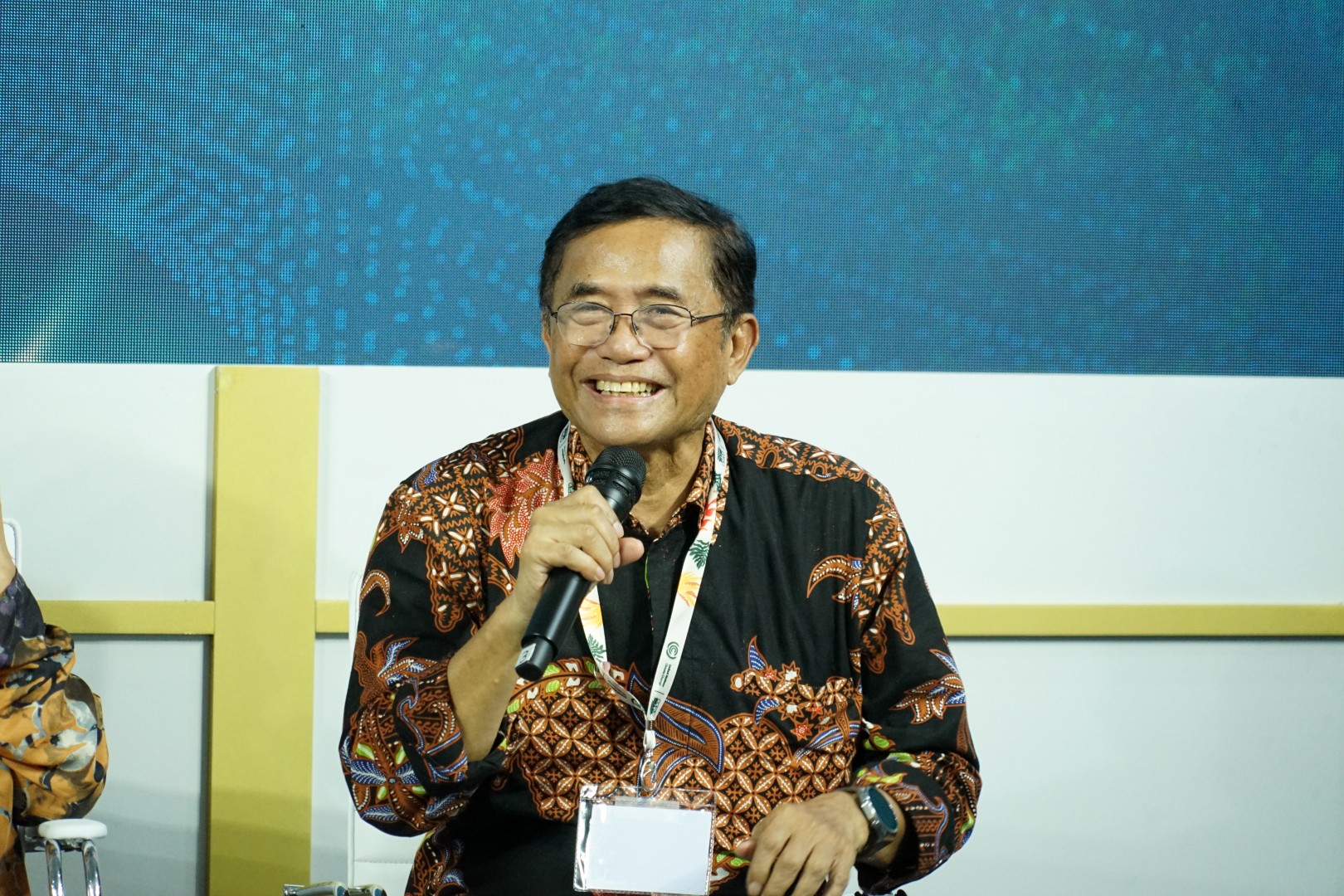
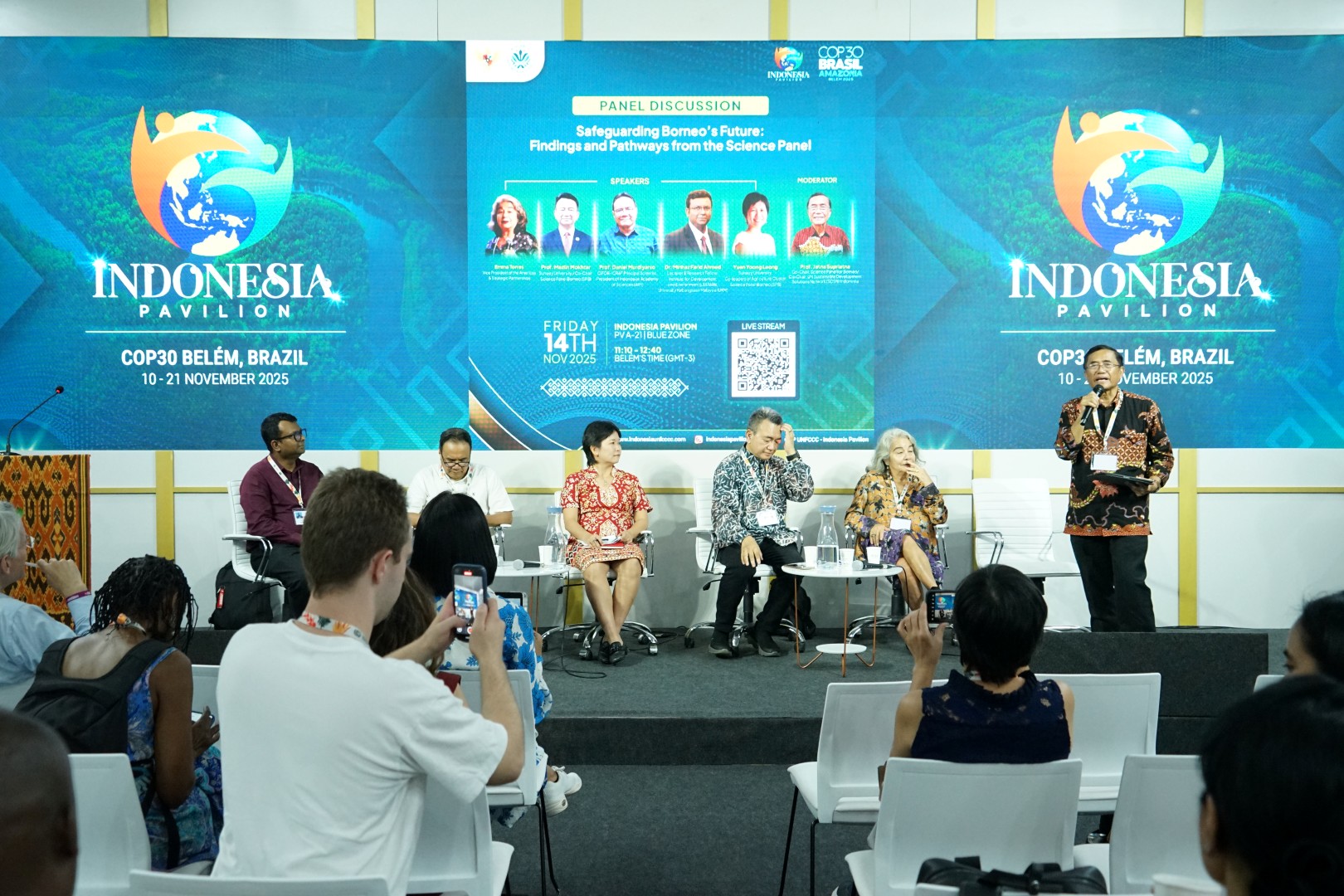
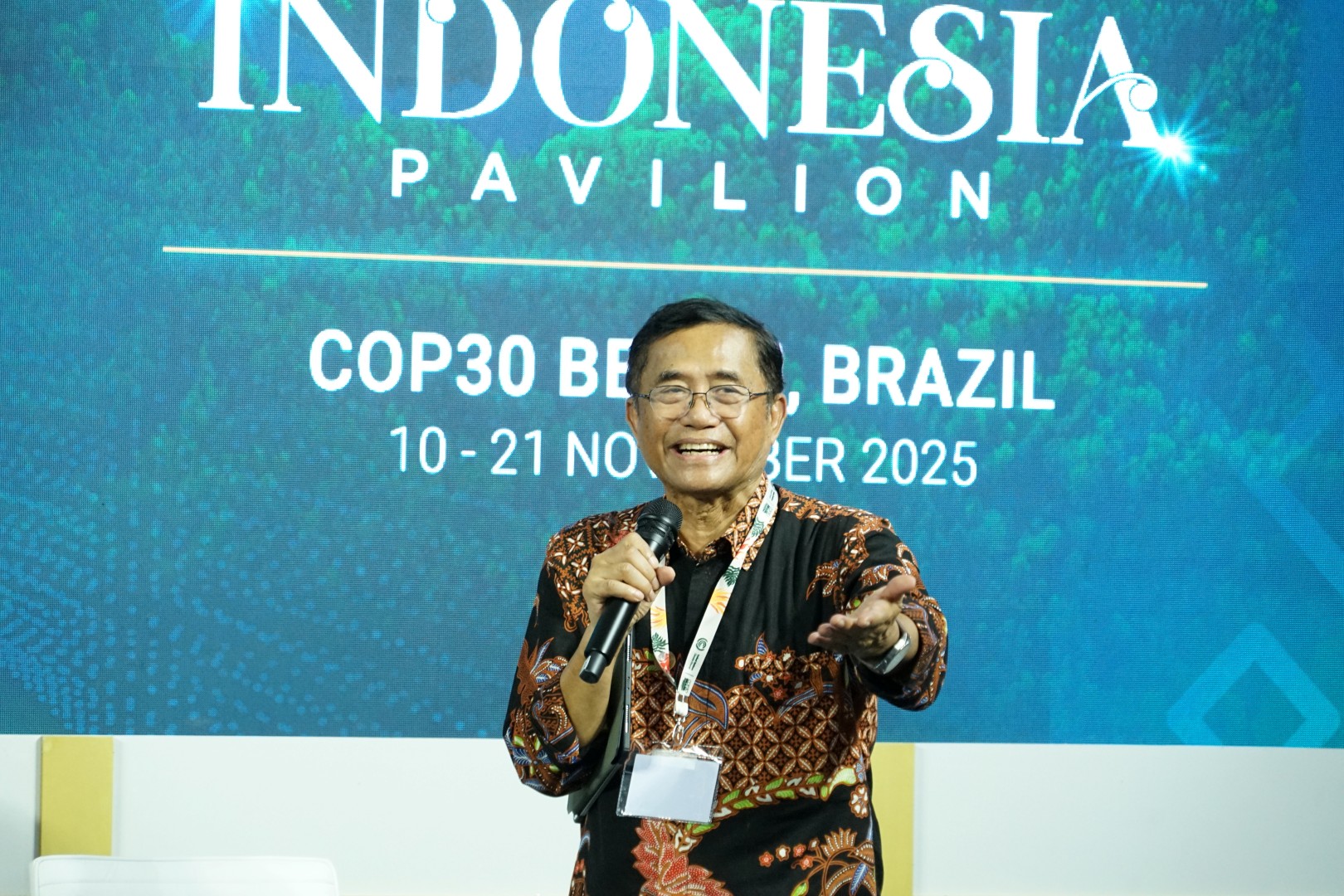
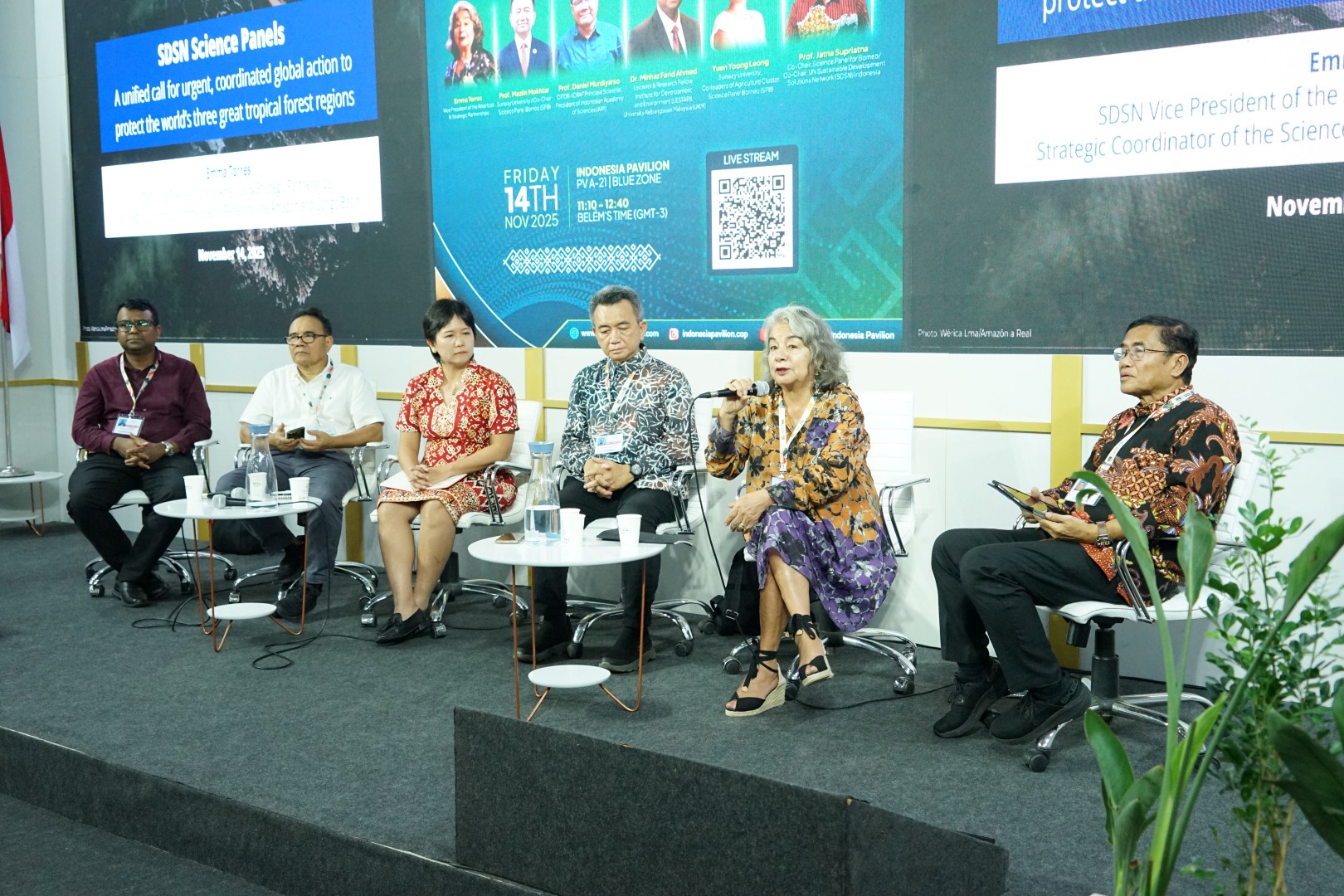
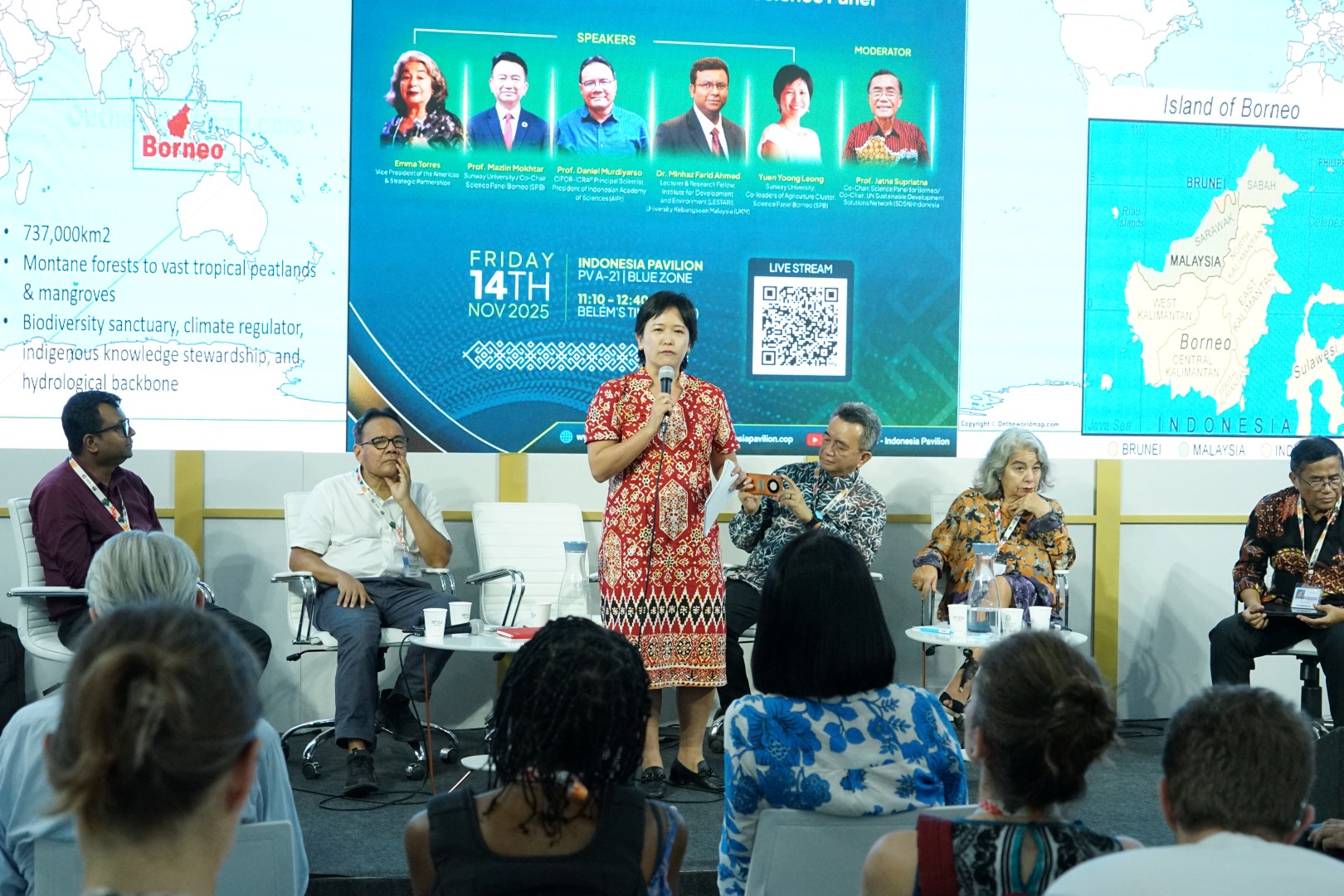
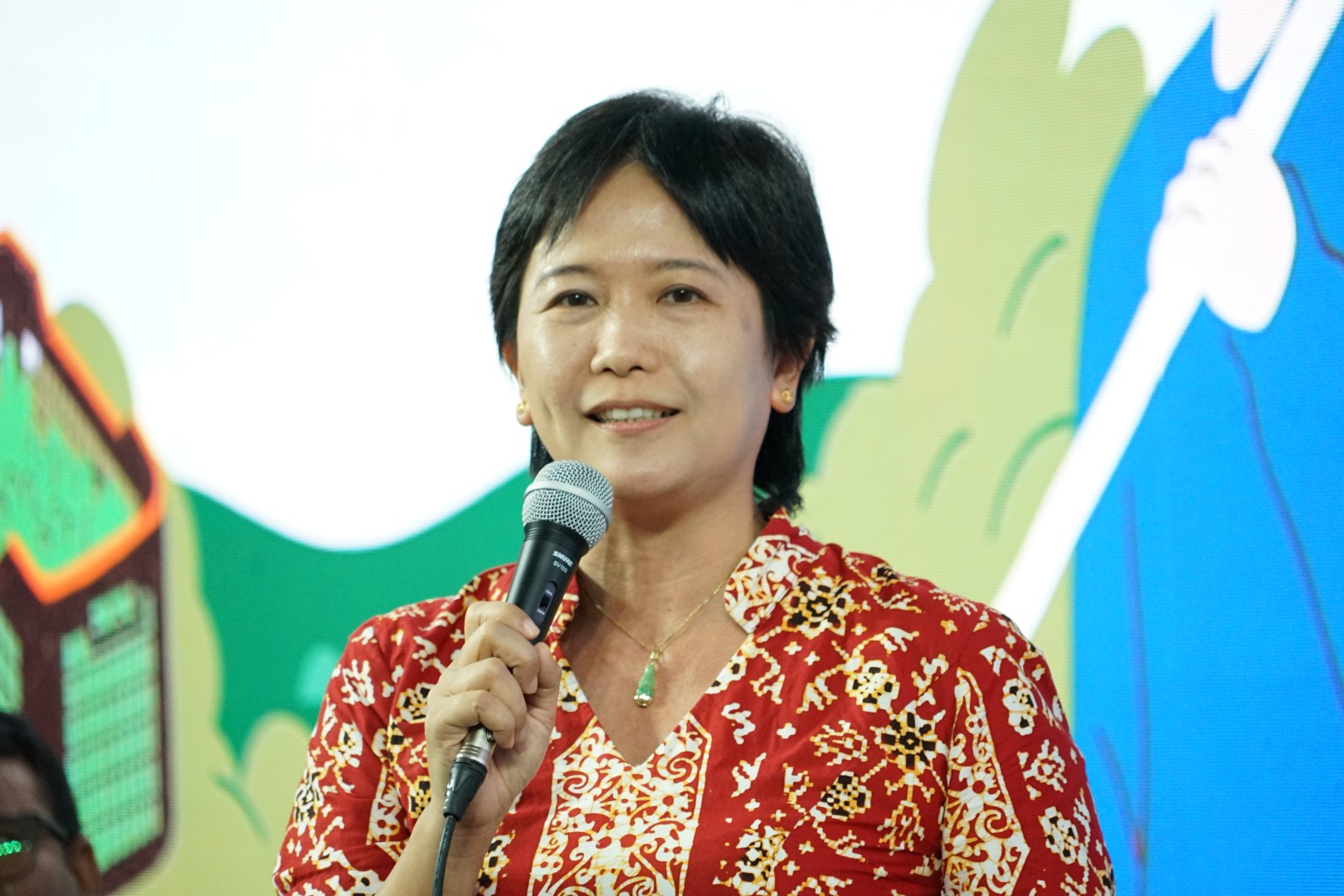
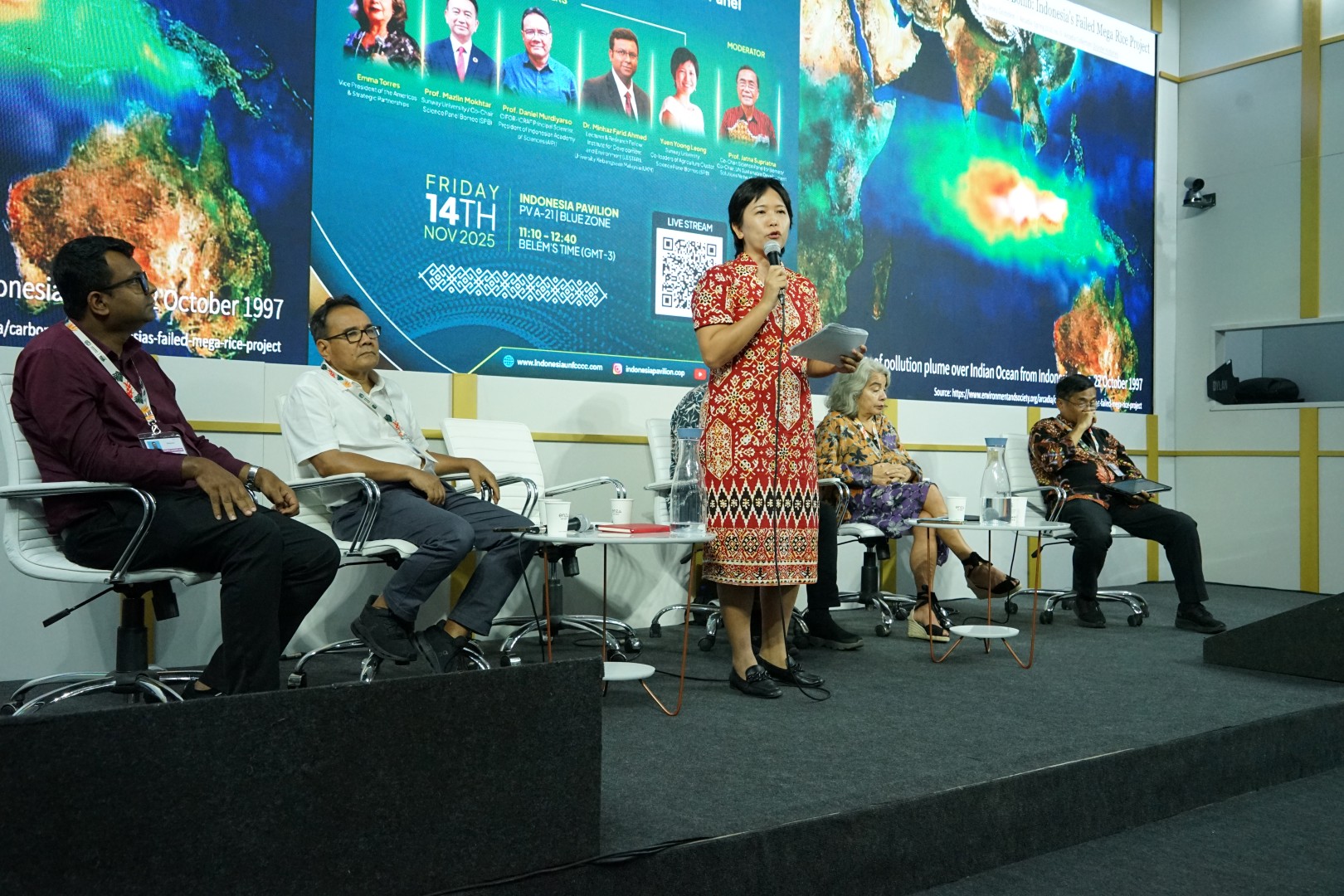
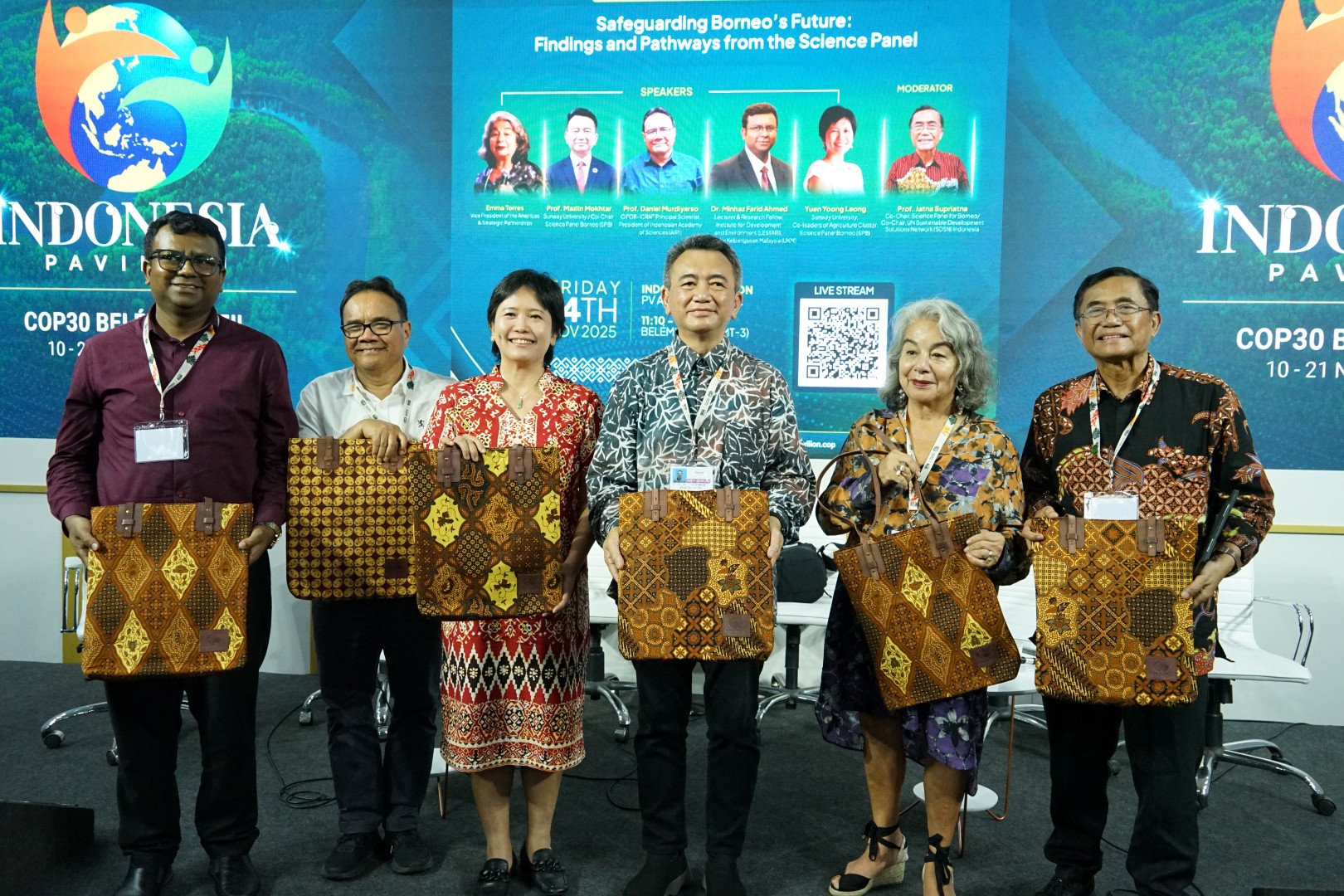
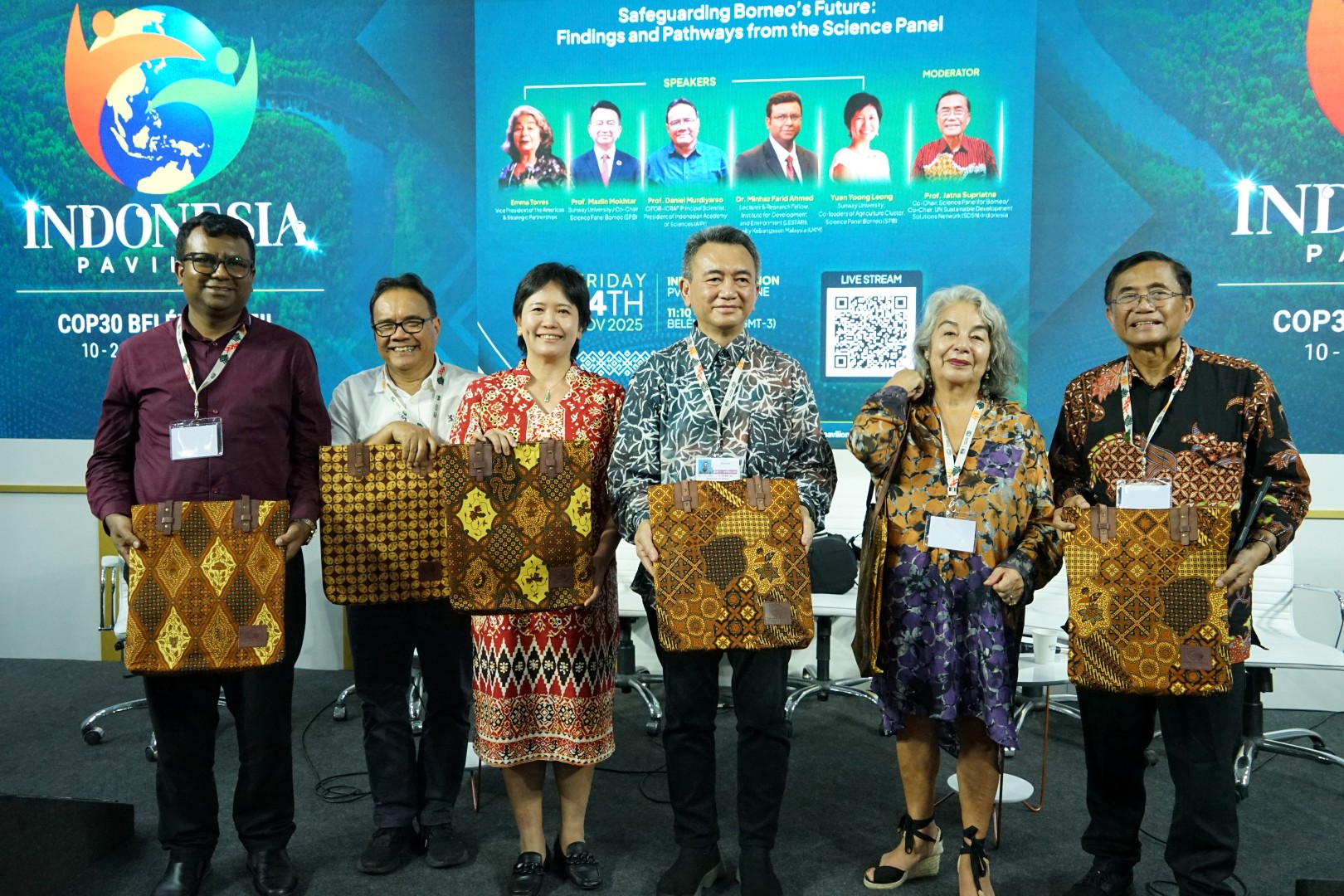
Borneo, the world’s third-largest island shared by Indonesia, Malaysia, and Brunei, is a vital ecological and cultural landscape. It harbors over 15,000 plant species—6,000 endemic—alongside orangutans, proboscis monkeys, pygmy elephants, and vast peat domes storing up to 20 billion tonnes of carbon. Yet, Borneo faces escalating crises: nearly a third of its forests have vanished since 1970, with oil palm, mining, and urban expansion driving deforestation. Orangutan populations have halved since 1999, peatland loss fuels fires and emissions, and floods like the 2021 disaster displacing 100,000 people are growing more frequent. By 2050, rainfall could drop 20–30%, threatening agriculture, energy, and communities.
Borneo Assessment Report by the Science Panel for Borneo demonstrates that the island offers immense potential for sustainable transformation. Solutions identified by the Science Panel for Borneo include large-scale peatland restoration and rewetting to reduce carbon emissions, “mineral-smart” approaches to mining and resource governance, and the development of sustainable agriculture that integrates cutting-edge technologies with indigenous agroforestry knowledge. The report also emphasizes the importance of restoring biodiversity corridors to reconnect fragmented habitats, scaling up ecological monitoring systems such as the Borneo Satellite Network (BoSaN), and strengthening indigenous-led restoration and community-driven conservation as cornerstones of a just transition.
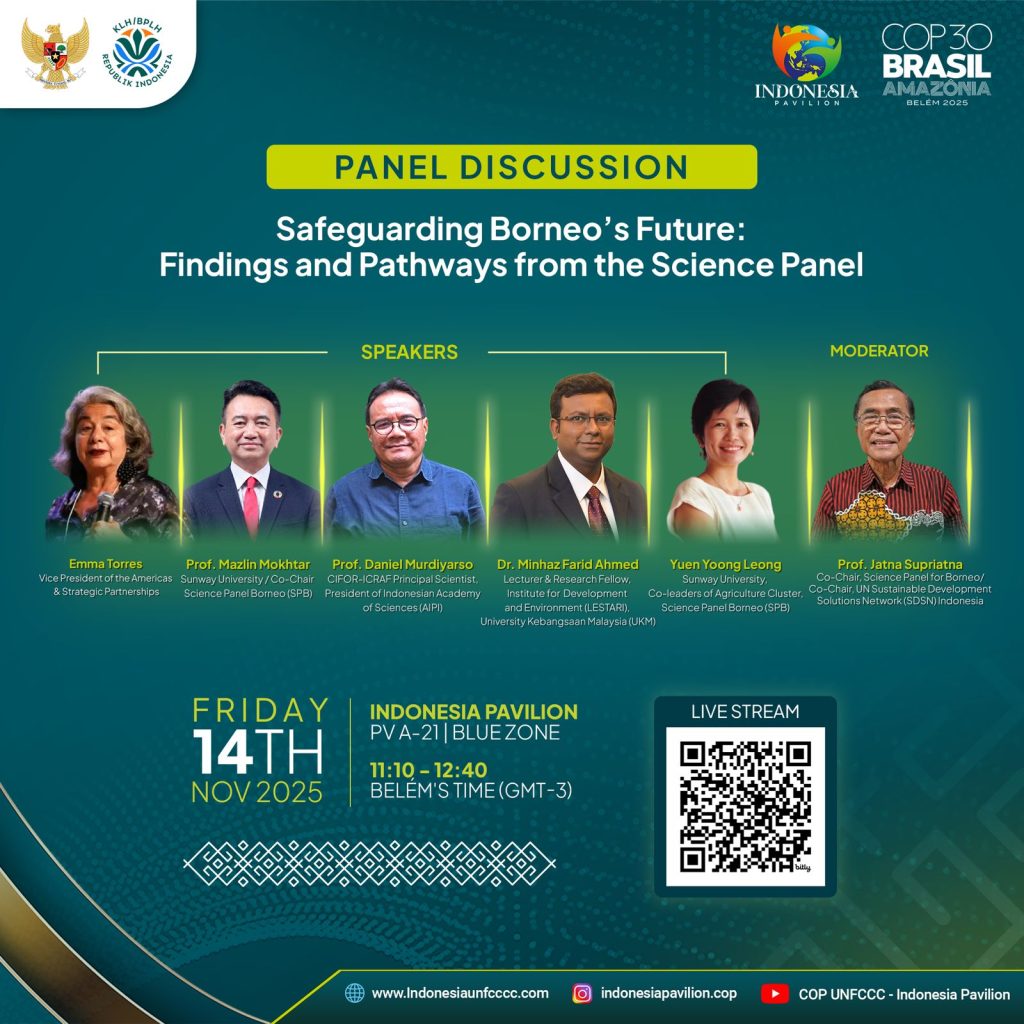
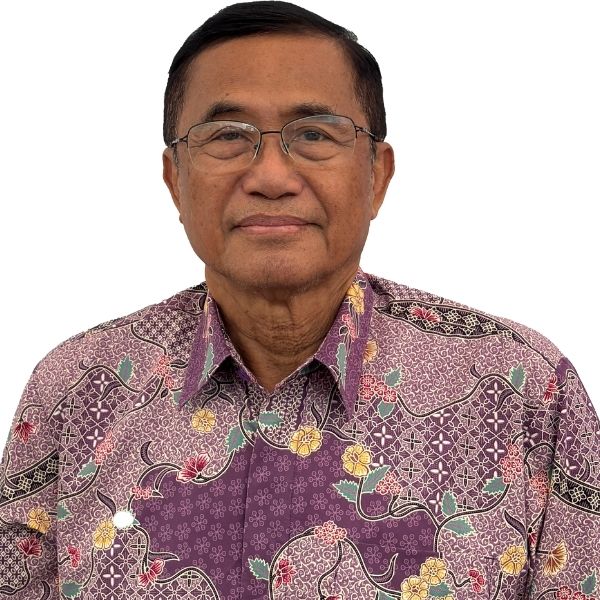
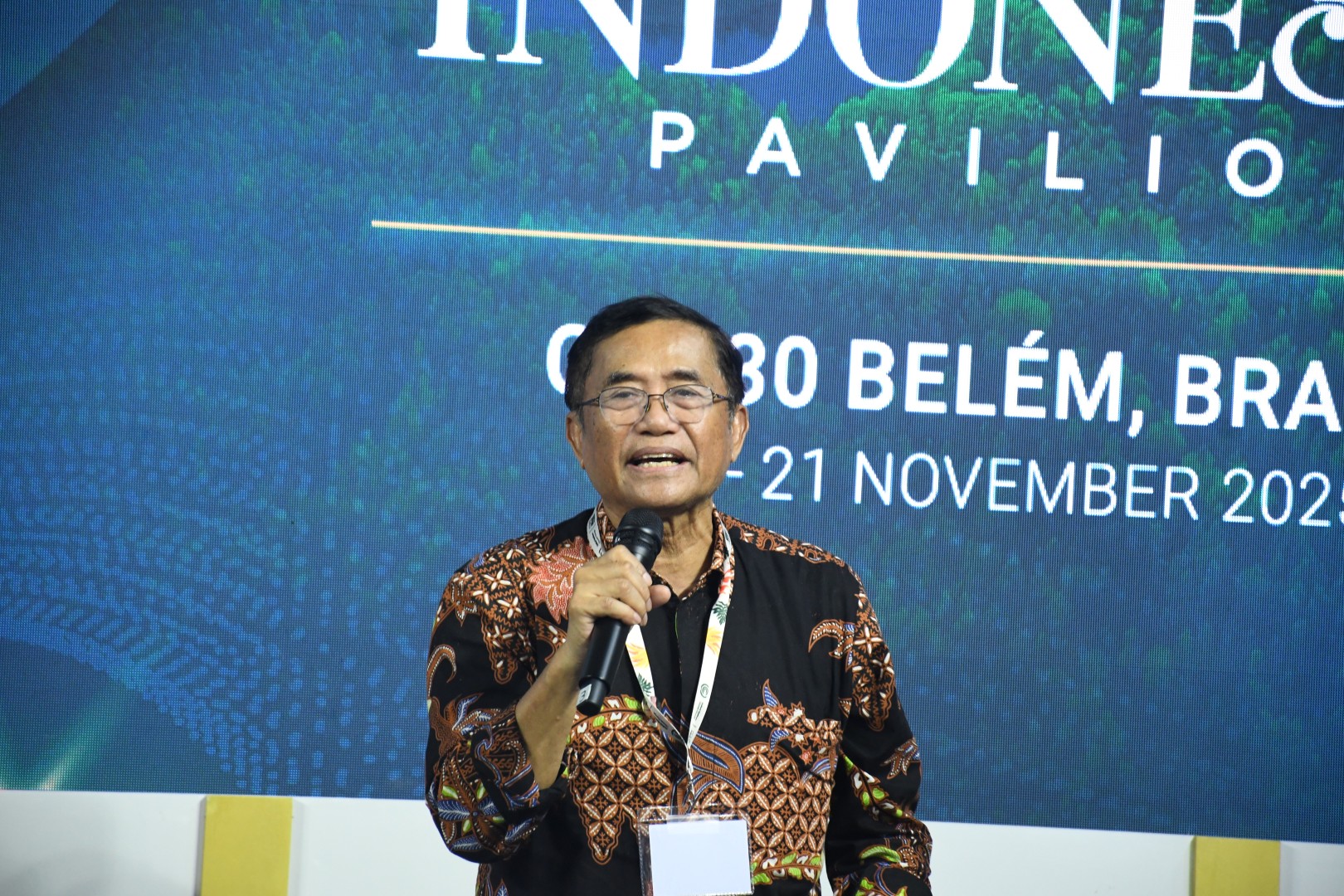
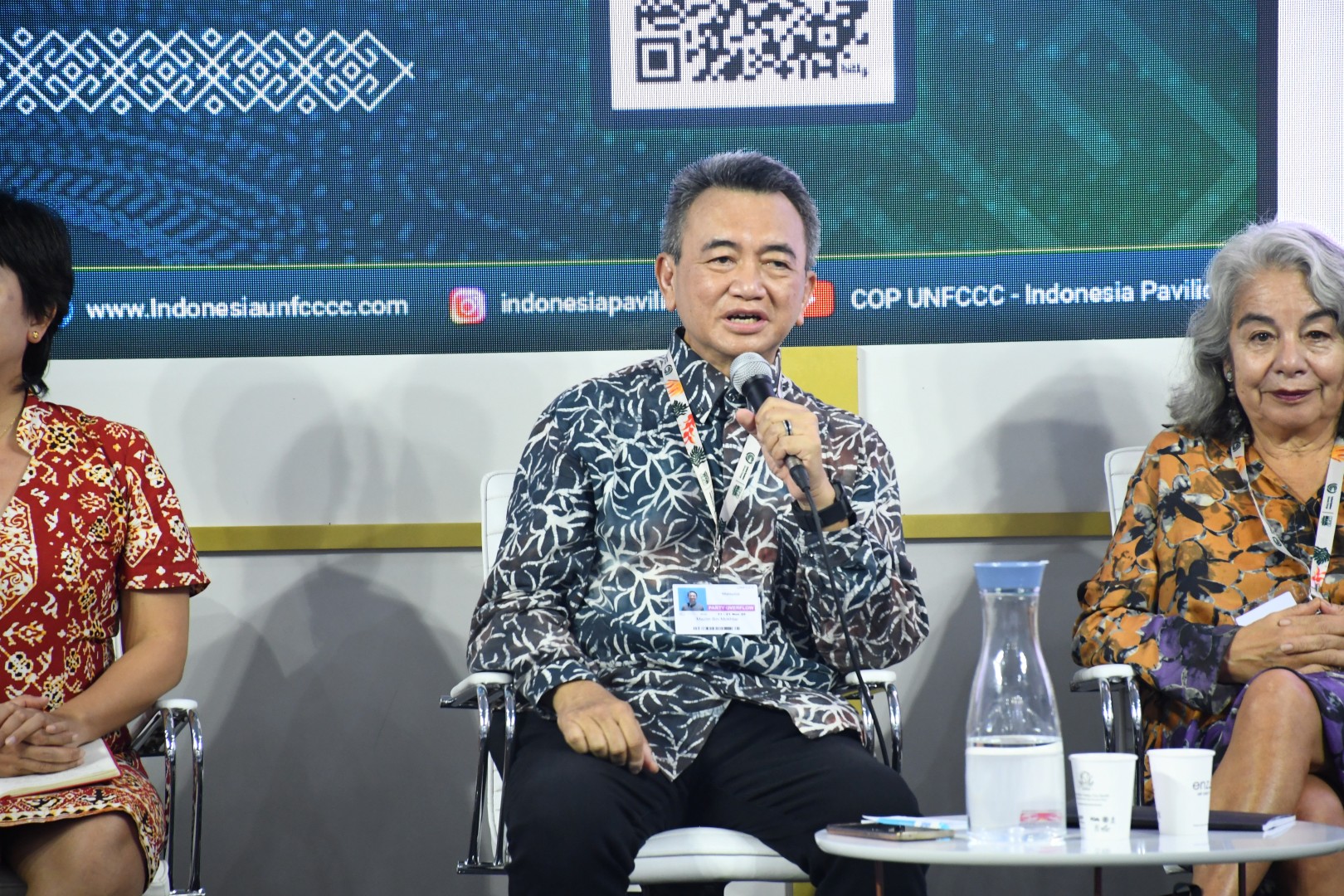
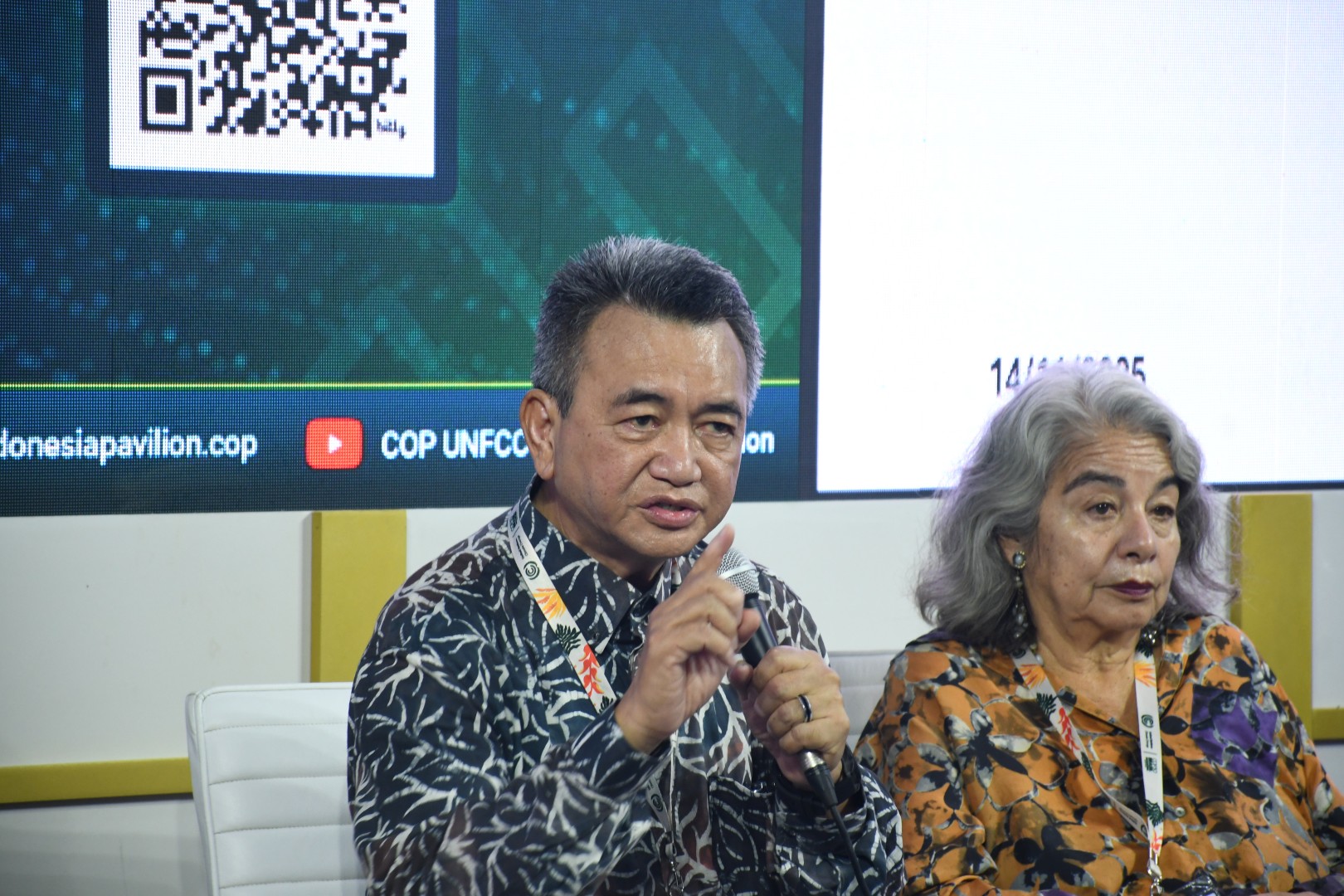
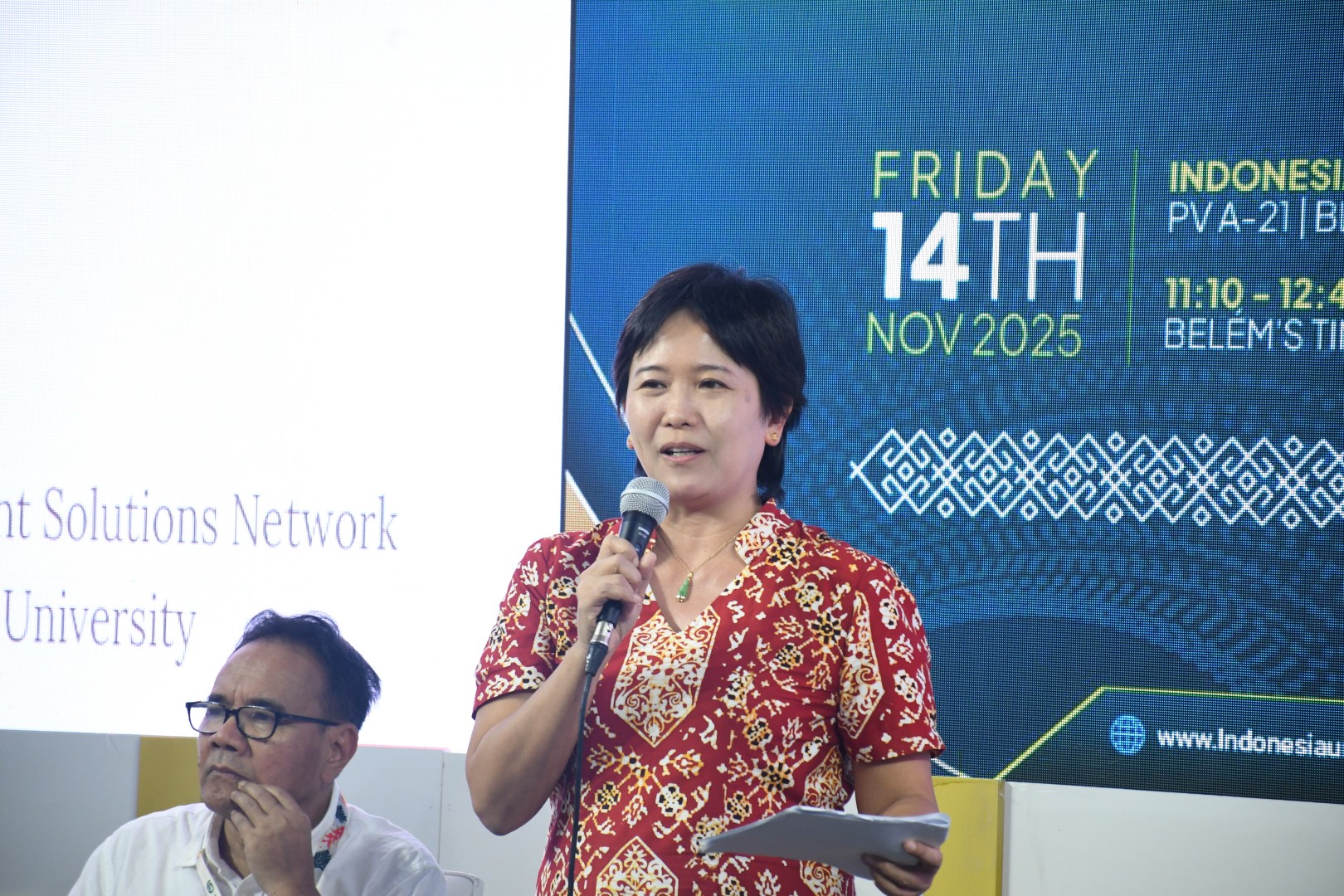
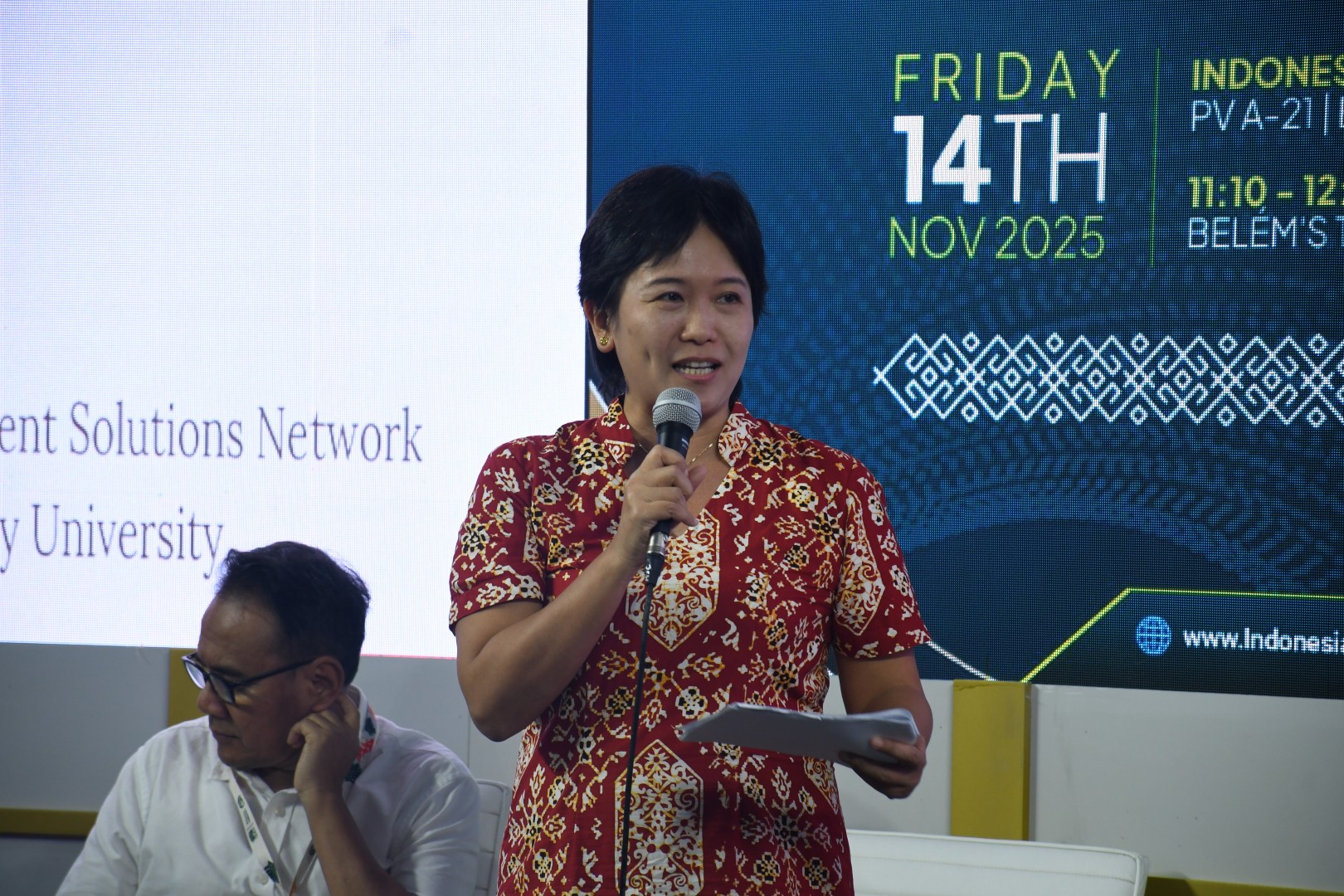
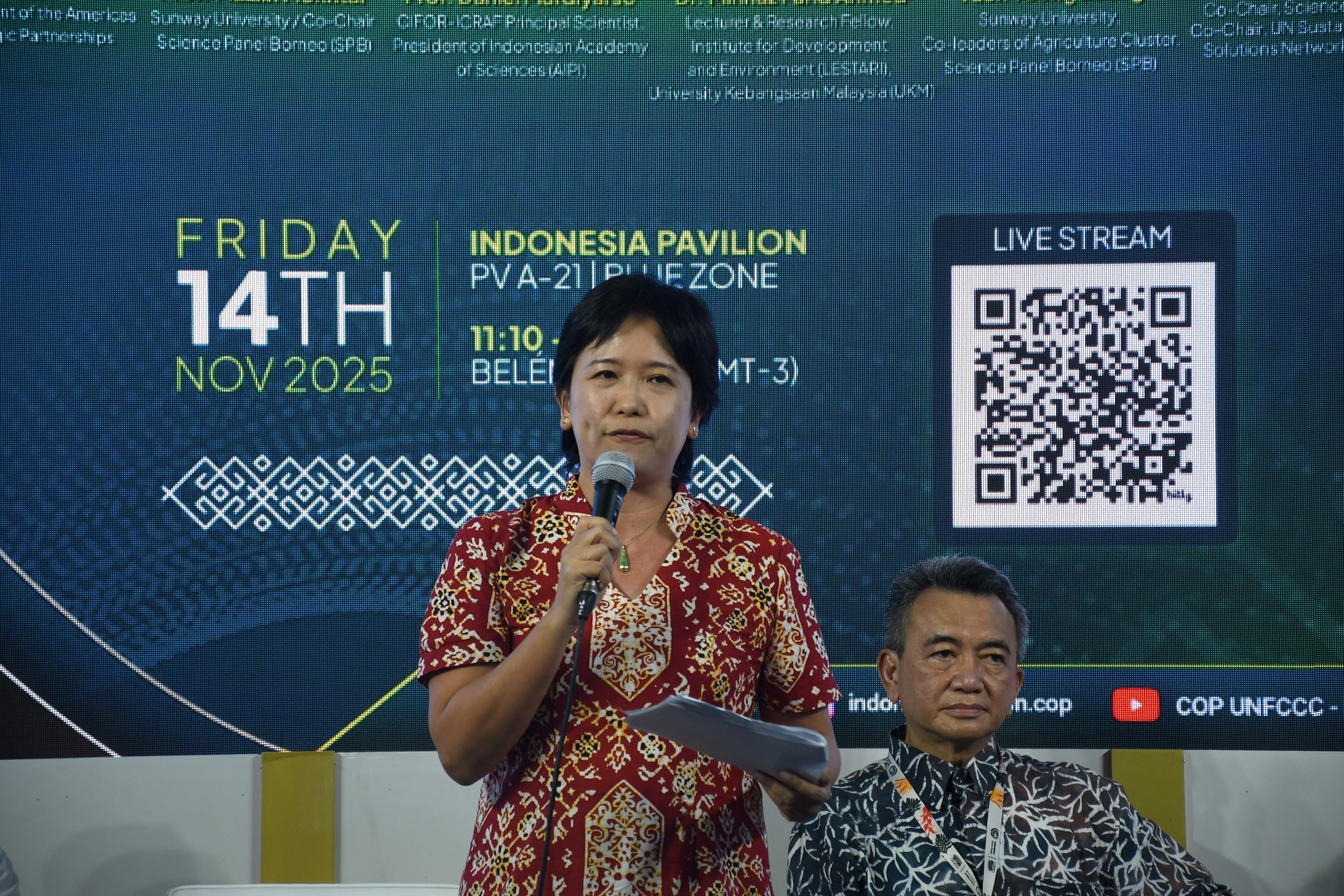
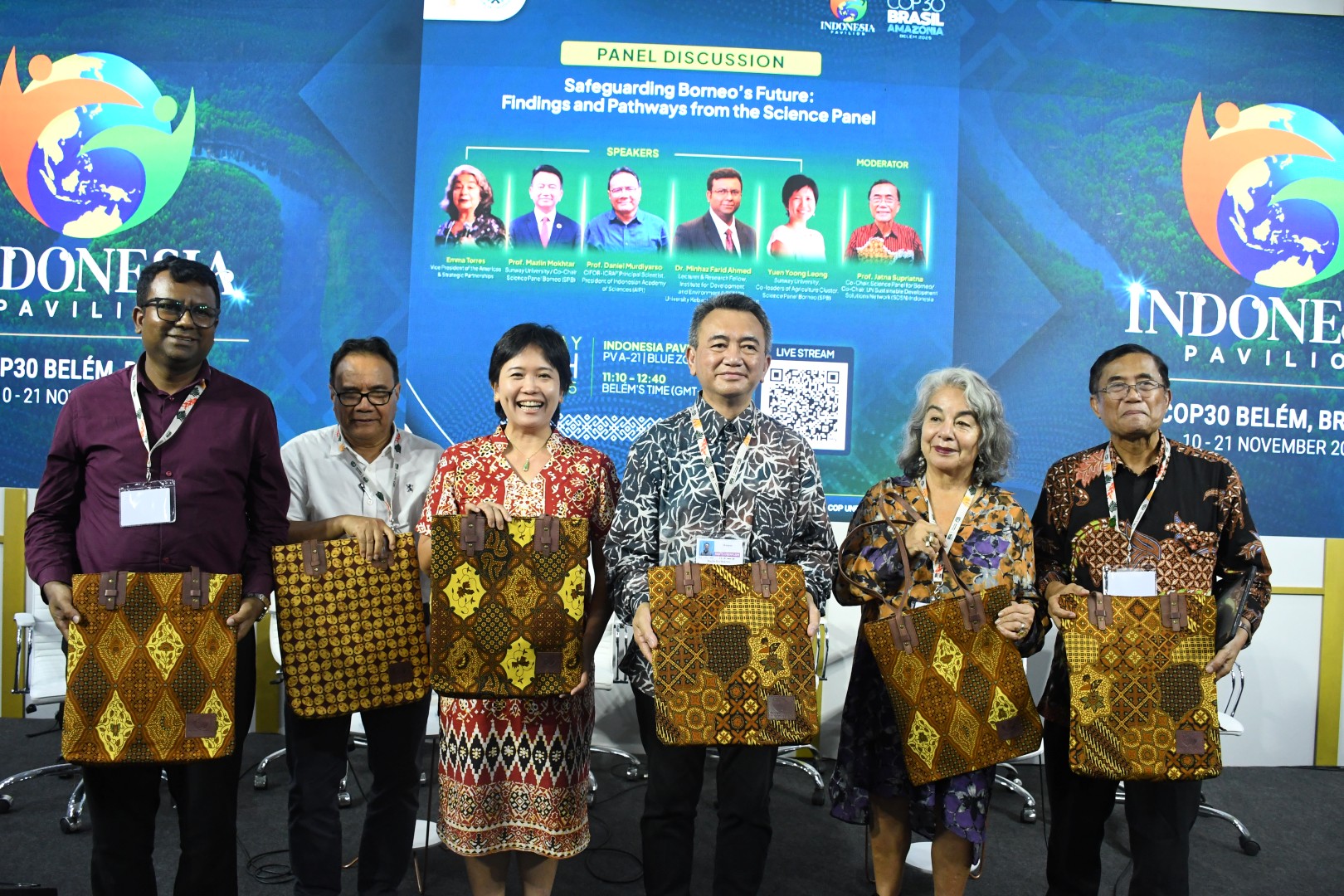
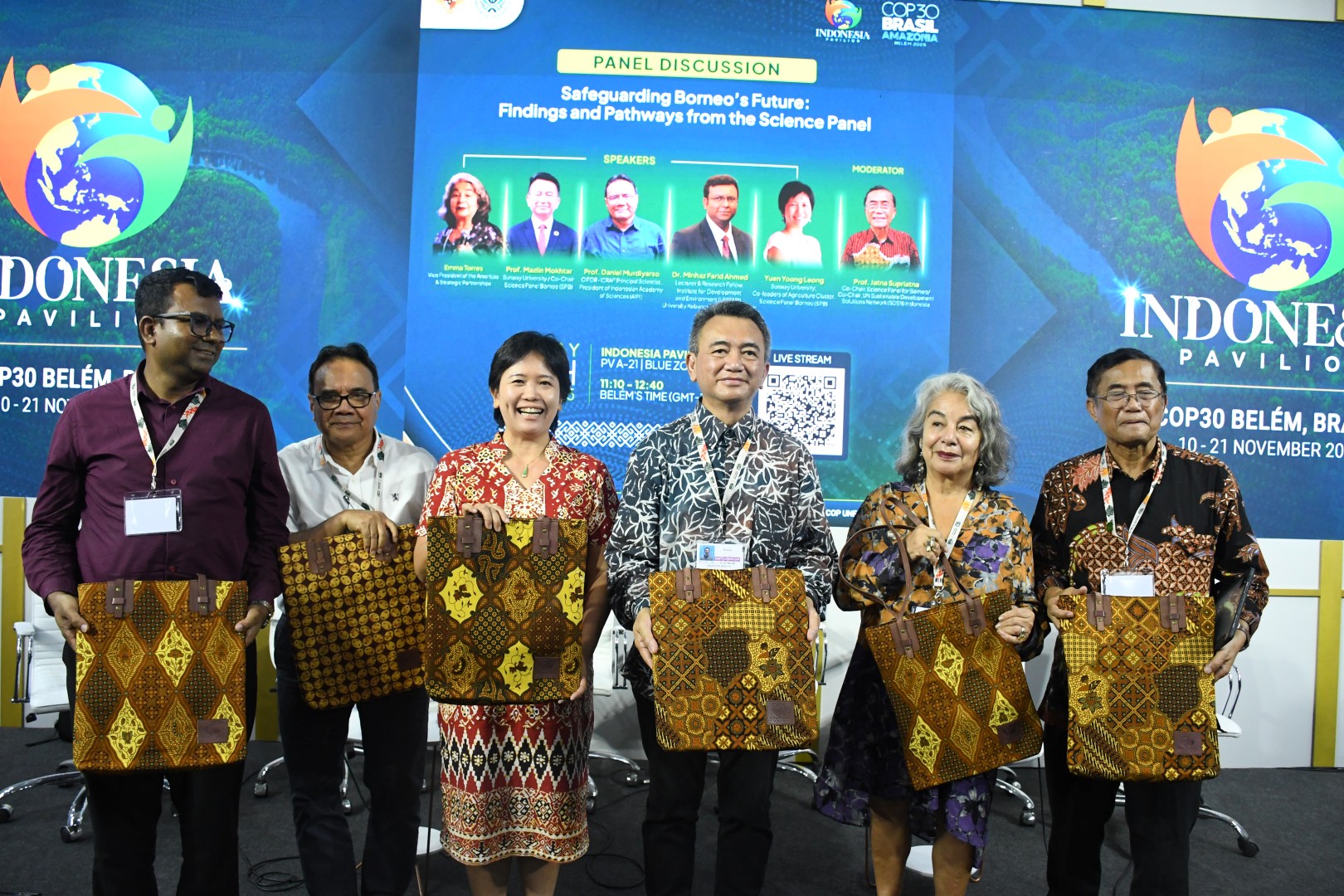
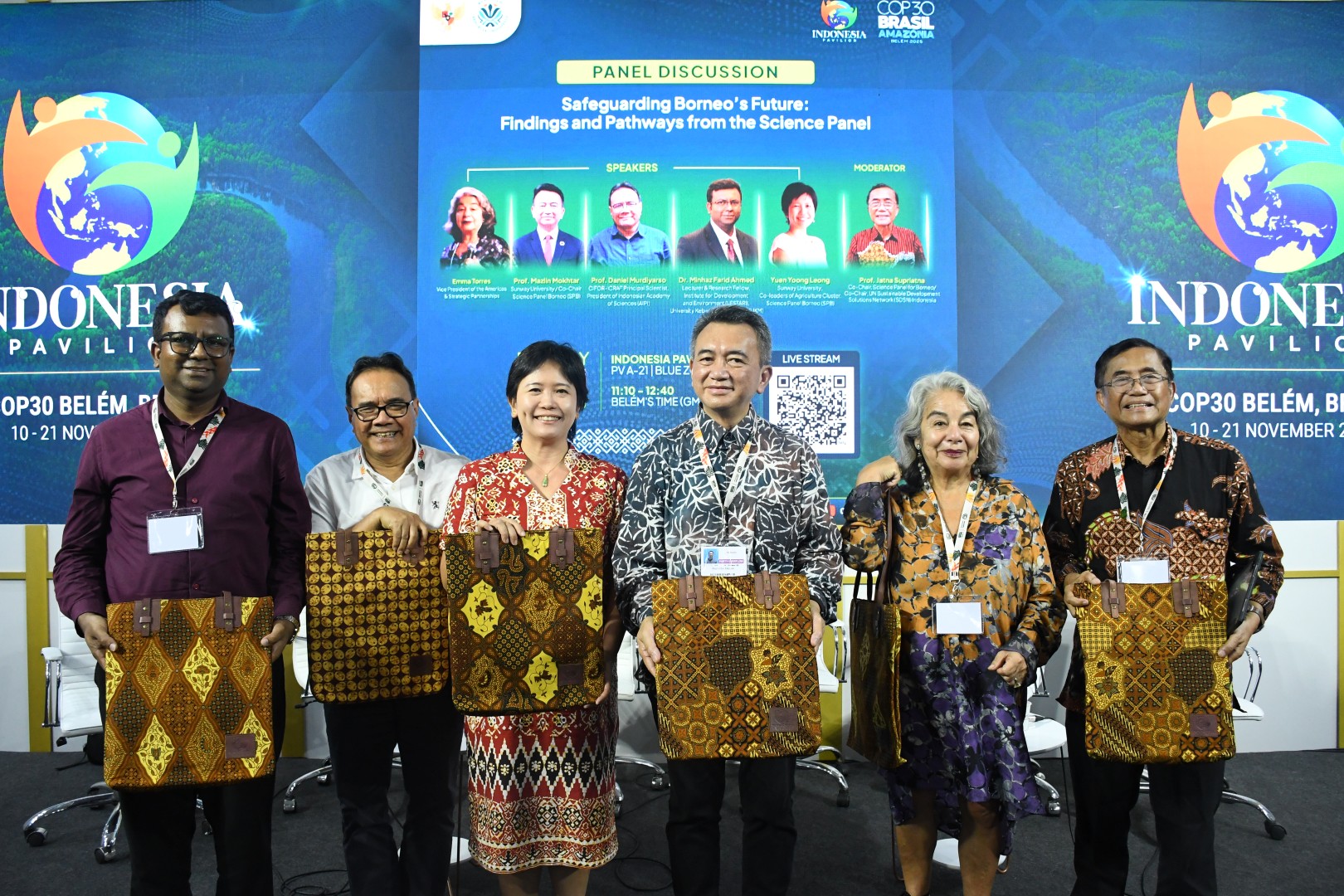
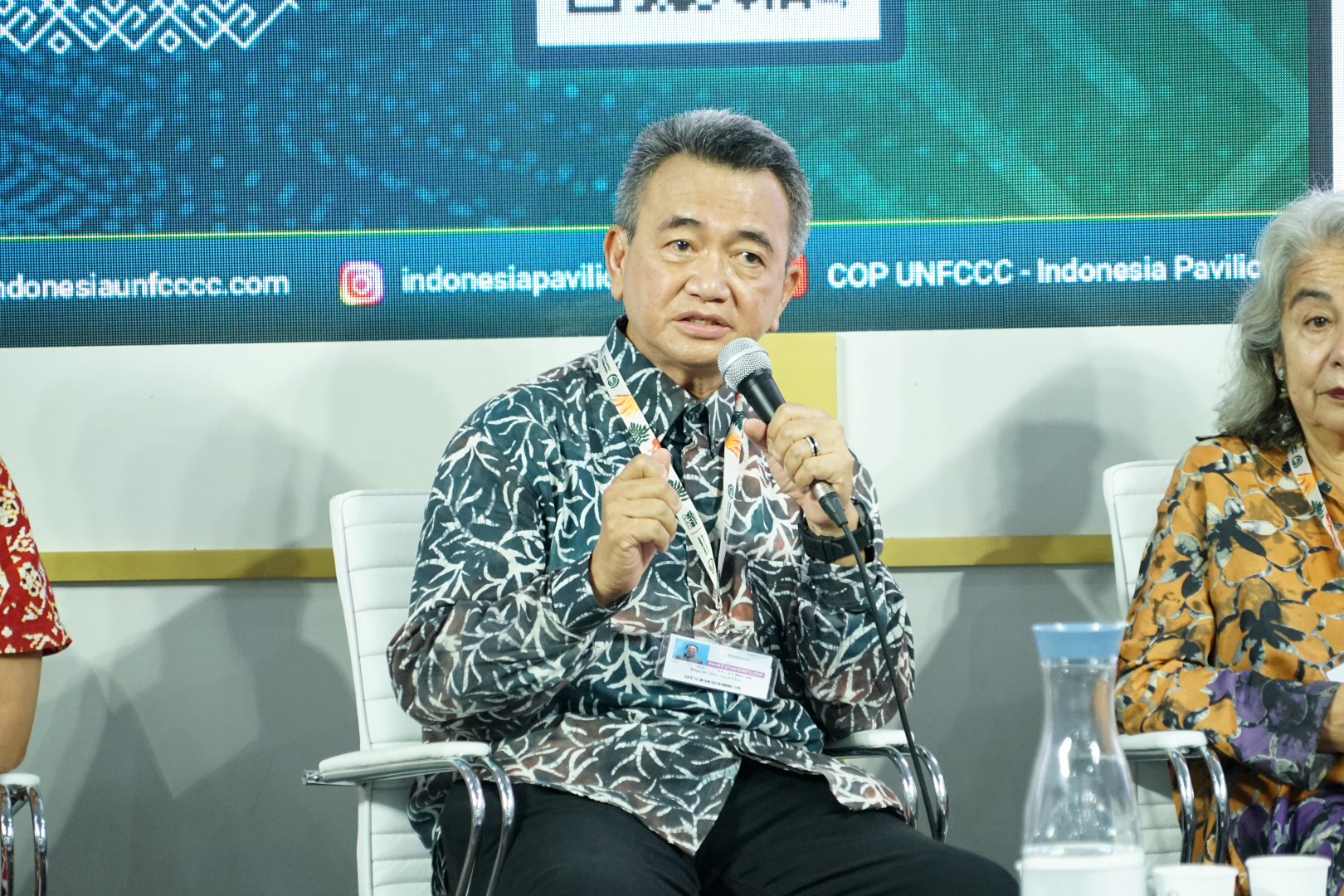
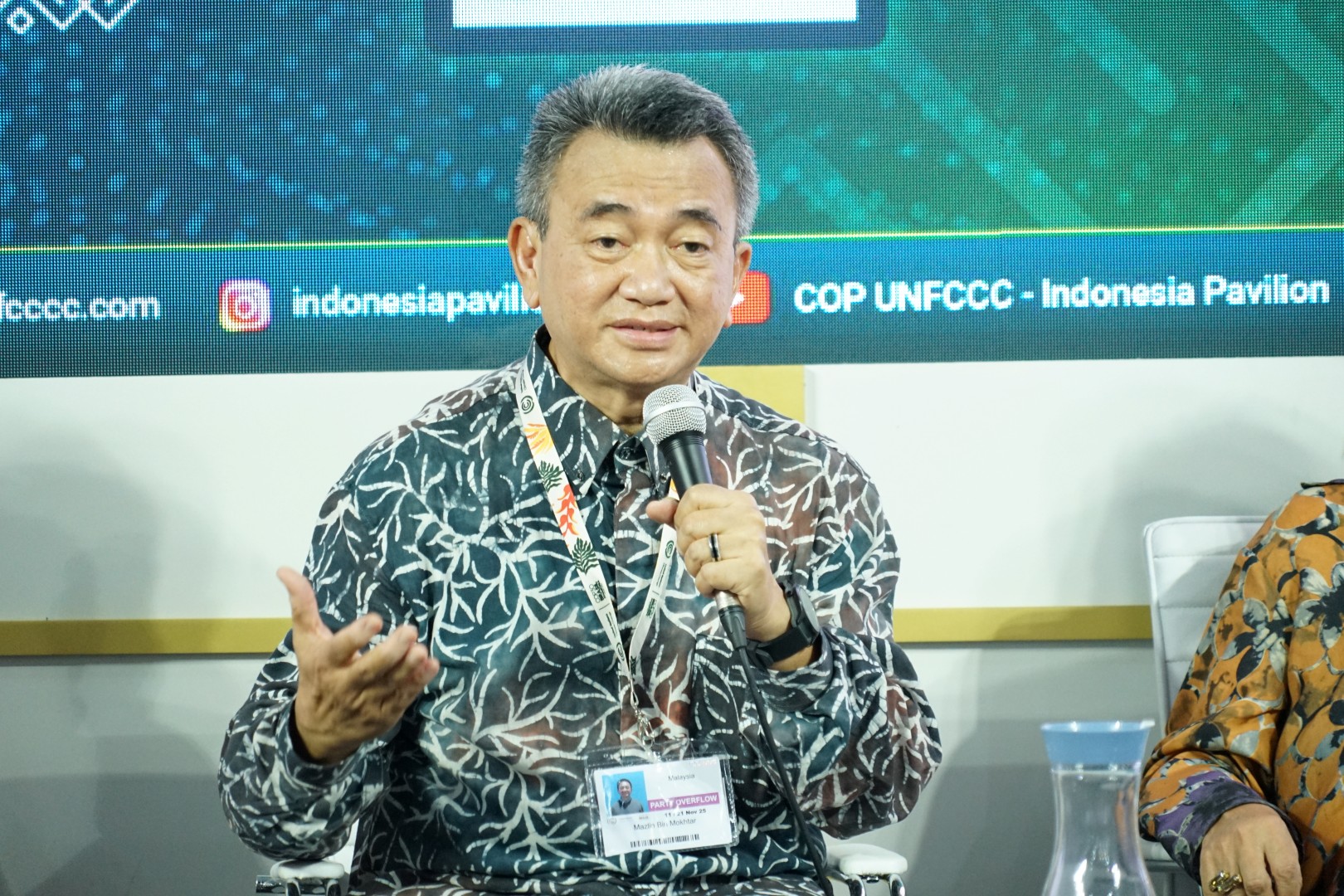
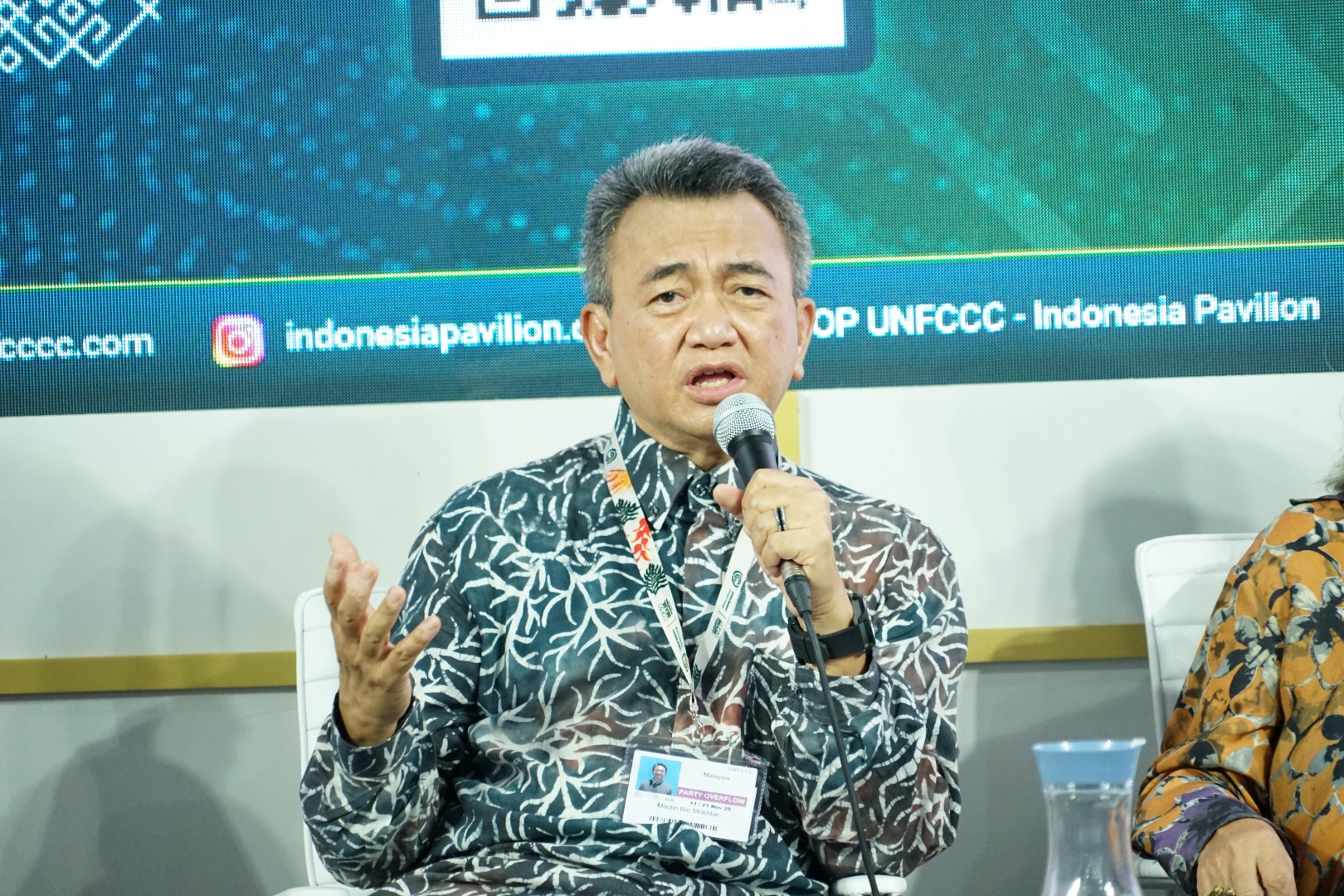
The report brings together more than 300 scientists, indigenous knowledge holders, and policy experts organized across seven analytical clusters: Geology and Geography, Flora, Fauna, Sustainable Agriculture, Water and Mineral Resources, Social Well-being and Cultural Diversity, and Economic Development. Co-chaired by Professor Jatna Supriatna of Universitas Indonesia and Professor Mazlin Mokhtar of Sunway University, and coordinated by the UN Sustainable Development Solutions Network (SDSN) under the leadership of Professor Jeffrey Sachs, the SPB builds on the successful models of the Science Panel for the Amazon and the Science Panel for the Congo Basin. At COP30 in Belém, the SPB will present the Borneo Assessment Report to the global community, strengthening Borneo’s position within international climate and biodiversity diplomacy. The presentation will also reinforce the emerging vision of a global coalition of rainforest nations—sometimes described as an “OPEC of Rainforests”—linking the Amazon, Congo, and Southeast Asia in a shared agenda for conservation, restoration, and sustainable development.