
Belém, Brazil, 20 November 2025,
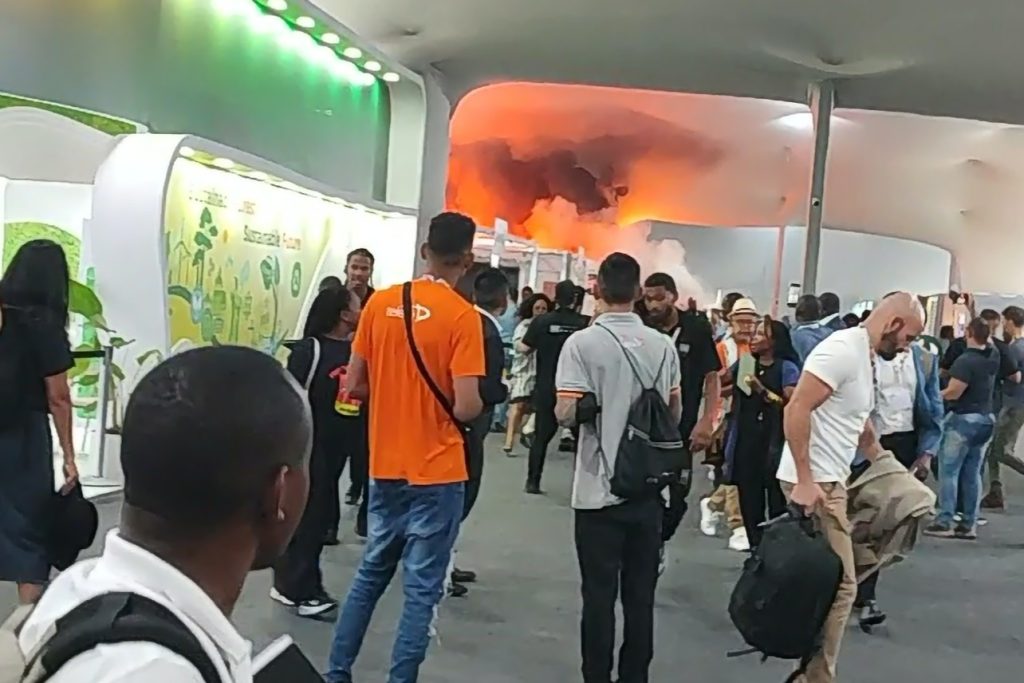
The eleventh day of COP30 in Belém faced an unprecedented disruption. A fire incident within the Blue Zone venue led to safety evacuations and the suspension of most scheduled events across the summit. Despite the chaotic atmosphere gripping the conference, the Indonesia Pavilion demonstrated resilience. Before the mandatory suspension of activities, one pivotal session was successfully concluded. This singular event became the highlight of the day.
Fire in the Blue Zone
On Thursday afternoon, the urgent debates over the global transition away from fossil fuels were abruptly halted. Thick smoke began to fill parts of the venue, triggering emergency alarms and forcing attendees to evacuate the pavilions and negotiation halls. According to reports from The Guardian and Al Jazeera, the fire broke out at a crucial juncture in the debate. The disruption served as a potent symbol, the physical infrastructure of the conference itself seemed unable to withstand the heat, mirroring the planetary crisis being discussed inside. The New York Times noted that the incident stalled high stakes talks, leaving delegates standing outside, watching the smoke rise. This incident showed a visual metaphor for the urgency of the climate emergency.
Here is the recap of the sole session that proceeded on Day 11, Thursday, 20 November 2025 :
Carbon Connection for Climate Action : Seller Meets Buyer Session
The Indonesia Pavilion at COP30 Brazil concluded its Carbon Connection for Climate Action : Seller Meets Buyer series on Thursday, November 20 with a powerful display of high integrity carbon projects spanning the energy, forestry, and waste sectors. The session showcased Indonesia’s readiness to lead the global carbon market by proving that economic growth and environmental conservation can successfully coexist. The presenters offered more than just emission metrics, they delivered compelling narratives about the human impact behind every carbon credit.
In the energy and forestry sectors, the focus was on industrial scale and nature based resilience. PT Supreme Energy Rantau Dedap presented its 91,2 MW geothermal plant, which has reduced 1.5 million tons of CO2e. Meanwhile, Edi Supriyanto of PT Pandu Wijaya Negara championed Nyamplung agroforestry as the Guardian of Coastlines.
At the grassroots level, Koperasi Gending Lestari Kebumen demonstrated the power of the circular economy by converting hazardous landfill methane into clean energy. Since 2022, the captured gas has been piped to 57 households for cooking, replacing fossil fuel based LPG. The economic relief is tangible, illustrated by the testimony of Mrs. Anjar, a local resident who drastically cut her LPG purchases after switching to the landfill gas.
This session highlighted the diversity and maturity of Indonesia’s climate strategy, ranging from advanced renewable infrastructure to practical household solutions. With projects validated under both national and global registries, Indonesia is firmly positioned as a climate leader. As Desmona Chandra, as the moderator summarized in her closing remarks, “Indonesia will continue to demonstrate its climate leadership by driving sustainable solutions and deliver a real climate impact.”
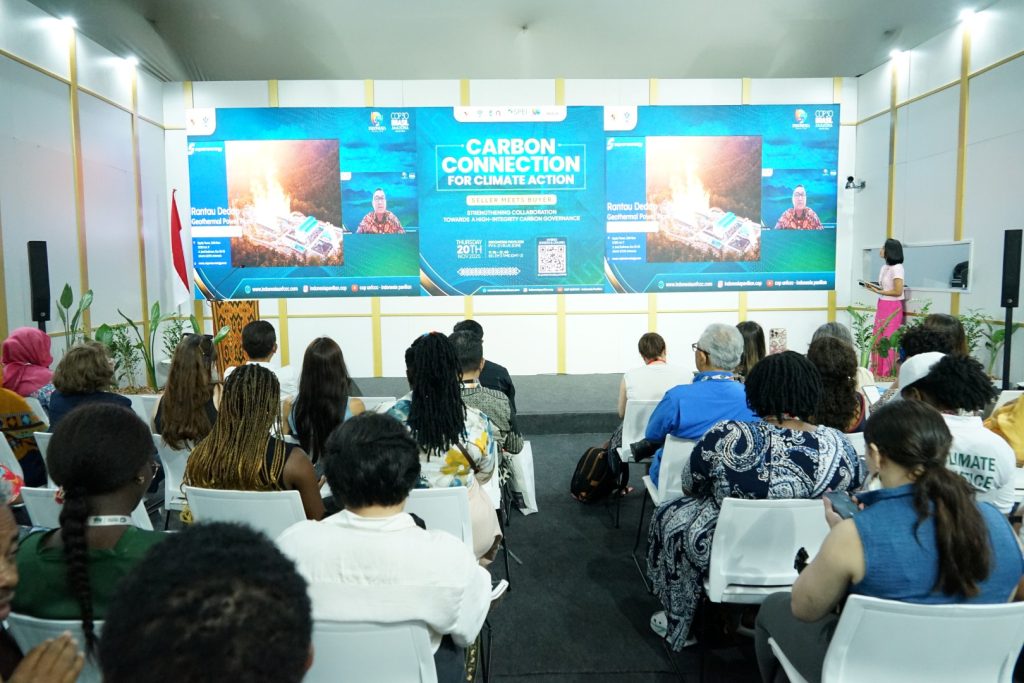
Carbon Connection for Climate Action : Seller Meets Buyer Session on November 20, 2025
Day 11 at the Indonesia Pavilion showed a Model for Global Collaboration. The Carbon Connection for Climate Action : Seller Meets Buyer session concluded with a reflection on the broader impact of the Indonesia Pavilion, which has showcased around 40 green projects over the course of COP30. This final Carbon Connection for Climate Action : Seller Meets Buyer session reinforced Indonesia’s message to the world, climate action is actionable and investable.